|
Securing water resources for the future was focus of 2025 Great Plains Water Conference
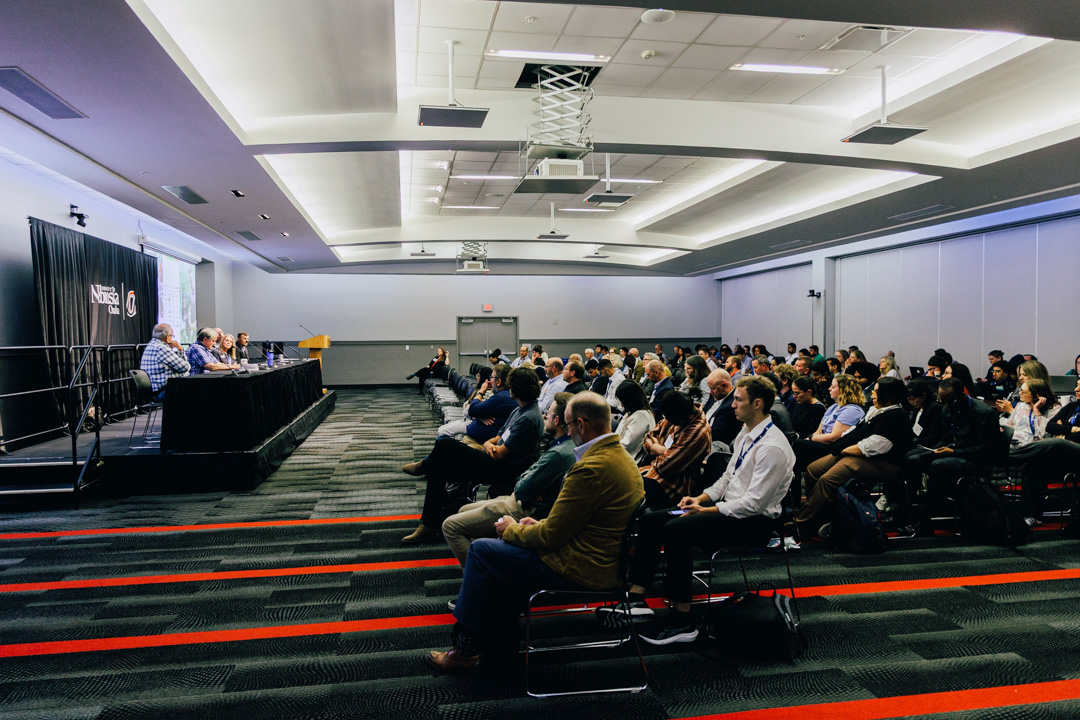
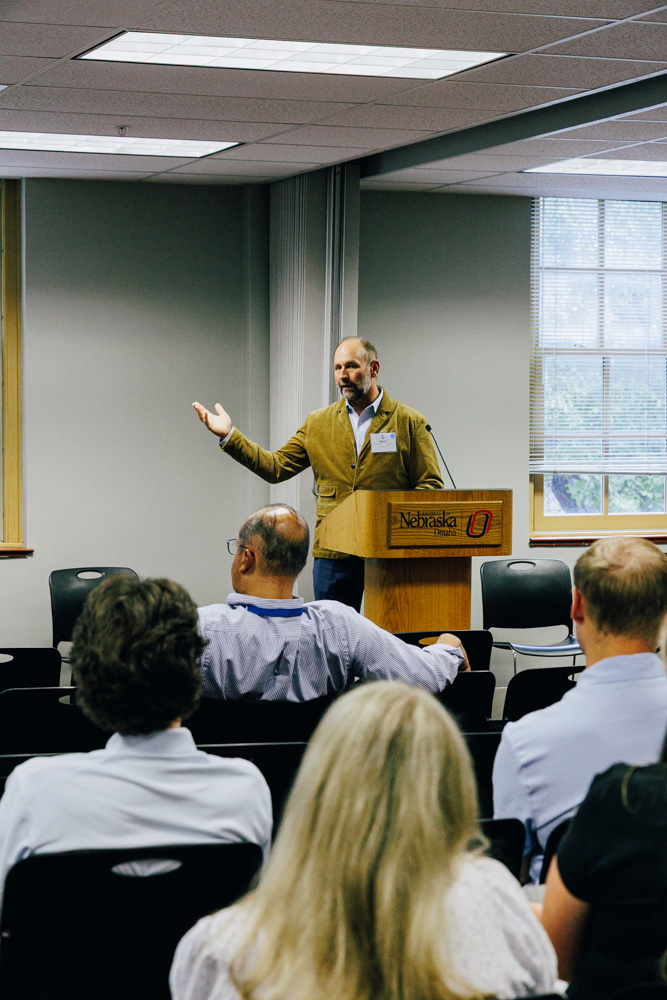
The Nebraska Water Center hosted the 2025 Great Plains Water Conference September 18-19. Held at the Milo Bail Student Center on the University of Nebraska at Omaha’s campus, this regional event included 61 speakers and 163 attendees from eight states across the region.
The conference theme was "Securing Water Resources for Tomorrow," and speakers shared their expertise in water smart communities and watersheds, water quality monitoring and treatment strategies, emerging contaminants, wellhead protection, education and outreach, basin management, and more. Researchers, governments, nonprofits, state agencies, and students from Nebraska, Kansas, Oklahoma, Iowa, Missouri, South Dakota, and North Dakota shared how communities across the Great Plains are planning for their future water resources.
Videos from many of the sessions and photos from the event are available at go.unl.edu/waterconference. The event was sponsored by the Kansas Water Institute and the University of Nebraska – Lincoln's Institute of Agriculture and Natural Resources.
| | |
New thematic map highlights U.S. water rights systems, informs water governance
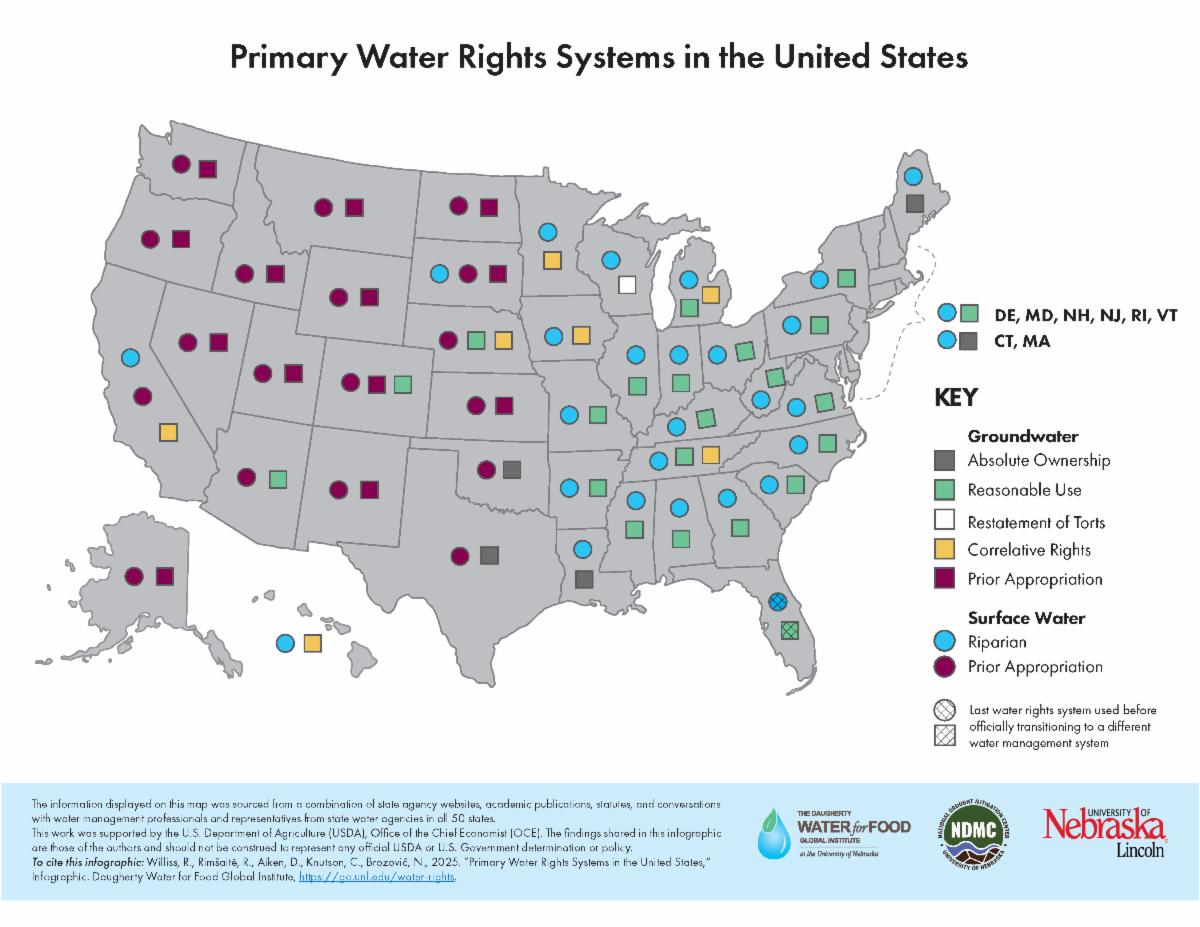
A collaborative team from the Daugherty Water for Food Global Institute, the National Drought Mitigation Center, and the Department of Agricultural Economics, all at the University of Nebraska, has developed a new thematic map illustrating primary water rights systems across the U.S.
This innovative tool provides a clearer understanding of the variability of surface water and groundwater rights systems, which are crucial for effective water management and policy development by researchers, policymakers and landowners alike. The project was funded by the U.S. Department of Agriculture.
| | DWFI brings agriculture to the conversation at World Water Week 2025 | |
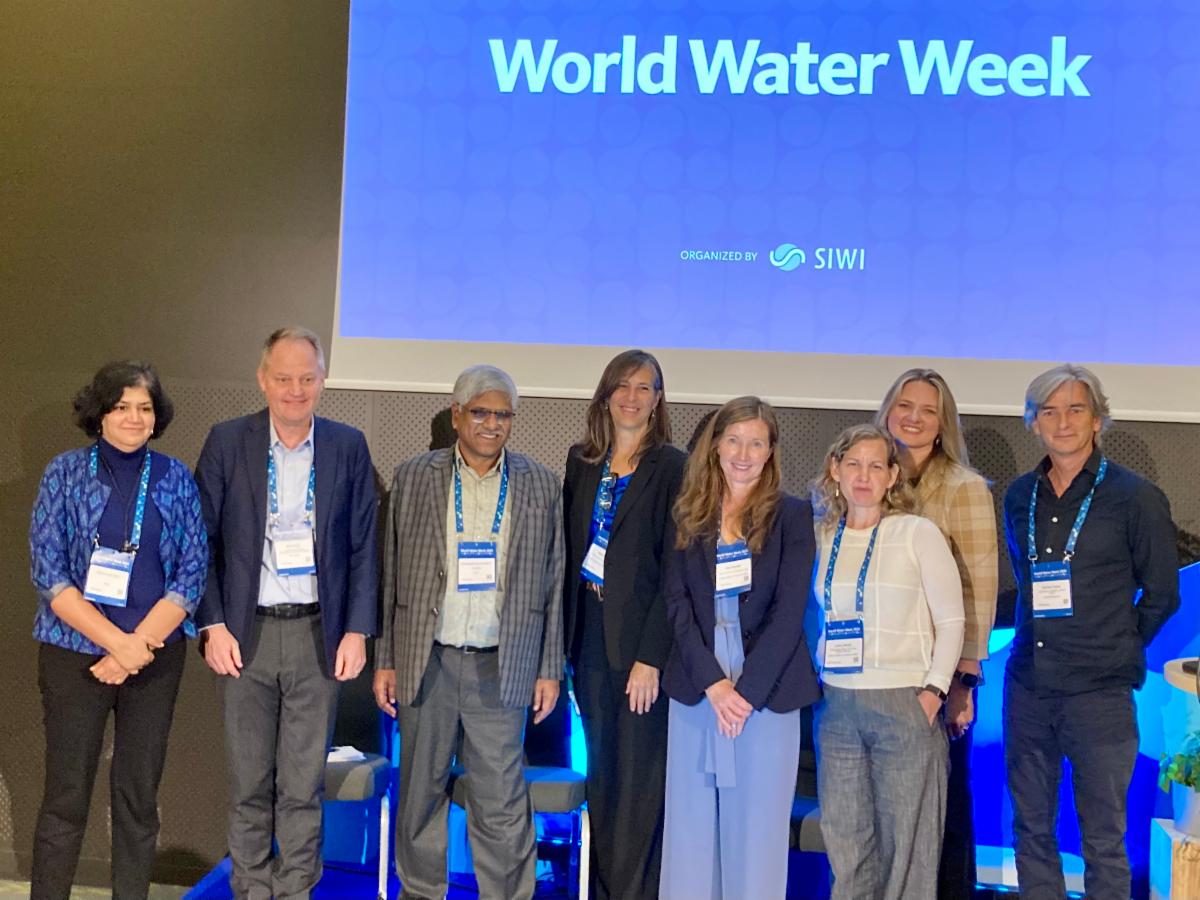
The Daugherty Water for Food Global Institute (DWFI) played an active role in this year’s World Water Week in Stockholm and online, ensuring that agriculture remained central to the global water conversation.
Nicole Lefore, Associate Director of Sustainable Agriculture Water Management, and Renata Rimšaitė, Senior Program Manager, contributed to the SIWI Seminar Series Water for Food in a Changing Climate: Pathways to Adaptation and Mitigation. Their three sessions explored how institutions and policies can support farmers in adapting to increased weather variability, while also aligning agricultural water management with climate mitigation goals. Drawing on examples from both the Global South and North, they highlighted inclusive governance, cross-sector collaboration, and the importance of building capacity at multiple levels.
Jesse Bell, Director of Water, Climate and Health, facilitated a roundtable on drought, addressing the increasing risks communities face as climate variability intensifies. He discussed the many human health impacts of drought events and how nations can prepare to become better resilient in the face of drought.
In addition to these sessions, DWFI met with many partners throughout the week. We were also pleased to meet with the International Water Management Institute (IWMI) and jointly promote our new partnership on the Commission on Water for Food Futures (CWFF).
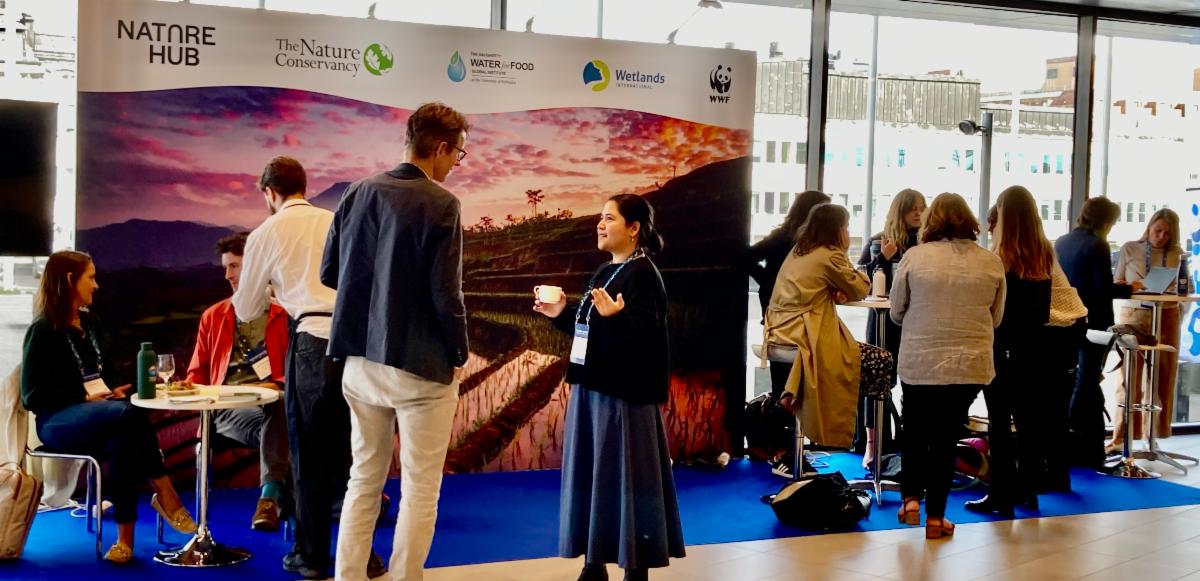
DWFI was also proud to be part of The Nature Hub, a collaborative space hosted with partners The Nature Conservancy, Wetlands International, Forest Trends, and World Wildlife Fund. The hub offered a bustling venue for showcasing innovative solutions, emphasizing how protecting and restoring rivers, lakes, and wetlands, alongside promoting sustainable agricultural practices, can restore biodiversity, improve water security, and build resilience.
DWFI’s engagement throughout the week reflected our mission to bridge water and agriculture, bringing Nebraska’s experience and expertise into global dialogue. By contributing research and perspectives on irrigation, governance, and climate resilience, DWFI helped emphasize that sustainable food production must remain a core part of water security discussions worldwide.
| |
NU and DWFI showcase "Solutions for On-Farm Risk" at Husker Harvest Days
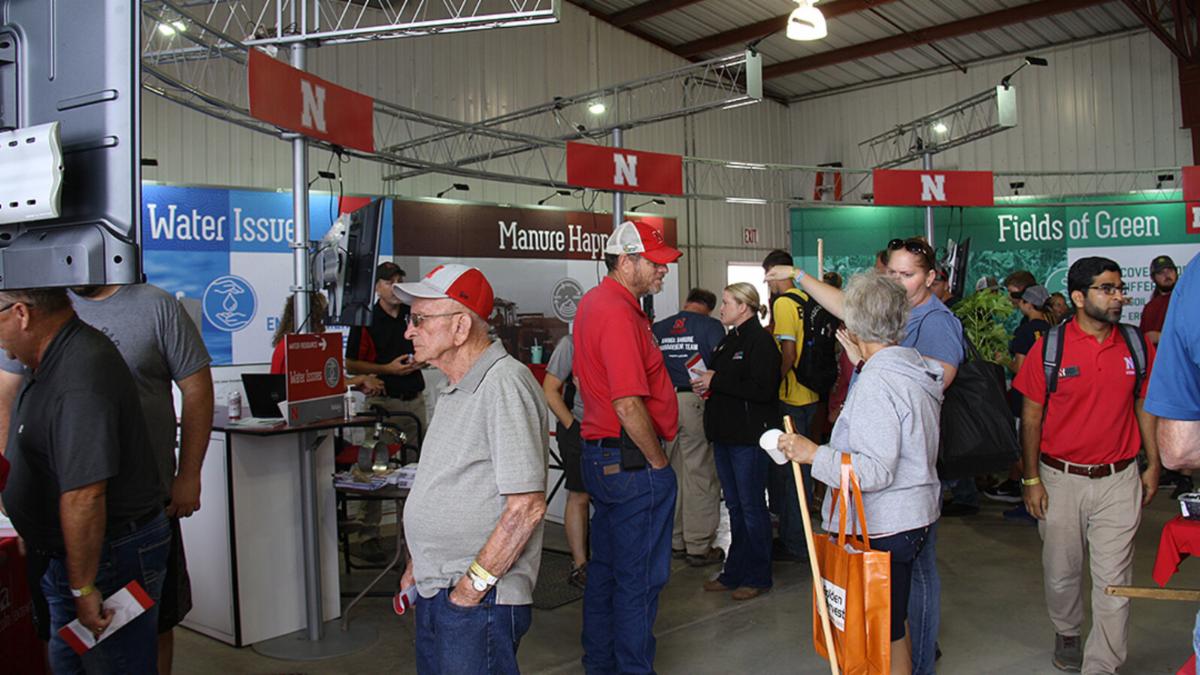
Husker Harvest Days, the world's largest irrigated agriculture show, annually draws thousands to Wood River, Nebraska. This year, the University of Nebraska (NU) "Big Red Building," themed "Solutions for On-Farm Risk," provided attendees with opportunities to test crop knowledge, explore new technologies, and address farming challenges. Crystal Powers, DWFI's Extension Educator, helped lead the NU’s participation, which included interactive displays from various University faculty, including a dozen DWFI Faculty Fellows.
Water was a central focus of the displays. Faculty Fellow and University of Nebraska–Lincoln (UNL) Irrigation Specialist Xin Qiao spearheaded the water exhibit, which covered both irrigation and drinking water. The booth showcased Qiao's new irrigation scheduling application and on-farm testing projects for sprinkler design and in-season fertigation. Nebraska Extension also offered guidance on home drinking water testing and treatment.
UNL’s Testing Ag Performance Solutions (TAPS) program hosted an engaging Crop Skills Challenge. Over 200 participants demonstrated both practical farm abilities and intellectual crop production knowledge, including a virtual TAPS competition focused on using data for in-season irrigation and nitrogen decisions.
Outside the building, youth explored future educational and career paths at the University of Nebraska, with highlights like the UNL Department of Biological Systems Engineering’s ¼ Scale Tractor Design Team and the Food Sciences Ice Cream Truck.
| | |
WCHP Workshop explores intersections of water, agriculture, and nutrition
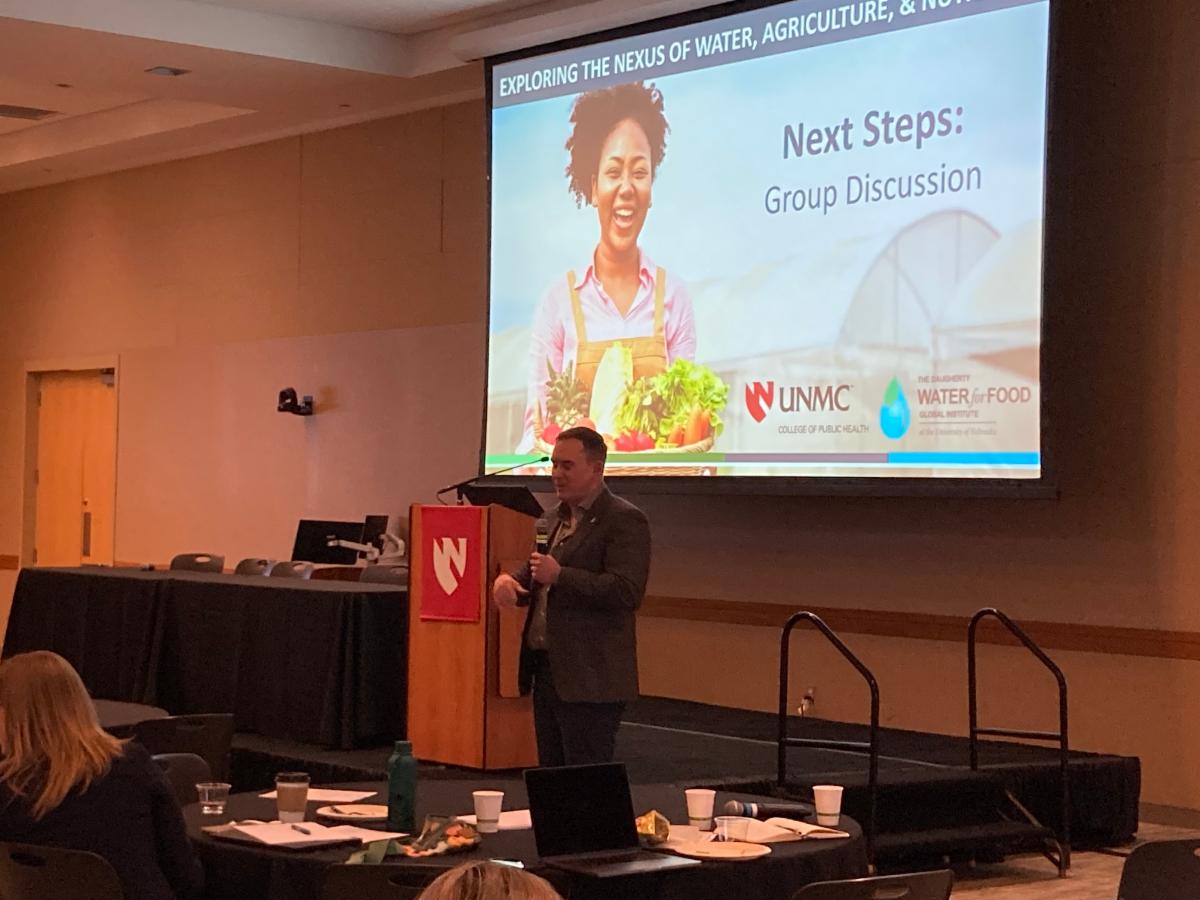
DWFI’s Water, Climate and Health Program (WCHP) convened a workshop on September 22-23, 2025, at University of Nebraska Medical Center in Omaha, Neb. Nutrition is critically important for both Nebraska, the Global South, and elsewhere where challenges like water quality, agricultural practices, and food access shape dietary patterns and health outcomes, highlighting the need for integrated approaches that link agriculture, water, and public health.
Building on insights from the Heuermann Lecture at the recent Water for Food Global Conference, the workshop brought together university faculty, researchers, community partners, and philanthropic partners to review existing knowledge and projects, enhance interdisciplinary collaboration, and shape a research and investment agenda. Key outcomes included mapping current efforts, identifying opportunities for joint action, and strengthening cohesion across regions and disciplines to inform future policy and practice.
| | |
DWFI shares insights on Mountains, Water and Food in Austria
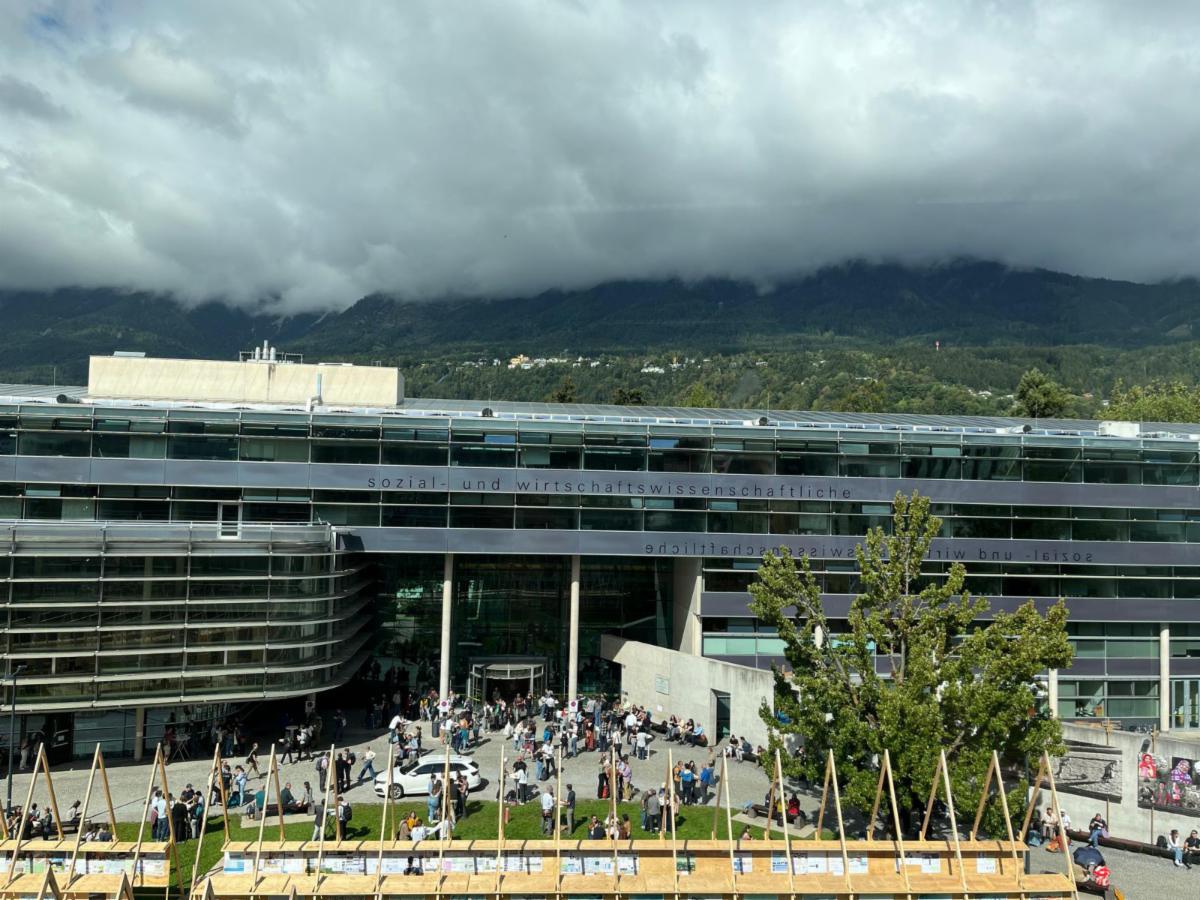
DWFI Research Program Scientist Randall Ritzema represented the institute this week at the International Mountain Conference in Innsbruck, Austria. He delivered two talks on the connection between sloping land use, irrigation water availability, and upland rice production in Laos. The conference offered a valuable opportunity to exchange ideas and bring fresh insights back to Nebraska on the theme of Mountains, Water, and Food.
| |
|
DWFI featured in 2025 Global Agricultural Productivity Report
The Global Agricultural Productivity (GAP) Initiative at Virginia Tech mobilizes and advocates for action and investment to accelerate agricultural productivity growth at all scales of production to create returns to farmers, society, the economy, and the environment. The GAP Report is the heart of the GAP Initiative. This annually produced report is the premier source for productivity data, analysis, and policy recommendations that inspire action.
DWFI provided a Partner Story for the 2025 report, sharing its collaboration on the Dashboard for Agricultural Water and Nutrient Management (DAWN) project. DAWN is a free, web-based decision-support tool developed to help Corn Belt producers optimize water and nutrient inputs for efficiency gains. Supported by USDA NIFA and developed by a team of researchers, including those at DWFI, the tool translates complex climate data into six-month forecasts that can be applied for realtime, region-specific, actionable insights. With over 400 users, DAWN is gaining traction and attracting private-sector interest. By bridging science and practice, DAWN supports more efficient, resilient farming and highlights the importance of collaborative, farmer-informed innovation in digital agriculture.
The 2025 GAP report was launched at an event in Chicago on October 1.
| |
DWFI kicks off year with annual Fall Welcome event
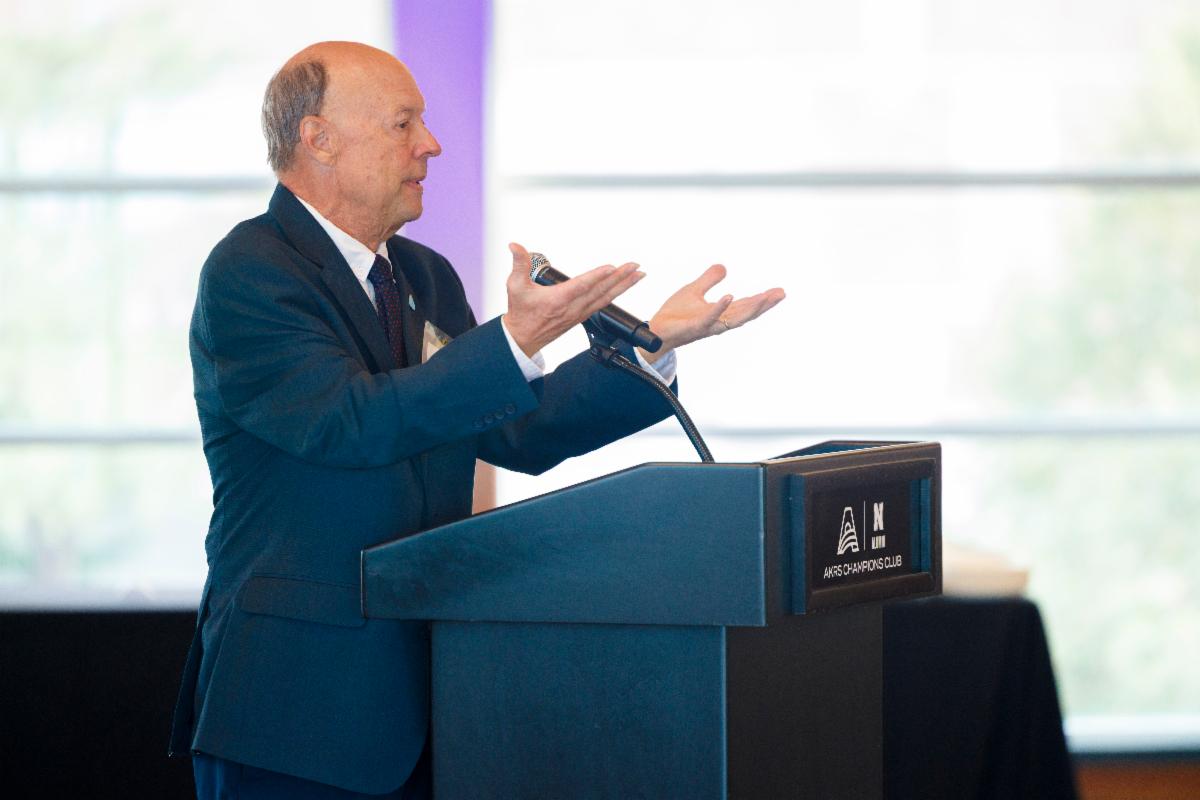
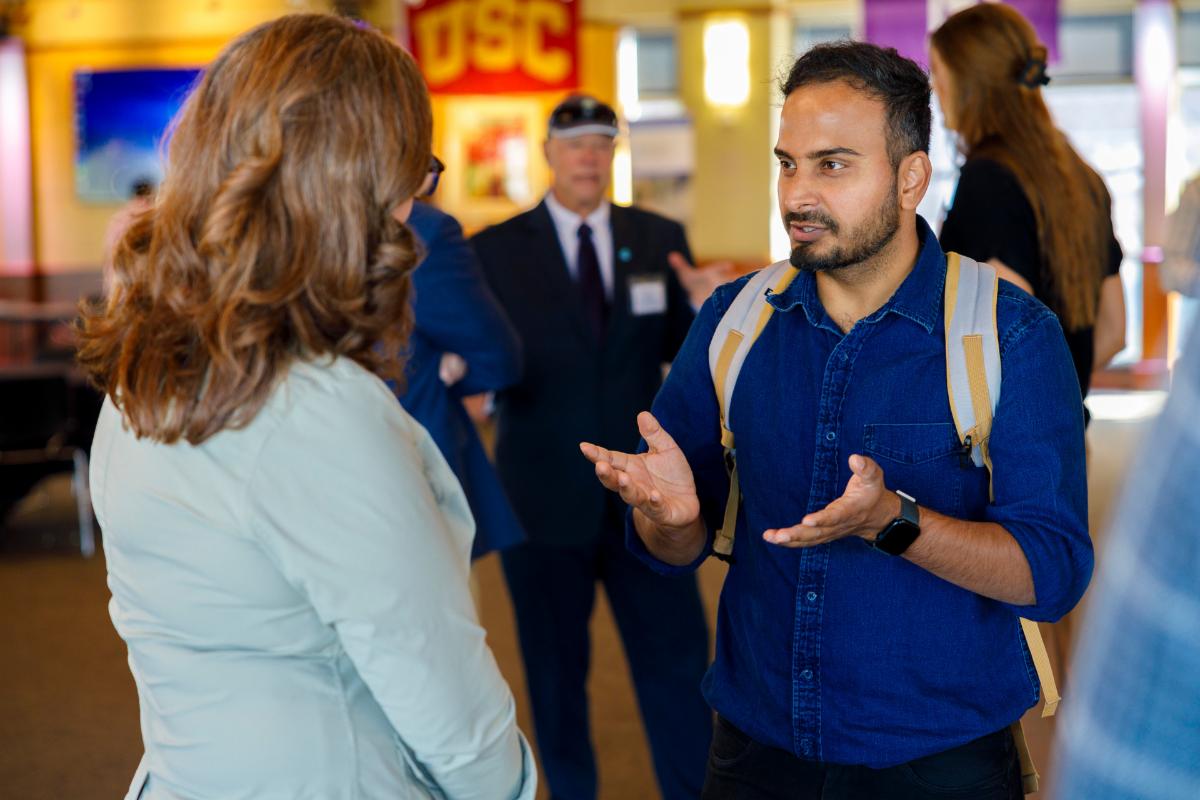
The Daugherty Water for Food Global Institute welcomed its 2025–26 cohort of supported students on September 24 at the AKRS Champion Club. The annual Fall Welcome event offered an introduction to the institute’s mission, programs, and global impact. Students heard from DWFI leadership, gained practical guidance on communicating research impact, and networked with DWFI staff.
Since 2014, DWFI’s Student Support Program has provided more than 130 awards and $4.9 million in student research funding—with $4.2 million matched one-to-one by faculty fellows— across the University of Nebraska system. These awards support students whose work advances the institute’s mission to achieve greater food security with less pressure on scarce water resources. We’re excited for the year ahead!
| |
|
Global Impact: Daugherty Water for Food Institute
A Backyard Farmer interview with NU President Dr. Gold
In a recent Backyard Farmer interview, University of Nebraska President Dr. Jeffrey Gold discussed the University of Nebraska's global impact, highlighting its role as a model for the nation and the world. Dr. Gold emphasized the work of DWFI [00:27], and its international reach in water quality and quantity, as well as its expertise in agriculture and irrigation in Nebraska and beyond.
Dr. Gold concluded by praising the University of Nebraska as an internationally respected university known for its outreach in agriculture, healthcare, and engineering, while also maintaining a strong local community focus.
| |
Nebraska Water Center releases Summer 2025 Water Current
The Nebraska Water Center, part of DWFI, recently published its Summer 2025 Water Current Newsletter.
The newsletter includes the following stories:
- Great Plains Water Conference
- Undergraduate Student Research Fellowships provide career experience in water science
- Nebraska Water Center holds mini Nebraska Water Tour
- Know Your Well workshop trains educators and regional leaders
- Updates from the 2024 104b award winners
- Podcast episode explores critical indicator for Nebraska groundwater quality
- New methods for microcontaminant measurement funded by 104b and NSF
- Research team aims to position Nebraska as a leader in groundwater quality
- NWC intern begins career in Nebraska Extension
| | |
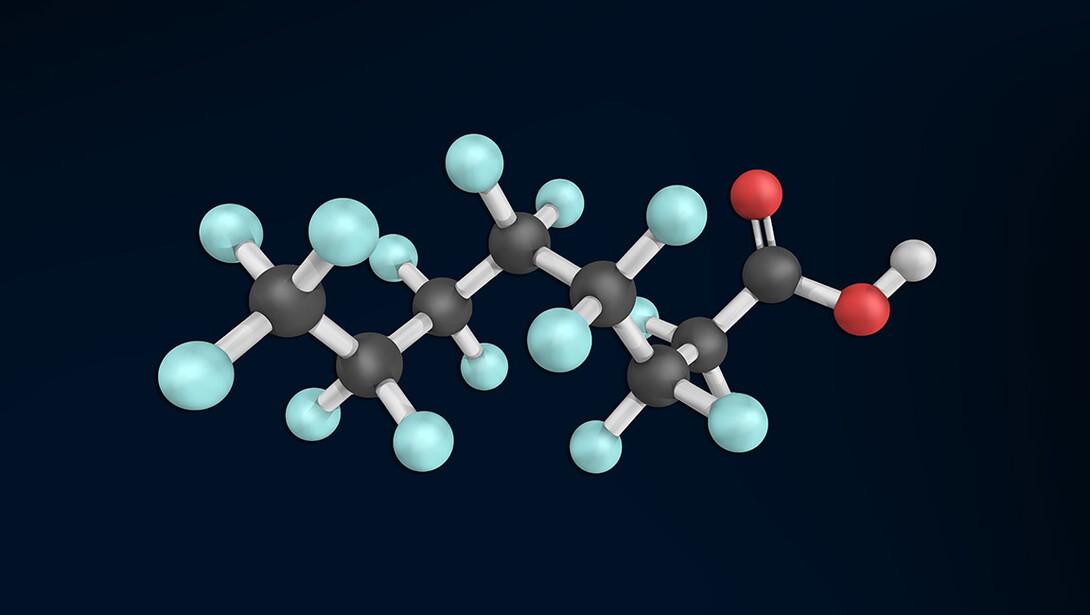
A 3-D rendering of a Perfluorooctanesulfonic Acid molecule is shown.
Team discovers potential bacterial solution to 'forever' chemicals
By Nebraska Today
A recent study led by researchers at the University of Nebraska-Lincoln, including DWFI Faculty Fellow Nirupam Aich, discovered that the common bacterium Rhodopseudomonas palustris has the potential to help break down "forever chemicals" known as PFAS. The team's work, published in "Environmental Science: Advances," showed that the bacterium absorbed a significant amount of the chemical PFOA into its cell membrane, demonstrating a biological interaction. While the chemical was later released from the cell, this finding establishes a critical foundation for further research. Dr. Aich and his collaborators are now planning follow-up studies to use microbial and synthetic biology to enhance the bacterium's ability to retain and potentially transform these persistent chemicals.
| |
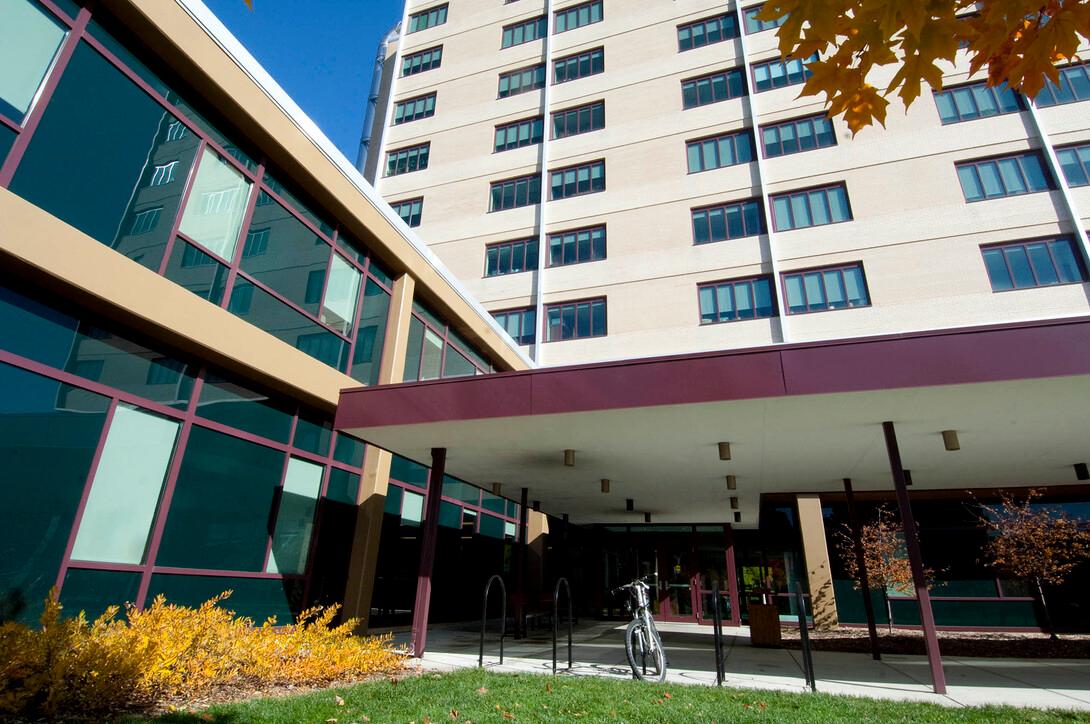
Hardin Hall, home to the Center for Resilience in Agricultural Working Landscapes.
Nebraska scientists helping defining ag resilience terms for national library
By Nebraska Today
Scientists from the University of Nebraska-Lincoln and other institutions are collaborating to create a foundational vocabulary for agricultural resilience for the U.S. Department of Agriculture's National Agricultural Library. The project, part of the Network for Integrated Agricultural Resilience Research (NIARR), aims to define around 30 key terms to address the current lack of standardized language in the field. Contributors include DWFI Faculty Fellows Craig Allen and Tala Awada. This effort will help scientists and stakeholders better understand complex agricultural systems and develop effective strategies for building resilient farms, acknowledging the unique challenges of defining these terms in human-managed systems.
| |
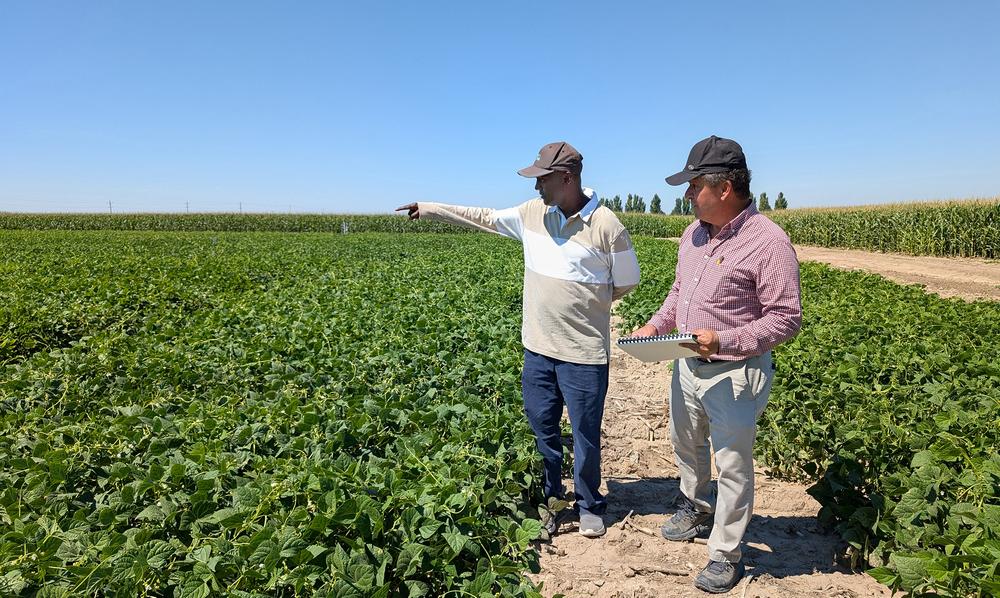
Dry Bean breeders Teshal Mamo, Alliance of Biodiversity C/AT, and Carlos Urrea, University of Nebraska-Lincoln, survey the dry beans in the Mitchell Ag Lab plots in Nebraska. Photo by Chabella Guzman
Collaboration Grows Success With Dry Bean Breed ‘Kikatiti’
By Chabella Guzman, PREEC communications
The new dry bean variety, 'Kikatiti,' is achieving success in East Africa thanks to a fruitful collaboration between DWFI Faculty Fellow Carlos Urrea, University of Nebraska–Lincoln Bean Breeder at the Panhandle Research Extension and Education Center in Scottsbluff, and Teshal Mamo of the Alliance of Bioversity C/AT. Urrea helped develop the pinto bean—a cross first made at the University of Nebraska in 2003—and noted its "exceptional performance" for its resilience to low soil fertility, high temperatures, and drought, along with its disease resistance and quick maturity. This collaborative effort, which also included Urrea's team training African scholars in breeding techniques, is now expanding the drought-tolerant bean's reach to regional nurseries in 10 African countries, aiming to improve nutrition, especially by providing iron and zinc to schoolchildren, and establishing a high-demand cash crop for farmers.
| |
Staff, Fellow and Supported Student Publications | | |
Geographical Variation in Cover Crop Management and Outcomes in Continuous Corn Farming System in Nebraska
Andualem Shiferaw, Girma Birru, Tsegaye Tadesse, Brian Wardlow, Tala Awada, Virginia Jin, Marty Schmer, Ariel Freidenreich, Javed Iqbal
Likelihood of Irrigation Water Efficiency and Conservation Adoption by Producers in Eastern Arkansas
Wise, M. Austin; Bitterman, Patrick; Burbach, Mark; Kopacz, Dawn; Haacker, Erin
Trends in nitrate contamination: implications for communities reliant on groundwater for drinking
Jayasekera, D Harshanee; Munde, Siddhi; Snow, Daniel D; Rimšaitė, Renata
Treated wastewater effluent increases pharmaceutical concentrations and alters benthic microbial communities in streams
Lorentz, Benjamin; Rauhauser, Madeleine; Krantz, Ryan T.; Snow, Daniel D.; Kelly, John J.
Geographical Variation in Cover Crop Management and Outcomes in Continuous Corn Farming System in Nebraska
Shiferaw, Andualem; Birru, Girma; Tadesse, Tsegaye; Wardlow, Brian; Awada, Tala
Root-Zone Soil Moisture Prediction in Rainfed Systems Using Satellite-Derived Product: The Case of Abbay River Basin in Ethiopia
Ayehu, Getachew Tesfaye; Tadesse, Tsegaye; Gessesse, Berhan; Abera, Wuletawu; Tibebe, Degefie
Why should space-time variability of rainfall be considered in precision agriculture for soybean in Piracicaba, São Paulo state?
Dos Santos, Thais Letícia; Battisti, Rafael; Reichardt, Klaus; Gonçalves, Ivo Zution; Amaral, Victor Proença Do
Likelihood of Irrigation Water Efficiency and Conservation Adoption by Producers in Eastern Arkansas
Wise, M. Austin; Bitterman, Patrick; Burbach, Mark; Kopacz, Dawn; Haacker, Erin
A dynamic approach for corn yield prediction to ensure agricultural resilience in the U.S. Midwest
Mitra, Alakananda; Karki, Sagun; Fleisher, David; Ray, Chittaranjan; Reddy, Vangimalla R
Toward enhanced nutrient circularity: Lessons from a multidisciplinary conference
Farias, Júlia; Baltrusaitis, Jonas; Boyer, Treavor; Muenich, Rebecca L.; Durso, Lisa
Examination of Cooperative Extension as a Bridging Organization to Enhance Cross-boundary Collaborative Water Management
Burbach, Mark E.; Kennedy, Stephanie M.; Eaton, Weston M.; Brasier, Kathryn J.; Whitmer, Walt
Biomass and forage nutritive value of spring-planted cover crops in a semiarid region
Thapa, Vesh R.; Koehler-Cole, Katja; Easterly, Amanda; La Menza, Nicolas Cafaro; Pacheco, Grace E.
Cover crops did not change optimal corn nitrogen rate over three variable precipitation seasons in the Western Corn Belt
de Almeida, Tauana Ferreira; Canisares, Lucas Pecci; Robinson, Emily; Pesini, Gustavo; Poffenbarger, Hanna
| |  | |
Evapotranspiration Terminology and Definitions
DeJonge, Kendall C.; Allen, Richard G.; Kilic, Ayse; Thorp, Kelly R.; Kukal, Meetpal S.
Characterizing Rainfall and Land Surface Conditions Associated with Lightning-Initiated Wildfires
Case, Jonathan L.; Schultz, Christopher J.; Hain, Christopher R.
Expectations from technologies for managing groundwater should be realistic
Balasubramanya, Soumya
Biosurveillance for an Invasive Pest of Maize, Prostephanus truncatus, Across North America and in Greece
Quellhorst, Hannah E.; Sakka, Maria K.; Odjo, Sylvanus; Ludwick, Dalton; Bingham, Georgina V.
Delta yield predicts nitrogen fertilizer requirements for corn in US production systems
Ordóñez, Raziel A.; White, Charles M.; Spargo, John T.; Kaye, Jason P.; Ruark, Matthew
Geographical Variation in Cover Crop Management and Outcomes in Continuous Corn Farming System in Nebraska
Shiferaw, Andualem; Birru, Girma; Tadesse, Tsegaye; Wardlow, Brian; Awada, Tala
Triple super phosphate impact on maize transpiration and root hydraulic conductance on drying soils collected from six locations in the United States
Sinclair, Thomas R.; Jafarikouhini, Nahid; Turner, Lauren; Gatiboni, Luke; Phillips, Steve
Impact of irrigation pump ownership on farm productivity in rice-wheat cropping systems of Nepal Terai
Adhikari, Roshan; Foster, Timothy; Paudel, Gokul P.; Urfels, Anton; Adhikari, Subash
Assessing the effectiveness of irrigator-driven groundwater conservation programs to drought: A case study of the northwestern Kansas Local Enhanced Management Areas
Ndlovu, Wayne; Zipper, Sam; Foster, Timothy
Risk of rice production failure in India under climate change
Bowden C.; Foster T.; Parkes B.
RZWQM2 Performance in Simulating Maize Yield and Evapotranspiration under Rainfed and Irrigated Conditions
Nand, Viveka; Qi, Zhiming; Ma, Liwang; Smith, Ward N.; Pattey, Elizabeth
Who is responsible? Examining the way U.S. newspapers in rural agricultural and ranching states cover water quality
Walsh, Jessica; Miller, Serena; Perreault, Mildred; Lawrence, Endurance; Miller, Cassandra
Integrating proximal sensing data (soil spectra and magnetic susceptibility) with the common covariates to predict soil carbon pools in semiarid regions
Azizi, Kamran; Zhao, Shuai; Ayoubi, Shamsollah; Kamangarpour, Azadeh; Nabiollahi, Kamal
| | |
FAO World Food Forum
FAO HQ, Rome, Italy
October 10-17
World Food Day
October 16
UNL Fall Break
October 20-21
World Food Prize - Borlaug Dialogue
Des Moines, Iowa
October 21-23
Learn more
Daylight Savings Time Ends
November 2
One Health Day
November 3
| |
The Daugherty Water for Food Global Institute at the University of Nebraska was founded in 2010 by the Robert B. Daugherty Foundation to address the global challenge of achieving food security with less stress on water resources through improved water management in agricultural and food systems. The institute is committed to ensuring a water and food secure world while maintaining the use of water for other human and environmental needs.
The Nebraska Water Center, established by Congress in 1964, focuses on helping the University of Nebraska become an international leader in water research, teaching, extension and outreach by facilitating programs that will result in UNL becoming a premiere institution in the study of agricultural and domestic water use.
| | | | |