|
National Breast Cancer
Awareness Month
| | Breast Cancer Awareness Month rallies communities throughout October to raise vital awareness and funds for research. Join millions in supporting early detection, treatment, and finding a cure for breast cancer. Educate yourself, get screened, and advocate for those affected. | |
Dear Reader,
As we recognize October as Breast Cancer Awareness Month, we are reminded that this month is about more than wearing pink. It is about honoring lives, raising awareness, encouraging early detection, and ensuring that every individual, regardless of their background or financial circumstances, has access to the care and support they deserve.
Breast cancer continues to affect countless families across our communities, and behind every diagnosis is a personal story of courage, uncertainty, hope, and resilience.
This month, I want to personally recognize my first cousin, Robin Fulton, a breast cancer survivor, whose journey is a powerful reminder of the strength and determination it takes to overcome this disease. I also want to acknowledge my dear friend Chantay Baker, who lost her mother to breast cancer, along with the many families who continue to carry the memories of loved ones taken too soon.
To every survivor, your courage is an inspiration. Your journey represents hope for those who are newly diagnosed, undergoing treatment, or navigating life after breast cancer. To those currently facing this disease, please know that you are not alone. Your strength is not measured by how much you can endure, and there is an entire community ready to stand beside you.
To the families who have experienced the heartbreaking loss of a loved one, we honor your grief and the lasting legacy of those you hold dear. Their lives, memories, and impact will never be forgotten. We also recognize the caregivers, healthcare professionals, advocates, and community organizations who offer compassion, encouragement, and critical support throughout every stage of this journey.
While we celebrate the progress made in breast cancer research and treatment, we must also confront the disparities that continue to put lives at risk. Black women, in particular, face disproportionately high breast cancer mortality rates, underscoring the urgent need to address barriers to preventive screenings, timely diagnoses, quality treatment, and continued care.
As a community and as a state, we must remain committed to closing these gaps and ensuring that no one is left behind because of their race, income, insurance status, or ZIP code.
Early detection remains one of our strongest tools in the fight against breast cancer. I encourage everyone to speak with their healthcare provider about their personal risk factors, family history, and appropriate screening options. Equally important, we must continue supporting local health initiatives, breast cancer awareness walks, nonprofit organizations, and research efforts that bring us closer to better treatments and improved outcomes.
Breast Cancer Awareness Month is not only a time for reflection. It is a call to action. Let us use our voices to encourage screenings, share resources, support families, and advocate for healthcare that is accessible, equitable, and responsive to the needs of our communities.
As we move forward, let us remember that awareness must extend beyond October. The fight against breast cancer requires our compassion, commitment, and collective action throughout the entire year.
Together, we can honor those we have lost, celebrate those who have survived, stand beside those still fighting, and work toward a future where fewer families have to experience the pain of this disease.
To every survivor, every fighter, and every family affected by breast cancer: Your stories matter. Your loved ones matter. And you are not alone.
With heartfelt compassion and solidarity,
La Shawn K. Ford
Illinois State Representative
8th District
| |
Raising Awareness
Why Breast Cancer Month Matters
| This newsletter aims to educate readers about the significance of October as Domestic Violence Awareness Month (DVAM). It will explore the definitions, types, and signs of domestic violence, as well as historical milestones in advocacy and current challenges faced by survivors. The newsletter will provide a comprehensive guide to local and national resources, highlight community involvement opportunities and upcoming events, and feature inspiring survivor stories and quotes from advocates. Additionally, it will include educational resources, safety planning tips, and a call to action for readers to engage in advocacy and support efforts to combat domestic violence in their communities. | | Breast Cancer Awareness Month: New guidelines on mammograms | | |
The Patch Reports
October 21, 2026
| How IL Breast Cancer Death Rates Compare To Rest Of U.S. | |
Breast cancer claimed the lives of more than 1,600 women in Illinois in 2024, with the state's death rate equal to the national average, according to federal health data.
lllinois recorded 18.9 breast cancer deaths per 100,000 women, compared with the national rate of 18.7, according to the report released by the Centers for Disease Control and Prevention on Oct. 15, midway through Breast Cancer Awareness Month.
| | The National Breast Cancer Foundation Reports | | Breast Cancer Awareness Month | |
Breast Cancer Awareness Month, or BCAM, takes place every year from October 1 to October 31. BCAM is recognized as a time to increase awareness of breast cancer, emphasize the importance of early detection, and support those affected. There’s no single official national theme for Breast Cancer Awareness Month 2026, but every October the focus stays the same: early detection, education, and support for those affected by breast cancer.
| | Breast Cancer Awareness Month | | For nearly four decades now, the country has recognized October as National Breast Cancer Awareness Month. It is a time annually devoted to educating everyone about breast cancer — including metastatic breast cancer (MBC) — and the importance of early detection and access to timely, high-quality care | | American Association of Cancer Research Reports | | October is National Breast Cancer Awareness Month | | |
October is Breast Cancer Awareness Month. It’s a time for reflection on trends in breast cancer research, prevention, and treatment. According to the National Cancer Institute, approximately 310,720 women in the United States will be diagnosed with breast cancer in 2024. Furthermore, about 42,250 will die of the disease.
Breast cancer is the most common type of non-skin cancer in women in the United States. Notably, it accounts for 30% of all new cancer cases in women. It is second only to lung cancer as a cause of cancer death in American women. About one woman in eight in the United States will develop breast cancer during her lifetime—about 13% of all women.
| | |
The American Cancer Society Reports
June 24, 2026
| Key Statistics for Breast Cancer | | |
Breast cancer is the most common cancer in women in the US besides skin cancers. It accounts for about 1 in 3 new cancers in women each year.
The American Cancer Society's estimates for breast cancer in the US for 2026 are:
- About 321,910 new cases of invasive breast cancer will be diagnosed in women.
-
About 60,730 new cases of ductal carcinoma in situ (DCIS) will be diagnosed.
- About 42,140 women will die from breast cancer.
| | October is breast cancer awareness month: Statistics, what you should know | |
“If stories of survival are not comforting, they will be in time. It’s okay to be selfish. Give yourself a break. Those of us who have been through it know that it is about you, and
it’s okay.”
-Robin Roberts, American broadcaster
| |
What is Breast Cancer?
Understanding the Disease and its Causes
| Breast cancer occurs when cells in the breast grow uncontrollably, forming a malignant tumor. It can start in different parts of the breast, most commonly in the ducts or lobules. While the exact cause of breast cancer remains unknown, a combination of genetic, hormonal, and environmental factors can increase the risk. Factors such as inherited gene mutations (like BRCA1 and BRCA2), hormonal imbalances, lifestyle choices, and exposure to certain chemicals or radiation may contribute to the development of the disease. Early detection and understanding these risks are essential for prevention and treatment. | American Cancer Society Reports | |
Breast cancer occurs almost entirely in women, but men can get breast cancer, too.
Cancer starts when cells begin to grow out of control. (To learn more about how cancers start and spread, see What Is Cancer?)
It’s important to understand that most breast lumps are benign and not cancer (malignant). Non-cancer breast tumors are abnormal growths, but they do not spread outside of the breast. They are not life threatening, but some types of benign breast lumps can increase a woman's risk of getting breast cancer.
Any breast lump or change needs to be checked by a health care professional to find out if it is benign or malignant (cancer) and if it might affect your future cancer risk. See Non-cancerous Breast Conditions to learn more.
| What is breast cancer staging? | Overview of Breast Cancer: Causes, Symptoms, Types, and Treatment Explained | | |
Understanding the Risk
What You Can Do to Prevent Breast Cancer
| | While some breast cancer risk factors like genetics are unavoidable, there are many preventive steps individuals can take. By understanding both hereditary and lifestyle risks, individuals can make informed decisions to lower their chances of developing breast cancer. This section explores these factors and offers actionable advice for risk reduction, such as maintaining a healthy lifestyle and getting genetic testing when needed. | | Breast Cancer Symptoms and Risk Factors: 7 Facts You Should Know! | | Center for Disease Control and Prevention Reports | Breast Cancer Risk Factors |
- Getting older. The risk for breast cancer increases with age. Most breast cancers are diagnosed after age 50.
-
Genetic mutations. Inherited changes (mutations) to certain genes, such as BRCA1 and BRCA2, increase risk of breast and ovarian cancer.
- Reproductive history. Starting menstrual periods before age 12 and starting menopause after age 55 expose women to hormones longer, raising their risk of getting breast cancer.
-
Having dense breasts. Dense breasts can sometimes make it hard to see tumors on a mammogram. Women with dense breasts are also more likely to get breast cancer.
- Personal history of breast cancer or certain noncancerous breast diseases. Women who have had breast cancer are more likely to get breast cancer a second time. Some noncancerous breast diseases such as atypical ductal hyperplasia or lobular carcinoma in situ are associated with a higher risk of getting breast cancer.
| The National Breast Cancer Foundation Reports | Risk Factors of Breast Cancer | |
Genetic risk factors that cannot be changed may include:
- Gender: Breast cancer occurs nearly 100 times more often in women than in men.
- Age: Two out of three women with invasive cancer are diagnosed after age 55.
- Race: Breast cancer is diagnosed more often in Caucasian women than women of other races.
- Family History and Genetic Factors: If your mother, sister, father, or child has been diagnosed with breast or ovarian cancer, you have a higher risk of being diagnosed with breast cancer in the future. Your risk increases if your relative was diagnosed before the age of 50.
-
Personal Health History: If you have been diagnosed with breast cancer in one breast, you have an increased risk of being diagnosed with breast cancer in the other breast in the future. Also, your risk increases if abnormal breast cells have been detected before (such as atypical hyperplasia, lobular carcinoma in situ (LCIS) or ductal carcinoma in situ (DCIS)).
- Menstrual and Reproductive History: Early menstruation (before age 12), late menopause (after age 55), having your first child at an older age, or never having given birth can increase your risk for breast cancer.
-
Certain Genome Changes: Mutations in certain genes, such as BRCA1 and BRCA2, can increase your risk for breast cancer. This is determined through a genetic test, which you may consider undergoing if you have a family history of breast cancer. Individuals with these gene mutations can pass the gene mutation onto their children.
| Introduction to Early Onset Breast Cancer and Risk Factors | Q&A: Breast Cancer Risk Factors & Prevention with Dr. Sogunro | |
Early Detection Saves Lives
Screening Guidelines and Resources
| Early detection is key to improving breast cancer survival rates. This section breaks down screening guidelines based on age and risk factors, highlighting the importance of mammograms and self-exams. It also offers information on local and national resources for affordable or free screenings, making sure every reader has access to this vital information. | New breast cancer screening guidelines | American Cancer Society Reports | American Cancer Society Recommendations for the Early Detection of Breast Cancer | | |
Finding breast cancer early and getting state-of-the-art cancer treatment are two of the most important ways to prevent deaths from breast cancer.
If breast cancer is found early, when it’s small and has not spread, it is easier to treat successfully. Getting regular screening tests is the most reliable way to find breast cancer early.
The American Cancer Society has screening guidelines for women at average risk for breast cancer and for those at high risk for breast cancer.
| | |
United States Preventative Task Force Reports
April 30, 2024
| |
The Task Force now recommends that all women get screened every other year starting at age 40. This final recommendation also urgently calls for research in key areas.
Explore this page to learn more about the latest Task Force final recommendation on screening for breast cancer.
| | Centers for Disease and Control Reports | |
Screening for Breast Cancer | |
- Breast cancer screening can help find breast cancer early, when it is easier to treat.
- The US Preventive Services Task Force recommends that women who are 40 to 74 years old and are at average risk for breast cancer get a mammogram every 2 years.
| | |
The National Breast Cancer
Foundation Reports
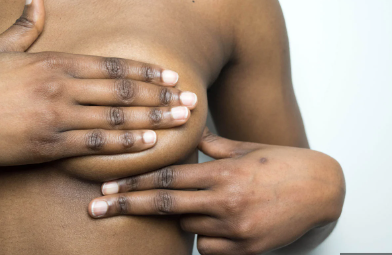
| | A breast self-exam is an early detection tool that uses a combination of physical and visual examinations of the breasts to check for signs and symptoms of breast cancer. The purpose of a breast self-exam is to become familiar with the way your breasts normally look and feel. Knowing how your breasts normally look and feel, also called breast self-awareness, will help you identify any changes or abnormalities in your breasts, such as a new lump or skin changes. Any changes in your breasts discovered during a breast self-exam should be reported to your healthcare provider right away. | How to Perform a Breast Self-Exam presented by City of Hope & The Pink Patch Project |
Bridging the Gap
Reducing Disparities in Breast Cancer Care
| Racial and socioeconomic disparities remain a significant challenge in breast cancer diagnosis and treatment. This section highlights the importance of health equity, exploring the barriers underserved communities face and the efforts being made to close the gap. It emphasizes the need for accessible screenings, culturally competent care, and local initiatives to ensure no one is left behind in the fight against breast cancer. | |
The Breast Cancer Foundation Reports
October 18, 2025
| Understanding Breast Cancer Racial Disparities | |
The consequences of breast cancer disparities in non-white breast cancer patients—particularly Black women and American Indians and Native Alaskans—are dramatic.
Despite having a five percent lower breast cancer incidence rate than white women, Black women have a 38 percent higher mortality rate, according to the American Cancer Society’s 2024-2025 Breast Cancer Facts and Figures report. They have the lowest survival rates from breast cancer at every stage, and they’re more likely to be diagnosed at later stages and younger ages.
Despite 10 percent lower incidence rates of the disease, American Indians and Native Alaskans are six percent more likely to die from breast cancer than white women, according to ACS. They, too, are more likely to be diagnosed at later stages and currently have the lowest screening rates.
Native American women and Black women are also more likely to be diagnosed with more aggressive breast cancers. For Black women under 50, the incidence of aggressive cancers such as triple-negative breast cancer (TNBC) is double that of white women.
| | |
Center for Disease Control and Prevention Reports
July 26, 2024
| | Disparities in Breast Cancer | |
Compared to women in other racial and ethnic groups, non-Hispanic Black women had the highest breast cancer death rates, and non-Hispanic Asian or Pacific Islander women had the lowest.
- Among non-Hispanic White women, breast cancer death rates decreased 1.6% per year on average, from 26.6 per 100,000 in 1999 to 19.4 in 2020.
- Among non-Hispanic Black women, breast cancer death rates decreased 1.4% per year on average, from 35.7 in 1999 to 26.4 in 2020.
- Among Hispanic women, breast cancer death rates decreased 1.1% per year on average, from 16.4 in 1999 to 13.1 in 2020.
- Among non-Hispanic American Indian or Alaska Native women, breast cancer death rates decreased 0.8% per year on average, from 17.0 in 1999 to 13.7 in 2020.
- Among non-Hispanic Asian or Pacific Islander women, breast cancer death rates decreased 0.4% per year on average, from 12.7 in 1999 to 11.4 in 2020.
| | Breast cancer survivor shifts odds for Black wom | | |
The National Institutes of Health Reports
January 3, 2020
| Health and Racial Disparity and Breast Cancer | | |
The statistics surrounding male victims of domestic violence range quite widely, from 1 in 3 (George Mason U) to 1 in 10 (CDC) men experiencing some form of abuse. A 2014 National Crime Victimization Study found that nearly a quarter (24%) of all domestic violence victims were men, while DomesticShelters.org cites that less than 15% of abuse victims are men. This lack of consistency could be due to differing definitions of what constitutes domestic violence and using different parameters to collect and categorize the data.
The National Domestic Violence Hotline, for example, reports that 1 in 10 men aged 18 and older in the US experience rape, physical violence, and/or stalking. They then also break it down to 1 in 7 men who experience severe physical violence by an intimate partner alone, versus 1 in 19 men who experience stalking, and 1 in 71 who experience rape. The CDC differentiates its sexual abuse statistics, reporting that 1 in 38 men experienced completed or attempted rape and nearly 1 in 4 experienced some form of contact sexual violence in their lifetime. Multiple sources conclude that psychological aggression is the most common form of abuse experienced by men, with almost half of all men having dealt with some sort psychological abuse by an intimate partner, roughly the same rate as women.
| | |
The National Institutes of Health Reports
October 24, 2022
| | Disparity in Early Detection of Breast Cancer | |
Breast cancer is one of the most common cancers in women. Although significant advancements in early detection and treatments have reduced the overall mortality rate, not all racial groups have benefitted equally. Significant health disparities still exist, which leads to higher breast cancer mortality rates and poorer outcomes among certain groups of minority women. This activity reviews the issues regarding health disparities in breast cancer and highlights the role of the interprofessional team in improving care for patients with this condition.
Objectives:
- Identify the health disparities that exist between certain racial and ethnic groups with breast cancer at every step along the breast cancer care continuum.
- Identify the multifactorial etiology of these health disparities.
- Compare biologic differences in tumor morphology that increase the racial gaps seen in breast cancer outcomes.
- Collaborate with members of the interprofessional team to provide equitable care for patients with breast cancer.
| | |
Promoting Health Equity
Addressing Disparities in Breast
Cancer Care
| | |
Promoting health equity in breast cancer care involves addressing disparities that affect underserved communities. This includes ensuring equal access to early detection, diagnosis, and treatment options for all individuals, regardless of race, income, or location. By focusing on removing barriers to care and improving health literacy, particularly in Black and Brown communities, efforts can be made to close the gap in outcomes and ensure that every person receives the support and care they need to survive and thrive.
| | The Center for Disease Control and Prevention Reports |
Health Equity in Cancer Prevention
and Control
| |
Health equity is when everyone has an equal opportunity to be as healthy as possible.
Unfortunately, many Americans can't make healthy choices because of factors like where they live, their race or ethnicity, their education, their physical or mental abilities, or their income. As a result, they have more health problems than others. These differences in health among groups of people that are linked to social, economic, geographic, or environmental disadvantage are known as health disparities.
For example, it's hard to eat healthy food if there are no grocery stores or fresh food markets near where you live or work. If you live in an unsafe neighborhood or there are no sidewalks in your community, it's hard to be physically active.
| | American Cancer Society Reports | | Advancing Health Equity – Addressing Cancer Disparities | | |
Cancer is a disease that can affect anyone, but it doesn’t affect everyone equally. Many barriers can impact a person's ability to prevent, find, treat, and survive cancer. These barriers are because of deeply rooted, long-standing inequities at all levels of society that will take an intentional effort to address in order to have equal cancer outcomes. They are complex and have many social, economic, and cultural influences that intertwine and impact each other. They include such examples as:
- Racism and other forms of discrimination
- Poverty
- Limited access to the health care system, including affordable and adequate insurance coverage and access to high-quality health care
- Inadequate pay and lack of paid time off from work for medical care- Low-quality education
- Lack of access to healthy and affordable foods- Lack of transportation that is accessible, affordable, and reliable-
- Lack of safe, stable, and affordable housing
| | Breast Cancer Research Foundation Reports | |
Black Women and Breast Cancer: Why Disparities Persist and How to End Them | |
The gap in breast cancer incidence and outcome among Black women is complex and multifactorial. Social, economic, geographic, and lifestyle factors may partially account for disparities. Black women are statistically more likely to have diabetes, heart disease, and obesity, and are less likely to breastfeed after childbirth—all of which are risk factors for breast cancer. They are more likely than white women to have inadequate health insurance or access to health care facilities, which may affect screening, follow-up care, and completion of therapy.
Through continued research, it’s clear that biology also plays a role. Black women are disproportionately affected by more aggressive subtypes, such as triple-negative breast cancer (TNBC) and inflammatory breast cancer, and they are more likely to be diagnosed at younger ages and at more advanced stages of the disease.
| |
|
The National Institute of Library Medicine Reports
May 23, 2022
| Strategies to Achieve Breast Health Equity in the St. Louis Region and Beyond over 15+ Years | Throughout the region, we have also made efforts to bring awareness to prevention and free or low-cost services such as patient navigation and mammography as well as strengthen relationships between the community and academics. Awareness was initially spread through health fairs, newspaper, billboards, and public libraries, and later also through the Community Research Fellows Training program. The Community Research Fellows Training (CRFT) program is an evidence-based, 15-week capacity building research training program which uses a public health approach to equip community members to better engage with research. CRFT seeks to increase community understanding of how to use research to improve community health outcomes and increase community collaborations with academic researchers. As such, the CRFT program serves as a connector, providing the infrastructure to develop new partnerships, and a catalyst, providing the foundation for the development of new and innovative projects to address health disparities [17,18]. Evaluations of the CRFT program provide evidence that it increases participants’ knowledge of public health research between baseline and follow-up | |
The American College of Surgeons Reports
March 28, 2023
| Risk and Protective Factors for Intimate Partner Violence Against Women: Systematic Review and Meta-analyses of Prospective–Longitudinal Studies | |
Recognizing the magnitude of these disparities, the researchers outlined key steps that breast cancer centers and surgeons can take to improve equitable care:
- Advocate for patient navigation programs, which can improve rates of screening and increase patient satisfaction.
- Open treatment centers in underserved communities, and when possible, implement flexible hours and help patients with access to travel and childcare assistance.
- Assist with community-led health efforts and produce educational materials in a variety of formats and languages.
- Improve the representation of minority groups in clinical trial research and improve diversity within the oncology workforce through dedicated programming and mentorship opportunities.
- Increase funding of safety-net hospitals, which often treat a large proportion of low-income, uninsured, and other vulnerable populations, and increase research dedicated to addressing health disparities.
- Refer patients, independent of their insurance status, to resources, such as grants or charitable programs, that can assist with coverage for genetic screening and fertility preservation, when possible.
- Integrate genetic testing into oncology care by employing a genetic counselor in oncology clinics and/or offering online counseling and testing protocol, which may extend access to patients in rural areas or to those who have limited access to transportation and/or time off from work.
|
Federal Breast Cancer Laws
Supporting Prevention, Treatment and Research
| | Several key federal laws address breast cancer, focusing on prevention, treatment, and research. The Mammography Quality Standards Act (1992) ensures high standards for mammography facilities, while the Breast and Cervical Cancer Prevention and Treatment Act (2000) provides Medicaid coverage for low-income women diagnosed with breast cancer. The Women’s Health and Cancer Rights Act (1998) mandates coverage for reconstructive surgery after mastectomies. Additionally, programs like the National Breast and Cervical Cancer Early Detection Program (1990) offer free or low-cost screenings, and the 21st Century Cures Act (2016) accelerates research and treatment development. These laws help improve early detection and patient care nationwide. | | Mammography Quality Standards Act of 1992 | | |
The Mammography Quality Standards Act (MQSA) of 1992 is a federal law designed to ensure that all mammography facilities in the United States meet high-quality standards. Administered by the FDA, it mandates regular inspections, accreditation, and certification of mammography providers to improve the accuracy of breast cancer detection. The goal of the MQSA is to ensure that patients receive reliable and safe mammograms, facilitating early detection of breast cancer and improving overall patient outcomes.
| | The U.S. Food and Drug Administration Reports | | Mammography Quality Standards Act (MQSA) and MQSA Program | |
What are the Key Features of MQSA?
Mammography facilities must:
- Be MQSA certified as providing quality mammography services.
-
Be accredited by a federally approved private nonprofit or State accreditation body. If additional States become approved, the FDA will make the appropriate announcement.
-
Apply to an FDA-approved accreditation body.
- Undergo periodic review of its clinical images (21 CFR 900.4(c))
- Have an annual survey conducted by a medical physicist or under the direct supervision of a medical physicist (21 CFR 900.4(e) and 900.12(e)(10)),
- Continue to meet federally developed quality standards, including those for personnel qualifications, equipment, radiation dose, quality assurance programs, and recordkeeping and reporting (21 CFR 900.4(b) and 21 CFR 900.12).
- Be inspected at least annually by a certified MQSA inspector (42 U.S.C. 263b(g)(1)(E)).
| | The American Medical Association Reports | | Mammography Quality Standards Act: Gains and Losses in Women's Health Care | |
Prior to the implementation of the MQSA, the quality of breast imaging varied greatly by geography. Accreditation programs at the time were strictly voluntary; only half of all mammography facilities had applied for accreditation by 1991, and only half of those that applied had earned accreditation [3]. Many of the failures had to do with substandard equipment that produced images that were difficult to interpret correctly. As a result of the MQSA, equipment had to be upgraded or replaced to meet federal standards for image quality. Ensuring a high-quality image reduces the number of scans women must endure and enables physicians to report findings more accurately. Therefore, many believe that the MQSA improved the standard of care for women having mammograms.
Of course, an increase in the standard did not come without cost. Mammography facilities that could not meet the equipment or personnel requirements were forced to close or merge with others. Often financial considerations drove these changes. There is some evidence of long wait times for patients to access mammography services [4], but it is not clear whether there was a significant decrease in overall access as a result of the regulations and subsequent facility closures and mergers [5]. This point is particularly applicable in areas with few mammography providers [6]. Regardless, it is clear that the MQSA did not increase access for women. Given that many of the small, community-based facilities that serve the health care needs of the poor and underserved are unlikely to be able to afford the equipment and personnel required by the MQSA, access remains a main area of concern.
| The Breast and Cervical Cancer Prevention and Treatment Act of 2000) | | The Breast and Cervical Cancer Prevention and Treatment Act of 2000 is a federal law that allows states to provide Medicaid coverage for breast and cervical cancer treatment to low-income women who are diagnosed with these cancers through the National Breast and Cervical Cancer Early Detection Program (NBCCEDP), essentially giving them access to treatment services if they are found to have cancer during screening under this program; this means states have the option to extend Medicaid eligibility to these women for cancer treatment purposes. | |
The National Institute of Health Reports
August 15, 2014
| A disease-specific Medicaid expansion for women: the Breast and Cervical Cancer Prevention and Treatment Act of 2000 | The Breast and Cervical Cancer Prevention and Treatment Act of 2000 (BCCPTA) allows states the option of extending Medicaid eligibility to women diagnosed with breast or cervical cancer through a large federal screening program that does not include resources for treatment. Using qualitative data from interviews with 22 key informants and other sources, we present an analysis of the history and passage of the BCCPTA as a policy response to a perceived “treatment gap” in a national screening program. The results suggest that organizational policy entrepreneurs—primarily the National Breast Cancer Coalition—constructed an effective problem definition (that the government screening program was “unethical” and “broken”) with a viable policy solution (an optional disease-specific Medicaid expansion), and pushed this proposal through a policy window opened by a budget surplus and an election year in which women’s health issues had broad bipartisan appeal. | |
Key Breast Cancer Legislation in Illinois
Ongoing Laws Supporting Prevention, Research, and Access to Care
| |
Illinois has enacted several important laws to support breast cancer prevention, research, and patient care, many of which remain in effect today. These include mandated insurance coverage for mammograms and diagnostic screenings, access to breast cancer reconstruction after mastectomies, and support for free screenings through the Illinois Breast and Cervical Cancer Program (IBCCP). Additionally, the state encourages breast cancer research through the Breast Cancer Research Fund, allowing residents to contribute via tax donations. These efforts continue to play a vital role in enhancing early detection, treatment, and support for those affected
by breast cancer.
| | The IL Breast & Cervical Cancer Program (IBCCP) | | The Illinois Breast and Cervical Cancer Program (IBCCP) provides free or low-cost breast and cervical cancer screenings, such as mammograms and Pap tests, to uninsured and underinsured women in Illinois. Established to reduce disparities in cancer detection, the program helps women access early diagnosis and treatment, improving survival rates. Eligible women can receive diagnostic services and treatment referrals, ensuring that financial barriers don't prevent critical healthcare for breast and cervical cancer. | The Illinois Department of Public Health Reports | |
IL Breast & Cervical Cancer Program (IBCCP) | The Illinois Breast and Cervical Cancer Program offers free mammograms, breast exams, pelvic exams, and Pap tests to eligible women. Even if a woman has already been diagnosed with cancer, she may receive free treatment through the Illinois Department of Healthcare and Family Services if she qualifies. No income requirements apply. The program has been providing breast and cervical cancer screenings to the women of Illinois since 1995. |
Inspiring Journey's
Stories of Strength From Breast Cancer Survivors
| This section highlights the remarkable resilience and determination of women who have battled breast cancer. Through personal narratives, these survivors share their challenges, triumphs, and the powerful lessons they learned along the way. Their stories offer hope, inspire courage, and demonstrate the strength that can emerge in the face of adversity. This collection serves as a testament to the enduring human spirit and the importance of support throughout the journey. | Latashia MSABC Health Equity Story | Jamil's Story | Health Equity | American Cancer Society | From Breast Cancer Surgeon To Patient: Breast Cancer Survival Story | Dr Liz O'Riordan | | Dr. Chezalyn Grant on Health Equity for Breast Cancer | | |
Dear Readers,
As we recognize October as Breast Cancer Awareness Month, we are reminded of the importance of raising awareness, promoting early detection, and addressing the persistent health disparities that continue to impact women and families across our communities. While significant advancements have been made in breast cancer research, screening, and treatment, this disease remains a major public health concern, particularly for Black women who continue to experience disproportionately higher mortality rates.
In the United States, approximately 1 in 8 women, or 13%, will develop invasive breast cancer during their lifetime. According to the American Cancer Society's 2026 estimates, approximately 321,910 new cases of invasive breast cancer and 60,730 cases of ductal carcinoma in situ (DCIS), a noninvasive form of breast cancer, are expected to be diagnosed among women this year. Additionally, an estimated 42,140 women will lose their lives to breast cancer. These figures reinforce the importance of continued education, preventive healthcare, and access to timely screening and treatment.
Although breast cancer survival rates have improved considerably over the past several decades, these advancements have not benefited every community equally. Black women remain approximately 38% more likely to die from breast cancer than white women, despite having slightly lower rates of diagnosis. Black women are also more likely to develop breast cancer at younger ages and experience aggressive forms of the disease, including triple-negative breast cancer, which can be more challenging to treat.
These disparities extend beyond biological differences. Social determinants of health, including socioeconomic conditions, insurance coverage, transportation, geographic access to healthcare facilities, and timely access to specialized treatment, continue to influence breast cancer outcomes. Delays in diagnostic follow-up, limited access to high-quality care, and barriers to completing treatment can significantly affect survival.
As we acknowledge these challenges, it is essential to recognize that breast cancer disparities are not simply the result of individual lifestyle choices. They reflect broader inequities within our healthcare system that require meaningful and sustained action. Addressing these disparities means ensuring that every woman, regardless of race, income, or ZIP code, has access to early detection, appropriate treatment, and ongoing support.
Early detection remains one of our most effective tools for improving breast cancer outcomes. In 2024, the U.S. Preventive Services Task Force updated its recommendations to advise that women at average risk begin receiving screening mammograms every two years starting at age 40 through age 74. The American Cancer Society offers slightly different guidance, recommending that women ages 40–44 have the option to begin annual mammograms, women ages 45–54 receive annual screenings, and women 55 and older transition to screening every two years or continue annually.
Women with a family history of breast cancer, inherited genetic risk factors, or other conditions that increase their risk may require earlier or more frequent screening. I encourage women to have conversations with their healthcare providers about their personal risk factors and determine an appropriate screening schedule.
In addition to routine mammograms, breast self-awareness is an important part of recognizing potential warning signs. Women should become familiar with the normal appearance and feel of their breasts and remain attentive to changes such as new lumps, unusual thickening, breast swelling, skin dimpling, nipple discharge, or changes in breast shape. Although routine monthly breast self-examinations are no longer universally recommended as a screening method for women at average risk, recognizing and promptly reporting unusual changes can help facilitate timely medical evaluation. It is important to remember that breast cancer does not always cause noticeable symptoms, making routine screening especially valuable.
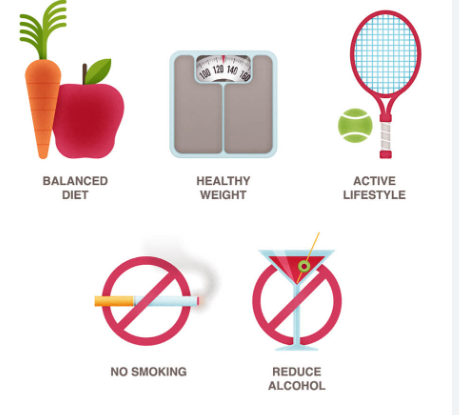
While some breast cancer risk factors, such as age, genetics, and family history, cannot be changed, there are meaningful lifestyle choices that can support overall health and potentially reduce the risk of developing breast cancer. Maintaining a healthy weight, engaging in regular physical activity, eating a balanced diet rich in vegetables, fruits, whole grains, and other minimally processed foods, avoiding tobacco, and limiting or avoiding alcohol can contribute to better long-term health outcomes. These practices also support cardiovascular and metabolic health, which are important components of overall wellness.
However, prevention must extend beyond individual behavior. Communities need affordable screening services, culturally responsive healthcare, patient education, and improved access to diagnostic testing and treatment. A mammogram is only the first step. Ensuring timely follow-up after an abnormal result and eliminating barriers to treatment are equally essential to saving lives.
As Health Equity Coordinator for the Office of Illinois State Representative La Shawn K. Ford, I remain committed to advocating for policies and community initiatives that reduce healthcare disparities and expand access to preventive services. Legislative efforts at the local, state, and federal levels play an important role in strengthening healthcare access, supporting cancer research, improving insurance coverage, and ensuring that vulnerable communities receive the resources they need.
Breast Cancer Awareness Month is also an opportunity to recognize the strength of survivors, honor those whose lives have been lost, and support the families and caregivers who stand beside individuals throughout their journey. Their experiences remind us that breast cancer is more than a diagnosis. It is a deeply personal experience that affects individuals, families, and entire communities.
As we move forward, let us turn awareness into action. Schedule recommended screenings, encourage loved ones to prioritize their health, support organizations working to eliminate cancer disparities, and advocate for policies that make quality healthcare accessible to everyone.
Our commitment to breast cancer awareness must extend beyond October. Through education, early detection, equitable healthcare access, and continued community advocacy, we can work toward a future where fewer lives are lost and every individual has a fair opportunity for better health outcomes.
Thank you for taking the time to read and for joining us in the continued effort to promote breast cancer awareness, advance health equity, and strengthen the health of our communities.
Dr. Chezalyn Grant, ND, DACCHM
Health Equity Coordinator
Office of Illinois State Representative La Shawn K. Ford
| |
Empowering Strategies
Expanding Protections and Strengthening Support System
| Preventing breast cancer starts with understanding key risk factors and adopting lifestyle changes that can lower those risks. Strategies include maintaining a healthy weight, engaging in regular physical activity, limiting alcohol intake, and avoiding tobacco. Additionally, managing stress, considering dietary adjustments, and staying informed about screenings can empower individuals to take proactive steps in reducing their breast cancer risk. By focusing on these preventative strategies, we can support a healthier future and increase awareness about personal breast health. | The American Cancer Society Reports |
Lifestyle-related Breast Cancer
Risk Factors
| |
Being overweight or obese after menopause increases breast cancer risk.
Before menopause, a woman's ovaries make most of her estrogen, and fat tissue makes only a small part of the total amount. After menopause (when the ovaries stop making estrogen), most estrogen comes from fat tissue. Having more fat tissue after menopause can raise estrogen levels and increase the chances of getting breast cancer.
Women who are overweight also tend to have higher blood insulin levels. Higher insulin levels have been linked to some cancers, including breast cancer.
Still, the link between weight and breast cancer risk is complex. For example:
- The risk of breast cancer after menopause is higher for women who gained weight as an adult.
- For women who are overweight or obese before menopause, the risk is actually lower.
The reasons for this aren’t exactly clear.
Weight might also have different effects on different types of breast cancer. For example:
The American Cancer Society recommends you stay at a healthy weight throughout your life and avoid excess weight gain by balancing your food and drink intake with physical activity.
| |
The Mayo Clinic Reports
July 2017
|
Breast cancer prevention: How to
reduce your risk
|
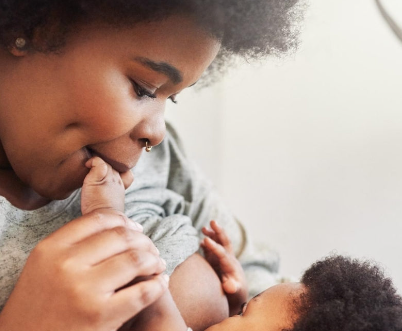
- Breastfeed. If you have a baby, breastfeeding might play a role in helping prevent breast cancer. The longer you breastfeed, the greater the protective effect.
- Limit hormone therapy after menopause. Combination hormone therapy uses estrogen and progestin. It may raise the risk of breast cancer. Talk with your health care professional about the risks and benefits of hormone therapy. You might be able to manage your symptoms with treatments and medicines that don't use hormones. If you decide that the benefits of short-term hormone therapy outweigh the risks, use the lowest amount that works for you. Have your health care team track the length of time you take hormones.
| Healthy Lifestyle choices | | |
Everyone should aim to:
- Be physically active (get regular exercise).
- Achieve and maintain a healthy weight. (People diagnosed with breast cancer who are overweight or obese should limit high-calorie foods and beverages and increase physical activity to help with weight loss.)
- Eat at least 2½-3 cups of vegetables and 1½-2 cups of fruit every day. Eat a variety of vegetables and fruits. Include dark green, red and orange vegetables as well as legumes, such as beans, lentils, peas and soy foods.
- Choose 100% whole grain foods such as 100% whole grain breads and cereals, brown rice, millet and quinoa.
- Eat “good” fats (polyunsaturated and monounsaturated fats). These are found in foods such as olive and avocado oil, nuts and natural nut butters, olives and avocados.
- Limit or avoid red meat and processed meat, such as beef, bacon and sausage. Choose chicken, fish or beans more often for good sources of protein.
- Limit or avoid sugar-sweetened beverages. Choose water or unsweetened beverages more often.
- Limit or avoid highly processed foods and refined grain products, such as fast food, ready-to-heat foods, packaged snack foods and candy.
- Avoid alcohol. For those who choose to drink alcohol, limit to less than 1 drink a day for women and fewer than 2 drinks a day for men.
- Quit smoking (or never start smoking).
| |
American Institute of Cancer Research Reports
October 1 , 2020
| |
How Lifestyle Factors Affect Breast
Cancer Risk
| |
Alcohol: Drinking alcohol increases the risk for breast cancer.
Weight: Having excess body fat increases the risk for post-menopausal breast cancer.
Physical activity: Sedentary behavior is linked to increased risk of cancer, while being active decreases the risk for breast cancer.
- Vigorous activity decreases the risk for pre-menopausal breast cancer.
- Moderate activity decreases risk for post-menopausal breast cancer.
- Some evidence indicates that people who are physically active (both before and after diagnosis) have a greater chance of surviving breast cancer.
Breastfeeding: Breastfeeding lowers the risk for breast cancer.
- Breastfeeding lowers the levels of some cancer-related hormones in mother’s body.
- At the end of the breastfeeding phase, the body gets rid of any cells in the breast that may have DNA damage.
Science shows that living a cancer-protective lifestyle – by making lifestyle decisions such as avoiding alcohol, being a healthy weight, being physically active, eating a diet rich in whole grains, vegetables, fruits and beans can reduce the risk for cancer.
| |
|
National Library of Medicine Reports
December 8, 2022
| | Understanding the Link between Sugar and Cancer: An Examination of the Preclinical and Clinical Evidence | | The average consumption of sugar in the US is significantly higher than the World Health Organization’s, the American Cancer Society’s, and the American Heart Association’s recommendations for daily sugar consumption. This review summarizes the research on the link between added sugar and cancer and the plausible mechanisms for a causal association. Evidence from epidemiologic and preclinical studies demonstrates that excess sugar consumption can lead to development of cancer and progression of disease for those with cancer independent of the association between sugar and obesity. The mechanistic preclinical studies in multiple cancers show that high-sucrose or high-fructose diets activate several mechanistic pathways, including inflammation, glucose, and lipid metabolic pathways. | | The Cleveland Clinic Reports |
The Best Foods To Eat When You Have
Breast Cancer
| | |
Remember to eat regularly throughout the day, choosing foods from the main food groups: Fruits, vegetables, protein, whole grains, healthy fats, and low-fat dairy.
Taylor suggests eating five to six small meals per day, as they’re less likely to trigger uncomfortable side effects like nausea, vomiting or diarrhea. Small meals also maximize your body’s ability to absorb nutrients.
“Our bodies can only absorb so much at one time,” Taylor notes, “so spreading things out with small frequent meals helps your body get the most out of every meal, which is especially important when you have breast cancer.”
Plus, she says that if you have a poor appetite, a large plate of food can be a total turn-off. A small meal or snack may be more appealing, making you more likely to actually eat it.
So, how can you know how many calories is enough? When you’re undergoing breast cancer treatment, forget food tracking and calorie counting. The best way to know whether you’re getting enough calories for energy is to weigh yourself once or twice a week.
If your weight is trending down week after week, speak with a dietitian to figure out an eating plan that works for you.
| What to Eat to Prevent Breast Cancer | Diet Tips | Healthy Living | | |
The International Journal of Environmental Research and
Public Health Reports
February 15, 2021
| The Role of Stress in Breast Cancer Incidence: Risk Factors, Interventions, and Directions for the Future | Stress is a common belief among breast cancer patients and the public to explain variation in breast cancer incidence. Epidemiological studies interrogating the relationship between stress and cancer have reported mixed results. The impact of the topic and the lack of consensus has sparked this review of the literature to investigate gaps in knowledge and identify areas of research. We first present a brief summary of the biopsychosocial model generally used to conduct research on stress. We then divide the overview of the literature into areas of research focus. These include the role of distressing life events in breast cancer incidence, the role of adverse childhood events in later breast cancer incidence, the importance of race and socioeconomic status (SES) as social determinants of breast cancer incidence, and the specific role of chronic stress in relation to breast cancer. For each topic, we discuss the potential of stress as a risk factor and possible intervention strategies that could reduce the effects of stress. We then identify further research questions to be probed to fill the gaps in knowledge. We conclude with a discussion of future research directions for stress research as it relates to breast cancer incidence | Is Breast Cancer Linked to Stress? | | Click Images Below to Read About Breast Cancer Resources | |
Rep. Ford's Job Highlights | Click below to view job highlights from previous dates | | | | |