|
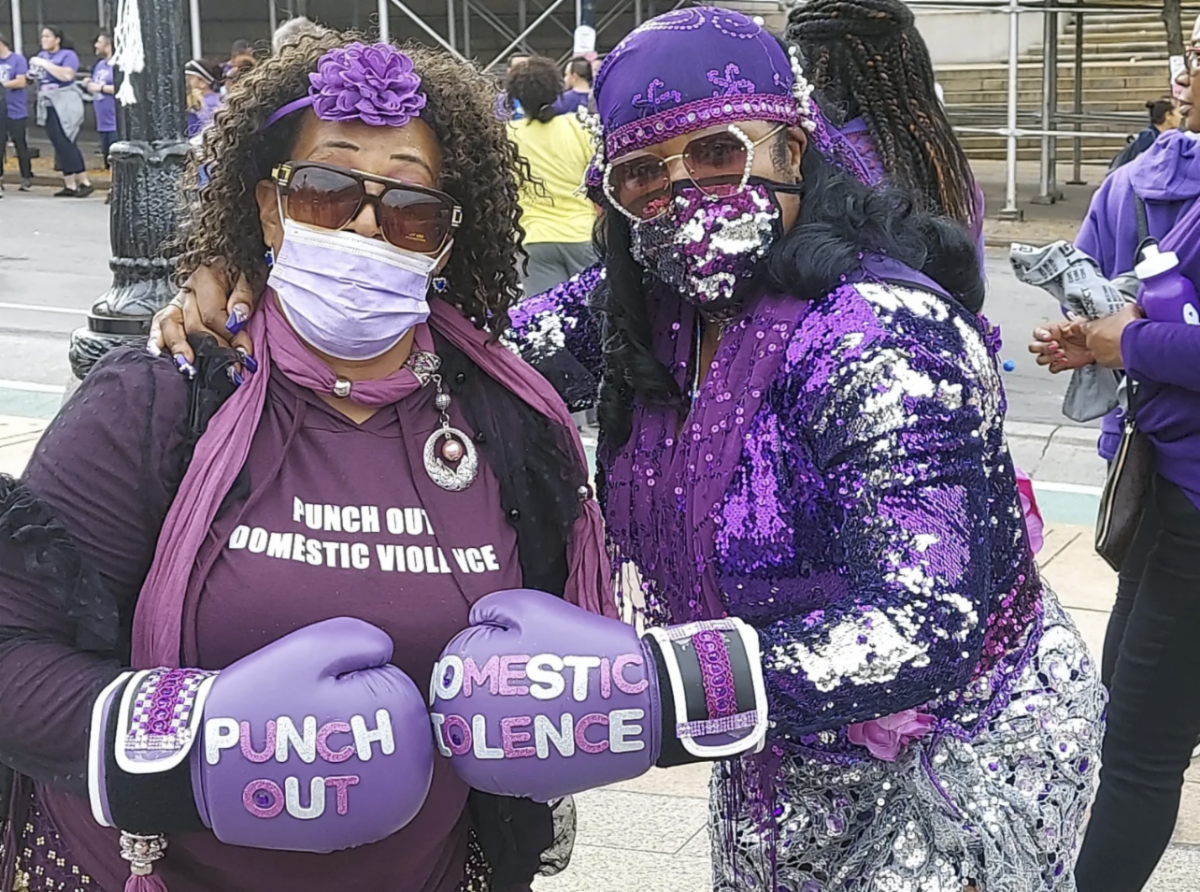
Domestic Violence Awareness Month
Breaking the Silence and Supporting Survivors
| | Domestic Violence Awareness Month serves as a reminder of the importance of raising awareness, supporting survivors, and addressing the lasting impact of intimate partner violence. By promoting education, access to resources, and community support, we can help break the cycle of abuse, challenge stigma, and create safer environments for individuals and families. Recognizing the unique challenges faced by underserved communities is essential to ensuring every survivor has access to protection, resources, and the opportunity to heal. | | |
National Today Reports
October 2026
| | National Domestic Violence Awareness Month | | |
National Domestic Violence Awareness Month is recognized each October through educational events, community gatherings, and support groups. In 2018, the Domestic Violence Awareness Project developed a unified theme: #1Thing. The purpose of this campaign is to remind everyone that ending domestic violence starts with just one small action, whether that is seeking help or sharing resources
| |
Breaking the Silence
Honoring and Raising Awareness During Domestic Violence Awareness Month
| October serves as a time to uplift survivors, honor those lost, and raise awareness about the impact of domestic violence in our communities. “Breaking the Silence” reminds us that ending abuse begins with open conversations, education, and support. By speaking out and standing together, we help create safe spaces, empower survivors, and work toward a future free from violence. | |
The White House Reports
October 2, 2026
| | Presidential Message on National Domestic Violence Awareness Month | |
In communities across our great Nation, domestic violence destroys families, harms innocent children, and leaves lasting pain in our neighborhoods. For America to be strong, children must feel safe in their homes, spouses and significant others must be respected, and it must be a universal truth that violence in any form is unacceptable. This National Domestic Violence Awareness Month, my Administration reaffirms its commitment to permanently ending domestic violence and ensuring every American can live free from the threat of violence.
| | The U.S. Department of Health and Human Services Reports | |
October Is Domestic Violence
Awareness Month
| October is Domestic Violence Awareness Month (DVAM). During DVAM, victim advocates, allied professionals, survivors of abuse, their loved ones, and the surrounding community come together to mourn the lives lost to domestic violence, celebrate the progress that has been made to end this epidemic, and connect with others working to create change. This tip sheet provides suggestions on what individuals and organizations can do to help raise awareness of domestic violence using the hashtag #1Thing to demonstrate that everyone can play a role in bringing about change. | | Domestic Violence Awareness Month | | |
Domestic Violence Awareness Month (DVAM) is a national campaign dedicated to raising awareness about domestic violence in October. Congress declared the month of October to be Domestic Violence Awareness
Month in 1989.
The theme of DVAM 2024 as established by the Domestic Violence Awareness Project is Heal, Hold & Center. This DVAM and beyond, we must work together, embrace the many cultural ways we can heal from violence and oppression, commit to holding space for survivors, and center those most marginalized in all of our efforts to end domestic violence. As we heal, hold, and center survivors, especially those navigating anti-Blackness and other systems of oppression, we remain grounded in the knowledge that there is no survivor justice without racial justice.
| | |
"We must always take sides. Neutrality helps the oppressor, never the victim. Silence encourages the tormentor, never the tormented."
-Elie Wiesel, Romanian-American writer
| | |
Unveiling the Complexity
Defining the Types of Domestic Violence That Affect Individuals and Families
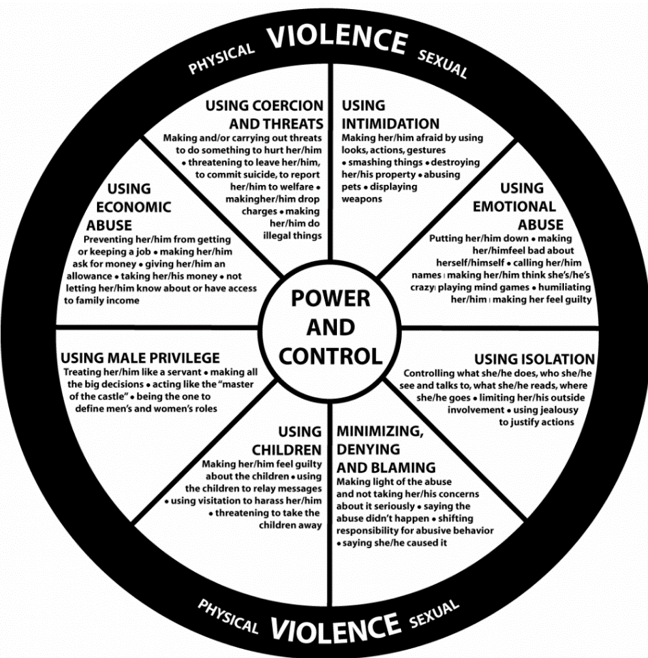
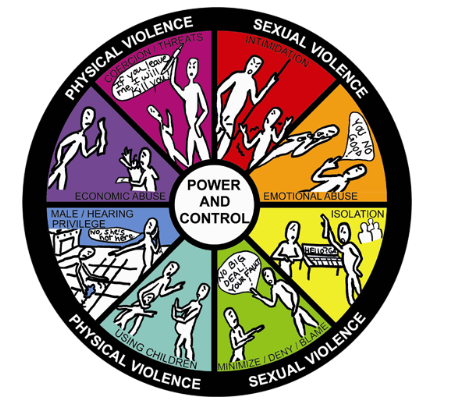
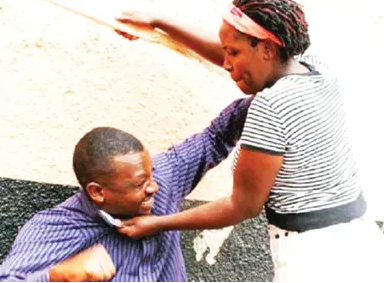
| | This section, "Understanding Domestic Violence," aims to provide a comprehensive overview of the complex issue of domestic violence. It begins with a clear definition of domestic violence, highlighting the various types that impact individuals and families. The section then presents statistics to illuminate the prevalence and societal impact of domestic violence. It also includes guidance on identifying warning signs, offering essential insights for friends and family to recognize signs of abuse. Finally, it addresses the broader consequences of domestic violence, emphasizing its ripple effects on victims, families, and communities as a whole. | | Domestic Violence Awareness Month: What is Considered Domestic Violence? | | The United Nations Reports | Domestic abuse, also called "domestic violence" or "intimate partner violence", can be defined as a pattern of behavior in any relationship that is used to gain or maintain power and control over an intimate partner. Abuse is physical, sexual, emotional, economic or psychological actions or threats of actions that influence another person. This includes any behaviors that frighten, intimidate, terrorize, manipulate, hurt, humiliate, blame, injure, or wound someone. Domestic abuse can happen to anyone of any race, age, sexual orientation, religion, or gender. It can occur within a range of relationships including couples who are married, living together or dating. Domestic violence affects people of all socioeconomic backgrounds and education levels. | |
The U.S. Department of
Justice Reports
| What is Domestic Violence? | |
Domestic violence is a pattern of abusive behavior in any relationship that is used by one partner to gain or maintain power and control over another intimate partner. Domestic violence can be physical, sexual, emotional, economic, psychological, or technological actions or threats of actions or other patterns of coercive behavior that influence another person within an intimate partner relationship. This includes any behaviors that intimidate, manipulate, humiliate, isolate, frighten, terrorize, coerce, threaten, blame, hurt, injure, or wound someone.
| Do you know the 4 types of domestic violence? | Hidden in Plain Sight - Coercive Control and Domestic Abuse | |
The Extent of Domestic Violence
Analyzing the National Scale and Impact Across States
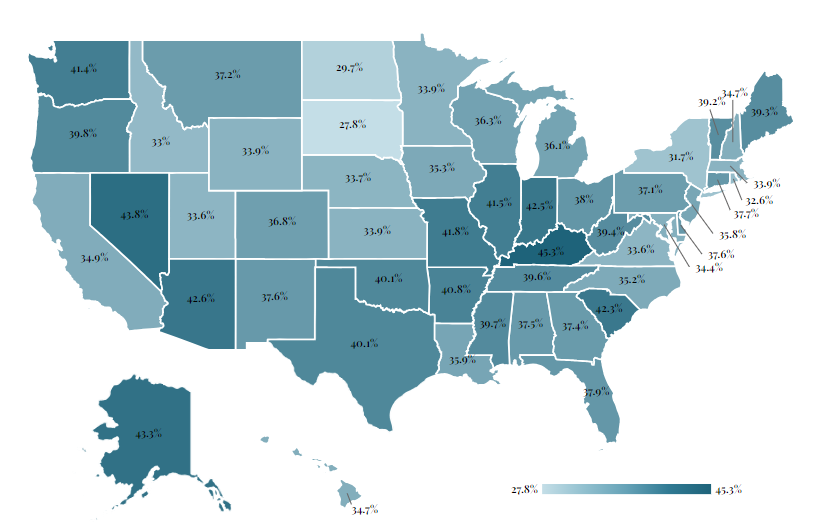
| This section delves into the prevalence and impact of domestic violence in our society through a comprehensive statistical analysis. It highlights alarming rates, indicating that approximately 1 in 4 women and 1 in 9 men experience severe intimate partner physical violence, with marginalized communities facing even higher rates. The section underscores the profound health consequences for victims, including increased risks of chronic conditions and mental health disorders, alongside significant healthcare costs associated with treatment. Additionally, it addresses the economic ramifications, noting that domestic violence costs the U.S. economy an estimated $8.3 billion annually due to lost productivity and healthcare expenses. Finally, it explores the long-term effects on children exposed to domestic violence, emphasizing the potential for intergenerational cycles of abuse. | Domestic Violence by State | | |
Domestic violence is a pervasive issue in the United States. It affects people of all genders, sexualities, ethnicities and backgrounds. In America, domestic violence can range from physical assault to emotional abuse; it effects on survivors and include depression, post-traumatic stress disorder (PTSD), anxiety, and other mental
health issues.
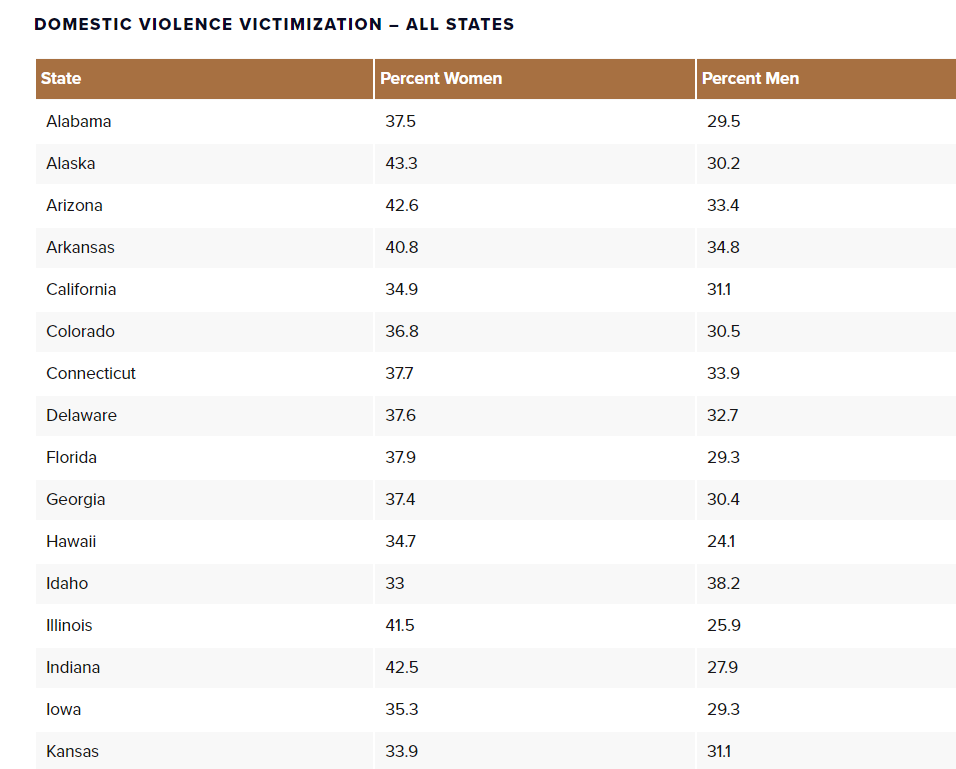
| | Dolan and Zimmerman Attorneys and Counselors at Law Reports | Domestic Violence Statistics: A Comprehensive Investigation | According to the National Coalition Against Domestic Violence (NCADV), intimate partner violence increased by 42 percent from 2016 to 2018 and now makes up over 20 percent of all violent crime. The likelihood of someone, male or female, becoming a victim is high, no matter where they live. However, some states have larger issues with domestic violence than others. According to the NCADV, 49.1 percent of women and 40.7 percent of men in Oklahoma will experience domestic violence at one point in their lifetime, the highest for either sex in any state. | | World Population Review Reports | |
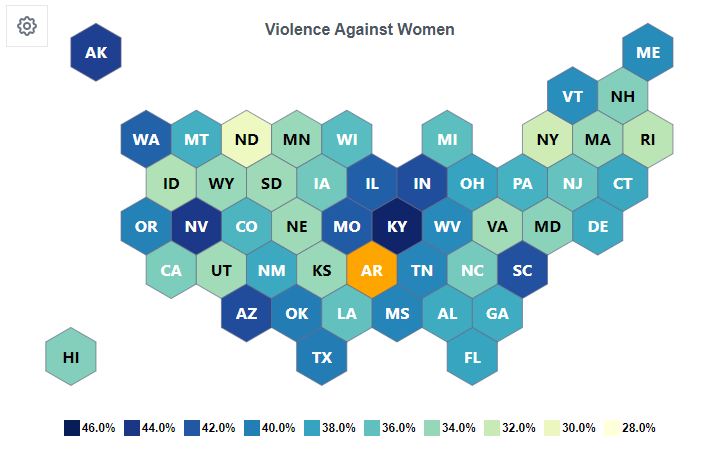
Violence Against Women by State | | |
Domestic violence is a violent crime violence or abuse in a domestic setting, such as in cohabitation or marriage. Domestic violence is often used as a synonym for intimate partner violence, which involves a spouse or intimate partner in an intimate partner relationship.
Domestic violence can happen to anyone of any age and can occur in both heterosexual and same-sex relationships. Domestic violence can also include violence against children, parents, or the elderly and can take on several forms, including physical, verbal, emotional, and sexual abuse.
The abuser often believes that the abuse is an entitlement, acceptable, justified, or unlikely to be reported. Victims often feel trapped by the abuser in domestic violence situations through isolation by their abuser from family and friends, lack of finances, fear, shame, cultural acceptance, and power and control. Victims can develop physical disabilities and chronic health problems as well as severe psychological disorders.
| |
The States Where It's Most Dangerous to
Be a Woman
| | |
Alaska and Arkansas feature prominently in a Newsweek analysis of crime statistics from across America that uncover the most dangerous states for women, based on rates of murder, sexual violence and domestic violence.
For murder, Louisiana has had one of the highest rates of men murdering women nearly every year for 25 years, the analysis shows. Washington D.C. was the highest for women who have experienced sexual violence, and Nevada was highest for domestic violence/stalking by a former partner.
|
Illinois Domestic Violence Rates
A Comprehensive Analysis of Current Trends and Data
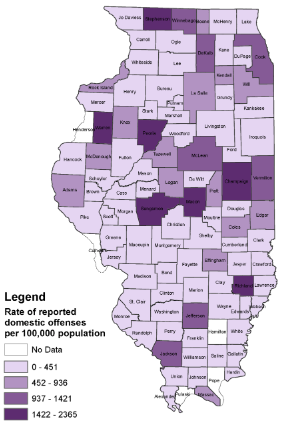
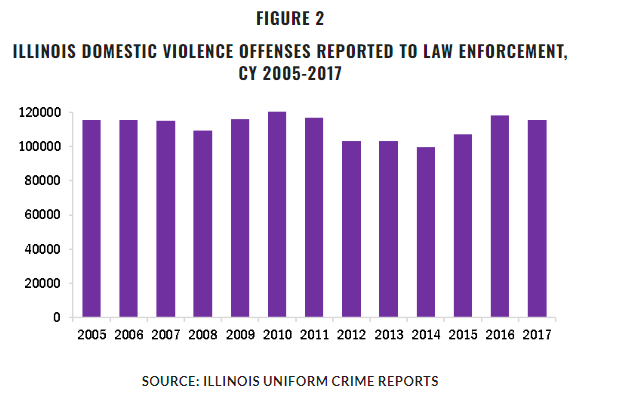
| This analysis provides an in-depth look at the prevalence and dynamics of domestic violence within Illinois. It reveals significant trends, including fluctuations in reported incidents and demographic factors influencing these rates. By examining various data sources, the report highlights the ongoing challenges faced by victims and emphasizes the importance of understanding these statistics to inform policies and support systems. The findings aim to raise awareness and encourage further dialogue around domestic violence, ultimately contributing to more effective prevention and intervention strategies across the state. | The Illinois Criminal Justice Information Authority Reports | Domestic Violence Trends in Illinois: Victimization Characteristics, Help-Seeking, and Service Utilization | Domestic violence is a national public health issue that both federal and state funding work to address. Researchers analyzed data collected via InfoNet, a statewide case management and data reporting system used by domestic violence agencies across Illinois, and other state administrative data, to identify trends among those who have been harmed by domestic violence. Researchers found shifts in the number and characteristics of clients served, including an increase in clients who are veterans, older adults, and those who shared child custody with the offender. However, further research is needed to fully understand the unique needs of these client groups and how funding shifts may impact services in Illinois. | | |
WTTW News Reports
July 26, 2024
| | Report Shows 110% Rise in Illinois Domestic Violence Deaths as Advocates Call for Action | |
Advocacy groups are sounding the alarm on a spike in domestic violence cases.
A new report from the Illinois Coalition Against Domestic Violence says domestic violence deaths in Illinois rose by 110% last year, with 94 incidents of domestic violence leading to 120 deaths in 2023. That includes 107 homicides and 13 suicides in which the perpetrators took their own lives. That’s up from the previous year, when there were 45 incidents that
led to 57 deaths.
| Illinois domestic violence hotline calls increase 90% compared to pre-pandemic levels | | Domestic Violence Amongst Women | | This section examines the alarming prevalence of domestic violence experienced by women in the United States. Approximately 1 in 4 women encounter severe intimate partner physical violence, a statistic that highlights the critical issue affecting a significant portion of the female population. The data emphasizes that domestic violence is not just a personal issue but a pervasive societal problem that results in severe physical and mental health consequences for victims. Additionally, it addresses the broader impact of domestic violence on communities, including increased healthcare costs and lost productivity. The urgent need for effective prevention strategies and support systems for women is crucial in addressing this widespread crisis. | | |
Break the Cycle Reports
December 7, 2023
| Domestic Violence Statistics 2024 |
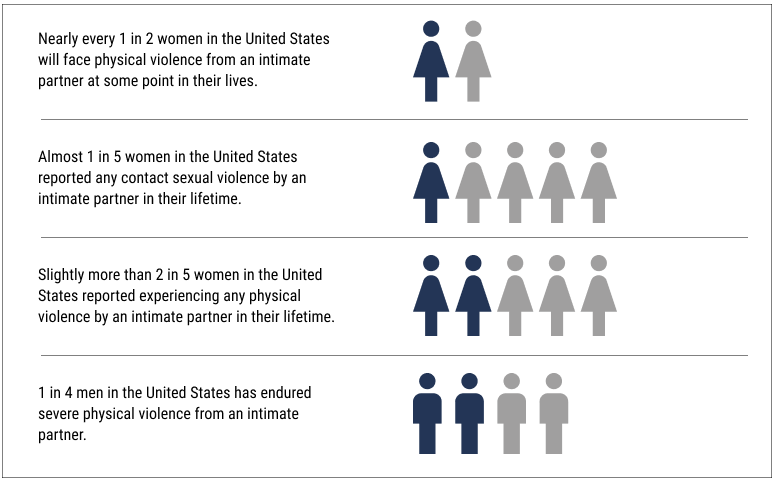
- Nearly every 1 in 2 women in the United States will face physical violence from an intimate partner at some point in their lives.
- Almost 1 in 5 women in the United States reported any contact sexual violence by an intimate partner in their lifetime.
- Slightly more than 2 in 5 women in the United States reported experiencing any physical violence by an intimate partner in their lifetime.
- Almost 40 million women reported being slapped, pushed, or shoved.
- Almost half of all women reported any psychological aggression by an intimate partner in their lifetime.
| |
The World Health Organization Reports
March 24, 2024
| |
- Violence against women – particularly intimate partner violence and sexual violence – is a major public health problem and a violation of women's human rights.
- Estimates published by WHO indicate that globally about 1 in 3 (30%) of women worldwide have been subjected to either physical and/or sexual intimate partner violence or non-partner sexual violence in their lifetime.
- Most of this violence is intimate partner violence. Worldwide, almost one third (27%) of women aged 15-49 years who have been in a relationship report that they have been subjected to some form of physical and/or sexual violence by their intimate partner.
- Violence can negatively affect women’s physical, mental, sexual, and reproductive health, and may increase the risk of acquiring HIV in some settings.
- Violence against women is preventable. The health sector has an important role to play to provide comprehensive health care to women subjected to violence, and as an entry point for referring women to other support services they may need.
| Jackson Katz: Violence against women—it's a men's issue | | Domestic Violence Amongs Men | | This section explores the troubling prevalence of domestic violence experienced by men in the United States. Approximately 1 in 9 men report encountering severe intimate partner physical violence, a statistic that underscores the often-overlooked issue affecting a significant segment of the male population. Despite these alarming rates, domestic violence against men is frequently minimized or ignored, leading to a lack of awareness and resources for male victims. The data reveals that domestic violence is a widespread problem that impacts men as well, resulting in serious physical and psychological consequences. Additionally, the stigma surrounding male victims can hinder their willingness to seek help and support, further compounding the issue. Addressing these challenges is essential for developing effective prevention strategies and support systems specifically tailored for men affected by domestic violence. | Suffering in Silence: The Emotional Abuse of Men | Dr. Timothy Golden | | | |
Domestic Violence Services Network Reports
September 17, 2024
| September 2024: Male Victims of Domestic Violence – Distinct Challenges & Barriers to Disclosure and Support | | |
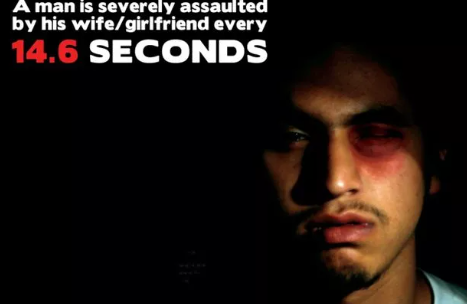
The statistics surrounding male victims of domestic violence range quite widely, from 1 in 3 (George Mason U) to 1 in 10 (CDC) men experiencing some form of abuse. A 2014 National Crime Victimization Study found that nearly a quarter (24%) of all domestic violence victims were men, while DomesticShelters.org cites that less than 15% of abuse victims are men. This lack of consistency could be due to differing definitions of what constitutes domestic violence and using different parameters to collect and categorize the data.
The National Domestic Violence Hotline, for example, reports that 1 in 10 men aged 18 and older in the US experience rape, physical violence, and/or stalking. They then also break it down to 1 in 7 men who experience severe physical violence by an intimate partner alone, versus 1 in 19 men who experience stalking, and 1 in 71 who experience rape. The CDC differentiates its sexual abuse statistics, reporting that 1 in 38 men experienced completed or attempted rape and nearly 1 in 4 experienced some form of contact sexual violence in their lifetime. Multiple sources conclude that psychological aggression is the most common form of abuse experienced by men, with almost half of all men having dealt with some sort psychological abuse by an intimate partner, roughly the same rate as women.
| | |
National Library of Medicine Reports
October 10, 2010
| |
Why Do Women Use Intimate Partner Violence? A Systematic Review of Women’s Motivations
| |
This review reflects the complexity of women’s motivations for using IPV and reveals several important trends. Specifically, women’s motivations tended to be more closely related to expression of feelings and response to a partner’s abuse than to the desire for coercive control. This review also highlights methodological limitations of the current research, thereby emphasizing the need for further research.
Women’s motivations for IPV can be examined from the vantage-point of a nested ecological model (Archer, 2000; Dasgupta, 2002; Heise, 1998). This model proposes four interactive levels, each of which potentially affects women’s IPV motivations: 1) macro-system including pervasive beliefs like prescribed gender roles; 2) exo-system including societal structures like the neighborhood and workplace; 3) micro-system including relationship characteristics; and 4) individual including personal characteristics (Dasgupta, 2002).
| |
Recognizing the Warning Signs and Symptoms of Domestic Violence
A Guide for Early Detection
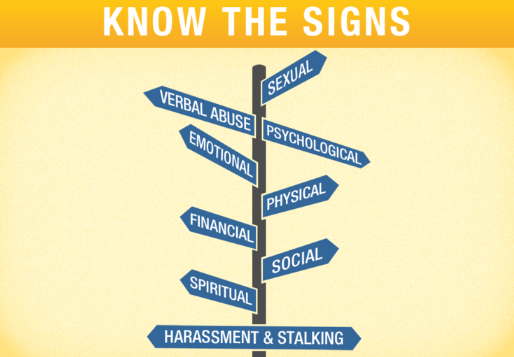
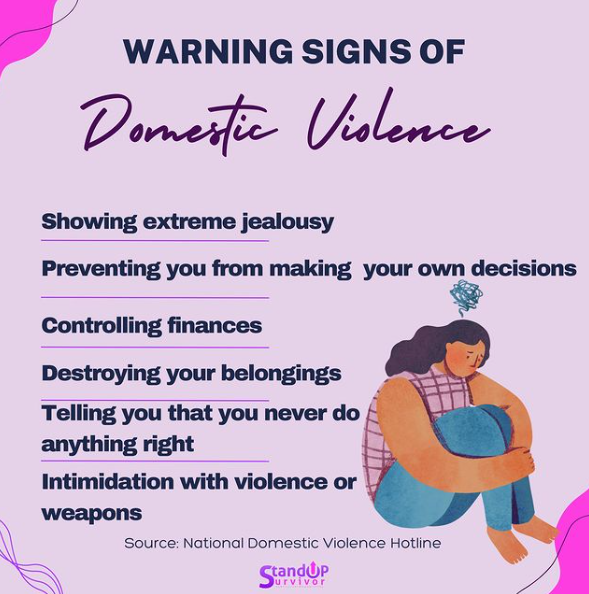
| | Recognizing the warning signs and symptoms of domestic violence is crucial for early detection and intervention. Common signs include physical injuries like unexplained bruises, as well as emotional symptoms such as anxiety, depression, or sudden withdrawal from social interactions. Victims may also show signs of fear or discomfort when talking about their partner, or become increasingly isolated due to their partner's controlling behavior. Financial control and emotional manipulation are also key indicators. Understanding these warning signs can help family, friends, and community members identify when someone may be in danger and provide them with the necessary support. | | Recognizing Signs of Abuse (Emotional, Mental & Physical) | | 5 Must Know Signs of Emotional Abuse | | National Domestic Violence Hotline Reports | |
Warning Signs of Abuse
Know what to look for
| | |
At the start of a new relationship, it’s not always easy to tell if it will later become abusive. In fact, many abusive people appear like ideal partners in the early stages of a relationship. The warning signs of abuse don’t always appear overnight and may emerge and intensify as the relationship grows.
Yet, every relationship is certainly different, and domestic violence doesn’t always look the same. However, one feature shared by most abusive relationships is that the abusive partner tries to establish or gain power and control through many different methods at different moments.
| | Women's Advocates Reports | |
Some warning signs of abuse in the home or in a relationship include:
- Pushing for quick involvement: Comes on strong, claiming, “I’ve never felt loved like this by anyone.”
- Jealousy: Excessively possessive; calls constantly or visits unexpectedly; prevents you from going to work because “you might meet someone.”
- Controlling Behavior: Interrogates you intensely (especially if you’re late) about whom you talked to and where you were; keeps all the money; insists you ask permission to do anything.
- Unrealistic expectations: Expects you to be the perfect mate and meet his or her every need.
- Isolation: Tries to cut you off from family and friends; accuses people who support you of “causing trouble.”
|
Exploring the Root Causes
Major Risk Factors Contributing to Domestic Violence
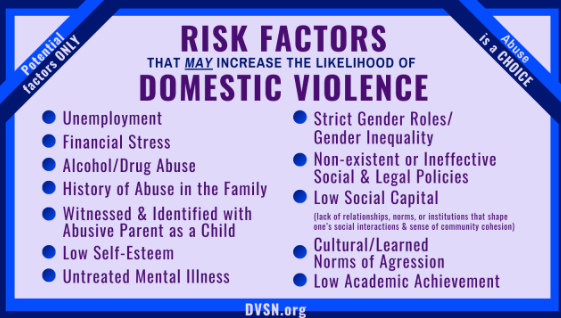
| | Understanding the key risk factors of domestic violence is essential for recognizing situations where abuse is more likely to occur. Common risk factors include a history of abuse, substance abuse issues, and economic stress, such as unemployment or poverty. Jealousy, possessiveness, and controlling behaviors in relationships are also strong indicators of potential abuse. Additionally, cultural or social pressures in certain communities can normalize abusive behaviors, further increasing the risk. By identifying these factors, we can better understand the dynamics of domestic violence and take steps to prevent it and support those at risk | |
What Causes Domestic Violence? | |
Centers for Disease Control and Disease Reports
February 5, 2024
| Risk and Protective Factors | |
Intimate partner violence is not caused by a single factor. Instead, a combination of factors at the individual, relationship, community, and societal levels can increase or decrease the risk of violence.
Risk factors are characteristics that may increase the likelihood of experiencing or perpetrating intimate partner violence. However, they may or may not be direct causes.
Protective factors are characteristics that may decrease the likelihood of experiencing or perpetrating intimate partner violence.
Understanding and addressing risk and protective factors can help identify various opportunities for prevention.
Watch the Moving Forward video to learn more about how increasing what protects people from violence and reducing what puts people at risk for it benefits everyone.
| |
The National Library of Medicine Reports
February 5, 2024
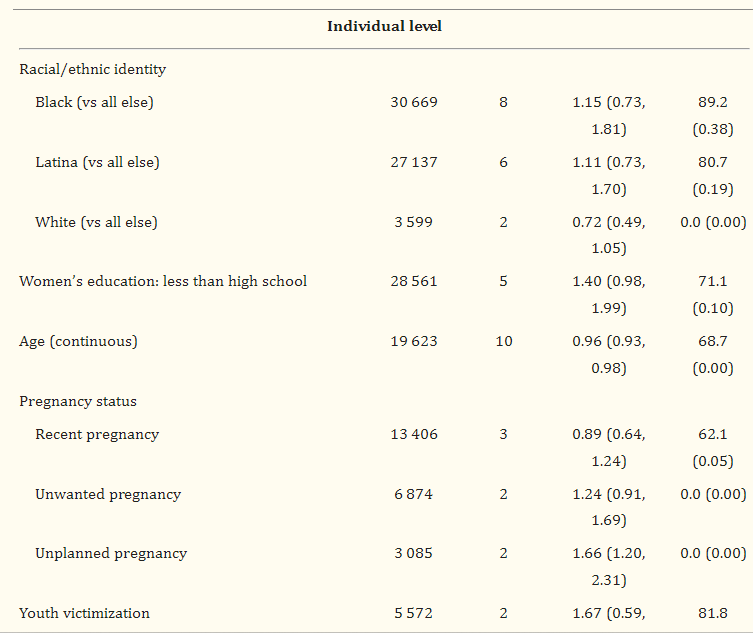
| Risk and Protective Factors for Intimate Partner Violence Against Women: Systematic Review and Meta-analyses of Prospective–Longitudinal Studies | |
Background. The estimated lifetime prevalence of physical or sexual intimate partner violence (IPV) is 30% among women worldwide. Understanding risk and protective factors is essential for designing effective prevention strategies.
Objectives. To quantify the associations between prospective–longitudinal risk and protective factors and IPV and identify evidence gaps.
Search methods. We conducted systematic searches in 16 databases including MEDLINE and PsycINFO from inception to June 2016. The study protocol is registered with PROSPERO (CRD42016039213).
Selection criteria. We included published and unpublished studies available in English that prospectively analyzed any risk or protective factor(s) for self-reported IPV victimization among women and controlled for at least 1 other variable.
|
The Far-Reaching Impact of
Domestic Violence
Effects of Individuals, Families and Communities
| | The impact of domestic violence extends far beyond the immediate victim, affecting individuals, families, and entire communities. Victims often suffer from physical injuries, chronic health issues, and mental health challenges such as anxiety and depression. Families can be torn apart, with children exposed to domestic violence facing long-term emotional and behavioral problems. On a broader scale, domestic violence contributes to significant social and economic costs, including lost productivity, healthcare expenses, and strains on community resources. Addressing this issue requires a collective effort to support victims, break cycles of abuse, and promote healthier relationships | | The Impact of Trauma on Victims of Domestic Violence | | Joyful Heart Foundation Reports | | Effects of Domestic Violence | | |
Domestic violence survivors can face ongoing and challenging effects after enduring physical, mental, and emotional abuse. It can take time for a survivor to adjust to living in a safe environment, especially if a perpetrator was severely violent and/or committed the actions over an extended
period of time.
While addressing this pain can be overwhelming, the healing process can help survivors develop inner strengths and lessen their fear of safety for themselves and their families. On the journey to recovery, survivors and those who support them should understand that healing takes time. The effects of this trauma can vary widely person to person due to individuals’ responses to stress, age, and the frequency and severity of abuse.
| A Mile in Her Shoes: Changing perspective on domestic violence | Ryan Calvert | TEDxFrisco | | |
The National Library of
Medicine Reports
November 19, 2021
| | The Psychosocial Impacts of Intimate Partner Violence against Women in LMIC Contexts: Toward a Holistic Approach | Work on the mental health impacts of intimate partner violence in low-and middle-income countries has focused primarily on clinical disorders such as post-traumatic stress disorder, depression, and substance abuse. This paper analyzes how non-clinical, psychosocial impacts from everyday stressors, particularly economic hardships and concern over one’s children, cause extensive suffering and damage women survivors’ well-being, influencing the development and expression of clinical disorders. Using a social ecological framework, the paper analyzes how psychosocial impacts arise at multiple levels, including societal levels where social norms often devalue women and privilege men, and how the stressor accumulation increases the harm caused by intimate partner violence (IPV) against women (IPVAW). | |
The Illinois Coalition Against Domestic Violence Reports
| | Societal Impacts of Domestic Violence | |
The Full Cost Extends Beyond the Individual
Though the cost to society might pale in comparison to an individual’s traumatic experience, it’s important to note that the effects of domestic violence extend far beyond the homes in which it occurs.
Unfortunately, children are also a frequent target of domestic violence abusers. However, even when children are not directly physically or emotionally abused, the stress of the situation in the household causes immense harm. Children who witness domestic violence have increased stress, anxiety, and emotional challenges. This not only affects their mental health but also their ability to focus and learn in school. A lack of educational success can lead to even more far-reaching challenges in the
lives of these children.
| Office of Women's Health Reports | Effects of domestic violence on children | |
Many children exposed to violence in the home are also victims of physical abuse.1 Children who witness domestic violence or are victims of abuse themselves are at serious risk for long-term physical and mental health problems.2 Children who witness violence between parents may also be at greater risk of being violent in their future relationships. If you are a parent who is experiencing abuse, it can be difficult to know how to
protect your child.
| Impacts of Domestic Violence on Children | | |
Better Help Reports
October 10, 2024
| | How Domestic Violence Impacts Society | | |
Domestic violence is a pressing concern that can affect more than direct survivors. Its effects echo throughout communities, impacting everyone from children to local businesses and even influencing future generations.
It can be valuable to explore these wide-ranging consequences, from economic setbacks to the mental health crisis, while highlighting hopeful new mental health treatment developments. New approaches to recovery can offer survivors and their loved ones a safer, more convenient way to seek support and guidance.
In this domestic violence article, we’ll explore what qualifies as domestic abuse, the impacts of intimate partner violence on society, and mental health resources for individuals who have experienced or are experiencing an abusive relationship.
| |
Voices of Strength
Understanding the Physical and Mental Consequences on Survivors
| |
Survivors of domestic violence often share powerful stories of resilience, healing, and hope. These narratives highlight the emotional and physical challenges they endured, as well as the strength it took to escape and rebuild their lives. Through their stories, they inspire others to seek help, break the cycle of abuse, and raise awareness about the realities of domestic violence. Each survivor's journey reveals the importance of support systems and resources in helping individuals regain their independence and reclaim
their sense of self.
| |
Domestic Violence Survivor Shares
Powerful Testimony
| Spice Girls’ Mel B says she wouldn't call police over domestic abuse - BBC Newsnight | |
Domestic violence victim shares story of ex-boyfriend attack after he nearly ripped
out her tongue
| A Janine Hall Story (Domestic Abuse Documentary) | Woman shares domestic violence story in hopes of helping others | Men Suffer Domestic Violence Too | My Girlfriend Tortured, Stabbed and Starved Me | This Morning | OnlyFans Model Murder Trial | Christian Obumseli's Family to Sue Security Guards | I Am A Domestic Violence Survivor |
The Health Impact of Domestic Violence
Understanding the Physical and Mental Consequences on Survivors
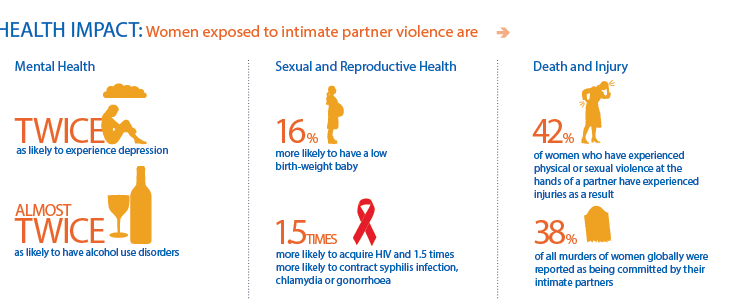
| Domestic violence has severe and lasting health impacts on survivors, affecting both their physical and mental well-being. Physically, victims may suffer from chronic injuries, such as broken bones, bruises, and long-term health issues like chronic pain or gastrointestinal disorders. Mentally, domestic violence often leads to anxiety, depression, post-traumatic stress disorder (PTSD), and substance abuse. The constant stress and trauma can also weaken the immune system, increasing vulnerability to illness. Addressing the health impact of domestic violence requires comprehensive care, focusing on both immediate medical treatment and long-term psychological support. | |
National Resource Center of Domestic Violence Reports
October 10, 2024
| Impact of Domestic Violence on Health | The health impacts of domestic violence vary and may be physical or psychological, and short or long term. This section includes documents that discuss poor health outcomes of women resulting from domestic violence. The documents included in this section recognize domestic violence as a public health problem and highlight the importance of health care providers in domestic violence prevention, identification, and intervention. | The Effects of Intimate Partner Violence on Mental Health | |
San Jose University Reports
May 2014
| Long term Physical and Mental Health Effects of Domestic Violence | Domestic violence is an issue affecting people of all ages, races, genders, and sexual orientations. Violence against men and same-sex domestic violence are often considered less of a threat to society and to the people involved, but it is important to understand that male-on-female violence, female-on-male violence, and same-sex violence all involve serious consequences to the victim’s and batterer’s short- and long-term health. This paper determines whether men or women suffer from more long-term health problems caused by domestic violence by comparing the currently published statistics on the prevalence of domestic violence in heterosexual and homosexual relationships, and analyzing the results of existing studies on the short- and long-term health effects of domestic violence. The findings indicate that although men and women sustain many of the same injuries, women suffer from more long-term health problems caused by domestic violence. |
Racial Disparities in Domestic Violence
Effects of Individuals, Families and Communities
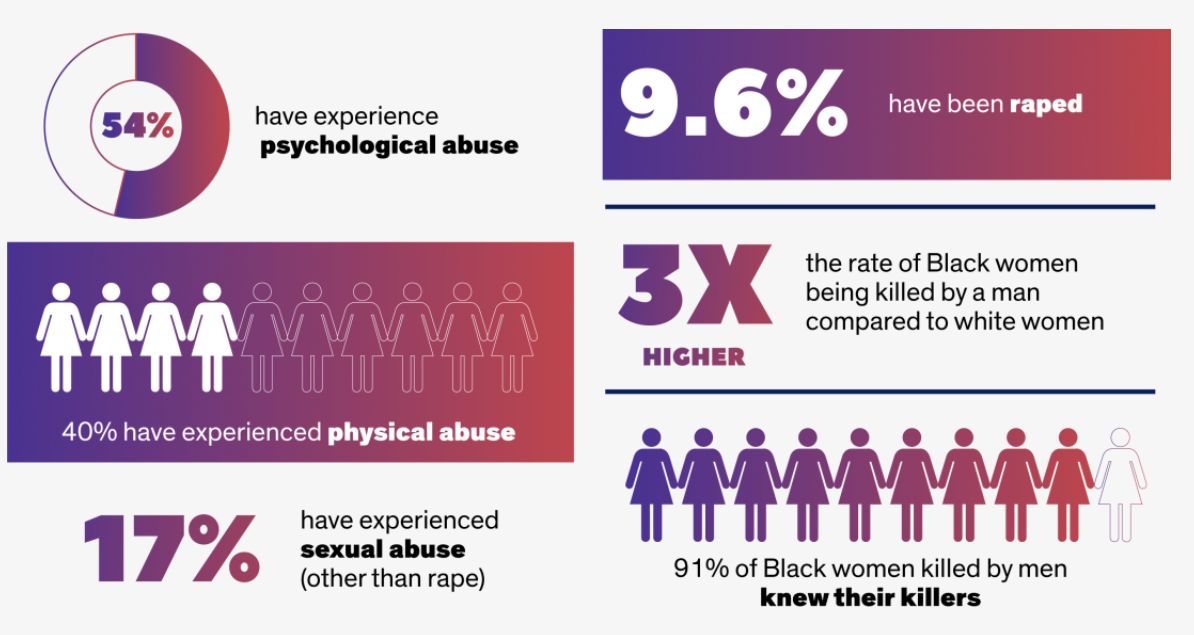
| Racial disparities in domestic violence disproportionately affect Black communities, with Black women facing higher rates of abuse compared to their white counterparts. Contributing factors include systemic racism, economic challenges, and limited access to essential resources like healthcare and legal support. Black women may also encounter cultural stigmas that discourage them from seeking help or reporting abuse. Additionally, the justice system can sometimes fall short in providing adequate protection for Black survivors, further perpetuating cycles of violence. Addressing these disparities requires tailored support services and systemic changes to ensure Black victims receive the care and protection they need. | Black women account for over half of all female domestic violence victims in Chicago | |
Verywell Mind Reports
October 25, 2023
| How Domestic Violence Varies by Ethnicity | | |
Although completely accurate numbers are not easily available, researchers generally agree that, among ethnic minority groups in the United States, Black people are the most likely to experience domestic violence—either male-to-female or female-to-male—followed by Hispanic people and White people.2 Asian people are the least likely to experience
intimate partner violence.
| | Safety, Support and Solutions for Abuse Reports | | Domestic Violence and the Black Community | |
Despite experiencing high rates of domestic violence, many members of the Black community choose not to seek assistance from law enforcement. According to the Women of Color Network, this is because Black women are “disproportionately more likely to be criminalized by the legal system” and “are routinely arrested at higher rates…when the act of violence is only in self-defense against [the person using abuse] when calling the police for assistance.”
A distrust of systems designed to help people experiencing domestic violence is one reason that Black survivors remain in abusive relationships longer than other races. This problem is particularly prevalent among Black women. "From the police to jurors, the legal system is less likely to sympathize or even process the idea of Black female victims," which could be a reason why "a Black woman is 80% more likely to be convicted for killing [the person using abuse against her]." (Black Women's Roundtable, State of Black Women in U.S. report)
| | |
Domestic Violence: The impacts on
Black women
| |
|
The University of Chicago Press Journal Reports
March 7, 2017
| An Exploratory Study of African American Men’s Perspectives of Intraracial, Heterosexual Intimate Partner Violence Using a Multisystems Life Course Framework | |
Objective: Intimate partner violence (IPV) adversely affects the lives of many different groups. We examined the experiences of IPV among African American men and the meaning men gave to such experiences in their communities. Method: Using a multisystems life course perspective, we analyzed qualitative data from a community-based participatory action research project that included 19 middle- to upper-income African American men (ages 24–49) living in a southern town in the United States.
Results: Participants’ perceptions of IPV were influenced by historical and sociocultural experiences of perceived oppression and violence in America, familial interactions, multimedia messages, and societal interactions that were perceived as unfair and unjust. Study participants offered recommendations for strengthening IPV prevention and intervention efforts spanning the life course of both males and females in African American communities.
Conclusions: Embedding a life course perspective in a participatory action framework provided a contextually grounded theoretical perspective and methodological approach that led to a clearer understanding of IPV among African American men and communities. It is vital that the experiences of African American men be more fully considered in efforts to prevent and treat IPV in African American communities.
| | The University of Illinois at Chicago Reports | Domestic Violence against Black Women | | Patriarchal ideologies within Black communities hinder Black women’s physical and emotional well-being and put their own lives in jeopardy. In fact, murder by intimate partners is among the leading cause of death among young African American women between the ages of 15 and 45. Nonetheless, Black women are often asked to remain silent about their experiences and/or receive little support from their communities at large, often justified by the notion that speaking up or seeking help, especially from the state, contributes to the stigmatization of Black communities in general, and Black men in particular, as violent. | | |
Springer Reports
November 2020
| | The Intersectionality of Intimate Partner Violence in the Black Community | | One of the leading causes of death for black women aged 15–35 is intimate partner violence. Black women are almost three times more likely than white women to be killed by an intimate partner. This chapter will explore why culturally specific, trauma-informed practices are essential for holistic responses. For a black survivor, oppression, implicit/explicit bias, and racial loyalty/collectivism directly impact how female survivors perceive, react to, and report intimate partner violence. Racism and stereotypes continue to contribute to the failure of the legal systems, crisis services, and other programs to provide adequate resources and assistance to black survivors. Survivors who are foreign-born Africans, Afro Caribbeans, and Afro Latinas experience limited access to services in their first languages and/or limited interpreters who speak the native language, fear of interacting with systems and deportation, and little cultural understanding and empathy from service providers. | | |
The University of Texas Reports
October 2004
| |
Ethnic Differences in Intimate Partner Violence in the U.S. General Population
The Role of Alcohol Use and Socioeconomic Status
| This article reviews cross-sectional and longitudinal research on ethnic differences related to intimate partner violence (IPV) in the U.S. general population and the role of alcohol use and socioeconomic characteristics. Evidence indicates that significant ethnic differences exist in the prevalence of IPV. Although ethnic minorities report higher rates of IPV, differences in crude rates are reduced after controlling for socioeconomic circumstances and alcohol use. However, Black couples appear to be at greater risk of IPV than their White or Hispanic counterparts even after controlling for such risk factors. Overall, socioeconomic characteristics, demographic characteristics, and alcohol use appear to play important roles in the occurrence of IPV. These findings suggests that IPV continues to be a significant public health problem and represents an area of health disparity for ethnic minorities. | | A Layered Look at Domestic Violence in the Black Community | |
Sometimes it’s exhausting being a Black woman,” says Indiana State Rep. Vanessa Summers. “It’s exhausting being a woman, but it’s really exhausting being a Black woman.” Before serving in the Indiana House of Representatives, Summers worked at The Julian Center.
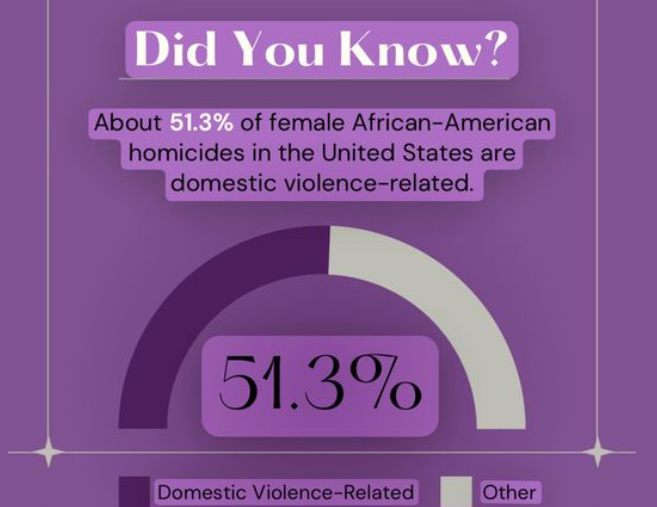
According to the National Coalition Against Domestic Violence, more than 40% of Black women have experienced intimate partner physical violence, intimate partner sexual violence and/or intimate partner stalking in their lifetimes. And more than half of Black adult female homicides are related to intimate partner violence.
At Coburn Place, 65% of our clients in 2020 identified as Black and female, and that is true at many domestic violence service organizations nationwide. Black women and Black men experience intimate partner abuse at a disproportionately high rate. But why?
“First of all, a lack of opportunities along with financial barriers leads to domestic violence,” says Coburn Place Intake and Well-Being Services Coordinator Jacqueline Willett, MSW.
| Hindered Help: African American Partner Violence Victims | Bernadine Waller | | Domestic Violence Shelters Reports | |
Black Women Are Staying Silent
|
The 'Strong Black Woman' Stereotype
Domestic violence has been shown to affect the Black community disproportionally—Black women experience domestic violence at rates 30 to 50 percent higher than white women. Several things could be blamed for this—studies show domestic violence is more prevalent among those living with financial insecurity, and twice as many Black men are unemployed as white men. It could also have something to do with a response to cultural taboos.
| |
Promoting Health Equity
Reducing Disparities in Domestic Violence Support and Prevention
| | Promoting health equity in domestic violence support is crucial to addressing the disparities that disproportionately affect marginalized communities. Black women and other vulnerable groups often face barriers to accessing healthcare, legal assistance, and support services. By prioritizing culturally sensitive care, expanding resources in underserved areas, and implementing policies that address systemic inequities, we can work toward diminishing these disparities. Ensuring that all survivors, regardless of race or socioeconomic status, receive equitable access to protection and support is essential for creating safer, healthier communities. | |
Howard University School of Social Work Reports
April 2007
| Health Disparities and Violence Against Women: How and Why Cultural and Societal Issues Matter | This article encourages readers to consider the cultural and societal influences that impact health and health disparities among women survivors of intimate partner violence (IPV). Health consequences caused by IPV are widely documented and broadly discussed. Connections between health disparities and IPV are also discussed as related to women of color. Cultural factors and societal influences are identified to provide the reader with greater awareness of how these issues intersect with and impact IPV. Finally, the implications for scientific research and practice are discussed to include considerations for stronger assessment tools, greater collaboration and community participation, determination of best practices, requirement of cultural competence, mandated accountability, encouragement of mentorship, increased funding for research, increased advocacy, and increased culturally competent media and health promotion campaigns. | |
Prevention Institute Reports
July 2017
| A Health Equity and Multisector Approach to Preventing Domestic Violence | As awareness of domestic violence (DV) and concern about its impact has grown, more survivors, advocates, policymakers, families, and others are asking why DV continues to be so prevalent and what more can be done to prevent it.* And as awareness of disparities in rates of DV – by age, race, sex, socioeconomic status, and other factors – has increased, so has the desire to understand and address those inequities. The vision for addressing DV in California continues to expand toward addressing the needs of DV survivors who are most marginalized and the communities in which they live, in a manner that supports both healing from and prevention of DV. | | |
Dear Reader,
As we observe Domestic Violence Awareness Month, we must recognize the widespread impact of intimate partner violence (IPV) and the barriers that prevent survivors from accessing safety, support, and healing. Domestic violence affects individuals across all backgrounds, but its consequences are not experienced equally. Black women face disproportionately high rates of intimate partner violence, shaped in part by systemic inequities, financial insecurity, and barriers to culturally responsive services. Addressing these disparities requires us to look beyond individual circumstances and examine the social and economic conditions that can leave survivors vulnerable.
For many Black women, the expectation to embody the “Strong Black Woman” stereotype can create additional pressure to endure hardship privately rather than seek help. Fear of judgment, concerns about family stability, financial dependence, and mistrust of institutions may make it more difficult to leave an abusive relationship or report violence. Survivors may also experience anxiety, depression, and other lasting mental health effects. These realities underscore the importance of providing trauma-informed, culturally responsive services that recognize the intersecting effects of racism, sexism, and economic inequality.
We must also acknowledge that Black men and men of all backgrounds can experience intimate partner violence. Yet male survivors often face unique barriers to seeking assistance, including societal expectations surrounding masculinity and the misconception that men cannot be victims of abuse. Fear of being disbelieved, ridiculed, or perceived as weak can discourage men from reporting their experiences or accessing support. Recognizing male survivors is essential to building a more inclusive approach to domestic violence prevention, intervention, and recovery.
Economic insecurity can further complicate a survivor’s ability to pursue safety. The cost of housing, childcare, transportation, and legal assistance can make leaving an abusive relationship especially difficult. These challenges reinforce the need for accessible support systems that connect survivors with emergency shelter, counseling, legal advocacy, financial resources, and other essential services. Promoting health equity means ensuring that support is available to every survivor, regardless of race, gender, income, or background.
This Domestic Violence Awareness Month, I encourage our community to challenge the stigma surrounding abuse, recognize the warning signs of unhealthy and abusive relationships, and support survivors without judgment. We must also remain informed about Illinois laws protecting survivors of domestic violence and support policies that strengthen access to protection, accountability, and essential services.
Through education, community engagement, culturally responsive care, and meaningful policy action, we can help create safer homes and healthier communities. No one should have to choose between their safety and their financial stability, and no survivor should feel that they must suffer in silence. Together, we can work toward an Illinois where every individual has access to the resources, protection, and support needed to heal and move forward.
In solidarity,
Chezalyn Grant, ND, DACCHM
Health Equity Coordinator
The Office of Illinois State Representative La Shawn K. Ford
| |
Illinois Push Against Domestic Violence
Expanding Protections and Strengthening Support System
| Illinois has made significant legislative efforts to combat domestic violence, focusing on protecting survivors and improving support systems. These initiatives include enhancing legal protections for victims, expanding resources for shelters and counseling services, and increasing funding for prevention programs. Lawmakers have worked to close gaps in the legal system, ensuring that survivors receive comprehensive support, including access to healthcare, housing, and legal aid. These efforts aim to empower survivors, reduce domestic violence rates, and create a safer environment for affected individuals across the state. | The Illinois Domestic Violence Act of 1986 | The Illinois Domestic Violence Act of 1986 was a landmark law designed to protect victims of domestic violence by providing legal remedies and support. It allowed victims to obtain orders of protection against abusers, expanded the role of law enforcement in domestic violence cases, and established procedures for victims to receive assistance, such as shelter and counseling. The act also recognized the serious nature of domestic violence and aimed to reduce its prevalence by holding offenders accountable while offering victims necessary safeguards and resources. | The Illinois State Police Reports | Domestic Violence - The Law in Illinois | |
In the last decade, government’s response to this societal problem has increased, both in effort and in effectiveness. The Illinois Domestic Violence Act of 1986 ushered in a new era for our state. Recent Supreme Court rulings have put more "teeth" into the law by effectively mandating that law enforcement act to protect victims of domestic abuse.
According to Illinois law, police officers must take steps to protect a victim of domestic abuse whenever a "family or household member" has committed any act of "abuse."
| Click Below to View the Illinois Domestic Violence Act | |
The Illinois Gender Violence
Act of 2003
| |
The Illinois Gender Violence Act (GVA), enacted in 2003, allows victims of gender-related violence to pursue civil lawsuits against their attackers. The law defines gender-based violence as physical or sexual violence, as well as the threat of such violence, committed on the basis of gender. The act provides victims with a pathway to seek justice beyond criminal prosecution by holding perpetrators and, in some cases, organizations accountable for damages in civil court. This legislation aims to address gender-based violence in various forms, promoting accountability and offering legal
recourse for survivors.
| |
The Chicago Sun-times Reports
July 2017
| New Illinois law helps survivors of gender violence or harassment to sue their employers | |
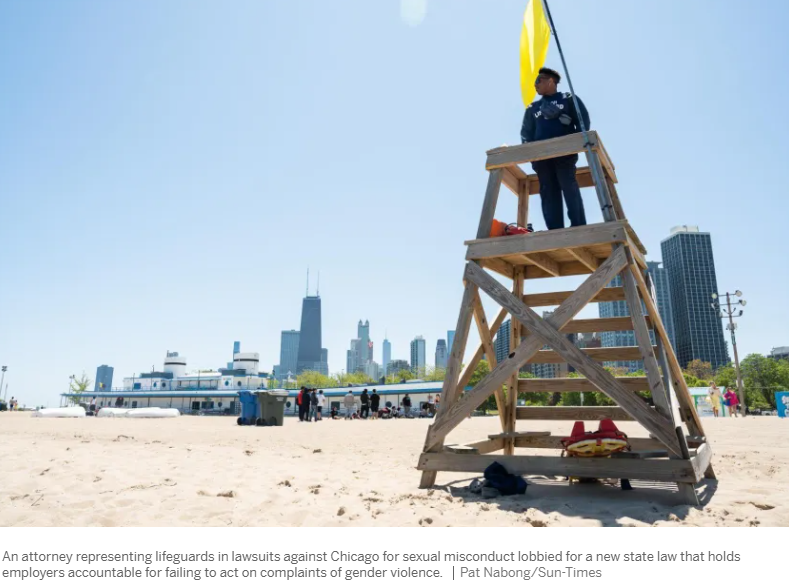
A new Illinois law that went into effect Jan. 1 should make it easier for survivors of gender violence to sue their employers successfully, according to the measure’s sponsors and plaintiffs’ lawyers who pushed for the changes to the statutes in Springfield.
The law, which updates the Gender Violence Act passed in 2003, will allow workers to hold their employer liable for failing “to supervise, train, or monitor the employee who engaged in the gender-related violence” or for not taking “remedial measures” after being informed of alleged misconduct in the workplace.
State Rep. Will Guzzardi, D-Chicago, introduced the legislation in the Illinois House. He said the new law should help survivors who face sexual violence on the job in cases where there were systemic problems that the employers tolerated.
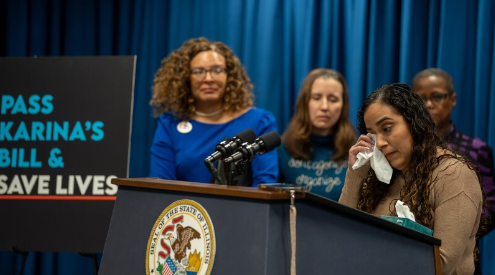
| Click Image Below to View Public Act 103-0282, formerly known as HB1363 | Karina's Bill, proposed in Illinois, is designed to enhance protections for victims of domestic violence. Named after Karina Gonzalez, a young woman killed in a domestic violence incident, the bill aimed to prevent such tragedies by improving legal safeguards, including the removal of abusers from homes and streamlining the process for survivors to obtain protective orders. Advocates argue that Illinois’ current laws are insufficient and need strengthening to better protect victims. Despite strong support from domestic violence prevention groups, the bill has failed to pass the Illinois legislature multiple times as of 2024 | |
CBS News Reports
January 24, 2024
| "Karina's Bill" supporters urge lawmakers to help protect domestic violence victims | | |
CHICAGO (CBS) -- Groups fighting gun violence made a plea Wednesday morning for Illinois lawmakers to pass a bill that would require police to remove firearms from a home under specific orders of protection in domestic violence cases.
The bill is named in honor of Karina Gonzalez, who was shot and killed in July by her husband. He also killed Gonzalez's 15-year-old daughter, Daniela.
They were shot and killed in Little Village, even though Karina had an order of protection that could have led to the removal of his gun by law enforcement.
"We should not need to have to stand here today to convince the people elected to serve us that it is time to protect women from domestic violence gun deaths,' said Yolanda Androzzo, executive director of the anti-gun-violence group One Aim Illinois.
Supporters of Karina's Bill said several recent shootings in Illinois show the need for firearms removal to be part of violence protection for domestic violence survivors when they get a court to issue an order of protection.
| |
WTTW News Reports
January 24, 2024
| | Advocates Urge Illinois Lawmakers to Pass ‘Karina’s Bill’ to Take Away Guns From Accused Abusers | |
Daniela Alvarez was a joyous, intelligent and lively teenager who loved music, according to her cousin, Monica Alvarez.
Daniela was a 15-year-old who loved Megamee and Boo, her two cats, and who planned to spend last summer perfecting Cumbia dance moves, going to Six Flags Great America and having sleepovers.
“So many aspirations and dreams,” Monica Alvarez said. “Such a bright future. Unfortunately, Daniela will never get to fulfill her dreams.”
Daniela was killed July 3 along with her mother, Karina Gonzalez, in their Little Village home.
Daniela’s father, Gonzalez’s husband, Jose Alvarez, was charged with their murders.
Monica Alvarez said Gonzalez was a “warrior” who “always kept her spirits up” even when things seemed impossible.
“Karina was a mother who wanted the best for her children, did everything to keep them safe,” Monica Alvarez said.
That included getting an order of protection against her husband. It was supposed to have meant he lost his Firearm Owners Identification card, but no steps were taken to make sure he gave up his guns.
“Karina’s Bill” is domestic violence advocates’ answer to protecting victims in the future.
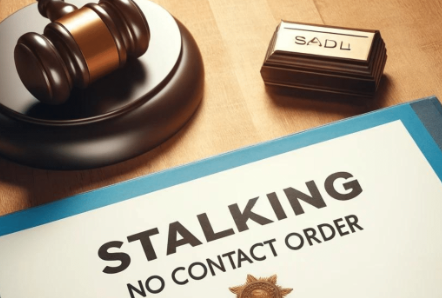
| | Click Image Below to View Karina's Bill | | Illinois No Contact Order | | An Illinois no contact order is a legal measure designed to protect victims of abuse, harassment, or stalking by prohibiting the offender from any form of communication or physical proximity to the victim. This court-issued order can prevent direct and indirect contact, including phone calls, messages, or visits, ensuring the victim’s safety. It is commonly used in cases of domestic violence and can be obtained through a civil or criminal process. Violating a no contact order can lead to legal consequences, including fines or imprisonment, reinforcing its role as a critical tool for victim protection. | Click Image Below to View the Civil No Contact Act | | Pro Legal Care LLC Reports | | Illinois No Contact Order: A Guide to Your Legal Protection | | |
A civil no contact order is sometimes referred to as a restraining order. Many restraining orders are only enforceable with civil remedies to enforce no contact orders, which means that they are no contact orders that are not police enforced. Although they often not enforced by law enforcement, civil no contact orders can still be used to help keep abuse victims safer and prevent stalking and harassment by prohibiting contact from the offender through a civil injunction no contact order.
The judge’s decision on whether the abuser or the person being restrained in a no contact order should have limitations specific to locations frequented by the victim or person seeking the no contact order.
| | |
Dolci and Weiland Attorney
at Law Reports
| Violation of a No-Contact Order in Illinois | | |
In Illinois, someone who feels threatened by another person or fears for their safety has the option to obtain a civil remedy for abuse via “no-contact order,” also referred to as a restraining order. When this order is served and imposed, a defendant must essentially avoid contacting the accuser as the name of the order implies. It is a crime to violate this order. If you do, you can be charged with either a misdemeanor or a felony depending on the circumstances of your case.
The violation of a no-contact order is taken incredibly seriously by prosecutors in Illinois. If you are the subject of a no-contact order and have been accused of violating it, contact Dolci & Weiland for help to fight any criminal charges. It's imperative you understand the new limitations placed on your life and the full gravity of what it means to violate this order.
| Illinois Stalking No Contact Orders | Learn About Law | | |
The Law Office of David
Olshansky Reports
| The Difference Between an “Order of Protection” and a “Stalking No Contact Order” | In Illinois there are two separate ways an individual may petition the Court for injunctive relief to keep another individual to prevent having contact with them. The most common is under the Illinois Domestic Violence Act codified under Statute 750 ILCS 60 and called an “Order of Protection,” however years ago the legislation passed a new law to allow for similar protections for individuals who would not qualify for an Order of Protection because there is not a domestic relationship; this newer statute is named the Stalking No Contact Order Act and codified under Statute 740 ILCS 21 which allows for protection for individuals who have no domestic relationship but one person is endangered by harassing and stalking behavior. | Click Image Below to View the Illinois Civil No Contact Orde | | Click Images Below to View Resources for Domestic Violence Victims | | How to Observe National Domestic Violence Month | | The Domestic Violence Awareness Project and other organizations will hold events throughout the month. Participate — whether or not this issue has touched you directly. | | Take the Community Pledge | | Take the #1Thing community pledge to stand up against domestic violence, speak up against victim-bullying, listen to victims, and change one thing in your community to end domestic violence. | | Head to the National Coalition Against Domestic Violence to find sample posts to use on social media. These include resources and toolkits you can share with your followers. | | Rep. Ford's Daily Job Leads | | | | |