Fort Lauderdale's environment needs special focus
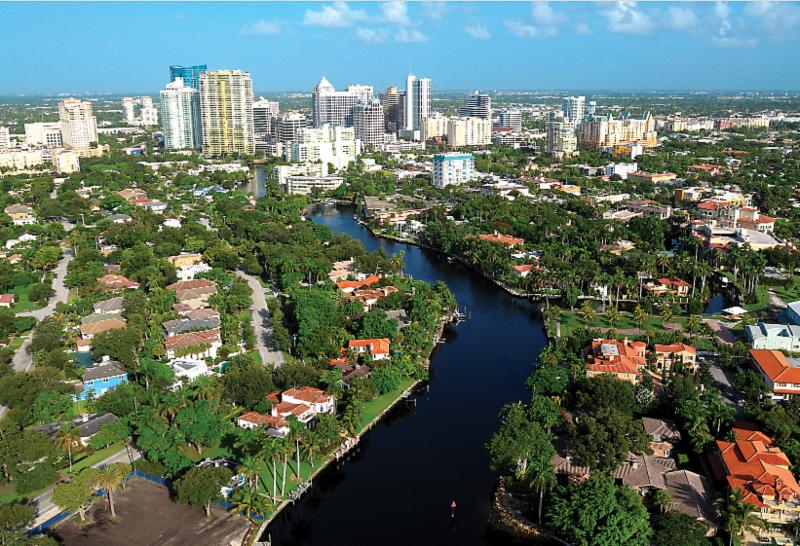
From our beaches and inland waterways to the Everglades on our western edge, the natural environment of the Fort Lauderdale area has always been a main reason that this is such a wonderful place to live or visit.
Unfortunately, our beautiful surroundings are under threat. Green algae has clogged our canals for the past few summers. Red tide seldom occurred on our shores, but it was carried here this summer from the Gulf. On top of that, we’ve witnessed the impact of aging infrastructure and careless contractors.
Protecting our environment and natural resources are top priorities for city government.
The biggest threat comes from climate change. Scientists expect the sea level in South Florida could rise two feet over the next 50 years. Annual high tides are becoming more extreme. Many low-lying neighborhoods flood as water backs up through storm drains and overtops seawalls.
The City Commission has been installing new catch basins and more drainage pipes and tidal-control valves on storm drains. Our next step is to tackle seven neighborhoods most affected by flooding over the next five years. These neighborhoods are Progresso Village, Victoria Park, Dorsey Riverbend, Southeast Isles, River Oaks, Edgewood and Durrs.
But we have fallen behind in our responsibility to address these imperatives. For example, we have yet to begin raising city seawalls that are overtopped in extreme tidal events. After all, we are demanding private property owners take this step.
|
|
Moreover, questions continue to arise regarding the color and safety of the city’s drinking water.
Indeed, the city is committed to providing superior quality water that meets or exceeds regulatory standards under the Safe Drinking Water Act. But honestly, the water system needs improvement.
The main issue causing coloration is that certain equipment at the Fiveash Water Treatment Plant is at the end of its life cycle. An outside consultant report told the commission that the entire plant is at a “very real risk of a calamitous failure.”
The city is studying upgrades to the plant that would address coloration as it also plans other improvements. However, we ultimately must decide if it is more cost efficient to build a new facility than rehabilitate Fiveash.
Neither the city nor contractors should contribute to environmental problems.
The community was outraged when underground pipes burst and spewed sewage into yards and streets. The fact that the city took $20 million a year from the water and sewer funds to balance the general budget has meant that money was not spent as it should have been. Now, under a consent decree from the state, the city is making improvements.
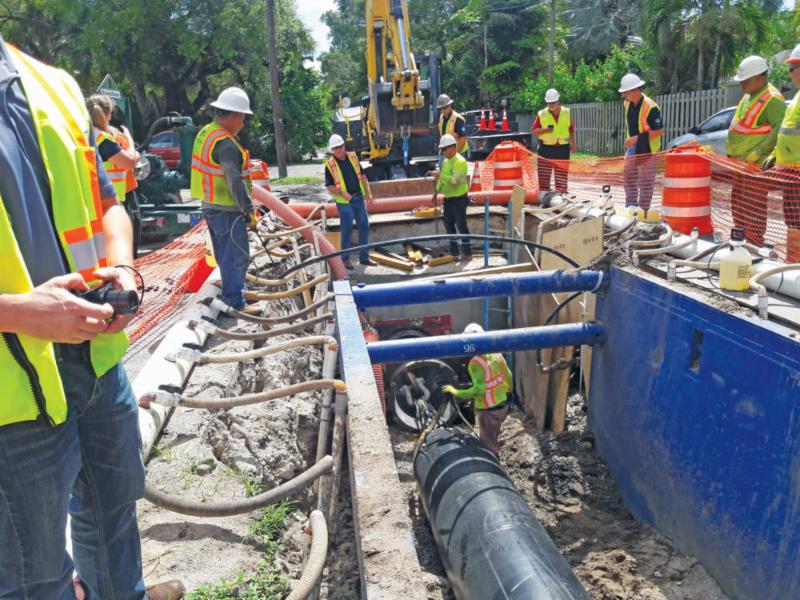
The installation of a new 30-inch sewer main downtown is the most critical step achieved so far. By year’s end, city staff expect new pump stations to be operational in the Central Beach and Imperial Point neighborhoods as well as upgrades to the sewer system on Isle of Venice and the restoration of the water tank at Northwest 2
nd Avenue.
|
|
At the same time, our building inspectors must keep a better eye on contractors working near our waterways. Twice this summer alone, the New River was discolored. The source: construction sites that failed to prevent dirty water from washing into the river.
Fines of up to $500 were issued. Those amounts seem small to me in comparison to their projects, but that is the most the city can fine under the law. The construction community knows we are now watching, but we should have inspectors watching full time.
I’d also like to see us do more to keep our beaches clean.
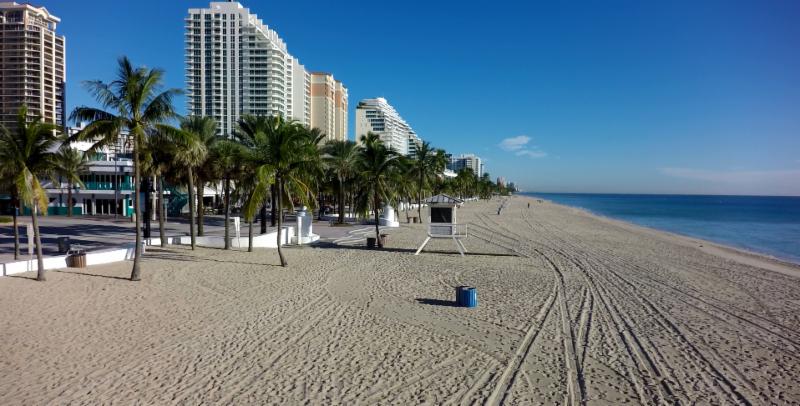
Coastal cleanup is a regular part of volunteer projects. About 8,000 pounds of trash was collected last year. But can’t we do more? Look at the amount of cigarette butts and plastic straws in the sand.
The state Legislature prevents cities from regulating smoking on the beach, but perhaps signs asking people not to smoke would be helpful.
The city is allowed to regulate plastic straws, and the City Commission is looking at an educational campaign and possibly some sort of restrictions – at least in certain areas like beach.
|
|
The red tides and green algae have been exasperating. Experts say both are influenced by very warm water and higher levels of nutrients.
With the red tide, let’s be thankful we escaped the devastating impact seen in communities along the west side of the peninsula.
There is little we can do as a city about red tide because currents brought the conditions here through the Florida Straits. But we need to urge our state officials to restore environmental regulation, which has been dramatically cut in recent years.
Regarding the green algae, the city is working with the county and state to determine why the algae concentrations have increased and if there are options for us to alleviate them. The experts say the most likely causes are animal waste and the use of yard fertilizers near waterways.
Maybe we need a temporary moratorium on the use of lawn fertilizers to see if this could help prevent algae formation. And maybe we should be more responsible with our pets when we take them for a walk.
The arrival of fall should mean the blooms dissipate as happened last year, but we will continue looking for answers.
Many environmental issues, such as climate change, largely must be addressed globally and nationally. Still, we need to do what we can as a community.
I made that commitment recently with other coastal cities from around the world. We pledged to promote sustainable ecosystems. We all recognized that there is an urgency to re-balance the relationship between human development and our natural environment and that we must place a premium on our natural resources.
The planet depends on the actions we take.
Sincerely,
Dean
|
|
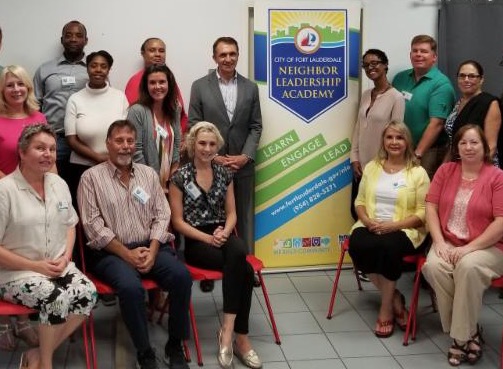
Mayor Trantalis addresses participants in the city's
Neighbor Leadership Academy. He shared
thoughts about the Academy, what the Academy means to the city from an elected official’s perspective, and the valuable role community leaders play.
|
|
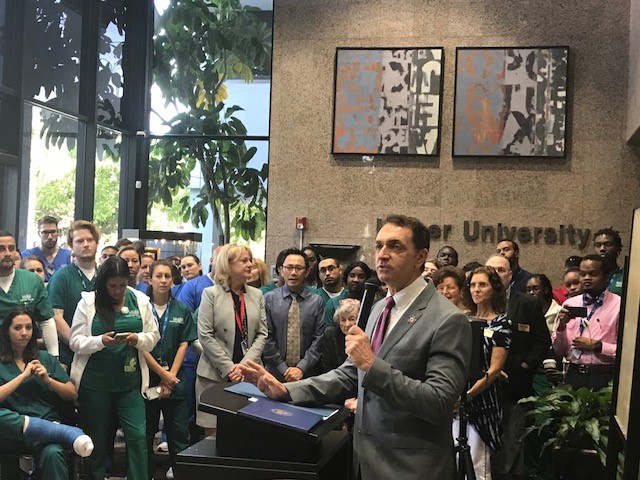
Mayor Trantalis speaks at Keiser University
in recognition of Constitution Day. Sept. 17, 1787, was the day when delegates to the constitutional convention last met and signed the document that enshrines our system of government in the United States.
|
|
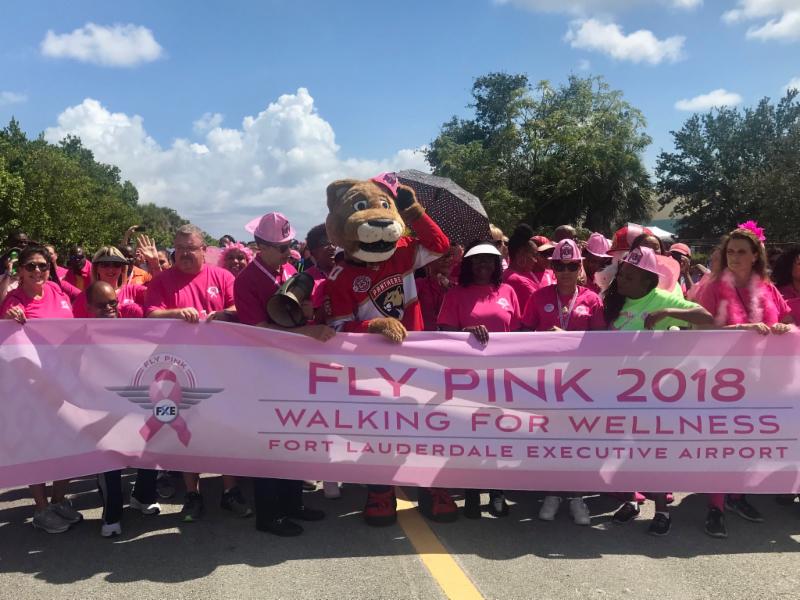
Mayor Trantalis
marches in the Fly Pink breast cancer awareness walk with city government employees at the Fort Lauderdale Executive Airport.
|
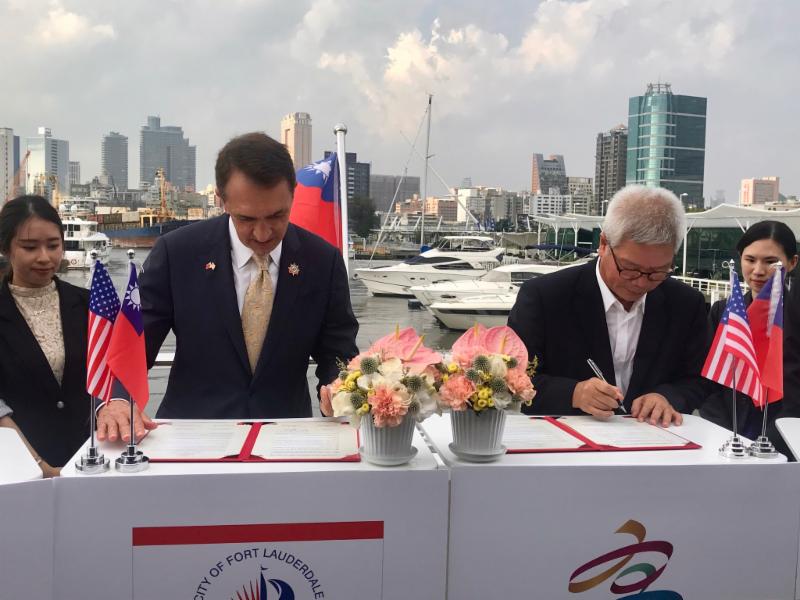
Mayor Trantalis celebrates Fort Lauderdale's 10-year relationship with Kaohsiung, Taiwan, by renewing the sister city agreement with officials of that city. The mayor also signed an agreement pledging closer cooperation between the yachting industries in the two cities.
|
|
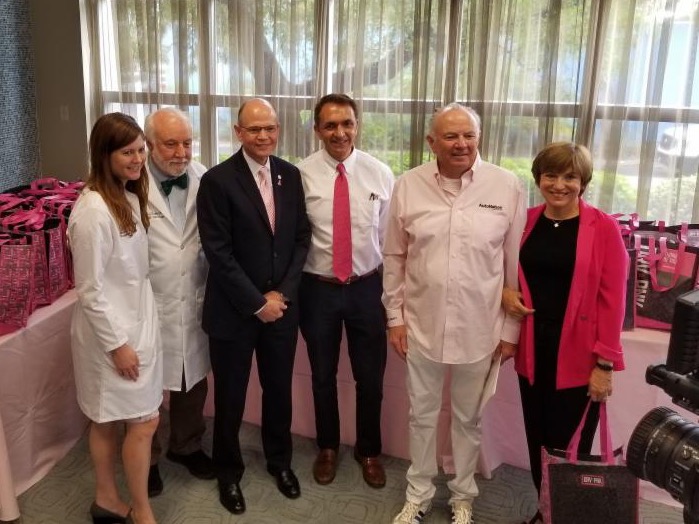
Mayor Trantalis joins AutoNation executive Mike Jackson to tour Holy Cross Hospital's Women's Center as part of Breast Cancer Awareness Month.
|
With other leaders from around the world, Mayor Trantalis
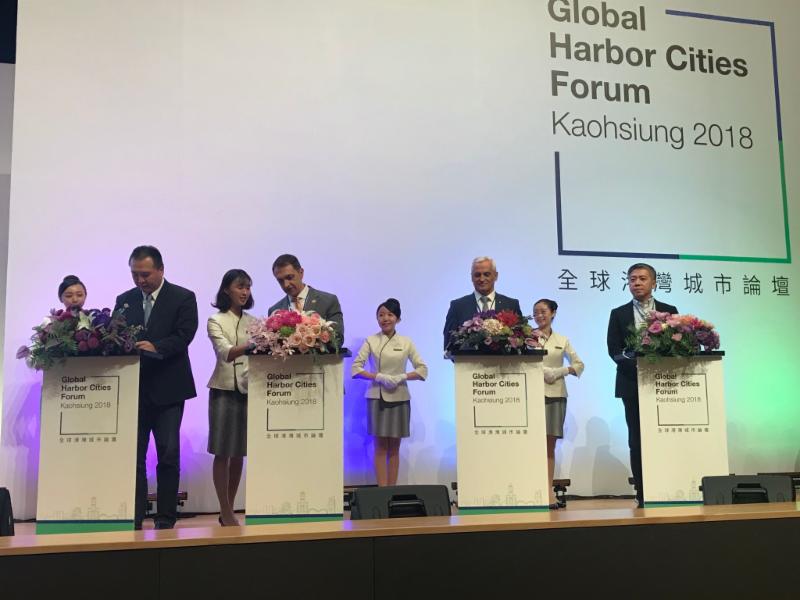
signs a pledge at the Global Harbor Cities conference to promote a sustainable environment, build livable communities, do more to create innovative economies and become more globally integrated.
|
|
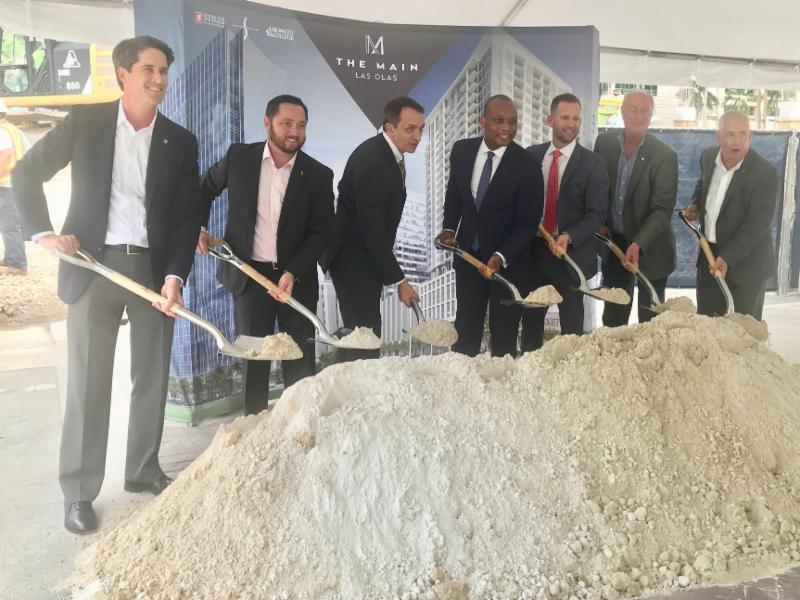
Mayor Trantalis helps break ground on Main Las Olas, a new building complex that will feature office, residential and commercial space at Las Olas Boulevard and Southeast 3rd Avenue.
|
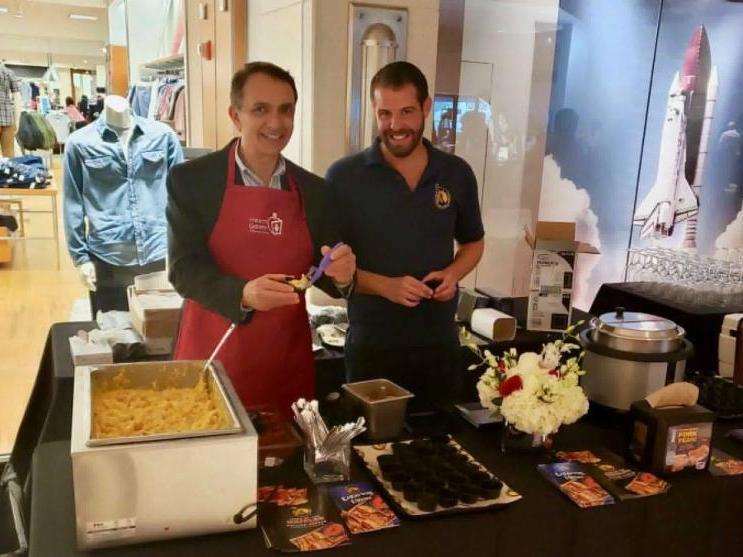
Mayor Trantalis serves as a celebrity waiter at the Eat Your Heart Out dinner. It raised money for the Heart Gallery of Broward County, which helps find families for foster children who are the most difficult to place.
|
|
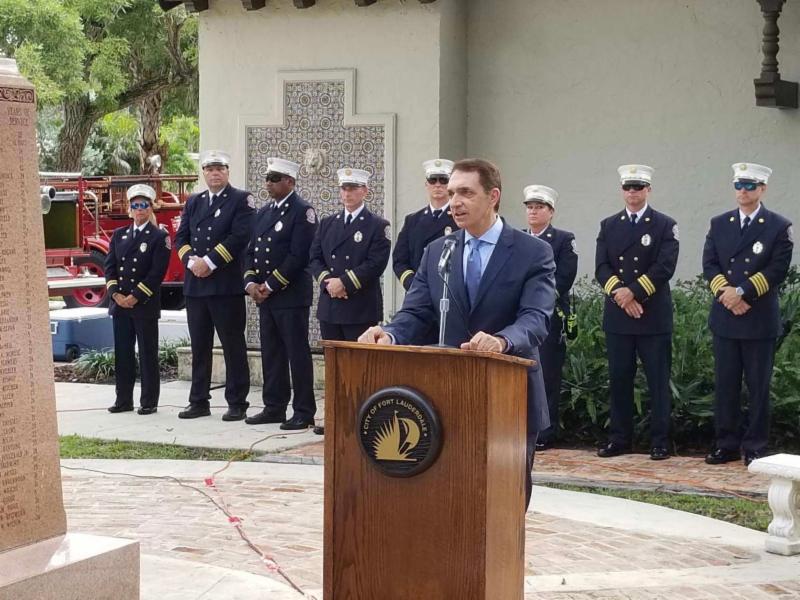
Mayor Trantalis remembers those who died during the tragic events of Sept. 11, 2001, when terrorists attacked our country. The ceremony took place at the Fire & Safety Museum.
|
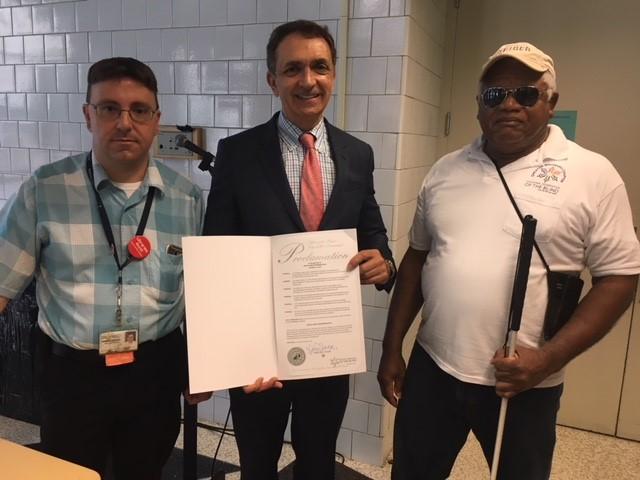
Mayor Trantalis presents a proclamation to the Federation for the Blind during the group's annual White Cane March that takes place in the downtown area of Fort Lauderdale.
|
|
|
|
|
|
|