Quarterly News and Updates | | The Department of Health Care Services (DHCS), Office of Family Planning (OFP) newsletter gives you the latest resources, news, and information in family planning and family planning-related services to support your important work for the Family Planning, Access, Care, and Treatment (Family PACT) Program. | | |
- Clinical Updates
- Upcoming Events & Training Opportunities
- Family PACT Program Enrollment & Portal Updates
- Family PACT Program Policy Updates & Reminders
- Medi-Cal Information & Bulletins
- Contact Us & Helpful Resources
| | June: LGBTQIA+ Pride Month and
National Men's Health Month | | |
In June, we recognize Lesbian, Gay, Bisexual, Transgender, Queer/Questioning, Intersex, Asexual, and More (LGBTQIA+) Pride Month and National Men’s Health Month. It's an opportunity to promote wellness, equity, inclusivity, and access to care for all.
The Family PACT Program provides free comprehensive family planning and sexual and reproductive health services to all eligible Californians, including:
- Reproductive health education and counseling
- Contraception and supplies (e.g., condoms and lubricants)
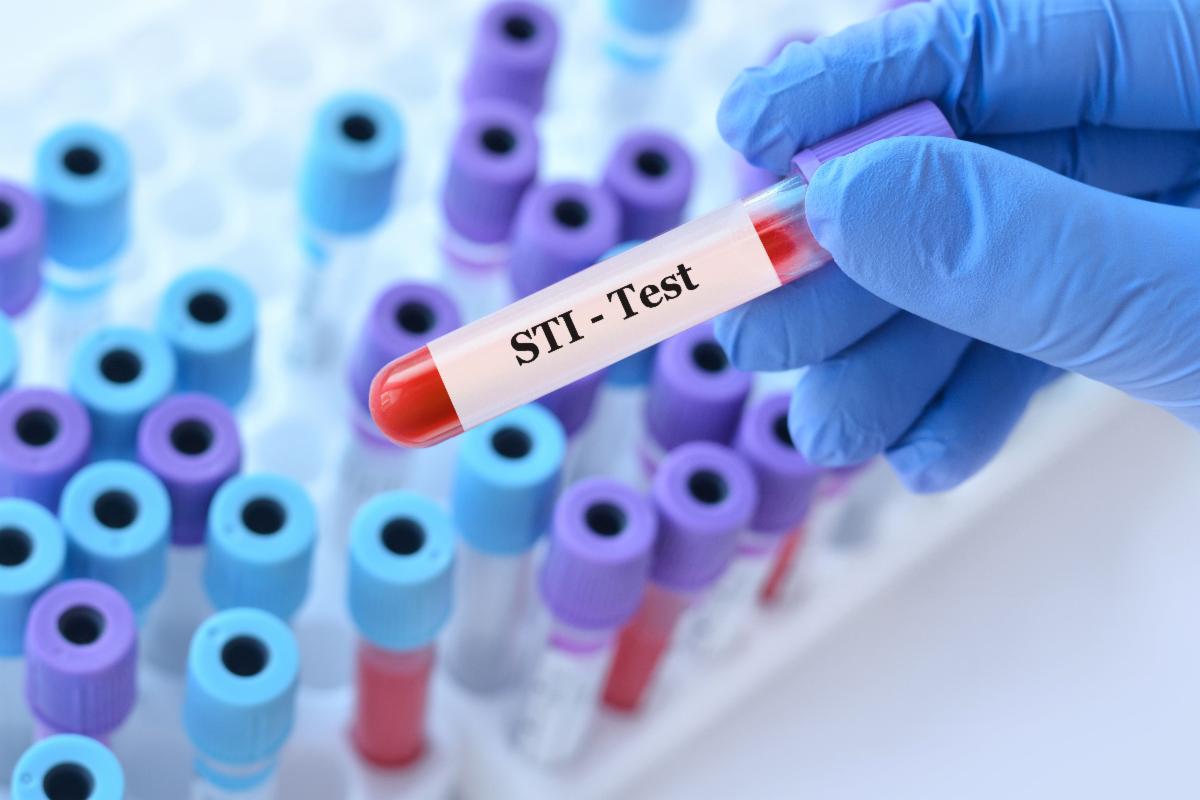
- STI/HIV testing
- Treatment of STIs and other sexually associated infections
- Cervical cancer screening
- HPV vaccination
Learn more and explore our clinical resource library:
Client Education Materials:
Clinical Practice Alerts:
This month serves as a reminder that everyone deserves access to compassionate, high-quality care that empowers informed choices, healthy relationships, and lifelong wellness.
| | Male Partner Bacterial Vaginosis Treatment is a
Medi-Cal and Family PACT Program Benefit | | |
Family PACT Bulletin 224 | May 2026
Effective for dates of service on or after June 1, 2026, both Medi-Cal and the Family PACT Program will cover oral metronidazole and topical clindamycin for the treatment of male sexual partners of persons with bacterial vaginosis recurrence (BV). Male partner treatment for BV is not an Expedited Partner Therapy benefit.
Oral metronidazole and topical clindamycin are reimbursable with HCPCS codes S5000 (prescription drug, generic) and S5001 (prescription drug, brand name).
Clinical Resources:
The Family PACT Policies, Procedures and Billing Instructions Manual (PPBI) has been updated accordingly:
- Benefits: Family Planning-Related Services (pp. 21, 25)
- Benefits Grid (pp. 32, 39)
- Clinic Formulary (p. 5)
| | Over-the-Counter (OTC) Contraceptive Access | | |
OTC Contraceptive Access
Consistent with State law (Business and Professions Code sections 4052 and 4052.3 and Welfare and Institutions Code section 14132.968(b)(1)(C)), under the Department of Health Care Services’ (DHCS) Medi-Cal and Family PACT programs:
- Eligible Medi-Cal members and Family PACT clients may go directly to a Medi-Cal-enrolled pharmacy to obtain over-the-counter (OTC) hormonal contraceptives (for example, birth control or emergency contraceptive pills) from a pharmacist;
- There is no requirement that a prescription first be obtained from their health care provider. Instead, a pharmacist can generate a record at point-of-sale akin to a prescription, which will satisfy federal requirements; and
- Pharmacists can furnish up to a 12-month supply of OTC hormonal contraceptives.
Covered Products
-
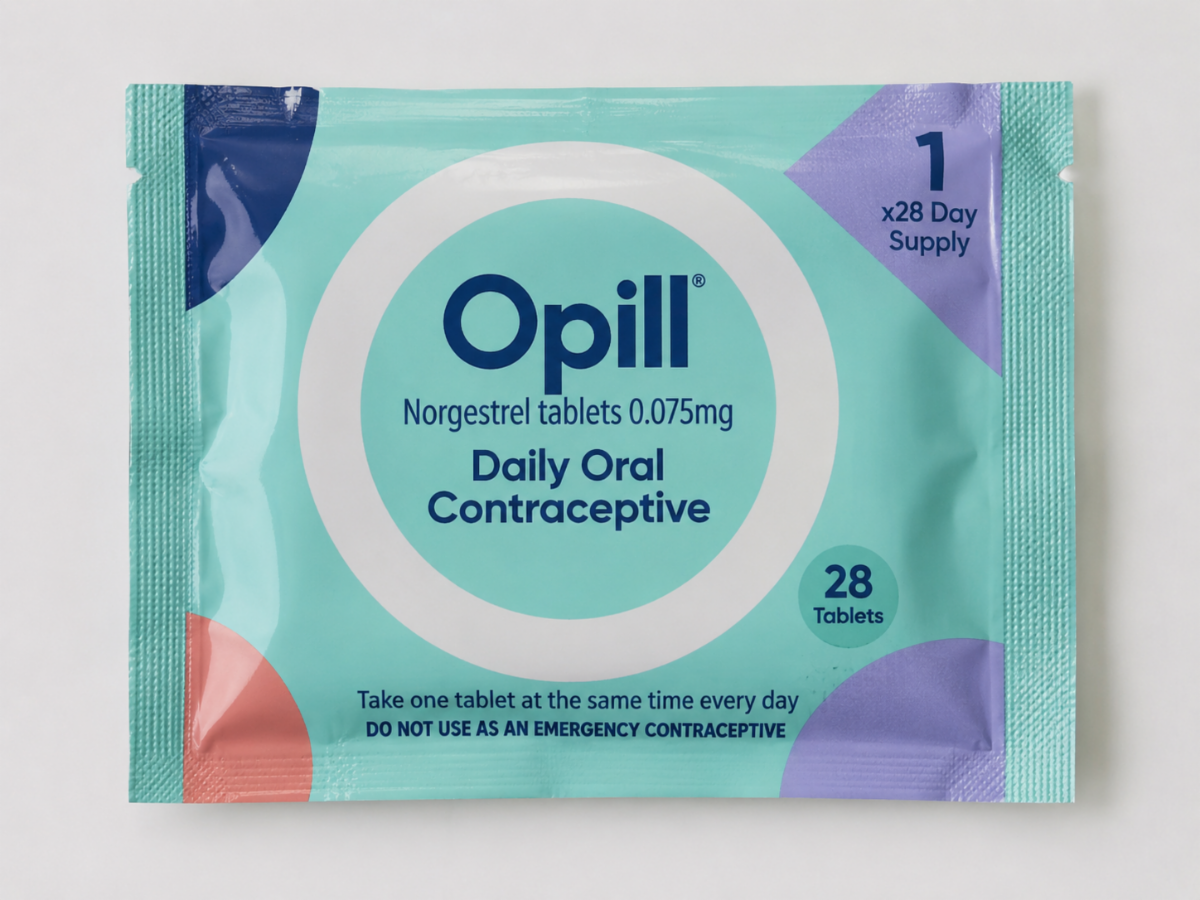
Norgestrel 0.075 mg progestin-only birth control pill (Opill®)
-
Levonorgestrel 1.5 mg emergency contraceptive pill (brand names include: Aftera®, EContra®, My Choice®, My Way®, Plan B One-Step®, Take Action®)
Cost
- Covered OTC hormonal contraceptives are available at no cost for enrolled Medi-Cal members and Family PACT clients.
How to Access
- Medi-Cal members and Family PACT clients can visit a participating pharmacy and ask their pharmacist about getting OTC hormonal contraceptives.
DHCS Resources
| | Important Clinical Updates from the
California Department of Public Health (CDPH) | | Reminder: FDA Approves Updated Nexplanon® Label and Launches New REMS | | |
Family PACT Bulletin 224 | May 2026
Effective January 16, 2026, the U.S. Food and Drug Administration (FDA) has approved the Supplemental New Drug Application (sNDA) for Nexplanon® (68 mg etonogestrel implant), extending its approved use from 3 years to up to 5 years for pregnancy prevention.
-
Full Prescribing Information (for clinicians) and Patient Labeling have been updated accordingly.
- Clinical trial data (NCT04626596) showed zero pregnancies during years 4–5 and no new safety concerns across BMI ranges of 17.2 to 64.3 kg/m², including 38% with BMI ≥30 kg/m².
All clinicians performing Nexplanon® insertions or removals must now complete FDA-required Risk Evaluation and Mitigation Strategy (REMS) certification.
- Clinical Note:
- 2018, the insertion location changed from the sulcus between the biceps and the triceps muscles to the current insertion site, which is 3-5 cm posterior to (below) the sulcus. This decreases the risk of migration and neurovascular injury. This 2026 label change does not change the recommended insertion location. [See “Insertion Procedure” on page 5 of the Full Prescribing Information.]
-
Requirements of the Nexplanon® REMS program include:
- Healthcare providers must certify with the program by enrolling and completing training on the proper insertion and removal of Nexplanon® prior to first use.
Instructions for providers to enroll and certify in the REMS program:
-
Following review of the updated Prescribing Information and Healthcare Provider Guide, providers are to create a Nexplanon® REMS account, take a Knowledge Assessment, and complete an Enrollment Form to obtain REMS certification.
- The REMS enrollment period will run through August 23, 2026, for all Nexplanon-trained providers.
- Providers must complete enrollment by August 23, 2026, to continue procuring and inserting Nexplanon®.
-
Providers who have not been previously trained by Organon – or those who did not complete the 2018 re-training – can visit the Nexplanon® REMS website to enroll in the REMS program and receive information on the required training.
- All health care providers must receive instruction and training prior to performing insertion and/or removal of Nexplanon®.
Resources:
| |
IMPORTANT: Office of Family Planning Reminder
Family PACT Providers are required to offer the Nexplanon® contraceptive implant onsite. Each site enrolled in the Family PACT Program must identify, at a minimum, one clinician trained to provide Long-Acting Reversible Contraception (LARC) services – including insertion and removal of the contraceptive implant – onsite. See Family PACT Policies, Procedures and Billing Instructions Manual (PPBI), Section Provider Enrollment and Responsibilities page 5.
| | April: STI Awareness Month
May: Sex Ed for All Month and
Hepatitis Awareness Month | | |
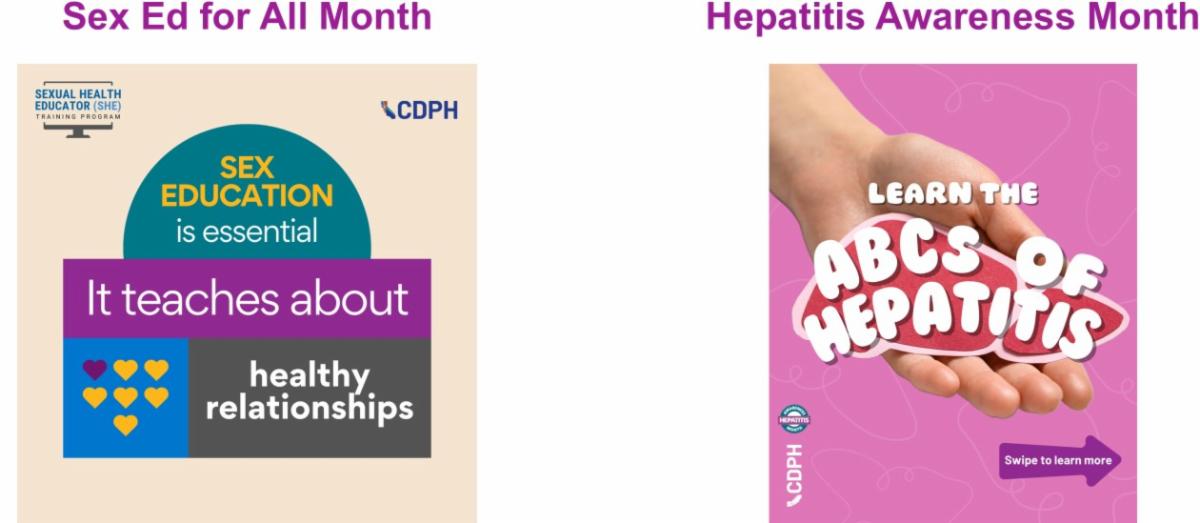
Spring included several sexual and public health observances. April was Sexually Transmitted Infection (STI) Awareness Month, followed by May’s Sex Ed for All Month and Hepatitis Awareness Month, creating an opportunity to elevate education, prevention, and access to care. These observances highlight the importance of accurate information, stigma-free conversations, and equitable resources to support healthier communities.
The California Department of Public Health (CDPH), Office of STIs and Hepatitis C Virus (HCV) offers comprehensive Sexual Health Toolkits and Campaign Materials that are designed to support clinicians, educators, and community partners in sharing accurate, stigma-free information. These ready-to-use materials make it easier to engage diverse audiences and promote healthier communities. Explore the toolkits and start sharing these resources with your networks.
| | UPCOMING EVENTS &
TRAINING OPPORTUNITIES | | |
Webinar:
What's New in STIs:
Testing, Treatment, and Prevention Updates
| | |
Dr. Rosalyn Plotzker, MD, MPH, will discuss available at-home testing options for sexually transmitted infections (STIs) and cervical cancer, treatment updates for Mycoplasma genitalium and gonorrhea, and STI prevention updates for both sexually transmitted Shigella and doxycycline post-exposure prophylaxis (doxy-PEP).
Learning Objectives
- Utilize at least one alternative oral therapy for gonorrhea
- Provide counseling on available at-home testing for STIs and cervical cancer
-
Discuss methods for preventing sexually transmitted Shigella
Speaker:
Rosalyn Plotzker, MD, MPH
- Assistant Professor | UCSF Department of Epidemiology and Biostatistics
- Clinical Faculty | California Prevention Training Center
- Provider | UCSF Anal Neoplasia, Clinic, Research and Education (ANCRE) Center
- Public Health Medical Officer | CDPH STD Control Branch
Date: July 23, 2026
Time: 12:00 p.m. - 1:30 p.m., PDT
Credit: 1.5 CME credits to those who watch the event live.
| | Family PACT Program Provider Orientation | | |
The mandatory virtual provider orientation is a live session conducted over Zoom that provides an overview of comprehensive family planning and resources, program benefits and services, client eligibility, provider responsibilities, and provider compliance. Only site certifiers (physicians, physician assistants, certified nurse practitioners, or certified nurse midwives) who are responsible for overseeing the family planning services rendered may register to attend.
This Provider Orientation is eligible for 1.5 CME credits.
Upcoming Dates:
- August 13, 2026
- October 8, 2026
- December 10, 2026
| | |
Medi-Cal Provider Training Events:
In-Person Claims Assistance Room
July & August 2026
| | |
Medi-Cal Training Announcement - June 10, 2026
July Training Event:
Medi-Cal is launching in-person Claims Assistance Room (CAR) events. In-person CAR events are a new opportunity for providers to receive hands-on billing support. The first in-person CAR event will start in Northern California on July 22, 2026, at the following location:
Hilton
300 Almaden Boulevard
San Jose, CA 95110
| | |
Medi-Cal Training Announcement - June 9, 2026
August Training Event:
The Medi-Cal Outreach and Education team and the Department of Health Care Services (DHCS) will be conducting an in-person training event on August 11, 2026, in Southern California.
Hilton
633 E Cabrillo Blvd
Santa Barbara, CA 93103
| | FAMILY PACT ENROLLMENT &
PORTAL UPDATES | | 2026 Income Eligibility Guidelines for the
Family PACT Program | | |
Family PACT Bulletin 223 | April 2026
Effective for dates of service on or after April 1, 2026, providers are to use the following income guidelines when determining recipient eligibility for the Family PACT Program. Recipients must have a family/household income at or below 200 percent of the federal poverty guideline.
| | 2026 Income Eligibility Guidelines by Income and Family/Household Size | | The PPBI Manual has been updated: | | New and Updated Family PACT Portal
Site Certifier & Provider Staff Job Aids and Trainings May 2026 | | |
OFP has new and updated Family PACT Portal Site Certifier and Provider Staff Job Aids and Trainings on the Online Training Center. These updates reflect recent enhancements to the Family PACT Portal and provide guidance on the updated Site Certifier and Provider Staff Modules, which cover the new and updated processes and key functionalities. Please review the following Portal Job Aids and Trainings:
Site Certifier & Provider Staff Job Aids:
1. Global Header (updated)
2. Client Application (updated)
3. Client Dashboard (updated)
4. Client Management (updated)
5. Report A Change (RAC) Recertify, Reapply, & Discontinue (updated)
6. FPACT Notifications (NEW)
7. Override Eligibility Date Request (NEW)
Site Certifier & Provider Staff Trainings:
1. Module 1 - Introduction (updated)
2. Module 7 - Client Application (updated)
3. Module 8 - Navigate the Client Management & Client Details Page (updated)
4. Module 10 - Provider Staff: Override Eligibility Date Request (NEW)
5. Module 11 - Site Certifier: Override Eligibility Date Request (NEW)
To access the updated and new Portal Job Aids, please visit the Family PACT Portal Resources.
| | Family PACT Portal April 2026 Updates | | FAMILY PACT PROGRAM POLICY
UPDATES & REMINDERS | | Family PACT HCPCS Code Rate Update for
2026 Quarter 2 | | |
Family PACT Bulletin 225 | June 2026
Effective for dates of service on or after April 1, 2026, the rates for the following HCPCS codes have been updated for the Family PACT Program for the second quarter of 2026.
| | |
An Erroneous Payment Correction (EPC) will be implemented to reprocess claims with dates of service on or after the effective date of this billing policy, that were appropriately submitted based on the guidance published in this article but erroneously paid because Medi-Cal had not yet implemented the system changes to support appropriate adjudication. Providers may also elect to use this updated billing policy to correct and resubmit previously denied claims as described in the CIF Submission and Timeliness Instructions section of the Provider Manual.
The PPBI Manual has been updated:
| | MEDI-CAL INFORMATION & BULLETINS | | Important Reminders: Ordering, Referring, and Prescribing (ORP) Requirements | | |
Medi-Cal Program & Eligibility Bulletin 47 | June 2026
Per the Center for Medicare & Medicaid Services (CMS) mandate, providers that bill for goods and/or services ordered, referred or prescribed by another provider are required to list the National Provider Identifier (NPI) of the provider who ordered, referred or prescribed the goods or services being billed on the Medi-Cal claim. The ordering, referring and prescribing (ORP) provider must be enrolled as a participating provider in Medi-Cal and Type 1 (Individual) NPI even if the provider does not send claims directly to Medi-Cal for the goods or services they furnish.
Medi-Cal providers are strongly encouraged to share this information and work directly with their unenrolled ORP providers to take proactive action and submit a provider enrollment application through the Department of Health Care Services’ (DHCS’) Provider Application and Validation for Enrollment (PAVE) portal to enroll with their Type 1 (Individual) NPI.
Note:
Providers and billers can check the Profile of Enrolled Medi-Cal Fee-for-Service (FFS) Providers web page on the California Health and Human Services Open Data Portal website to verify enrollment.
In situations where an ordering, referring, and/or prescribing NPI is required, it is crucial that billing providers adopt a process to ensure a valid and active Medi-Cal enrolled ORP NPI is on the Medi-Cal claim for the date of service billed to avoid claim denials. If the Medi-Cal claim is not accompanied by an ORP NPI upon enforcement, the claim may be denied.
Note: All secondary NPI (Ordering, Referring, Rendering, Attending and Admitting) on the Medi-Cal claim must be a valid Type 1 (Individual) NPI on the National Plan and Provider Enumeration System (NPPES) file and an active Medi-Cal provider enrolled through Provider Application and Validation for Enrollment (PAVE) for the date of service billed.
For more information on billing Medi-Cal claims, refer to the 837 implementation guidelines and/or the UB-04 Completion: Outpatient Services, UB-04 Completion: Inpatient Services and CMS-1500 Completion sections of the Provider Manual.
To align with CMS, DHCS plans to begin enforcing this mandate using a phased approach. More information will be released as soon as it is available.
| | CONTACT US & HELPFUL RESOURCES | | |
Get the Latest Medi-Cal News:
Subscribe to MCSS Today
| | |
The Medi-Cal Subscription Service (MCSS) is a free service that keeps you up-to-date on the latest Medi-Cal news. Subscribers receive subject-specific emails shortly after urgent announcements and other updates are posted on the Medi-Cal website.
Medi-Cal
Medi-Cal Subscription Services - MCSS
| | | | |