News from the Ohio Chapter of the American College of Cardiology | | Ohio-ACC Newsletter, August 2025 | | President's Message
Ellen Sabik, MD, FACC | | |
Dear Ohio-ACC Colleague,
It is my distinct pleasure to invite you to our Ohio-ACC Annual Meeting on Saturday, September 27, 2025, at the Hilton Columbus at Easton. This year's program promises to deliver exceptional educational content and meaningful connections that will enhance your practice and advance our collective mission of cardiovascular excellence. Special thanks to meeting co-chairs Christina Fink, MD, FACC, and Kenneth Varian, MD, for putting together a top-notch agenda.
Mark Your Calendar
Saturday, September 27th: Annual Meeting @ Hilton Columbus at Easton
Important Reminder: Hotel reservations must be made by September 5th—don't wait to secure your spot! Reserve hotel today.
Why You Can't Miss This Event
This year's agenda represents the very best of cardiovascular medicine, featuring topics that directly impact your daily practice. From our Richard Lewis Memorial Lecture with Dr. Ron Blankstein's cutting-edge insights on coronary CTA to Dr. Hani Najm's pioneering work in congenital heart surgery, our speakers bring world-class expertise to Ohio. Our dyslipidemia session will keep you current on ApoB, Lipoprotein(a), and familial chylomicronemia syndrome—knowledge that's increasingly crucial as we refine our preventive strategies. You'll also learn about treatment strategies for ATTR amyloidosis and about transcutaneous vegectomy for right-sided endocarditis. The FIT Oral Competition showcases the promising work of our next generation of cardiologists—their fresh perspectives and innovative approaches remind us why our field continues to evolve and inspire.
Beyond The Science
This meeting isn't just about the latest research and techniques. It's about strengthening our Ohio cardiovascular community. Take advantage of dedicated networking breaks to connect with colleagues, explore research posters from emerging talent, and engage with industry partners who support our mission.
Your Investment in Excellence
Every session is designed with your professional growth in mind, and the meeting is fully accredited for CME/CNE/MOC credit. This represents an invaluable opportunity to earn continuing education while staying at the forefront of cardiovascular medicine. I encourage you to review the complete agenda and plan your day to maximize both learning and networking opportunities. Our specialty thrives when we come together to share knowledge, challenge assumptions, and support one another's growth. I look forward to seeing you at the Ohio-ACC Annual Meeting.
| |
|
Ohio-ACC Board of Trustees Election
The Ohio-ACC polls are open, and it is time for you to choose your district trustees for 2025-2027. To cast your ballot, go to http://votingplace.net/ohioacc. Polls close July 31.
Who is eligible to vote? Per the Ohio-ACC Bylaws, voting-eligible members shall include Emeritus members and ACC dues-paying members who fall within the Classes of Members who pay Chapter dues and who are paid members of the chapter prior to the official opening of the chapter election.
Ohio-ACC Members Named As ACC Officers
The ACC Board of Trustees (BOT) has approved the College's newest officers and trustees who will assume their roles in March 2026 following ACC.26 in New Orleans, LA. These new officers include two Ohio-ACC members:
Hani K. Najm, MD, MSc, FACC (Vice President)
Sanjay Gandi, MBBS, MBA, FACC (Finance Committee Chair-Elect; Treasurer 2027-2030)
We wish them congratulations!
| | |
ACC Legislative Conference
ACC’s 2025 Legislative Conference will take place Oct. 5-7, at the Hyatt Regency on Capitol Hill! Registration is now open. Don’t miss this annual opportunity to learn more about the major issues impacting the practice of cardiology, connect with your colleagues, and meet with your members of Congress. This year, your ACC has begun educating new lawmakers about issues impacting the cardiovascular community and leveraging relationships with longtime congressional champions to garner early support in the new Congress. From advocating for long-term reform of the Medicare payment system and streamlining the prior authorization process to bolstering the health care workforce and identifying ways to improve access to care in all communities, your ACC is shaping cardiovascular care through action. This fall, we need your help in building a strong presence on Capitol Hill to reinforce our advocacy efforts. Your participation is crucial to ensure the voice of cardiology is heard on Capitol Hill. Register today!
Recruiting Tomorrow's Female Cardiologists - November 15th
We are delighted to announce Recruiting Tomorrow's Female Cardiologists, an exciting event targeted at female internal medicine residents and female medical students across Northeast Ohio, featuring a series of mini-talks by cardiology fellows and attendings who will discuss work-life integration, the path to cardiology, finding a mentor, and an overview of the various subspecialties of cardiology. Attendees will be able to visit a series of booths set up by sponsoring vendors to obtain hands-on experience with common technologies and devices used in cardiology (ultrasound, mechanical support devices, transcatheter aortic valves, ASD/PFO closure devices, etc.). During lunch, attendees will have the opportunity to network in small groups with cardiology fellows and attendings from a wide cross-section of cardiology subspecialties. Join us at South Winter Garden at Health Education Campus- Cleveland Clinic/CWRU. Register today!
Contact Us
If Gwen Goldfarb, our chapter executive, or I can be of assistance to you, please let us know.
Sincerely,
Ellen
| | |
CV Team Update
Kelly Bartsch, PharmD, BCPS, CLS, AACC,
CV Team State Representative
| | |
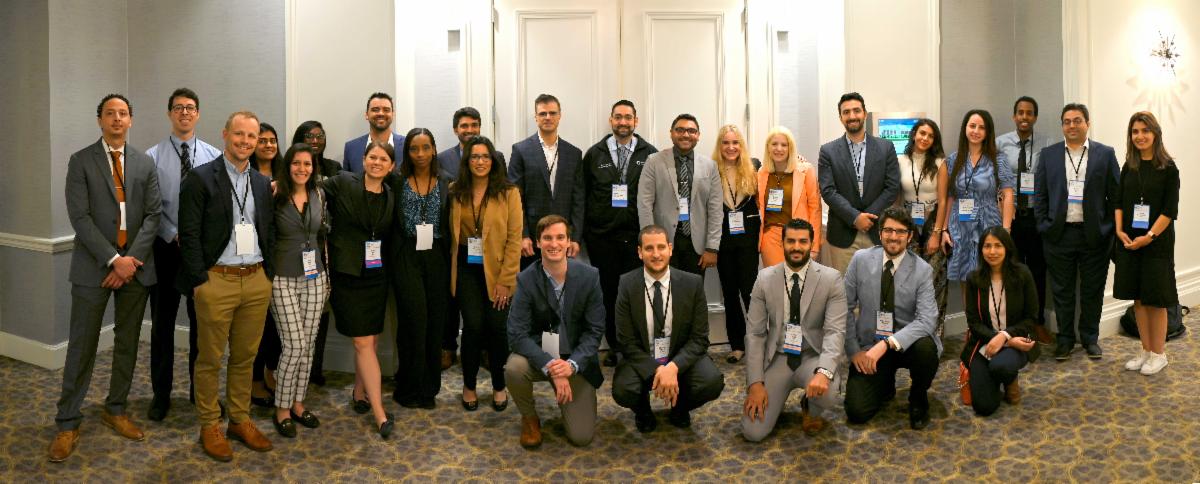
What a wonderful turnout we had at the 2025 Ohio-ACC Spring Summit on May 3rd at the Cleveland Marriott East! It was fantastic to see so many familiar faces and meet new colleagues throughout the day. The energy and engagement from attendees made for meaningful discussions and valuable connections across the cardiology community. From the insightful sessions to the networking breaks, the collaborative spirit of the Ohio-ACC was on full display.
We hope you'll join us for our next major gathering – the Ohio-ACC Annual Meeting on September 27th in Columbus. This event promises to be another excellent networking opportunity where you can connect with colleagues, share experiences, and stay current on the latest science.
| | |
Fellows in Training News
Yasmine Robison, DO & Seth Scheetz, MD, FIT Council Co-Chairs
| | |
Ohio-ACC 2025-2026 FIT Council
Congratulations to the 2025-2026 FIT Council:
Yasmine Robison, DO, Summa Health, Co-Chair
Seth Scheetz, MD, Cleveland Clinic, Co-Chair
Jennifer DeSalvo, MD, The Ohio State University
Ghulam Mujtaba Ghumman, MD, Mercy Health St. Vincent Med Ctr
Yan Naung Htay, MD, Aultman Hospital/NEOMED/CMEF
Pearson Huggins, DO, OhioHealth Doctors/Riverside
Bilal Hussain, MD, University of Cincinnati
Polsha Jules, DO, Kettering Health
Ahmed Maraey, MD, University of Toledo
Bala Pushparaji, MBBS, Metrohealth Medical Center
Satawart Upadhyay, MD, MA, University Hospitals Cleveland
Alan Wong, MD, The Christ Hospital
FIT and Internal Medicine Resident Poster Competition
Submit Your Abstract
What: Ohio-ACC Poster Competition on Saturday, September 27, during the Ohio-ACC Annual Meeting at the Hilton Columbus at Easton. Submit your abstract.
Deadline for Submission: August 10, 2025
Requirements: Submit your abstract, a pdf of your poster, and an optional link to an MP4 voice-over PowerPoint presentation of your submission. Only ONE abstract may be submitted per person.
Eligibility
> All current Ohio fellows in a cardiology training program are invited to participate.
Eligible submission: Clinical Research or a Case Report.
> All current Ohio medical residents in a training program are invited to participate.
Eligible submission: Case Report only.
* Residents may NOT submit/present research (nor on behalf of a secondary author).
* Residents must identify themselves as residents and not fellows.
Learn more, and submit your abstract today!
FITs at the Ohio-ACC Annual Meeting
Join fellow FITs at the Ohio-ACC Annual Meeting with a special FIT Social Hour at 9:00 p.m. on Friday, September 26, at the Hilton Columbus at Easton. Then participate in the Annual Meeting on Saturday, September 27, with scientific sessions and the fellows' poster competition. These events offer valuable opportunities to connect with peers and advance your professional development in cardiology.
Eunice Dugan, MD: New Chair of ACC FIT Member Section
Congratulations to Ohio's own Eunice Dugan, MD, who is the new chair of the ACC Fellow in Training Member Section. Read more.
| | |
Pharmacy Corner
Current and Emerging Therapies for the Treatment of Cardiac Amyloidosis
Sarah Hasan, PharmD, MBA, BCACP
| | |
Cardiac amyloidosis, or amyloid cardiomyopathy, is a type of restrictive cardiomyopathy that results from the overproduction and accumulation of amyloid proteins in the myocardium. This leads to ventricular wall stiffening and complications such as heart failure (HF) and electrical impulse disturbances.1,2 The two most common types of amyloid cardiomyopathy are those caused by misfolded immunoglobulin light chain (AL), produced in the bone marrow, and transthyretin (ATTR), which is responsible for transporting thyroxine and retinol primarily produced in the liver.2 Amyloid cardiomyopathy treatment involves traditional HF management, arrhythmia management, and disease-modifying therapies.1
Traditional HF guideline-directed medical therapy (GDMT) should be used with caution in patients with cardiac amyloidosis. Ventricular wall stiffening leads to changes in pressure-volume relationships, decreased stroke volume, and ultimately greater dependence on heart rate to maintain cardiac output. Given this, it is generally recommended to avoid beta blockers as they can be poorly tolerated.1-3 Limited data exists for the use of angiotensin-converting enzyme inhibitors (ACEi), angiotensin receptor blockers (ARB), and angiotensin receptor-neprilysin inhibitors (ARNI). They may also worsen orthostatic hypotension, especially in those with autonomic dysfunction.1 Conversely, mineralocorticoid receptor antagonists (MRA) may be considered. A retrospective analysis of the TOPCAT (Treatment of Preserved Cardiac Function Heart Failure with an Aldosterone Antagonist) trial found that those with echocardiographic evidence of cardiac amyloidosis (not confirmed cases) benefited from spironolactone therapy similar to the general study population; with a composite reduction in cardiovascular death, HF hospitalizations, and aborted cardiac arrest.4 There is limited evidence for the use of sodium-glucose cotransporter inhibitors (SGTL2i) despite established data for their use in general heart failure with preserved ejection fraction (HFpEF) patients.1 It should be noted that volume management in cardiac amyloidosis should be done with caution, especially in those with more severe restrictive physiological states, as these patients have a more narrow euvolemic state and are more susceptible to hypotension and renal dysfunction.1-3
Arrhythmia management in cardiac amyloidosis typically follows standard guideline recommendations. In those with atrial fibrillation, cardiac amyloidosis in of itself entails a higher risk of thrombosis.1 Research has shown that the risk of intracardiac thrombosis can be as high as 33%.5 Therefore, it is recommended to consider anticoagulation in this patient population, regardless of CHA2DS2VASc score.1,2 As mentioned above, beta blockers should be used with caution as a form of rate-control. Antiarrhythmic therapy can be considered in those with either atrial or ventricular arrhythmias, and amiodarone is typically considered first-line.1
Disease-modifying therapies differ based on the type of amyloid cardiomyopathy. In AL-cardiomyopathy, treatment options include stem cell transplant, immunotherapy, and chemotherapy. This oftentimes requires collaboration with hematology. 1,3 ATTR-cardiomyopathy therapies include TTR stabilizers, silencers, and depleters.1,6-8
TTR stabilizers include diflunisal, tafamidis, and acoramidis. TTR stabilizers are oral drugs that bind to TTR tetramers and slow their dissociation and subsequent accumulation into amyloid fibrils. 6-8 Diflunisal is an oral nonsteroidal anti-inflammatory drug (NSAID). Small open-label observational studies have shown diflunisal slowed decline in ejection fraction (EF) over time and prolonged survival in ATTR-cardiomyopathy. 6-8 Given it is an NSAID, diflunisal must be used with caution as it may increase fluid retention, blood pressure, and risk of gastrointestinal bleeding.
Tafamidis was approved in 2019 by the Food and Drug Administration (FDA) for ATTR-cardiomyopathy based on the results of the TTR-ACT (Safety and Efficacy of Tafamidis in Patients with Transthyretin Cardiomyopathy) trial. TTR-ACT found that tafamidis reduced all-cause mortality and cardiovascular-related hospitalizations. It was also associated with a slower decline in 6-minute walk test (6MWT). This benefit was seen in both types of ATTR-cardiomyopathy genotypes as well as across New York Heart Association (NYHA) functional classes. It is worth noting that patients with a NYHA functional class IV were excluded from the study. Tafamidis was well tolerated and discontinuation rates were higher in the placebo group.9 Depending on the salt form, it is dosed at 61mg daily (Vyndamax) or 80mg daily (Vyndaqel).10
Acoramidis was FDA-approved in November 2024 based on the ATTRibute-CM (Efficacy and Safety of Acoramidis in Transthyretin Amyloid Cardiomyopathy) trial. 11 This study compared acoramidis to placebo and assessed four outcomes: death from any cause, cardiovascular-related hospitalizations, change in N-terminal pro–B-type natriuretic peptide (NT-proBNP) levels, and change in 6MWT. Acoramidis favored placebo in a hierarchical win ratio of 1.8. Similar to the TTR-ACT trial, this study included patients with both ATTR-cardiomyopathy genotypes and excluded patients with NYHA functional class IV. Acoramidis is dosed at 712mg twice daily. Most commonly reported adverse effects are diarrhea and upper abdominal pain. In terms of drug interactions, acoramidis is a CYP2C9 inhibitor.12
TTR silencers inhibit hepatic synthesis of TTR. There are two types: small-interfering ribonucleic acids (siRNA) and antisense oligonucleotides (ASO).6-8 SiRNAs and ASOs share similar pharmacological properties. Neither are known to be substrates, nor affect metabolism, of CYP enzymes.7 In addition, as TTR transports retinol, siRNA and ASO therapies require vitamin A supplementation.6-8 This is especially important for those planning to get pregnant, as vitamin A is essential for fetal development.7
Current siRNAs include vutrisiran and patisiran. Vutrisiran is the only siRNA that is currently FDA-approved for ATTR-cardiomyopathy, based on the HELIOS-B (Vutrisiran in Patients with Transthyretin Amyloidosis with Cardiomyopathy) trial. In this study, patients received either subcutaneous vutrisiran 25mg every twelve weeks or placebo. About 40% of the study population was on tafamidis at baseline. Vutrisiran reduced the risk of death from any cause and recurrent cardiovascular events in comparison to placebo, regardless of whether they were on tafamidis at baseline. Vutrisiran also resulted in a slowed decline in 6MWT. Adverse effects of vutrisiran are related to its dosage form, with the most commonly reported ones being arthralgia and limb pain.13
Patisiran is an IV infusion administered every three weeks. Despite the results of the APOLLO-B (Patisiran Treatment in Patients with Transthyretin Cardiac Amyloidosis) trial demonstrating positive outcomes in reduced decline in 6MWT and improvement in quality of life,14 the FDA denied its application for an ATTR-cardiomyopathy indication.8 Therefore, it is currently only FDA-approved for ATTR-polyneuropathy.15
ASOs include inotersen and eplontersen. Inotersen has been shown to improve echocardiographic parameters and reduce decline in 6MWT.16 However, it is poorly tolerated and associated with a significant incidence of thrombocytopenia. Other serious adverse effects include glomerulonephritis, stroke, aortic dissection, elevated liver enzymes, and hypersensitivity reactions. Given this, it has not been further studied for ATTR-cardiomyopathy and only available via a REMS (Risk Evaluation and Mitigation Strategy) program for ATTR-polyneuropathy.8,17 Eplontersen has been found to be better tolerated than inotersen in ATTR-polyneuropathy patients.8 Eplontersen is currently being studied in a phase III trial for its effect on cardiovascular outcomes in ATTR-cardiomyopathy.1,6-8
A summary of ATTR-Cardiomyopathy TTR Stabilizers and Silencers is included in the table below:
| |
TTR depleters are currently being investigated as further therapeutic options for ATTR-cardiomyopathy. They are monoclonal antibodies that mediate amyloid deposit removal. The primary monoclonals currently being evaluated in phase II or III trials are NNC6019 0001/ PRX004, ALXN2220/ N1006, and AT 02.1, 6-8
The realm of amyloid cardiomyopathy research has gained momentum in recent years. This data and improved diagnostic measures have subsequently led to better understanding of its prevalence, impact, and management. As data continues to emerge, promising therapies have been developed and several more are in the pipeline that will hopefully allow us to better manage, and treat, this patient population.
| | |
CardiOhio Podcast
Please take a moment to subscribe to the Ohio-ACC CardiOhio Podcast. Simply copy and paste this URL into the podcast app of your choice, or click here to view in Apple podcasts. These 30-minute audio podcasts are designed to provide practical management tips for our providers. We hope that you will find this information useful for your practice.
Episode 25
Join us as we welcome back our most popular guest, Dr. Heather Gornik, co-director of the Vascular Center at University Hospitals of Cleveland, as we discuss her role as the lead author of the 2024 ACC/AHA Guideline for the Management of Lower Extremity Peripheral Artery Disease, including a review of key points from the guidelines.
Episode 24
Pressure in Pregnancy: The Current State of Pregnancy-Associated Hypertension
Join our special guest, Dr. Deirdre Mattina from Cleveland Clinic Hillcrest Hospital, for a review of the current state of peripartum hypertension. We review the current definitions, medical therapy, and lifestyle management, as well as discuss implications for future cardiovascular risk.
Episode 23
ECPR: Something “Extra” to Improve Resuscitation Outcomes
Join our special guests, Drs. Kelsey Gray from Cleveland and Suzanne Bennett from Cincinnati, for a discussion on extracorporeal cardiopulmonary resuscitation (ECPR). We review the rationale for extracorporeal support during CPR, the components of a successful ECPR program, and discuss initial outcomes with the strategy.
Episode 22
Beyond Statins: A Practical Plan to Incorporate the New Lipid Agents
Please join our special guest, Dr. Benjamin Romer from The Ohio State University, as we address the current state of lipid therapy in both primary and secondary prevention patients. He addresses a practical approach to the issue of statin intolerance, then reviews the newer agents including ezetimide and bempedoic acid, as well as the newer percutaneous agents, with a focus on practical tips for implementation. We wrap up with a discussion on the role of coronary calcium scoring to guide therapeutic decisions in select patients.
Episode 21
Atrial Fibrillation in Athletes - Unique Challenges in Diagnosis and Management
Join our special guests, Drs. Auroa Badin and Bradley Lander, as we discuss the case of an elite professional athlete found to have atrial fibrillation. We discuss the challenges regarding anticoagulation, medical therapy, and the role of monitoring for burden of arrhythmia in these patients. Finally, we review the role of definitive ablation, including the shared decision-making process.
Episode 20
Cardio-Obstetrics: Pearls for Every Cardiac Practitioner
Join our special guests, Drs. Lauren Lastinger from The Ohio State University and Sharon Roble from OhioHealth, as we review common issues in cardio-obstetrics for the cardiac practitioner. We will review pearls for managing common cardiovascular conditions during pregnancy, evaluation of cardiac symptoms during pregnancy, common medication pitfalls, and new concepts in peripartum cardiomyopathy.
Episode 19
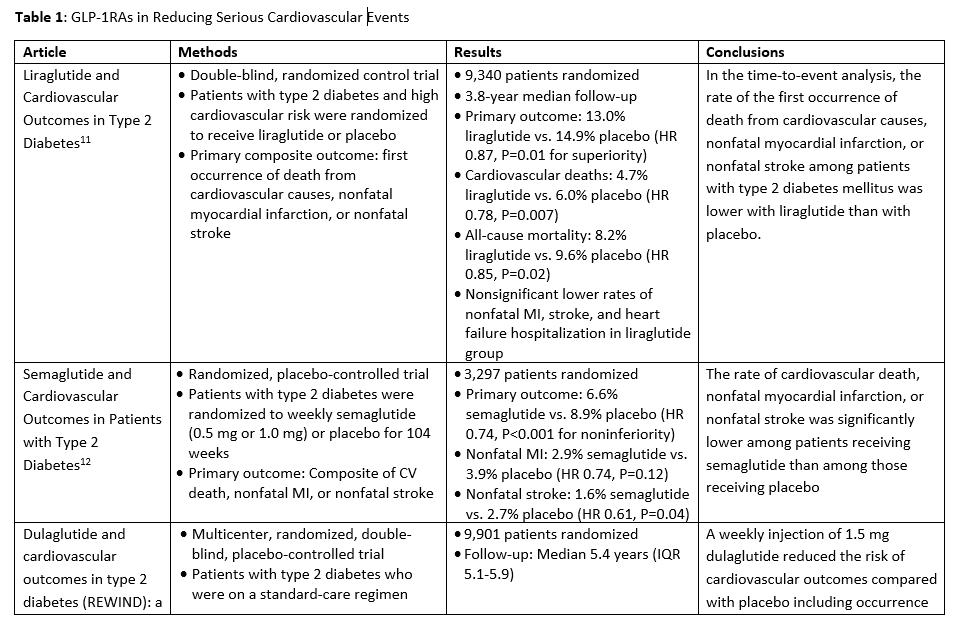
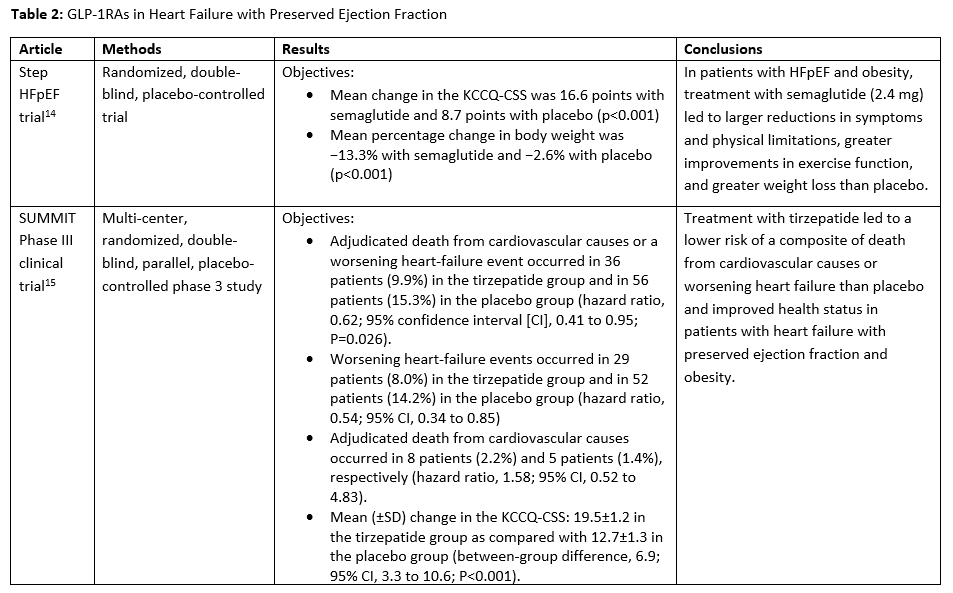
The New Obesity Drugs: What Cardiac Practitioners Need to Know
Dr. Ian Neeland from University Hospitals in Cleveland
Episode 18
All about FMD and SCAD, with Dr. Heather Gornik
Drs. Heather Gornik and Ellen Sabik, both from University Hospitals of Cleveland
Episode 17
Acute Heart Failure: New Therapies, New Devices, and Management Pearls
Drs. Ankit Bhatia and Gregory F. Egnaczyk, both from The Christ Hospital in Cincinnati
| | |
2026 Hospital OPPS Proposed Rule Released; CMS Proposes Adding Ablation to ASC Setting
The 2026 Hospital Outpatient Prospective Payment System (OPPS) and Ambulatory Surgical Center (ASC) Payment System proposed rule was issued today. The Centers for Medicare and Medicaid Services (CMS) proposes a 2.4% increase to OPPS payment rates that reflects a market basket update of 3.2% reduced by a productivity adjustment of 0.8%.
The ACC Advocacy team has compiled some initial highlights from the proposed rule. Of note, CMS is proposing to add cardiac catheter ablation procedures to the ASC Covered Procedures List (CPL). Such an addition has been a key point of effort for the ACC, Heart Rhythm Society and other stakeholders in recent years. The addition of ablation services to the CPL may be part of a larger proposal to revise the criteria for adding procedures to the ASC CPL. CMS proposes to add 276 codes under this new rubric.
Other relevant provisions include the agency’s proposal to phase out the inpatient-only list over the next three years, a request for feedback to incorporate Software as a Service, updates to the ASC and Hospital Outpatient Quality Reporting Programs, and more. View the initial summary here.
Announcing ACC's Benevolence Fund: Emergency Relief for Future Cardiologists
We are pleased to share that the American College of Cardiology (ACC) has launched a Benevolence Fund, an initiative of the ACC Foundation (ACCF) made possible through a generous gift from longtime ACC member Eugene Sherman, MD, MACC.
This new fund provides up to $1,500 in emergency financial relief to medical students, residents, and Fellow in Training ACC members who are facing unforeseen financial hardship. It is our hope this fund will remove short-term obstacles allowing promising students and trainees to continue their journey toward a career in cardiology.
The College believes that a strong and diverse workforce—one reflecting the communities we serve—is essential to the future of cardiovascular care. By stepping in with timely support, the Benevolence Fund will help to ensure that no one is forced off their path due to a temporary financial hardship.
As a leader who works closely with medical student, resident and FIT members within the ACC, you may be the first to notice when someone is facing challenges. We encourage you to share this opportunity with individuals who may be eligible and help guide them to the support they need.
CMS Releases Proposed 2026 Medicare Physician Fee Schedule
The Centers for Medicare and Medicaid Services (CMS) has released the 2026 Medicare Physician Fee Schedule (PFS) proposed rule, updating the PFS conversion factor from $32.3465 to $33.5875 for qualifying alternative payment model (APM) participants and $33.4209 for non-qualifying APM participants. This duality is required by current law. These conversion factors include the 2.5% increase passed in recent budget reconciliation legislation.
The overall reimbursement for cardiovascular services is projected to increase roughly 1% compared with 2025, including changes to policies and individual service values. Individuals and groups will see different impacts depending on patient populations and services offered.
The ACC Advocacy team has outlined key provisions in the proposed rule, including a new mandatory five-year Ambulatory Specialty Model looking to reward specialists for effective chronic disease management of congestive heart failure and low back pain. The rule also proposes a 2.5% efficiency adjustment that would reduce the intra-service times and work relative value units (RVUs) of nearly all non–time-based codes in the PFS and includes several revisions to the PCI family of codes, among other highlights.
Notably, the rule proposes a nearly 27% reduction for the Left Atrial Appendage closure code 33340 (from a work relative value unit of 14.00 to 10.25). This revaluation was RUC-recommended, despite efforts by the ACC and other societies to delay the payment update due to a restricted and flawed survey. The ACC will vigorously work to keep this reduction from being implemented.
CardioSmart is the ACC’s dedicated home for patient tools and resources, including infographics, shared decision-making aids, and more. Find information on specific clinical conditions, health lifestyle choices and more at CardioSmart.org.
| | | | |