News from the Ohio Chapter of the American College of Cardiology | | Ohio-ACC Newsletter, September 2026 | | President's Message
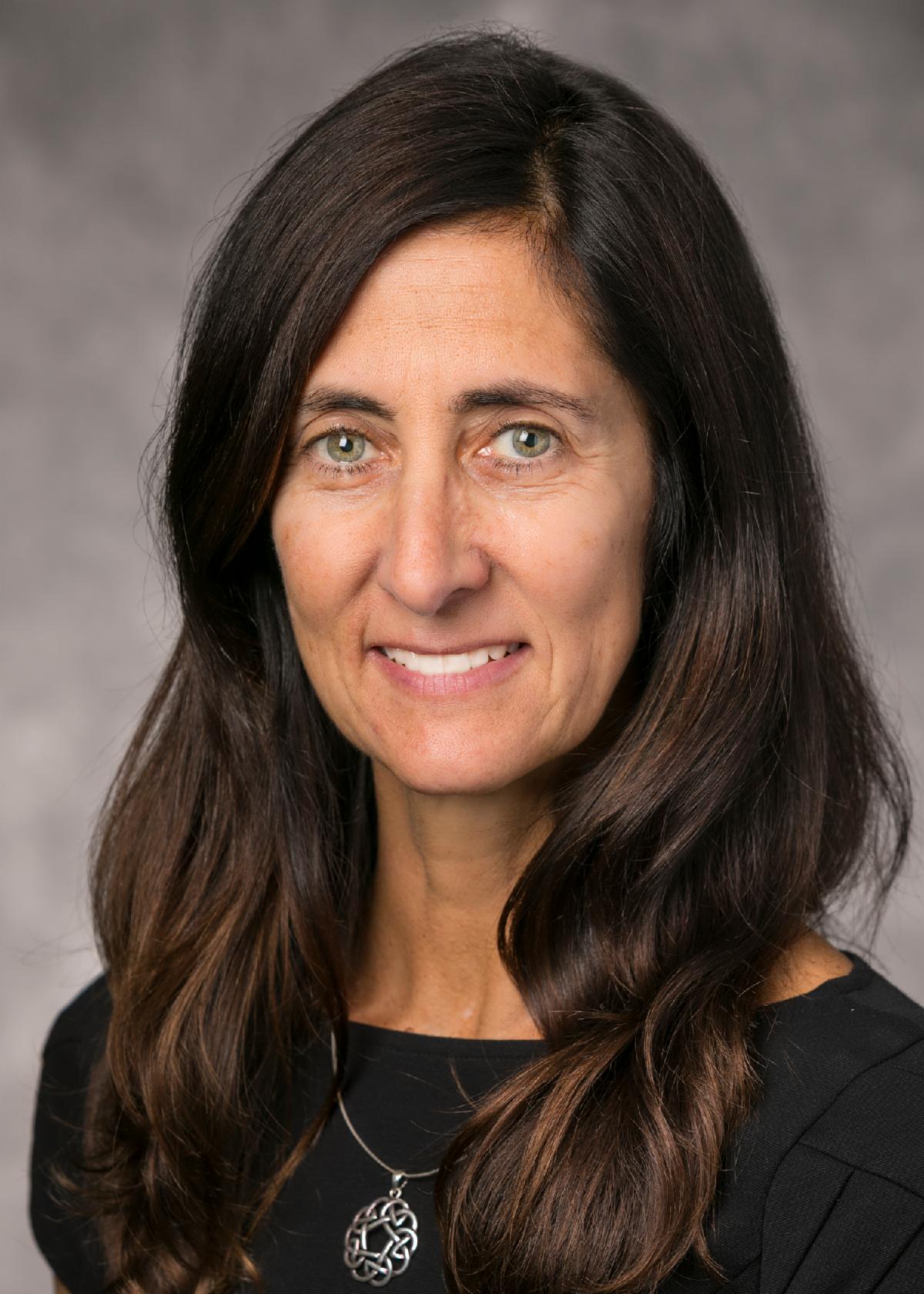
Ellen Sabik, MD, FACC | | |
Dear Ohio-ACC Colleague,
Don't Miss This Year's Ohio-ACC Annual Meeting
Join your colleagues for the 2026 Ohio-ACC Annual Meeting,on Saturday, October 17, at the Hilton Columbus at Easton. It's a full day of clinical updates, expert-led discussion, and time to reconnect with colleagues across the state — and this year's agenda is built around what's actually useful in practice.
Register now | View the full agenda
Accredited for CME/CNE/MOC.
On the agenda:
Richard Lewis Memorial Lecture — Hormones, Menopause, and The Heart
Sorting fact from fiction on hormone therapy and cardiovascular risk, with practical guidance for women's heart health.
What's Impacting CV Clinicians in 2026 — A Report from the ACC
A direct look at the trends and challenges shaping the specialty this year.
Watchful Waiting or Early Action? Asymptomatic Carotid Stenosis Revisited
The latest evidence on conservative monitoring versus early intervention.
Optimizing Cardiology Care Teams
Strategies to expand access and quality of care while supporting provider well-being.
Lipids & PE: What the New Guidelines Mean for Your Practice
A two-part update on the newest lipid management and pulmonary embolism guidelines, translated for everyday use.
Beyond Rhythm Control: Electrophysiology's Growing Role in Heart Failure
How EP-driven therapies are reshaping heart failure treatment.
Plus: dedicated networking breaks, a poster session, and the FIT Oral Competition showcasing the next generation of cardiologists. I hope you'll join us.
Secure your spot →
| |
Deadline Approaching: ACC Committee Applications Due October 9
Time is running out to apply for a seat on one of ACC's 70+ national committees. If you've been considering it, now's the time to act.
⏰ Applications close Friday, October 9, 2026, at 11:59 PM ET.
Before you submit, make sure you have:
- An updated Digital CV
- A Statement of Interest
- A Statement of Reference from a current ACC member
- Current disclosure of industry relationships
Apply now →
Don't miss your chance to help shape ACC's direction for the year ahead.
| | |
Congratulations to our Newly Elected Board Members
The Ohio-ACC is pleased to announce the results of this year's Board of Trustees election. Please join us in congratulating our newly elected and re-elected trustees, who will serve the chapter through 2028.
At-Large Positions
- Cardiovascular Surgeon: Sarah Eapen, MD
- Pediatric: Christina M. Fink, MD, FACC, FAAP
- VA: Mariam M. Rana, MD, FACC
District Representatives
- District 1 (Cleveland Clinic Main Campus): Heba S. Wassif, MD, MPH, FACC (second term)
- District 1 (MetroHealth/CWRU): Aisha Siraj, MD, FACC (second term)
- District 2 (Toledo — University of Toledo): Samer Khouri, MD, FACC
- District 3 (Akron — Practicing Community): Jonathan Buggey, MD, FACC (second term)
- District 4 (Columbus — Practicing Community): Daniel W. Mudrick, MD, MPH, FACC
- District 5 (Dayton — Practicing Community): Jayanta T. Mukherjee, MD, MSc, FACC (second term)
- District 6 (Cincinnati — University of Cincinnati): Zachary C. Ahart, MD (second term)
A Word of Thanks
We extend our sincere gratitude to our outgoing board members for their dedicated service to the chapter: Ajay Agarwal, MD, FACC · Janine Arruda, MD, FACC · Lindsay M. Castle, DO, FACC · Matthew Henn, MD · and George V. Moukarbel, MD, FACC
Thank you to everyone who participated in this year's election process. We look forward to the continued growth and leadership these trustees will bring to Ohio-ACC.
| | |
Meet Our President-Elect, Anne Albers, MD, PhD, FACC
We are proud to welcome Anne Albers, MD, PhD, FACC, as our President-Elect. Dr. Albers will become President in April 2027.
Dr. Albers maintains an active cardiovascular practice at Riverside Methodist Hospital and OhioHealth Physician Group in Columbus, with clinical interests in vascular medicine, women's heart health, athlete cardiac care, and diabetes-related heart disease. A longtime Ohio-ACC leader, she has served on the Board of Trustees and as Co-Liaison for Advocacy, and is a graduate of the inaugural ACC Sandra J. Lewis Women's Mid-Career Leadership Institute.
She earned her M.D. and Ph.D. at The Ohio State University and completed her Cardiovascular Disease Fellowship at Boston University/Boston Medical Center. Dr. Albers is also a nationally recognized speaker on cardiovascular prevention and athlete care — and is currently training for her 12th marathon, the Berlin Marathon, on September 27. Please join us in congratulating Dr. Albers on this well-earned role with the Ohio-ACC.
Contact Us
If Gwen Goldfarb, our chapter executive, or I can be of assistance to you, please let us know.
Sincerely,
Ellen
Ellen Mayer Sabik, MD, FACC
President, Ohio-ACC
| | Ambulatory Specialty Model for Heart Failure | |
CMS has established a mandatory five-year Ambulatory Specialty Model (ASM) for heart failure, set to launch January 1, 2027. This is not a voluntary program. Cardiologists who have historically managed at least 20 original Medicare beneficiaries with heart failure and who practice within CMS-selected geographic areas will be held financially accountable for the management of chronic congestive heart failure — evaluated across cost, quality, improvement activities, and interoperability performance categories.
The Centers for Medicare and Medicaid Services (CMS) has published the final participant list for the upcoming mandatory Ambulatory Specialty Model (ASM) for heart failure (HF) and low back pain starting in January 2027. The final list includes over 5,550 clinicians with 2,215 in the HF cohort – 395 fewer than the initial preliminary list from February 2026. Consistent with the agency’s earlier statements, CMS did not add any new participants beyond those identified in the preliminary list.
Based on ACC’s review of the preliminary and final list of participants, numerous physicians with specialties other than cardiovascular disease, like electrophysiology, interventional cardiology and advanced HF and transplant, remain on the list. As part of the 2027 Medicare Physician Fee Schedule (PFS) proposed rule, CMS proposed an exception process for HF specialty changes. Once finalized, incorrectly selected participants will be able to submit the applicable specialty documentation to CMS for removal from the ASM program. The ACC will share instructions for the exception process as soon as they are available.
The ACC submitted public Medicare PFS comments regarding the ASM participation selection process as well as member feedback on the model’s overall design, bonus and penalty structure, and operational uncertainty to participate in the ASM. Those comments amplify the substance of past and ongoing discussions between the ACC and key Center for Medicare and Medicaid Innovation and CMS staff.
For full details on the model and ACC's ongoing advocacy efforts, visit the ACC's ASM for Heart Failure page.
| | |
CV Team Update
Kelly Bartsch, PharmD, BCPS, CLS, AACC,
CV Team State Representative
| | |
Apply to Serve on the CV Team Council
Ohio-ACC is inviting applications to serve on the CV Team Council, and we want to hear from you. Apply today!
Who's eligible: Non-physician clinicians who are Ohio-ACC members and active in cardiovascular care across the state — RNs, NPs, CNSs, PAs, and pharmacists.
Availability: Term length is three years. Active participation is essential to the success of the Ohio-ACC CV Team Council. Members are expected to engage in ongoing email discussions, be a part of the Spring Summit planning committee, and make a best effort to attend all key events each year, including: Spring Summit (Cleveland), Legislative Day (Columbus), and Annual Meeting (Columbus). Council membership is intended for individuals who can reliably participate and attend these events. Before applying, please consider your ability to commit to the time and travel required.
Why it matters: The CV Team Council works alongside the Ohio-ACC Chapter and the national ACC to:
- Promote excellence in patient care across various cardiovascular settings
- Support continuing education for cardiovascular specialists
- Identify and champion unique member benefits
- Build leadership within the CV Team community
If you're a CV Team professional looking to shape the future of cardiovascular care in Ohio, this is your opportunity to lead. Apply today!
| | |
Fellows in Training News
Bilal Hussain, MD, and Bala Pushparaj, MD, FIT Council Co-Chairs
| | |
Ohio-ACC Fellow Grand Rounds Series
The Ohio-ACC FIT 2026-2027 Grand Round Series will focus on Cases That Changed My Practice. Stay tuned for the dates. If you missed any of the past sessions, you can view them here.
2026 FIT Bootcamp
We are excited about this year's FIT Bootcamp, which will take the form of eight weekly email messages. Watch your inbox for informative vignettes to support your daily practice. All messages will become part of the Ohio-ACC FIT Bootcamp Library.
Ohio-ACC Fellow & Resident & CV Team Poster Competition
This year's poster competition is on track to be one of the best! The posters are part of our ePoster Showcase.
| | |
CardiOhio Podcast
Please take a moment to subscribe to the Ohio-ACC CardiOhio Podcast. Simply copy and paste this URL into the podcast app of your choice, or click here to view in Apple podcasts. These 30-minute audio podcasts are designed to provide practical management tips for our providers. We hope that you will find this information useful for your practice.
Episode 30
Join our co-hosts from Ohio ACC, Drs. Ellen Sabik and Anne Albers, as they lead a discussion of the role of clinical pharmacists in team-based care in contemporary cardiology. They are joined by our special guests, Dr. Megan LaBreck from OhioHealth and Dr. Kelly Bartsch from The Ohio State University, to review the pharmacist’s roles in patient education, cost reduction and affordability, and specialized clinical programs across the cardiac subspecialties.
Episode 29
Join our guest, Dr. Jun Li from University Hospitals of Cleveland, for a discussion of the newly released Joint Society Guideline for the Evaluation and Management of Acute Pulmonary Embolism in Adults. Dr. Li was a co-author of these guidelines, released this past February. She reviews the clinical, laboratory, and imaging aspects of PE diagnosis, as well as the new severity classification. She then addresses management, including updated recommendations for anticoagulation, risk assessment, and the roles of both catheter-based and surgical intervention. Finally, she reviews the evolving role of the “Pulmonary Embolism Response Team” in the acute care of these patients.
Episode 28
Join our guest, Dr. Mehdi Shishehbor from University Hospitals of Cleveland, for a discussion reviewing the latest evidence for management of both asymptomatic and symptomatic carotid disease. We review the presenting symptoms of carotid disease, diagnostic testing, as well as medical, endovascular, and surgical management strategies. Dr Shishehbor also addresses strategies for patients with concomitant coronary and carotid disease.
Find all episodes here.
| | |
Pharmacy Corner
Amber Lilly, PharmD, BCACP; Kelly Bole, PharmD Candidate 2027; and
Emily Czubaj, PharmD Candidate 2027
| |
The VTE Verdict: Closing Arguments in the DOAC Debate
A Review of the COBRRA Trial
Venous thromboembolism (VTE), which consists of deep vein thrombosis (DVT) and pulmonary embolism (PE), has an annual incidence of approximately 1 to 2 cases per 1000 persons and is the third most common cause of cardiovascular death.1,2 VTE is of particular concern as it is associated with high morbidity and mortality and has a significant cost burden.2 The mainstay of treatment previously was heparin products followed by a vitamin K antagonist (VKA) such as warfarin, however current guidelines generally recommend a direct oral anticoagulant (DOAC) over warfarin for most patients with VTE because DOACs provide comparable efficacy with a lower risk of major bleeding and less burdensome monitoring requirements.3,4
While DOACs have become preferred treatment for VTE as a class, with apixaban and rivaroxaban being the two most common DOACs, many routine prescribing decisions between individual DOACs have historically relied on indirect comparisons and extrapolation from separate clinical trials because direct comparative evidence has been lacking. Apixaban in the AMPLIFY trial and rivaroxaban in the EINSTEIN-DVT and EINSTEIN-PE trials were evaluated for efficacy and safety compared to standard enoxaparin/VKA treatment. The primary safety outcome was the composite of major or clinically relevant nonmajor bleeding. The DOAC intervention groups had a 3.8% vs 7.3% vs 10.3% occurrence of major and clinically relevant nonmajor bleeding in AMPLIFY vs EINSTEIN-DVT vs EINSTEIN-PE trial, respectively.5,6,7 Indirectly comparing these trials has given some idea as to which agent may be associated with less bleeding risk, but differences in protocol and methodology make data extrapolation difficult and unreliable: EINSTEIN-DVT and EINSTEIN-PE were open-label trials, whereas AMPLIFY was double-blind; not to mention differences in baseline demographics, inclusion, and exclusion criteria.5,6,7 To address this evidence gap, investigators conducted a head-to-head comparison of bleeding risk in apixaban vs rivaroxaban.
The Bleeding Risk with Apixaban vs Rivaroxaban in Acute Venous Thromboembolism, also known as the COBRRA trial, was a prospective, randomized, open-label trial designed to directly compare bleeding risk associated with apixaban or rivaroxaban in acute VTE.8 Patients with DVT and PE were included. The interventions were consistent with FDA approved dosing and guideline directed duration. Both agents were administered in their respective “starter pack” doses followed by maintenance treatment doses for a total of 3 months. The primary endpoint was clinically relevant bleeding, which included major bleeding or clinically relevant nonmajor bleeding. Additionally, death, recurrent VTE, and adherence were evaluated. Baseline demographic and clinical characteristics were similar between the apixaban and rivaroxaban groups, and no notable differences were seen in age, gender, ethnicity, or country of residence. For the study population, average patient age was about 58 years, 43% were female, average body weight was about 85kg, and 52% had DVT vs 48% had PE. The results showed a significant reduction in bleeding events of 3.3% with apixaban vs 7.1% with rivaroxaban, (RR: 0.46, 95% CI 0.33-0.65, p<0.001).8 Although the trial was not powered to detect a difference in recurrent VTE, no meaningful difference in efficacy outcomes were observed between treatment groups. The authors acknowledge that COBRRA results cannot be extrapolated to efficacy, but the authors conclude that apixaban is superior to rivaroxaban at preventing clinically significant bleeding.
The study was not designed to determine exactly why apixaban and rivaroxaban performed differently; but there are many factors that could have contributed including dosing frequency, differing lead-in periods, medication adherence, and patient pharmacokinetic variability. It is interesting to note that most of the clinically relevant bleeding events in the rivaroxaban group occurred during the first 3 weeks of treatment, in which patients receive a 50% higher dose in the lead-in period compared to the maintenance period. In addition, the authors reported adherence as 65.7% in the apixaban group compared to 75.1% in the rivaroxaban group.8 Adherence was subjectively reported by the trial populations versus obtaining pill counts, so the report may not be completely accurate or representative of true adherence. It cannot be discerned if increased adherence to rivaroxaban may have contributed to higher bleeding rates. In this trial, patients were not provided trial drug through the researchers/trial design but instead obtained medication through their standard healthcare/pharmacy mechanisms, which strengthens external validity but limits internal validity. The trial was not designed to elucidate mechanistic explanations for the observed differences in bleeding rates between agents, and any explanation remains strictly inferential.
While prior assumptions regarding differential bleeding risk were largely derived from indirect comparisons of the AMPLIFY and EINSTEIN trials, COBRRA helps address this evidence gap through a direct head-to-head comparison. However, it is important to note that this is only with regards to treatment of VTE and does not apply to atrial fibrillation. Additionally, several patient populations such as active cancer, severe renal impairment, and weight >120 kg were excluded; therefore, results should be carefully applied to these patients. Minimizing bleeding is an important consideration when treating VTE, and clinicians may be reassured that the COBRRA trial provides direct comparative evidence supporting a lower risk of clinically relevant bleeding with apixaban compared to rivaroxaban during the initial three months of treatment.
| |
References:
1. Data and statistics on venous thromboembolism. Centers for Disease Control and Prevention. January 27, 2025. https://www.cdc.gov/blood-clots/data-research/facts-stats/index.html.
2. Vaqar S, Graber M. Thromboembolic Event. In: StatPearls. Treasure Island (FL): StatPearls Publishing; May 22, 2023.
3. Ortel TL, Neumann I, Ageno W, et al. American Society of Hematology 2020 guidelines for management of venous thromboembolism: treatment of deep vein thrombosis and pulmonary embolism. Blood Adv. 2020;4(19):4693-4738. doi:10.1182/bloodadvances.2020001830
4. Creager MA, Barnes GD, Giri J, et al. 2026 AHA/ACC/ACCP/ACEP/CHEST/SCAI/SHM/SIR/SVM/SVN Guideline for the Evaluation and Management of Acute Pulmonary Embolism in Adults: A Report of the American College of Cardiology/American Heart Association Joint Committee on Clinical Practice Guidelines. J Am Coll Cardiol. 2026;87(13):1626-1710. doi:10.1016/j.jacc.2025.11.005
5. Agnelli G, Buller HR, Cohen A, et al. Oral apixaban for the treatment of acute venous thromboembolism. N Engl J Med. 2013 Aug 29;369(9):799-808. doi: 10.1056/NEJMoa1302507.
6. Bauersachs R, Berkowitz SD, Brenner B, et al. Oral rivaroxaban for symptomatic venous thromboembolism. N Engl J Med. 2010 Dec 23;363(26):2499-510. doi: 10.1056/NEJMoa1007903
7. Büller HR, Prins MH, Lensin AW, et al. Oral rivaroxaban for the treatment of symptomatic pulmonary embolism. N Engl J Med. 2012 Apr 5;366(14):1287-97. doi: 10.1056/NEJMoa1113572
8. Castellucci LA, Chen VM, Kovacs MJ, et al. Bleeding Risk with Apixaban vs. Rivaroxaban in Acute Venous Thromboembolism. N Engl J Med. 2026;394(11):1051-1060. doi:10.1056/NEJMoa2510703
| | |
Updated Global Definition of HF Aims to Improve Prevention, Diagnosis and Treatment
The newly released AHA/ACC/ESC/WHF Expert Consensus Document: Second Universal Definition of Heart Failure (HF) addresses “changes in disease manifestations, diagnostic strategies and understanding of pathophysiology” and seeks to align terminology by providing one unified definition for use by clinicians, researchers, health systems, and policymakers globally.
"HF remains a major challenge that continues to grow globally, and inconsistencies in how it is defined have limited progress in research and treatment," said Mary Norine Walsh, MD, MACC, co-chair of the consensus document. "The new framework introduces a universal classification of causes of HF with a focus on earlier identification of risk in order to facilitate prevention. There is also a shift away from rigid measurement thresholds in favor of a focus on disease trajectory." Read more.
ACC Scientific Statement Guides Use of Antiplatelet Therapy in Managing ASCVD
A new ACC Scientific Statement published in JACC provides clinicians with guidance on balancing ischemic and bleeding risks in using antiplatelet medications for managing atherosclerotic cardiovascular disease (ASCVD). It synthesizes key clinical trials and compares ACC/AHA and ESC guideline recommendations across acute and chronic coronary syndromes. The statement also offers consensus recommendations on antiplatelet strategies, aspirin use, perioperative care, and long-term management, while emphasizing the importance of improving medication adherence through targeted, patient-centered interventions. Read more.
ACC Scientific Statement Addresses DOACs in Primary and Secondary Prevention of Thrombotic Events
A new ACC Scientific Statement published in JACC highlights the underuse and inconsistent dosing of direct oral anticoagulants (DOACs) despite strong evidence of their safety and effectiveness, offering guidance across primary and secondary prevention of thrombotic events. It provides recommendations for diverse patient populations and emphasizes practical considerations – such as dosing, bleeding risk, adherence, and cost – to support more individualized and equitable use. Read more.
In Case You Missed It:
HHS Releases Consumer Alert on Fraudulent CV Testing Schemes
The U.S. Department of Health and Human Services' Office of Inspector General has issued a consumer alert, urging parents, caregivers, athletic programs, and student athletes to beware of fraudulent cardiovascular testing schemes exploiting fears around sudden cardiac arrest in young athletes. Read more and access ACC's Scientific Statement on competitive sports participation for athletes with cardiovascular abnormalities.
JACC Progress Report: Excess CV Mortality Persists in Black Americans
A new JACC progress report shows modest improvement in excess cardiovascular mortality among Black Americans from 2023 to 2024, signaling partial recovery from pandemic-era trends. However, significant disparities persist, with Black Americans still experiencing substantially higher mortality rates and more than 1 million excess years of potential life lost, driven largely by hypertension, ischemic heart disease, and stroke. The findings underscore that advances in cardiovascular care have yet to close the racial gap, highlighting the urgent need for sustained action on structural, clinical, and policy factors. Read more.
CardioSmart is the ACC’s dedicated home for patient tools and resources, including infographics, shared decision-making aids, and more. Find information on specific clinical conditions, health lifestyle choices, and more at CardioSmart.org.
| | | | |