Oklahoma's Latest Farm
and Ranch News
Tuesday, November 17, 2026
| | Crop Progress: Winter Wheat Planting Reaches 84% in Oklahoma | | |
In the latest Crop Progress report from USDA, U.S. Corn harvested stands at 88% and Soybeans harvested stands at 96%. U.S. Cotton harvested stands at 77% and Sorghum harvested stands at 79%.
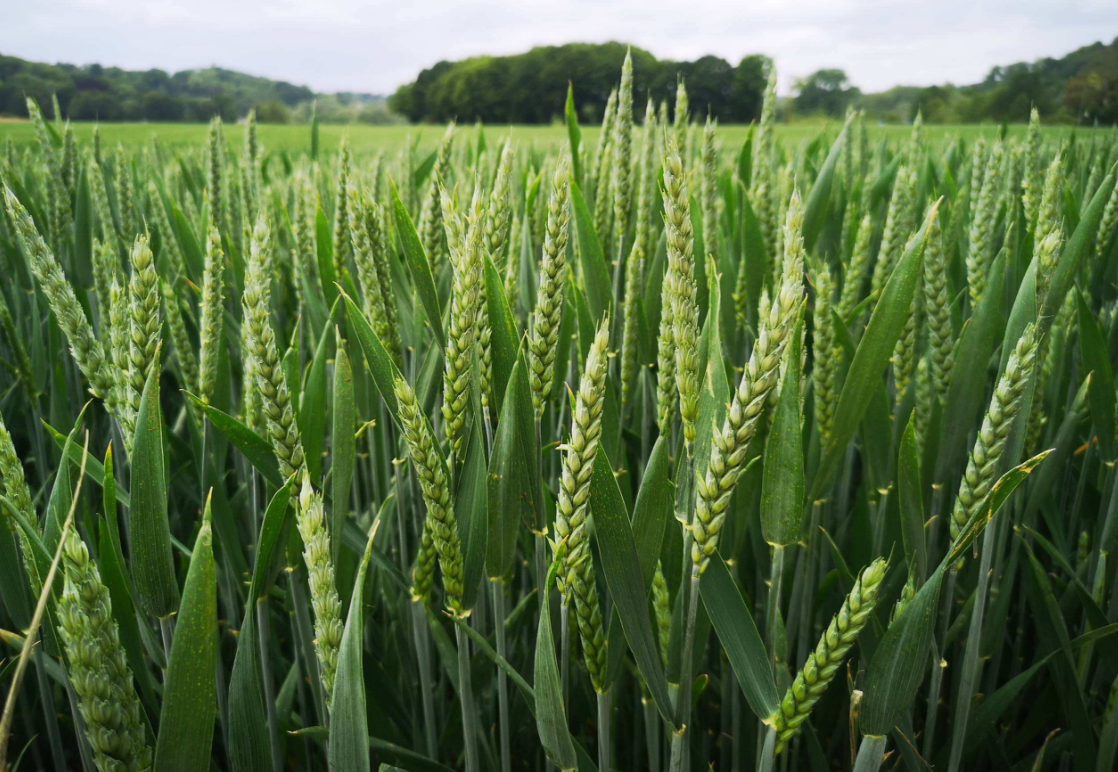
U.S. Winter Wheat planting now stands at 92%, compared to 89% one week ago U.S. winter wheat emerged is at 82%. In Oklahoma, wheat planting now stands at 84% compared to 77% a week ago, winter wheat emerged is at 66%.
Texas wheat planting is now at 84% compared to 82% one week ago, winter wheat emerged is at 74%. Kansas is now at 96% planted compared to 92% one week ago, winter wheat emerged is at 86%.
| | USDA Confirms Case of Highly Pathogenic Avian Influenza in an Oklahoma Dairy Herd | | |
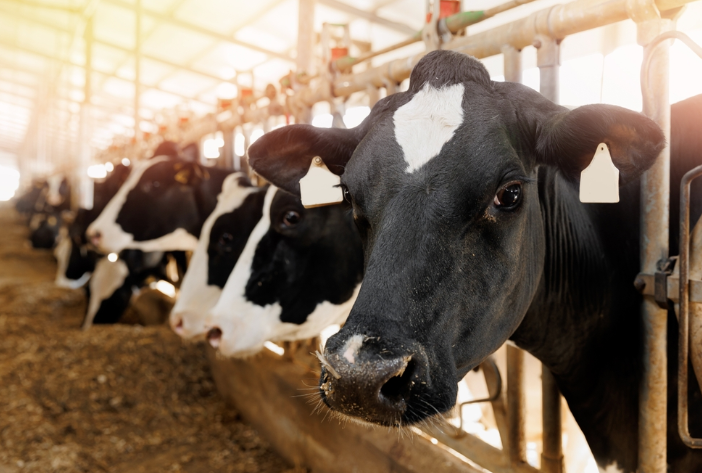
The United States Department of Agriculture’s Animal and Plant Health Inspection Service (APHIS) has confirmed a case of Highly Pathogenic Avian Influenza (HPAI) in an Oklahoma dairy herd.
While this detection marks an important development for the state’s livestock industry, state and federal officials emphasize that the commercial milk supply remains safe.
According to agricultural officials, there is no concern regarding the safety of pasteurized milk or dairy products. Federal animal health requirements, combined with the standard pasteurization process, ensure that commercial dairy products remain safe for consumers.
| | Understanding Steer-Heifer Price Differences | | |
In a recent Cow-Calf Corner article, Dr. Derrell Peel writes: Prices for 500-pound (M/L, No. 1) steers and heifers set new records in 2026. The spread between steer and heifer prices also reached record levels in nominal dollars.
However, steer-heifer price spreads are most appropriately stated as a percent discount for heifers to steers. The long-term average (2010-2025) percent discount for 500-pound heifers to steers in Oklahoma auctions is 12.7 percent; in other words, the heifer price averages 87.3 percent of the steer price.
The percent discount is relatively stable but has ranged, as annual averages, from 10.3 to 14.7 percent. For the January – October period 2026, the average heifer discount has been 12.8 percent…very close to average. But at record prices, the dollar value of the spread has averaged $62.95/cwt.
| | |
The vision of the Oklahoma Beef Council is to be a positive difference for Oklahoma's farming and ranching families and the greater beef community, and its mission is to enhance beef demand by strengthening consumer trust and exceeding consumer expectations.
To learn more, visit www.oklabeef.org. Also, don't forget to like its Facebook page at www.facebook.com/oklabeef for stories on Oklahoma's ranching families and great beef recipes.
And Check out this video below that helps you learn more about the Beef Checkoff.
| |  | |
The Oklahoma Cattlemen's Association is the trusted voice of the Oklahoma Cattle Industry. With headquarters in Oklahoma City, the OCA has a regular presence at the State Capitol to protect and defend the interests of cattlemen and cattlewomen.
Their Vision Statement explains the highest priority of the organization- "Leadership that serves, strengthens and advocates for the Oklahoma cattle industry."
To learn more about the OCA and how you can be a part of this forward-looking group of cattle producers, click here for their website. For more information- call 405-235-4391.
| | | Oklahoma’s Moisture Divide Widens Following Chilly Weekend Storm System | | |
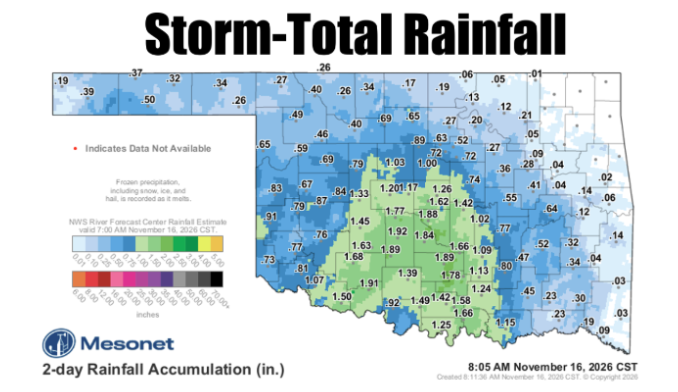
Oklahoma narrowly missed a major winter storm over the weekend, settling instead for a cold rain that brought localized relief to parts of the state while leaving eastern Oklahoma deeply entrenched in a growing moisture deficit, according to State Climatologist Gary McManus of the Oklahoma Mesonet and Oklahoma Climatological Survey.
McManus noted that temperatures were roughly 10 degrees shy of turning the system into a significant snowstorm. Instead, the storm delivered chilly rainfall across select pockets of the state, creating uneven totals across the Oklahoma Mesonet network:
-
15 Mesonet sites recorded at least 1.5 inches of rain.
-
18 sites received more than 1 inch of rain.
-
35 sites logged less than a quarter of an inch, including seven locations that recorded zero measurable precipitation.
| | Texas Southwestern Cattle Raisers Special Rangers Recover $12.9 Million in Stolen Property | | |
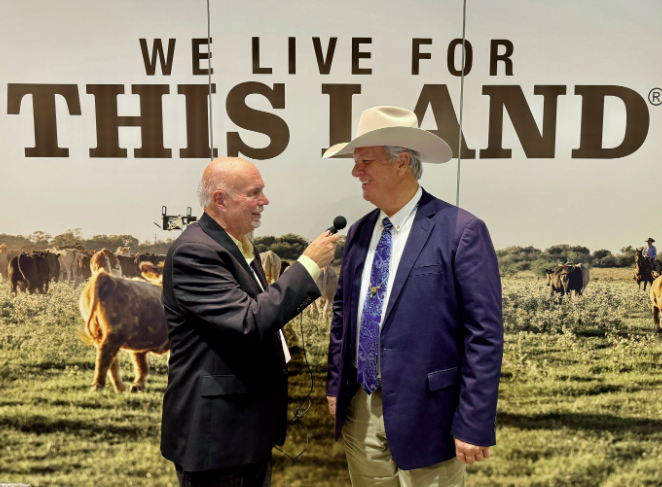
Senior farm and ranch broadcaster Ron Hays speaks with Clay McKinney, executive director of Law Enforcement and Brand Inspection Services for the Texas and Southwestern Cattle Raisers Association, about the association’s Special Ranger program and its role in protecting cattle producers across Texas and Oklahoma.
With livestock theft and agricultural equipment crimes continuing to affect ranchers, McKinney explains how the Special Rangers investigate these cases, work alongside local law enforcement and help producers protect their property.
TSCRA has 27 Special Rangers assigned across Texas and Oklahoma, serving more than 19,000 association members. Commissioned by the Texas Department of Public Safety, the Special Rangers are peace officers with full arrest and search powers who specialize in agriculture-related crimes.
| | Farmer Cooperatives Urge Congress to Finish the Farm Bill During Lame-Duck Session | | |
The National Council of Farmer Cooperatives called on congressional leaders to prioritize finishing a five-year farm bill before the 119th Congress adjourns, urging action during the lame-duck session.
In a letter to Speaker Mike Johnson (R-La.), House Minority Leader Hakeem Jeffries (D-N.Y.), Senate Majority Leader John Thune (R-S.D.), and Senate Minority Leader Chuck Schumer (D-N.Y.), NCFC said farmer cooperatives, the farmer-owners who own them, and the rural communities they sustain need the certainty that only a five-year farm bill can provide.
Numerous provisions from the 2018 farm bill need to be updated and reauthorized, forcing farmer co-ops and their farmer-owners to make business decisions clouded by uncertainty.
| | Double C Cattle Company is Reclaiming Oklahoma’s Prairie with Prescribed Fire | | |
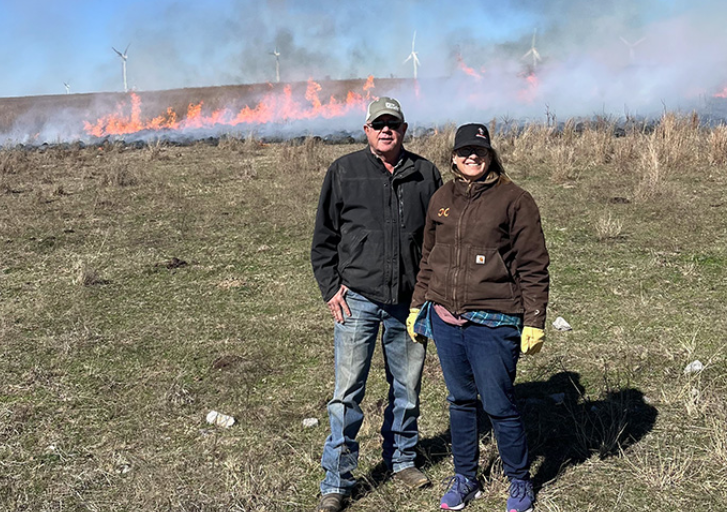
When Chuck Coffey tells you about his family’s award-winning ranching operation in southern Oklahoma, he begins with the grass. “It’s your plants that support everything, including the animals,” says Chuck. “Grass comes first, cows second.”
The biggest obstacle to growing grass—and making a profit—on the Coffey’s 30,000 acres of land in the Arbuckle Mountains is the spread of eastern redcedar. Woody species like eastern redcedar and ash juniper have taken over much of America’s grasslands in the past century, due to fire suppression.
“The Southern Great Plains was never meant to be covered in brush. We’re in true prairie—we should be covered in big blue stem, little bluestem, Indian grass and switchgrass,” Chuck explains. “Cedar in Oklahoma is a nuisance and a scourge. It rapidly takes over a piece of land. And it has very little value for livestock or wildlife.”
| | Rising GLP-1 Weight-Loss Drug Adoption Reshaping Consumer Beef and Poultry Demand, CoBank Analyst Says | | |
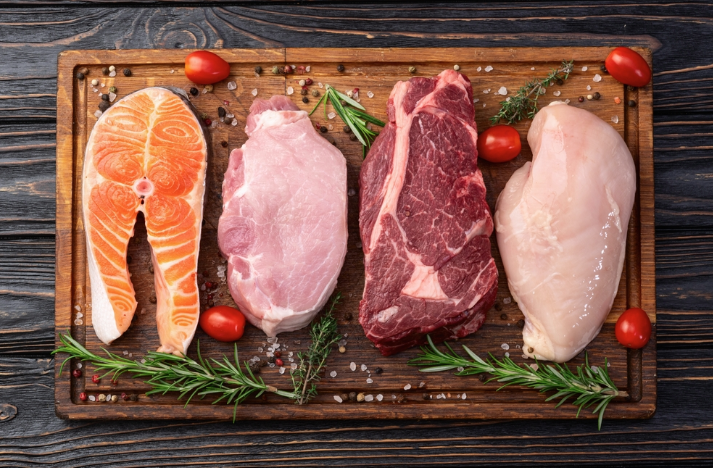
As GLP-1 weight-loss medication usage expands across American households, shifting consumer preferences are driving increased demand for lean protein, smaller beef portions, and poultry, according to CoBank Lead Protein Analyst Brian Earnest.
Speaking at the Chicago Federal Reserve’s Midwest Agriculture Conference during a session hosted by the University of Illinois’ Todd Gleason, Earnest highlighted how changing dietary habits are influencing grocery purchasing decisions and livestock market trends.
With roughly one in four U.S. households now including a GLP-1 user—many of whom serve as primary grocery decision-makers—consumer focus is shifting heavily toward caloric reduction, portion control, and protein-dense foods.
| | |
The live cattle contracts ended the day mostly lower as traders simply weren't willing to advance the contracts without first seeing what fundamental support is or isn't going to develop this week. December live cattle closed $0.32 lower at $220.32, February live cattle closed $0.55 lower at $224.25 and April live cattle closed $0.77 lower at $227.12.
Boxed beef prices closed higher: choice up $0.17 ($355.81) and select up $1.50 ($350.65) with a movement of 115 loads.
The feeder cattle complex also ended the day lower as traders were apprehensive to advance the contracts when the live cattle contracts were trading lower. November feeders closed $1.65 lower at $337.37, January feeders closed $2.25 lower at $333.10 and March feeders closed $2.55 lower at $329.50.
Click here for our Markets Page on OklahomaFarmReport.Com- there you will find our latest reports on cattle auctions, boxed beef, cash grains and market analysis.
OKC West is our Market Links Sponsor- they sell cattle three days a week- Cows on Mondays, Stockers on Tuesday and Feeders on Wednesday- Call 405-262-8800 to learn more.
| | |
© 2025 Oklahoma Farm Report - All rights reserved
|
| | | |