|
Progressive educators understand that learning is deeply relational. Emotions, trust, and a sense of belonging are not peripheral to academics, they are essential conditions for students to thrive. At the Center on Disability Studies (CDS), College of Education, University of Hawai‘i at Mānoa (UHM), we are on a mission to promote all abilities across the lifespan through interdisciplinary training, research, service, and dissemination. Our recent Sensory Room initiative has involved designing, installing, implementing and researching sensory experiences in postsecondary settings. Through a university partnership, this initiative serves as a model for promoting inclusion and well-being. We are excited to share why sensory spaces are important, highlighting college students’ experiences and perceptions of the sensory space, as well as those of faculty.
WHY HAVE A SENSORY SPACE AND WHO IS IT FOR?
Environments shape how we think, feel, and engage more than we may realize. Have you ever walked into a space that instantly made you feel overwhelmed? Sensory regulation, or the brain’s ability to process, organize, and respond to sensory input, is essential to learning, attention, and emotional well-being. When our sensory needs are unmet, we may struggle to focus, manage stress, or feel comfortable in educational and social spaces. When those needs are supported, we are better positioned to thrive.
In recent years, institutions around the world have begun recognizing sensory needs as an essential component of mental health and well-being (Baktash, 2023; O’Connor et al., 2024). As a result, many social institutions—including schools, universities, libraries, airports, hospitals and even athletic stadiums—are now rethinking how spaces are designed, whether through renovations or the intentional inclusion of sensory-friendly features (Chaves & Taylor, 2021).
In educational settings, sensory spaces can function as safe havens, or places where students can pause, reset, and recharge (Krajewski & Khoury, 2021; Sarrett, 2018). When embedded within broader student support services, these spaces help normalize sensory regulation as part of everyday well-being (Dodd et al., 2021). Thoughtfully designed environments can reduce stigma, increase engagement, and contribute to a more inclusive and supportive campus culture (Dwyer et al., 2023).
SENSORY NEEDS IN THE CLASSROOM AND BEYOND
In the classroom, students with sensory processing differences may appear distracted or disengaged, when in reality they may be experiencing sensory overload. Noise, fluorescent lighting, crowded seating, or constant movement can make it difficult to concentrate or participate. To address this, educators and scholars have called for designated sensory-friendly spaces within schools and universities that support emotional regulation, reduce stress, and promote academic success (Kim & Crowley, 2021; Madriaga, 2010).
Research also points to the value of sensory-based pedagogy within teaching and learning itself. Approaches such as multisensory feedback, nature-based elements, embodied learning, and the use of sensory tools have been shown to effectively support diverse student needs across disciplines (Crews & Wilkinson, 2012; Gutiérrez-Ujaque & Degen, 2024; Matson et al., 2024). These strategies recognize that learning is not only cognitive but it is also an embodied, relational experience that is influenced by the sensory environment itself.
Multisensory integration emphasizes the intentional design of classrooms, campus spaces, and non-traditional learning environments to support a wide range of learners. Across campuses, traditionally neurotypical learning spaces are being reimagined through the inclusion of quiet zones, adaptable lighting, and natural elements. In addition, makerspaces, outdoor classrooms, and art-based learning environments are emerging as important sites for sensory engagement, stress regulation, and experiential learning.
WHAT IS A SENSORY SPACE?
A sensory space is a carefully curated, controlled environment designed to support self-regulation and stress management. These spaces may offer calming lighting, comfortable seating options, tactile objects, and gentle sensory input that allows individuals to either calm down or re-energize, depending on their sensory needs. Although initially intended for, sensory spaces are not just for individuals with disabilities. A well-designed sensory space can benefit everyone. Whether someone is managing stress, anxiety, sensory overload, or simply needs a quiet and safe place to reset, they can benefit from having access to a sensory space.
As schools and universities become more invested in supporting student well-being, it is no surprise that sensory spaces are becoming more common on our campuses. For example, among UHM’s peer institutions, 55% offer some form of sensory-friendly space, and 22% already have dedicated sensory rooms available. This growing trend reflects a broader commitment to inclusion, wellness, and designing campuses that support the whole student and faculty experience.
PARTNERING TO MEET THE NEED
The Center on Disability Studies, as part of their grant funded CAMP+U project to improve postsecondary outcomes for students through the Oak Foundation Award: OFIL-22-075, partnered with the Office of Faculty Development and Academic Success (OFDAS) Center for Teaching Excellence (CTE) to establish a Sensory Room at the UHM, located in Kuykendall Hall 106. Since opening in the 2024-2025 academic year, the room has continued to operate weekly for faculty drop-ins and class visits.
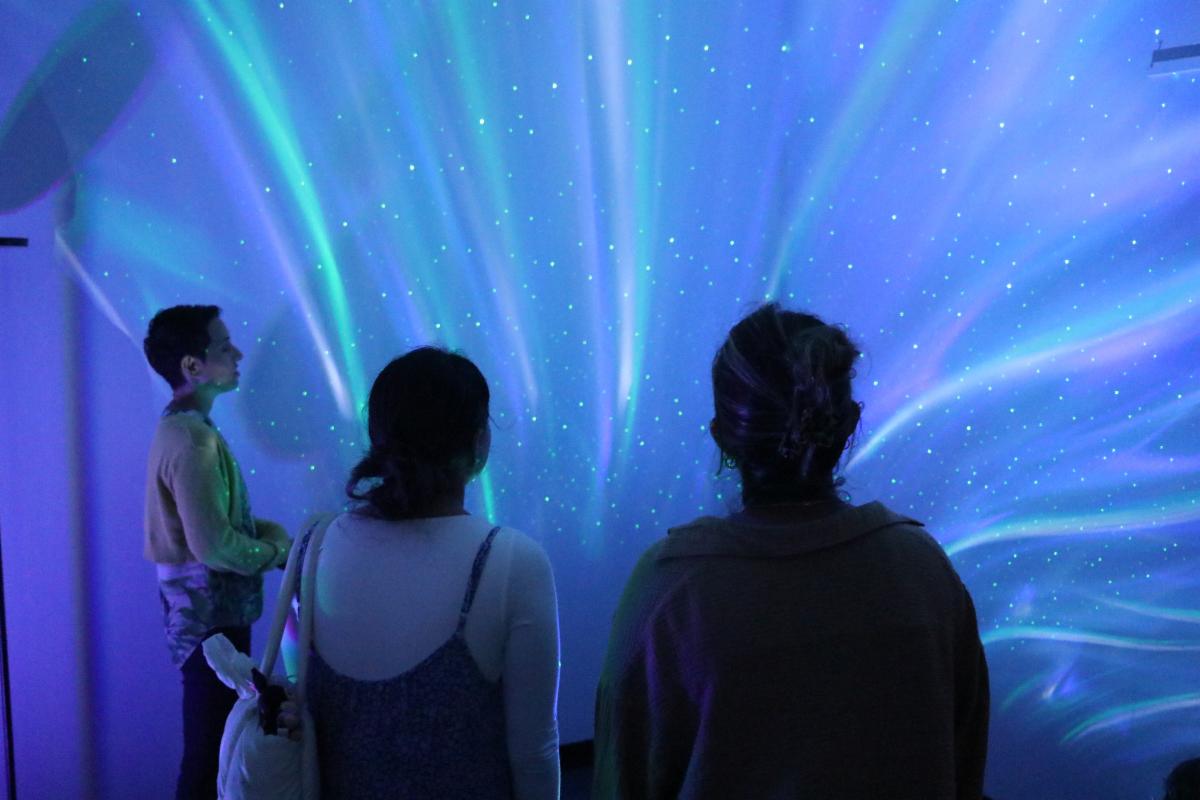
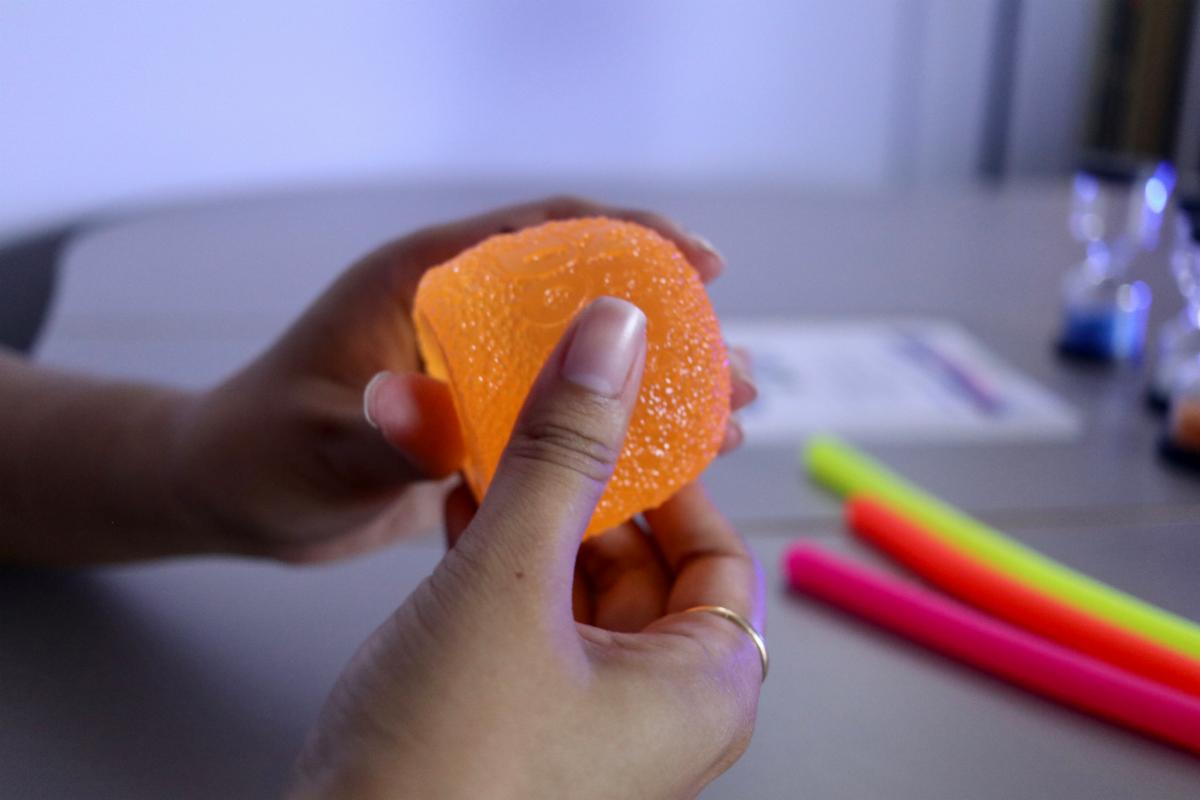
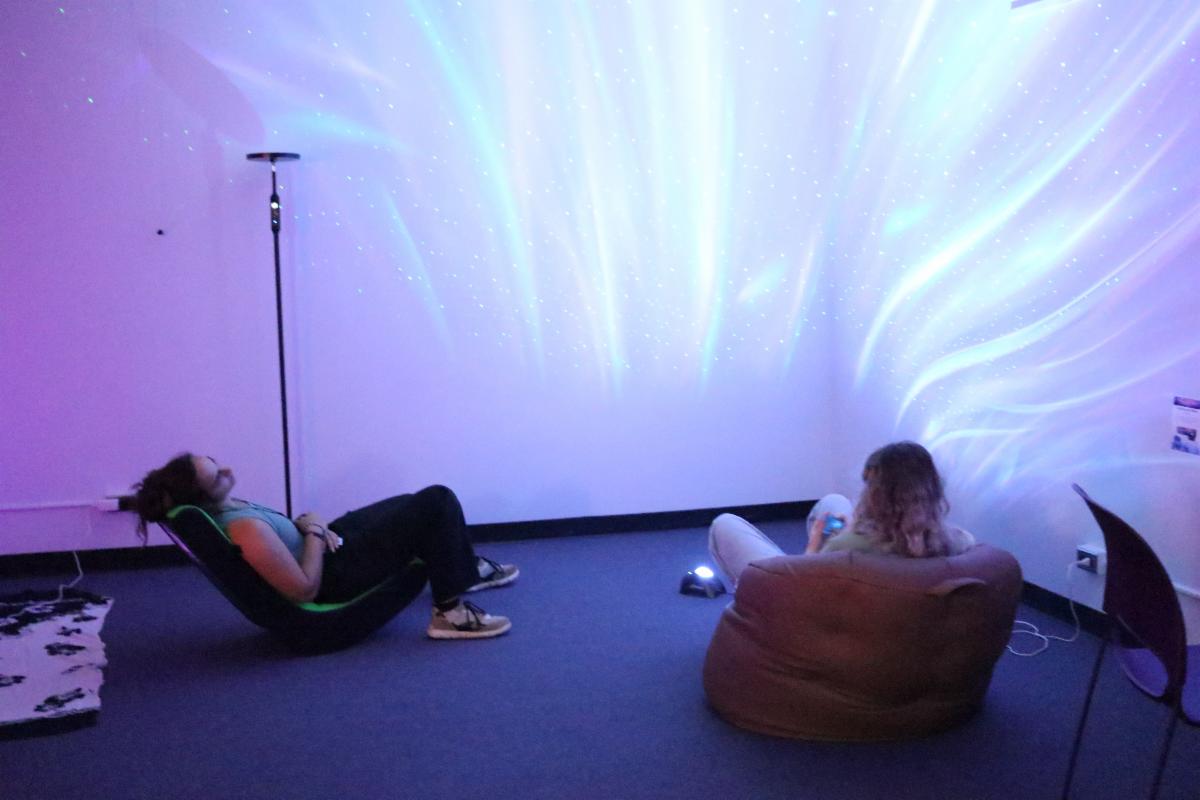
The UHM Sensory Room is a relatively low-cost mobile sensory kit featuring intentional design with 13 different sensory items that appeal to a variety of sensory needs (visual, auditory, tactile, and olfactory elements). Designed as a controlled environment for self-regulation and stress management, the room offers a place to pause in the middle of a busy academic day. As part of the CAMP+U project, the sensory room aims to create a climate of inclusivity, benefiting not only individuals with disabilities but also the broader campus community, promoting a supportive environment and sense of belonging for students, faculty, and staff.
Grounded in evidence-based research on how individuals experience different sensory stimuli, and informed by pilot testing at the 2024 Pacific Rim Conference on Disability, we developed four sensory stations. Each station is intentionally designed to support specific sensory needs:
|