|
You want the dining room painted. Then you look toward the hall. The wall continues, the ceiling carries through, and the trim meets at a doorway. Suddenly, “just this room” needs a little more definition.
The finishes you keep are one part of the decision. Let’s also look at where the painting should stop—and how to make that clear before the estimate is finalized.
For a dining-room repaint, you might want the walls changed while leaving the adjoining hall for another time. That choice gives us a useful starting point for defining the work.
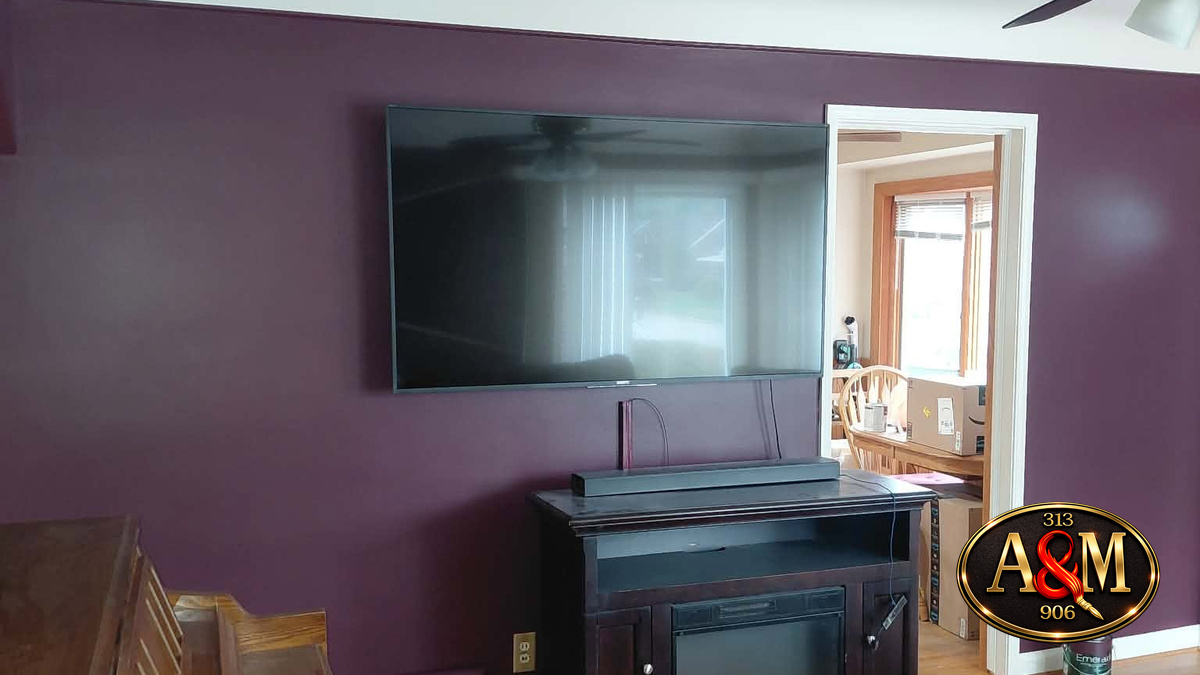
First, identify the wall boundary. Is there a doorway, an inside corner or another clear transition? If a wall runs continuously into the hall, point that out during the estimate. We can look at how the proposed stopping point will appear from both spaces.
Next, decide what happens to the trim. Baseboards, chair rails, door casings and doors are separate surfaces. “Paint the dining room” does not tell us whether those finishes should stay, be repainted in that room alone, or continue into the adjoining area.
Then look up. A ceiling that carries through two spaces needs its own scope decision. Keeping it, painting one defined section or including the connected ceiling should be discussed rather than assumed.
The written estimate should name the included surfaces and the stopping points, along with the preparation and any agreed drywall or caulk repairs. It can identify the dining-room walls, any separate trim work and the hall you want left outside the current scope.
If you prefer to work in phases, tell us which area matters most and how you use the connecting space. We can discuss access, protection and the sequence. A clear first phase also gives us a way to discuss what might come later.
For a January, February or March 2027 project, the same conversation can begin now. Your preferred month helps us plan the discussion; a production date is confirmed separately after the work is reviewed.
To start an interior estimate, tell us the room, what it connects to, which surfaces you want changed and your preferred timing. A photograph looking toward the adjoining space can help explain your question. You do not need to have the boundaries figured out before contacting us.
|