|
One Month to Independence:
The Countdown Begins
| | |
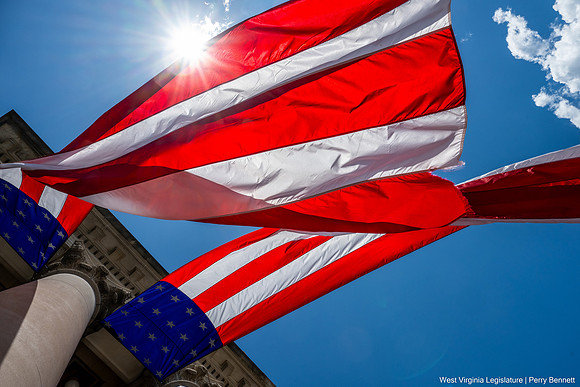
One month before the Declaration of Independence was adopted, America's future was still uncertain. Yet the leaders gathered in Philadelphia understood that self-government, individual liberty and opportunity were worth pursuing.
Those principles would soon become the foundation of a nation and help create the conditions for generations of innovation, entrepreneurship and economic growth.
At the West Virginia Chamber of Commerce, we see that same spirit reflected in businesses and communities across our state. It lives in those who invest, create jobs, solve problems and work to build a better future in the Mountain State.
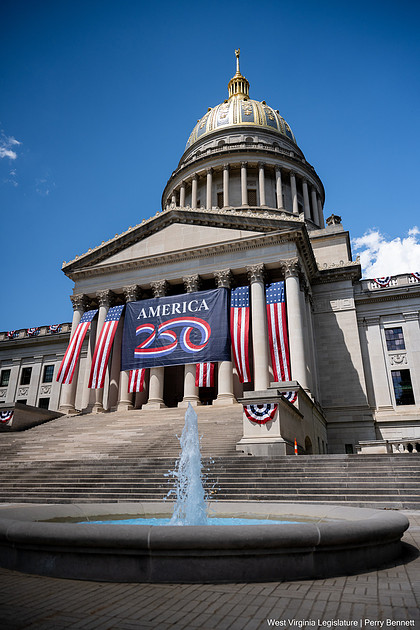
As we count down to America's 250th anniversary, we celebrate not only the moment independence was declared, but the courage and conviction that made it possible.
| | |
June 7, 1776:
The Resolution That Started It All
Many Americans know July 4, 1776, as the birth of the nation. Fewer know that the path to independence formally began on June 7, when Richard Henry Lee introduced a resolution declaring that the colonies "are, and of right ought to be, free and independent States."
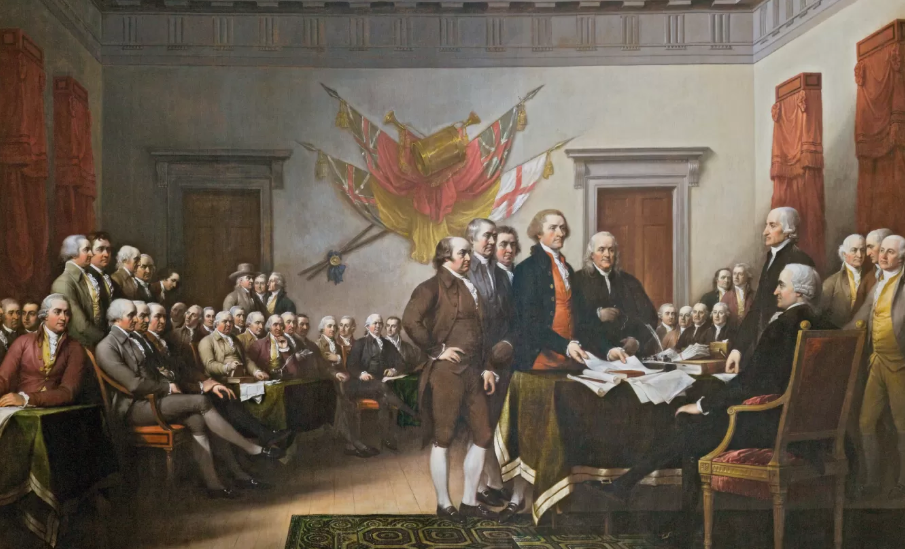
While Congress considered the resolution, a committee, known as the Committee of Five, was appointed on June 11 to draft a document explaining the colonies' decision to the world. That document would become the Declaration of Independence.
| |
- Thomas Jefferson
- John Adams
- Benjamin Franklin
- Roger Sherman
- Robert R. Livingston
Jefferson drafted the initial text, but the Declaration reflected the ideas and contributions of many voices.
Learn more here
| | | The decision to pursue independence was not unanimous or guaranteed. It required leaders willing to take risks, challenge assumptions and chart a new course. The same spirit of innovation, courage and determination continues to drive American progress 250 years later. | | |
Next Month: America Turns 250
Next month, we'll commemorate the 250th anniversary of the Declaration of Independence and explore the lasting impact of the ideals that launched a nation and continue to shape our future.
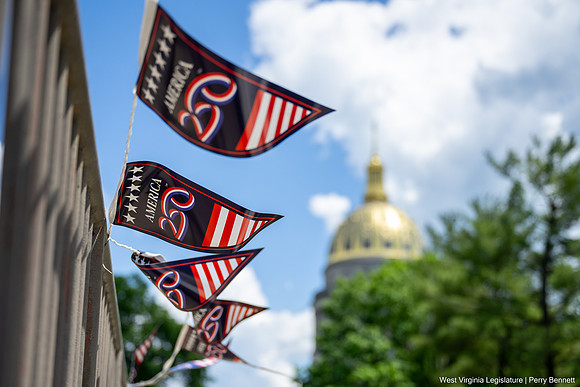
Photos thanks to Perry Bennett Photography
| | CELEBRATE INDEPENDENCE DAY IN WV | | 4th of July Celebrations Across the Mountain State | |
|
America250 Celebrations in the Capital City
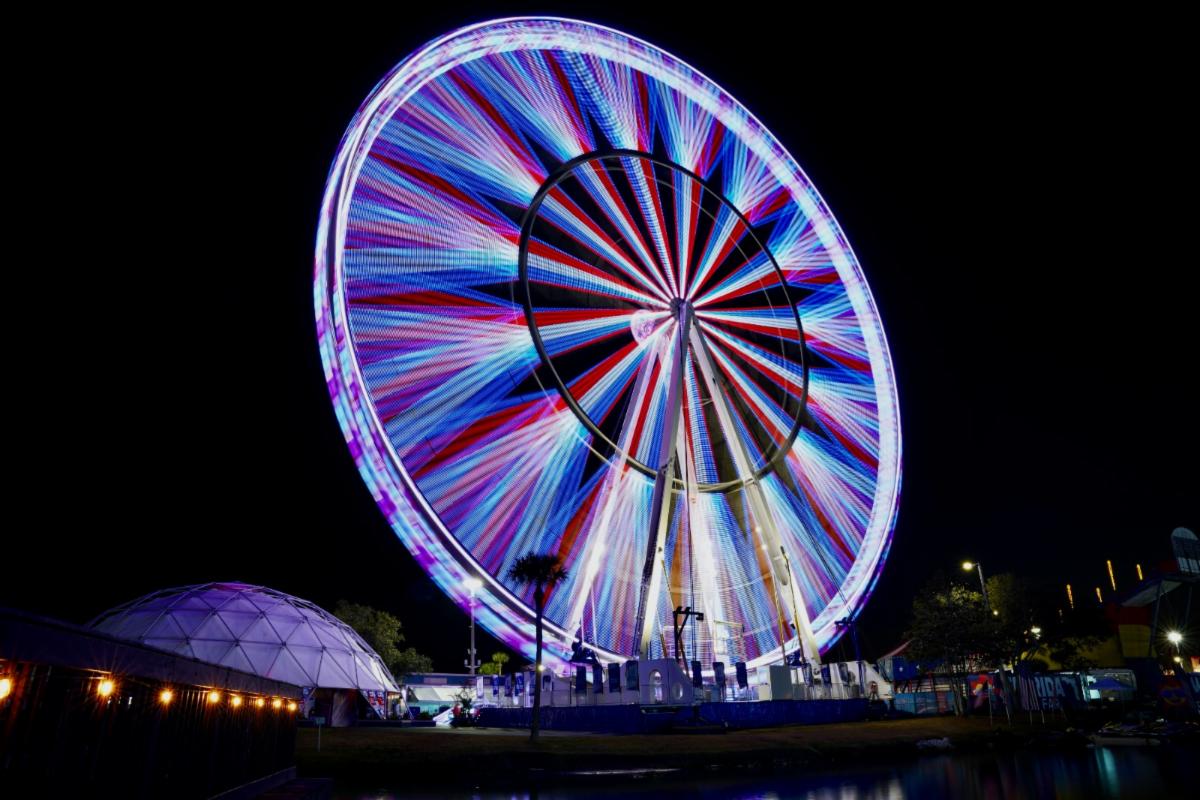
Set to take place July 2–5 in Charleston, planned activities include live music and entertainment, food vendors, historical exhibits, family activities, fireworks, a nightly Capitol light projection show and the “America 250 Wheel” — the world’s tallest portable Ferris wheel, standing 230 feet tall, with free rides offered throughout the celebration.
| |
Shuttle service will also be available between the Capitol Complex and the Charleston Sternwheel Regatta, taking place the same week in downtown Charleston.
Click here to learn more about West Virginia's America250 celebration
| | | | | |  | |
July 4:
Morgantown's Annual 4th of July Celebration
Morgantown, WV
Weston’s 4th of July Celebration & Street Fair
Weston, WV
Fairview’s 4th of July Celebration
Fairview, WV
Doddridge County’s Red, White & Boom
West Union, WV
Hurricane's Annual Independence Day Celebration
Hurricane, WV
Palatine Park 4th of July Celebration
Fairmont, WV
Big Bear Lake Fireworks
Bruceton Mills, WV
Triple S Harley-Davidson Drive to the Grafton Cemetery
Grafton, WV
July 5:
Independence Day at Glade Springs
Daniels, WV
Mountaineer Days 4th of July Festival
Thomas, WV
Fireworks at the Lighthouse
Mt. Nebo, WV
| | *Most events are FREE to attend. Be sure to check the event links for more information. | | WEST VIRGINIA HISTORY: JUNE & JULY | | |
June 1 – On June 1, 1792, Congress authorized the creation of the first post office in present-day West Virginia. It was later established at Martinsburg, Berkeley County.
June 2 – On June 2, 1788, Virginia Governor Randolph commissioned the following justices to form what became Pendleton County: Robert Davis, John Skidmore, Moses Hinkle, James Dyer, Isaac Hinkle, Robert Poage, James Skidmore, Matthew Patton, Peter Hull, James Patterson, and Jacob Hoover. The meeting was held in a house owned and occupied by Seriah Stratton near Ruddle.
June 3 – On June 3, 1783, William Callison was granted 200 acres of land in Greenbrier County.
June 4 – On June 4, 1784, Harrison County was created from Monongalia County.
| | |
June 5 – On June 5, 1760, Michael Pyke was granted 3000 acres of land in Hampshire County.
June 6 – On June 6, 1774, Mingo Chief Logan killed eight and took two people prisoner near the Monongahela River in response to the murder of his family.
June 7 – On June 7, 1794, the first post office at Wheeling was established and John Finley was named postmaster.
| | |
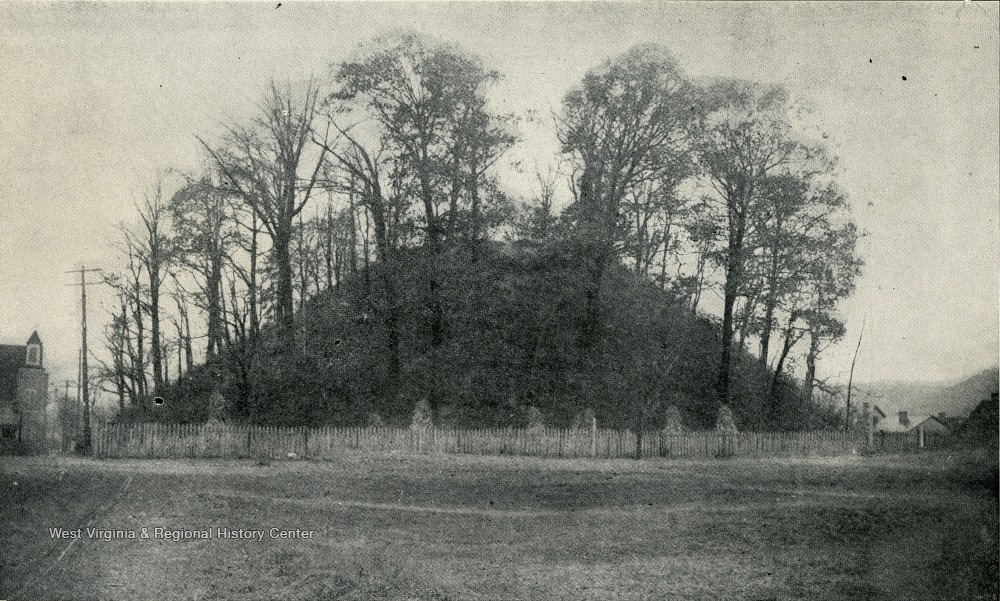
June 8 – On June 8, 1803, Thaddeus Mason Harris visited and described the location of the Grave Creek Mound. This description was found in The Journal Of A Tour Into The Territory Northwest of the Alleghany Mountains; Made in the Spring of the Year 1803, by Thaddeus Mason Harris, and later reprinted in Travels West of the Alleghanies, by Reuben Gold Thwaites (Cleveland: The Arthur H. Clark Company, 1904), pp. 360-362.
June 9 – Lord Dunmore announced that the Shawnee had declared war against the western frontier on June 9, 1774.
June 10 – On June 10, 1753, Thomas Lord Fairfax conveyed 237 acres on the North River in present-day Hampshire County to Thomas Parker, on which he erected Fort Parker. (Historians note: During this time, there were also two other forts named Fort Parker.
| | |
June 11 – On June 11, 1781, Bishop Francis Asbury traveled to Fort Ashby, present-day Mineral County.
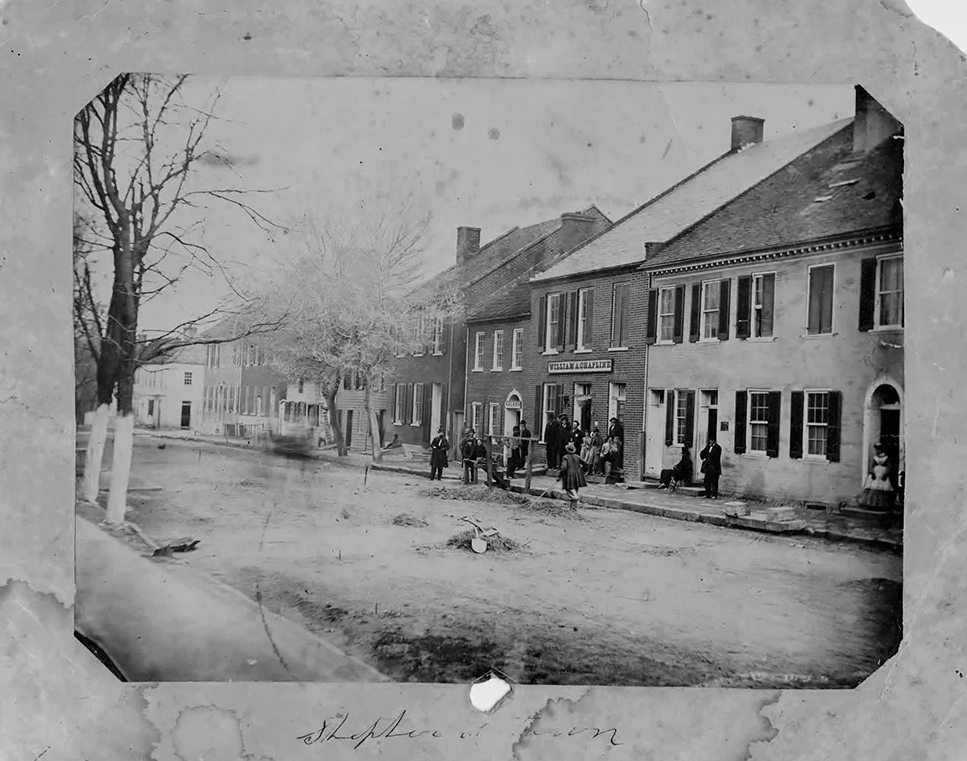
June 12 – On June 12, 1751, Lord Fairfax granted Thomas Shepherd 457 acres to add to Shepherd’s 1734 acquisition from the governor for what would become the town of Shepherdstown, Jefferson County.
June 13 – On June 13, 1756, George Washington ordered Lieutenant Neugent and his company to be stationed in the South Branch Valley at Fort Parker, about 2 miles southeast of present-day Springfield, Hampshire County. (Historians note: During this time, there were also two other forts named Fort Parker.)
June 14 – On June 14, 1751, Robert Buckles received a patent for 407 acres just south of present-day Shepherdstown, Jefferson County.
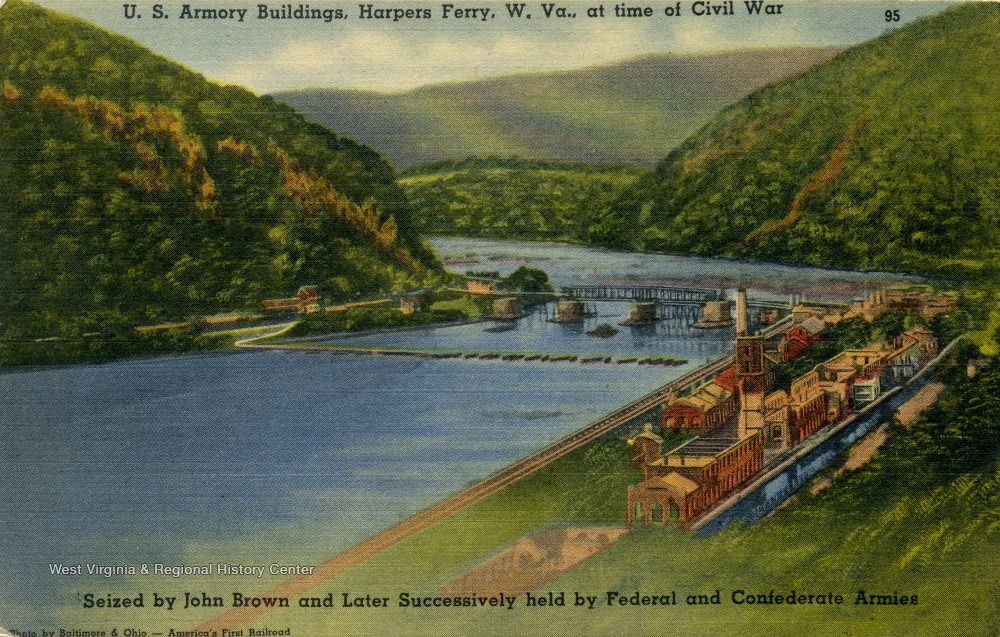
June 15 – On June 15, 1796, the federal government purchased 125 acres of land from the heirs of Robert Harper for the establishment of a national armory at Harpers Ferry, Jefferson County.
| | |
June 17 – On June 17, 1730, John Van Metre was assigned 10,000 acres of property in the fork of the Shenandoah River, including Cedar Lick and Stony Lick, Jefferson County.
June 18 – On June 18, 1772, George Rogers Clarke and Rev. David Jones viewed land on the Little Kanawha.
June 21 – On June 21, 1790, Daniel Davisson deeded a lot in Clarksburg, Harrison County, to the Regular Baptists, members of the Hopewell Church.
June 22 – On June 22, 1779, the Virginia Assembly passed a bill creating a land office and providing a procedure for settling claims to unpatented western lands.
June 23 – On June 23, 1795, Robert Morris was granted 500,000 acres of land in addition to the 480,000 he was granted that March, including property in present-day Logan County and Mingo County.
June 24 – On June 24, 1791, a Martinsburg, Berkeley County newspaper reported that Methodists had organized a church at Charles Town, Jefferson County.
June 25 – On June 25, 1788, Virginia ratified the United States Constitution, becoming the tenth state. Thirteen of the 16 delegates from present-day West Virginia voted in favor of ratification, proving a decisive factor in the final margin of 89 to 79.
| | |
June 26 – On June 26, 1789, Thomas Slater was granted 51 acres of land in Hardy County.
June 27 – On June 27, 1751, Lord Fairfax granted Peter Burr 480 acres, including the land which would become the town of Bardane, Jefferson County.
June 28 – On June 28, 1797, The Impartial Observer: or Shepherds-Town, Charles Town & Country Advertiser was first published by Philip Rootes and Charles Blagrove at Shepherdstown, Jefferson County; it became the second newspaper to be published in western Virginia.
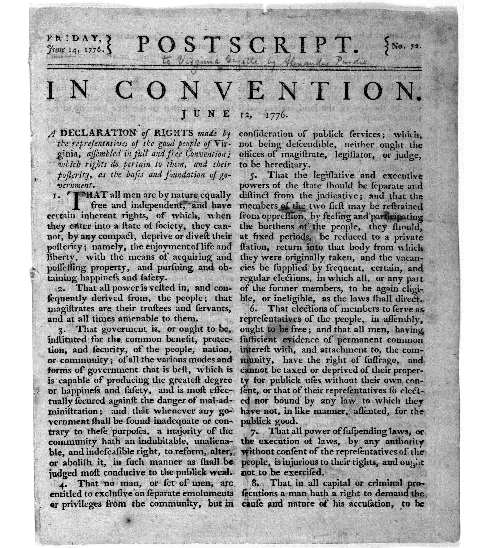
June 29 – On June 29, 1776, the first Virginia Constitution was adopted.
June 30 – On June 30, 1792, the first post office in present-day West Virginia was established at Martinsburg, Berkeley County.
July 17 – On July 17, 1775, Hugh Stephenson of Berkeley County led his military company out of Mecklenburg, present-day Shepherdstown, Jefferson County on what became known as the Beeline March. They arrived in Cambridge, MA, on August 11.
Photos courtesy of the WVU West Virginia & Regional History Center, the Ohio County Library and the Library of Congress. Click on the images to view the original photos.
| | | | |