In this issue:


  • A Tribute, Thank You and Fond Farewell
  • Sponsor Spotlight: Humane Society of Huron Valley
  • Legislative Update: Detroit Lions Shout-out
  • Volunteer of the Year
  • Welcome New Members
 

Michigan Pet Alliance supports its members. Speaking with One Voice, we can create lasting change. Lend your voice. Become a member today.

 
Deborah Schutt

In every walk of life, we encounter people who make a dent. Perhaps it was a comment that sparked a lightbulb moment. Maybe it was an offhand question that led to an unexplored answer.


Then there are the exceptional occasions when someone we encounter makes an impact and changes everything.

This is the story of many animal welfare advocates in Michigan and beyond. Because at some point, along their path to fulfill their passion for lifesaving, they met Deborah Schutt.


It was 27 years ago when Schutt received a call that a litter of puppies had been abandoned in a parking lot and needed foster care. She took three of them home and met the challenge to nurse them back to health.


One of those puppies tried her patience, then stole her heart. Her name was Cutty, and her life, brimming with teachable moments, inspired Schutt to embark on a mission that led to the founding of Michigan Pet Alliance.

At the end of this month, Deborah Schutt will retire from the Michigan Pet Alliance board of directors. As the founder and former chair, her departure closes an extraordinary chapter, leaving an enduring legacy and freeing her to set out on the next adventure of her human journey. Schutt has led with fierce determination, unending compassion and a deep belief in the need for transformational change.

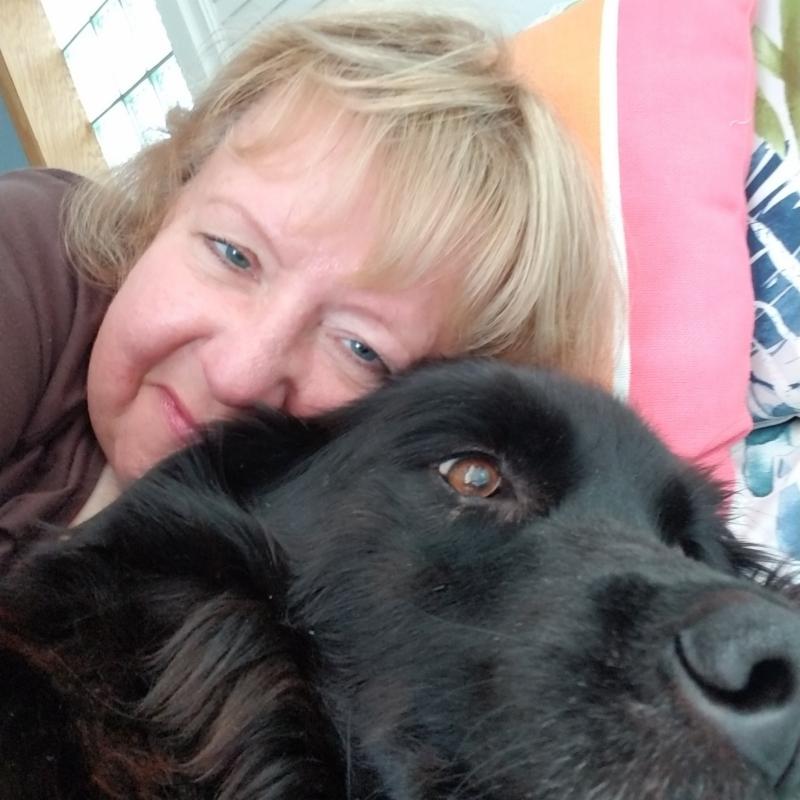
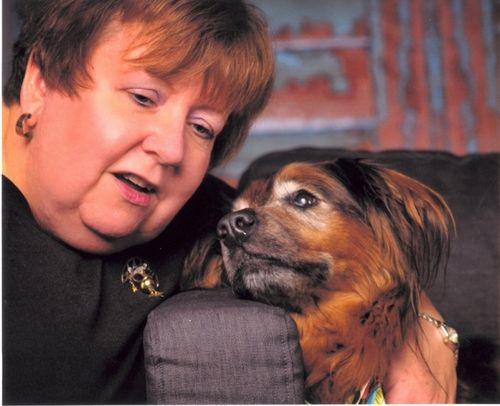
Deborah Schutt and Cutty

Deborah and Cutty

That belief was ignited in a very personal way by her love for Cutty. Their bond inspired her decades-long commitment to helping ensure that homeless pets are valued, protected and given every possible chance at a happy life.


Schutt remains a passionate and relentless champion of the No Kill movement in Michigan, helping bring attention to unnecessary deaths and encouraging all of us to embrace lifesaving best practices. Although Michigan has faced its share of setbacks since the COVID-19 pandemic, we remain worlds better than where we were two decades ago.

Schutt's willingness to educate, to debate and to discuss with shelter management, city leaders and county officials how to improve their live release rates has resulted in lasting change, from Detroit to the UP, from Macomb County to Bay County, and everywhere in between.

Due to her persistence and dedication, minds were changed, expectations were raised and change came, resulting in more lives saved, higher standards for quality care and entire counties turning around their shelter operations.


Those values will not retire with Schutt. They live on in the work we continue together and in the mission of Michigan Pet Alliance, by providing education and training for those on the front lines; through higher and more consistent standards of care; and from stronger laws and policies that protect animals. Schutt's legacy lives on in Michigan Pet Alliance and in the way we collaborate, care for animals and engage in “good trouble.”

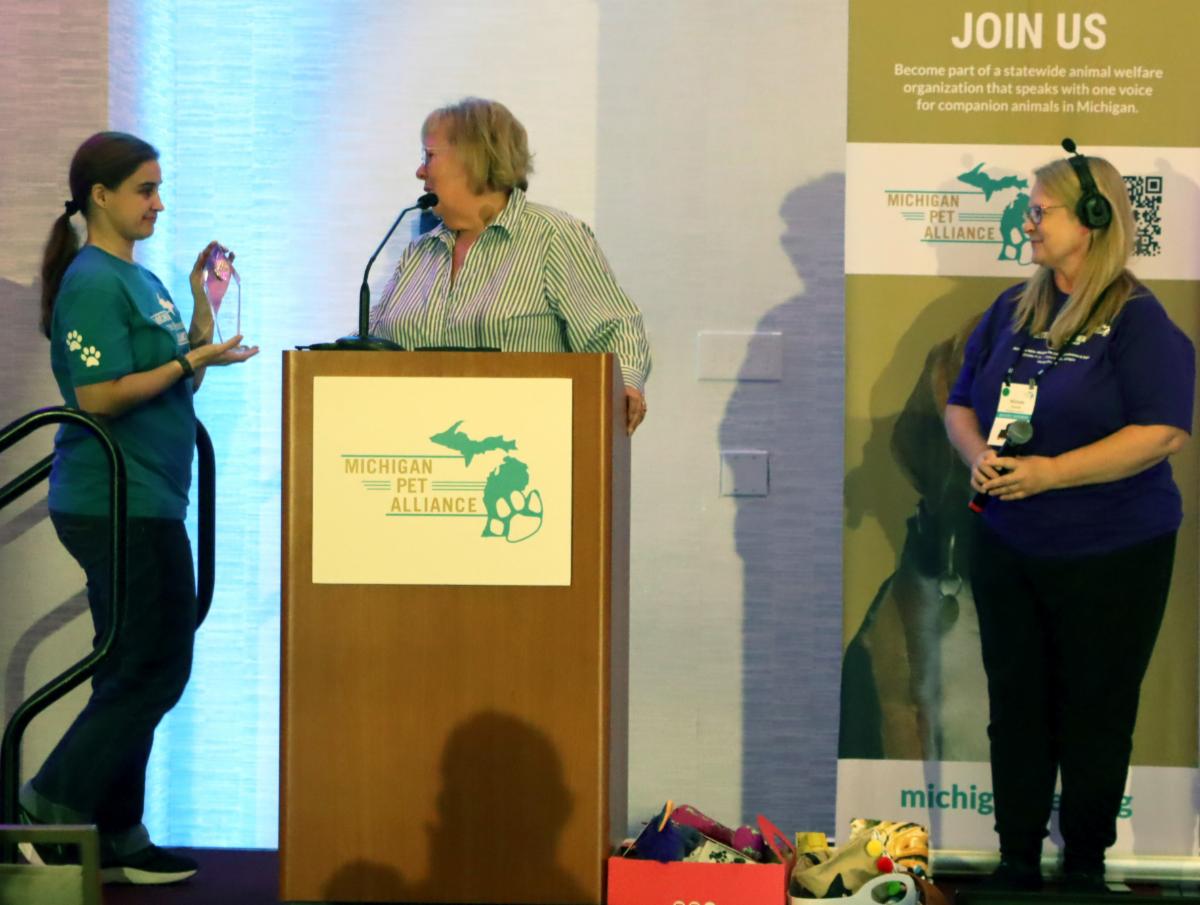
In 2024, Michigan Pet Alliance proudly awarded Schutt

with a Lifetime Achievement Award.

There are leaders who grace your life, then leave behind a wealth of knowledge. There are people who inspire others to pick up the torch and carry on. There are innovators who create lasting change that affects hundreds, thousands and even millions, now and into the future. Deborah Schutt is all of those people.


Michigan Pet Alliance extends our warmest, heartfelt thank you to Schutt for her vision, love and unwavering commitment to lifesaving. We also thank Cutty for her wildish ways, inspiration and all she taught her mom, so that her mom could teach all of us.


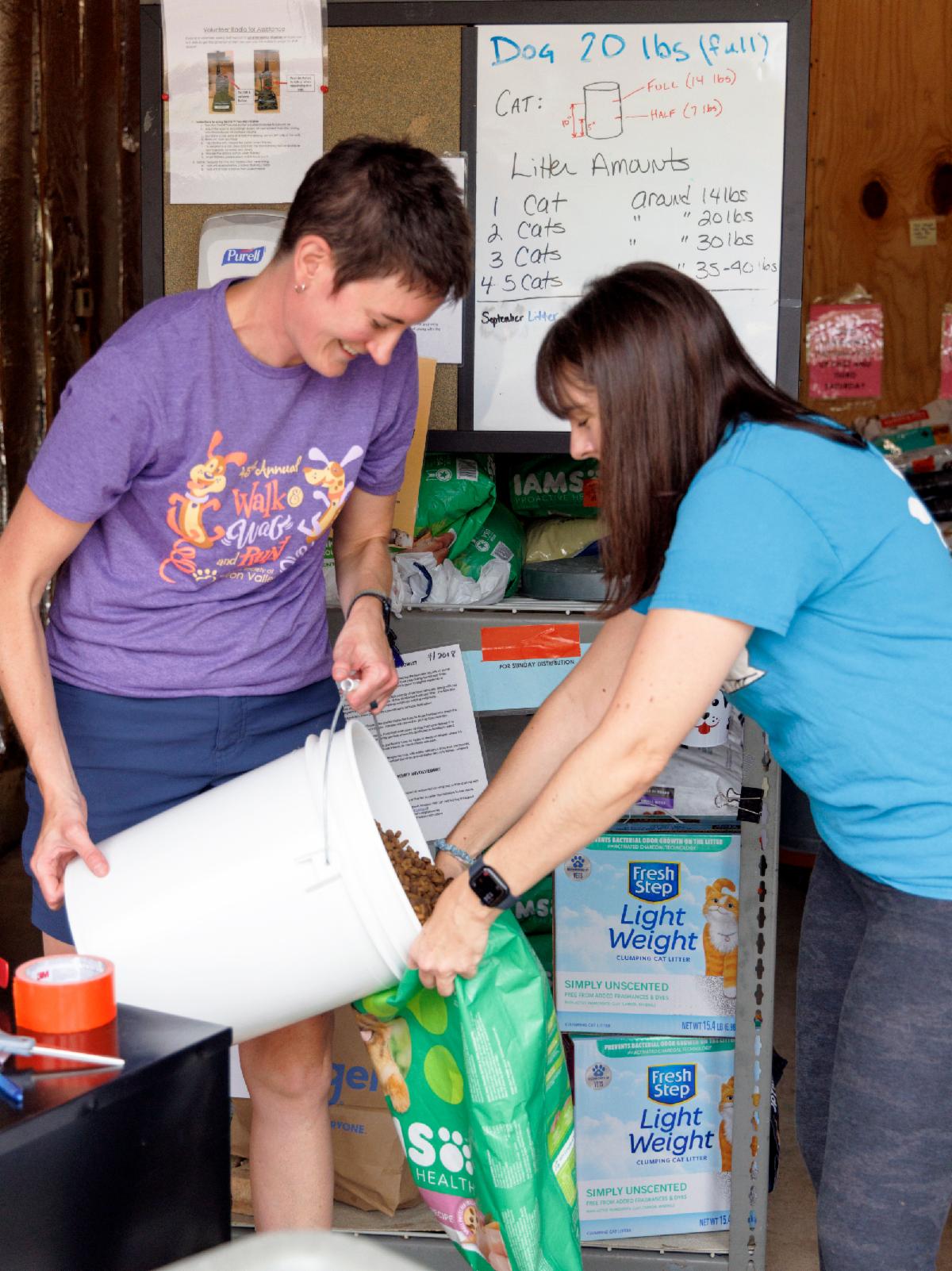
If you suggest to Karen Patterson of the Humane Society of Huron Valley (HSHV) that volunteers are the backbone of any pet-oriented organization, you'll have no argument from her.


In an organization with more than 2,000 active volunteers, one would think that must be the case. But, according to Patterson, vice president of volunteers and humane education, it goes deeper than just maintaining a ready pool of dog walkers and hard workers. HSHV volunteers are vital.

"We literally couldn't function without our volunteers," Patterson says. "That's definitely true. The feedback that we get from volunteers is one of the ways that we grow and improve overall at HSHV. 


"We receive thoughtful suggestions on improving procedures, ideas for fundraisers or even suggestions for new enrichment activities for animals. We always welcome feedback as we know we are not perfect, and volunteers have a very valuable perspective."

Given that Ann Arbor-based HSHV has been serving animals and people for more than 125 years, credibility comes along with longevity.


In order to get the most they can from their prospective volunteers and best serve animals, HSHV has designed a training program that incorporates all of its goals.

It begins with an online application and moves to a two-hour orientation – the first steps for new volunteers. From there, they begin on a broad path that includes hands-on work after they've contributed 10 hours of volunteer time, then further training along the way, some of it conducted by staff members and some available online via a resource library. After prospective volunteers have successfully completed the process, they self select into the roles that best meet their volunteering goals.

"It's about trust," Patterson said. "But it's also about the training, giving them the information and training they need along with clear directions.


"One important component of our volunteer program is supportive staff who work well with other people.


"Communication is the key. We try to give them what they need to know to be effective in different areas of the shelter."

That attention to volunteers extends to a program HSHV runs for junior volunteers as well. Youth, ages 12 to 17, are accepted into the program and given the same rigorous orientation and training as their adult counterparts. For those entering the youth program, six training sessions await them, as well as onsite mentoring by Patterson and her staff.


So many shelters refuse to allow minors to volunteer, which is a massive missed opportunity. Developing a junior volunteer program is a win-win: you capture young minds and encourage their compassion to help animals, while teaching them to right way to interact with pets. Plus, the organization gains dedicated volunteers who may be around for quite awhile.


"They're the most wonderful group of kids," Patterson said. "We always see a lot of growth in them. That growth is the best part. We look for empathy and compassion for other people, as we do with all of our volunteers. It's a team process."


HSHV, known as one of the most progressive and successful shelters in Michigan, contributes daily to our state's plight to save lives and to improve quality of care.


Michigan Pet Alliance is honored that HSHV is a shelter member and a sponsor of our 2025 regional workshop series.

Follow the Humane Society of Huron Valley at:

Facebook  Instagram  Web  LinkedIn  YouTube
 

HB 4220/4221: Telehealth

Removes the requirement that a veterinarian-patient relationship be established in person prior to a telehealth appointment, reverting back to the same practice that worked well during the COVID-19 pandemic. This change is necessary to reduce barriers and to increase access to much needed vet care for families and animal shelters. On Dec. 2, these bills were referred to the committee on regulatory affairs.


SB 200: Outdoor Dining

Allows dogs to be present in outdoor seating at restaurants. On Dec. 2, the bill was referred to the committee of the whole.


HB 4254: Queenie’s Law
Queenie’s Law, which prohibits public institutions from using dogs in painful experiments, passed the House Regulatory Reform Committee and has now moved to the House Rules Committee, and we hope the committee will take it up in the new year.


Michigan Pet Alliance and its members send a huge THANK YOU to Sam LaPorta of the Detroit Lions. He has our back as we fight to pass Queenie's Law. And, thank you to Michael Kransz and MLive for covering this critical story.

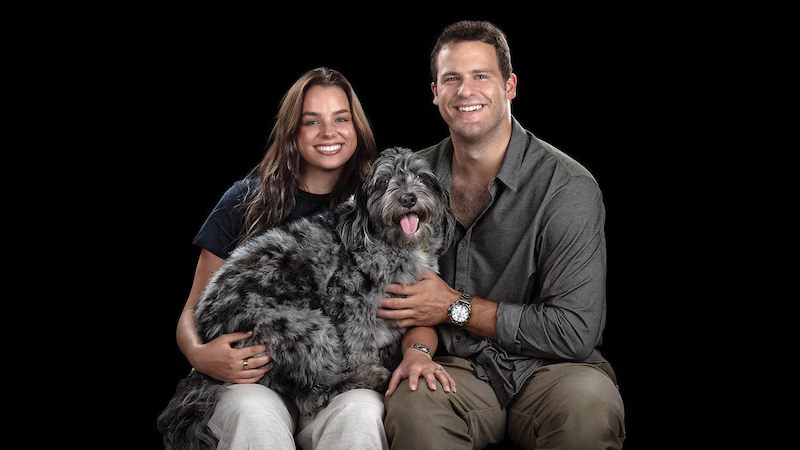
Lions tight end Sam LaPorta and his wife Callie pose for a photo with their dog Bonnie. (Leo Howard Lubow | Photo provided by Physicians Committee for Responsible Medicine)

Lions TE Sam LaPorta advocates for ban on painful dog experiments in Michigan

By Michael Kransz | mkransz@mlive.com


Lions tight end Sam LaPorta is calling on Michigan lawmakers to end painful, taxpayer-funded experiments on dogs in the state.


LaPorta and his wife, Callie, earlier this week wrote leadership in Lansing advocating for bipartisan legislation that would forbid public institutions from conducting research that could injure, distress or kill dogs. The letter was sent to House Speaker Matt Hall, R-Richland Township, and Senate Majority Leader Winnie Brinks, D-Grand Rapids.


“We are writing as dog lovers and proud residents of Michigan, whose people have warmly embraced us since moving here. Our reason for writing is urgent and exciting – you have the power to advance lifesaving, popular and bipartisan legislation,” the pair wrote. “Queenie’s Law (HB 4254 and SB 127) would prohibit painful experiments on dogs at Michigan’s public institutions.


“We were shocked to learn that such experiments are still occurring in our state – and that taxpayers are being forced to fund them.”


Born in Illinois, Sam LaPorta began his professional NFL career in 2023 with the Detroit Lions. Since then, he has become a key part of the Lions offense.

The LaPortas have a rescue dog, Bonnie, who they said is no different from the canines being used in lab research.


The Senate and House bills referenced by the LaPortas were introduced earlier this year and are in response to “the long-running, controversial dog studies conducted at Wayne State University,” according to bill sponsors Sen. Paul Wojno, D-Warren, and Rep. Joe Aragona, R-Clinton Township.


Those federally funded experiments, according to the lawmakers, involve dogs undergoing multiple surgeries, during which devices are placed in and around arteries and into their hearts.


The dogs that survive the surgeries are forced to run on treadmills while the devices trigger heart failures. Wayne State University officials say the dogs are not forced to run.


The lawmakers say the ongoing experiments date back to 1991. They cite public records obtained by nonprofit medical ethics group Physicians Committee for Responsible Medicine.


The legislation is called “Queenie’s Law.” The name comes from the dog Queenie who was killed by Wayne State in 2010 after being used in experiments for seven months, according to the Physicians Committee.


“Michigan’s dogs are lucky to have Sam and Callie on their side,” said Ryan Merkley, director of research advocacy for the Physicians Committee. “Taxpayers shouldn’t be forced to foot the bill for painful, dead-end dog experiments.”


The House bill was advanced out of committee Oct. 30 by a unanimous vote and awaits consideration on the House floor. The Senate bill has yet to receive a hearing.


Dr. Michael Bradley, a researcher and the attending veterinarian at Wayne State, said the research conducted by his laboratory on dogs is aimed at advancing the treatment of congestive heart failure and hypertension.


That research has led to the development of medical devices and treatment strategies that help people live longer lives, Bradley said.


“Over the 30-plus-year history of this research at Wayne State, there have been numerous scientific advancements that have been added to the body of scientific knowledge of cardiovascular physiology,” he said. “Contrary to recent claims, our research has produced meaningful peer-reviewed results.”


Merkley, and the LaPortas, pointed out that many research institutions, including the federal government, are moving away from using dogs in experiments. This includes research on heart disease, with some institutions, like the Texas Heart Institute, saying “the canine physiology is not the optimal match” for studying human heart conditions.


Dr. Paul Locke, an environmental health scientist and professor at Johns Hopkins University, testified last month that ending painful research on dogs will spark innovation.


“A lot of my work involves transitioning away from animal research to new methods like AI and organs-on-a-chip, and I believe that this bill will help us do that,” Locke said. “I think it’s going to pave the way towards a scientific future that better protects public health using far fewer animals.”


Former research veterinarian Sally Christopher reviewed the veterinary records of dogs who died at Wayne State in recent years.


During testimony last month, she described the life one dog labeled “Dog 3003” had during his time at Wayne State.


Dog 3003 was a male beagle that records indicate may have been housed alone in a windowless, basement cage for the last 18 months of his life, Christopher said. Between November 2023 and March 2024, records stated he received a total of 190 minutes of play time.


In April and May 2024, Wayne State staff performed two surgeries on Dog 3003 and implanted a pacemaker into his heart. The device, she said, was used to raise his heart rate two to three times the normal rate.


“Anyone who’s experienced a rapidly pounding heart knows how uncomfortable that is,” she said. “Imagine experiencing that every day for weeks.”


In August 2024, Dog 3003 had his third and final surgery, when Wayne State staff inserted a catheter into the space that surrounded his spinal cord.


Records stated he was vocalizing and suffering from possible pain afterward, Christopher said. The records indicated he was also unable to stand on his back legs, which showed rigid paralysis, she said.


“Dog 3003 continued to cry, likely in pain and/or distress, for six hours,” she said. “Later that evening after staff noted self-trauma, which dogs may do when in pain or distress, Wayne State euthanized him.”


The legislation would forbid public institutions from using dogs for a research purpose if that purpose causes pain or distress to the dog.


An experiment that may cause death, injury, fear, or trauma constitutes causing pain or distress. An experiment that involves an invasive procedure, such as penetrating the body, cutting body parts, performing surgery or surgical procedures, implanting a medical device or administering an experimental agent or drug, also constitutes causing pain or distress.


A dog owner consenting to have their pet used in veterinary training or veterinary clinical research involving the treatment of an existing disease or ailment would still be allowed.


Spaying or neutering as well as other training or medical procedures commonly performed by a veterinarian or veterinary student for the treatment of a dog would also still be allowed.


A research facility that violates the proposed law would face a civil fine between $1,000 and $5,000 for each dog that is the subject of a violation and for each day the violation continues.


Michigan State University and the University of Michigan oppose the bills.

Similar legislation was introduced last year but failed to get approval from both chambers.


Some people volunteer their time.

Some volunteer their talents.

Then there are people, like Thais Teixeira, who volunteer their whole heart.


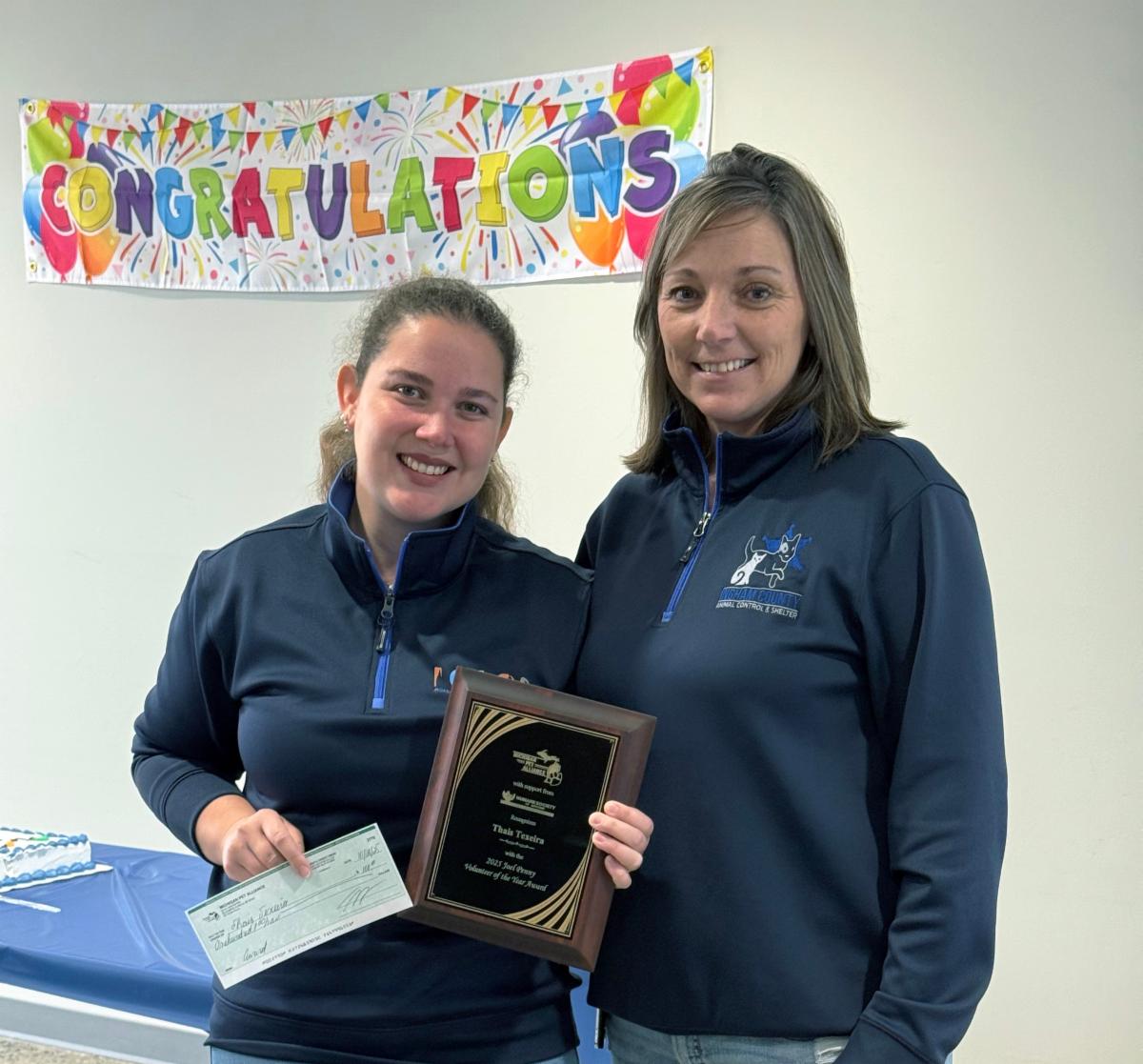
Nominated by Ingham County Animal Control as part of the 2025 Better Together Awards and Grants program, Teixeira earned the Joel Penny Volunteer of the Year Award.

"We are deeply honored to celebrate Thais as the MPA volunteer of the year," said Holly Guild, director at Ingham County Animal Control and Shelter. "It's a recognition that feels almost too small for someone who has given so much."


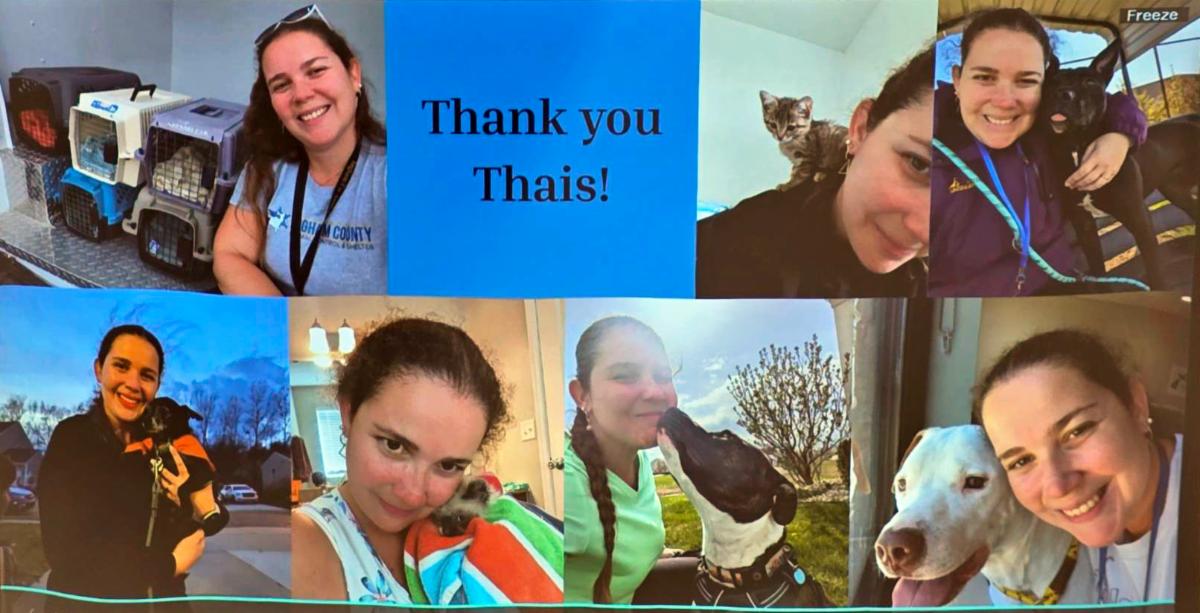
On November 15, the staff and volunteers of Ingham County Animal Control threw a surprise celebration at the shelter to honor Teixeira, complete with cake and her family in attendance. Employees shared stories about the positive impact Teixeira makes on their daily work and routines. 


Over the past year, Thais has poured an astounding 892 hours into caring for the animals of Ingham County Animal Control, supporting the team and the shelter's mission.


But numbers only tell part of her story.


Teixeira's peers and colleagues at the shelter describe her as, "the person who quietly rolls up her sleeves to do the dishes and laundry to keep our shelter running smoothly" and "she’s the one who shows up—without hesitation—to transport animals and supplies when time is tight and the need is urgent."

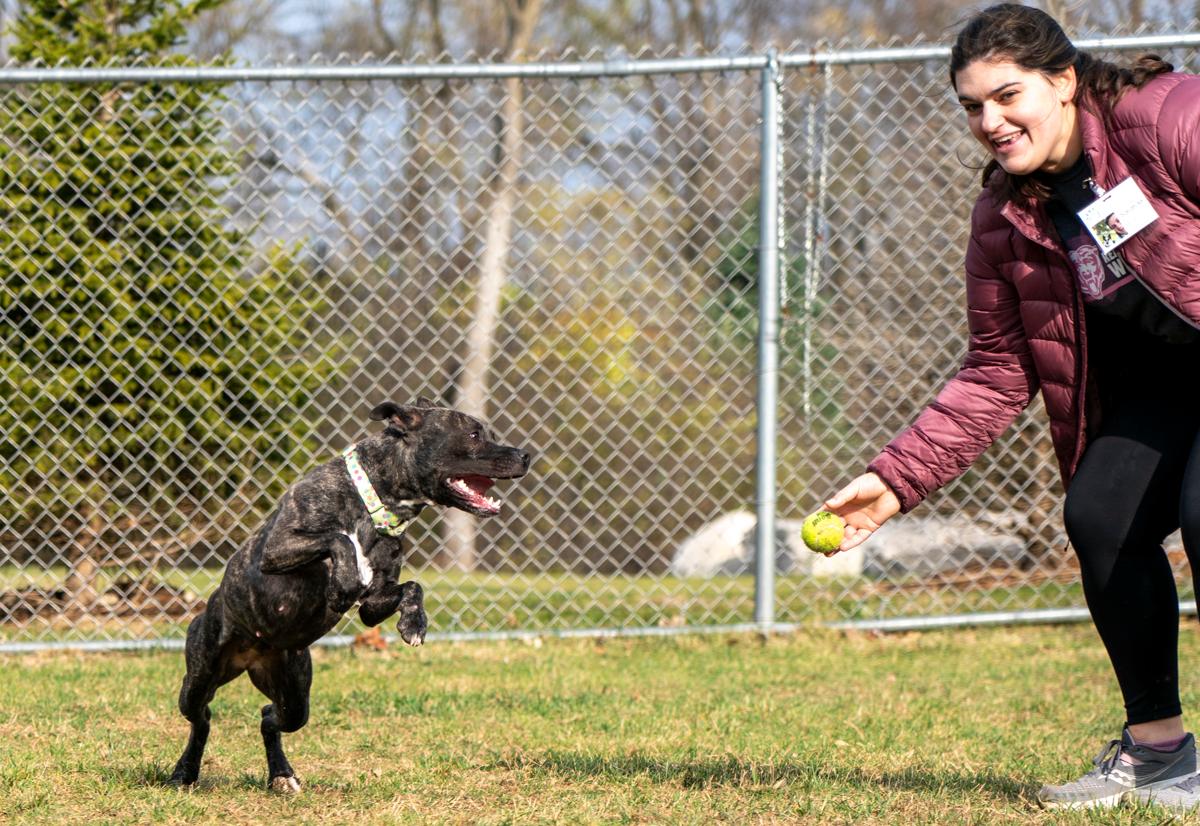
Known for giving shy and nervous dogs the chance to play, learn and feel safe again in the shelter's behavior program and playgroups, Teixeira also assists the shelter's medical team during surgeries, recovery time and cleaning.


"Wherever there is a gap, she fills it. Wherever an animal needs comfort, she gives it. Wherever our team needs support, she is already on her way," said Guild.


After all of that, she goes home and continues giving.


Over the past two years, Teixeira has fostered 38 animals. Those 38 lives were welcomed into her home with softness, patience and love. She stays up late with sick animals, soothes frightened ones, and celebrates each small milestone on their journeys toward healing and adoption. Her home is a sanctuary for those who need it most.


She hasn’t done it alone. Teixeira is surrounded by a supportive family, including a husband whose heart is every bit as big as hers, and who (quite understandably) wants to keep every single foster pet. Together, they care for each animal as if it were their own, then lovingly let them go, so the next one can be helped.


"Thais represents the very best of what it means to be a volunteer," added Guild. "She is compassion in action. She is kindness made visible. She is hope for every animal that crosses her path.


"Our shelter is better because of her. Our animals are happier because of her. And all of us are inspired because of her.


"To Thais, thank you. Thank you for the late nights, the early mornings, the heavy lifting, the gentle touches, the medicated baths, the laughter, the tears, and the countless moments no one ever sees but which all of us feel," said Guild. "Thank you for giving so much of yourself to our mission. Your heart changes everything, and we are endlessly grateful."


Michigan Pet Alliance is honored to award such a compassionate, dedicated volunteer with the Joel Penny Volunteer of the Year Award. Thank you to all of the organizations who nominated volunteers for this year's award. MPA looks forward to your nominations this spring for the 2026 Better Together Awards and Grants program.


Michigan Pet Alliance welcomes our newest members. Thank you for joining us. With One Voice, we accomplish more.


  • Julie Blood-Kruger, Macomb County Animal Control
  • Gloria Cipriano, Macomb County Animal Control
  • Brian Clor, Humane Society of Macomb
  • Casey Cole, Michigan Anti-Cruelty Society
  • Marian Donovan, Macomb County Animal Control
  • Makaila Durham, Ingham County Animal Control and Shelter
  • Sasha East, Michigan Anti-Cruelty Society
  • Jason Erdman, Michigan Anti-Cruelty Society
  • Taylor Ferry, I Heart Dogs Rescue
  • Jessica Forrest, Al-Van Humane Society
  • AJ Hammond, Al-Van Humane Society
  • Carla Jeske, I Heart Dogs Rescue
  • Christine Knight, Romulus Animal Shelter
  • Danna Pardis, Macomb County Animal Control
  • Karen Rutkowski, Just Cats
  • Donna Schiele, HSOM, MARL, MCAC
  • Heather Witt, I Heart Dogs Rescue
  • Sam Wolbert


Encourage your partners and network to join MPA and become a member. Share the benefits of membership in Michigan Pet Alliance.


Michigan Pet Alliance

MPA Vision:

To achieve the best quality of life for Michigan’s companion animals. 


MPA Mission:

To work in collaboration and speak with a single voice to eliminate abuse and neglect of Michigan’s companion animals and to save all healthy and treatable homeless companion animals through training, technical assistance, education, and advocacy.


313-731-2244

info@michiganpet.org

 michiganpet.org 


Michigan Pet Alliance is a 501(c)3 charitable organization as defined by the IRS

(EIN 20-0399162) and is a GuideStar Exchange Platinum Participant.

Guidestar Platinum

Contributions are tax deductible.


Connect with us

Facebook  LinkedIn  YouTube  Web  Instagram