|
In this issue:
- Chair's Note
- April Member Spotlight
- Apply Now: 2023 Grants & Training Awards
- 2023 One Voice Conference & Expo
- Welcome New Members
- Reminder: Member Benefits
- Member Events in May
| |
|
Look with fresh eyes. Shelters use the MPA Listserv to communicate about a number of items they may need or want help with from their fellow Michigan shelter directors.
Often, it is a request to transfer special-needs dogs or to help animals due to shelter capacity. A recent Listserv post caught my eye with a plea for help to transfer “just one” … if another shelter could take “just one.”
The shelter that sent the plea to take “just one” is a larger shelter in a community that is considered “well off.” Knowing the struggles of so many shelters at this time, I wondered if there was something they could do differently to help themselves.
So, I took a look at the shelter’s website and their adoptable pet listings on Petfinder. I was struck by the basic fixes they could make to help themselves. I must admit that when it comes to getting animals out the door, I hear a loud, clear voice in my head … REMOVE THE BARRIERS TO LIVE OUTCOMES.
Barrier 1: The shelter’s website lists the hours when the public can adopt, Monday through Friday from 10 a.m. to 5 p.m. Not available one single evening. Not available at all on the weekends. The majority of us work during those hours. This means most potential adopters would have to take time off from work to possibly adopt a pet. Huge Barrier.
Barrier 2: To make matters worse, in order to meet or look at animals, you must make an appointment. WHAT? I completely understand requiring an appointment to surrender an animal, so that proper space is available, but to require an appointment to visit a pet for adoption, when space is crucial and time is limited, serves no purpose other than to create a barrier to adoption. During the height of the pandemic, precautions like this made sense, but we are well past restrictions to that degree. Another Huge Barrier.
Barrier 3: Breed labels. There were two dogs listed on the site next to each other. They looked nearly identical, but one was labeled as a boxer mix and the other was labeled as a pit bull terrier mix. Now, I know a little bit about this. I was told that I adopted a flat-coated retriever mix and later, for fun, I DNA tested my mutt only to discover that she doesn’t have one ounce of flat-coated retriever DNA in her.
If you don’t know, don't guess. Mislabeling a dog breed can be detrimental to the dog’s health and safety. Petfinder and other platforms allow organizations to choose the label “mixed breed.” Use that option if you don’t know. Plus, we want to educate adopters to choose a pet based on personality, behavior and expectations, not an inaccurate breed label, which is usually just a guess.
Barrier 4: Posting poor quality photos – cats plastered against the back of the cage, their eyes the size of silver dollars, and dogs that are a blur across the screen or cowering with their backs to the camera. Put yourself in the shoes of the adopter, scanning through hundreds and hundreds of photos of dogs and cats for adoption. Which one catches the eye? Which photo is so alluring that the overwhelmed scanner stops and clicks to learn more?
Barrier 5: No personality. Publishing only the animal’s sex, weight and age isn’t enough. Your job is to match animals with people. People need to know who that animal is, as much as you possibly know. And it doesn’t take a ton of time to learn a little something, like these descriptions:
- “Her tail wags her body every time she sees her favorite volunteers”
- "He starts to purr the moment we open his kennel door”
- “She loves belly rubs”
- “He melts to the floor and flops at your feet for attention”
- “She’s energetic and active, ready for a walk every time she sees the leash”
- “She is a quick learner and very food motivated – she learned ‘sit’ in just one day”
- “He like puzzle games and using his nose to find treats”
Pet profiles should be updated regularly, anytime you learn something new that could help that pet find a home. Employ a system to gather these details and notes from the staff and volunteers who interact with these animals. If you need fresh ideas, register to attend this year’s One Voice Conference & Expo.
These barriers jump out to me because I am looking with fresh eyes. Often, in animal welfare, we are so busy that we don’t stop to question why or how we are doing something. But we should. We should stop, then take a look with fresh eyes. Maybe there are things we can do differently, better. I wonder how many of those shelter animals would be in loving homes now if the shelter removed these barriers.
| | |
|
|
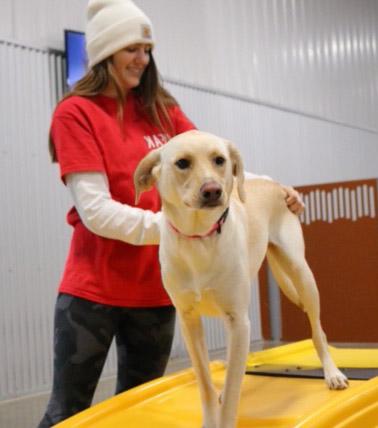
Growing up in Fremont, Michigan, Alicia Offringa was always surrounded by dogs, cats and the occasional lizard. As the owner of Camp Bow Wow Hudsonville, she’s still surrounded, but just by dogs.
“My goal was to work in a zoo,” Alicia said. “While I was studying for a biology degree at Grand Valley State and working for the Humane Society of West Michigan, a family friend offered me the opportunity to be the manager of the new Camp Bow Wow Hudsonville. I started work there on the very day it opened 16 years ago.”
| |
|
Thirteen-and-a-half years later, she bought the business.
Camp Bow Wow is a franchise with more than 200 locations nationwide, including 10 in Michigan. Its certified camp counselors are trained in first aid, pet CPR and behavioral issues.
The Hudsonville Camp offers doggie day care, boarding, grooming, and even occasionally fosters dogs for partners, such as the Humane Society of West Michigan or Lake Haven Rescue, when they have a dog who could benefit from the Camp Bow Wow environment.
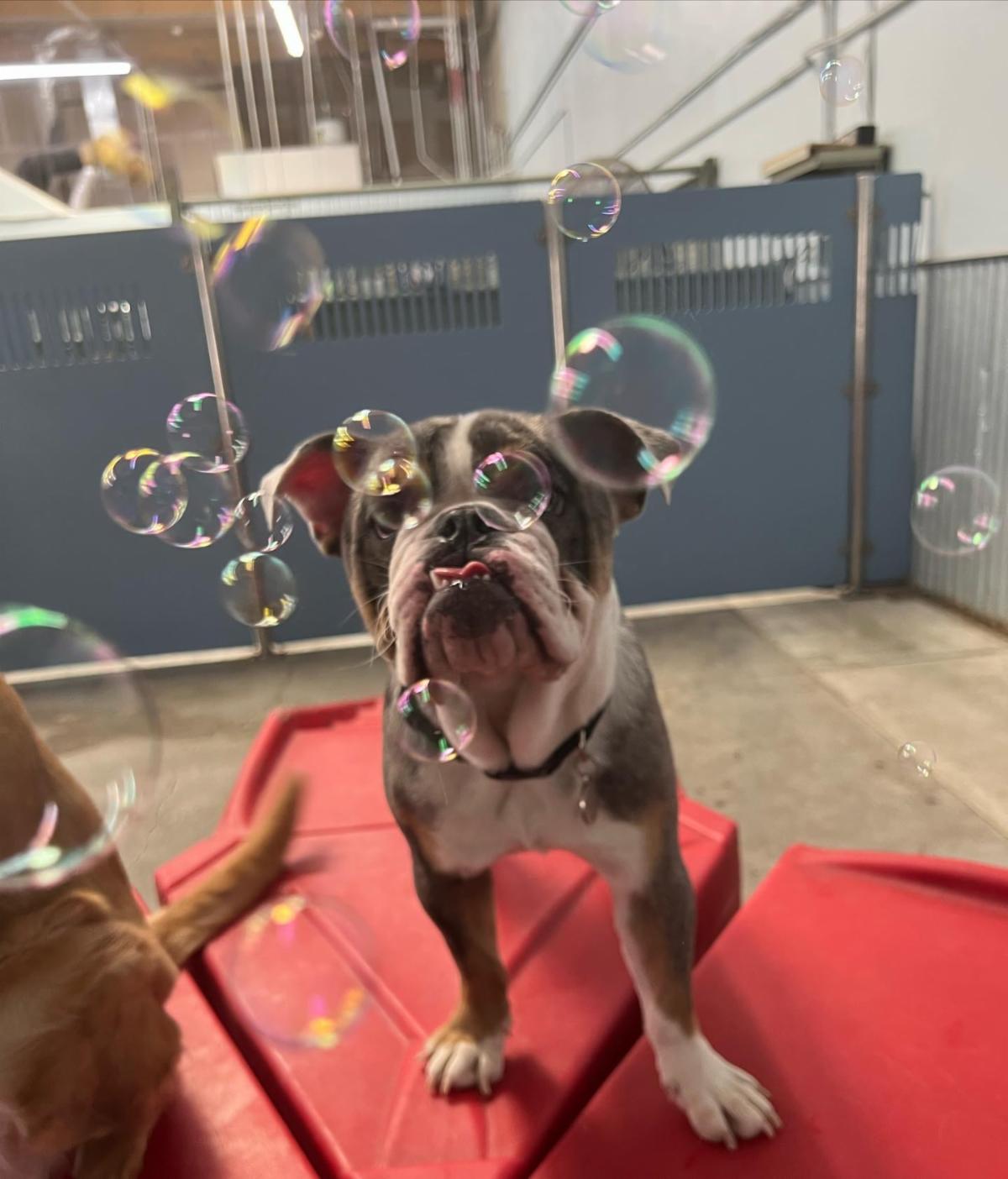
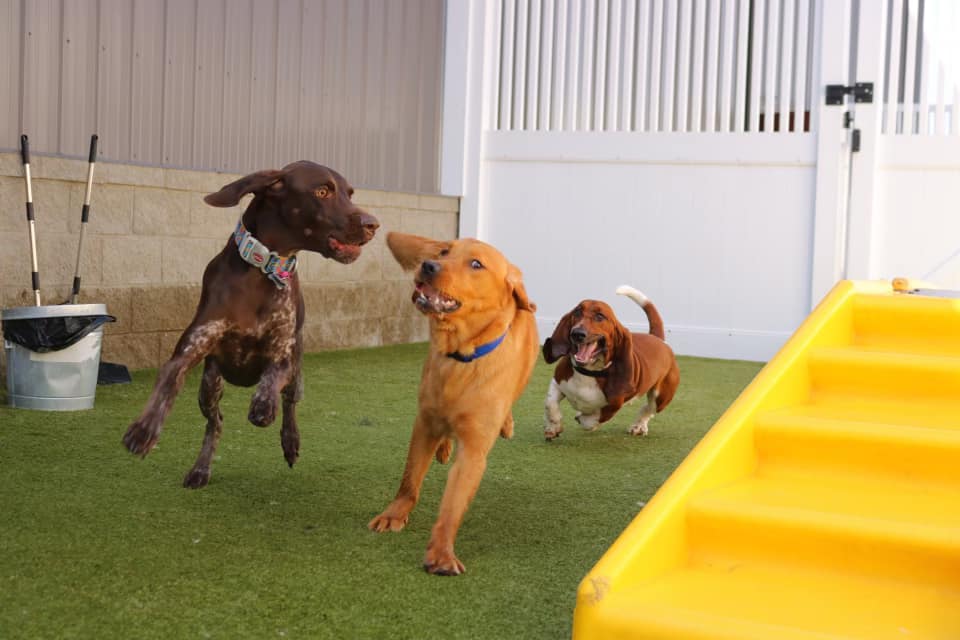
At Camp Bow Wow Hudsonville, dogs play in groups and are never stuck in a kennel. Dogs also receive enrichment activities, such as digging through a tub full of balls, eating snow and chasing bubbles.
| |
|
Alicia is proud that Camp Bow Wow Hudsonville participates in the Bow Wow Buddies Foundation, a nonprofit dedicated to providing grants to help sick and injured dogs receive urgent medical care. The foundation has raised more than $900,000 and helped more than 800 dogs.
To support its balance sheet, Camp Bow Wow Hudsonville hosts small fundraising events, such as Picture Days, at special times of the year. All money raised goes to the Bow Wow Buddies Foundation.
“My staff is really passionate about what we do,” Alicia said. “We really love all the dogs.” She herself lives with two dogs, three cats, a ball python and a very brave little chinchilla.
Camp Bow Wow Hudsonville joined Michigan Pet Alliance as a corporate member a year ago and just renewed its membership.
Alicia met Michigan Pet Alliance board member Namiko Ota-Noveskey when they both worked for the Humane Society of West Michigan. Namiko, now program supervisor for Kent County Animal Shelter, reached out to tell Alicia about the benefits offered to corporate members of Michigan Pet Alliance.
“Alicia is very compassionate about animals,” Namiko said. “She accommodates to the best of her ability to ensure that each dog enjoys their stay at Camp Bow Wow.”
Alicia hopes to attend the 2023 One Voice: Michigan Pet Alliance Conference & Expo in Grand Rapids, September 21 and 22.
| |
|
Michigan Pet Alliance invites you to apply for a 2023 grant award … or get crazy and apply for all of them! Just please apply for them one at a time.
This year’s theme is Better Together. In the animal welfare field, we accomplish more when we work together. Collaboration saves more lives and leads to new ideas and innovation.
We want to hear about your successful partnerships, and we want to reward you for them.
Apply online by May 22, 2023. Additional details are available on the application.
The 2023 Better Together Awards and Grants program recognizes those who can demonstrate their ability to accomplish more and how their programs and operations are Better Together in the following categories:
Better Together Community Outreach Award ($3,000 grant)
Organizations that truly embody Michigan Pet Alliance’s mission to work in collaboration with a single voice to better the lives of companion animals within their community are eligible for the Better Together Community Outreach Award. Organizations should demonstrate how they work together to provide services to pet owners that need assistance for the proper care of their animals and how their success has been made possible through a collaborative effort.
Better Together Creative Programs Award ($2,000 grant)
Organizations that focus on new, innovative ideas to improve animal care, living conditions and quality of life for animals are eligible for the Better Together Creative Programs Award. Organizations should demonstrate the ability to assist, educate and advocate for the animals they serve and the people who love them. These organizations demonstrate passion and innovation in their programming, encouraging diversity and inclusion in their target audiences, and quality in all they do.
Better Together Fundraising Award ($2,000 grant)
Organizations that are revolutionizing the idea of collaborative fundraising, setting a standard for other organizations and providing aid to Michigan’s pets as a result are eligible for the Better Together Fundraising Award. Organizations should demonstrate collaborative efforts with those in their own community without boundaries, judgment or discrimination in their fundraising projects.
On-site Cat Training Grant ($1,000 value)
Do you feel your staff and volunteers have a good handle on dog care, training and enrichment in your shelter, but the cats have been slightly left behind? This is your opportunity to earn an in-person or virtual, hands-on training opportunity to benefit the felines in your care. Tell us about your current cat training and behavior program, how many cats you serve annually, why you need this training and what goals you currently have to improve your cat program. Students will be certified as a feline humane caregiver.
On-site Dog Training Grant ($1,000 value)
To keep the dogs in your care mentally healthy and happy, caregivers must be able to recognize when a dog is suffering from stress and anxiety and know how to minimize it and prevent it. Tell us about your current dog training and behavior program, how many dogs you serve annually, why you need this training and what goals you currently have to improve your dog program. Students will be certified as a canine humane caregiver.
Scentwork in a Shelter or Foster Home ($400 value)
Unfamiliar environments, like an animal shelter or foster home, can be overwhelming, which can exacerbate an already anxious dog and bring out undesirable behaviors. Tell us about your current dog training and enrichment program, how many dogs you serve annually, why you need this training and what goals you currently have to improve your dog enrichment program.
Karen Brocklehurst Volunteer of the Year Award
Nominate an individual who gives selflessly of their time volunteering in various aspects of animal welfare and who takes every opportunity to learn and know more. The award recipient will receive a $100 gift card and plaque. The nominee must be a current MPA member.
Eligibility
To be considered for the grant and training awards, organizations must meet one of the following criteria:
- Animal shelters must be licensed with MDARD
- Home-based rescue and community outreach organizations must be based in Michigan, designated 501(c)3 nonprofits and registered with the Michigan Attorney General’s Charitable Trust Section
| |
|
Early Bird registration is now open for the 2023 One Voice Michigan Pet Alliance Conference & Expo. MPA members can take advantage of discounted registration fees, scholarships and volunteer opportunities.
Members are eligible to receive a scholarship to reduce the two-day conference registration fee, including lunch during the general sessions, to just $50. MPA is offering up to 10 scholarships, which will be based upon financial hardship and are being offered on a first-come, first-approved basis to MPA members.
MPA members can also apply to volunteer at the conference in exchange for free registration.
If you’ll be in town Wednesday, Sept. 20, check in at the Sheraton ballroom foyer between 4-7 p.m. to pick-up your name badge and conference bag, and take a shelter tour:
- Humane Society of West Michigan, 1-2 p.m., 3-4 p.m., 5-6 p.m.
- Kent County Animal Shelter, 4-5 p.m. or 5:30-6:30 p.m.
Additional shelter tours are available Thursday and Friday evenings. Check out the full schedule for specific times and details. Registration is required.
| |
|
Better Together
The theme of this year’s in-person conference is Better Together. We’re supporting that theme by assembling leaders and visionaries to share the latest research and best practices in animal welfare.
Breakout tracks include:
- People Power!
- Pet Health & Wellness
- Best Practices for Shelters & Rescues
- Community & Communication
Keynote Speakers
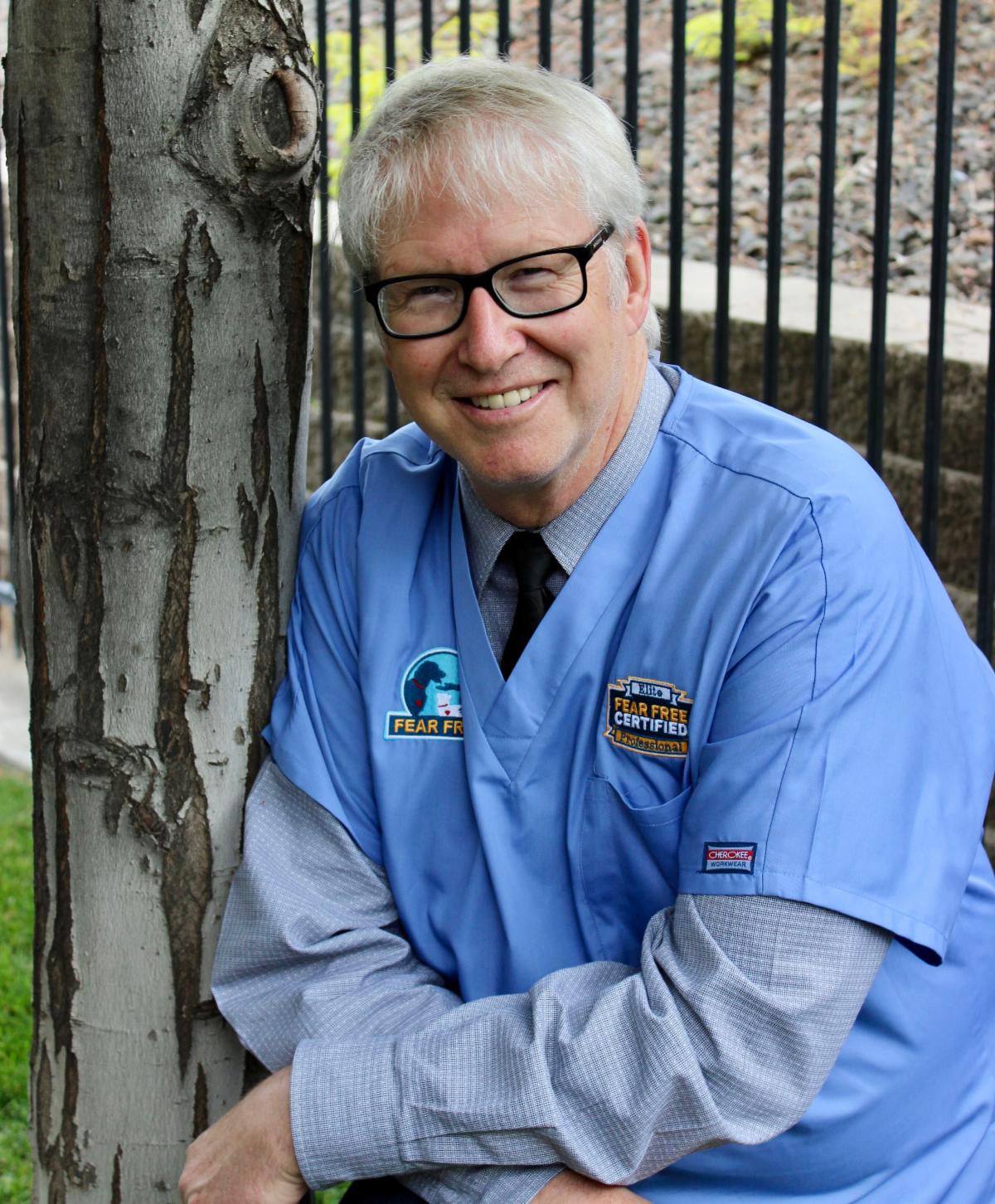
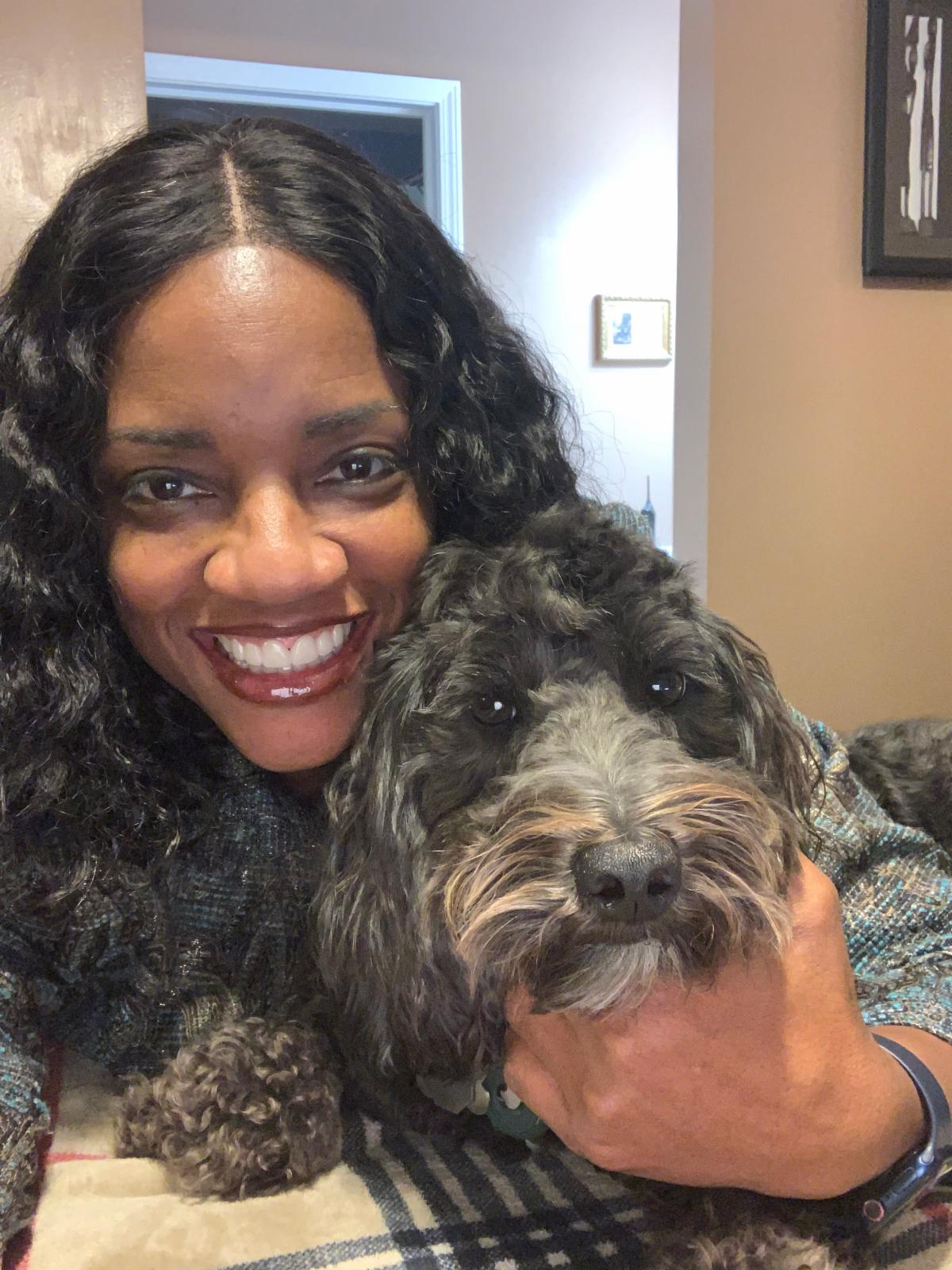
We're excited to announce two keynote speakers at this year's conference: Dr. Marty Becker, founder of Fear Free®, and Denise Evans, MM, MA, diversity, equity and inclusion expert and founder of Consult Me, LLC.
| | |
|
|
Dr. Becker has spent his life working toward better health for pets and the people who love them. The resident veterinary contributor on "Good Morning America" for 17 years, he has also written 23 books. He also writes the weekly nationally syndicated newspaper feature, Pet Connection, with his writing partner Kim Campbell Thornton.
Dr. Becker is an adjunct professor at his alma mater, Washington State University College of Veterinary Medicine, as well as at the Colleges of Veterinary Medicine at both Colorado State University and the University of Missouri.
| |
|
Keynote: Take the Fear Out of Sheltering, Meet Their Emotional Needs
Fear Free works to prevent and alleviate fear, anxiety and stress in pets by inspiring and educating the people who care for them, including veterinary and other pet professionals, pet parents, and the staff and volunteers of animal shelters and rescues.
Learn all about the Fear Free Shelter Program and the emotional needs of the animals in your care. Apply key strategies and techniques designed to reduce the negative emotional states that are commonly experienced by shelter and rescue animals, including fear, anxiety, stress (FAS) and frustration, and to increase their enrichment opportunities. The Fear Free Shelter Program provides training suitable for all individuals involved in the care and oversight of shelter and rescue animals, from medical and behavioral staff, intake, reception, kennel and cattery staff, to animal control officers, adoption counselors, foster caregivers and shelter volunteers.
| | |
|
Denise Evans is an experienced professional with a history of working in the nonprofit sector on issues of equity, disparities, social justice, cultural intelligence and implicit bias. She's a skilled trainer and facilitator of difficult conversations about equity, justice, anti-oppression, anti-racism, eliminating structural, systemic racism; and health, educational, housing, and other economic disparities. For the past 20 years, she's worked diligently to bring community organizers together to disrupt systems of oppression and to build a more equitable future for those living in our nation’s most vulnerable communities. | |
|
Keynote: Implicit Bias: It's Not Just a People Thing!
Implicit and unconscious biases are not the same as conscious and overt discrimination. Research suggests that our biases may contribute to disparities in everything from birth outcomes and overall health to education and the penal system by shaping our behaviors and producing differences in treatment and the treatment options offered along the lines of religion, race, ethnicity, gender, species, breed, color, zip code or other cultural characteristics. Have you ever considered that your biases may even determine how you treat your colleagues, adoptive pet parents and even pets? Let's talk about how years of unconscious socialization may impact where animals are situated physically throughout the shelter, who might be deemed worthy of having certain responsibilities in your organization and who is better suited for pet adoptions. Learn and explore where implicit bias exists in your organization and in your policies. Leave with an action plan to eliminate those biases and create equity in the programs and services you provide.
Each month, we'll share more exciting news, speakers, topics and opportunities with you. Don't wait to register. We expect this year's conference to sell out.
| |
|
Susan Atwater, Lend a Paw
Judith Belknap
Pamela Bunton
Susan Carey
Allison Deters, Harbor Humane Society
Lynn Drum
Colette Eigner
Anne Enright, Capital Area Humane Society
Kenzie Giller, Capital Area Humane Society
Harbor Humane Society
Ashley Hetzner, Capital Area Humane Society
Taylor Hill
Barbara Hogan
Heather Hughesian, Kent County Animal Shelter
Chelsey Kennedy, Capital Area Humane Society
Katie Keyser, Capital Area Humane Society
| |
|
Chelsea Klomp, Harbor Humane Society
Abigail Klomparens
Wendi Lafontaine
Michelle Land
Kaitlyn Mcglaughlin
Sam Miller, Capital Area Humane Society
Jamie Morrison, Capital Area Humane Society
Penny Myers, Capital Area Humane Society
Jen Nuernberg, Harbor Humane Society
Jenny Ottney, Capital Area Humane Society
Petra Pepellashi
Nora Putnam
Sarah Rapisarda, Harbor Humane Society
Jen Self-Aulgur, Harbor Humane Society
Holly Thoms, Capital Area Humane Society
Dawn VanVolkinburg
Megan Winters, Harbor Humane Society
Jennifer Wright
| |
|
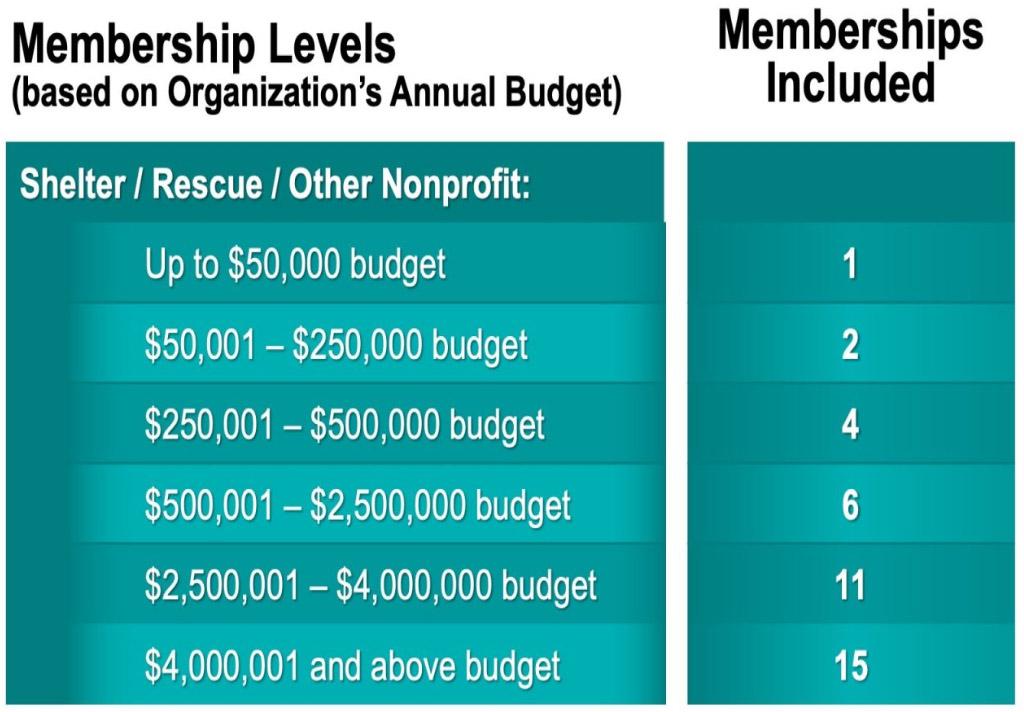
If you are a larger organization, you are entitled to include specific people under your membership umbrella/bundle. When you include those individuals, they will automatically receive the benefits of reduced-cost/free webinars, as well as access to the video library, this monthly One Voice member newsletter and important announcements.
The chart below details how many individuals are included in your organization's membership. Remember, Michigan Pet Alliance is as strong as its membership – don’t let your staff or key volunteers miss out.
| |
|
A benefit of MPA membership is that we help promote your upcoming events. Support your fellow members next month.
May 1-8: Supply Drive, UPAWS, Marquette
May 6: Spring Plant & Flower Sale, Paws for Life Rescue, Royal Oak
May 7: TNR Training, All About Animals, Warren
May 15: BINGO at the Lake Street Pub, Charlevoix Area Humane Society, Boyne City
May 17: Dog Vaccine Clinic, Ingham County Animal Control and Shelter, Mason
May 20: Golf Scramble, Adopt-A-Pet, Fenton
May 20: Pet Portrait Fundraiser, Humane Society of Bay County, Bay City
May 20: Walk and Wag 2023, Humane Society of Huron Valley, Ypsilanti
May 26: HHS Fundraiser @ Park Theatre, Harbor Humane Society, Holland
If you have an event in June that you’d like featured in next month's edition of “One Voice,” please email the details to courtney@michiganpet.org by May 12.
| |
|
Please remember to update your contact information in your online MPA account to keep receiving all membership benefits and our latest news.
Add info@michiganpet.org and membership@michiganpet.org to your contact list or address book so our communications land in your inbox, not in your junk/spam folder.
| |
About Michigan Pet Alliance | |
|
MPA Vision:
To achieve the best quality of life for Michigan’s companion animals.
MPA Mission:
To work in collaboration and speak with a single voice to eliminate abuse and neglect of Michigan’s companion animals and to save all healthy and treatable homeless companion animals through training, technical assistance, education, and advocacy.
313-731-2244
info@michiganpet.org
michiganpet.org
Michigan Pet Alliance is a 501(c)3 charitable organization as defined by the IRS
(EIN 20-0399162) and is a GuideStar Exchange Platinum Participant.
| |
Contributions are tax deductible. | | | | |