|
The Impact of an Open Access Regional Lead
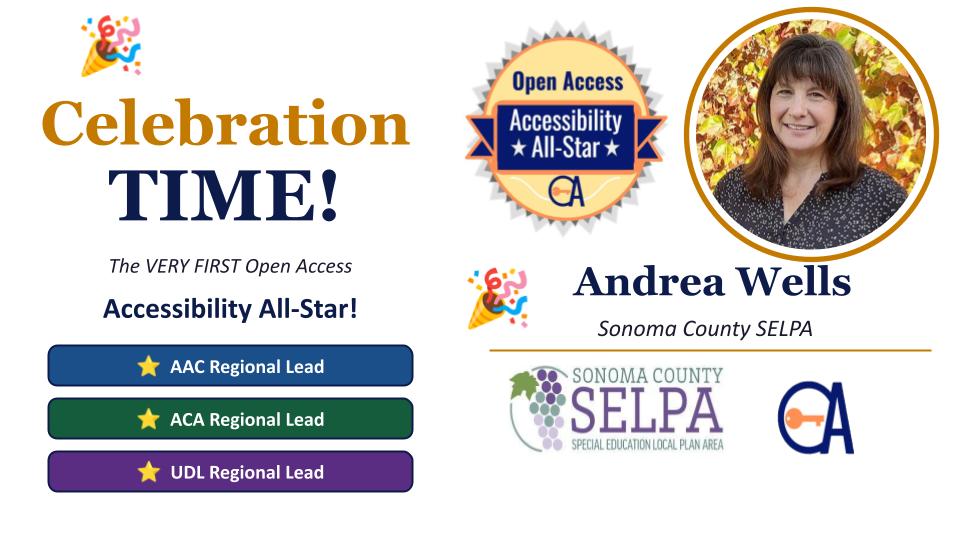
Open Access Regional Leads help turn inclusive vision into coordinated action by building partnerships, supporting implementation, and strengthening regional capacity.
Across California, meaningful systems change does not happen in isolation. It takes relationship-building, strategic thinking, and consistent support to move from ideas to implementation. That is where the role of the Open Access Regional Lead becomes so important.
Regional Leads serve as key connectors between Open Access and the field, helping bridge statewide priorities with local context and need. They work alongside educators, leaders, and partners to strengthen understanding, build coherence, and support implementation efforts that increase access and outcomes for all learners.
At the heart of this role is a commitment to collaboration. Regional Leads help bring people together across districts, counties, SELPAs, and initiatives so that efforts are not happening in silos, but as part of a more aligned and responsive system. Through coaching, facilitation, planning, and partnership, they help ensure that support is not only available, but meaningful, relevant, and sustainable.
The impact of a Regional Lead can often be seen in the momentum they help create. They elevate promising practices, support local teams in identifying next steps, and help transform broad goals into actionable work. Whether facilitating conversations, coordinating trainings, or helping teams reflect on progress, Regional Leads play an essential role in moving inclusive practices forward.
More than anything, the Regional Lead role reflects the Open Access mission in action: building capacity, strengthening systems, and expanding access so that all students can thrive. Their leadership helps make statewide support feel personal, connected, and possible.
Connect, Learn, and Take the Next Step
Visit the Open Access Regional Teams webpage to learn more about Regional Leads in your area. If you’re interested in stepping into this role or exploring opportunities to get involved, contact Laurie Balsano Wright or Leah Padilla.
|