|
Sample Letter
Below is a letter you can copy and send to BLM. If you add your own thoughts, it will be more effective. Tell BLM to select a Conservation Alternative over approving the Copper Rays Solar Project. Comments are due on December 17th, 2024.
The BLM prefers that you send the comments electronically from the BLM eplanning page here. To make sure comments are received, also copy and send to BLM_NV_SND_EnergyProjects@blm.gov. Comments can also be mailed to: BLM Pahrump Field Office
Attn: Copper Rays Solar Project
4701 N. Torrey Pines Drive
Las Vegas, NV, 89130
"Dear BLM,
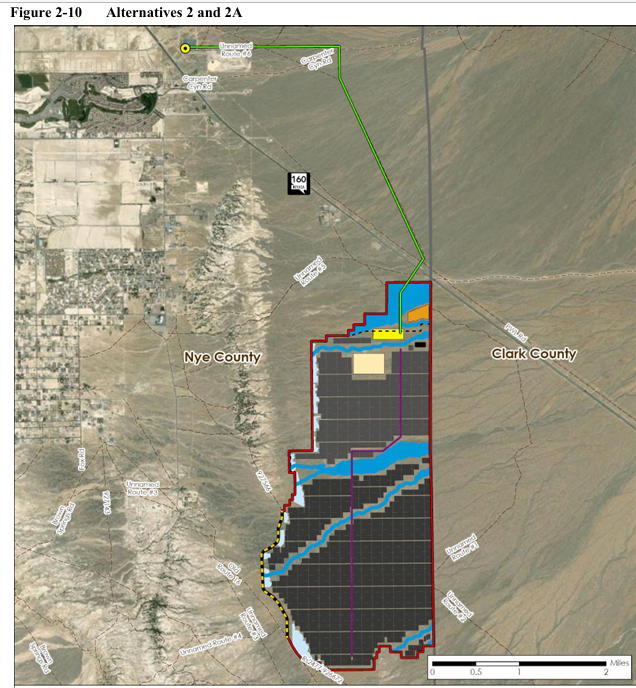
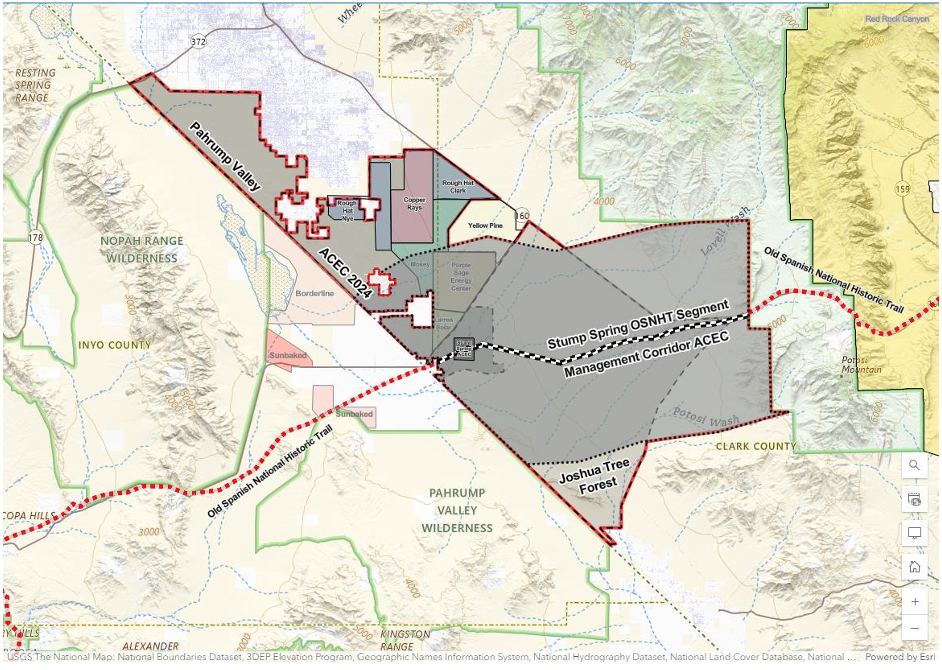
The Copper Rays Solar Project should be rejected and the BLM should designate the 144,714 acre South Pahrump Valley-Old Spanish Trail Area of Critical Environmental Concern (ACEC) as an alternative to approving the solar project. In spite of several requests from the public, the BLM failed to consider this as an alternative in the Environmental Impact Statement for the project. This can be done in two ways. The first way would be to designate the ACEC through the Plan Amendment for the Las Vegas Resource Management Plan being reviewed for the Copper Rays Solar Project.
The second way is to pause the review of the Copper Rays Solar Project and review the proposed ACEC through a new plan amendment and National Environmental Policy Act review with its own Environmental Impact Statement.
The Copper Rays Solar Project is one of 5 more solar projects proposed for the South Pahrump Valley spanning nearly 19,000 acres and these developments will industrialize the region, and the power would be exported to California.
The Copper Rays Solar Project would have the following impacts:
The Project would need 1,750 acre feet of water for construction and 8 acre feet per year for operation. The developer seeks to use an onsite well. This would potentially draw down the aquifer and kill mesquite on the project site. It could also impact local wells in the region of South Pahrump. All of the solar projects in the area could end up needing over 4,500 acre feet of water. The basin is overdrafted and this is not sustainable.
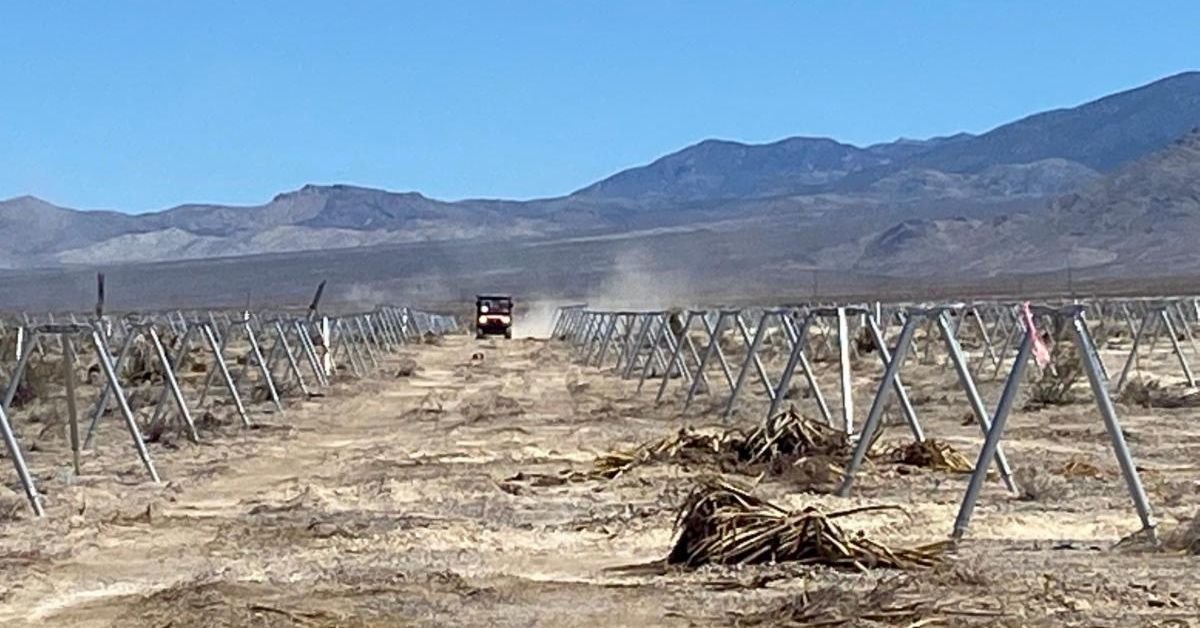
Project construction will create fugitive dust by removing desert pavments, biological soil crusts and disturbing clay-based soils. This can result in health impacts to local people.
Grading and site disturbance will cause invasive weeds to move in. This is a fire hazard and will need to be controlled with toxic herbicides. The nearby Yellow Pine Solar Project had a recent invasive weed outbreak and sprayed herbicides on a significant part of the project site. These herbicides can enter the watershed.
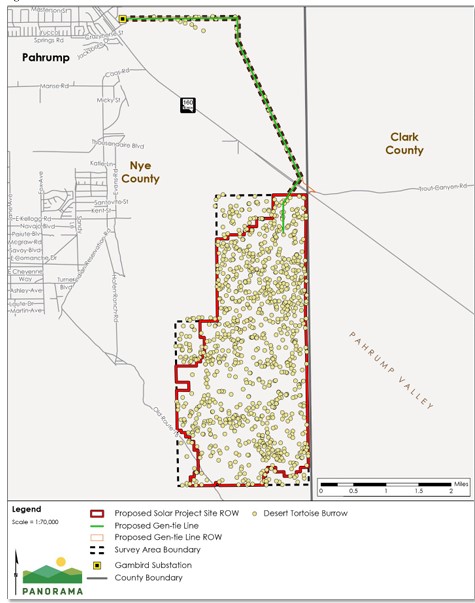
The project will remove a significant number of threatened desert tortoises from the site and the ones that are missed could be killed during construction. The species is seeing a range-wide decline of nearly 40 percent in the last two decades. Desert tortoises should not be disturbed in the Pahrump Valley.
The site has habitat for rare plants like the Pahrump buckwheat which grows on the alkali soils on the project site.
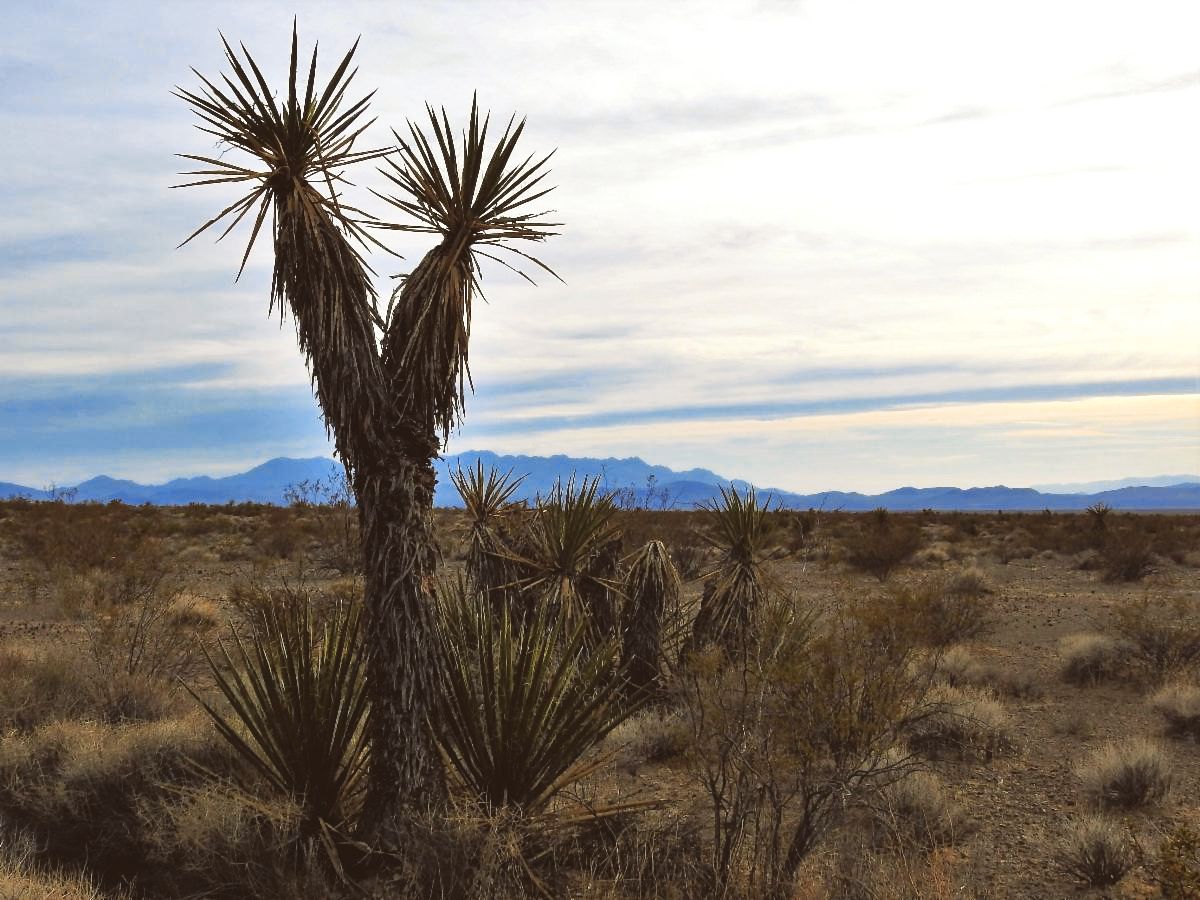
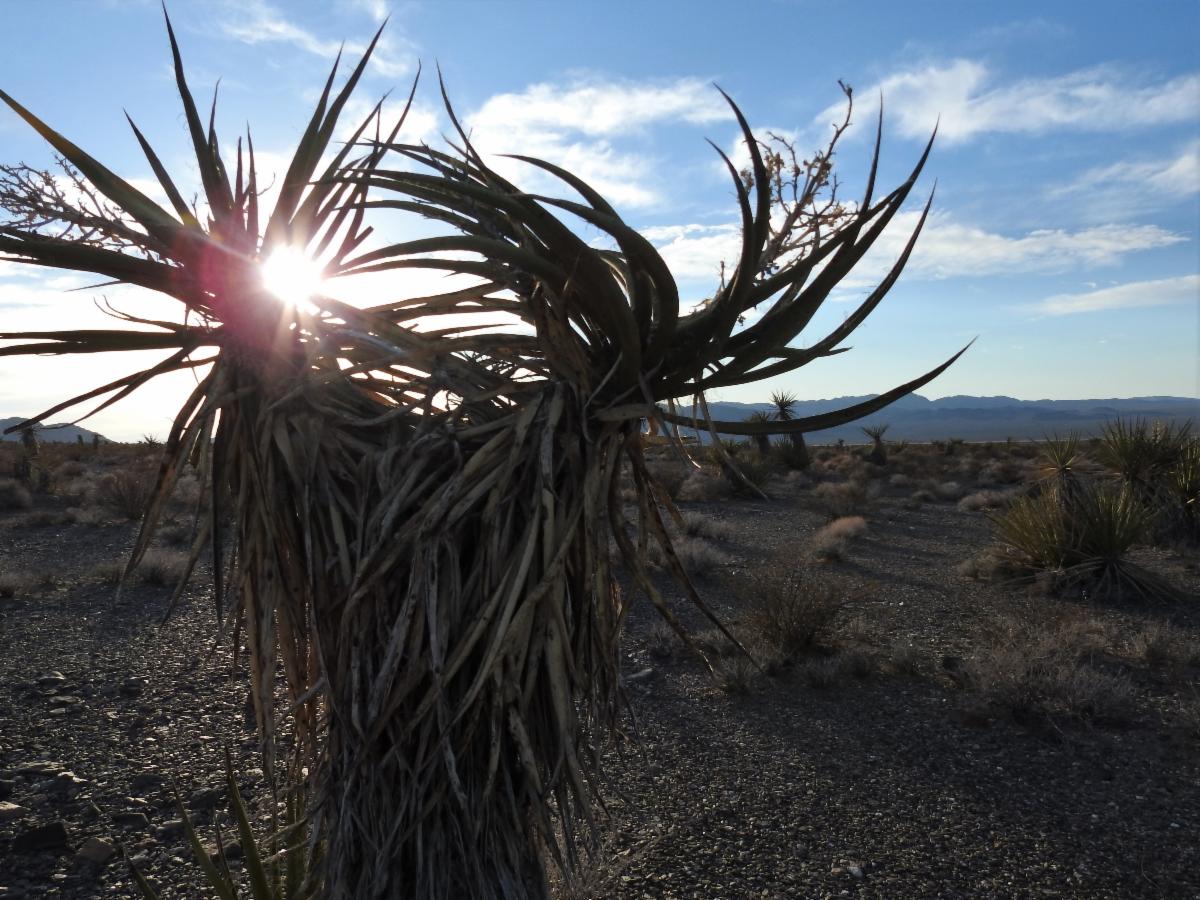
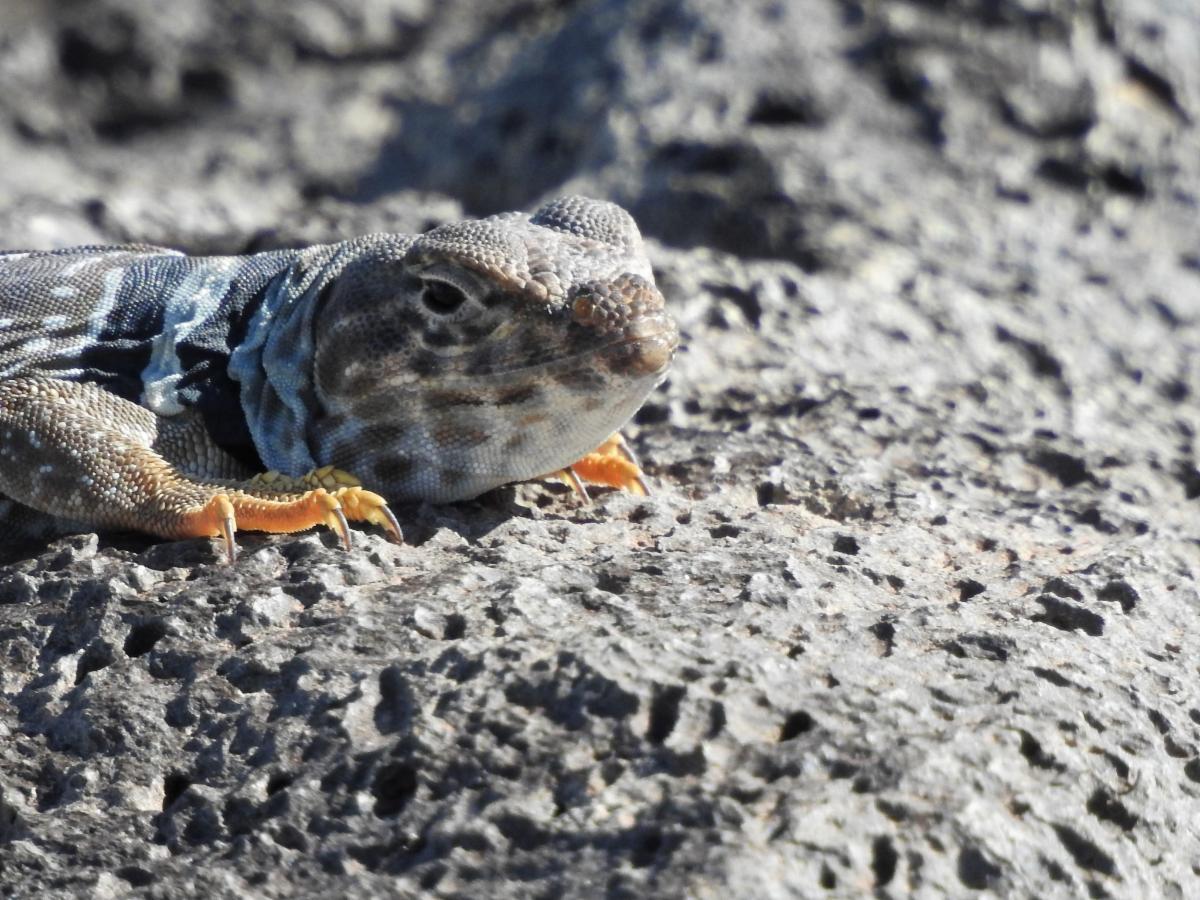
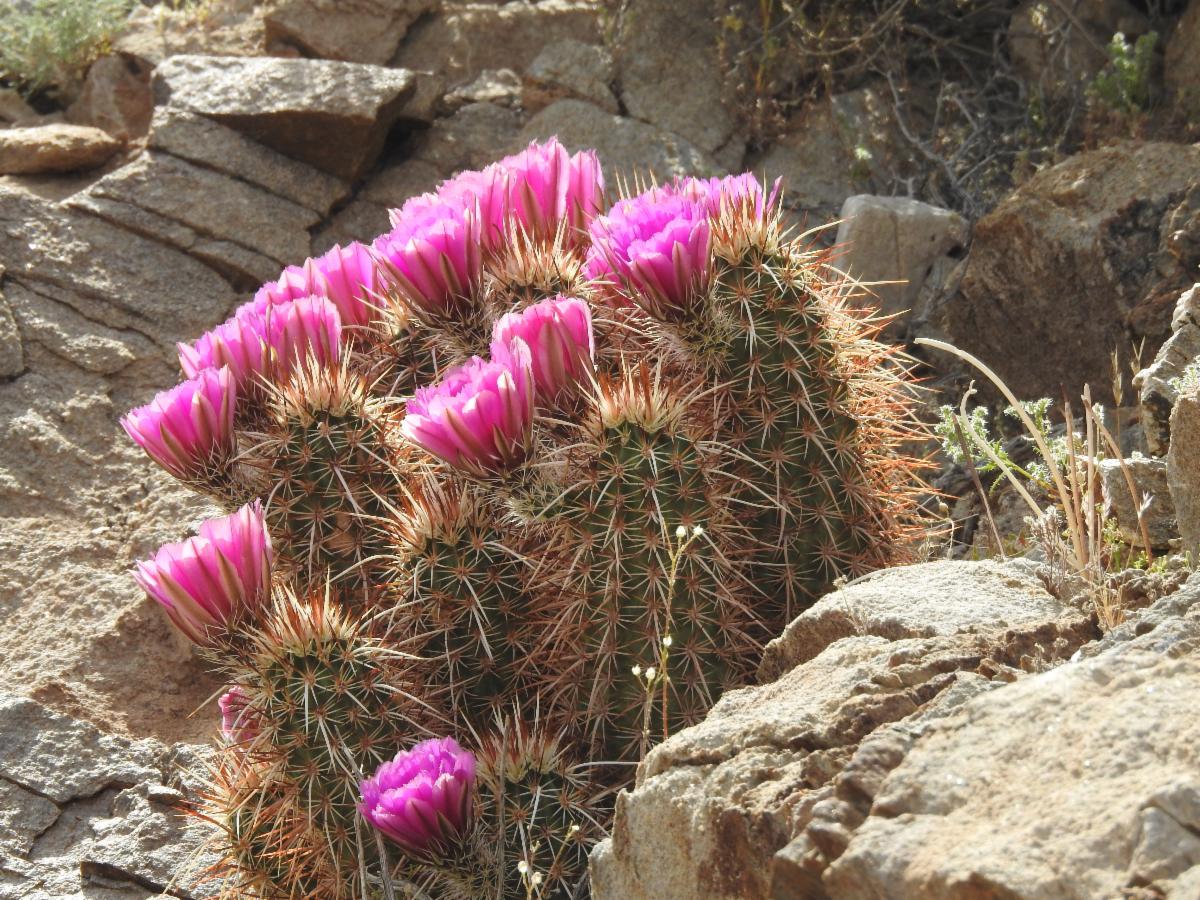
The project and associated construction will impact, crush and kill millions of living organisms. These include kangaroo rats, horned lizards, kit foxes, Mojave yuccas, pencil chollas, burrowing owls, leopard lizards, tarantulas, roadrunners, Joshua trees - the list is gigantic.
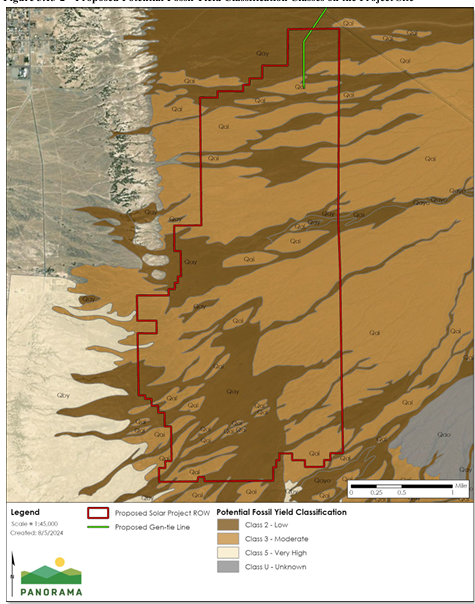
Fifty percent of the project site could contain significant Ice Age fossils. Fossils have been found near the site on identical soil types. These include mammoth, small mammals, camels and others. The BLM has not required a paleontological survey for the Copper Rays site but should do so.
The project will use lithium battery banks which can burn in a thermal runaway fire. It will take a large quantity of water to control these fires, and the fires will create toxic fumes.
The project site contains valuable mesquite woodlands which are rare and provide habitat and food for many species.
The project will cut off public access to nearly 7 square miles of public land.
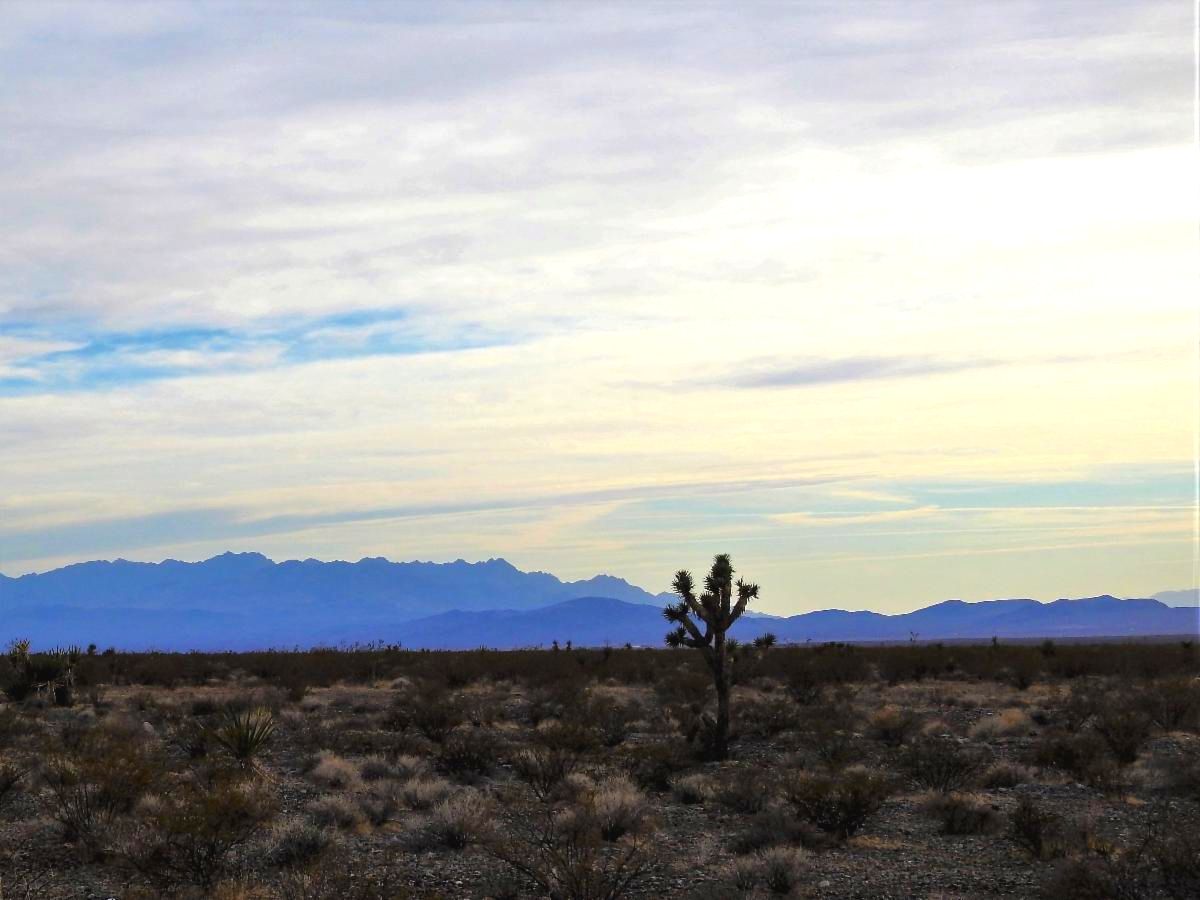
The project will have irreversible visual impacts and will be visible from the community of Pahrump, wilderness areas in Nevada and California, Highway 160 and public lands throughout the region. This project and the other nearby proposals will lower the property values of nearby residents."
Thank you,
(your name and information here)
|