The past year has given us countless opportunities to reflect on how systemic racism influences both our personal and professional lives and the lives of those around us. These aren't easy conversations, but they are critical if we want to move forward as humans and nonprofit leaders working on behalf of both animals and their people.
In this edition of Director's Corner, we share perspectives on diversity, equity, inclusion, and the field of animal welfare. We'd love to hear your perspective. Please share your thoughts and experiences on our grantee Facebook page.
Thanks for all you do to make life better for senior dogs. The more we can learn from one another, the more senior dogs we will help.
Sincerely,
|
|
Lisa Lunghofer, PhD
Executive Director
|
|
"The Good Work of Rescue" |
|
As we think about diversity, equity, and inclusion in the context of animal welfare, I was very much struck by this essay. Examining--or just naming--our implicit bias is a necessary (though surely not sufficient) step toward ensuring our work truly is "good." I encourage everyone to take the time to read the article. I was particularly struck by this:
"More BIPOC (Black, Indigenous, People of Color) engagement looks good and feels good to certain swathes of people. In and of itself, however, it fixes exactly nothing. In fact, it very reliably causes harm. It’s hard to accept that well-intentioned people working hard to make the world better (“we are saving dogs!”) actually CAUSE HARM, but they do. We do. We do it even when we think we are fixing harm, by trying to “include” before we address the workplace culture we are “diversifying,” before we assess the cultural competency of existing staff/volunteers, before we appreciate how true equity differs from optical diversity."
|
|
|
Increasing diversity among veterinarians |
|
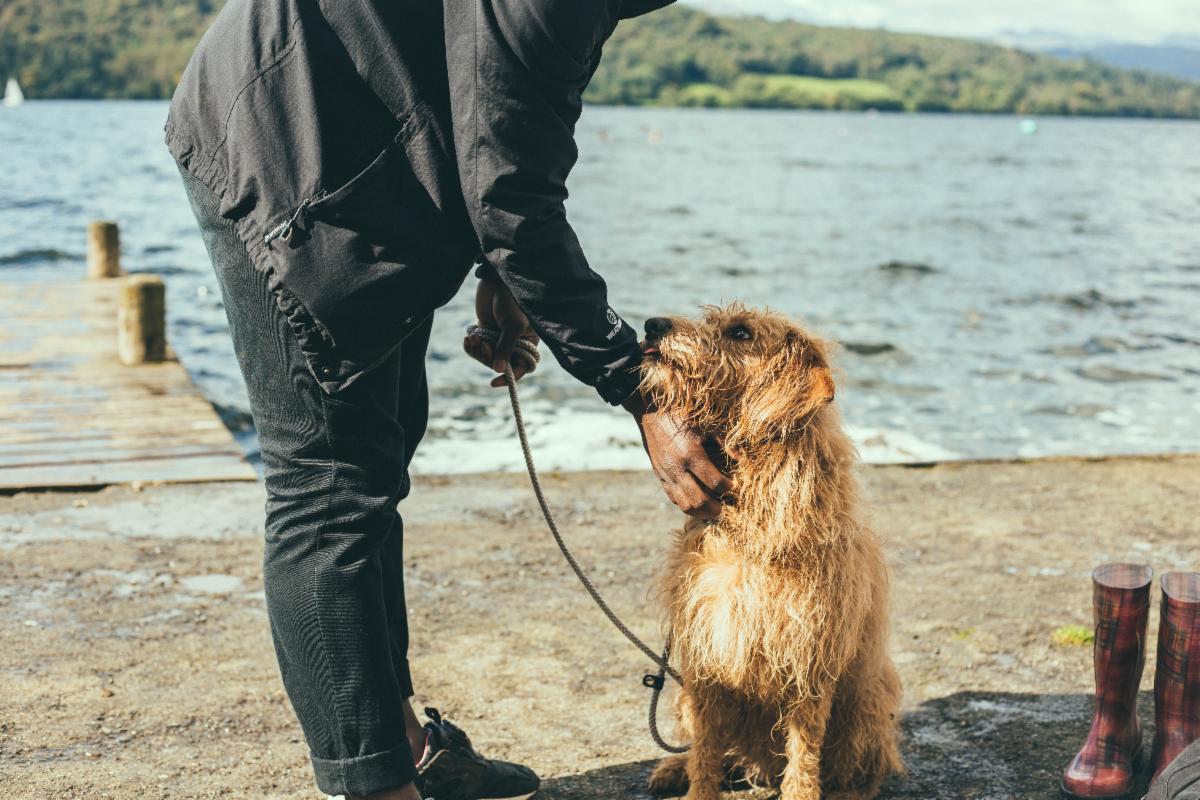
Pet owners are diverse, but veterinarians are overwhelmingly white. Nearly 90% of the more than 104,000 veterinarians in the nation are white, while less than 2% are Hispanic and almost none are Black, according to 2019 Bureau of Labor Statistics data. From lack of children's exposure to Black veterinarians at an early age to requirements around unpaid clinical experience to the cost of vet school, the barriers to entering the profession are myriad. And what role does the veterinary industry play in promoting (or thwarting) a more diverse workforce?
As the demographics of pet parents are changing rapidly, Annie J. Daniel, who founded the nonprofit National Association for Black Veterinarians (NABV), says we have to do more--and the time is now.
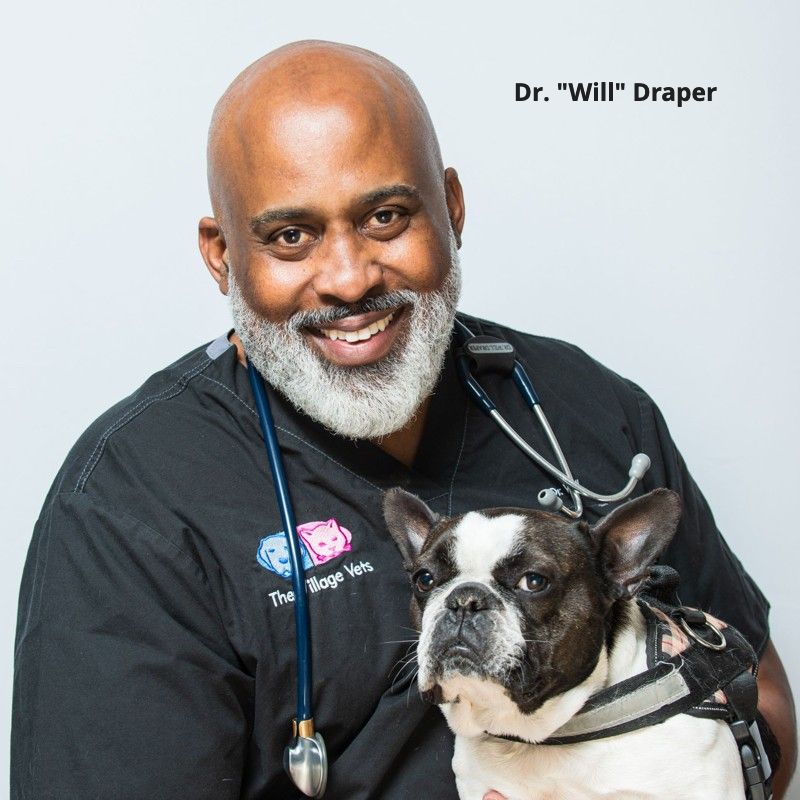
Check out this Time.com article about Dr. Will's journey and efforts to increase the diversity of veterinarians.
|
|
Tips and Tools:
Whose voices do we hear?
|
|
In this podcast from The Association for Animal Welfare Advancement, the focus is on how the animal welfare profession can make space for voices that have historically been marginalized. The takeaways include the importance of looking inward at everything from your board to your staff to job applicants who get screened in--and screened out; considering whose stories you are telling on your website and social media; and using your power and position to make sure others are heard.
You can listen to the entire podcast here or check out a summary on the AAWA blog.
|
|
Grantee Spotlight: One Tail At A Time |
|
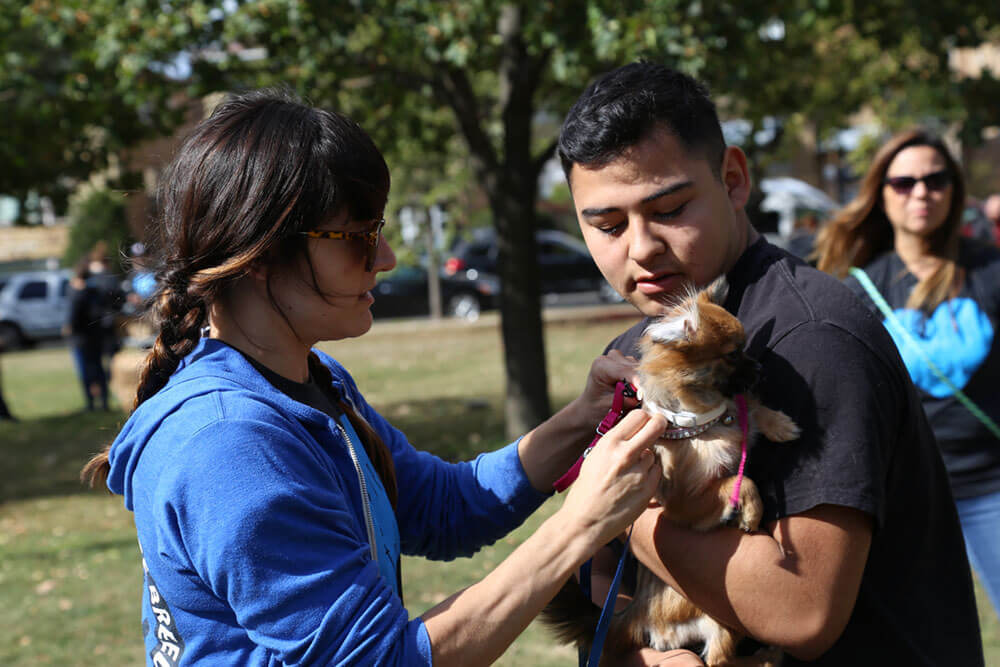
OTAT is one of three grantees just awarded a grant as part of our new Learning Partnership initiative. OTAT's commitment to diversity and inclusion is particularly impressive. OTAT has been helping Chicago pet families keep their pets since 2016 by providing both basic and emergency resources to residents facing financial hardship. Their owner support program CRISP is now the first point of contact for any Chicago resident that contacts Chicago Animal Care and Control to surrender their pet and has kept over 800 pets in their home. Through its nine local rescue partners, CRISP has sent an additional 2,000+ surrendered pets directly to rescue, diverting those pets from entering the shelter system altogether.
In 2021, One Tail at a Time hired a full-time Community Engagement Manager tasked with deepening partnerships with human service organizations, expanding outreach into communities in need, and distributing more resources where they are needed most. They are also proud to celebrate their surgical team and to support a seed scholarship for Black veterinarians.
Read more about the work OTAT will be doing as part of the Learning Partnership.
|
|
The Grey Muzzle Organization | Website
|
|
|
|
|
|
|
|