February Newsletter

 
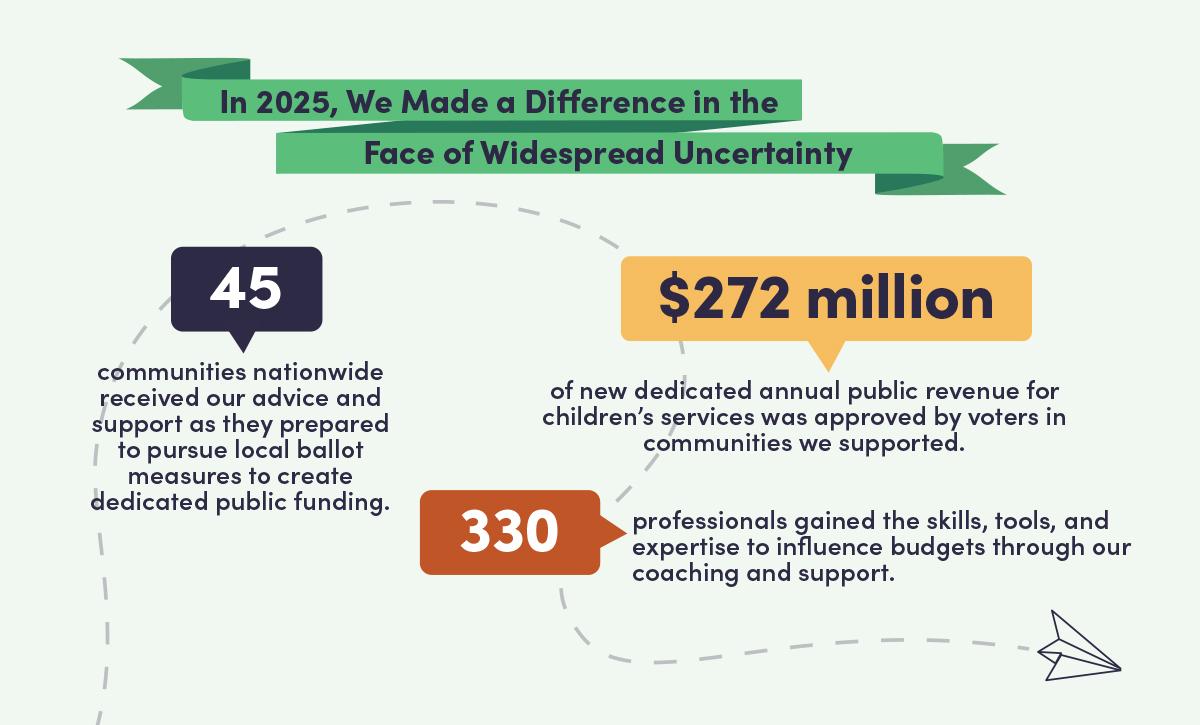
Figures from snapshot

Making a Difference in the Face of Widespread Uncertainty

Before 2025 slips into memory, we are reflecting on our work during the past 12 months supporting local leaders and advocates with their efforts to secure sustainable funding for children and youth. 2025 was not without its challenges, though; and, unfortunately, 2026 appears to be more of the same as the current federal administration continues its attacks on children, families, and working people. But our commitment to partner with community, state, and Native leaders to help them meet their goals for children remains. Read more about our accomplishments from 2025—and what we have in store for 2026—in our annual snapshot and blog from our founder and CEO Elizabeth Gaines.


What's New

Funding Youth Resilience to Social Media Harms

Last week, the first trial to decide whether social media companies deliberately designed their platforms to be addictive and harmful to youth officially began. In a guest blog, Harvard Associate Professor Dr. Gil Noam explains how after-school and summer programs foster resilience that can protect young people from the harms caused by social media, and explains how payouts from current lawsuits could fund those programs.


Read the Blog


Learn More About the Lawsuit

Pair of teens laughing together
 

New Local Fiscal Map

Join our team members and experts from the Cradle to Career Partnership in Arizona, including their children’s funding coordinator, for the unveiling of the Pima County, AZ, fiscal map on February 6 at 10:30 a.m. Mountain Time/12:30 p.m. Eastern Time.


Register for the Webinar

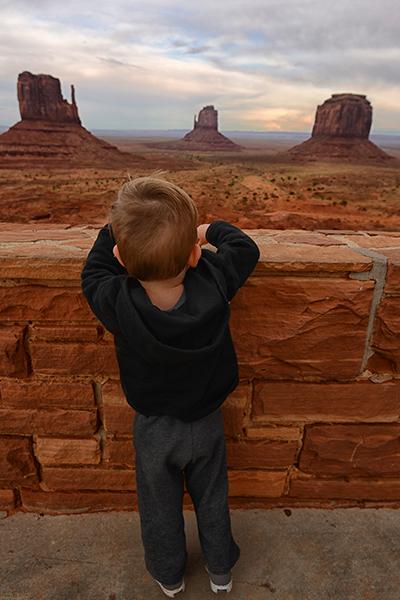
Young child looking over desert landscape
 

In Case You Missed It

Young child in glasses wiht a pencil counting with an abacus

Tracking Federal Funding Cuts and Policy Changes

During the weekend, the federal government shut down once again—the latest delay in funding for kids. Check out our Federal Funding Streams for Children and Youth Services database for details about how recent federal funding changes affect services and programs for kids. 

Kids with capes running together

Voter-Approved Children’s Fund Profiles

Take an in-depth look at what goes into establishing and maintaining a dedicated children’s fund in our collection of profiles from across the country. We will continue adding profiles to the collection so look out for those during 2026.


Spotlight on Fiscal Mapping Wins

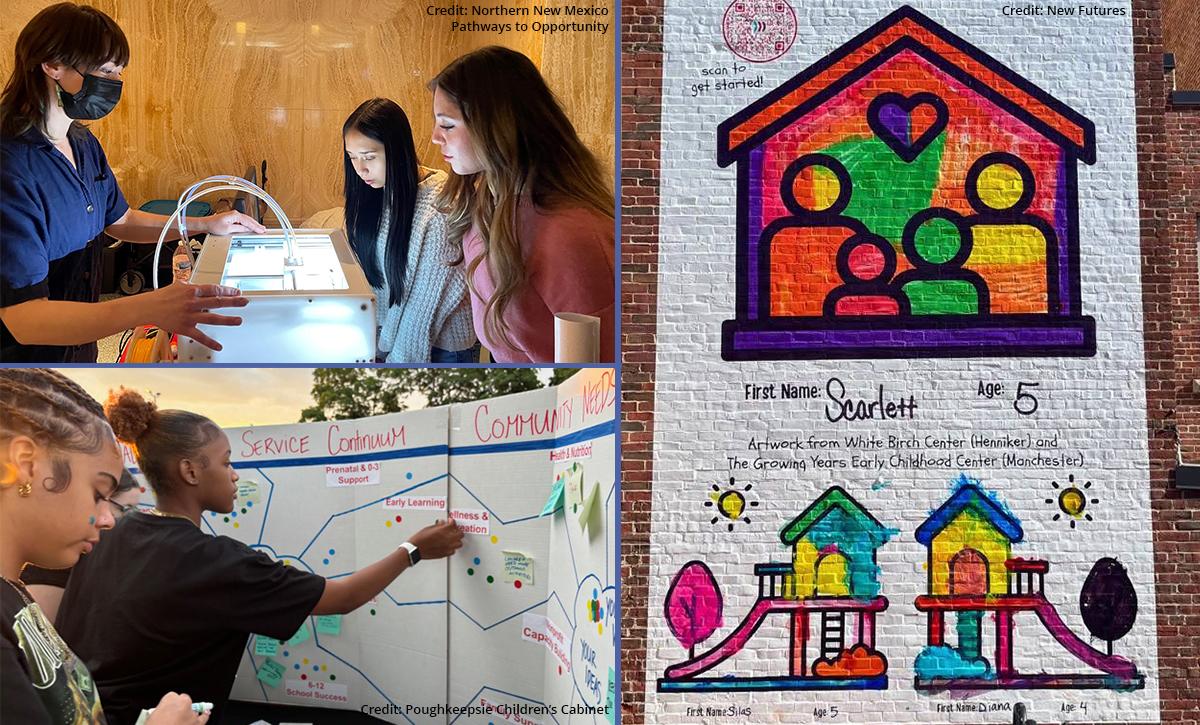
Images of kids and a painting from partners

How can fiscal maps make a difference for kids? Read on to learn how state and local advocates are using this powerful tool to support funding wins for children and youth.

Advocates in New Hampshire used fiscal map data to support legislation that increased access to child care subsidies for 2,000 additional families. “Being able to come in with some neutral data really opens the door to conversations and builds our relationships to be in a stronger position, with either Republicans or Democrats.” —Rebecca Woitkowski, child and family policy director, New Futures

Rebecca Woitkowski

Members of the Northern New Mexico Pathways to Opportunity Strategy Table combined fiscal map data with community feedback to create the predominantly rural region’s first pooled fund to support career-connected learning opportunities for young people.“With the fiscal map we had a real conversation based on real data about what was happening in our region.” —Alvin Warren, vice president of Policy & Impact, LANL Foundation

Alvin Warren

Local leaders in Poughkeepsie, NY, achieved multimillion dollar increases in after-school funding after a fiscal map uncovered that most local resources went toward basic needs, leaving positive youth development resources severely underfunded. “Strategic public financing has really opened my mind to what community and economic development can do. There’s real innovation in this work.” —Jill Gomez, executive director, Poughkeepsie Children’s Cabinet

Jill Gomez

In Nevada, a fiscal map is impacting early childhood funding policy by showing how federal and state funds interact, informing the case for a new governance structure. “It empowers not just advocates, but I think can and will empower some of our elected officials to be able to make informed decisions.” —Denise Tanata, early childhood comprehensive systems advisor, The Children's Cabinet, Nevada

Denise Tanata

Maryland became the first state to track all public funding available for kids at the state and local levels, with a state fiscal map and fiscal maps for all 23 counties and Baltimore City that examine public funding for ages 0-24.

We are currently seeking state partners who are enthusiastic about exploring funding data, identifying trends, and building internal capacity, to join our group of states learning and working together to create their own child and youth fiscal maps. Contact us to learn more!


Follow Us

LinkedIn  YouTube