|
Cancer News Digest, April 2024
Visit our website
CFC #11967
| |
Alcohol and Cancer
According to the American Society of Clinical Oncology, drinking alcohol increases the likelihood of developing various cancers, including those affecting the mouth, throat, liver, breast, and more. Even moderate drinking can pose risks over time, emphasizing the importance of understanding your alcohol intake. Find out more about how much alcohol is considered moderate or heavy drinking, the types of cancer associated with alcohol consumption, and the steps you can take to reduce your risk. Read our article here and make informed choices about your health.
| |
We're Speaking Out for You | |
|
NCHR urged required labels that include calories, amount of alcohol, and other nutritional info on alcoholic beverages
Have you ever been curious about the calories or alcohol or other ingredients in your alcoholic drink? That information is hard to find. That's because the alcoholic beverage industry has successfully lobbied against putting that information on its drinks, perhaps because they often contain more calories and sugar than their non-alcoholic counterparts. We urged the Alcohol and Tobacco Tax and Trade Bureau (TTB) to require labels that include serving size, calories, amount of alcohol and other information on the packaging of alcoholic beverages. That would enable people to make more informed decisions about what they choose to drink and also help to avoid potential allergens. You can read our comment here.
| |
|
Dr. Zuckerman guest lectured at Georgetown
CPTF President Dr. Diana Zuckerman was a guest lecturer at a Georgetown University graduate student class in April, explaining the cancer risks of chemicals in artificial turf, children's playground surfaces, and also recycled tire materials used in indoor and outdoor tiles in daycare centers and playrooms. She gave many examples of how chemicals from these products could be harmful to children of all ages, especially young children. The students were aware that PFAS could cause cancer and asked excellent questions about why there are no federal restrictions or required safety tests before these materials can be sold for use by children. Learn more here.
| |
|
Why are we paying billions to take drugs that don't work?
In an important Bloomberg News article, reporters described a cancer treatment that brought in $500 million but didn't help patients live longer. A blood cancer medication made nearly $850 million before being withdrawn for two of its uses after being linked to patients dying sooner. FDA used to be considered too strict but "Now they’ve gone so far in the opposite extreme direction, sometimes approving things where there’s literally no evidence except wishful thinking,” CPTF president Dr. Zuckerman explained to the reporters. To read the article, click here.
| |
|
Forever chemicals are everywhere. How can you limit your exposure?
Concerns about per- and poly-fluoroalkyl substances (PFAS), commonly known as forever chemicals, are on the rise due to their presence in everyday items and their potential health risks, including their association with cancer. PFAS are in cookware, furniture, carpeting, tampons, and clothing and can increase cholesterol levels, impair thyroid function, increase pregnancy-related hypertension and preeclampsia, lower birth weights, and cause kidney and testicular cancer. These chemicals can also accumulate in the body over time, raising concerns about their long-term effects. Experts advise strategies for reducing exposure to PFAS, such as avoiding non-stick cookware made with PFAS, investing in water filters that filter out PFAS, and avoiding certain food packaging and wrinkle-proof, waterproof, or stain-proof clothes, curtains, and upholstery. By making informed consumer choices, individuals can reduce their exposure to PFAS and potentially lower their risk of cancer. While the long-term health effects of PFAS exposure continue to be studied, caution can help minimize potential risks. Read more here.
| |
|
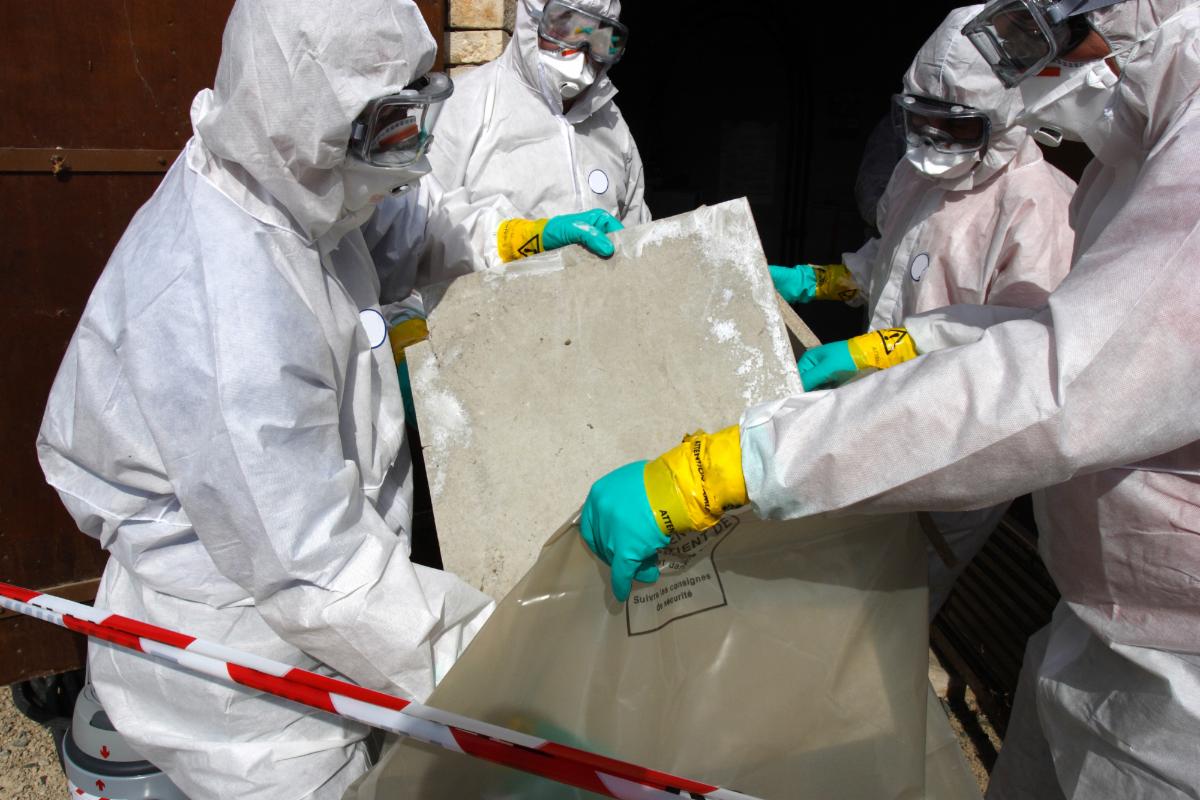
The U.S. will fully ban asbestos. Why did it take so long?
After decades of attempts, the Environmental Protection Agency (EPA) will finally ban the only form of asbestos still in use in the United States. Asbestos causes lung cancer and other fatal illnesses. The new ban on chrysotile asbestos comes 33 years after the EPA's initial attempt. Despite the decline in asbestos use since its peak in the 1970s, it remains a persistent health threat. The ban on some products will be immediate, but others will be phased in over 5 years. Read more here.
| |
Check us out!
Did you know that artificial turf and rubber playground surfaces contain carcinogens? Are your children or grandchildren getting exposed when they play? Follow us @safe.to.play
| |
|
|
Cancer Prevention and Treatment Fund
Facebook: @CancerPreventionAndTreatmentFund
| |
|
|
Your Contribution Can Make a Difference
We do not accept any funding from drug companies, device companies, chemical companies, or other sources that could influence our work and compromise our integrity. That's why so many people turn to us when they need help. Donations of any size are greatly appreciated (and tax deductible.)
Please consider giving to the Cancer Prevention and Treatment Fund online or by mail to the address below.
| |
To sign up for these monthly updates, click here.
| |
Cancer Prevention and Treatment Fund | 1001 Connecticut Ave NW, Suite 1100
CFC# 11967
| | | | |