|
Cancer News Digest, June 2024
Visit our website
CFC #11967
| |
|
FDA brings lab tests under its oversight
The FDA will soon regulate laboratory-developed tests (LDTs) that are used to diagnose or predict cancer and other serious diseases. CPTF President Dr. Diana Zuckerman told MedPage Today that "we strongly support FDA's decision to regulate lab-developed tests because it is unconscionable that thousands of tests are being used by patients and consumers that have never been evaluated by independent experts to make sure they are accurate." However, we are concerned that the thousands of lab-developed tests for cancer and other diseases that are already on the market will not be evaluated by the FDA to make sure they are accurate. Read more here.
| |
What are PFAS chemicals and why are they dangerous?
PFAS are human-made chemicals often called "forever chemicals" due to their persistence in the environment and the human body. These chemicals are found in many everyday products, including non-stick cookware, stain-resistant fabrics, artificial turf, and food packaging. Exposure to PFAS can lead to serious health issues such as testicular and kidney cancer, liver disease, heart disease, and developmental delays in children. To reduce exposure, individuals can avoid products containing PFAS, use water filtration systems, and choose PFAS-free cosmetics and personal care items. Despite their prevalence, taking informed steps can help minimize the risks associated with PFAS. Read more here.
| |
Colorado, Vermont, and San Francisco have passed new laws banning PFAS chemicals
Concerns about PFAS, also called "forever chemicals," are leading to increased legislative action. Colorado and Vermont recently passed bills banning the sale of items that contain PFAS, such as certain types of outdoor apparel, cookware, ski wax, dental floss, cosmetics, and menstruation and incontinence products. San Francisco has become the first U.S. city to ban PFAS in firefighter gear, allocating funds to replace existing gear with PFAS-free alternatives by 2026. We support these efforts, which reflect a growing commitment to reducing PFAS exposure and therefore helping to prevent cancer and protecting public health. Read more here.
| |
Researchers advise lowering cancer drug dosing to reduce side effects and improve patient outcomes.
Cancer drugs have a reputation for being difficult to tolerate, often causing severe side effects that leave patients unable to go about their daily activities. Cancer drugs are usually dosed to target cancer cells, and any other rapidly dividing cells, as aggressively as possible, but there is new evidence that this approach is not the best way to treat cancer. "We've got a real mess here, where patients are being overdosed," explains oncologist Dr. Mark Ratain of The University of Chicago, who has been studying the drug dosing issue for decades. We've been working with Dr. Ratain to educate policy makers to require better data on dosing.
New research suggests that some cancer drugs are equally effective and less harmful at lower doses. At lower doses, side effects are significantly reduced and patients are better able to tolerate treatment. A survey done by the Patient-Centered Dosing Initiative showed that 43% of participants with metastatic breast cancer missed at least one treatment because of side effects. Reducing treatment doses can reduce side effects so that patients can receive treatments on a regular schedule and have a better quality of life. We encourage patients who are receiving cancer treatments to discuss their side effects and dosing options with their physician. Read more here.
| |
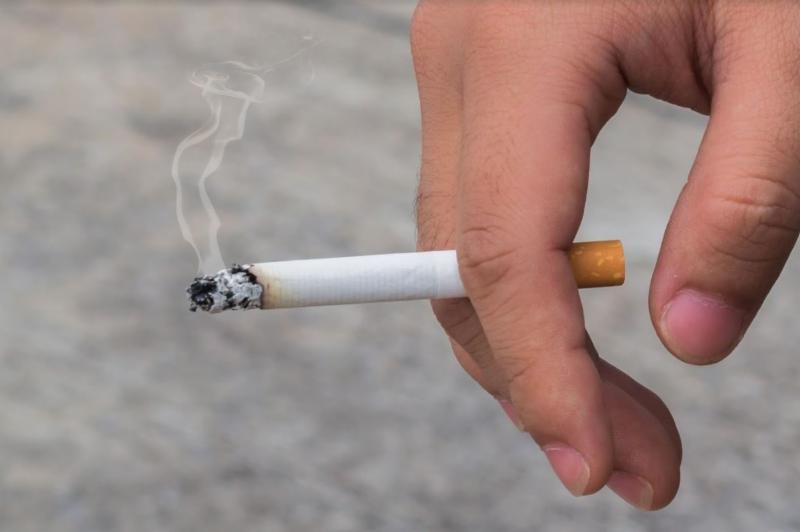
Menthol cigarettes and e-cigarettes are known to be highly addictive. To fight bans, Big Tobacco is targeting Black activists.
Flavored nicotine products, such as flavored e-cigarettes and menthol cigarettes, are highly addictive due to the flavor masking the original taste. Most flavoring is banned at the urging of public health experts, but menthol has been allowed. According to a federal survey, 81% of Black smokers smoke menthol cigarettes. Since menthol cigarettes are especially popular among Black Americans, the tobacco industry is donating to Black activists and organizations to get them to oppose a ban on menthol.
Reynolds America, which makes Newport, a major menthol cigarette brand, has donated hundreds of thousands of dollars to Black activism groups. They have funded scholarships, donated to organizations representing Black police officers, and supported Black newspapers. E-cigarette companies are now taking a similar approach. The major e-cigarette company Juul, who has long marketed their products as "safer" than cigarettes and as a tool to quit smoking cigarettes (which has been refuted by public health experts), supported a multimillion dollar campaign for the National Action Network civil rights group to promote vaping and the use of e-cigarettes. Keep in mind that Juul is partly owned by Altria, a tobacco company.
Those who oppose bans argue that bans could lead to increased police response against Black Americans who turn to an illicit market due to the highly addictive nature of menthol cigarettes. However, a menthol ban would save thousands of Black lives. One study found that between 1980 and 2018,157,000 Black Americans died prematurely due to menthol cigarette use. Scout, the executive director of the LGBT Cancer Network notes that the tobacco industry does "such a great job of dividing underserved populations and turning us against ourselves and hiding their influence." Read more here.
| |
We're Speaking Out for You | |
|
We educated Tucson, AZ officials about playgrounds and artificial turf that contains PFAS, lead, and heavy metals
Dr. Zuckerman recently sent a letter to public officials in Tucson, Arizona, to educate them about the risks of hazardous materials found in playground surfaces and artificial turf. Despite appearing safe and attractive, playground surfaces covered with colorful rubber are made from tire waste and expose children to lead and toxic chemicals. These exposures have the potential to increase obesity; contribute to early puberty; cause attention problems such as ADHD; exacerbate asthma; and eventually cause cancer. The American Academy of Pediatrics warns that no level of lead is safe, no matter how small. PFAS, known as “forever chemicals,” are in artificial turf and playground materials and are of particular concern.
The same types of chemicals that are in playgrounds and artificial turf are banned from young children’s toys, and we urged Tucson officials to consider this when making decisions about children's playgrounds. These surfaces also become up to 30-80 degrees hotter than the air on warm and sunny days and can cause heat poisoning and burns. This is of great concern for Tucson due to its hot climate.
Officials throughout the country are being misled by false claims from salespeople that their products are safe, despite clear evidence to the contrary. Read more here.
| |
Check us out!
Did you know that artificial turf and rubber playground surfaces contain carcinogens? Are your children or grandchildren getting exposed when they play? Follow us @safe.to.play
| |
|
|
Cancer Prevention and Treatment Fund
Facebook: @CancerPreventionAndTreatmentFund
LinkedIn: www.linkedin.com/showcase/cancer-prevention-&-treatment-fund/
| |
|
|
Your Contribution Can Make a Difference
We do not accept any funding from drug companies, device companies, chemical companies, or other sources that could influence our work and compromise our integrity. That's why so many people turn to us when they need help. Donations of any size are greatly appreciated (and tax deductible.)
Please consider giving to the Cancer Prevention and Treatment Fund online or by mail to the address below.
| |
To sign up for these monthly updates, click here.
| |
Cancer Prevention and Treatment Fund | 1001 Connecticut Ave NW, Suite 1100
CFC# 11967
| | | | |