|
Cancer News Digest, October 2026
Visit our website
CFC #11967
| | |
New episode: You Can't Make This Stuff Up
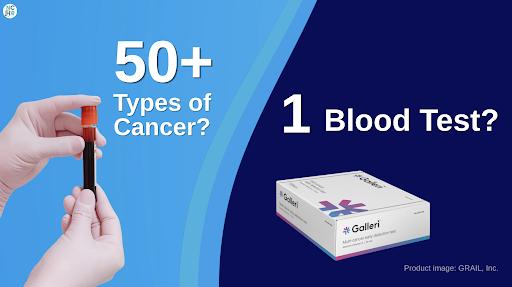
In our most recent episode of You Can’t Make This Stuff Up, NCHR President Dr. Diana Zuckerman briefly explains why we are concerned about the Galleri blood test. This test promises early detection of more than 50 types of cancer, but the results are often inaccurate.
Unfortunately, most people who have cancer will be informed by the Galleri blood test results that they don’t have cancer. This is especially likely with early-stage cancers -- which is supposed to be what the test is designed to diagnose.
So, even if the test says you don’t have cancer, you should continue to get all the recommended cancer screening tests, such as mammograms, Pap smears, PSA tests, and colonoscopies. In addition, some people who are told they do have cancer based on the blood test won’t actually have cancer.
For that reason, anyone who is told they have cancer will need CT scans, biopsies, and other tests to find out if they do or don't. These inaccurate results are the reason why insurance currently won’t pay for the Galleri blood test.
This is what you need to know: There is no evidence that the Galleri blood test reduces cancer deaths or helps patients live longer.
Watch our 1-minute reel on YouTube, Instagram, Facebook, LinkedIn, or our website.
| |
Breast cancer advice you'll want to know
In honor of Breast Cancer Awareness Month, we want to remind you all that some treatments for breast cancer are better than others. Many women in the U.S. are overtreated for breast cancer, and that can harm their quality of life and even their long-term survival.
-
Mammograms help diagnose breast cancer earlier, and early breast cancers are easier to treat. Women with early-stage breast cancer do not need a mastectomy (to remove one or both breasts) in order to live a long and healthy life. In fact, women with Stage 0, 1, 2, or 3a breast cancers live longer if they have a lumpectomy (which removes just the cancer, not the entire breast) than if they have a mastectomy. See our newly revised article for more info here.
-
Radiation therapy can reduce the chances of breast cancer returning to the same breast, but it is not proven to help women live longer. Most women whose cancer is removed in a lumpectomy will not have a recurrence of cancer whether or not they undergo radiation therapy. For more info, see www.stopcancerfund.org or send questions to info@stopcancerfund.org
-
Many women with abnormal mammograms are told they have DCIS (ductal carcinoma in situ). Despite the name, most experts say DCIS (also called stage 0 breast cancer) is not really cancer -- it is more like a warning that a woman might get cancer because it sometimes will develop into cancer. DCIS should usually be surgically removed as a precaution, but does not require radiation therapy or a sentinel lymph node biopsy.
For more information about DCIS, download our free DCIS patient booklet here.
|
Did FDA go too far in removing warnings about hormones for menopause?
Hormone therapy can help women struggling with severe menopause symptoms. But hormonal treatment still has serious risks that women need to know about, including cancer.
Unfortunately, in February, FDA removed its strongest warnings on several hormone products regarding breast cancer, cardiovascular disease, and dementia. We strongly disagree with removing those warnings from hormone pills.
The FDA decision was always flawed, because a review of the best studies found that women taking estrogen plus progesterone were more likely to develop breast cancer, stroke, and dangerous blood clots. The risks depend on the type of hormone, the dose, how it is taken, how long it is used, and the woman taking it. That is exactly why clear warnings matter and why FDA's decision to remove warnings was inappropriate.
In addition, a new study this year confirms that women taking hormone therapy for menopause are more likely to develop cardiovascular disease than similar women not taking these hormones. This large new study found they were 30% more likely to develop strokes, 20% more likely to have a heart attack, and 60% more likely to develop dangerous blood clots.
We agree that the strongest warning is not necessary for low-dose vaginal estrogen ointment. But that is very different from removing warnings from systemic hormone pills that have well-documented risks for some women.
Women seeking relief from menopause symptoms need accurate information about risks. For most women, we continue to recommend using hormones only when needed for severe symptoms, at the lowest effective dose and for the shortest appropriate period of time.
Read our article here.
| | We're Speaking Out For You | | |
Who pays for FDA to make sure cancer-related medical devices are safe and effective?
Getting new medical products onto the market is one of FDA’s jobs. But cancer patients also need FDA to have enough funding to find safety and effectiveness problems after tests, devices, and treatments start being used by thousands or millions of patients.
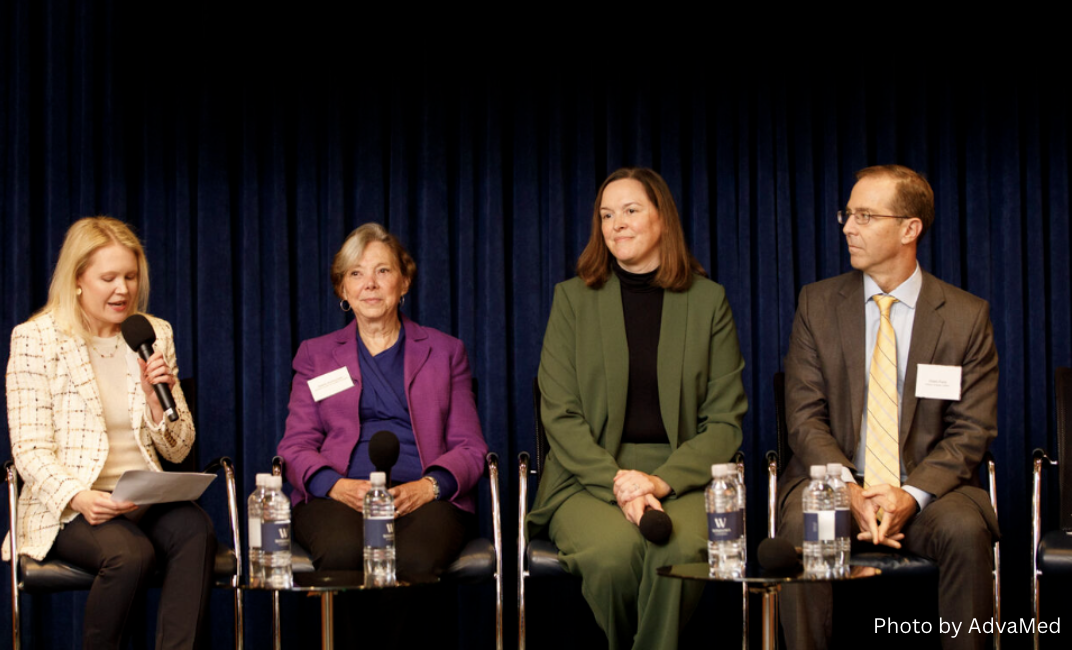
Dr. Diana Zuckerman recently participated in a panel at the Alliance for a Stronger FDA’s 2026 Summit, “Supporting the FDA of Tomorrow,” where she explained why Congressional funding matters even though medical device companies pay FDA user fees.
Dr. Zuckerman emphasized that Congressional appropriations are the only source of funding to monitor the safety and effectiveness of medical devices before and after they are on the market. That includes devices used to screen for cancer, diagnose tumors, guide treatment, and monitor cancer patients.
The other panel members represented FDA, AdvaMed, which represents medical device manufacturers, and the Personalized Medicine Coalition. Although these individuals do not always agree about FDA policies, they agreed that Congressional funding is essential for FDA to do its job well.
FDA is proud that it is getting new medical devices on the market more quickly, but that is not our main priority. FDA also needs enough staff and resources to evaluate whether there are problems when thousands or millions of patients are using them and to act quickly to prevent patients from being harmed.
As a founding Board member, NCHR works with the Alliance for a Stronger FDA to help Congress understand why Congressional appropriations are essential for a strong FDA that can protect patients and the public. Despite many differences of opinion among the regulated industries and nonprofit organizations that make up the Alliance, we all agree on that.
| | |
Are Americans being exposed to more cancer-causing pollution?
About 3.3 million people live within 3 miles of 202 industrial facilities that President Trump exempted from clean-air rules that would reduce toxic pollution. Those facilities are located in 39 states and Puerto Rico, and some release cancer-causing chemicals such as ethylene oxide.
The new rules would have reduced those emissions and lowered cancer risks for nearby residents. Instead, President Trump exempted those facilities from the stronger anti-pollution requirements.
But even more pollution could be on the way. EPA now plans to also weaken requirements for oil and gas companies to repair methane leaks, ending a program that detects major methane releases, and allowing routine burning off of natural gas at oil wells.
Methane is a powerful greenhouse gas, and oil and gas operations also release pollutants that contribute to unhealthy air. The previous methane rules were expected to prevent millions of tons of pollution and provide billions of dollars in climate and health benefits.
The White House says the changes will save the oil and gas industry money and increase energy production. We aren't sure those savings will be passed down to customers. But even if consumers save a little money, we could pay much more through higher medical bills, worse health and quality of life, and more exposure to toxic pollution.
For communities near facilities that release cancer-causing chemicals, weaker pollution protections can also mean greater cancer risks.
Read the New York Times articles here and here.
| | |
Check us out!
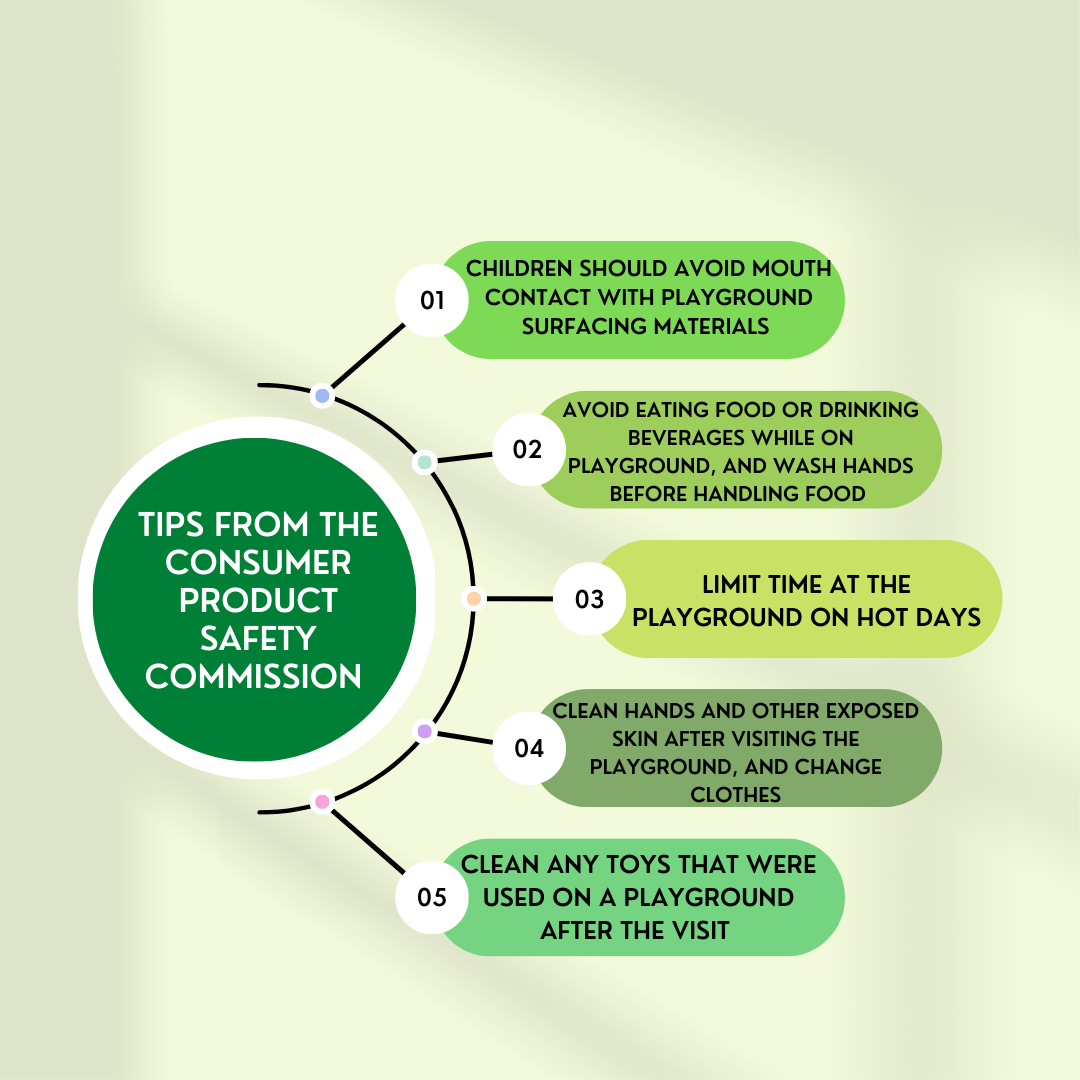
Did you know that artificial turf, rubber playground surfaces, and rubber mulch contain chemicals that can cause attention problems, obesity, early puberty, asthma, and cancer? Are your children or grandchildren getting exposed when they play? Follow us @safe.to.play
| Our main Instagram account and Threads provide free information about new medical research, programs, and policies to help health experts, patients, and the public improve the health of individuals and communities. Follow us @healthresearch4u | |
| Connect With Us on Our Other Social Media! | | |
Your Contribution Can Make a Difference
We do not accept any funding from drug companies, device companies, chemical companies, or other sources that could influence our work and compromise our integrity. That's why so many people turn to us when they need help. Donations of any size are greatly appreciated (and tax deductible.)
Please consider giving to the Cancer Prevention and Treatment Fund online or by mail to the address below.
| |
To sign up for these monthly updates, click here.
| |
Cancer Prevention and Treatment Fund | 1001 Connecticut Ave NW, Suite 1100
CFC# 11967
| | | | |