|
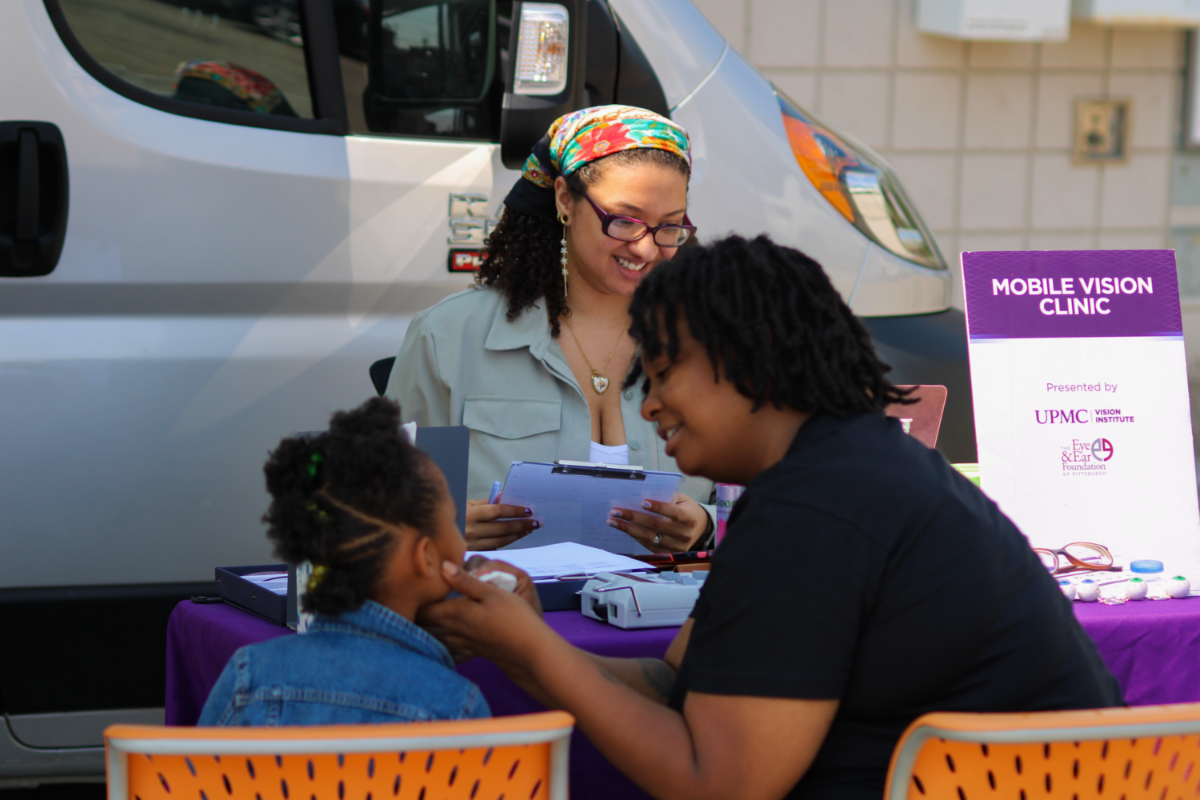
The UPMC Vision Institute and the Department of Ophthalmology at the University of Pittsburgh’s outreach strategy is defined by an unwavering commitment to serving underserved populations. By harnessing innovations such as the “virtual hospital" (eyeVan) and expanding mobile care initiatives (Eyes on Wheels), the Department is breaking through traditional barriers in healthcare delivery. These programs are designed to bring care directly to those who need it most—particularly the elderly and individuals who struggle with transportation challenges.
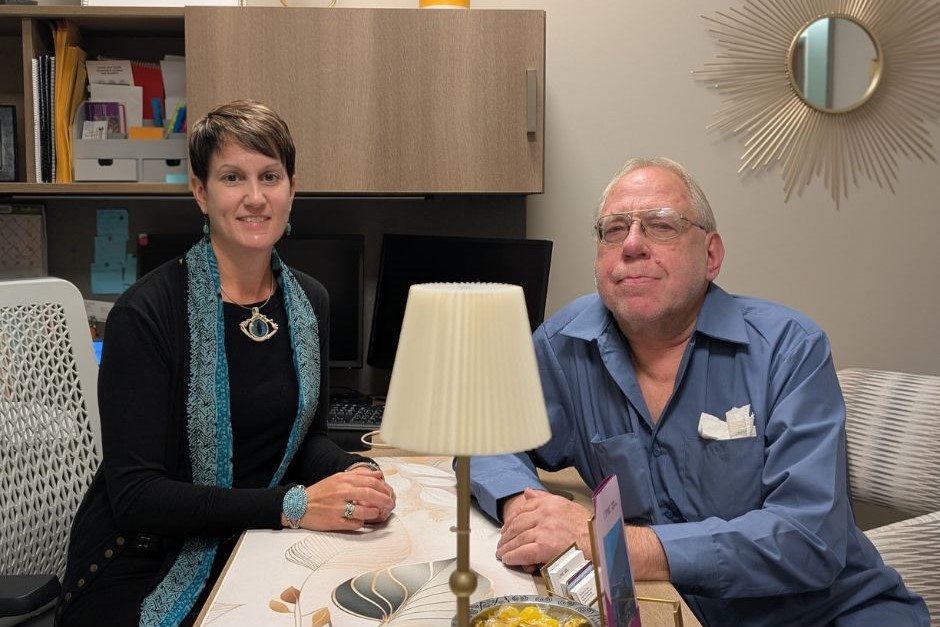
Collaboration lies at the heart of this strategy. Partnerships with local community organizations and dedicated patient navigators have been instrumental in supporting hundreds of patients confronting obstacles such as food insecurity and limited mobility. These alliances amplify the department’s reach, ensuring that care extends beyond the walls of the clinic and addresses the real-world challenges patients face.
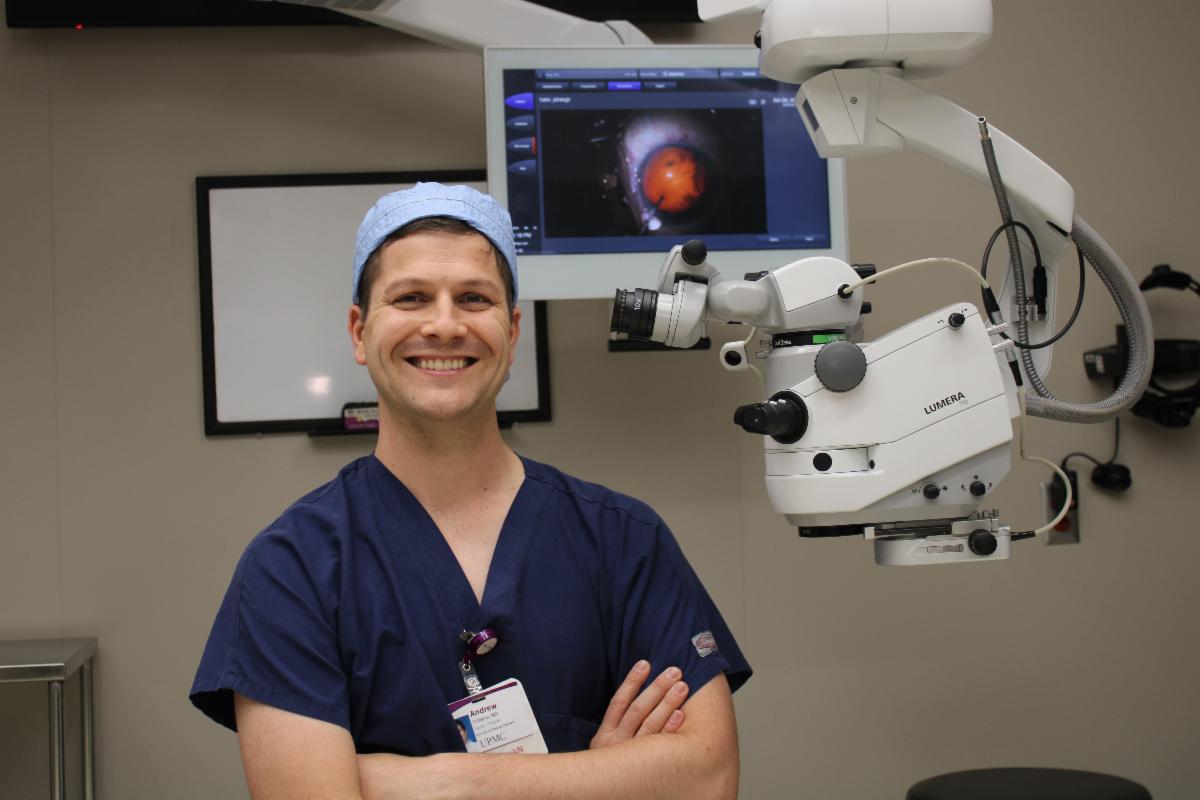
Central to the outreach strategy is a targeted focus on social determinants of health. The department’s initiatives are not only compassionate but are also data-driven. Research led by Andrew Williams, MD, has evidenced that loss to follow-up in glaucoma patients can triple the risk of blindness—a sobering insight that guides the design of patient engagement interventions. By analyzing the impact of social factors and crafting solutions tailored to those with complex, chronic conditions, the ophthalmology team is making measurable strides in improving follow-up rates and, ultimately, patient outcomes.
The Vision Institute’s strategic vision centers on combining innovation, strong community partnerships, and rigorous research to break down barriers. As these outreach efforts evolve, the Department continues to set new standards in ensuring equitable access and promoting eye health for all.
|