Our vision is a world where all people and wildlands are healthy and interact positively, biological diversity flourishes, and environmental challenges are met with a social commitment to solving problems with scientific principles. |
|
"We must be free not because we claim freedom, but because we practice it." - William Faulkner |
|
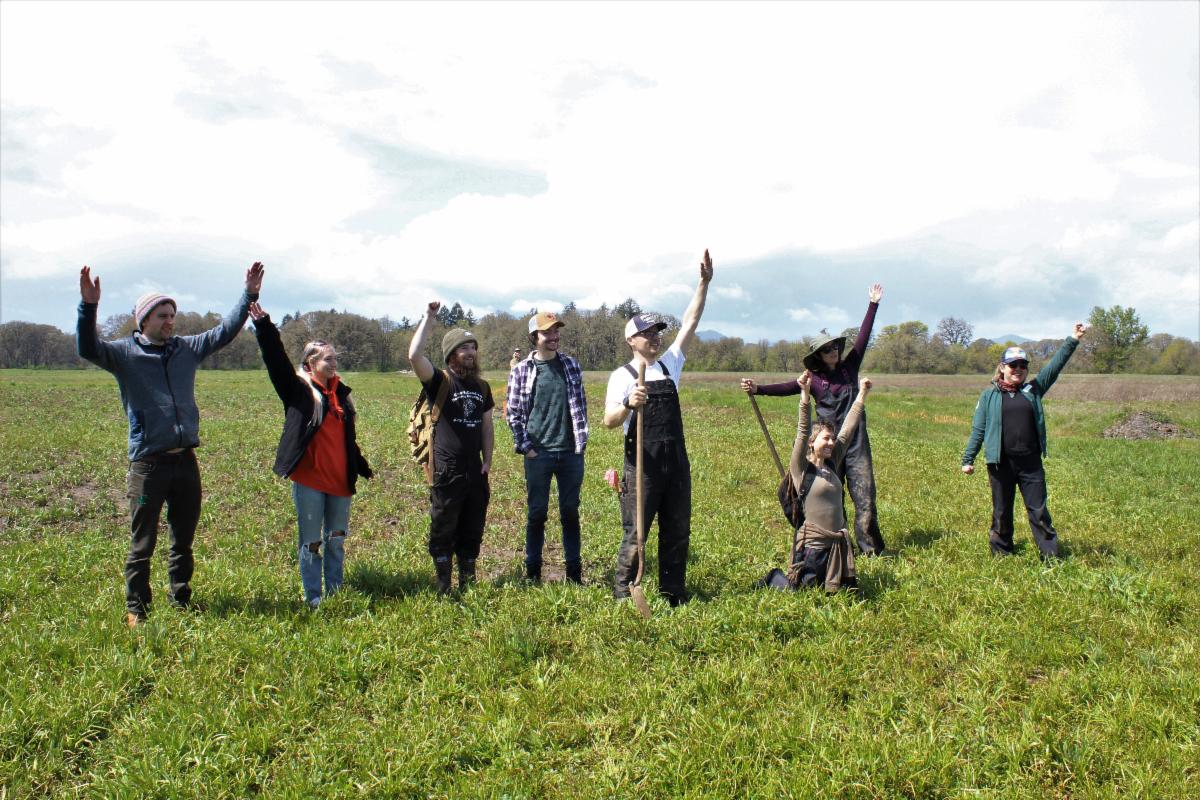
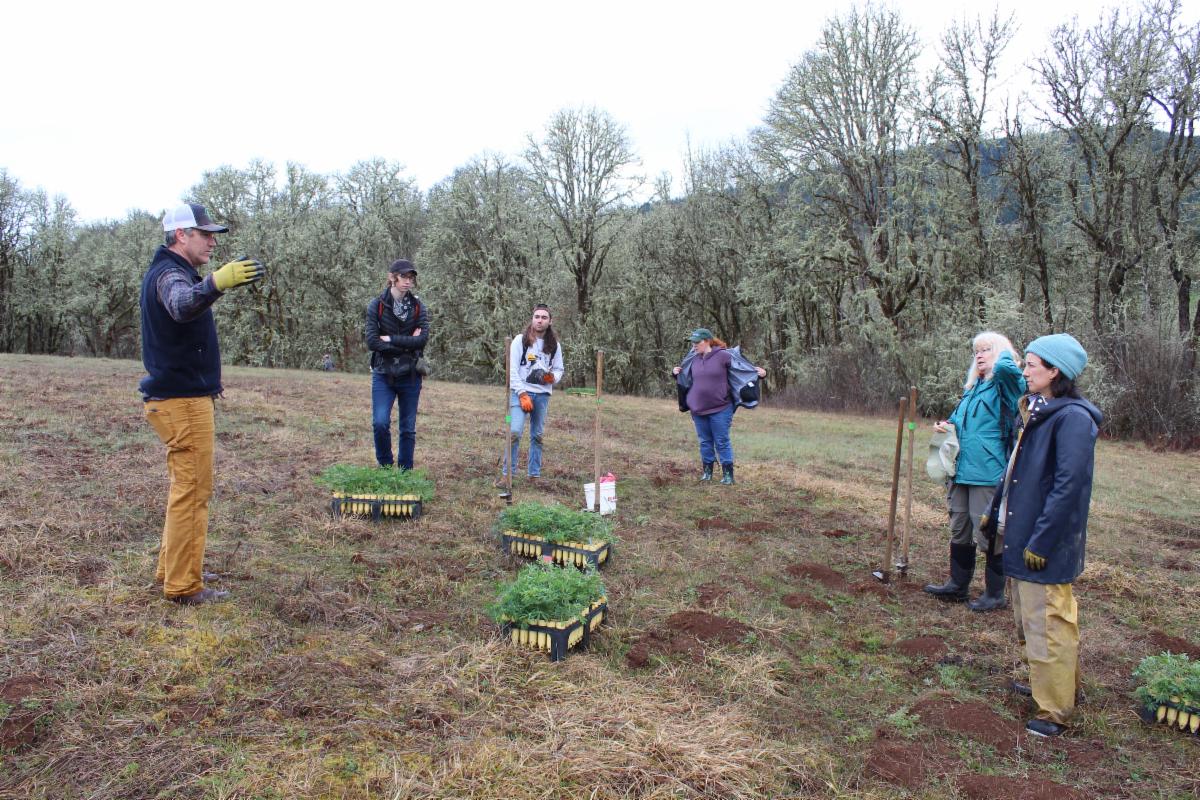
IAE Volunteer day in April 2022. |
|
2022 was an exciting and productive year for the Habitat Restoration program.
We hired four restoration ecologists, one restoration technician, three seasonal crew members and hosted a nine-person AmeriCorps team for six weeks.
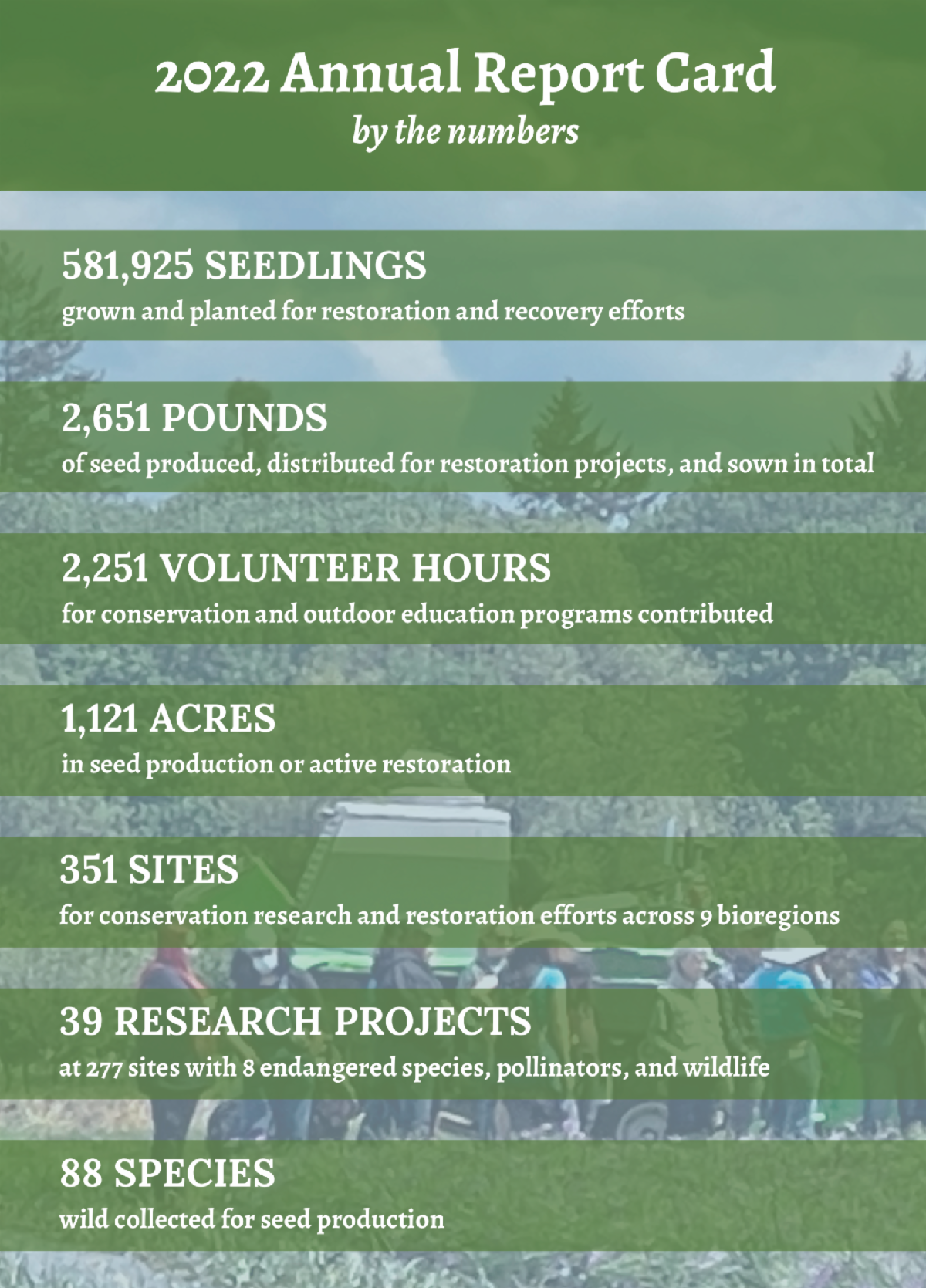
We planted over 17,000 plugs of threatened and endangered species, sowed over 1,300 pounds of native seed, expanded our restoration footprint by working in Douglas County, Oregon and continued or started restoration efforts at 64 sites throughout the Willamette Valley.
These efforts would not have been possible without the support of our partners. We are grateful and fortunate to work with partners who share a common interest in conservation and are willing to share knowledge, provide funding and lend a hand in the field.
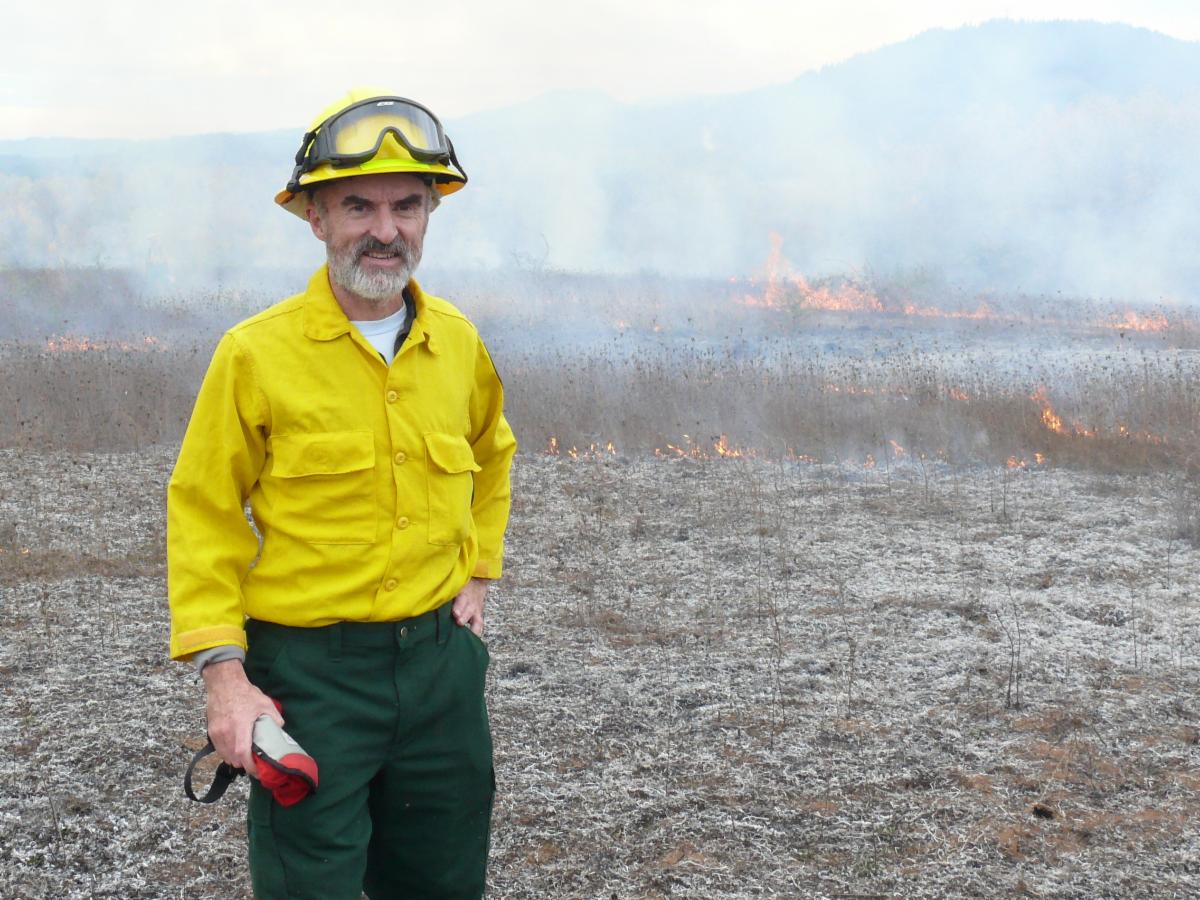
The restoration group would also like to congratulate long time IAE restoration ecologist Peter Moore on his retirement!
|
|
Peter Moore observing prescribed burns at Lupine Meadows. Photo Credit: Peter J. Moore
|
|
Peter was an integral part of IAE for over a decade and helped support the recovery of numerous threatened and endangered species in Oregon and provided expertise and guidance to many IAE staff. Thanks, Peter!
We look forward to continuing restoration efforts in 2023 and working with our amazing partners and friends in the years to come.
|
|
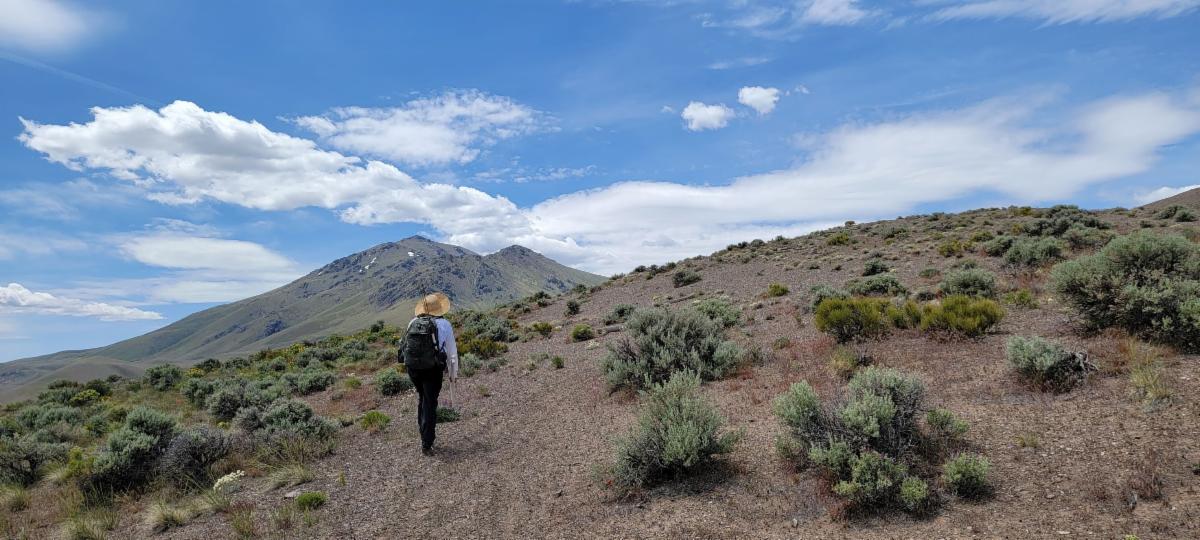
Traversing Pueblo Foothills Research Natural Area in search for shadescale, spiny hopsage, and budsage plant communities for the Burns BLM District. Photo Credit: Laura Estrada
|
|
This program is responsible for the big R, the “research” component of IAE’s mission to conserve native species and habitats. To this end, 2022 has been a busy year for us as we have conducted 33 different projects with over 30 different partner organizations and landowners. The majority of our work has been in our home of the Willamette Valley, but this year we have also been working in 7 other ecoregions in Oregon, Idaho, and Washington. |
|
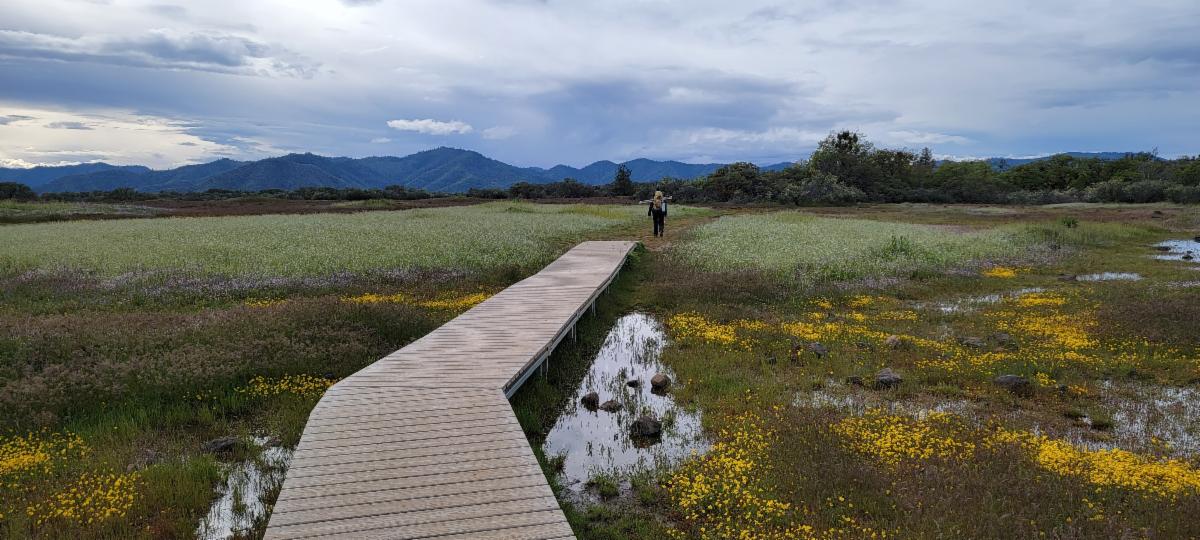
Hiking to long-term monitoring transects for dwarf wooly meadowfoam (Limnanthes pumila ssp. pumila) on Lower Table Rock for the Medford BLM District. Photo Credit: Laura Estrada
|
|
The breadth of our work includes conducting surveys for rare plants in remote locations, using statistical models to find undiscovered populations of threatened species, studying the role of pollinators in the recovery of endangered plants, and researching best practices for restoring plant communities and habitats. We also welcomed 3 new full-time staff to the program (Laura, Molly, and Christina) and worked with 13 seasonal field staff.
|
|
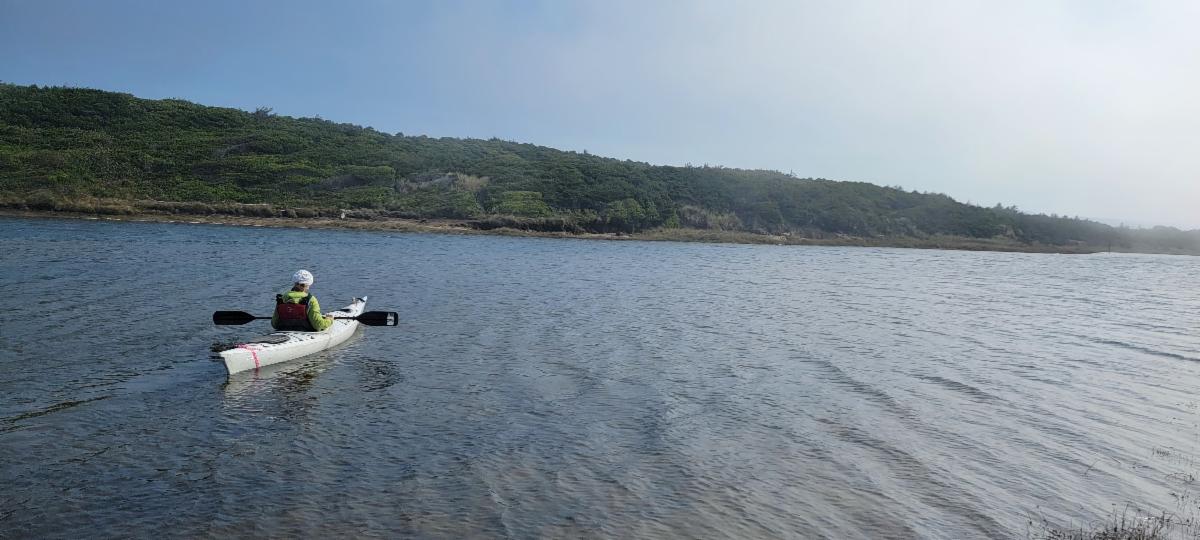
Kayaking to the New River Area of Critical Environmental Concern to monitor pink sandverbena (Abronia umbellata) for the Coos Bay BLM District. Photo Credit: Laura Estrada
|
|
Next year looks to be just as exciting, as we constantly strive to unlock the ecological mysteries that will help us be better stewards of natural ecosystems. |
|
Northwest Plant Materials |
|
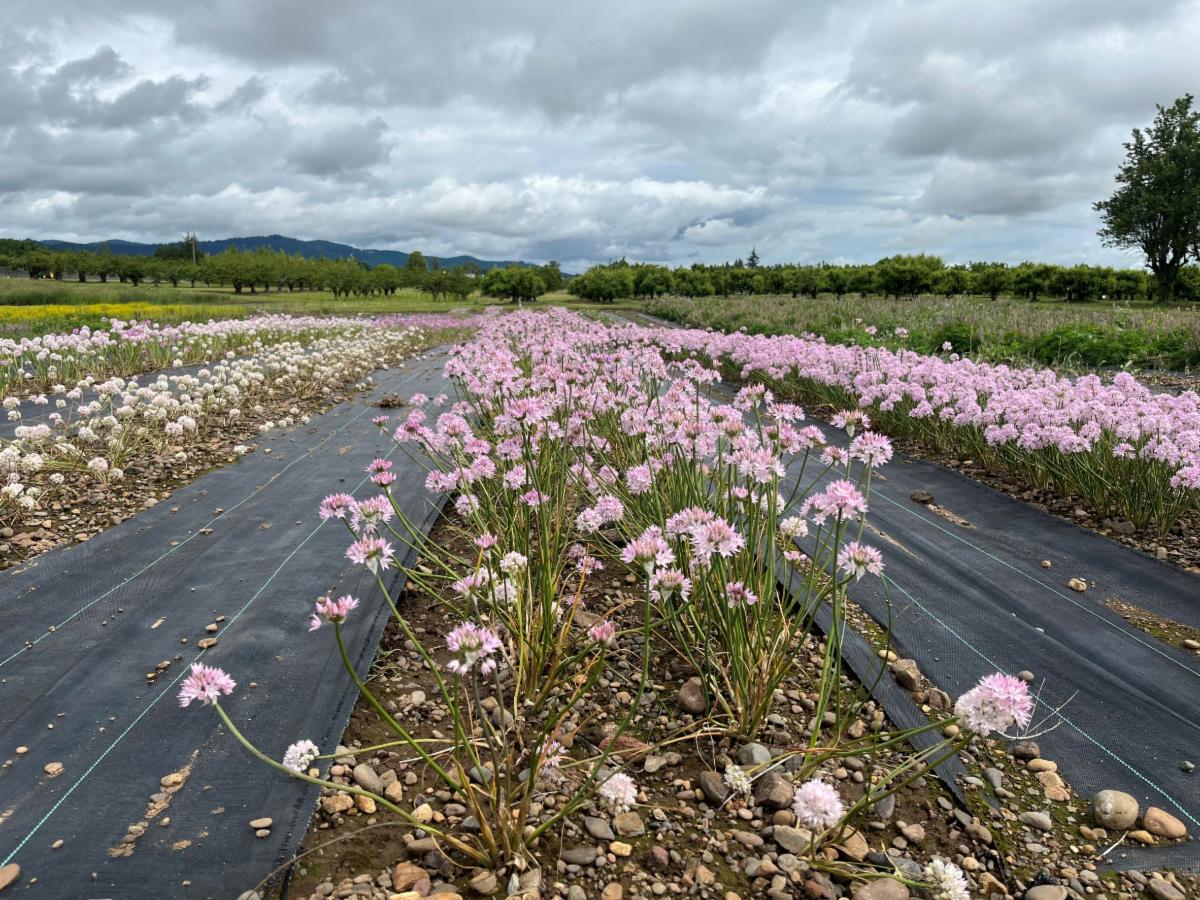
Narrowleaf onion (Allium amplectens) growing at the IAE farm in Corvallis. Photo Credit: Kate Wellons
|
|
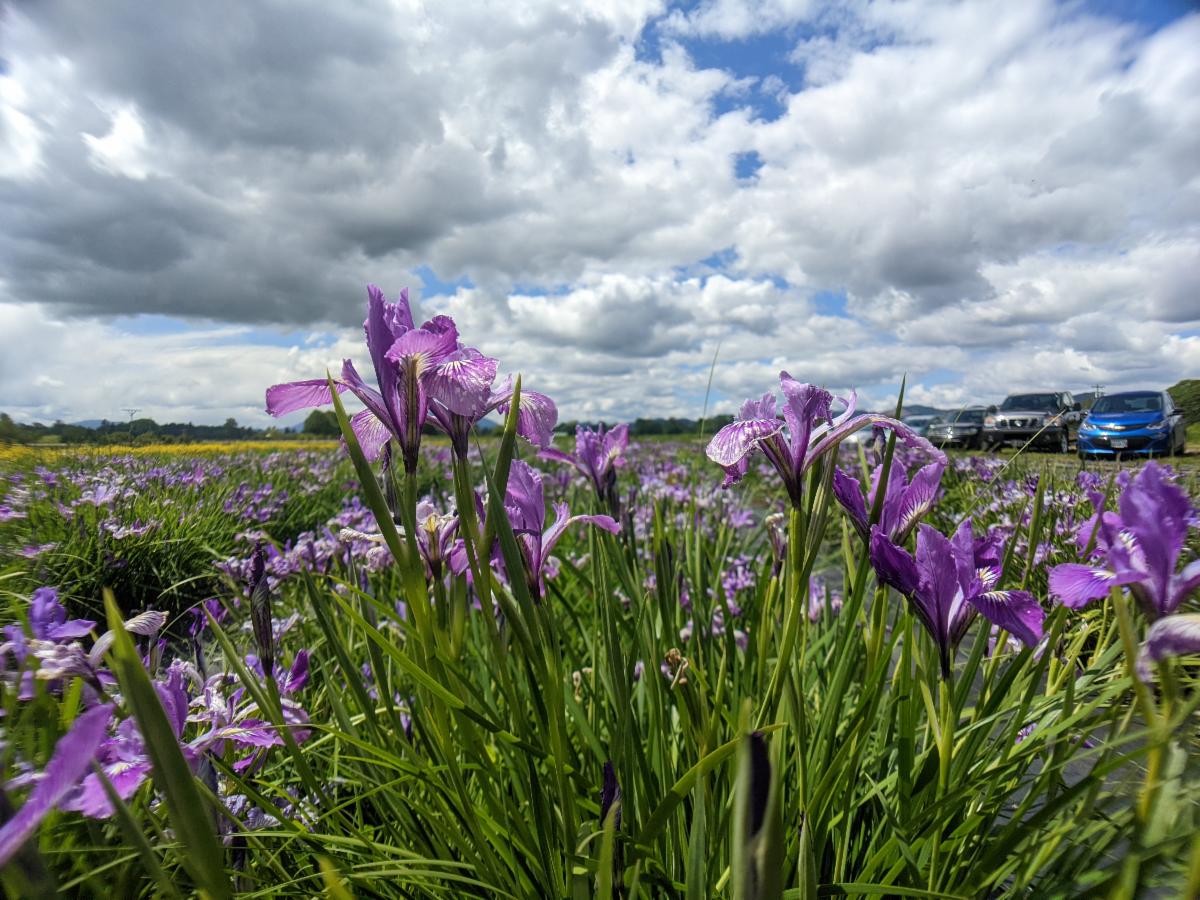
Oregon iris flowers (iris tenax) growing at the IAE Farm in Corvallis. Photo Credit: Alexis Larsen
|
|
As winter turned to spring, we turned our focus to maintaining 2.5 acres of native seed production fields and seed collection for nine projects. In 2022, the farm had 37 species in production and produced 282 pounds of native seed for our restoration program, partners, and seed partnerships.
Our Oregon seed collection crew collected 5 pounds of seed from 88 species across the Willamette Valley and Douglas County for the Bureau of Land Management’s Seeds of Success program and to start new native seed production fields.
In the fall, we worked with our restoration ecologists and other partners to distribute 1,710 pounds of seed for restoration projects.
|
|
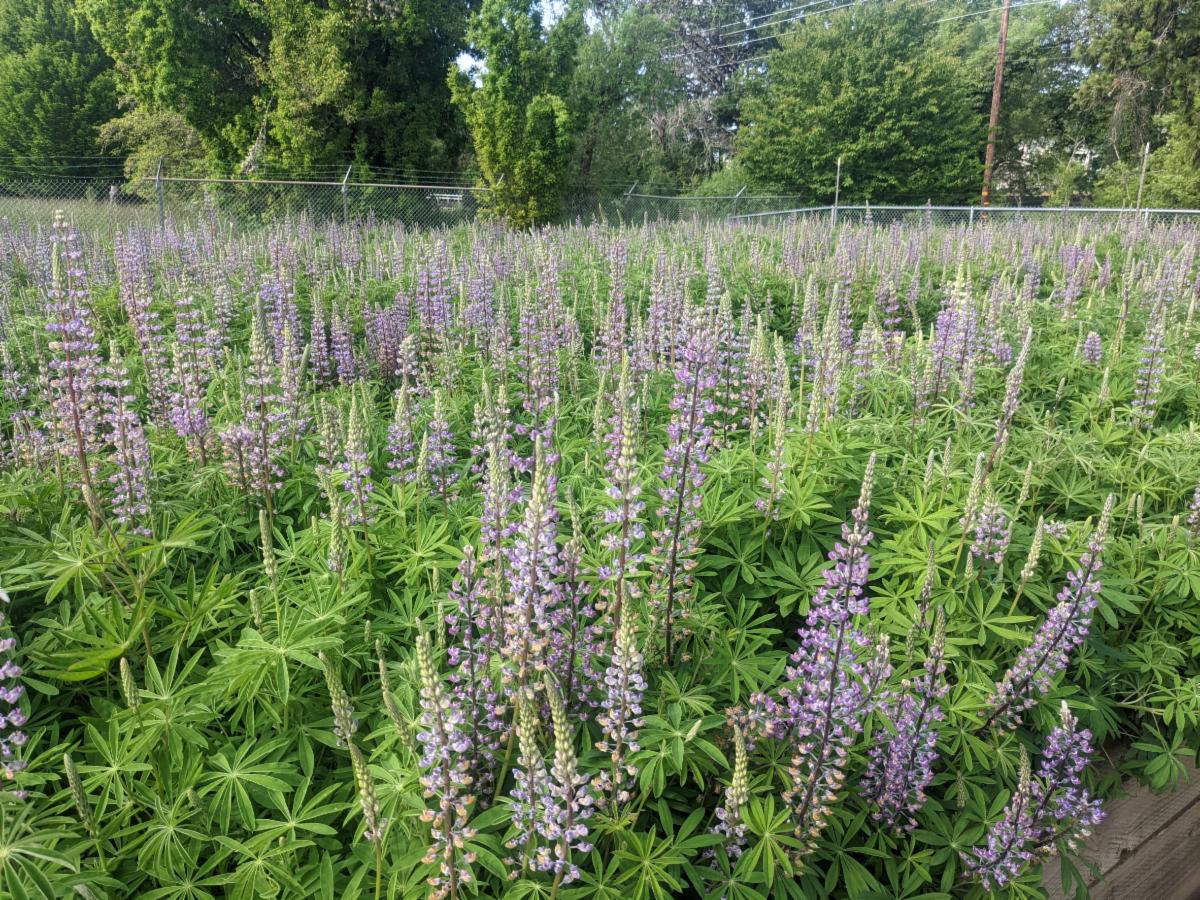
Kincaid's Lupine (Lupinus oreganus) growing at the IAE Farm in Corvallis. Photo Credit: Mara Friddle
|
|
As the NW PMP settles in for winter, you’ll find us in the greenhouse seeding Kincaid’s lupine plugs and gearing up for the National Native Seed Conference in March 2023.
We’d like to extend a huge thanks to our supporters, funders, and partners including the Bureau of Land Management, Oregon Watershed Enhancement Board, U.S. Fish and Wildlife Service, and U.S. Forest Service.
|
|
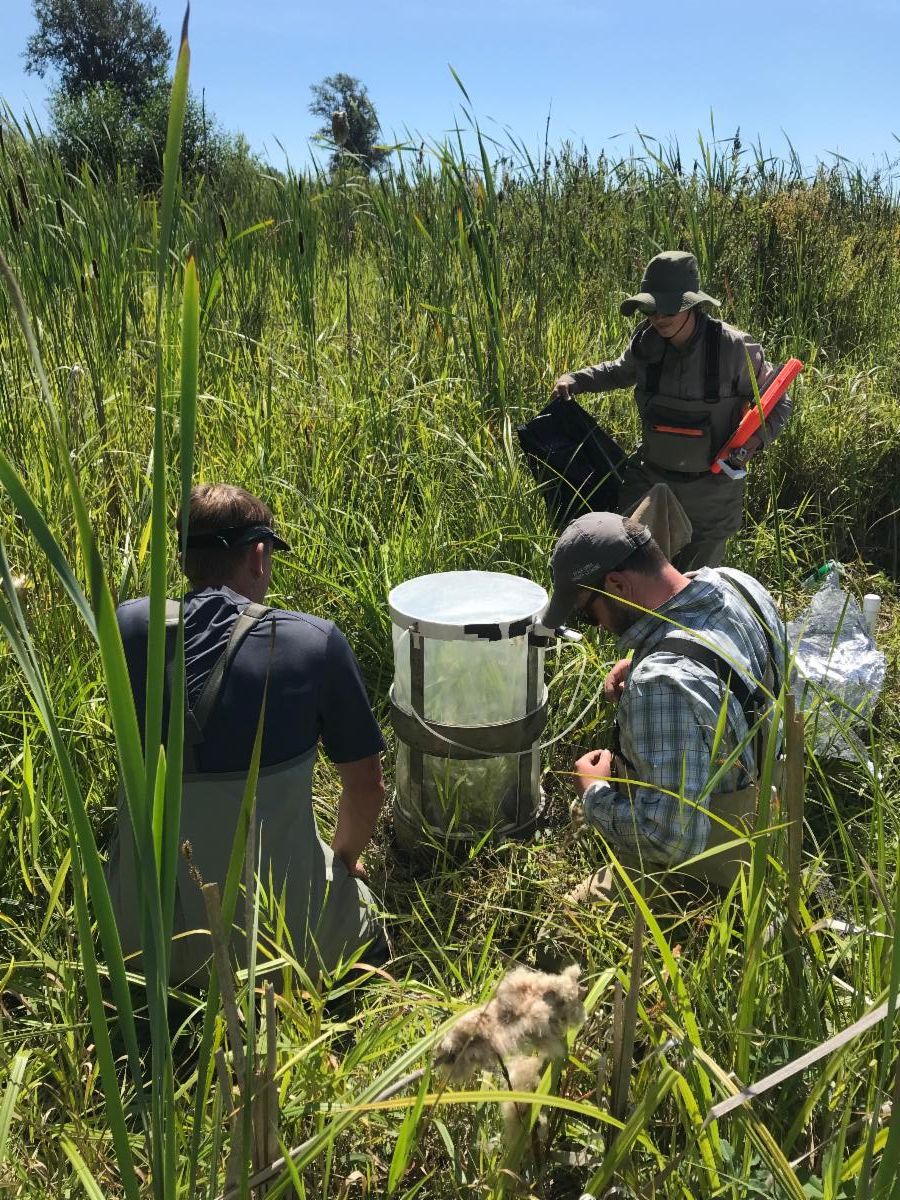
Members of the PNW Blue Carbon Working Group measuring greenhouse gas flux in a tidal wetland. Photo Credit: Christopher Janousek
|
|
In 2022, the Estuary Technical Group (ETG) filled its scientific menu "from soup to nuts" -- or in wetland terms, "from the mud to the atmosphere."
Down in the mud, we finished up a decade of on-the-ground monitoring at the Ni-les'tun tidal wetland restoration project in the Coquille River estuary, and our report showed solid recovery of tidal wetland hydrology, salinity, vegetation, soils, and carbon sequestration.
ETG's leadership of the Pacific Northwest Blue Carbon Working Group also favored muddy boots, with field measurements of soil carbon storage -- and the ecosystem characteristics that control it -- at sites throughout the Pacific Northwest.
Our work sampled the atmosphere too, with the Working Group using enclosed chambers in the field to measure how tidal wetland plants take up carbon from the air and whether they release greenhouse gases like methane.
We visited estuaries from Texas to Maine and everywhere in between -- both virtually and in person -- via our participation in a project that maps estuary habitats on all U.S. coastlines. This mapping project builds on methods ETG developed in collaboration with the Oregon Coastal Management Program during 2012-2014. It's been a fun and productive year!
|
|
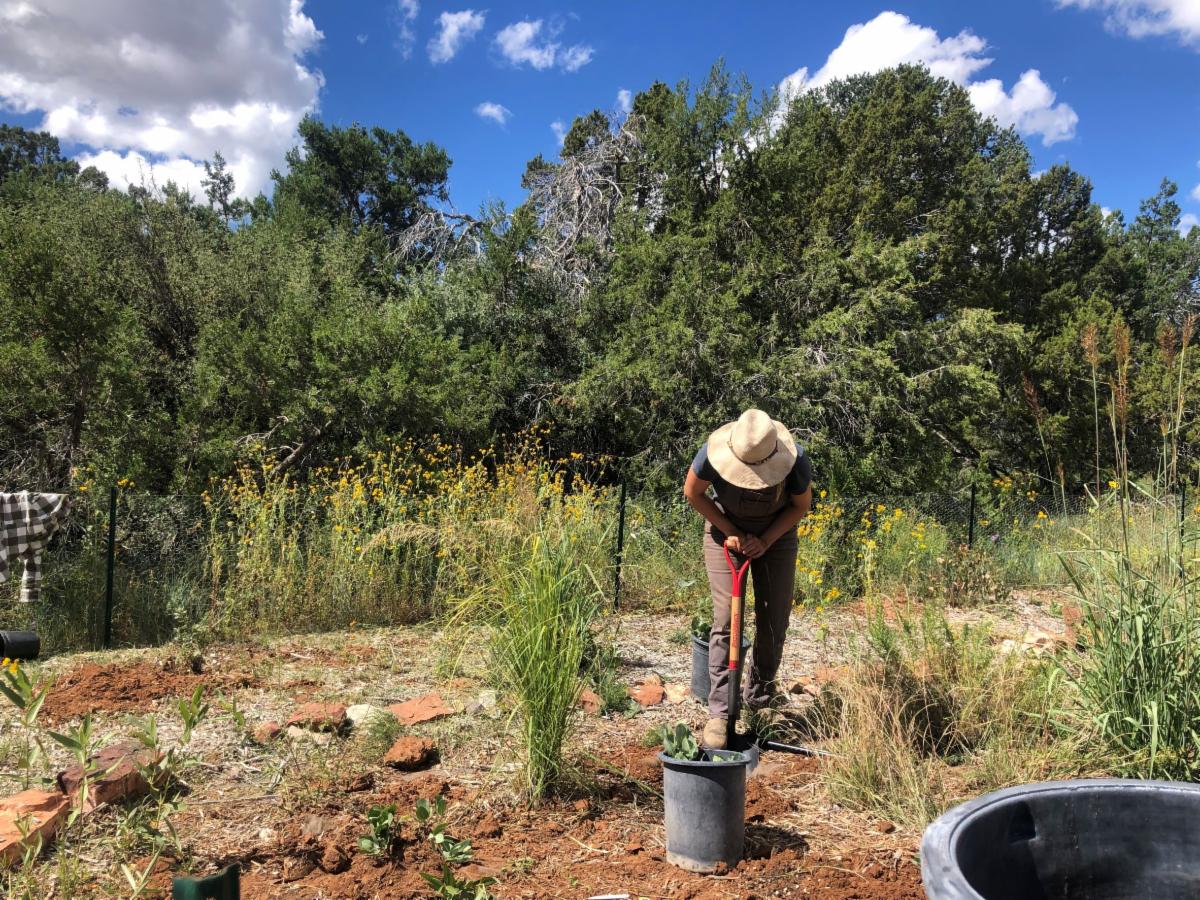
Planting at Salinas Pueblo Missions National Monument. Photo Credit: María Leonor Rodríguez
|
|
If we had to pick one word to describe 2022 in the Southwest Office, it would be growth.
Yes, we grew a lot of native plants (over 13,000 plants and nearly 500 pounds of seed), sometimes using unique methods.
But we also grew ecological appreciation in young adults through Forest Bound and the Youth Conservation Corps; we grew research partnerships to answer burning questions about plant materials and restoration; we grew collective knowledge of rare and endangered species through monitoring, restoration, and policy guidance development.
We grew our geographic reach to include work in the Mojave Desert; and we welcomed three new staff to grow our capacity to achieve meaningful conservation and education across the region!
Thank you to all of our partners, supporters, volunteers, and dedicated staff!
|
|
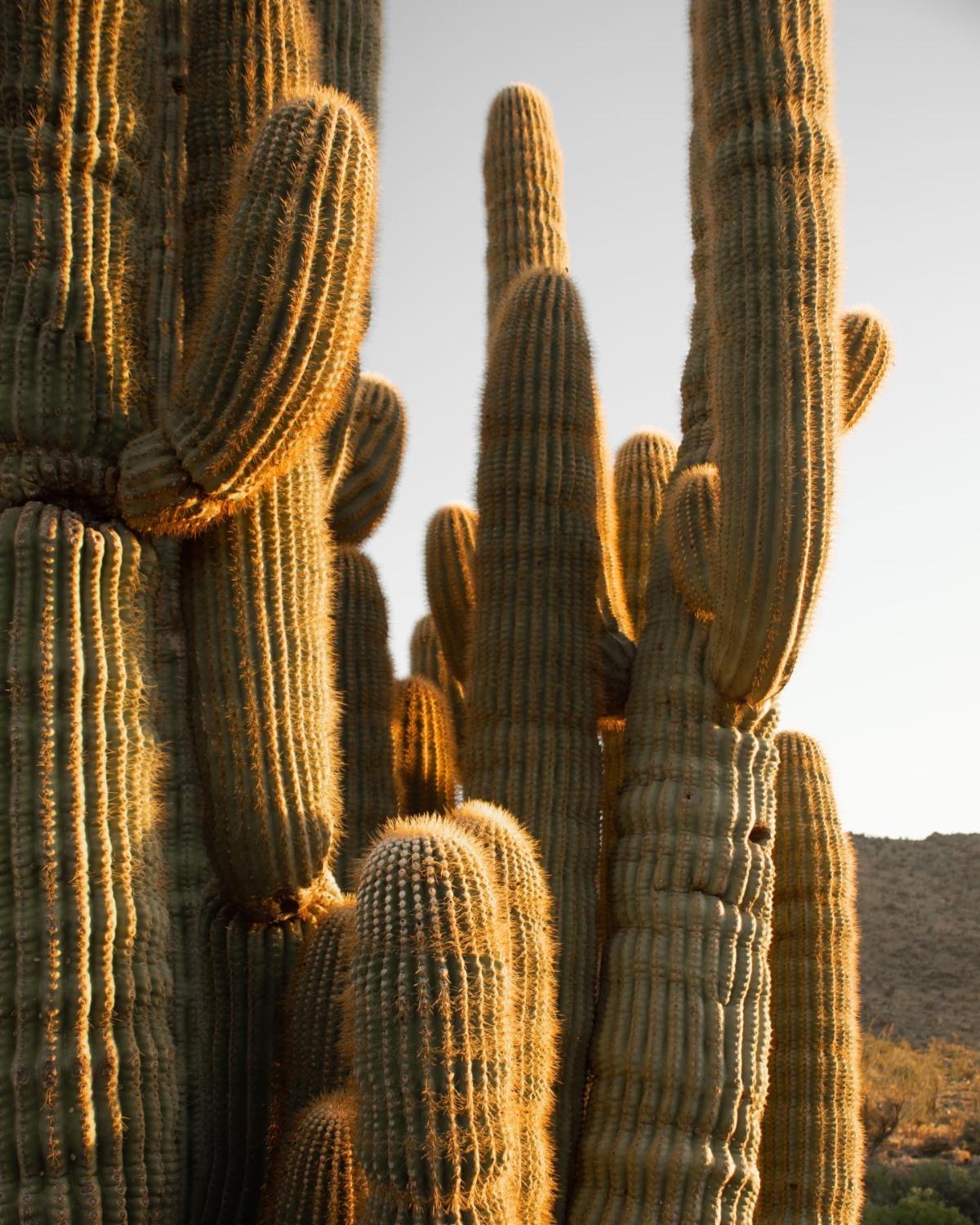
Saguaro in sunlight. Photo Credit: Josie Moe
|
|
Volunteer, Become an IAE Member!
|
|
Thank you to recent IAE Business Sponsors!
If you'd like to show your business's support for our work, please get in touch:
|
|
IAE Board of Directors:
Ken Bierly, Brandy Humphreys, Cary Stephens, Jack Halsey, Jason Bradford, Anne Bradley, Shinji Kawai, Judy Li, John Savage, Carol Savonen, Sunia Yang
|
|
|
|
|
|
|