- Important, but often overlooked: Fuel Lines, Brake Hoses, Tires
- LN Engineeering - Flat Six Innovations Merger Update
- FSI Engine Program v2.0
- New products to complement the FSI Engine Program
| |
|
There are three maintenance items often overlooked on most vehicles, Porsches included. For many of us, our Porsche might not be a daily driver, and in some regions, cars can get put away for the winter. It is not uncommon for Porsche owners to drive their cars less than 5,000 miles a year, and for older models, it’s often significantly less.
We all know that it’s important to change your oil regularly and use a fuel additive like Driven Carb Defender or Driven Injector Defender to protect our engines, but very often rubber fuel hoses along with rubber brake hoses and tires go without replacement far beyond what is considered safe. Simply doing a visual inspection to determine if these components need to be replaced is not sufficient.
| |
|
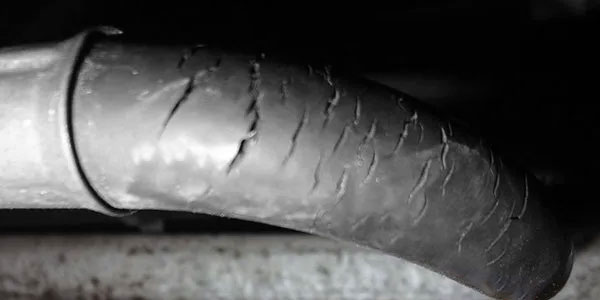
The frequency with which you need to replace the rubber fuel lines on your Porsche will depend on several factors, including the age and condition of the existing lines, how often you drive the car, and the quality of the replacement lines you use as not all fuel hoses are created equal.
As a general rule of thumb, it's recommended that you replace your rubber fuel lines every five to seven years, regardless of whether they appear to be in good condition. This is because rubber fuel lines can degrade over time due to exposure to heat, fuel, and other chemicals, which can cause the material to become brittle and prone to cracking or leaking. Fuel hoses deteriorate from the inside out, like brake hoses, so you might not be able to visually see any cracks until the line has failed and you have a fuel leak, which can be potentially catastrophic.
To ensure the safety and reliability of your Porsche, it's important to inspect the fuel lines regularly for signs of wear or damage, and to replace them as needed with fuel lines that are specifically rated for use with ethanol enriched fuels.
If your Porsche was manufactured before the Boxster or 996, it will not have fuel lines compatible with today’s modern ethanol enriched fuels which requires the use of non-ethanol enriched fuels or regular use of Driven Defender products to protect fuel system components from the damaging effects of ethanol enriched fuels.
| |
|
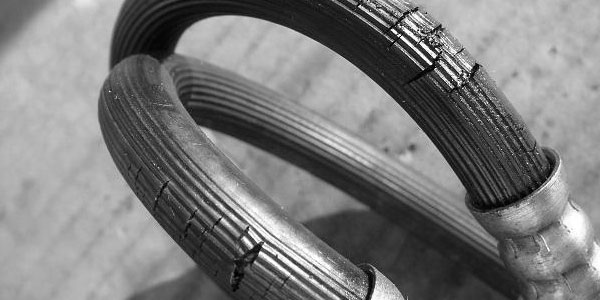
Rubber brake hoses are an important component of the braking system in your Porsche. While there is no specific mileage or time interval for replacing rubber brake hoses, they should be inspected regularly for signs of wear, damage, or deterioration. Here are some guidelines to consider:
- Visual inspection: Check the condition of the rubber brake hoses regularly. Look for any cracks, bulges, fraying, or leaks. If you notice any visible damage or signs of deterioration, it is recommended to have the hoses replaced.
- Age: Rubber brake hoses can degrade over time due to exposure to heat, chemicals, and the elements. If your Porsche’s rubber brake hoses are more than five to seven years old, they should be replaced with DOT approved rubber or stainless brake lines.
- Brake system maintenance: Don’t forget to have your brake fluid flushed and completely changed at least every 2 years or at most 24,000 miles. As important as how often the fluid is changed is what fluid is used – a high quality DOT4 brake fluid should be used. Some Porsche technicians recommend annual brake fluid changes and if you are tracking your Porsche, the fluid should be flushed before every event as track use accelerates how often the fluid and lines should be changed, for obvious safety reasons.
| |
|
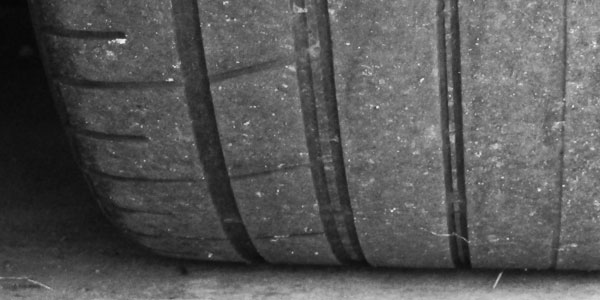
The frequency with which you need to replace your Porsche’s tires depends on several factors, including the type of tires you have, the road conditions you typically encounter, and how often you drive your car. As a general rule of thumb, it's recommended that you replace your tires every six years, regardless of how much tread depth they have left.
In addition to this, you should inspect your tires regularly for signs of wear and damage, such as cracks, punctures, or bulges. If you notice any of these issues, it's important to replace the affected tire(s) as soon as possible to ensure your safety on the road. Any irregular wear issues are likely a result of alignment issues or worn suspension components.
The frequency of vehicle alignment depends on various factors, including driving conditions, road quality, and your vehicle's specific characteristics. However, as a general guideline, it is recommended to have your Porsche’s alignment checked at least once a year (some say every 2-3 years for cars that are not driven that often) or every 10,000 to 12,000 miles. Additionally, it is advisable to have your vehicle's alignment checked whenever you notice certain signs indicating potential alignment issues. These signs may include:
- Uneven or rapid tire wear: If you notice that your tires are wearing unevenly or excessively on one side, it could indicate an alignment problem.
- Pulling to one side: If your vehicle tends to drift or pull to one side while driving on a straight road, it could suggest an alignment issue.
- Steering wheel misalignment: If your steering wheel is off-center or not straight when driving in a straight line, it may indicate alignment problems.
- Vibrations or steering wheel instability: If you experience vibrations or instability in the steering wheel, especially at higher speeds, it could be a sign of alignment issues. Vibrations often can result from bent wheels or loss of wheel weights, so having your tires and wheels inspected and balanced is recommended if your alignment checks out and you still have vibrations.
- Suspension or steering component replacement: If you have recently replaced suspension or steering components, it is a good idea to have the alignment checked to ensure everything is properly aligned.
Another important factor to consider when determining how often to replace your tires is their tread depth. In most places, the legal minimum tread depth for tires is 2/32 of an inch (1.6 mm). However, for optimal safety and performance, it's recommended that you replace your tires when the tread depth reaches 4/32 of an inch (3.2 mm). Again, for most of us, tires will require replacement based on time and not mileage or tread depth.
| |
|
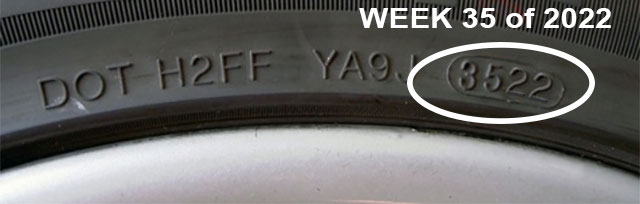
If you are unsure of the age of the tires on your Porsche, locate the DOT code: Look for a series of characters imprinted on the sidewall of the tire. The DOT code is typically grouped together and can be found near the edge of the tire. The DOT code consists of a sequence of numbers and letters. The last four digits are the most important for determining the age of the tire. The first two digits represent the week of manufacture, and the last two digits represent the year. For example, if the last four digits are "3522," it means the tire was manufactured in the 35th week of the year 2022. Remember, determining the age of the tire and if replacement is necessary goes by date of manufacture, not the in service date.
Finally, it's worth noting that different types of tires have different lifespans. For example, performance tires tend to wear out more quickly than standard all-season tires, while winter tires are typically replaced every two or three seasons.
Your tire manufacturer or mechanic can provide you with more specific recommendations for when to replace your particular tires based on their design and usage.
| |
|
Remember, these are general guidelines and are applicable to more than just Porsches, so it's always best to consult your vehicle's manufacturer recommendations or refer to your vehicle's owner's manual for specific information regarding vehicle maintenance. Additionally, if you live in an area with extreme temperatures or harsh weather conditions or if you use your car for high performance driving events (anywhere a helmet is required), this can also accelerate the deterioration of rubber components on your vehicle and require more frequent servicing than recommended by your vehicle’s manufacturer.
In any case, if you have any doubts about the condition of your rubber fuel lines, rubber brake hoses, or tires, it's best to consult with a qualified Porsche specialist who can inspect your Porsche and advise you as to what preventative maintenance is needed on these and other items critical to your car’s safety and performance.
| |
|
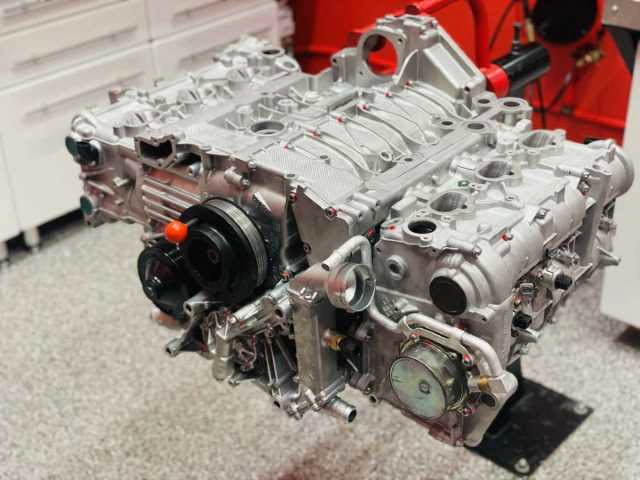
We’d like to give everyone an update about the merger of LN Engineering and Flat 6 Innovations. Jake has reached the end of line for the original FSI program and the new FSI engine program v2.0 is well under way with engines shipping weekly. Engines are still being built in Cleveland, GA by the Flat 6 Innovations team – the only difference is that your point of contact for purchasing an engine is LN Engineering.
If you are interested in a Stage II Street/Track Performer, we suggest getting on the notification list and signed up for the next webinar. As part of this new program, all engines are installed by trained certified installers around the country. All potential purchasers must be prequalified via our simple application process. Jud can assist you with this and answer any questions about the revised program that has eliminated the backlog for these highly sought after engines which previously ran as long as 20 months.
| |
New products to complement the FSI Engine Program | |
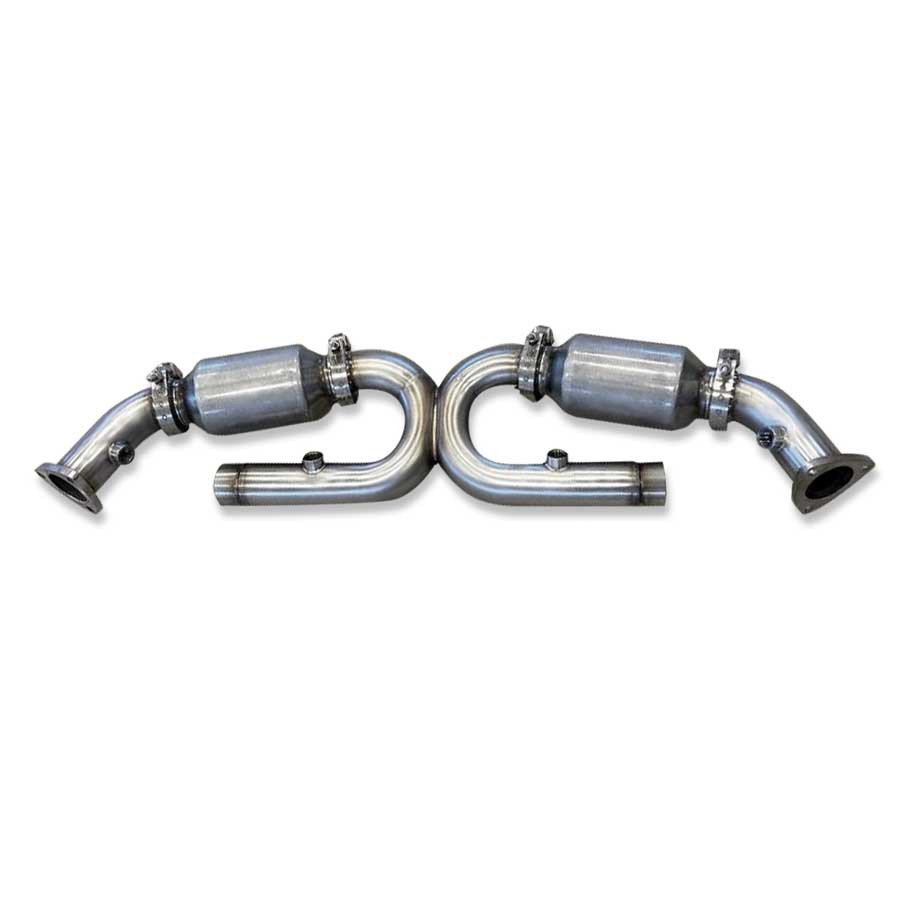
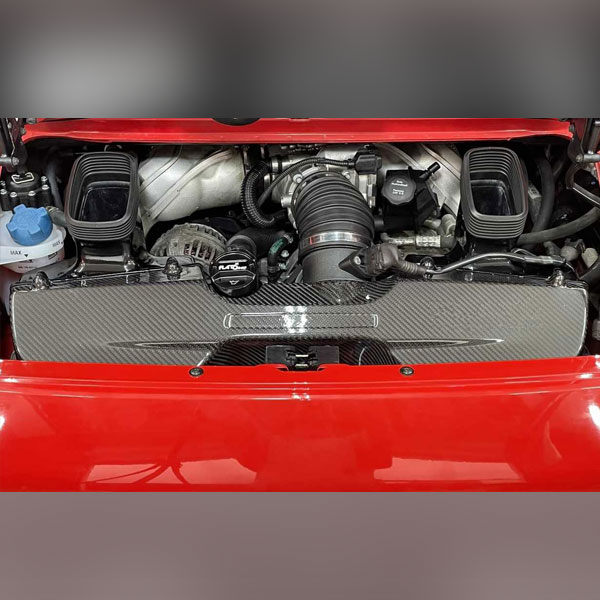
Jake’s been hard at work on developing new products to complement the FSI program, two of which we’re currently backordered on – the X51 style air box and x-pipes: | |
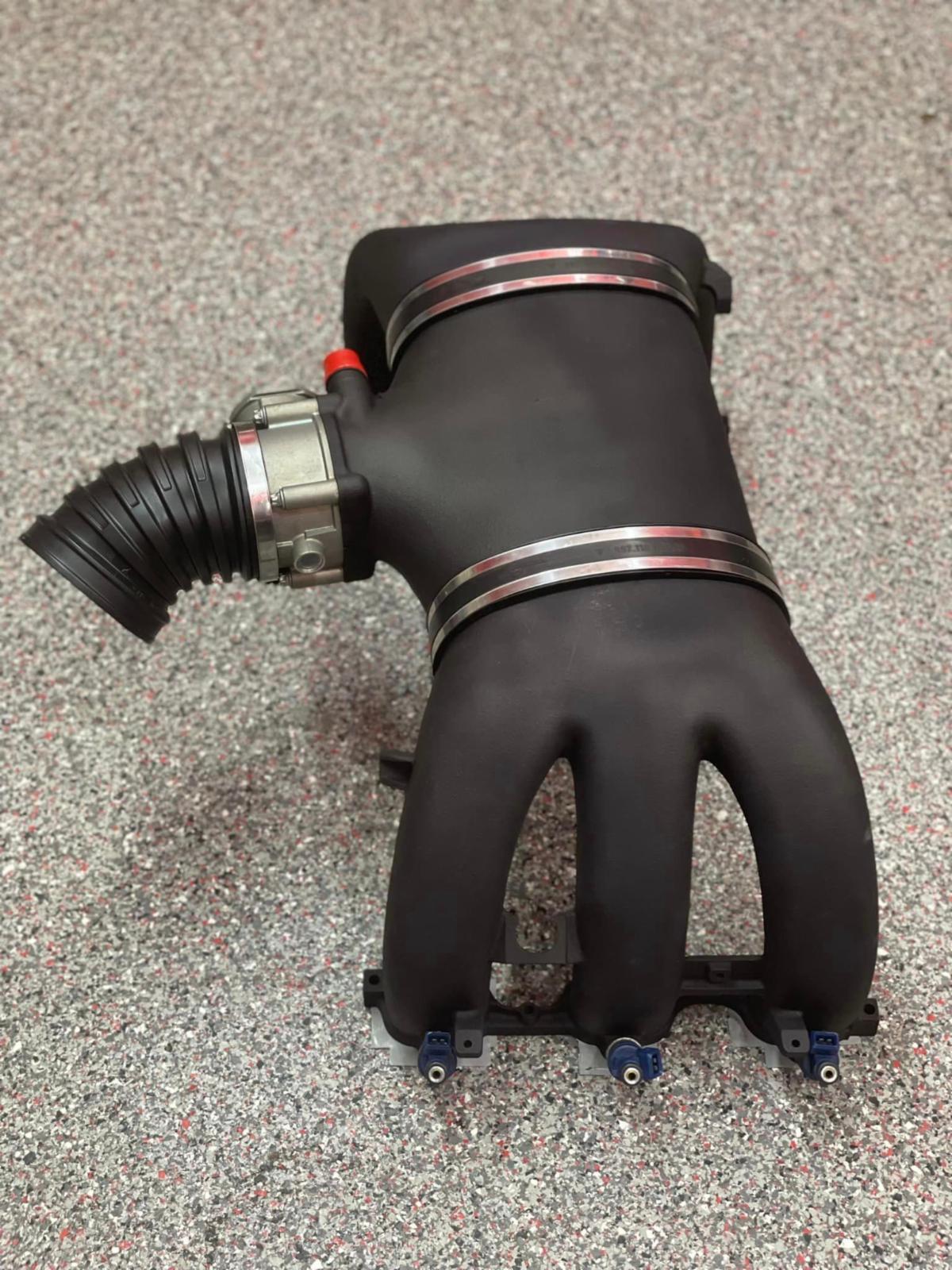
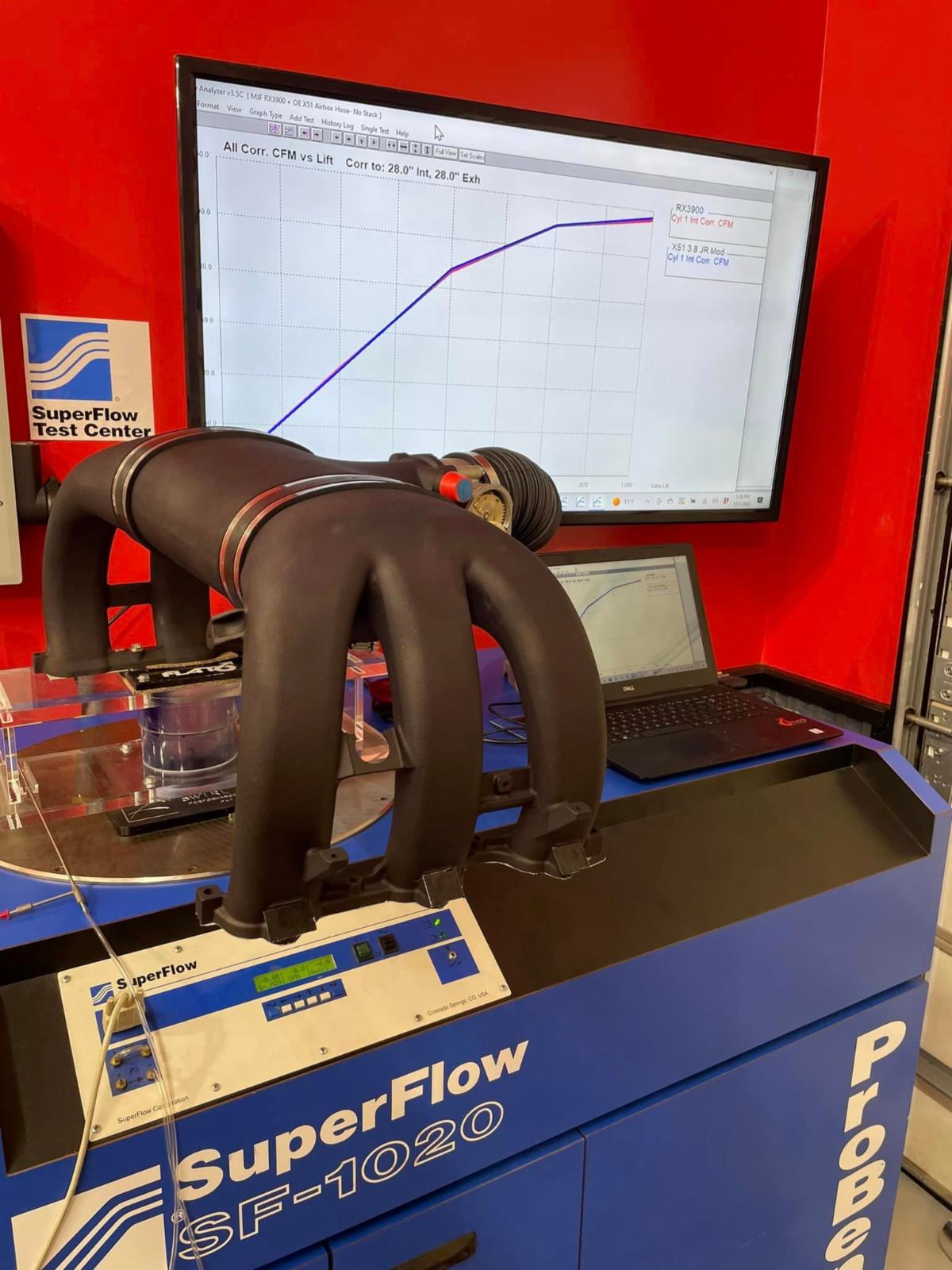
Here’s a teaser of Jake’s new intake manifold that outperforms the factory 997 X51 intake and is optimized to work with the FSI airbox above. | |
If you’d like to get on the notification list for a Flat 6 Innovations Stage II engine or to pre-order either of these items, please send an email to jud@LNengineering.com or call Jud directly at ext. 815-472-2939 ext. 105. | | | | |