|
PERFORMING ANIMAL WELFARE SOCIETY
Rescue. Advocacy. Sanctuary. For Life.
Since 1984
| | Bigelow beats the heat in his pool | | Keeping Cool at the PAWS Sanctuary | | So far, summer temperatures have been pleasantly mild at the PAWS sanctuary – but we know the heat is coming. When it does, our priority is keeping animals and staff safe and comfortable. Here’s how we handle the hot weather at PAWS. | | |
Cool, cool water
Fresh, clean water is essential to animal wellbeing, but it’s especially important in the heat. At PAWS, animal habitats are equipped with pools, sprinklers, or other water features for drinking, bathing, and play. Caregivers also make sure to replenish drinking water throughout the day.
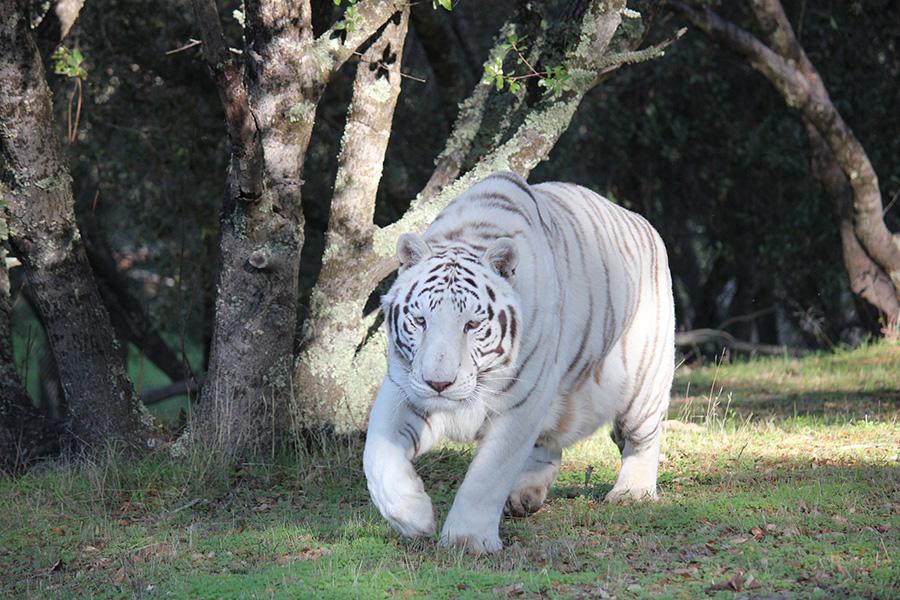
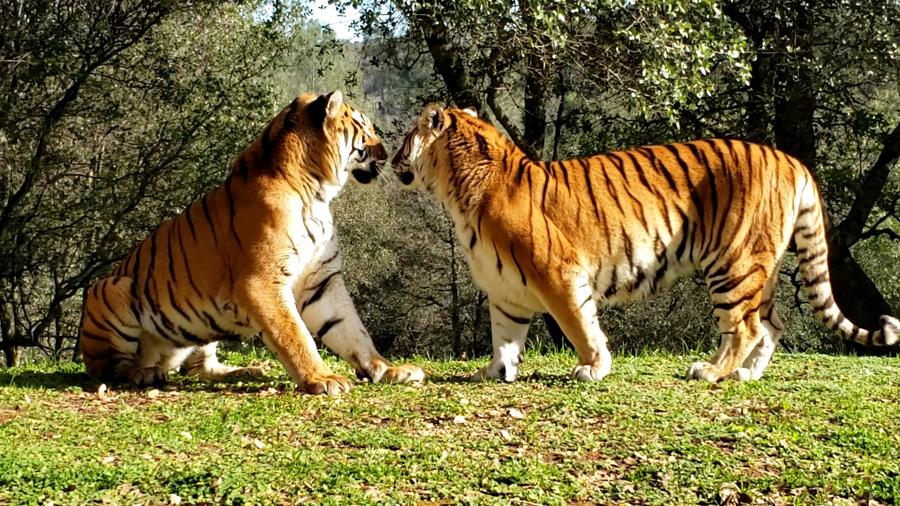
Many of our residents love the water. Tigers swim and splash in their pools or cool off under sprinklers. Asian elephants Prince and Nicholas immerse themselves – Prince in his 40,000-gallon pool, and Nicholas in his spacious pond. All the elephants receive extra drinks and cooling hose baths from caregivers.
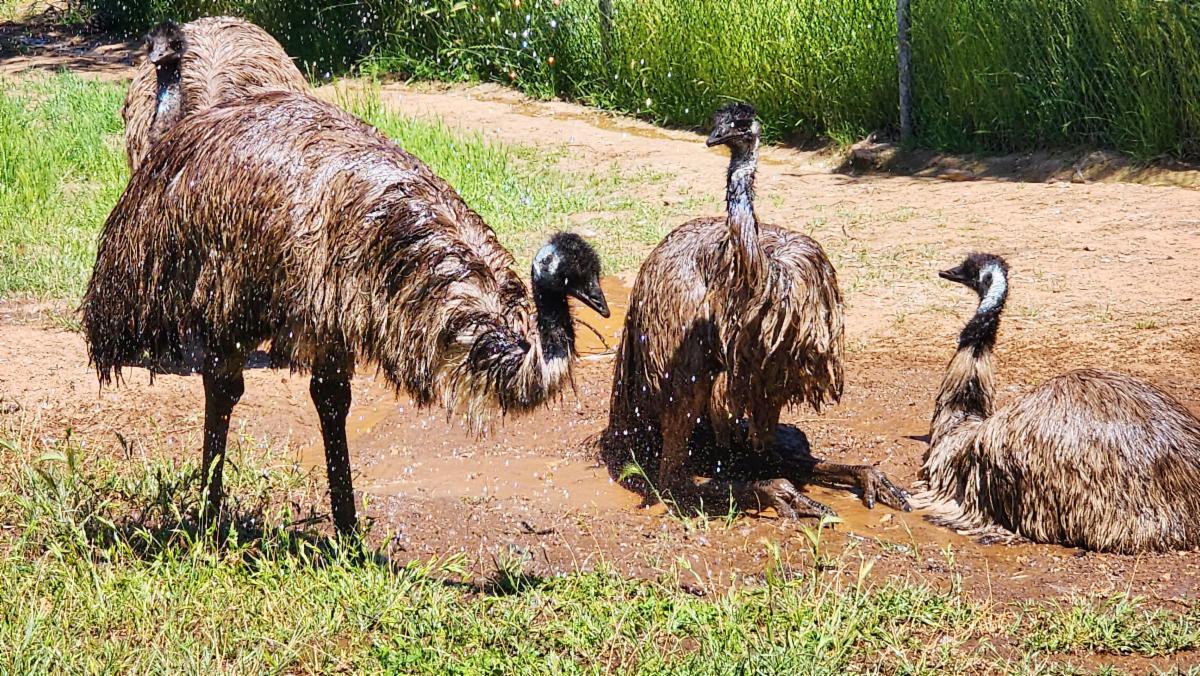
Even our emus – a group of six known as a “mob” – seek out shallow pools and muddy puddles when the temperatures rise. These large birds enjoy splashing and soaking to stay cool.
| | |
Icy treats for bears
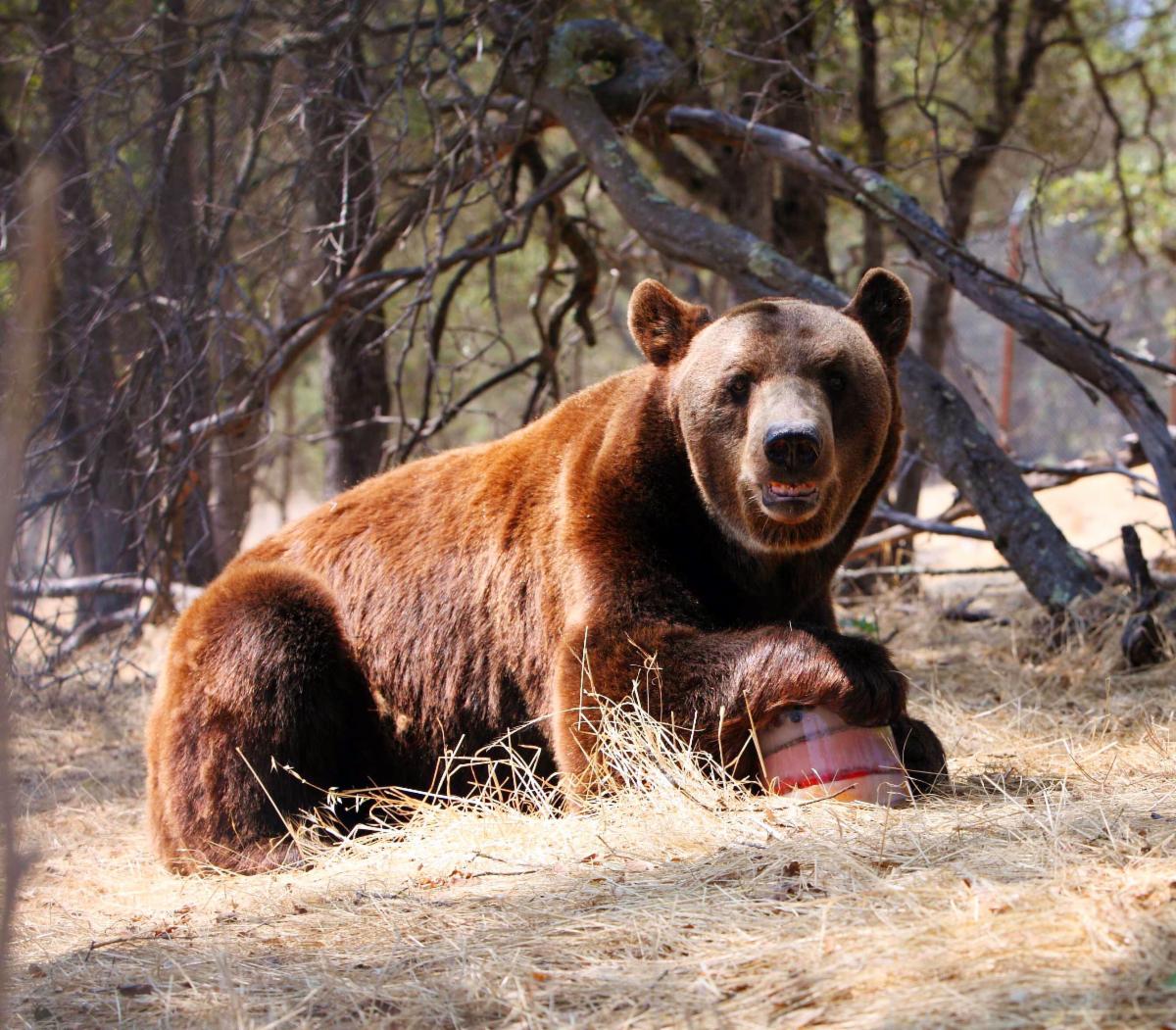
On especially hot afternoons, bears Mack, Ben (pictured), and Dally are treated to frozen fruit “popsicles” – slices of fresh fruit frozen in blocks of Gatorade – offering both hydration and a refreshing snack.
Nature’s comforts
Our naturalistic habitats are filled with trees and foliage that provide shady retreats. Bears often rest in “nests” of grass and leaves or in shallow, cool beds they dig themselves.
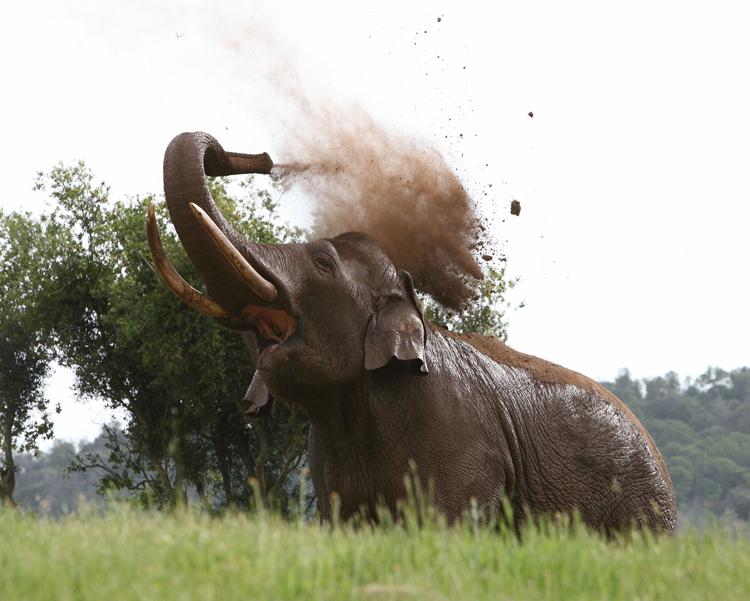
The elephants may take a break from foraging to nap under shade canopies or trees. Or they may indulge in an invigorating mud bath. Mud helps regulate body temperature, acts as a natural sunscreen, and protects their skin from insects. The elephants roll and splash in it and generally have a good time.
| | |
Caring for our caregivers
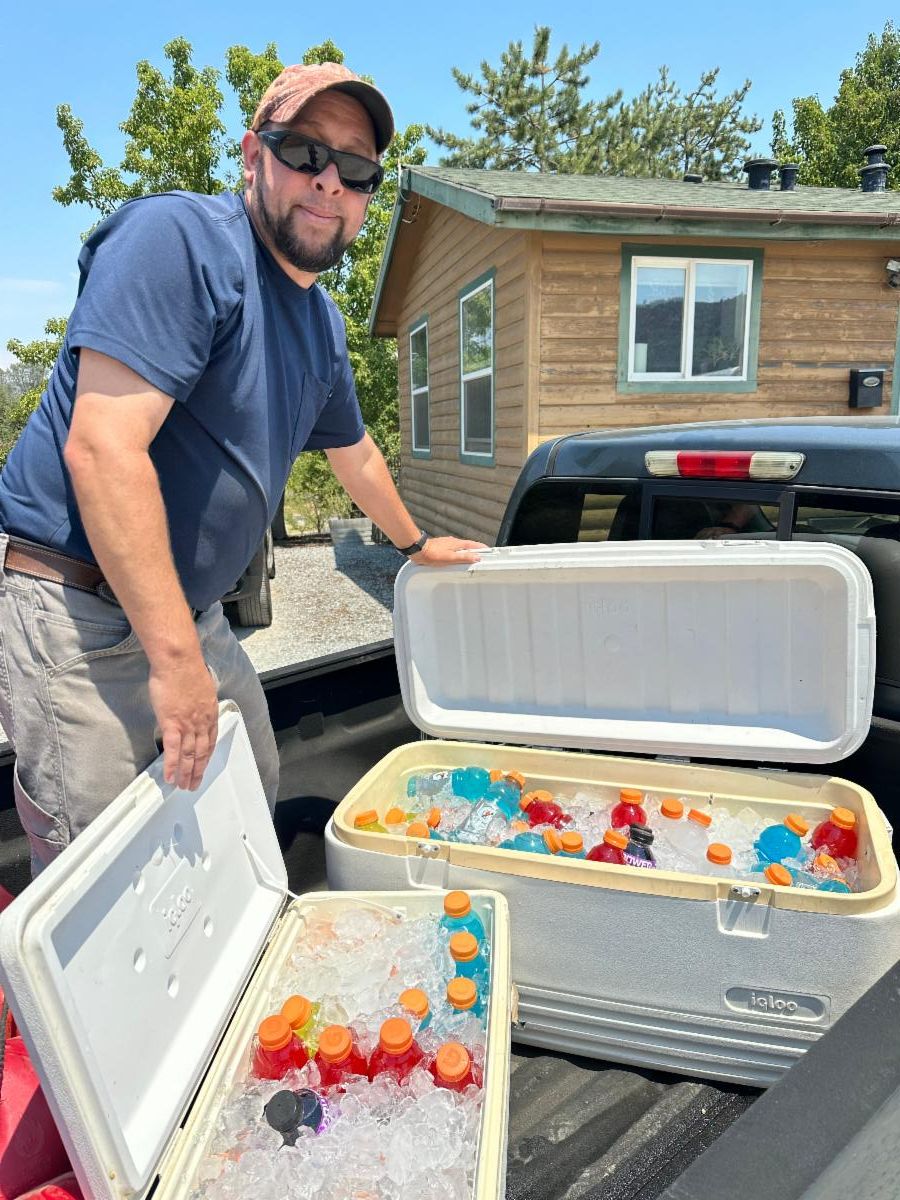
Our sanctuary team spends long hours outdoors, even in peak heat. Staff stay hydrated, take breaks as needed, and look out for one another’s wellbeing – just as they do for the animals.
We’re deeply grateful to our compassionate caregivers and veterinary team, who give their all in every season. Please join us in thanking them for their incredible dedication and love.
(Pictured is caregiver Al Araujo, ensuring that our hardworking staff stays hydrated.)
| | |
New Report Questions the
Captivity of Elephants
| | |
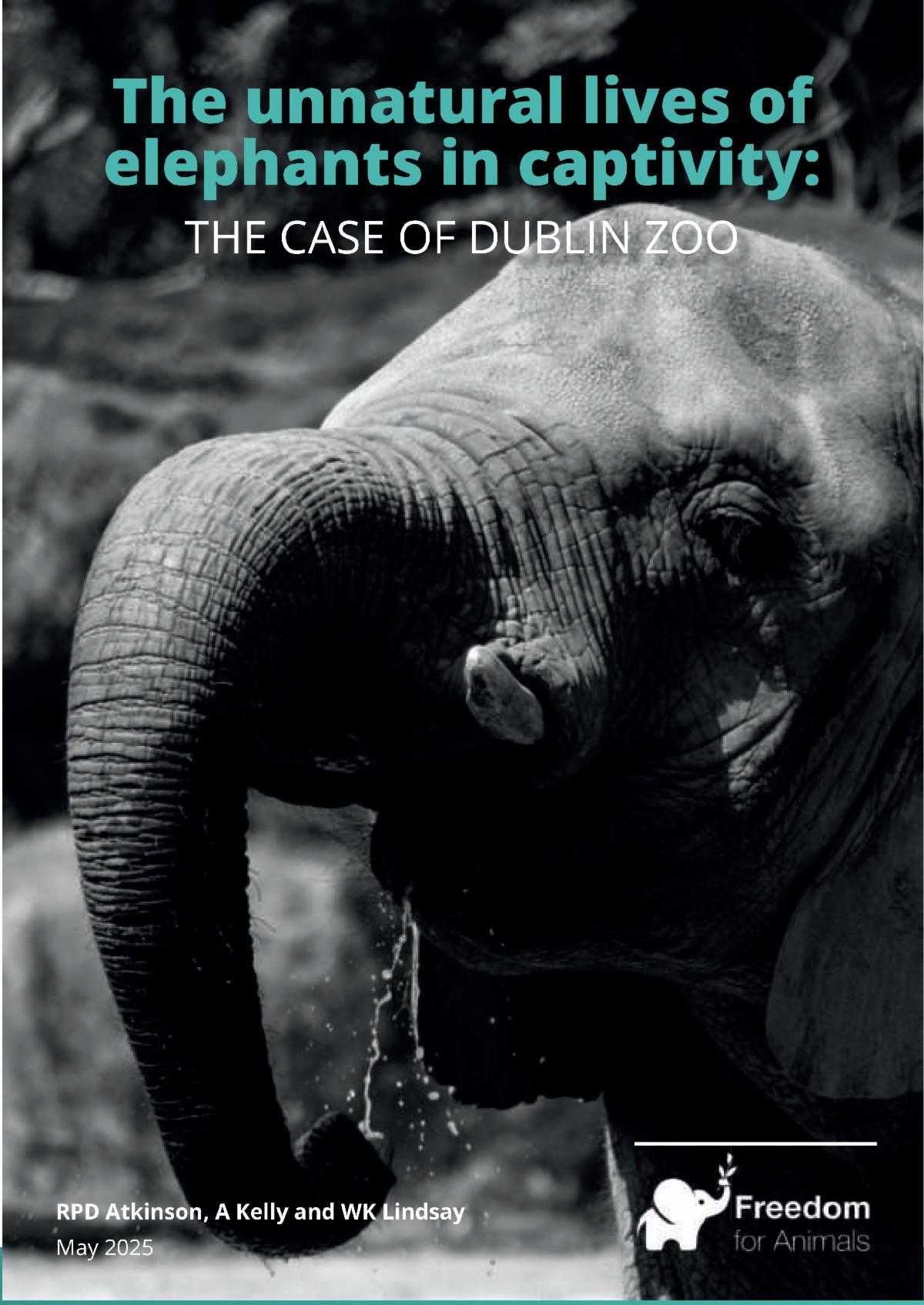
A powerful new report, The Unnatural Lives of Elephants in Captivity: The Case of Dublin Zoo, by Rob Atkinson, Andrew Kelly, and Keith Lindsay, presents a sweeping examination of elephant captivity in zoos. While focused on one zoo, the authors emphasize that the issues raised apply broadly to zoos across Europe and the U.S.
The report acknowledges improvements in some areas – such as obesity and foot problems – but also highlights significant challenges that persist in zoos: inadequate space, separation and transfer of elephants, inability of elephants to forage naturally, lack of complex social groupings, and climate unsuitability.
It also dismantles long-standing claims around conservation and education. “There is no legitimate conservation reason to breed elephants in Western zoos such as the Dublin Zoo,” the authors state. “There is no substantive proof that the presence of elephants in zoos contributes significantly to public or academic knowledge of elephant biology or to their conservation in the wild.”
The report recommends a phase-out of elephants from zoos and other facilities that fail to recognize elephants’ physical, psychological, and social needs. The authors call for an immediate end to elephant breeding and importation, and demand that any conservation claims be supported by rigorous, independently reviewed research made available to the public.
Backed by compelling evidence, this report makes a strong case against the captivity of elephants. You can read the full report here.
| | |
Fair Season Is Here – So Are Wild
Animal Attractions
| | |
Fair season is in full swing across the country – and so are wild animal shows. You might see sloths, kangaroos, lemurs, or even tigers and elephants on display or used in shows, photos ops, and rides. But behind the scenes, these animals are suffering.
Here’s what you need to know:
· Constant travel, tiny cages. Animals are transported from fair to fair in cramped cages – sometimes traveling thousands of miles during fair season. Elephants used for rides are typically chained during transport and when not working.
· Cruel training. Tigers and other wild animals don’t perform willingly – training relies on fear, punishment and domination.
· Violent control. Elephant and camel rides may seem harmless, but the animals are often beaten or threatened with painful devices such as elephant bullhooks.
· Extreme stress. Cages are barren, preventing natural behaviors, and animals are often kept in improper social groupings. Loud crowds add to their stress and suffering.
· Visible distress. Abnormal repetitive behaviors, such as pacing and rocking, are signs of poor welfare caused by captivity and constant travel.
Wild animal shows are often marketed as “educational” and “conservation-focused” – but don’t be fooled. They promote the exploitation of captive wildlife, encourage the exotic pet trade, mislead the public, and undermine true conservation efforts.
You can help!
· Avoid wild animal shows, rides, and exhibits.
· Write to your local paper, urging an end to wild animal attractions at the fair.
· Email or call the fair board or local officials to express your concerns.
· Post a comment on the fair's social media pages and share facts with others.
Together, we can end the use of wild animals for entertainment!
| | |
Did you know that you can help the animals at
PAWS with just a few clicks?
| | |
Our Amazon Wish List includes items we use every day at the sanctuary, such as health supplements, food, batteries, and other essentials.
By purchasing directly from the list, you support PAWS and help give the animals the best care possible.
Click here to see needed items and make your purchase!
| | |
Thank You to Our July Amazon Wish List Donors:
Howard House & Sharon Spaans: 1994 Ford F-150 Pickup Truck. Kathy Barbour: one bag of raw Jumbo Peanuts, 24oz; one bag of Mixed Nuts, 40oz; one bag of Greenies Pill Pockets, 7.9oz; one box of Sun-Dried Raisins; one bag of raw Pumpkin Seeds, 10oz; one bag of Vet IQ Hip & Joint, 60 soft chews; one bag of Dates, 8oz; one pair of Hardware Gloves; two packs of E Circuit AA Batteries; one $50.00 Costco Gift Card. Linda Starr: one bag of Coconut, 1lb. Nina Dillingham: one bag of Coconut, 1lb. Jenny Bramlette: one bag of Apples, 1lb. Nancy Gordon: four boxes of N95 Facemasks, 20pk; one pack of AA Batteries, 48ct; one set of 2-Way Radios GMR 50 channel. Azadeh & Craig Morrison: one bag of Walnuts, 4lbs; one bag of Pine Nuts, 2lbs; one bag of Pecans, 2lbs. Chris Castellon: one bag of Sunflower Seeds, 5lbs. Tina Paoli: one bag of Dried Cherries, 1lb; one bag of Dried Cranberries, 1lb. Marcia Pelka: one bottle of Renal Essentials, 60#; one bag of Brazil Nuts, 3lbs; one bag of Cashews, 5lbs. Joyce Hodel: one bag of Pumpkin Seeds, 5lbs; one bag of Pecans, 5lbs; one bag of Dates, 5lbs; one bag of Sunflower Seeds, 5lbs; one bag of Cashews, 5lbs; one box of N95 Face Masks, 20pk. Linda Olson: one bottle of Sore No More Liniment, 64oz. Steven & JoAnna Schilling: two bags of Brazil Nuts, 3lbs; two bags of Walnuts, 4lbs; two bags of Pumpkin Seeds, 5lbs; two bags of Cashews, 5lbs. Jim & Robin Mahlon Piane: one bag of Brazil Nuts, 3lbs; one bag of Pecans, 2lbs; one bag of Cashews, 5lbs. Duella Farmer: one set of 2-Way Radios GMRS 50 channel. Georgina Puente: four bags of Prunes, 2lbs; one bag of Cherries, 1lb; one bag of Sunflower Seeds, 5lbs; one bag of Hazel Nuts, 1lb. Ellie Bryant: one bottle of Renal Essentials, 60#. Maureen Moss: one bottle of Renal Essentials, 60#. Maureen Forney: one box of Oranges, 35lbs. Peggy Buckner: one bottle of Sore No More Liniment, 64oz. Sharmon Freund: one bag of Prunes, 2lbs; one bag of Dates, 5lbs; one bag of Almonds, 4lbs; one bag of Brazil Nuts, 3lbs; one bottle of Renal Essentials, 60#; one toy Jolly Eggs Purple; one toy Virtually Indestructible Ball Orange; one gallon Sore No More Liniment. Anonymous: one bag of Blueberries, 1lb; one bag of Hazel Nuts, 1lb.
| | |
RESCUED TIGER FALCOR
PAWS provides lifetime care to the tigers, bears, elephants, and other animals who call our sanctuary home. Your kind support provides expert daily care, necessary veterinary treatments, and specialized nutritional support, all tailored to the individual needs of each animal. Your gifts make this excellent care possible.
| | There are many ways you can help PAWS animals: | | |
Donate. Although we work closely with regulatory agencies on animal rescues, PAWS receives no government funding and must rely on your donations to continue our work. When you make a contribution for the wild animals at PAWS, it is unlike any other. How many people can say they’ve gifted elephants with spacious rolling hills and a more natural life, or made a present of a lush, tree-filled habitat for a tiger? Or given a bear a new chance at life? And you ensure we are prepared for the next wild animal in dire need of rescue. Three ways to give and every donation matters.
| | |
PAWS is proud of its 4-star rating with Charity Navigator - the highest rating possible. We are part of an elite group of charities with an "exceptional" designation (at least four consecutive years of 4-star ratings), meaning that your gift will have the greatest impact possible. CharityWatch gives PAWS an "A" rating.
| | |
Give to one of PAWS' ongoing MightyCause campaigns: Our "Dollars for Dirt" or "Give BIG for PAWS' Elephants" fundraisers for the elephants, like Prince (pictured), or our "Help Captive Tigers" fundraiser to benefit the rescued tigers living at our ARK 2000 sanctuary.
Adopt A PAWS Animal. If you would like to help our animals, one of the best ways is to become an "adoptive parent," or give a PAWS adoption as a gift to an animal lover in your life. PAWS adoptions are symbolic adoptions only. No animal will be sent! Learn more
| | |
PAWS Amazon Wish List. We have chosen specific items that are needed at the sanctuary, which you can purchase directly from Amazon. Many items are ongoing. The list is always current! View here.
EBAY Giving Works. Visit PAWS eBay page to view our current listings and to bid. List your items on EBAY and choose PAWS as your charity. Donate a percentage of each sale to the animals. Visit our EBAY charity listing page here. Start selling or buying!
| | |
Shop online through IGive and raise money for PAWS! Up to 26% of your purchase - at more than 1,600 retailers - can be donated to PAWS. Learn more
| | | | |