|
PERFORMING ANIMAL WELFARE SOCIETY
Rescue. Advocacy. Sanctuary. For Life.
Since 1984
| | |
PAWS Welcomes Seized Big Cats
Second Intake in Two Months
| | |
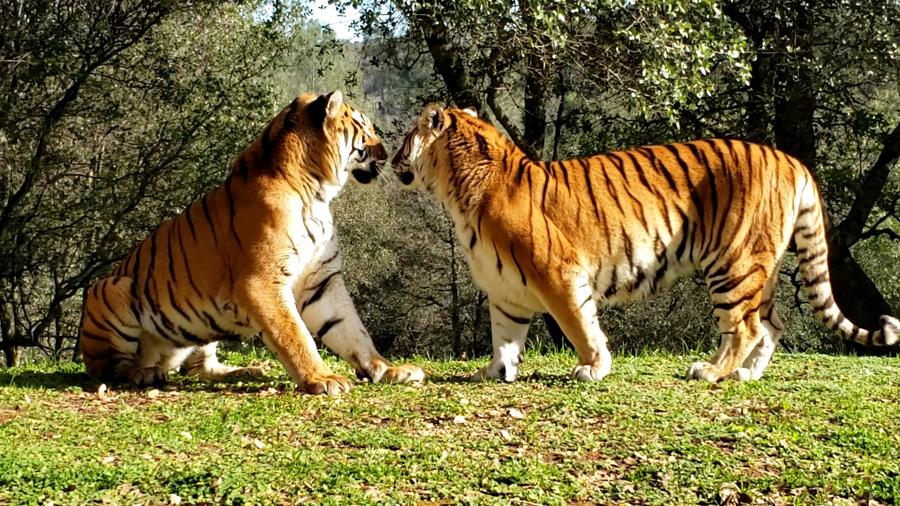
On May 17, 2025, PAWS welcomed two new big cats to our sanctuary, following a major law enforcement operation in Oregon.
These cats were among 322 animals that were seized from the West Coast Game Park Safari by Oregon State Police and the Oregon Humane Society in conjunction with local, state, and federal law enforcement agencies.
| | |
PAWS also worked with the Big Cat Sanctuary Alliance – of which PAWS is a founding member – which coordinated the GFAS-accredited sanctuaries for the remaining wild cats.
This decisive operation came after a lengthy criminal investigation into serious concerns about animal care and welfare. All the animals have since been relocated to sanctuaries and other accredited and/or permitted facilities.
At PAWS, the two big cats are comfortable and are settling in well under the expert care of the sanctuary’s animal care and veterinary teams.
While we know our supporters are eager to know more, we are unable to share details about the animals at this time due to the ongoing investigation. This helps ensure the animals’ safety and supports the integrity of the legal process. We appreciate your patience and look forward to sharing their stories when we are able.
This marks the second time in just two months where PAWS has taken in seized animals.
| | |
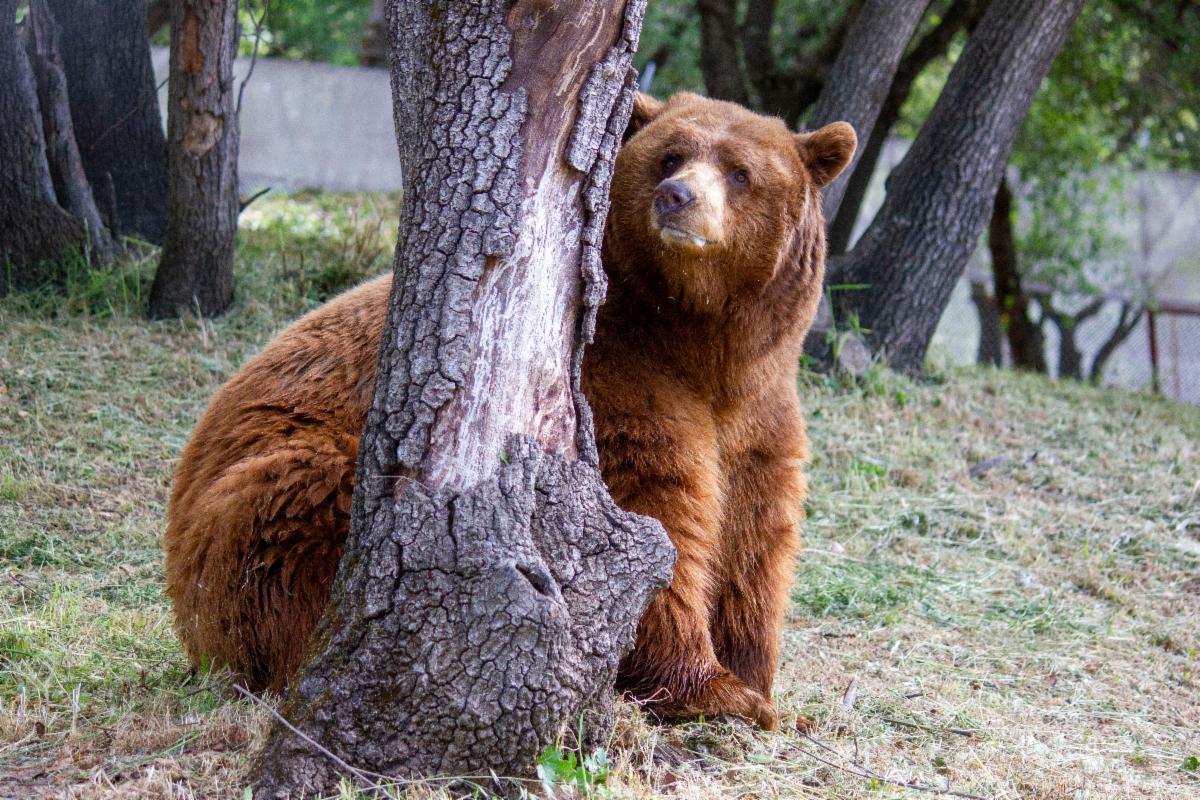
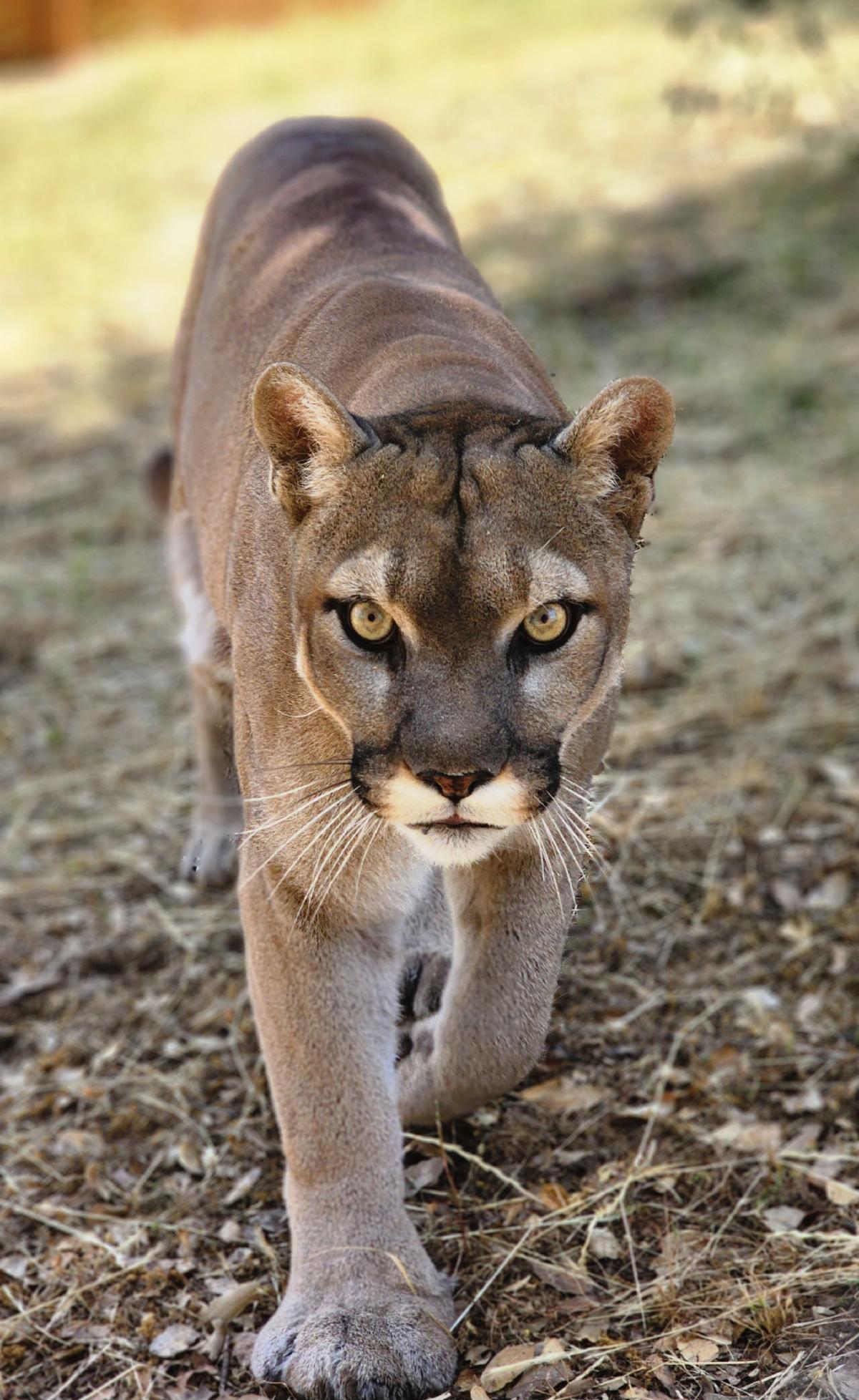
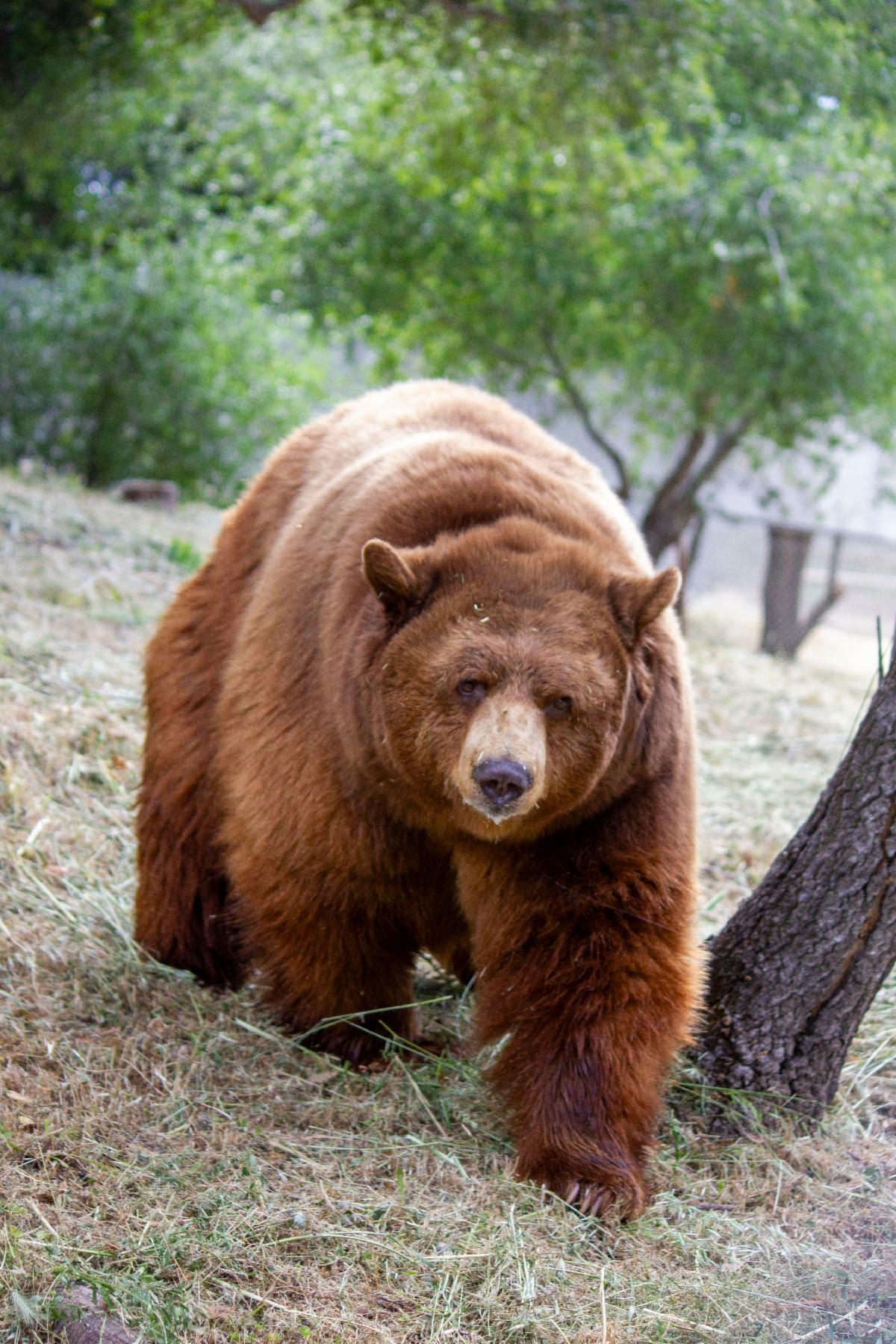
In March, PAWS welcomed Dally, an American black bear, and Casey, a mountain lion, after they were seized by the California Department of Fish and Wildlife from the Barry R. Kirshner Wildlife Foundation as part of a criminal investigation into alleged animal welfare violations.
A third animal from that seizure, a male bobcat, will join us later, once construction is complete on a specially designed enclosure. In the meantime, the bobcat is receiving care at a qualified wildlife care facility.
We commend the actions of law enforcement in these recent events, and we applaud others across the country who are working to protect captive wild animals. We hope to see growing momentum behind efforts to shut down harmful and exploitative facilities.
Thanks to your support, PAWS stands ready to help when animals are in need – offering them a second chance at life in a safe, peaceful environment that prioritizes their health, safety, and dignity.
Together, we are making a difference!
| | Captive Wildlife Attractions Don’t Belong in Your Summer Plans! | | |
Whether you’re vacationing abroad or enjoying a staycation this summer, you may encounter attractions featuring wild animals. These can include animal acts at local fairs, circuses, roadside zoos, “wildlife encounters” that masquerade as educational experiences, and elephant and camel rides.
Tourist traps around the world promote everything from circus-style elephant shows and rides to tiger photo ops and “cafes” where patrons can handle wild animals.
| | |
Many of these animals were taken from their mothers when babies, sold by breeders who profit from exploitation. Holding a baby kangaroo or wallaby may seem appealing – until you realize that youngster should still be in the safety of their mother’s pouch.
Behind the scenes, handlers often use painful devices like whips, rods, elephant bullhooks, or electric prods to control larger animals. Smaller animals like primates may be punched, slapped, or beaten. Abusive methods are always hidden from public view.
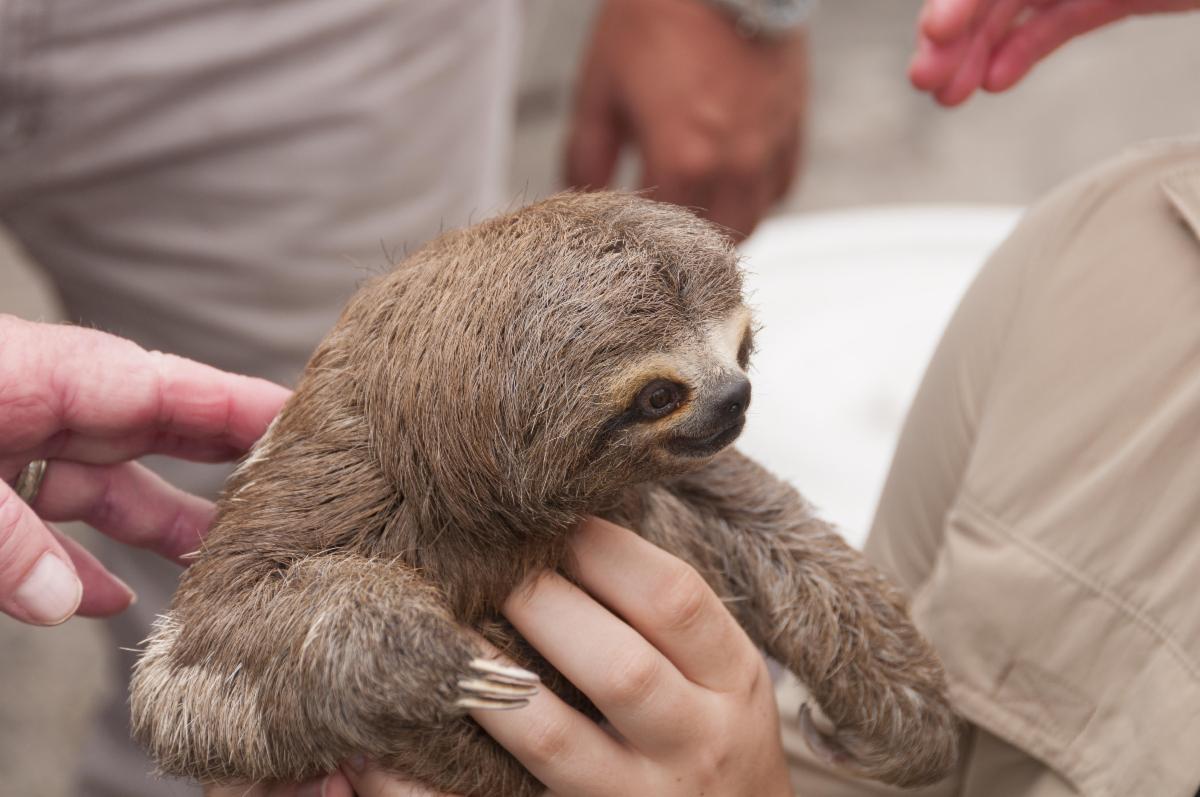
Even when born in captivity, wild animals retain their natural instincts, which can pose a danger to people. Smaller animals like sloths – which most people view as docile – can inflict serious bites and can even transmit disease.
Wildlife exhibitors often use education and conservation as marketing ploys. In fact, they undermine legitimate conservation efforts and miseducate the public.
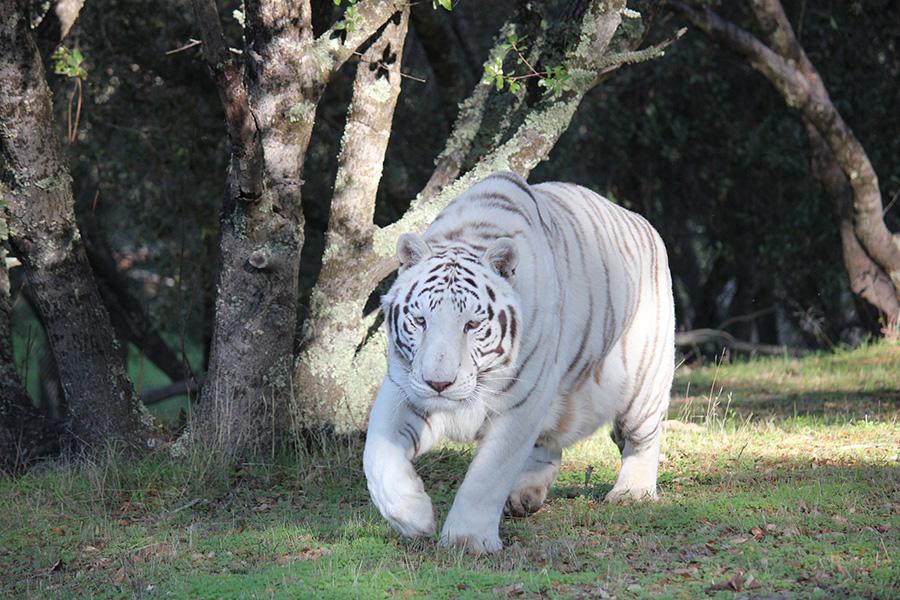
For example, white tigers are often promoted as rare, but they exist only due to inbreeding, which leads to serious health problems. Some animals, like sloths, are even poached from the wild to supply the captive trade.
| | |
How you can help stop the cruelty
- Don’t buy a ticket. Avoid fairs, circuses, and roadside zoos that use wild animals.
- Never ride an elephant or camel.
- Write a letter to the editor of your local paper to oppose wild animal attractions at community events.
- Use social media to speak out and share facts about wildlife exploitation.
Your choices matter. With your help, we can work toward a future where wild animals are no longer exploited for profit.
| | Latest Science: Groundbreaking Call for Zoo Transparency | | |
A newly published paper by Peng, Yeh, and Broom titled “Zoos and other organisations with living world impacts should have honest policies” (Science Direct), offers a bold and much-needed critique of the modern zoo.
The authors challenge the core justifications zoos use to defend their existence – conservation, education, and research – finding they have greatly overstated contributions in these areas.
They call on zoos to provide “honest advertisements based on their real contributions” and be responsive to growing public demands for greater transparency and improved animal welfare.
Importantly, the authors urge zoos to use the more accurate descriptor “captive wild animal” – the term PAWS has long used – replacing euphemisms like “animals in human care.”
They also urge an end to the capture of wild animals for exhibition and recommend that zoos stop housing species, or individuals, who do not thrive in captivity.
Kudos to the authors for this clear-sighted assessment of the zoo industry.
| | More Science in Action: Elephant Welfare | | |
PAWS extends our thanks to Faunalytics, an organization dedicated to advancing animal protection through data-driven research, for their thoughtful summary of the peer-reviewed paper, "Continuing challenges of elephant captivity: the captive environment, health issues, and welfare implications.” The paper, for which PAWS Director of Science, Research and Public Policy Catherine Doyle (pictured) is lead author, is now featured in Faunalytics’ research library.
Read the summary and access the full paper here.
| | |
Did you know that you can help the animals at
PAWS with just a few clicks?
| | |
Our Amazon Wish List includes items we use every day at the sanctuary, such as health supplements, food, batteries, and other essentials.
By purchasing directly from the list, you support PAWS and help give the animals the best care possible.
Click here to see needed items and make your purchase!
| | |
Thank You to Our June Amazon Wish List Donors:
Nancy Gordon: one box of N95B Face Masks, 20 pack; one set of Midland Radios GMRS and one pack of Energizer AA Batteries. Linda Starr: three bags of Hazelnuts, 1lb; one bag of Dried Peaches, 1lb; one bag of Dried Pineapple, 1lb; one bag of Dried Apples, 1lb. Nina Dillingham: one bag of Dried Cherries, 1lb; one bag of Pitted Prunes, 2lbs. Bobby Batts: one bag of Hazelnuts, 3lbs. Lynn Taylor: one bag of Sunflower Seeds, 5lbs. Catherine: one bottle of Renal Essentials, 60#. Santino and Francesca: one bottle of Renal Essentials, 60#; one bag of Dried Apricots, 1lb; one bag of Pitted Prunes, 2lbs. Nichole Young: one bag of Dried Blueberries, 1lb; one bag of Dried Pears, 1lb; one bag of Dried Apples, 1lb; two bags of Dried Papaya, 1lb; two bags of Dried Pineapple, 1lb; one bag of Walnuts, 4lbs; two bags of Pumpkin Seeds, 5lbs; 1 set of Midland Radios GMRS.
Nancy Gardner: one bag of Pitted Dates, 5lbs; one bottle of AminAvast, 60#; one box of Denamarin, 30#. Jenny Bramlette: one bag of Pumpkin Seeds, 5lbs; one bag of Dried Tart Cherries, 1lb; one bag of Dried Coconut, 1lb; one box of AA Energizer Batteries, 48ct.
| | |
RESCUED TIGER FALCOR
PAWS provides lifetime care to the tigers, bears, elephants, and other animals who call our sanctuary home. Your kind support provides expert daily care, necessary veterinary treatments, and specialized nutritional support, all tailored to the individual needs of each animal. Your gifts make this excellent care possible.
| | There are many ways you can help PAWS animals: | | |
Donate. Although we work closely with regulatory agencies on animal rescues, PAWS receives no government funding and must rely on your donations to continue our work. When you make a contribution for the wild animals at PAWS, it is unlike any other. How many people can say they’ve gifted elephants with spacious rolling hills and a more natural life, or made a present of a lush, tree-filled habitat for a tiger? Or given a bear a new chance at life? And you ensure we are prepared for the next wild animal in dire need of rescue. Three ways to give and every donation matters.
| | |
PAWS is proud of its 4-star rating with Charity Navigator - the highest rating possible. We are part of an elite group of charities with an "exceptional" designation (at least four consecutive years of 4-star ratings), meaning that your gift will have the greatest impact possible. CharityWatch gives PAWS an "A" rating.
| | |
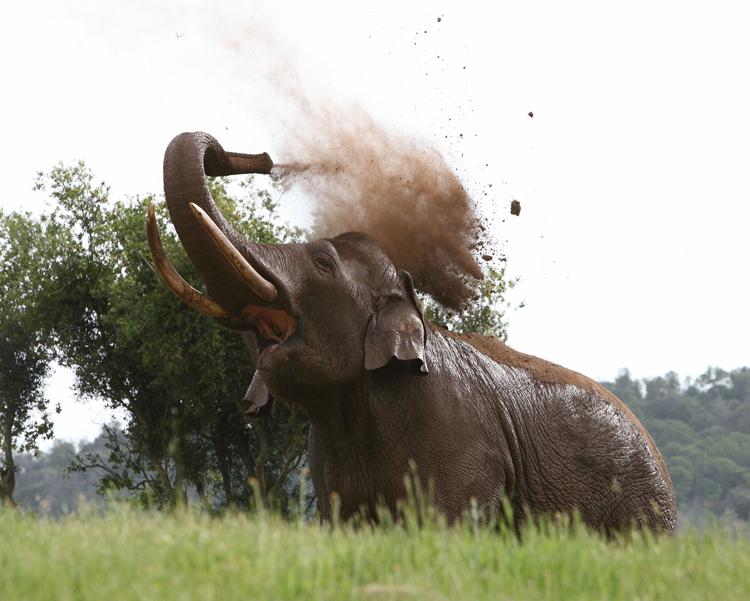
Give to one of PAWS' ongoing MightyCause campaigns: Our "Dollars for Dirt" or "Give BIG for PAWS' Elephants" fundraisers for the elephants, like Prince (pictured), or our "Help Captive Tigers" fundraiser to benefit the rescued tigers living at our ARK 2000 sanctuary.
Adopt A PAWS Animal. If you would like to help our animals, one of the best ways is to become an "adoptive parent," or give a PAWS adoption as a gift to an animal lover in your life. PAWS adoptions are symbolic adoptions only. No animal will be sent! Learn more
| | |
PAWS Amazon Wish List. We have chosen specific items that are needed at the sanctuary, which you can purchase directly from Amazon. Many items are ongoing. The list is always current! View here.
EBAY Giving Works. Visit PAWS eBay page to view our current listings and to bid. List your items on EBAY and choose PAWS as your charity. Donate a percentage of each sale to the animals. Visit our EBAY charity listing page here. Start selling or buying!
| | |
Shop online through IGive and raise money for PAWS! Up to 26% of your purchase - at more than 1,600 retailers - can be donated to PAWS. Learn more
| | | | |