|
PERFORMING ANIMAL WELFARE SOCIETY
Rescue. Advocacy. Sanctuary. For Life.
Since 1984
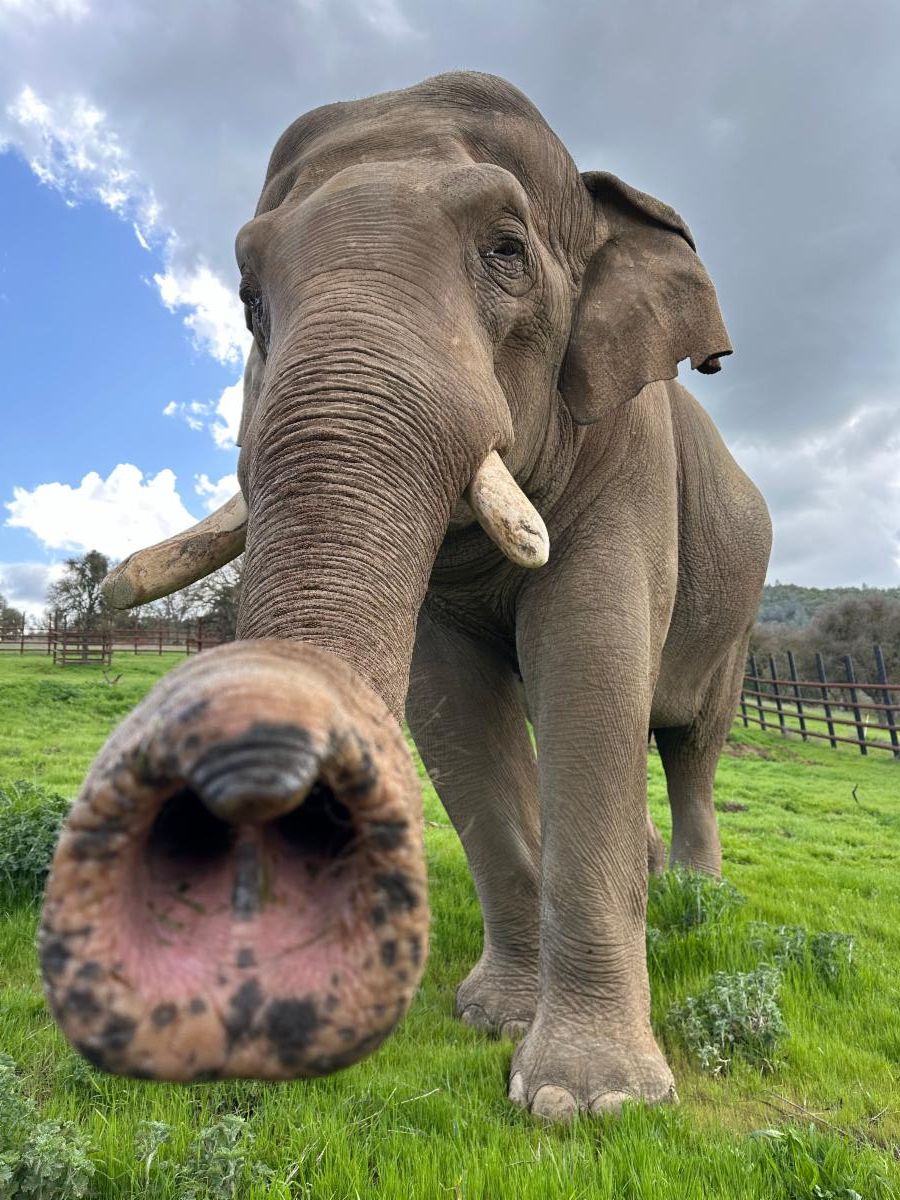
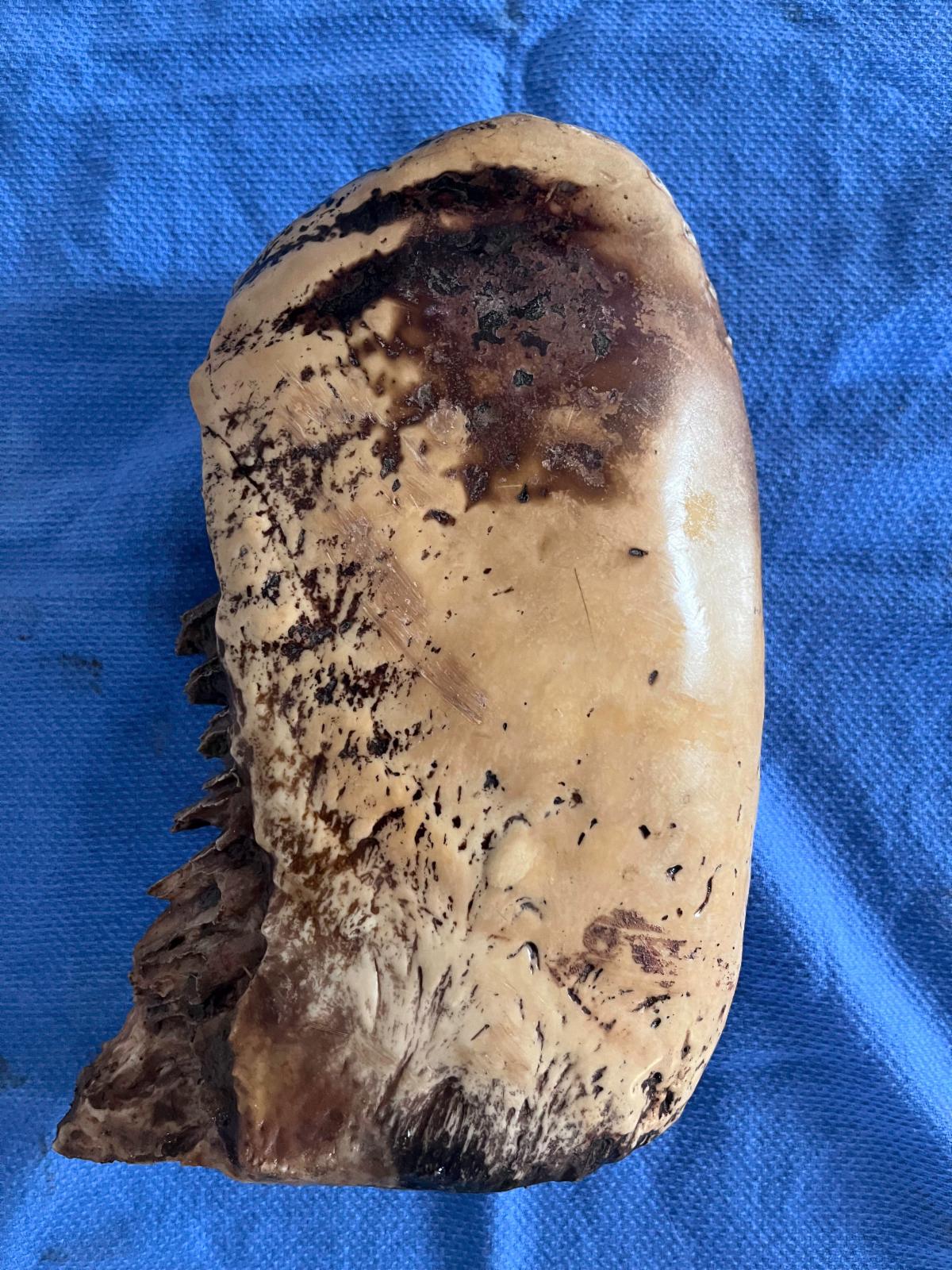
| | A Milestone for Asian Elephant Nicholas - and a Big Relief! | | Imagine living with a nagging dental problem for more than 10 years. That was the reality for Asian elephant Nicholas until last month, when he finally shed a long-problematic molar. This moment brought immense relief not only for Nicholas, but also his devoted caregivers who had patiently and carefully monitored his condition for years. | |
Understanding Elephant Dental Anatomy
Elephant dental anatomy is unique in the animal kingdom. Unlike humans, elephants do not have a single set of adult teeth. Instead, they cycle through a total of six sets of molars (24 total) during their lifetime, with the final set of molars coming in when an elephant reaches 60-70 years of age.
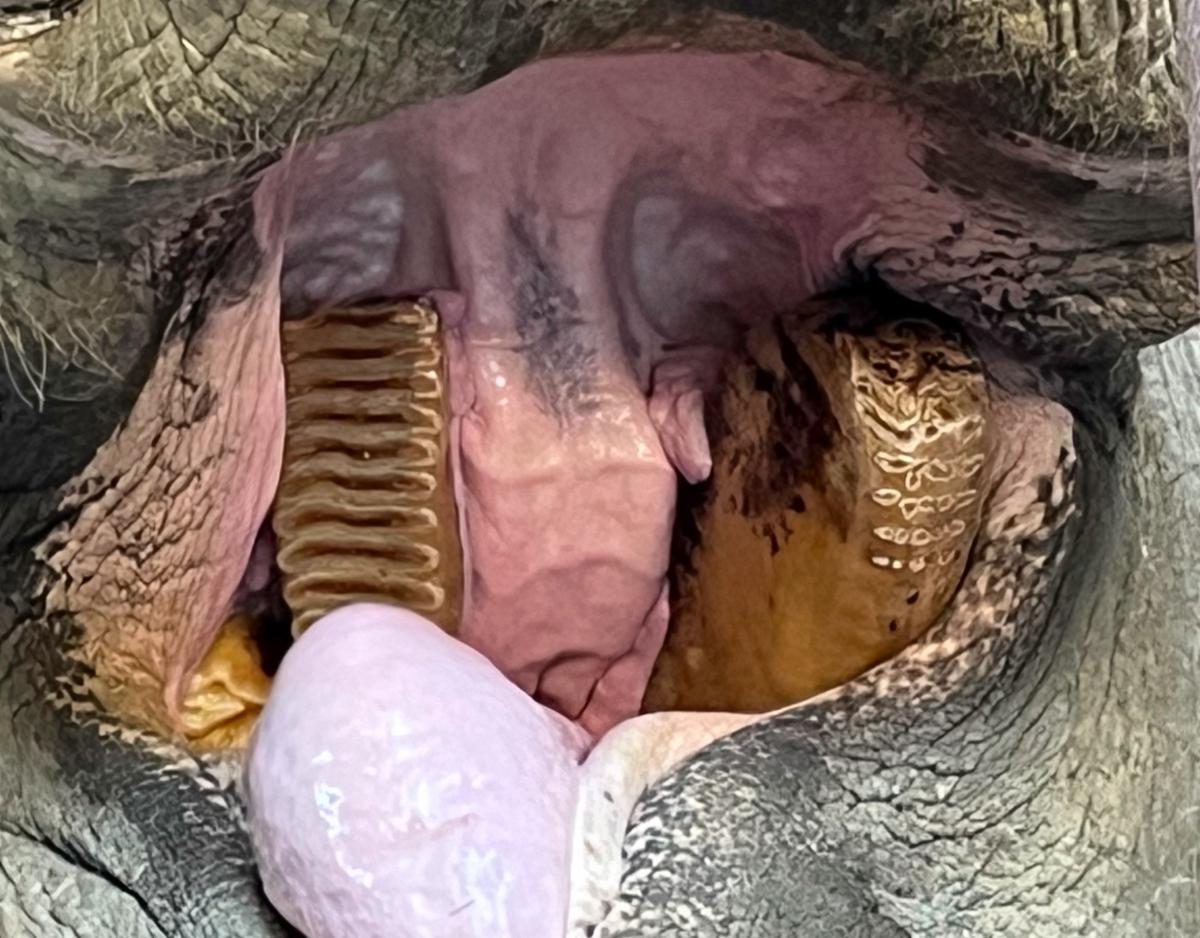
| | Normal tooth on left, abnormal tooth on right | | |
At any one time, an elephant has two upper molars and two lower molars which are essential for grinding down their natural diet of bark, grasses, and other tough vegetation.
These massive teeth – which can weigh more than 11 pounds each – do not erupt vertically, as in most mammals. As each molar wears down, a new one gradually moves forward from the back of the jaw to take its place and the worn tooth is shed from the mouth in sections.
| |
Challenges in Captivity
Elephants in captivity can face unique dental challenges rarely seen in the wild. Poor nutrition during early developmental stages, particularly in calves prematurely separated from their mothers, can lead to deficiencies in essential minerals and nutrients.
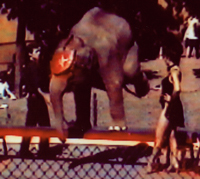
These deficiencies may result in malformed or weakened teeth later in life. Nicholas’ deformed molar was likely a product of his early years in the circus (pictured) – and a reminder of the profound impact that captivity has on an elephant’s long-term health.
While not painful, the problematic molar likely made it challenging for Nicholas to chew properly. Instead of moving forward and shedding normally, the tooth stubbornly remained in place, preventing a new molar from coming in. And instead of falling out in sections, his tooth came out all at once!
| | |
Collaboration with Specialists
Over the years, PAWS’ veterinarians and caregivers closely monitored Nicholas’ problematic tooth. Faced with two options – extraction under general anesthesia, a highly complex and risky procedure for a 17,000-pound bull elephant, or continued monitoring – they wisely chose the more cautious course.
PAWS Director of Veterinary Services Dr. Jackie Gai also worked closely with elephant dental specialists, regularly providing them with photos and updates on Nicholas’ condition. This collaboration ensured the team stayed informed and prepared to intervene if the tooth developed an acute problem requiring immediate removal. Fortunately, Nicholas was spared this major ordeal.
| | |
A Special Bond Based on Trust and Care
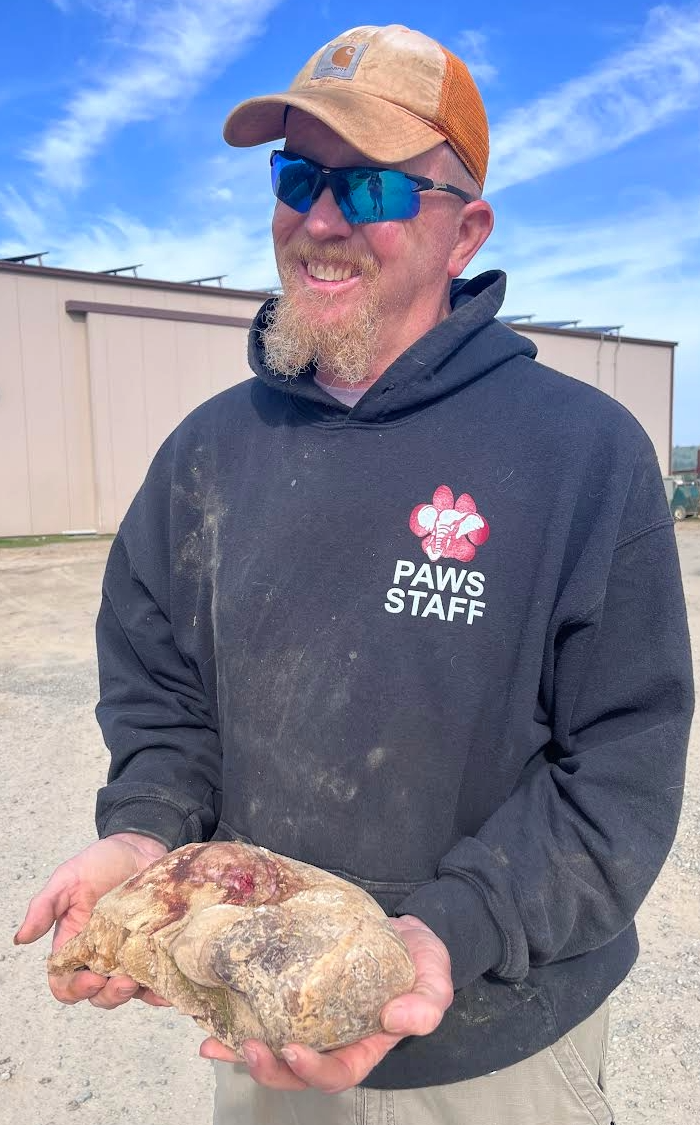
PAWS is immensely proud of its dedicated elephant caregivers, led by Managing Director Brian Busta (pictured), who has cared for Nicholas since his arrival at PAWS.
Through positive-reinforcement training, Brian has built a strong, trusting relationship with Nicholas, who now enthusiastically participates in his own health care – including opening his mouth for dental exams.
This remarkable level of cooperation is an essential component of PAWS’ comprehensive elephant care program.
| | |
Looking Ahead
We will continue to closely monitor Nicholas’ dental health to promptly detect any future issues. For now, he can enjoy eating with greater ease.
Nicholas’ story also highlights the challenges captive elephants face and underscores the importance of proper nutrition, protecting the mother-calf bond, and trust-based care through positive reinforcement training.
| | |
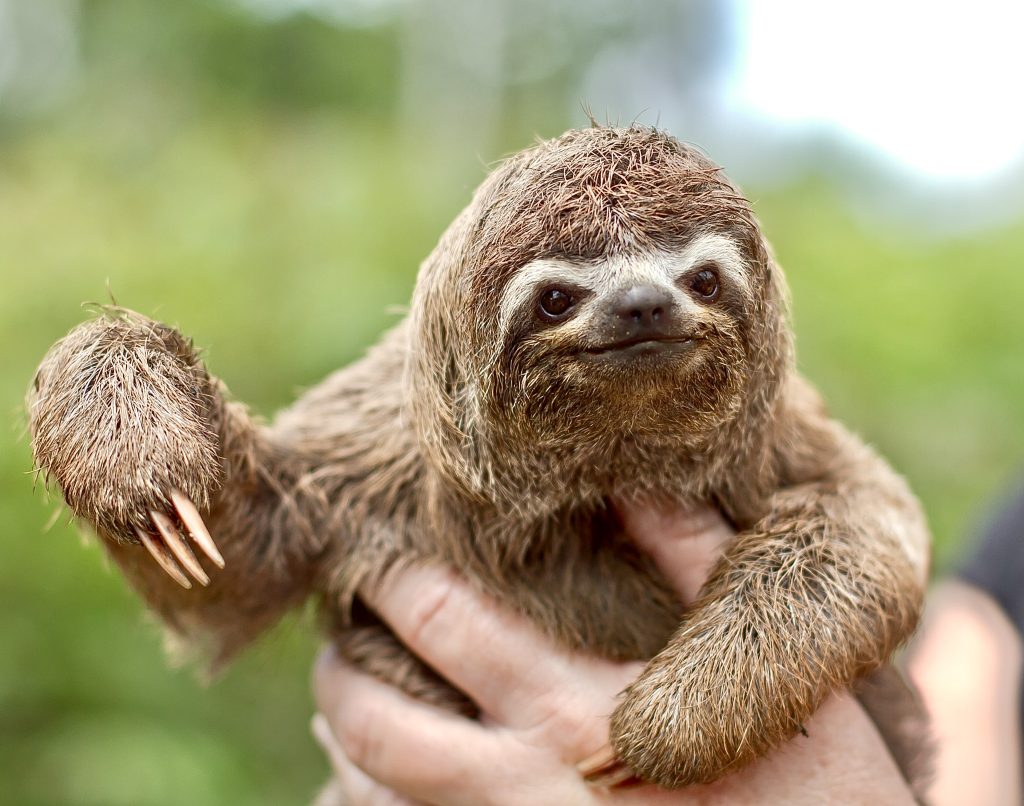
Hands Off Sloths!
Get the Facts on Public Encounters with Captive Wildlife
| | |
The practice of public contact with captive wild animals is on the rise, jeopardizing animal welfare, endangering public health and safety, and undermining true conservation work.
Sometimes marketed as “encounters” or “experiences”, public contact includes handfeeding, petting, holding, posing for photos with, or playing with captive wild animals.
The following is a Q &A with some facts about this inhumane trend.
| | |
Which species are used for public contact?
Species commonly include nonhuman primates, bears, sloths, otters, kangaroos, wallabies, wild cats such as servals and caracals, elephants, and other wild animals.
Where are these encounters found?
Captive wildlife encounters appear in shopping malls, roadside attractions, county and state fairs, and traveling shows. Some places bring wild animals to children’s birthday parties and other private events.
Where do the animals come from?
Some facilities claim that their animals were rescued or donated, but to offer a variety of species for public encounters they often turn to exotic breeders – fueling the harmful trade in captive wildlife. Regardless of origin, using wild animals for public contact is wrong.
| | |
What are the effects on animal welfare?
Public contact facilities are frequently cited for unsafe environments and lack of animal care – conditions that have resulted in poor welfare, illness, and death.
Aren’t these encounters regulated?
No government agency has the resources to monitor the large volume of human-wild animal interactions, especially those that take place in private homes, schools, and other locations.
Can people get sick or injured by handling an animal?
Captive wildlife can spread diseases that pose serious health risks to the public, and public handling has resulted in wild animals injuring people, including children, during encounters.
| | |
What about education claims?
Don’t get taken in by marketing ploys. In reality, public contact operations exploit wild animals for profit. Not only that, they harm true conservation efforts by reducing public concern for the plight of wildlife, and they encourage exotic pet ownership.
How can I help?
-
Never interact with or take a photo with a captive wild animal.
-
Avoid fairs or other events that offer wild animal interactions and shows.
-
Write a letter to the editor of your local paper opposing animal encounters.
-
Spread awareness by sharing what you’ve learned via social media.
-
Support legislation in your area to end the use of wild animals in entertainment.
| | Take Action: Captive Primate Safety Act Reintroduced in Congress | | |
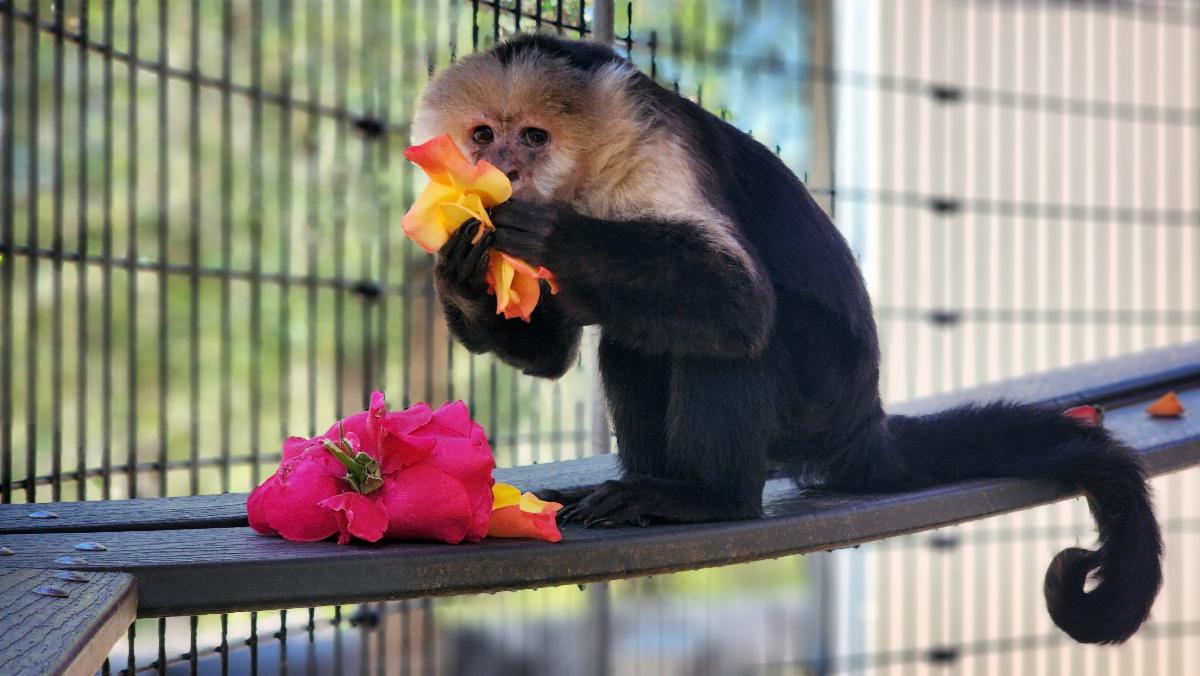
The Captive Primate Safety Act – federal legislation aimed at ending the pet primate trade – was recently reintroduced in Congress. This important bill addresses the serious threats the trade poses to primate welfare, public safety, and wild populations through wildlife trafficking.
PAWS is proud to support the Captive Primate Safety Act because we’ve seen firsthand how critical it is to end the private ownership of primates.
Before their rescue, long-time PAWS residents Zeppo (pictured) and Chico were among dozens of monkeys kept in appalling conditions by a private owner. The animals were malnourished, deprived of adequate food and water, and living in filth.
Nonhuman primates are highly intelligent and social animals. In the pet trade, they are torn from their mothers as infants, sold online or at auctions, and face a lifetime of isolation and imprisonment as pets. As they grow stronger and more unpredictable, they pose a threat to human safety. Misguided attempts to control pet primates include mutilation, such as removing teeth.
The demand for pet primates fuels the brutal killing of primate mothers in the wild so their babies can be captured and smuggled into the U.S. This cruelty inflicts immense suffering on the animals, while also devastating wild populations – many of which are already endangered.
Primates belong in the wild – not in someone’s home. Please contact your federal senators and representative (find them here) and urge them to cosponsor the Captive Primate Safety Act (bill numbers H.R. 3199/S. 1594).
| | |
Did you know that you can help the animals at
PAWS with just a few clicks?
| | |
Our Amazon Wish List includes items we use every day at the sanctuary, such as health supplements, food, batteries, and other essentials.
By purchasing directly from the list, you support PAWS and help give the animals the best care possible.
Click here to see needed items and make your purchase!
| | |
Thank You to Our May Amazon Wish List Donors:
Caroline Curran: one bottle of Renal Essentials, 60#; one box of AA Batteries, 48pk. Dr. Jackie Gai: two bags of Pitted Dates, 1lb; one bag of Dried Pineapple Chunks, 1lb; one bag of Organic Mission Figs, 1lb; one bag of Honey Dates, 1lb; two bags of Organic Dried Plums, 8oz; one bag of Dried Mango, 1lb; one bag of Organic Turkish Figs, 1lb. Raelene Downs: one bag of Brazil Nuts, 3lbs; one bottle of Renal Essentials, 60#; one bottle of AminAvast, 60#; one box of Denamarin, 30#; one bag of Dried Papaya,1lb; one bag of Dried Kiwi, 1lb. Sandra Raynor: one bag of Shredded Coconut, 1lb; two bags of Hazelnuts, 1lb; one bag of Dried Tart Cherries, 16oz; one bag of Dried Apples, 16oz; one bag of Dried Papaya, 16oz; two bags of Dried Kiwi, 16oz; one box of N95 Face Masks. Sharmon Freund: one bag of Raw Sunflower Seeds, 5lbs; two bags of Pitted Dates, 5lbs; two bottles of Renal Essentials, 60#; one bottle of AminAvast, 60#. Julie Sklare: one box of Denamarin, 30#. Leona Heraty: two bags of Dried Apples, 10oz. Andrea Haverland, Sacramento Zoo American Association of Zookeepers: four bottles of Emcelle Tocopherol. Bonnie Bradbury: one bottle of Renal Essentials, 60#. Marvin Hull: one bag of Pitted Dates, 5lbs. Joyce Hodel: one box of Oranges, 35lbs. Paula Eggleston: 2 Gallons of Sore No More Liniment. Anonymous: one bag of Hazelnuts, 1lb.
| | |
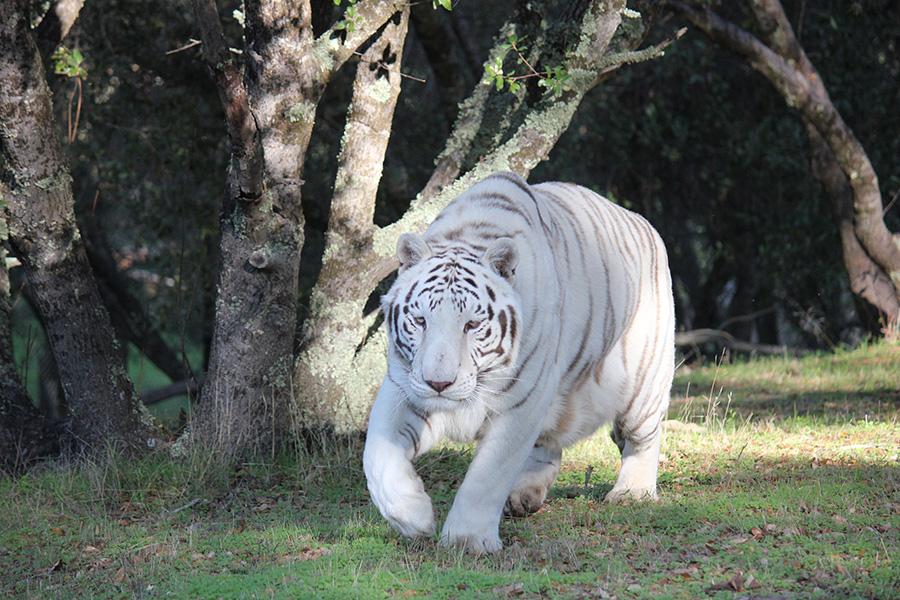
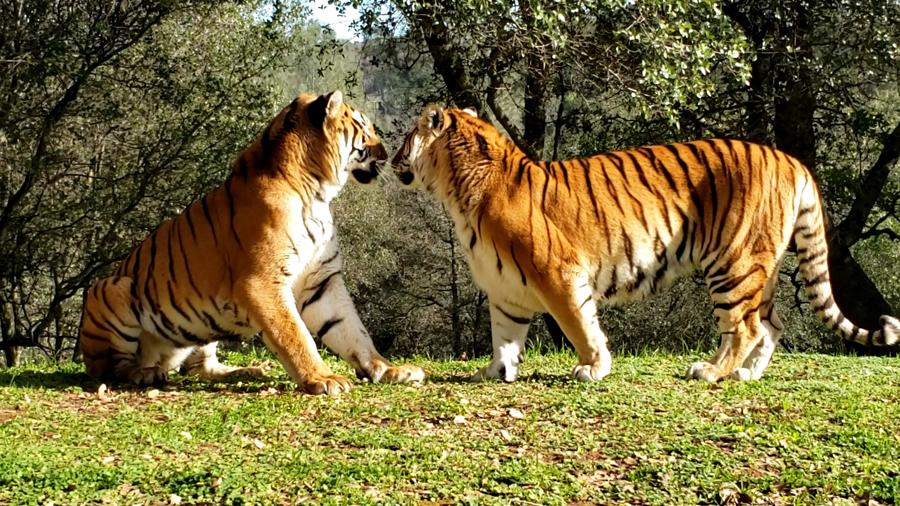
RESCUED TIGER FALCOR
PAWS provides lifetime care to the tigers, bears, elephants, and other animals who call our sanctuary home. Your kind support provides expert daily care, necessary veterinary treatments, and specialized nutritional support, all tailored to the individual needs of each animal. Your gifts make this excellent care possible.
| | There are many ways you can help PAWS animals: | | |
Donate. Although we work closely with regulatory agencies on animal rescues, PAWS receives no government funding and must rely on your donations to continue our work. When you make a contribution for the wild animals at PAWS, it is unlike any other. How many people can say they’ve gifted elephants with spacious rolling hills and a more natural life, or made a present of a lush, tree-filled habitat for a tiger? Or given a bear a new chance at life? And you ensure we are prepared for the next wild animal in dire need of rescue. Three ways to give and every donation matters.
| | |
PAWS is proud of its 4-star rating with Charity Navigator - the highest rating possible. We are part of an elite group of charities with an "exceptional" designation (at least four consecutive years of 4-star ratings), meaning that your gift will have the greatest impact possible. CharityWatch gives PAWS an "A" rating.
| | |
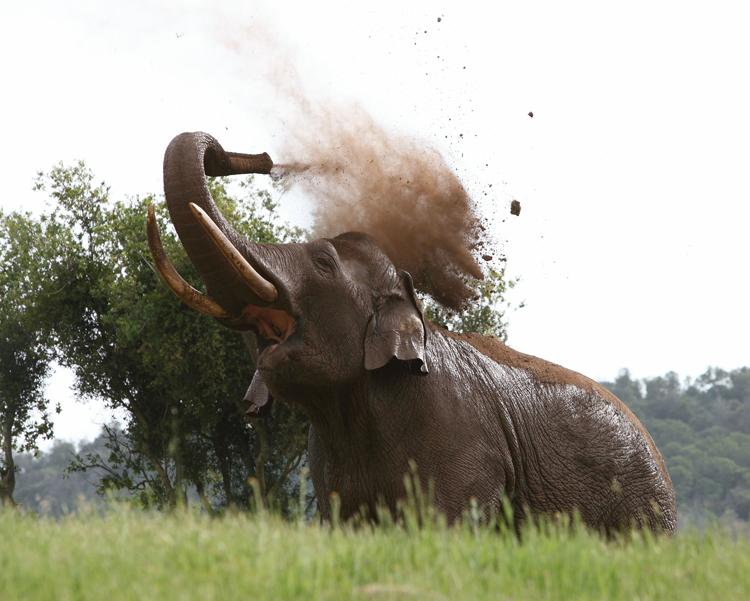
Give to one of PAWS' ongoing MightyCause campaigns: Our "Dollars for Dirt" or "Give BIG for PAWS' Elephants" fundraisers for the elephants, like Prince (pictured), or our "Help Captive Tigers" fundraiser to benefit the rescued tigers living at our ARK 2000 sanctuary.
Adopt A PAWS Animal. If you would like to help our animals, one of the best ways is to become an "adoptive parent," or give a PAWS adoption as a gift to an animal lover in your life. PAWS adoptions are symbolic adoptions only. No animal will be sent! Learn more
| | |
PAWS Amazon Wish List. We have chosen specific items that are needed at the sanctuary, which you can purchase directly from Amazon. Many items are ongoing. The list is always current! View here.
EBAY Giving Works. Visit PAWS eBay page to view our current listings and to bid. List your items on EBAY and choose PAWS as your charity. Donate a percentage of each sale to the animals. Visit our EBAY charity listing page here. Start selling or buying!
| | |
Shop online through IGive and raise money for PAWS! Up to 26% of your purchase - at more than 1,600 retailers - can be donated to PAWS. Learn more
| | | | |