This Week in Primary Care

The SUMMITED! Issue

--View as Webpage--


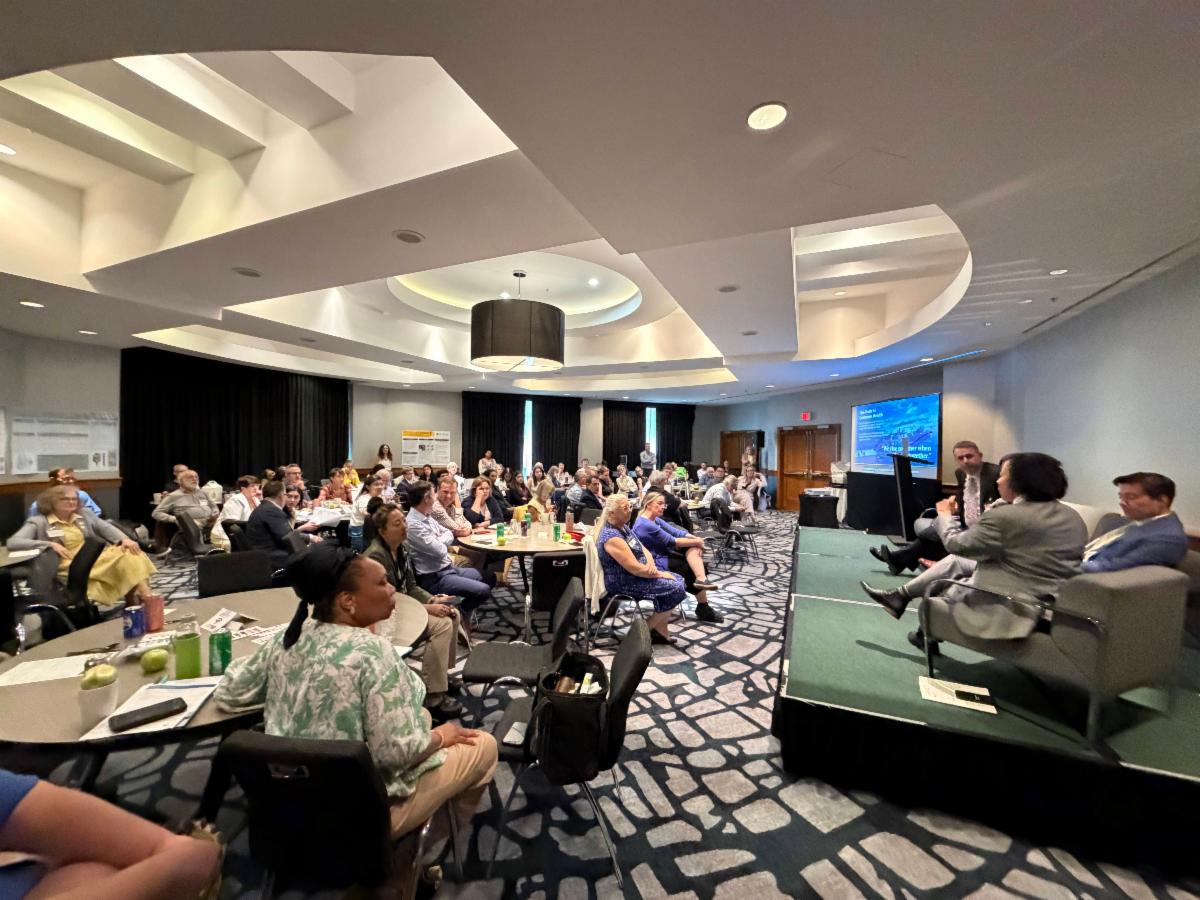
The first ever PC4AA in-person Summit on May 20th was amazing. One hundred of us converged from New Hampshire, Connecticut, Rhode Island, Maine, Texas, California, New York, Virginia, D.C., Massachusetts, and Ontario—community leaders, healthcare workers, students, researchers, and writers. We packed a room in Cambridge, MA to teach and learn from one another about how communities can take our healthcare back. Here are five takeaways from the day:


1. Three invisible facts from PC4AA’s President, Dr. Michael Fine:

  • Primary care is incredibly affordable: national yearly average $585/person, and even advanced primary care is $1000-$1200/person (compare with $400/person for water/sewer, or $2809/person for education grades 1-12)
  • 57% of the U.S. adult population doesn’t have primary care
  • When we get to primary care for everyone, we: eliminate HIV and hepatitis C, almost eliminate colon cancer (saving 33,000 lives/year), reduce heart disease and stroke (saving 700,000 lives per year), and likely cut healthcare costs by 10-25% or more. (slides)

Because: “If you can see the invisible, you can do the impossible...” - Dr. Bernard Lown


2. There are so many ways to get primary care to people… that keep community resources in the community

We dug into the details of direct primary care (slides), which decouples primary care from insurance and garners rave reviews from patients and their clinicians. We heard about community health centers (CHCs), which typically hire from the community, take direction from a majority-patient board, and integrate a suite of services with primary care, including dental care, behavioral health, and pharmacy. Summit participants also had the opportunity to discuss the emerging concept of primary care as a public utility, funded through a shared public financing model, with three of the four authors of a JAMA article on the subject that was published the day of the Summit.

3. Attachment MATTERS: learning from Ontario’s path to universal primary care

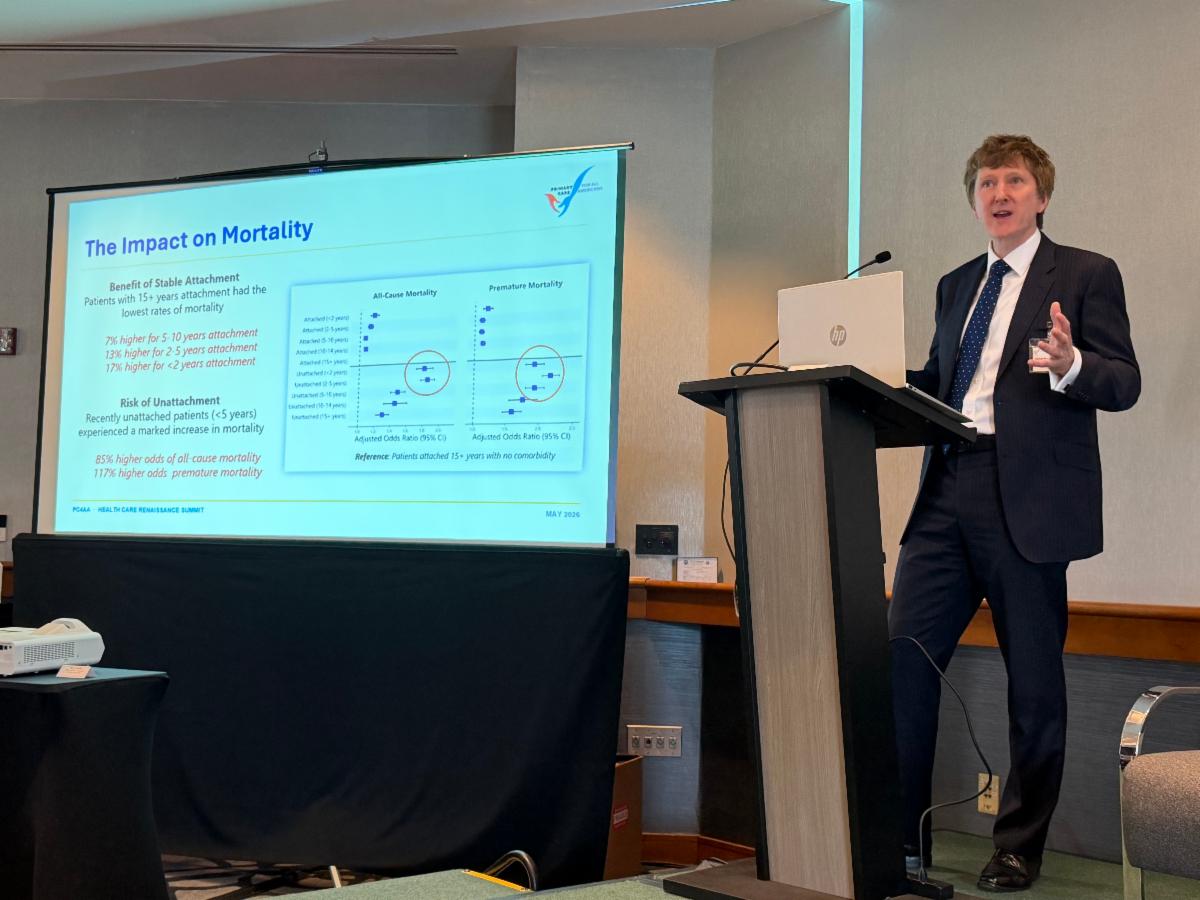
Dr. Jonathan Fitzsimon, a family physician and researcher based in Ontario, Canada, quantified the impact of attachment as defined in Ontario law: “a documented and ongoing relationship with a family doctor, primary care nurse practitioner, or primary care team, working in a publicly funded system.” He found that:

  • “Among patients with high comorbidity, long-term unattached individuals had healthcare costs >double those of attached patients ($8,177 vs $3,731)”
  • “Those with high comorbidities and unattached <2 years had a 12-fold higher odds of all-cause mortality compared to those with no comorbidity and long-term attachment”

He also described Ontario’s path to universal primary care attachment, in three steps: 1) recognise and quantify the problem; 2) commit to solving the problem; 3) assign responsibility and allocate resources (slides).

4. Time to show up with our voices and our power

At the top of the morning, MA State Senator Cindy Friedman accepted a Primary Care Champion award. She has worked on primary care policy for so long and so skillfully that her colleagues in the legislature are now coming to her for help when they can’t find a primary care clinician. She helps, but also wants them to prioritize fixing primary care for everyone. Now, she says, is the time: “We need your voices and your power. [...] Ramp it up—it’s how we listen.” 

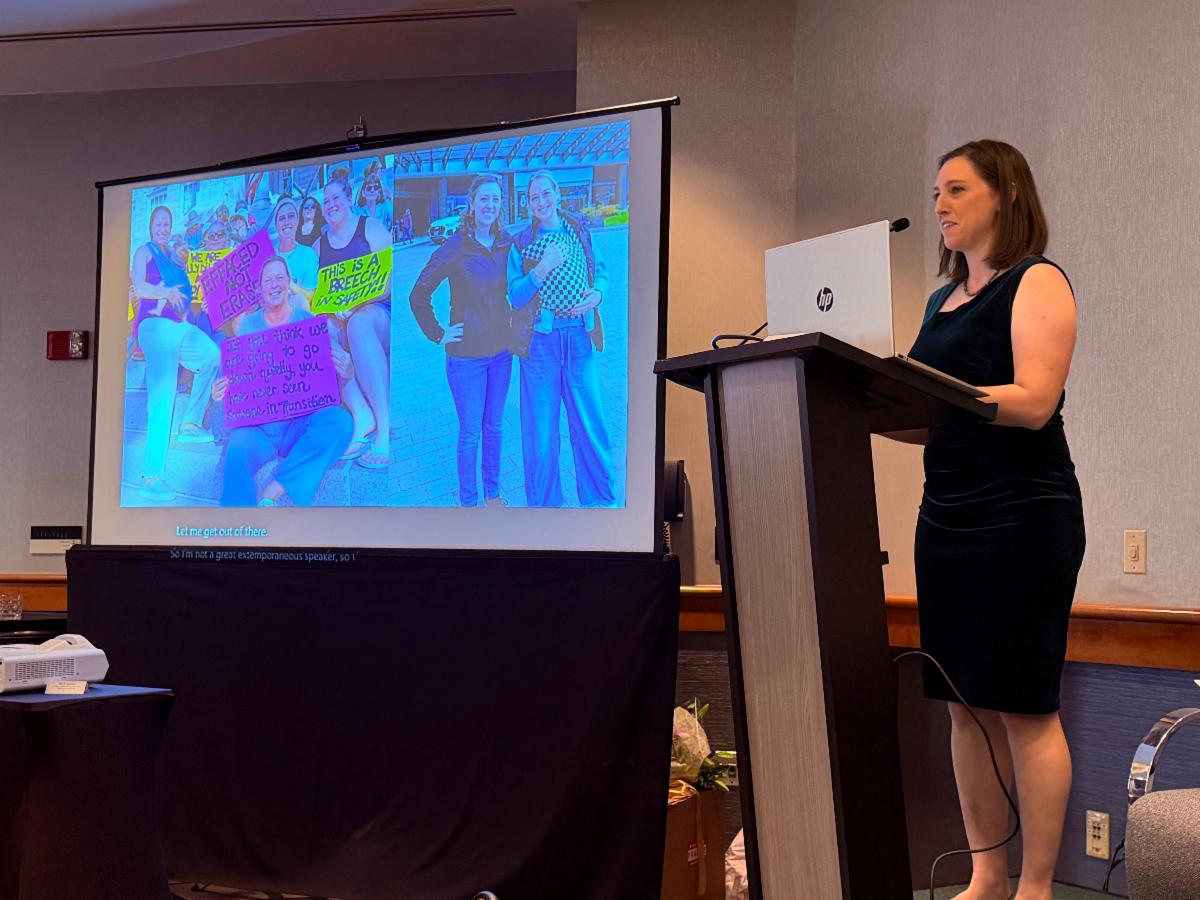
Through the day, we built a blueprint for that kind of showing up: from community primary care reports (slides), to winning at City Hall, to launching state workgroups that link local workgroups to state policy. We closed with a Community Hero Award to Cassie Voll, who organized the Moms Over Margins community uprising in response to plans to close Newport, RI’s only labor and delivery unit—ultimately keeping it open (slides).

5. …and have fun along the way!

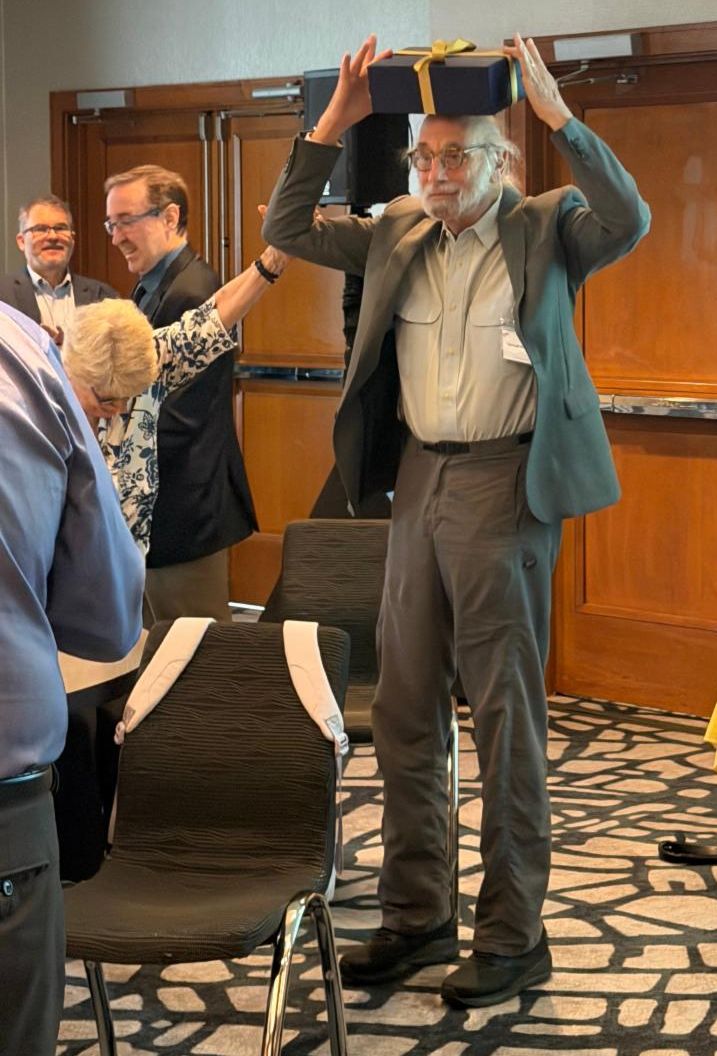
The Summit was great fun. People who’d met only on Zoom embraced and found out about their height differences. Samuel Shem, upon receiving the PC4AA Samuel Shem Award for Radical Honesty and Moral Courage in Medicine, promptly stood and balanced the trophy atop his head. Throughout the afternoon, attendees gathered around tables to imagine what comes next. Conversations sparked plans for new PC4AA student chapters, health-center clinical training programs, and countless other ideas that will continue to grow in the months to come. One Cambridge couple who hosted two of PC4AA’s founders shared that their guests had given them a wonderful time—proof that community-building often happens as much around dinner tables as it does in conference rooms.

If you’re new to this movement through the Summit, we’re so glad you’re here. Go for coffee with someone you met, invite a friend to dinner to share what you learned, start a workgroup– every relationship strengthens this movement. Join us in building a healthcare system for people, not for profit!

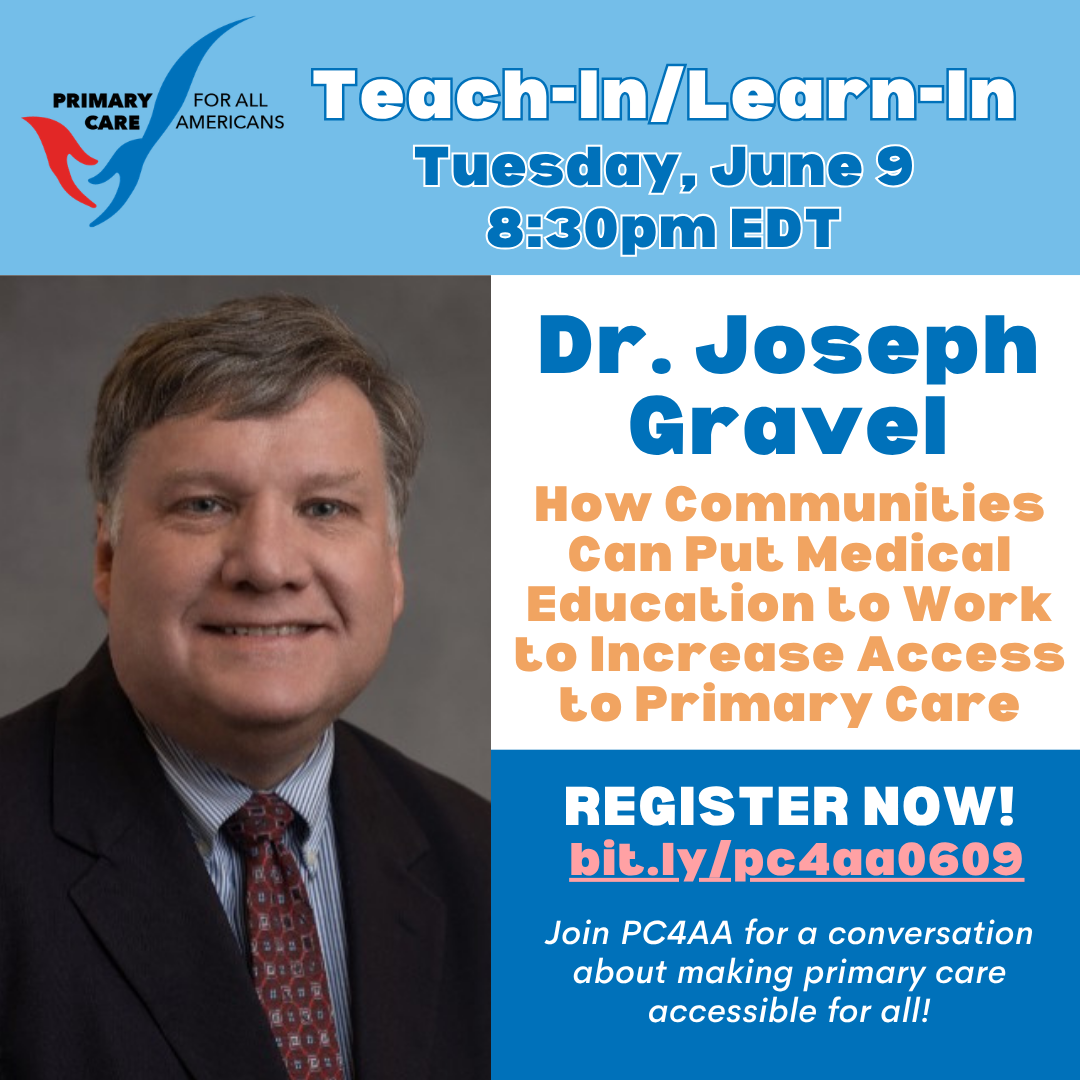
NEXT WEEK: Teach-In/Learn-In 8:30pm with Dr. Joseph Gravel!

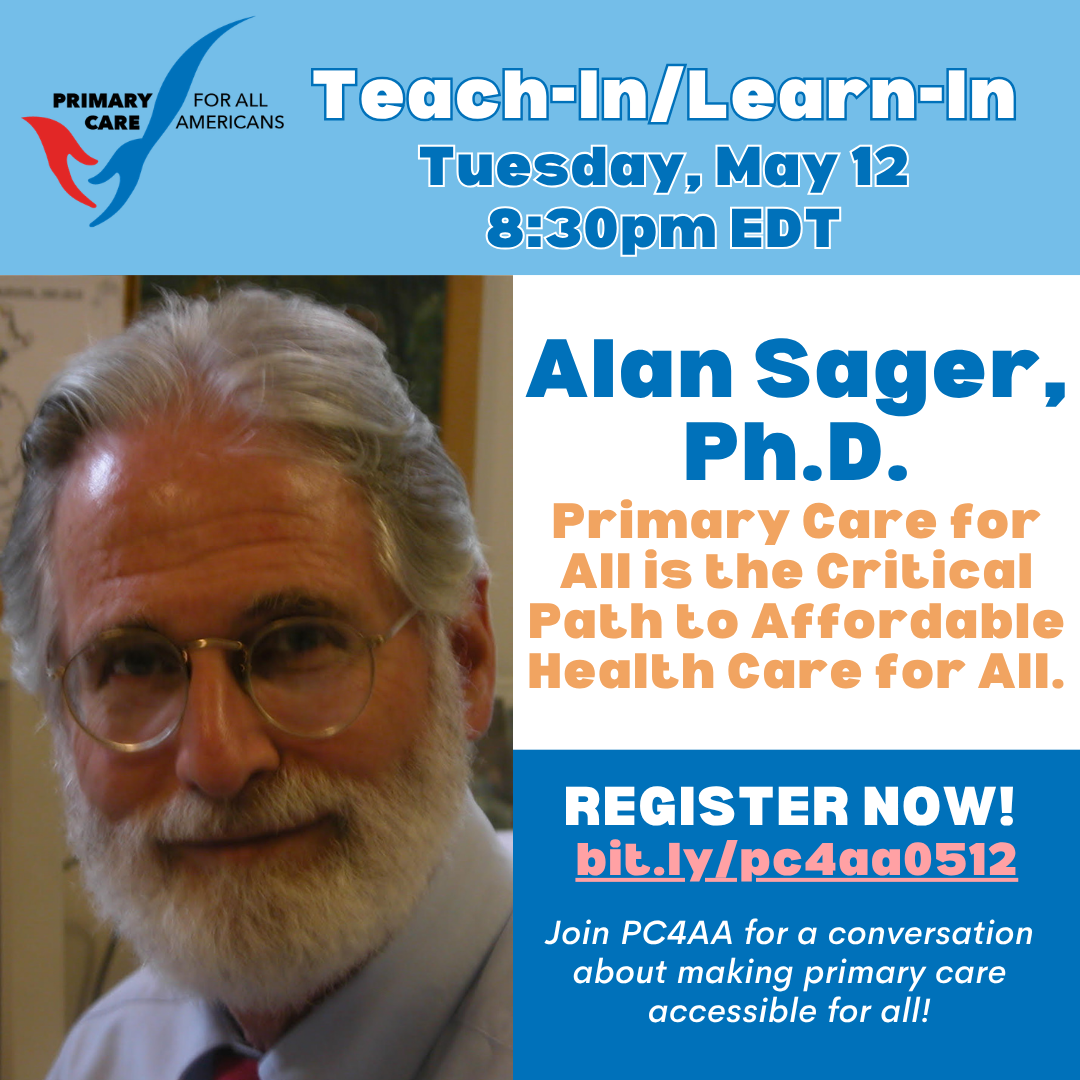
Did you miss our most recent Teach-In/Learn-In?


Share it with friends? Watch it again?


You can watch below!

Do you have skills to share?

Volunteer with Primary Care for All Americans!

Become a Primary Care Champion!

Your support will help power the movement for primary care for all!

We’re excited to invite you to join us in making a meaningful difference in healthcare access for all Americans. By becoming a Primary Care Champion, you can support our vital work and help us create a healthier future for everyone.

Every contribution counts!

Together, we can drive impactful change in our communities.

Thank you for considering becoming a Primary Care Champion!


Watch Recordings of All Our

Recent Teach-In/Learn-Ins

The PC4AA Website is now available in Spanish!

Each issue we showcase how access to primary care makes people healthier, saves money, and can be the cornerstone of a healthcare system that puts people over profit.

Was this newsletter forwarded to you? Do you believe in access to primary care for all Americans? Click here to join our mailing list!