The Pacific Vector Network Convenes Fourth Annual Meeting to Strengthen Regional Preparedness Against Vector-Borne Diseases | |
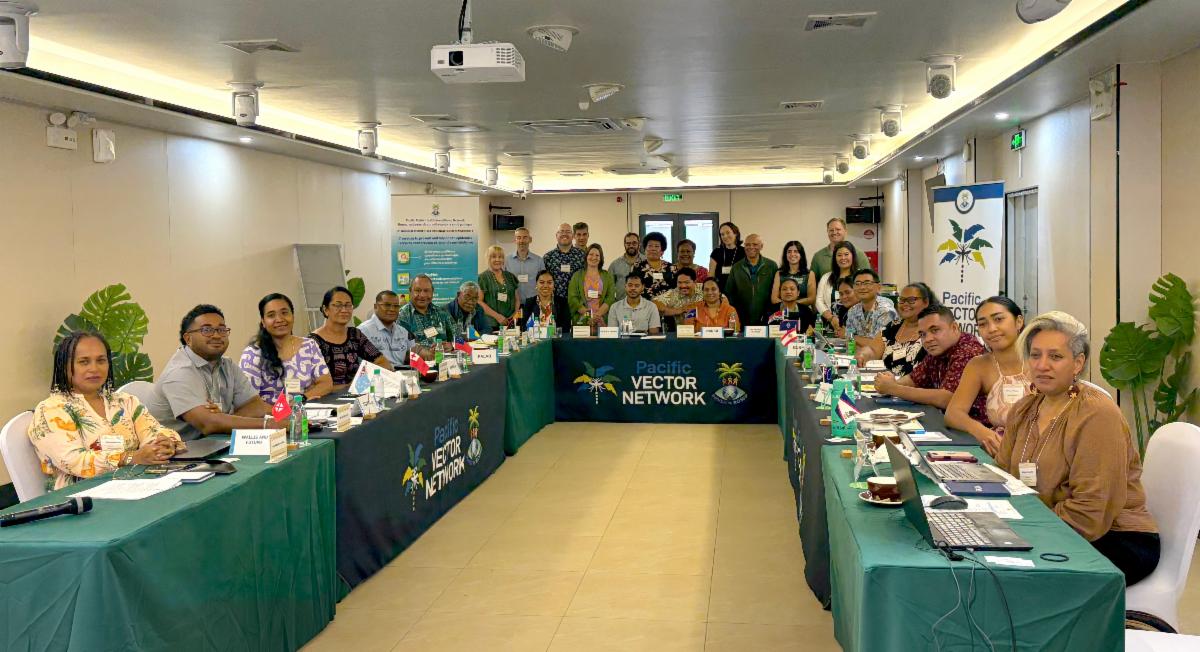
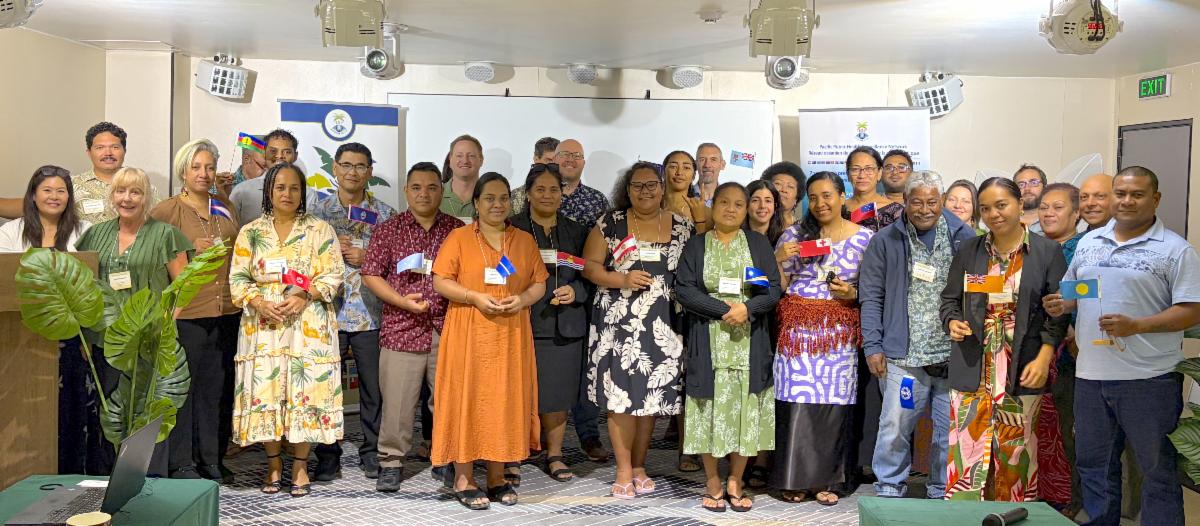
| Pacific Vector Network representatives at the 4th Annual PVN Meeting 2026 held on June 11, 2026 in Nadi, Fiji. | |
| |
Nadi, Fiji - Thirty-five (35) vector control professionals from 18 Pacific Island Countries and Territories (PICTs), 12 allied and regional partners, and 5 Pacific Vector Network (PVN) Secretariat representatives gathered for a joint convening of the 4th Annual PVN Meeting 2026 in Nadi, Fiji on June 11, 2026. The purpose of the meeting was to review progress, strengthen collaboration, and identify priority actions to enhance vector surveillance, outbreak preparedness, and response across the Pacific Island region.
The one-day meeting brought together representatives from ministries and departments of health, regional organizations, academic institutions, and international partners committed to reducing the burden of mosquito-borne diseases such as dengue, Zika, chikungunya, and other emerging vector-borne disease threats. Dengue, in particular, has deeply impacted the Pacific region in recent years. In 2025, there were 21,258 confirmed cases and 21 deaths reported across the Pacific. Between January to June this year alone, there were a total of 4,206 confirmed cases of dengue with 162 hospitalizations and 3 reported deaths across the Pacific.
The PVN meeting focused on reviewing implementation of the Pacific Vector Network Strategic Framework 2025–2029 and advancing regional cooperation to address shared challenges in vector surveillance and control, workforce development, laboratory capacity, and outbreak response.
| |
| | | John Tagabuel, Director of Environmental Health Disease Prevention, Commonwealth Healthcare Corporation of the Commonwealth of the Northern Mariana Islands stated, “On a professional level, routine networking and exchanging ideas to update best practices across our vast Pacific region enhance sustained vector programs viability at multi-tier levels.” | |
| |
Participants received updates on progress made across Melanesia, Polynesia, and Micronesia subregions and discussed strengths, gaps, and opportunities to strengthen monitoring and evaluation indicators.
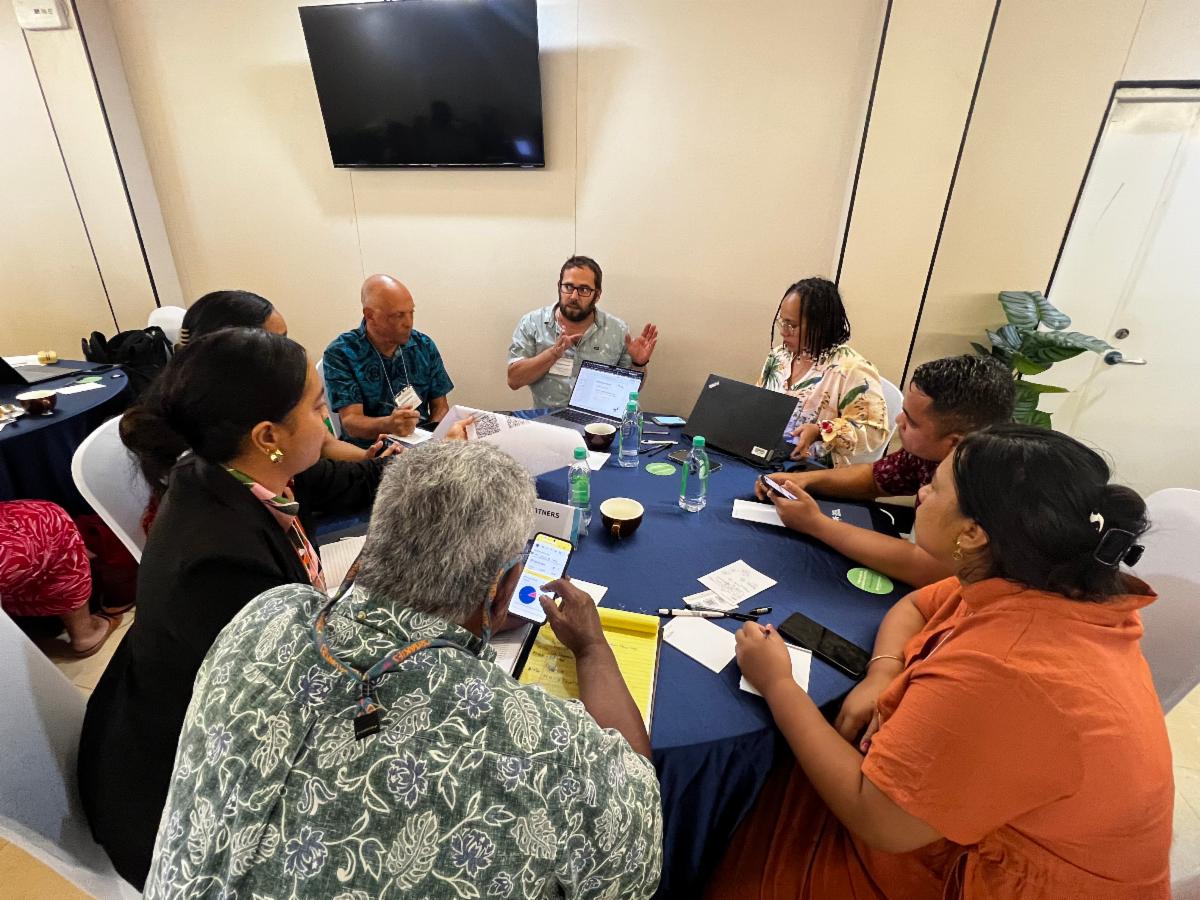
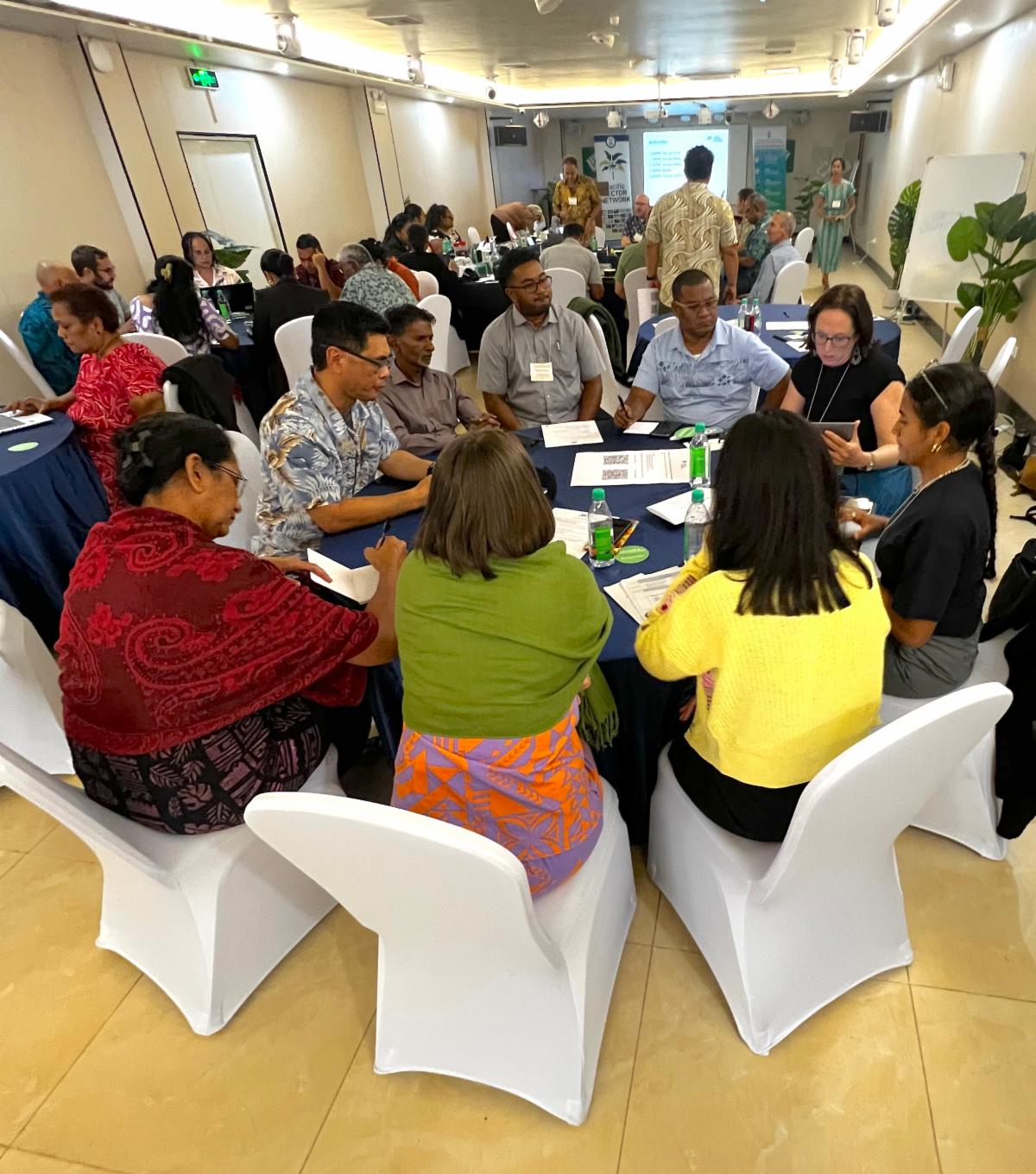
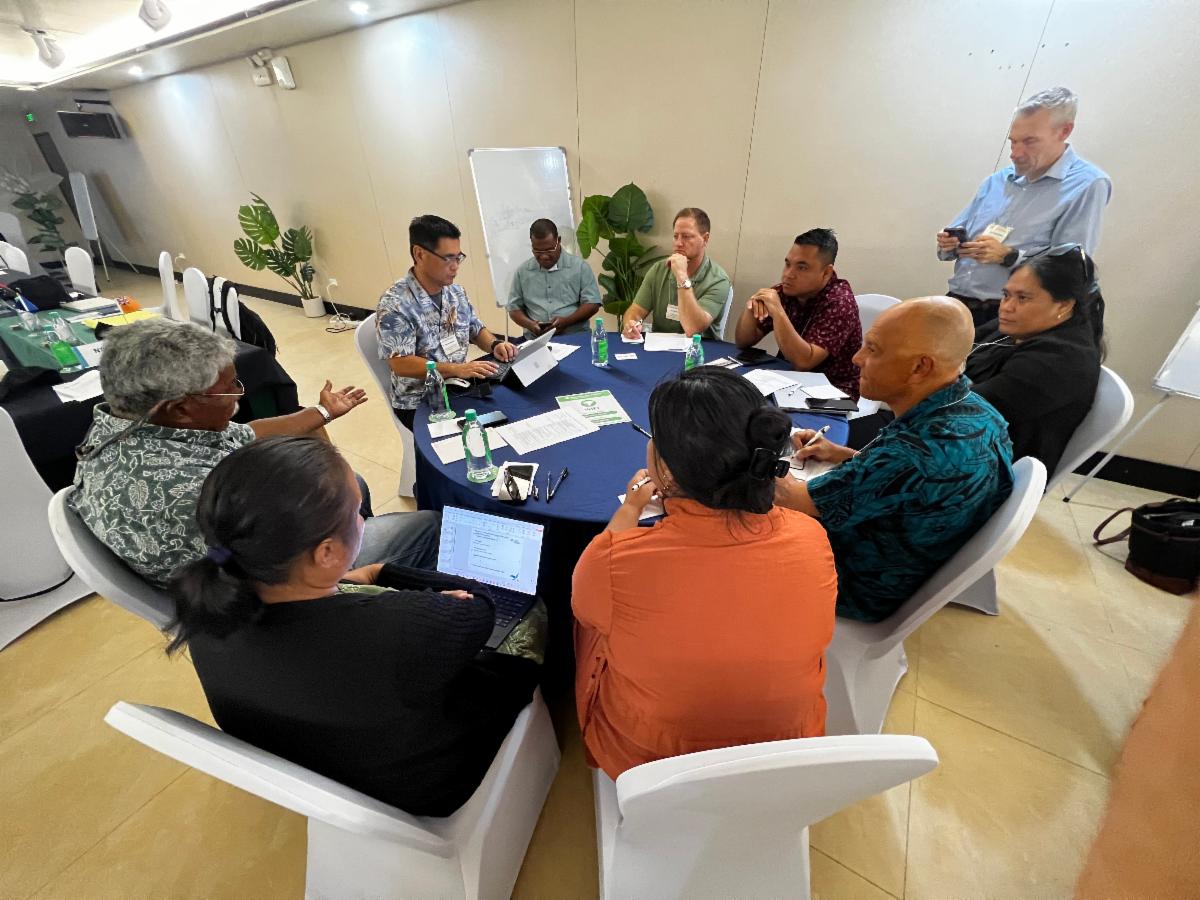
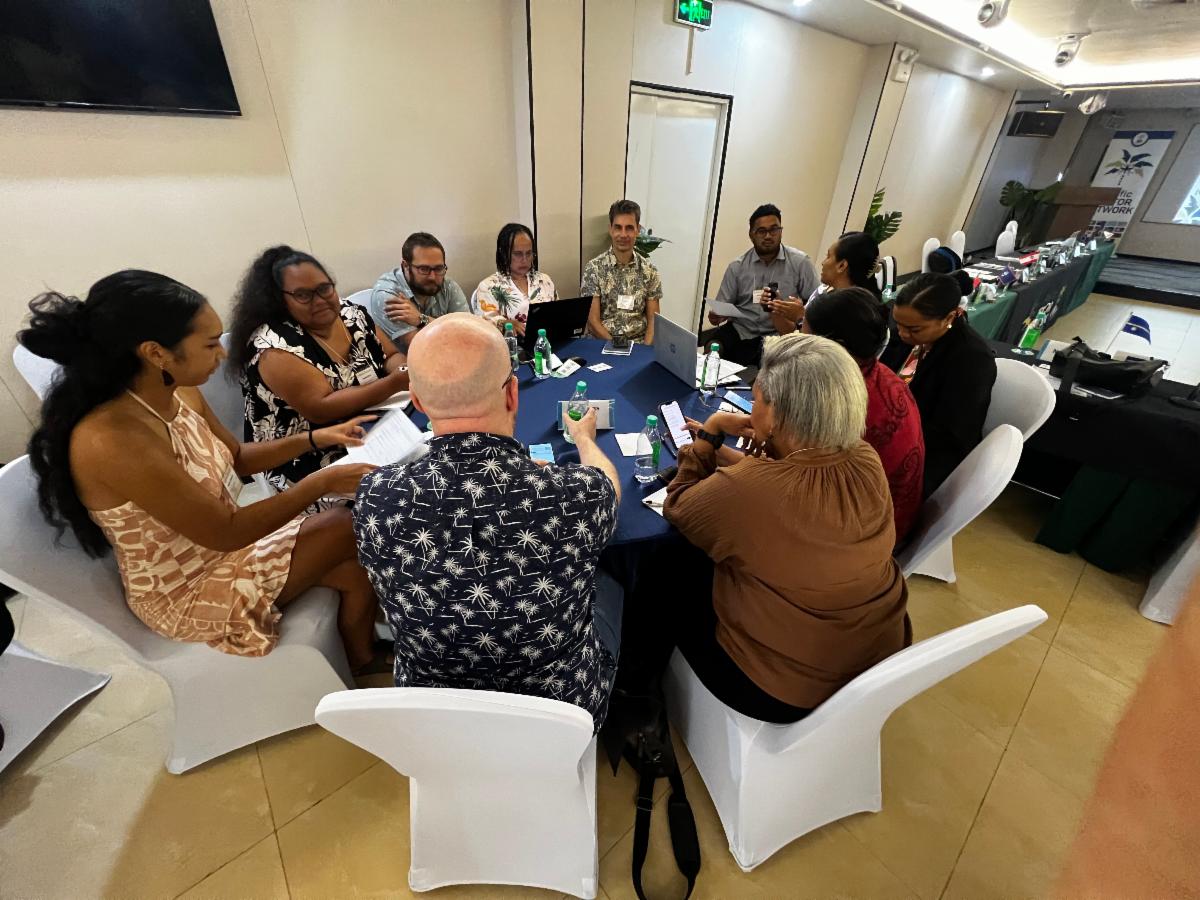
A key feature of the meeting was the breakout working group sessions focused on three strategic priorities:
- Training, Outbreak Readiness, and Preparedness: Identifying workforce development and capacity-building priorities to strengthen vector surveillance and outbreak response.
- Novel Vector Control Technologies: Evaluating emerging approaches such as Wolbachia, Sterile Insect Technique (SIT), genetically modified mosquitoes, and spatial repellents, while examining operational, regulatory, and implementation considerations for Pacific settings.
- Regional Expert Roster: Developing a framework for a Pacific vector control expert roster to facilitate rapid technical assistance and strengthen linkages among regional laboratories, institutions, and public health agencies.
Recommendations generated during the working groups will inform PVN priority actions for 2026–2027 and support implementation of the Strategic Framework.
The meeting concluded with a discussion of key outcomes and the acknowledgment of the incoming PVN Chair from Tonga and Vice-Chair from New Caledonia, reflecting the PVN’s continued commitment to regional leadership and collaboration.
| |
| |
“The Pacific Vector Network has united our island nations in the fight against mosquito-borne diseases. For Tonga, this journey has been one of courage and commitment — standing shoulder to shoulder with our Pacific neighbors to protect families, children, and communities from preventable suffering. This meeting reminded us that PVN is not just a technical body, but a symbol of solidarity and hope. As Helen Keller once said, ‘Alone we can do so little; together we can do so much.’ Guided by this truth, and with proud leadership as the new Chairperson, we are building resilience, strengthening capacity, and securing a healthier future for generations across the Pacific,” said Lesieli Tisiola Mahe, Senior Health Inspector, of Tonga’s Ministry of Health, and newly elected PVN Chair.
PVN members agreed to strengthen regional communication, monitoring and evaluation indicators, workforce development, laboratory capacity, and outbreak preparedness through standardized tools, training, and enhanced information sharing. Priority actions included establishing a regional expert roster and surge support mechanism, advancing the regional laboratory and insectary feasibility study, and supporting the evaluation and implementation
| |
| | of novel vector control technologies, such as Wolbachia and spatial emanators.
Continued funding and partner support will be critical to sustain these efforts. | |
| |
The strong collaboration between Pacific Island public health and vector control professionals along with mosquito scientists and partners is a testament of a vested partnership dedicated towards combating the threat of mosquito-borne diseases in the pacific region.
***
The PVN was originally constituted by PIHOA with funding support from the U.S. Centers for Disease Control and Prevention (CDC) and the U.S. Department of State (DOS) in partnership with the Pacific Community (SPC) and the World Health Organization (WHO) in June 2023. In April 2024, the PVN was officially endorsed at the Pacific Heads of Health Meeting in Samoa. In April 2025, the PVN was then officially endorsed as the 7th service network of the PPHSN at the 27th PPHSN Coordinating Body Meeting. The PVN serves as a regional network of vector control professionals, public health practitioners, researchers, and partner organizations working together to strengthen vector surveillance, vector control, outbreak preparedness, and response across the Pacific Island Countries and Territories (PICTs).
| | The PVN annual meeting was jointly funded by the Pacific Community (SPC) and PIHOA. PIHOA’s funding support to the PVN was supported by funds made available from the U.S. Centers for Disease Control and Prevention (CDC) of the U.S. Department of Health and Human Services (HHS), through PIHOA’s Partnership Cooperative Agreement OT21-2101: Strengthening the Public Health Systems in the US-Affiliated Pacific Islands. The contents are those of the author(s) and do not necessarily represent the official views of, nor an endorsement, by CDC/HHS, or the U.S. Government. | | |
###
About the Pacific Islands Health Officers' Association
PIHOA's mission is to improve the health and well-being of the USAPIs by providing, through consensus, a unified, credible voice on health issues of regional significance. Established in 1986, PIHOA is governed by and represents the collective interests of the USAPI health leadership from American Samoa, Federated States of Micronesia, Guam, Republic of the Marshall Islands, and the Republic of Palau.
PIHOA’s Secretariat, comprised of executive, administrative, and technical staff and consultants, provides support to the USAPI health agencies and leadership in the following priority areas: health workforce development; epidemiology and surveillance; health systems performance improvement; laboratory services; regional health leadership and policy advocacy; Pacific health security; and, partnership engagement and coordination. PIHOA has two offices in Honolulu, Hawai’i, and Hagåtña, Guam.
Media Contact
PIHOA Communications
communications@pihoa.org
Limb Hapairai
Regional Medical Entomologist
limbh@pihoa.org
|
| | | |