|
Honolulu, HI - Health leaders from the Federated States of Micronesia (FSM), the Republic of the Marshall Islands (RMI), and the Pacific Island Health Officers’ Association (PIHOA) have received funding from the Bureau of Oceans and International Environmental and Scientific Affairs (OES) U.S. Department of State to implement early warning systems (EWSs) against dengue. Predictive models built collaboratively by the FSM, RMI, and PIHOA, which draw from climate, human, and vector data, will provide the FSM and RMI with lead time to help health officials respond earlier and more effectively to control the spread and reduce the dengue toll where it is occurring.
Implementing EWSs against dengue in the FSM and RMI, however, faces multiple barriers that include overburdened local health systems and a lack of proactive protocols for outbreak prevention.
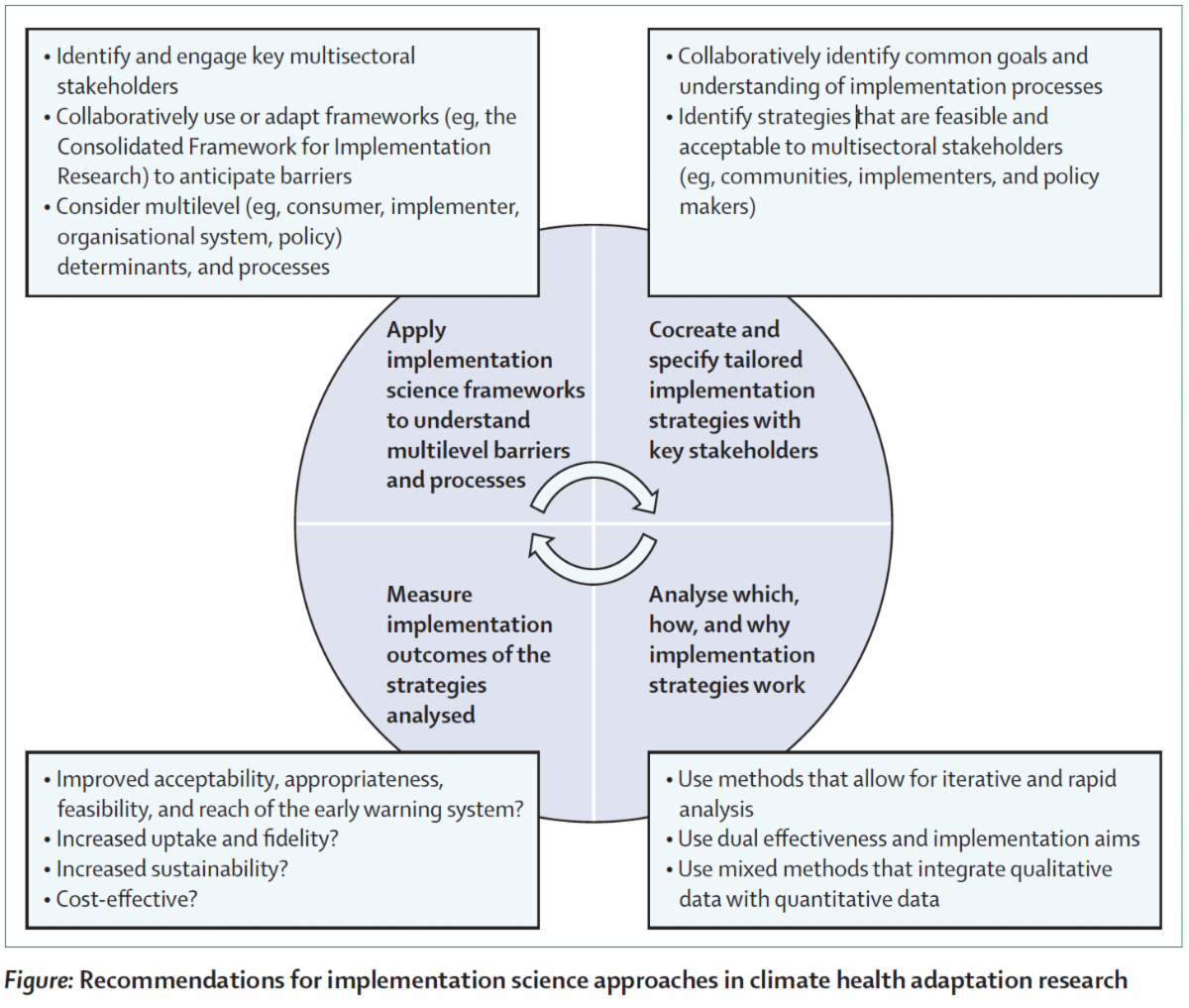
A recent study, published in the peer-reviewed journal The Lancet Planetary Health and authored by an international team of researchers from 15 institutions, assesses the impacts of these barriers and proposes a new way to overcome them using implementation science. The new analysis is based on case studies of early warning systems recently deployed in Peru, Barbados, Ethiopia, and India, as well as the FSM and the RMI for climate-related disease outbreaks or public health risks.
“Collectively, researchers studied five cases in geographically diverse settings where EWSs were implemented. Though each case posed unique barriers, all of them identified common barriers,” said Dr. Limb Hapairai, PIHOA-Regional Medical Entomologist who was co-author of the analysis. The common barriers included shortages of skilled personnel to manage and analyze data and the absence of well-defined health-related protocols to respond effectively to forecasts.
The study offered four recommendations for improving the uptake and scaling up of climate-related health interventions. “One of the many take-home lessons is to continue to work closely with stakeholders and decision-makers. Without their input and guidance, there will be no uptake,” added Dr. Hapairai.
|