Harvest safety starts now, not when the grain starts coming in. Having critical hazard monitoring in place and starting pre-harvest preparation now will help ensure your operation—and your team—are as safe as possible during the busy season.


TOP 5 Tips to Prevent Combustible Dust Buildup

NFPA Logo

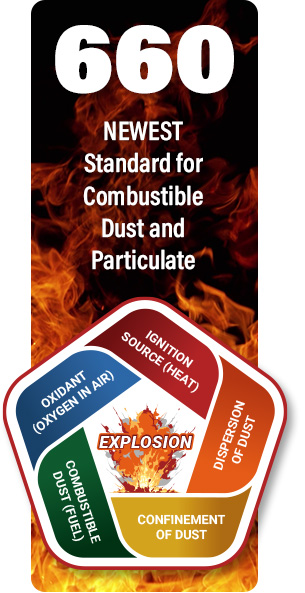
Earlier this year, NFPA announced 660 - Standard for Combustible Dusts and Particulate Solids, the single resource for dust hazards. It’s a critical step forward, making it easier to find guidance on dust hazards across a range of industrial footprints.


But did you know that without you, the 660 doesn’t work? Proactively preventing combustible dust buildup is your first line of defense. 

 
New 660 Standard

Start with these top five tips:


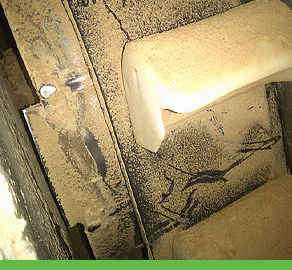
1. Clean on a regular, routine schedule – but don’t use push brooms, compressed air or fans—those create dust. 


2. Use industrial dust collectors, cleaning solutions and vacuums. Your goals is not just capturing dust but preventing air dispersal.


3. Don’t miss the hidden dangers – key high-risk areas often forgotten include suspended ceilings, corners, crevices and overhead structures.


4. Dispose properly – that means designated dust collection containers and preventing dust from being reintroduced to your facility.


5. Conduct a Dust Hazard Analysis – on all new and existing processes – on a regular schedule.


Want to learn more? Visit dustsafetyscience.com 


Schedule Your Pre-Season Inspection Today!


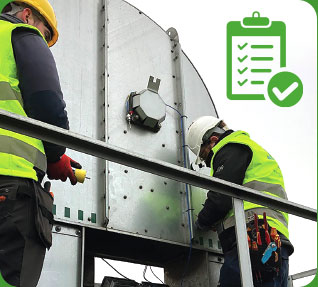
4B's site inspection and testing service includes:


  • All rigid and flexible conduits inspected for: cracks, breaks, tightness of connections, and suitability for purpose.
  • All wiring inspected for: ground faults, shorts, suitability for purpose.
  • All sensors and controls inspected for correct installation and wiring to National Electrical Code (NEC) standards.
  • All sensors and controls inspected for any signs of damage and tested to insure proper working order.
  • Detailed written inspection and testing report with any recommendations given to client.


NOTE: 4B recommends that all sensors are wired to provide automatic shutdown of monitored equipment, when a hazardous condition is detected.


Call (309) 698-5611 to schedule your inspection.


Want the full elevator inspection checklist?


3 Ways to Get More from Your Hazard Monitoring


While your hazard monitoring systems are designed to do most of the work for you, you’ll help them work at their peak by taking a few proactive maintenance steps.


Here are our top three:

Your ongoing maintenance program should include a step to periodically test your sensors to be sure they’re alerting properly.

Visually inspect the contact surface of the sensor and the sealtite, the wires, junction box and conduit to ensure proper operation.

Many sensors, like the 4B Touchswitch™, have a built-in test knob on the back of the sensor that allows for quick and easy operation verification without removing the sensor from the mounting hole.


Sensor Testing


4B has the tools to help you perform independent, real time and complete verification of your sensors and hazard monitoring system.

Speedmaster Sensor Tester

SpeedMaster™ for testing speed switch sensors and the complete system, in the field.

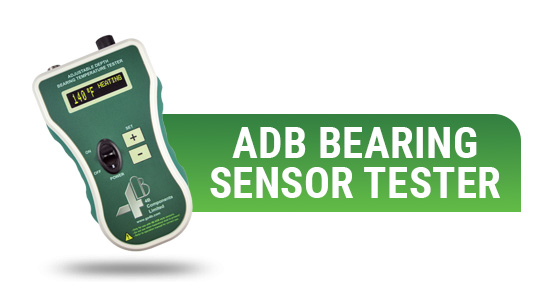
ADB Bearing Sensor Tester

ADB Bearing Sensor Tester for testing adjustable depth bearing temperature sensors and the complete system, in the field.

Bucket Elevator Troubleshooting


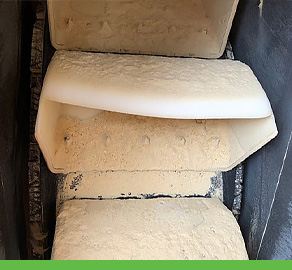
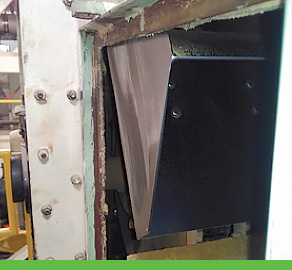
Regular bucket elevator inspections are critical to safe, efficient operation. Working with an experienced partner can uncover underlying problems and identify improvement opportunities—not just worn parts. Here are the top four most frequent problems the 4B team finds with our bucket elevator inspection programs—and our tips for preventing:

 
Loose Side Lagging

PROBLEM

Loose slide lagging.


SOLUTION

Install a speed switch on the tail shaft to provide early warning of these issues and prevent a dangerous belt split from progressing.

Excessive Bucket Wear

PROBLEM

Excessive bucket wear.


SOLUTION

Place screens and magnets at the inlet to help capture tramp material before it enters the elevator.

 
Loose Sprocket on Head Shaft

PROBLEM

Loose head shaft sprocket.


SOLUTION

Mount an extended-range proximity switch on each side of the leg casing for early detection if the chain shifts out of alignment.

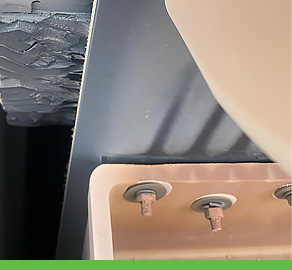
Loose Fasteners

PROBLEM

Loose fasteners.


SOLUTION

Use fanged-style elevator bolts, which will grip the belt over and keep the bolt from turning, along with nylon insert locknuts, which are less likely to loosen from system vibrations.


Download the full technical paper here.


Get your stocking inventory straight before harvest, so you’re ready for anything at the height of the busy season. That means now!


Put together your order for parts like speed switches, hazard controls, belt & pulley alignment parts, bearing temperature sensors and level & plug indicators. And if you need it fast, same-day shipping can save the day!


Call 309-698-5611 to set up delivery.

 
LinkedIn  Facebook  YouTube  Web