|
PRE-K UPDATE
February 28, 2024
| |
|
Did you know?
March 2nd is
National Read Across America Day, which is also the birthday of
Dr. Seuss!
Read Across America is an initiative designed
to encourage children to read and
is promoted throughout schools.
| |
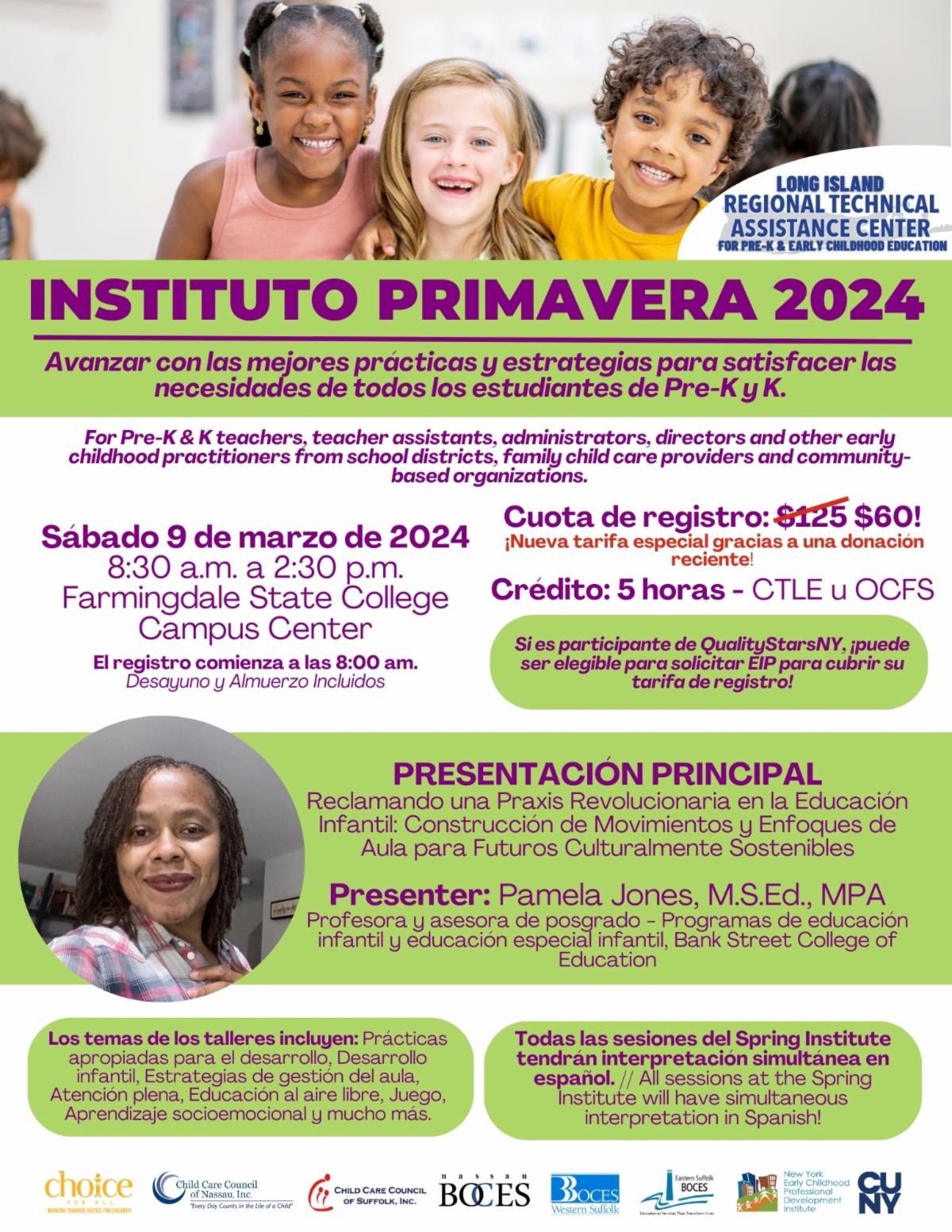
Don't forget to register! | |
|
**Please note the new special rate of $60,
courtesy of a recent grant!
| |
* If you are a QualityStarsNY participant, be sure to inquire as to whether you are able apply to EIP to cover the cost of the conference. | |
How to create an emotionally thoughtful and socially inclusive Pre-K classroom | |
|
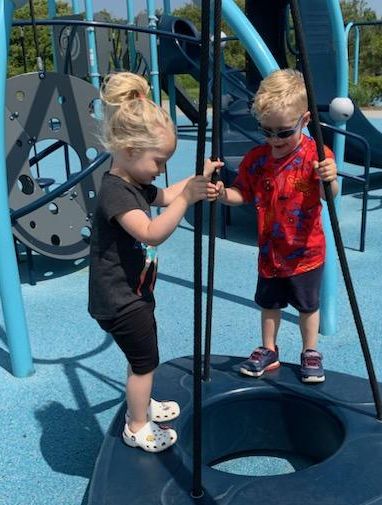
Pre-K classrooms are swimming with stimulation and activity. Many children find joy in this type of environment; others might find it to be overwhelming. According to an article by Evelyn S. Chiang and Kylee Rose Frye in Teaching Young Children, children with autism are especially likely to feel confused and fearful due to their overpowering surroundings. There are many strategies and materials that can help children feel included and safe in their classrooms.
Educators might be able to ascertain when children are overwhelmed if they are covering their ears, squeezing their eyes shut, or showing telltale signs of emotional meltdowns. When children experience regulated routines and have suitable options at their fingertips, they may be able to handle more types of sensory stimulation throughout their day. To reduce sensory input, educators might try the following:
- Offer sunglasses when going outside and headphones while staying indoors. The authors suggest having class sets of both so no child feels excluded.
- Find alternatives to touching triggering textures. Some children may not like sticky or slimy items, so provide foam blocks or sponges instead.
- Talk to children about differences in sensory input in a positive way. For example, the authors suggest saying, “John wears headphones because he has superhero ears! He can even hear really quiet sounds sometimes.”
Sensory breaks are helpful as well. Educators might consider designating places in the classroom where children can use calming tools or engage in stimming (self-stimulatory behavior). This might consist of a small tent with pillows where children can flap their hands or escape bright lights. “Stimming can be very important to help children manage their emotions or the amount of stimulation they are receiving,” says Chiang and Frye. “Early childhood educators should not discourage stimming and can also model acceptance by speaking positively about [it].” You might say, “John paces because it feels good in his body and it helps him feel better when he’s sad.”
It’s also important to help children understand how to be sensitive to the space of others; after all, they often don’t know where their personal space begins and ends. Many children enjoy physical contact with their peers, while others might become upset over having others in their space. Children can learn to be sensitive to one another through educators’ demonstrations of “personal-space bubbles.” These might be made of string or hula hoops. The classroom can have posters with pictures of different ways to greet one another, such as handshaking, high fives, thumbs up, etc. Each child might have a small mat to sit on during group read alouds or similar activities.
The authors recommend a number of books that can help Pre-K children understand that people have many different ways of thinking and feeling. Check out Why Johnny Doesn’t Flap, by Clay Morton and Gail Morton; Personal Space Camp, by Julia Cook; Red:A Crayon’s Story, by Michael Hall; and Max and Me: A Story about Sensory Processing, by Ines Lawlor.
| |
|
ECERS-3
(Early Childhood Environment Rating Scale-3):
An Overview for Pre-K & K Administrators and Program Leaders
Creating an Environment that
Meets the Broad Developmental Needs of
Young Children in Pre-K and Kindergarten.
As program leaders, are you looking for ways to enhance all aspects of
your Pre-K or Kindergarten program? ECERS-3 provides a research-based quality rating and improvement system that offers assessment and strategies that affect the broad developmental needs of young children ages 3-5, while emphasizing the role of the teacher in creating an environment that supports the health & safety as well as the physical, cognitive and social/emotional growth of the children in their care. ECERS-3 is well suited for inclusive and culturally diverse programs.
Presenter: Stephanie Dockweiler is the President and Co-Owner of QS2 Training and Consulting. Ms. Dockweiler serves as an observer for Children’s Institute, which oversees all of the ERS observations for QUALITYstarsNY. She is a Master Cadre Pyramid Trainer who is also trained to ensure reliability for ECERS-3 and ITERS-3.
Date: Wednesday, March 13, 2024
Time: 4:00pm - 5:00pm
Registration Fee: There is no fee for this workshop; however, registration is required. Registrants will receive a mailed copy of the Spiral-Bound Early Childhood
Environment Rating Scale (ECERS-3 Edition).
CTLE Credit Hours: 1
| |
|
ECERS-3
(Early Childhood Environment Rating Scale-3):
Creating a Pre-K or K Classroom that Meets the Broad Developmental Needs of Young Children
Looking for ways to improve the quality of your Pre-K or kindergarten
classroom? ECERS-3 provides strategies and assessment tools to broaden the cognitive and social/emotional needs of your 3-5-year-old children, while providing them with a safe and healthy learning environment. During these two sessions, you will learn about the important role you and support staff play in assessing the environment and strengthening teacher-child interactions. ECERS-3 is well suited for inclusive and culturally diverse programs.
Presenter: Stephanie Dockweiler is the President and Co-Owner of QS2 Training and Consulting. Ms. Dockweiler serves as an observer for Children’s Institute, which oversees all of the ERS observations for QUALITYstarsNY. She is a Master Cadre Pyramid Trainer who is also trained to ensure reliability for ECERS-3 and ITERS-3.
Dates: Tuesday, March 26, 2024 and
Tuesday, April 2, 2024
Time: 6:30pm - 8:30pm
Registration Fee: There is no fee for this workshop; however, registration is required. Registrants will receive a mailed copy of the Spiral-Bound Early Childhood
Environment Rating Scale (ECERS-3 Edition).
CTLE Credit Hours: 4
| |
|
Books that demonstrate SEL
problem solving through show and tell
| |
|
If you’re looking for more books about social and emotional learning (SEL) problem solving (see previous story) and differences, check out a helpful list compiled by Kristin Rydholm in Edutopia. Rydholm created it when she considered that show and tell has been a part of early childhood programs for decades because it is a great community-building activity that helps with SEL. Children can work on self-awareness and social awareness in this activity, both as presenters and as audience members. The picture books Rydholm features can “assist families, teachers, and students with SEL discussions about show and tell in a familiar read aloud setting.” Reading a number of different titles allows everyone to consider different perspectives and strategies for being kind and patient listeners. Here are a few of Rydholm’s suggestions:
-
Clem and Crab, by Fiona Lumbers. Clem discovers a crab while he is searching for treasures on the beach. Crab grabs a ride back to Clem’s house and becomes a part of his show-and-tell presentation. The story encourages children to clean up the beach, in addition to a number of other important lessons. Corresponding coloring pages are available here.
-
John’s Turn, by Mac Barnett. Matthew is shy about performing, but he gathers his courage and dances for the entire school. In the end, the students give him a standing ovation.
-
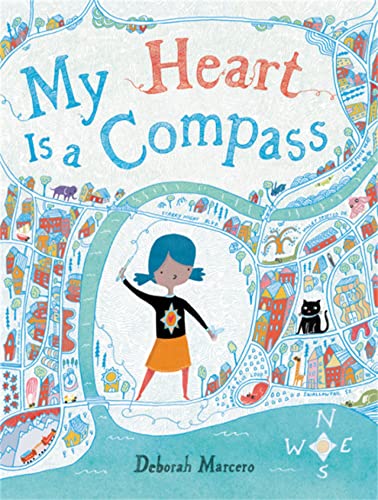
My Heart is a Compass, by Deborah Marcero. Rose wants to find something unique to bring for show and tell. She uses her imagination to cross the universe and find that special object; in doing so, she inspires her peers to do the same.
-
Our Favorite Day of the Year, by A.E. Ali. Each child in a class is tasked with selecting and sharing their favorite days of the year. In this way, everyone in the class shares the special days with one another. The class learns about many different holidays, including Pi Day and Rosh Hashanah.
Click here to read the complete list of books about SEL problem solving through show and tell.
| |
|
Summer Institute Proposal Submissions Now Open!
Best & Promising Practices to Meet the Needs of
All Learners in Pre-K & K
| |
|
Join us alongside national and local presenters at Best & Promising Practices to Meet the Needs of All Learners in Pre-K & K. Our goal, as always, is to provide additional opportunities in supporting best and promising practices of quality teaching and leadership among early childhood practitioners focused on Pre-K and K.
If interested, please submit a workshop proposal using the portal below. Sessions submitted will be conducted within the frame of a 90-minute session.
We are looking for topics covering:
- Developmentally Appropriate Practices
- Teaching in a Post-COVID Era
- Equitable Curriculum & Content Area Specific Focus (i.e., Reading, Writing, Math, etc.)
- Family Engagement & Partnerships
- Diversity, Equity and Inclusion
- Understanding Indigenous Culture as it Relates to Early Education
- Special Education
- Supporting Multilingual Learners (i.e., English Language Learners, etc.)
- STEAM (Science, Technology, Engineering, Arts & Mathematics)
- Social-Emotional Learning and/or Classroom Behavior
- Teacher & Practitioner Self Care
- Teacher Leadership
- Play & Play-Based Learning
- Outdoor Learning
We also want to hear your new ideas for topics!
SUBMISSIONS ARE DUE BY
Friday, March 15, 2024.
As session availability is limited, we highly encourage submissions of your proposals as soon as possible!
| |
|
Webinar:
Support Young Dual Language Learners
| |
|
Play in Early Childhood:
The Role of Play in Any Setting
In this video from Harvard University's Center on the Developing Child, learn how play supports healthy early development by helping children build strong relationships, develop key skills, and reduce sources of stress.
| |
71 Clinton Rd. Garden City, NY 11530-9195
For questions or more information, call us at
| | | | |