Teacher And Pupils Using Wooden Shapes In Montessori School

PRE-K UPDATE

June 5, 2024

Did you know?

Teach children about the origins of Father's Day

In 1909, Sonora Smart Dodd was listening to a Mother’s Day sermon at her local church when she had the idea to establish a similar day to honor the hard-working fathers of the community. Dodd was the daughter of a widower and Civil War veteran named William Jackson Smart, who raised six children on his own after his wife died during childbirth. The first Father's Day celebration was in 1910. Originally, Dodd wanted the holiday to fall on June 5, which was her father's birthday. However, to this day it is always celebrated on the third Sunday every June.

Don't forget to register!

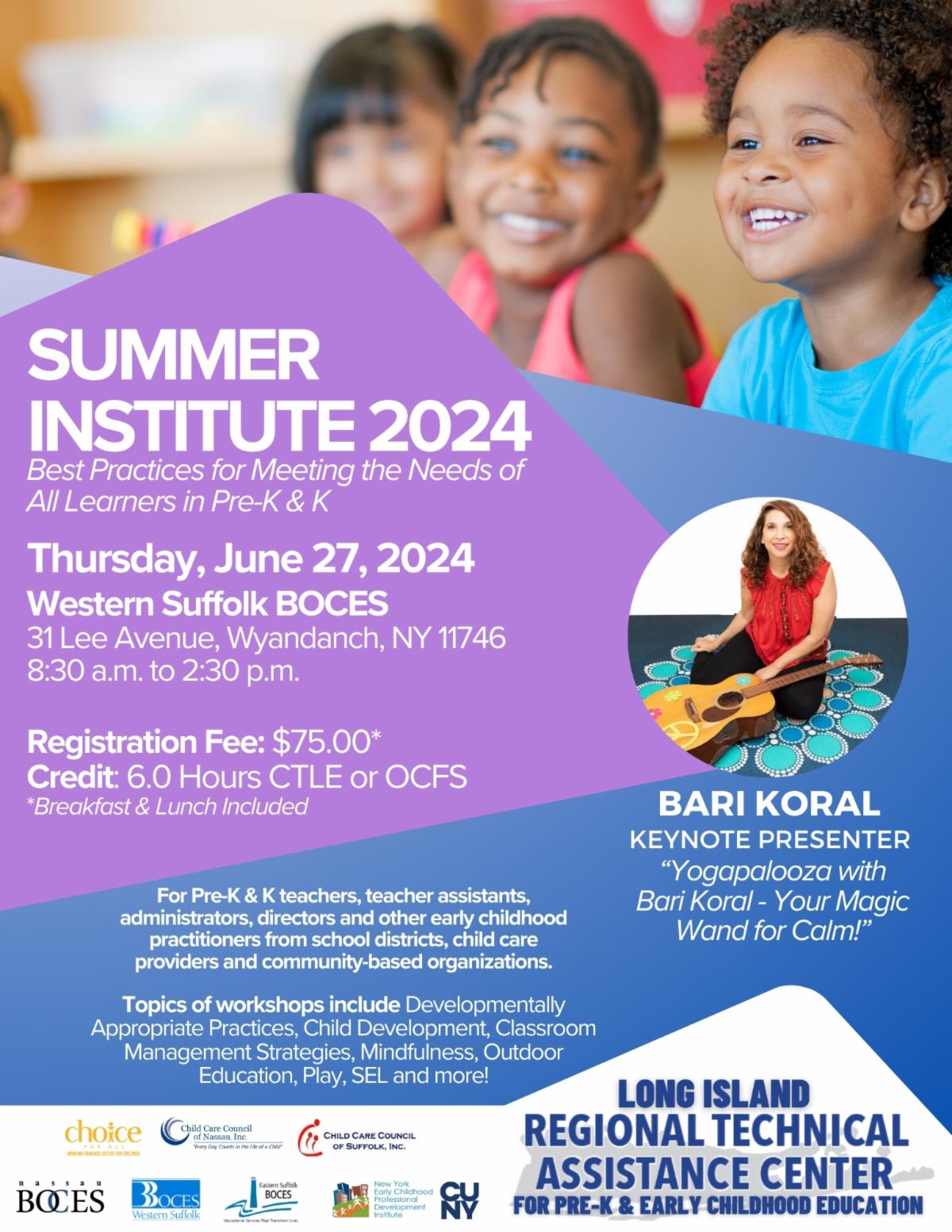
Summer Institute 2024

Best Practices for Meeting the Needs of All Learners in Pre-K & K

REGISTER HERE

Meet Keynote Presenter Bari Koral!

How playful retelling of stories

benefits literacy skills

By inviting children to experience playful book-based activities, it sets the groundwork for powerful literacy skills. According to an article by Amber Unger in Edutopia, repeated readings over a number of days, followed by different methods of retelling the stories, allows educators and children to experience the book in different ways. Vocabulary words are taught so that children may practice using them while playing.

Play is an important literacy tool that boosts comprehension and increases meaningful use of vocabulary. It helps children remember details of stories and allows for higher-order thinking. “Retelling the story allows students the opportunity to authentically practice the vocabulary they are learning,” says Unger, who says that choosing the right book is extremely important. She recommends making sure it is fiction, it has a clear story sequence, it has multiple characters and objects that are central to the story, and it includes Tier 2 vocabulary words.


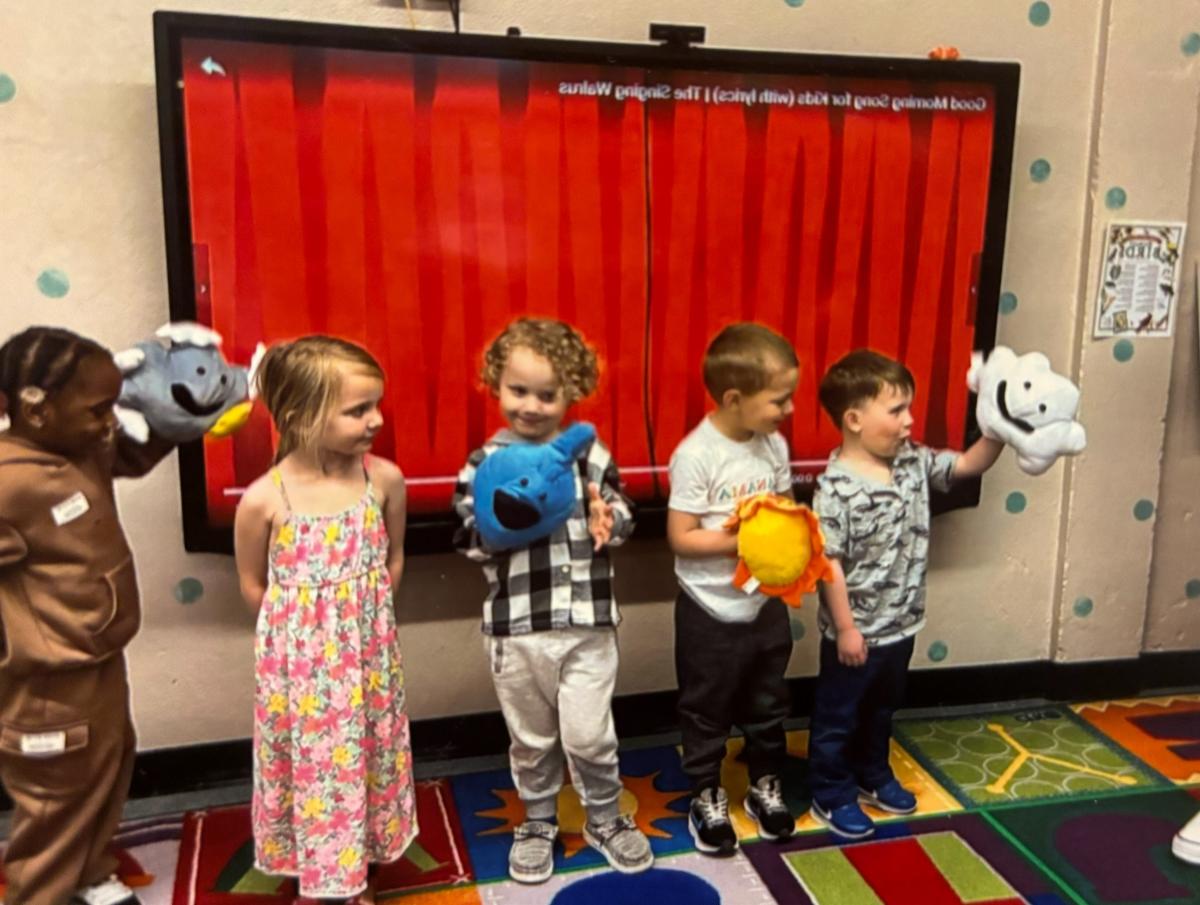
Educators should plan to read, reread, retell, and play for at least five to ten days while creating discussion questions and considering target vocabulary words. When it is time to plan, choose materials that will invite children to reenact the story, including puppets, stuffed animals, plastic figurines, costume pieces, felt board and pieces, props, or even projected videos of the story.


Unger recommends keeping shared reading experiences focused and reviewing target vocabulary words regularly. When embarking on guided play, she says that children should first participate in a whole-group environment, with the educator scaffolding the story. When children seem like they would be comfortable in retelling the story in small groups, educators can introduce the book-based play invitations. An option is to take them on a tour of the classroom and introduce them to materials that have been designated for this experience. After the shared reading experience, children can choose where to play and engage with materials while conversing about what they are doing.


Unger even chooses to connect with families by posting invitations on school social media, encouraging them to have children retell stories at home. She includes a link to a class read aloud. “Shared reading paired with book-based play supports students with exploring the most essential purpose of literacy: the construction of meaning.”


Click here to read more about play and book explorations in Pre-K.

Virtual Session

Sesame Workshop and APA:

Helping Young Children Cope with

Emotional Distress


Please join this webinar for a dynamic and interactive session aimed at enhancing the emotional well-being of young children. This free webinar features:


  • Engagement with Sesame Workshop's content: Panelists will provide a detailed walkthrough of new multimedia resources that focus on emotional wellness, nurturing relationships, and strengthening the mind, body, and heart connection in children. The content includes APA-authored resource sheets for parents/caregivers and providers that provide guidance on recognizing signs of distress and accessing appropriate mental health support.


  • Interactive Discussions: Our panelists will discuss effective ways to help young children articulate and manage their emotions using research-backed strategies.


Featured Speakers:


  • Lynn Bufka, PhD: Deputy Chief of Professional Practice, APA


  • Antonio Freitas, MS: Director of Educational Experiences, US Social Impact, Sesame Workshop


Date: July 18, 2024

Time: 1:00pm - 2:00pm

Cost: Free - Registration Required

REGISTER HERE

Picture books to celebrate fatherhood

Now that it is June, stock up on books to celebrate fatherhood, or encourage children to gift their male role models with books to enjoy with them! In an article in Brightly, Liz Lesnick recommends books that educators may want to introduce to their classrooms. Here are a few of her Father’s Day favorites:


  • My Dad is a Tree, by Jon Agee. This picture book shows appreciation for the dads who go the extra mile for their children. Madelieine convinces her father to be a tree because she wants to stay outside and play. Luckily, he takes the role seriously!


  • Ahoy! by Sophie Blackall. While a father is finishing some work around the house, his son begins to use his imagination throughout a rain storm. The father joins in the fun and they take to the seas for an adventure.


  • Brick by Brick, by Heidi Woodward Sheffield. Luis’ father is a bricklayer who works on their city’s buildings, brick by brick. Luis also works hard at school, and compares himself to his father and his excellent work ethic.


  • Our Shed, by Robert Broder. A father and daughter are building a shed together in their backyard. The father passes down his knowledge of building, while the daughter teaches him how to be more creative and use his imagination.


Click here to read the complete list of Father’s Day books. 

The Office of Early Learning has created documents that can be used with educators and families to help foster positive interactions in the prekindergarten environment. Click the button below to view information, guidance, strategies, resources, and frequently asked questions to build systems and practices that promote positive behavior in the PreK classroom. Some can be used immediately, while others can be used for planning purposes for the next program year.

CLICK HERE TO VIEW RESOURCES
Visit our Website

71 Clinton Rd. Garden City, NY 11530-9195
For questions or more information, call us at
516-544-0044, or contact us at info@choiceforall.org.