|
PRE-K UPDATE
April 3, 2024
| |
|
Did you know?
Everyone in the U.S. will see at least a partial eclipse on April 8th. This eclipse will be the most viewed ever! More than 500 million people in the US, Canada and Mexico will have the opportunity to see a partial eclipse. The path where the Sun is totally eclipsed runs through Oregon, Idaho, Wyoming, Kansas, Missouri, Illinois, Kentucky, Tennessee, and North and South Carolina. More than 10 million people are in the path of totality and 28 million live within 60 miles of the path. Wow!
| |
How to support children with tactile sensitivities when engaging in nature play | |
|
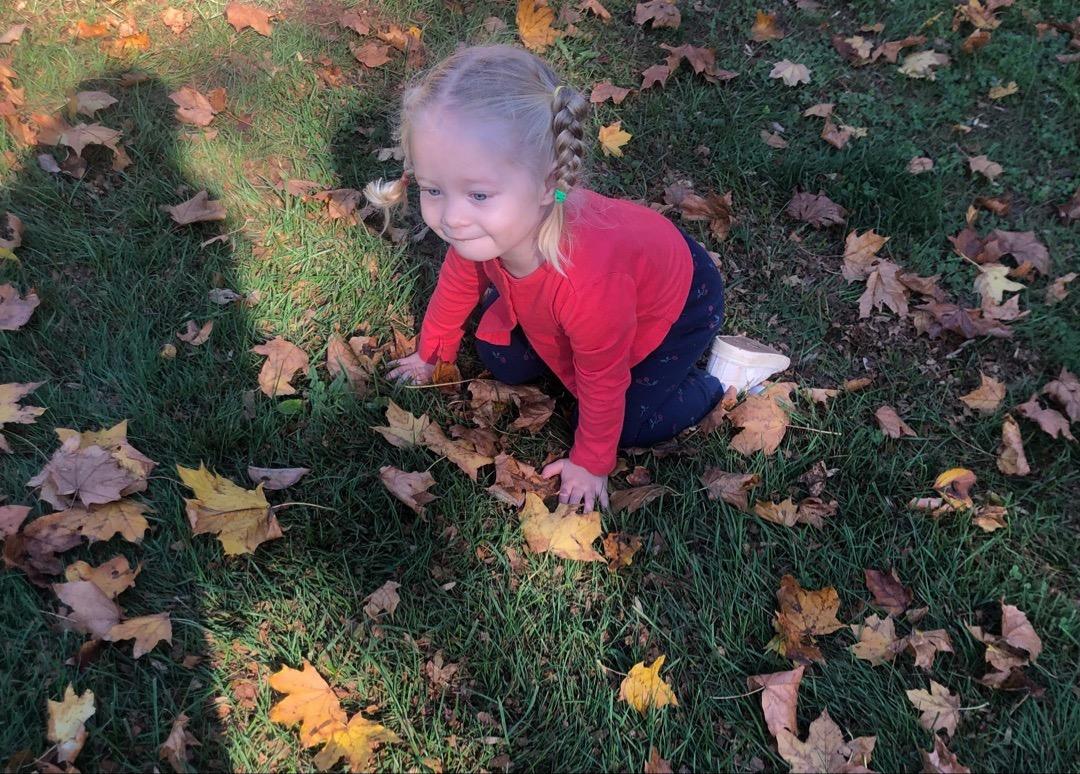
When children engage in nature play they’re afforded many physical, cognitive, social, and emotional benefits. Nature play can offer many opportunities for stress relief while familiarizing children with their environment. According to an article by Becky L. DelVecchio in Teaching Young Children, nature play is a rewarding activity, but might be “difficult for children who have tactile sensitivities that make touch uncomfortable, stressful, or even painful.” Avoidance may occur because of fear or discomfort. The article suggests a number of ways to support these children; however, these strategies can be helpful with all Pre-K classes. Here are a few:
-
Present natural materials regularly and for extended periods of time. According to DelVecchio, children who are exposed to natural materials on a regular basis are more likely to respond to them without trepidation. She suggests including pinecones, leaves, flowers, or sticks in areas of classrooms where children can act upon their sensory impulses. They may "'drive by' without touching the materials until they feel comfortable.” This might entail leaving the materials in the room for a number of days until they are seen as the norm.
-
Use positive language and modeling with natural materials. Educators might hold a sponge and say, “I thought this was going to be hard, but it is actually soft.” This can alleviate fear of the unknown.
-
Introduce materials with one texture at a time. Instead of offering a box of jagged and smooth rocks, try offering one filled only with smooth ones. This may be more inviting for sensitive children.
-
Offer familiar items first. Try allowing natural play with sand, water, dandelions, seashells, or whatever children might find in environments near their home or school. This may be less intimidating than introducing new items.
-
Place utensils and/or gloves near natural objects. Tools such as tongs or scoops might offer another option for engaging in play and/or touch.
-
Encourage children to play in pairs. Educators might assign roles, whereas one child is the toucher and the other is the talker. The talker can give directions to the toucher, informing how they can manipulate and use the natural materials. This also offers an opportunity for teamwork!
-
Invite children to observe and draw a natural item. Whether they are seeing the items at school, outside, or in an art museum, “this can feel much less intimidating for children with tactile sensitivities and provides a way for everyone to participate in a similar fashion,” says DelVecchio.
| |
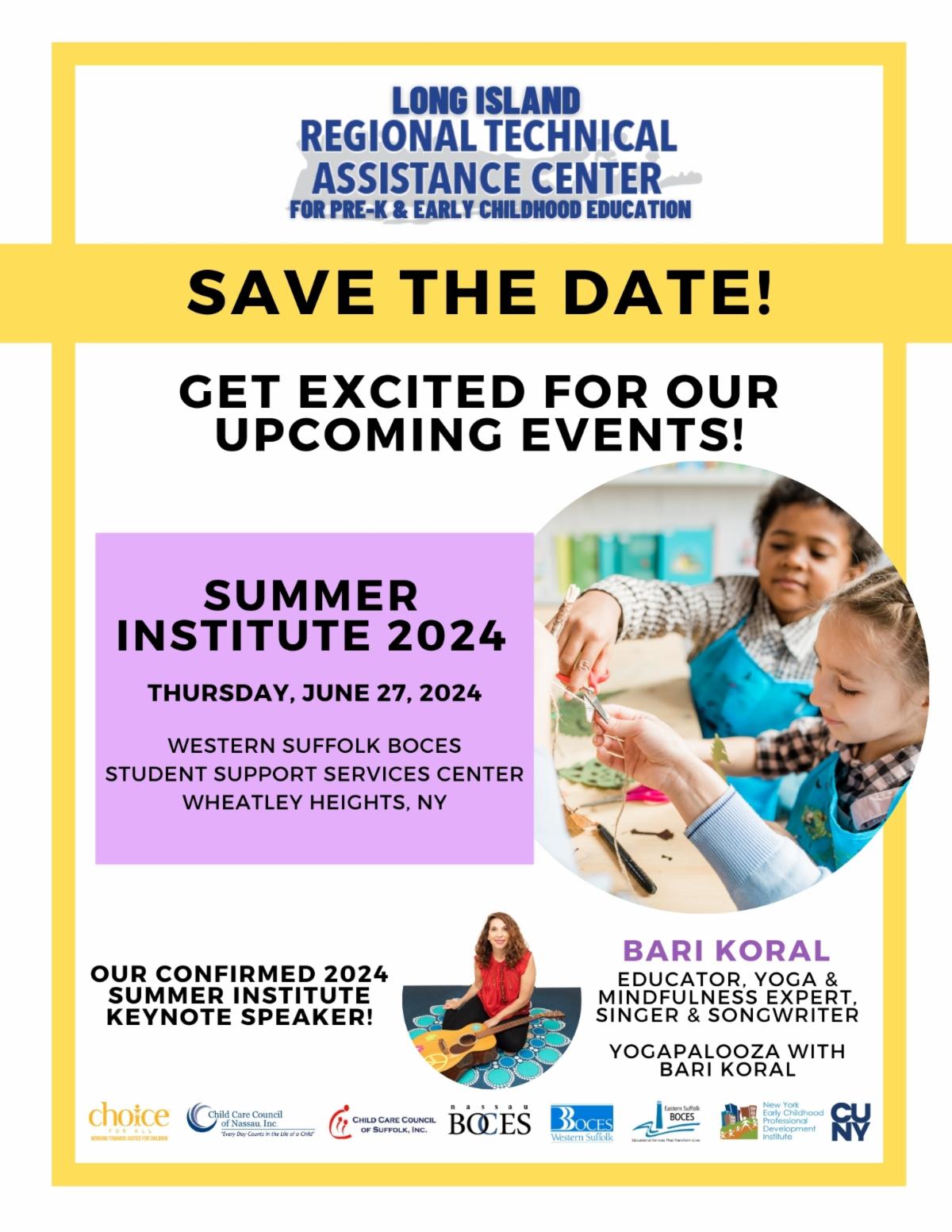
Registration Opening Soon! | |
Picture books about blended families | |
|
Stories help children work through their feelings and validate their varied experiences. Devon A. Corneal, a stepdaughter and a stepparent, realized the importance of children in blended families reading books that feature characters like them. In an article in Brightly, Corneal shares a number of suggestions for books with characters who might be “angry, anxious, excited, fearful, confused, or overwhelmed and might struggle to fit into a new family dynamic.” Here are a few of the titles that show the many layers and complexities of stepfamilies:
-
Families Can, by Dan Saks. This board book celebrates the fact that families are incredibly different and come in many shapes and sizes. Children will enjoy the bright colors and uplifting text.
-
Cat Dog Dog: The Story of a Blended Family, by Nelly Buchet. Cat, Dog, and Dog are forced to adjust to a new, blended family when their parents move in with one another. The last thing they expect when they finally get used to one another is a new baby! The story is as funny as it is poignant.
-
Families, Families, Families! by Suzanne Lang. All kinds of families are illustrated in this rhyming book which provides a great conversation starter for educators, parents, and caregivers. Children will enjoy finding families that look like their own.
-
Life with My Family, by Renee Hooker and Karl Jones. When a young girl is frustrated with the noise in her chaotic family, she imagines that her family is made up of birds, insects, rodents, and other animals. Silliness ensues.
Click here to read the complete list of books about blended families.
| |
71 Clinton Rd. Garden City, NY 11530-9195
For questions or more information, call us at
| | | | |