|
Songs can be turned into flexible teaching tools that help children practice gross-motor movement, inhibitory control, teamwork, active listening, cognitive concepts, and more. According to an article by Anne Sailer and Lauren Guilmartin in Exchange, songs are incredibly adaptable, making them an ideal opportunity for family engagement.
The authors observed a teacher who would send home notes with families urging them to work together to accomplish goals through song. For example, she encouraged them to find something blue using an adapted song. “A cycle of learning that moves from school to home, and back again, deeply supports children’s growth in key early learning domains that are critical for school/life success,” say Sailer and Guilmartin. “Children with engaged families have improved academic achievement, a greater motivation to learn, and improved behavior/social skills.”
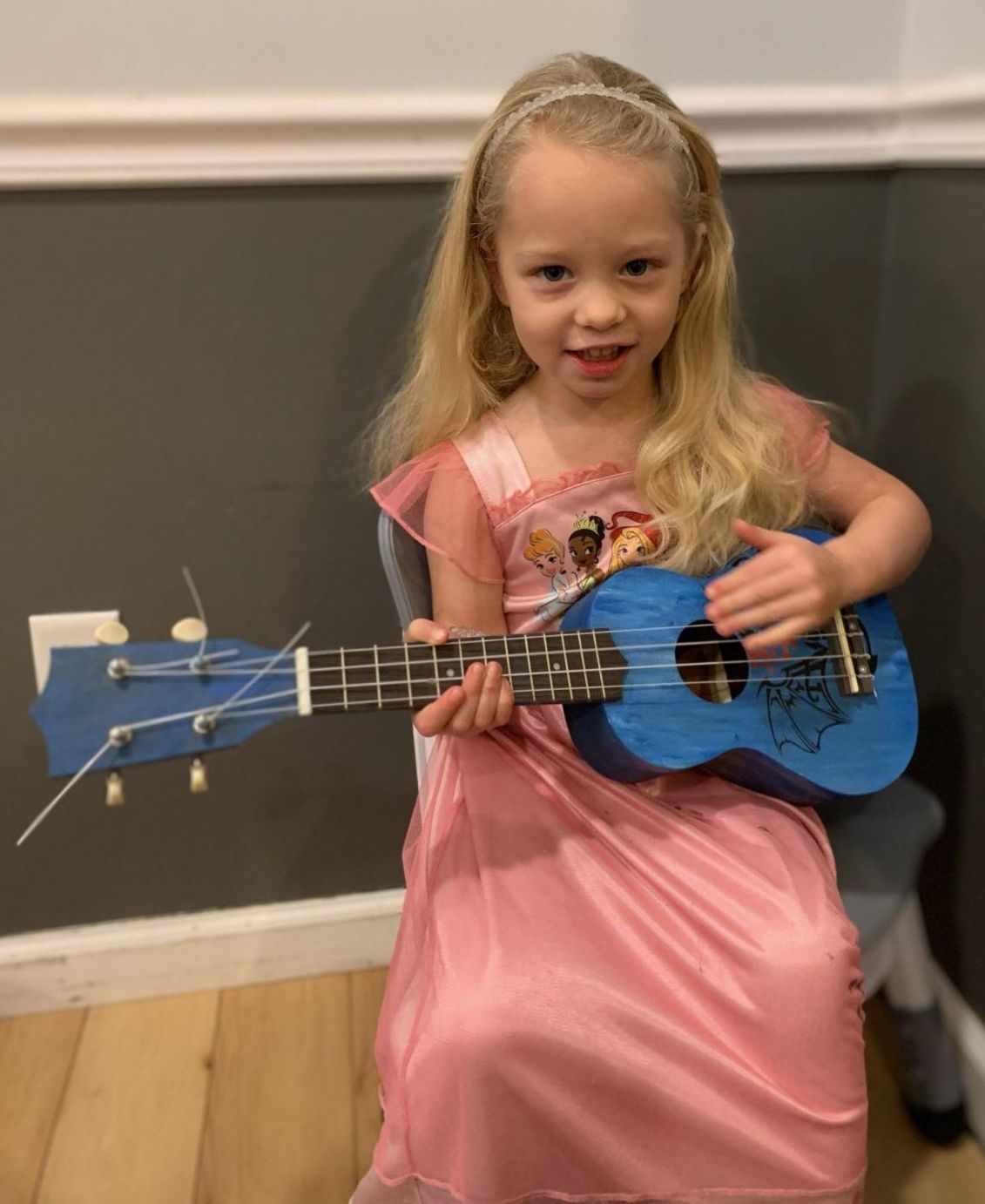
The best aspect of using music in the Pre-K classroom may be that it helps make family engagement easier and fun for teachers and families. Plus, families don’t need supplies for music. They can simply use their bodies and voices to carry a tune or play a rhythm game. Children can learn through music at the kitchen table, in the car, or at the grocery store. Just think about all of the possibilities when it comes to counting or colors!
Whether educators sing about shapes, rap about colors, or march to a tour of the fire station, using music in class and sharing it with students’ families when they go home is a fantastic pairing of educational and family engagement.
|