|
When educator Jonda McNair realized that her young students were looking closely at all aspects of their books, including sizes, dust jackets, and fonts, it occurred to her that these elements were extremely important for early readers. In an article in Young Children (co-written with Hayley J. Hoover), she recalls skipping the dust jacket, case cover (the hard cover underneath the dust jacket) and endpapers (the pages glued inside the front and back covers of a book). “Conversations about design elements should be considered an integral part of storybook read-aloud or literature classrooms,” she says.
When illustrators, editors, designers, and entire teams of creative individuals collaborate on picture books, they are always considering design elements such as cover art, lettering, and the size and lettering of the book. Young children utilize these elements to help with their understanding of the content. Educators can engage children with all of these elements to foster stronger learning.
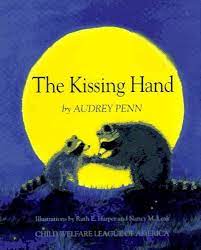
Covers and dust covers are very impactful when it comes to book choice. Young children will choose books solely based on cover art. However, less attention is paid to what is beneath it in the dust jacket. This area may contain information about the plot, characters, or setting and can “help children start making sense of the story before they begin reading the verbal text,” say the authors. Ask students questions about the dust jacket such as, “What clues might the dust jacket provide about the story?” and “Which image do you like most and why?”
As for endpapers, they may be the first part of the interior book to be seen by children, and the last to be seen after the book has been finished or about to be closed. “Like covers, endpapers can pull readers into stories and provide clues to support comprehension.” Ask children, “What do you notice about the endpapers?” and “Why do you think the pages are this color?”
The authors also look at font, and how factors such as color, size, slant, and weight inform the meaning that words in the picture books convey. “What letters look like can be just as important as what they say, and drawing attention to these features of font can help them see additional meanings that might otherwise be overlooked.” The same is true for the size, orientation and any outside cover features. The authors suggest asking questions such as, “How does the color and size of this font make you feel?” and “Why is this book large or small?”
Children’s comprehension of these design elements can inform their writing skills when they get older. As children create their own stories and illustrations, teachers have many opportunities to draw attention to various design elements. As a result of being exposed to this, children are more likely to be focused and pay closer attention when they continue to read. The authors suggest integrating questions and conversations about design into interactive read alouds which will teach children to pay closer attention to illustrations and detail as well.
|