|
Children have an innate understanding and passion for their physical and social worlds. According to an article by
Kathryn Lake MacKay, Kim Collett Plank, Cindy Sanders, and Cassy Lewis in Young Children, when educators create classrooms that inspire wonder and encourage curiosity, educators can tap into children's deep interests and continue to develop them through the use of informational texts. Plus, this provides children with strong literacy experiences, in turn, motivating them to read while building their vocabulary and content knowledge.
Additionally, they help to familiarize children “with the syntax and text structures found in informational writing.” They give children a method by which they can answer the questions raised by their natural curiosities.
The article notes that there are many different types of informational texts now available for Pre-K children. An informational text is “a book that recounts a true event or that describes a process or phenomenon.” Some children actually find informational texts more intriguing than fictional narratives. There should be an array of informational texts available, which can increase motivation to read, increase engagement while they are reading, and give them knowledge about the world.
The authors suggest creating a curious classroom that invites children to wonder and explore, “then supplement those areas with informational texts.” Educators might create a wonder wall, which would provide a place to display pictures or questions related to thoughts about the topic or genres explored. Informational texts that mirror students’ thoughts and questions would be aligned with the wall.
Another option is a wonder window. Teachers might frame a window with construction paper, attaching pictures of objects for which children can search when they look through the window (for example, trees, insects, or buildings). If a child wonders whether the flying insects outside are bees or wasps, the educator might share the book Can You Tell a Bee from a Wasp?
Educators might also try wonder centers, in which educators showcase a variety of items from nature, to allow children to investigate and question. These might include seeds, shells, or shark teeth. Wonder centers may also feature magnifying glasses and other investigative tools such as art supplies, to allow children to document their findings. Informational texts would ideally be closely aligned with the objects in the center.
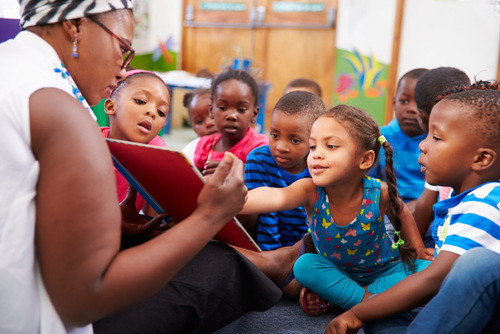
Children will be inspired to read informational texts as they wonder throughout the day. Educators can use them to scaffold curiosity as they participate in activities such as when they see construction equipment during recess. Educators might invite them to read Busy Builders: Construction Site. Additionally, “classroom teachers can also use informational texts for read alouds, shared readings, and unit studies or projects.”
Educators can design a “rich text environment” by creating classrooms with a variety of genres . They can also work with school and community librarians to borrow texts that align with goals. The authors suggest creating boxes that contain a number of text genres about interests that children have expressed. They should also be in a variety of formats that might include audiobooks and e-books.
When these texts become an important aspect of the classroom, children will more freely expand on their curiosities and feel more confident in asking questions.
|