Teacher And Pupils Using Wooden Shapes In Montessori School

PRE-K UPDATE

June 12, 2024

Did you know?

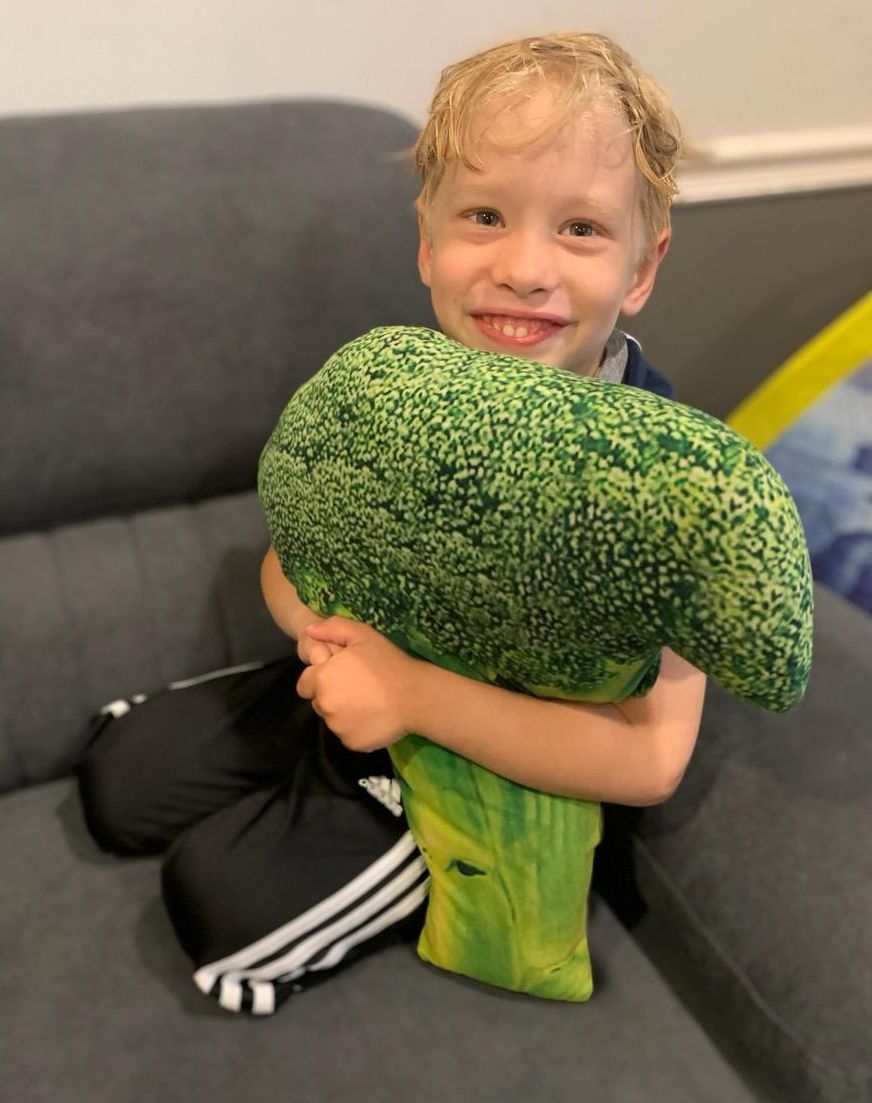
June 17th is National Eat Your Vegetables Day! It is no coincidence that it falls in the middle of National Fresh Fruit and Vegetables Month. On the 17th, celebrate with a healthy snack time. Why not make it one more opportunity to remind children about this part of a healthy diet?

Only a few weeks away...

Don't miss out!

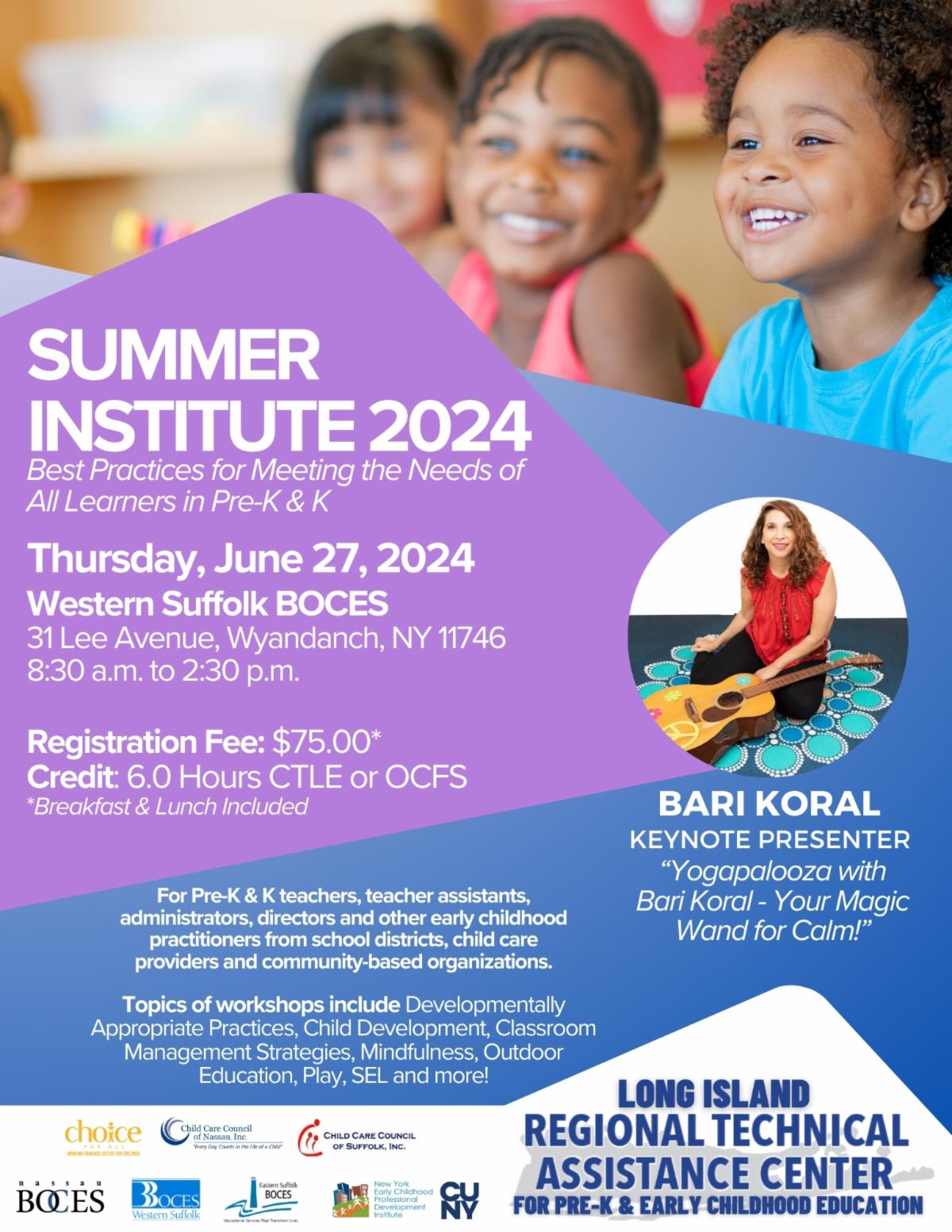
Summer Institute 2024

Best Practices for Meeting the Needs of All Learners in Pre-K & K

REGISTER HERE

Meet Keynote Presenter Bari Koral!

How to enhance language learning through dual language and non-English books

young-boy-reading.jpg

There are many questions and challenges educators encounter when designing instruction that utilizes non-English languages for multilingual learners. Diverse languages are often brought into the classroom, but it’s not always clear as to how to use them in meaningful, intentional ways as part of instruction. According to an article in Young Children by

Christopher J. Wagner, Jeein Chung, Chelsea Kim, and Yaritza Perdomo, these questions are “relevant to early childhood teachers because the language development of all children, including multilingual learners, is influenced by the quantity, diversity, and sophistication of the language children are exposed to in and outside of school.” The use of multilingual learners’ home languages in literacy learning can also lead to stronger reading skills.


It’s important to promote curiosity and engagement in instruction for Pre-K children. Dual language and non-English books are a great way to support learners’ development of language awareness. Using these texts also creates empathy among children and “fosters their social and emotional learning,” say the authors. Additionally, these texts build connections between the home and community, and a respect for other languages and people who speak them. The article offers five practices that can be adapted to individual classrooms, depending on learning goals and children’s current knowledge. 


1.   Explore Culture and Language. Dual language and non-English books can be used to connect children’s and teachers’ knowledge with their own cultures. Educators can craft activities that connect with their knowledge. One researcher read The Name Jar, by Yangsook Choi, to her class, sharing knowledge of her own identity and Korean culture. Afterwards, children learned how to say her name in Korean.


2.   Engage in Joint Reading. Reading dual language and non-English books can be helpful, especially if educators are comfortable reading a language other than English. Children will often use information in a book other than the words (such as information in pictures) to gather meaning. “When used this way, dual language and non-English books position both monolingual and multilingual children as problem solvers who use elements of the text to learn the meaning of new words,” say the authors. Children are also able to practice with comprehension strategies.


3.   Share a new language. If teachers are fluent in languages other than English, reading a book in a new language lets children experience something exciting and eye-opening. Educators might read the text in the non-English language first, and again in English. This encourages children to make predictions.

4.   Invite multilingual guest readers. Dual language and non-English books are a great reason to invite guest readers to the classroom. Multilingual guests from children’s families or from the community demonstrate the importance of multilingualism to children.


5.   Make books accessible for children to find and explore. When children are able to find these texts around the classroom, it encourages children to “investigate language on their own terms.” Educators should include books in a diverse range of languages.


These practices help children feel empowered while embracing different cultures in equitable Pre-K classrooms. 

Virtual Session

Sesame Workshop and APA:

Helping Young Children Cope with

Emotional Distress


Please join this webinar for a dynamic and interactive session aimed at enhancing the emotional well-being of young children. This free webinar features:


  • Engagement with Sesame Workshop's content: Panelists will provide a detailed walkthrough of new multimedia resources that focus on emotional wellness, nurturing relationships, and strengthening the mind, body, and heart connection in children. The content includes APA-authored resource sheets for parents/caregivers and providers that provide guidance on recognizing signs of distress and accessing appropriate mental health support.


  • Interactive Discussions: Our panelists will discuss effective ways to help young children articulate and manage their emotions using research-backed strategies.


Featured Speakers:


  • Lynn Bufka, PhD: Deputy Chief of Professional Practice, APA


  • Antonio Freitas, MS: Director of Educational Experiences, US Social Impact, Sesame Workshop


Date: July 18, 2024

Time: 1:00pm - 2:00pm

Cost: Free - Registration Required

REGISTER HERE

Picture books about worldwide cuisine

If you want children to learn how to take risks and try new food, they should understand the importance and fun in being brave when sampling new cuisine. In an article in Brightly, Naima Jasmine Russell offers a list of picture books to “inspire the palettes” of children with recipes and dishes from around the world. Here are a few of her suggested books:


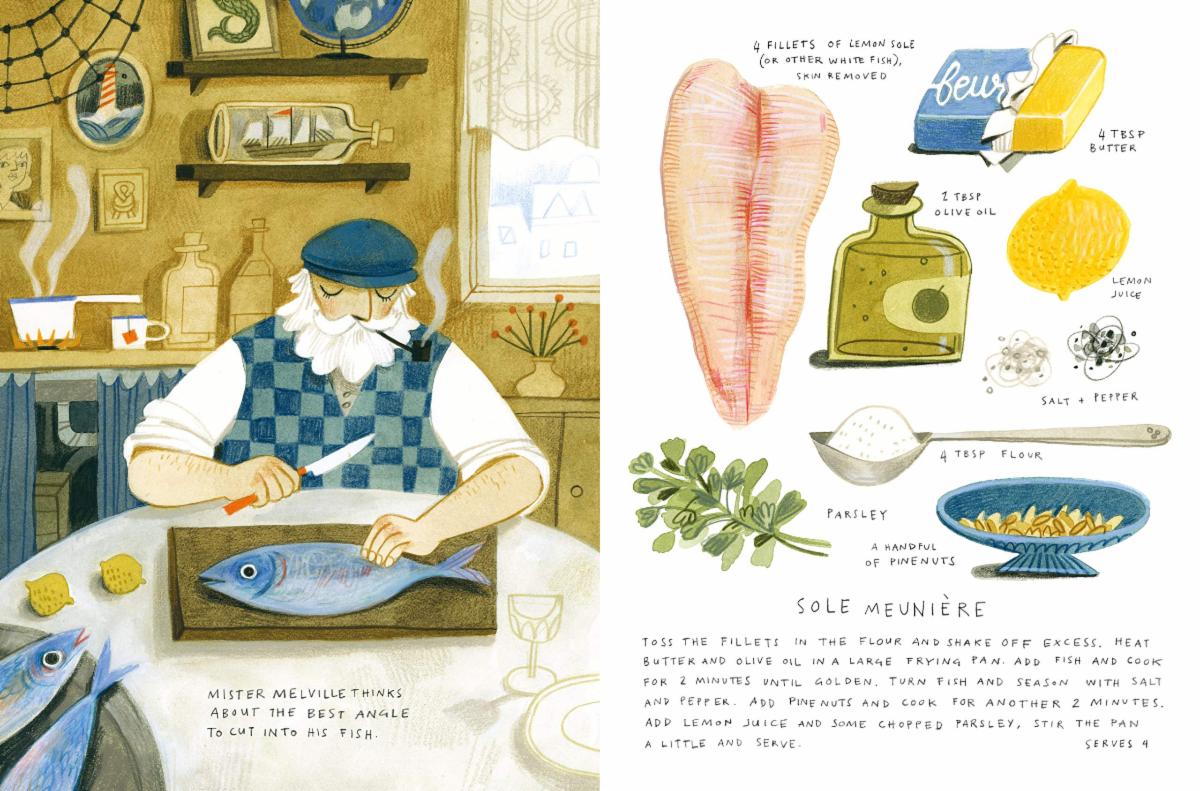
  • What’s Cooking at 10 Garden Street? by Felicita Sala. Delicious, global scents fill an apartment building as the multicultural residents cook dishes from various countries. Each page pictures a person cooking in their kitchen on the left, and an accessible, visual recipe on the right. Young readers will love getting a feeling for the ingredients in each recipe. “It’s a delightful and mouth-watering book for a budding chef,” says Russell.


  • Kalamata’s Kitchen, by Sarah Thomas. Kalamata and Al Dente, her alligator friend, enter a magical world under the kitchen table. They revisit the Indian spice market where they had vacationed over the summer. As she prepares to begin kindergarten, Kalamata is inspired to be brave.


  • Luna’s Yum Yum Dim Sum, by Natasha Yim. Luna’s birthday features dim sum, storytelling, and math. She and her siblings are excited to enjoy pork buns, but when one falls on the floor, they use fractions and division to determine how they can all get equal shares.


  • Hola! Jalapeno, by Amy Wilson Sanger. Children will love this rhyming ode to food, which features collages of Mexican staples like tostadas, enchiladas, and mole chicken. They will also love learning Spanish words. There’s a pronunciation guide for educators on the back cover.


Check out the complete list of mouth-watering books here. 

The Office of Early Learning has created documents that can be used with educators and families to help foster positive interactions in the prekindergarten environment. Click the button below to view information, guidance, strategies, resources, and frequently asked questions to build systems and practices that promote positive behavior in the PreK classroom. Some can be used immediately, while others can be used for planning purposes for the next program year.

CLICK HERE TO VIEW RESOURCES
Visit our Website

71 Clinton Rd. Garden City, NY 11530-9195
For questions or more information, call us at
516-544-0044, or contact us at info@choiceforall.org.