|
PRE-K UPDATE
February 21, 2024
| |
|
Did you know?
Washington's actual birthday was on February 22, 1732. (This would be his 282nd birthday!)
| |
|
ECERS-3
(Early Childhood Environment Rating Scale-3):
An Overview for Pre-K & K Administrators and Program Leaders
Creating an Environment that
Meets the Broad Developmental Needs of
Young Children in Pre-K and Kindergarten.
As program leaders, are you looking for ways to enhance all aspects of
your Pre-K or Kindergarten program? ECERS-3 provides a research-based quality rating and improvement system that offers assessment and strategies that affect the broad developmental needs of young children ages 3-5, while emphasizing the role of the teacher in creating an environment that supports the health & safety as well as the physical, cognitive and social/emotional growth of the children in their care. ECERS-3 is well suited for inclusive and culturally diverse programs.
Presenter: Stephanie Dockweiler is the President and Co-Owner of QS2 Training and Consulting. Ms. Dockweiler serves as an observer for Children’s Institute, which oversees all of the ERS observations for QUALITYstarsNY. She is a Master Cadre Pyramid Trainer who is also trained to ensure reliability for ECERS-3 and ITERS-3.
Date: Wednesday, March 13, 2024
Time: 4:00pm - 5:00pm
Registration Fee: There is no fee for this workshop; however, registration is required. Registrants will receive a mailed copy of the Spiral-Bound Early Childhood
Environment Rating Scale (ECERS-3 Edition).
CTLE Credit Hours: 1
| |
|
ECERS-3
(Early Childhood Environment Rating Scale-3):
Creating a Pre-K or K Classroom that Meets the Broad Developmental Needs of Young Children
Looking for ways to improve the quality of your Pre-K or kindergarten
classroom? ECERS-3 provides strategies and assessment tools to broaden the cognitive and social/emotional needs of your 3-5-year-old children, while providing them with a safe and healthy learning environment. During these two sessions, you will learn about the important role you and support staff play in assessing the environment and strengthening teacher-child interactions. ECERS-3 is well suited for inclusive and culturally diverse programs.
Presenter: Stephanie Dockweiler is the President and Co-Owner of QS2 Training and Consulting. Ms. Dockweiler serves as an observer for Children’s Institute, which oversees all of the ERS observations for QUALITYstarsNY. She is a Master Cadre Pyramid Trainer who is also trained to ensure reliability for ECERS-3 and ITERS-3.
Dates: Tuesday, March 26, 2024 and
Tuesday, April 2, 2024
Time: 6:30pm - 8:30pm
Registration Fee: There is no fee for this workshop; however, registration is required. Registrants will receive a mailed copy of the Spiral-Bound Early Childhood
Environment Rating Scale (ECERS-3 Edition).
CTLE Credit Hours: 4
| |
Be sure to reserve your seat! | |
|
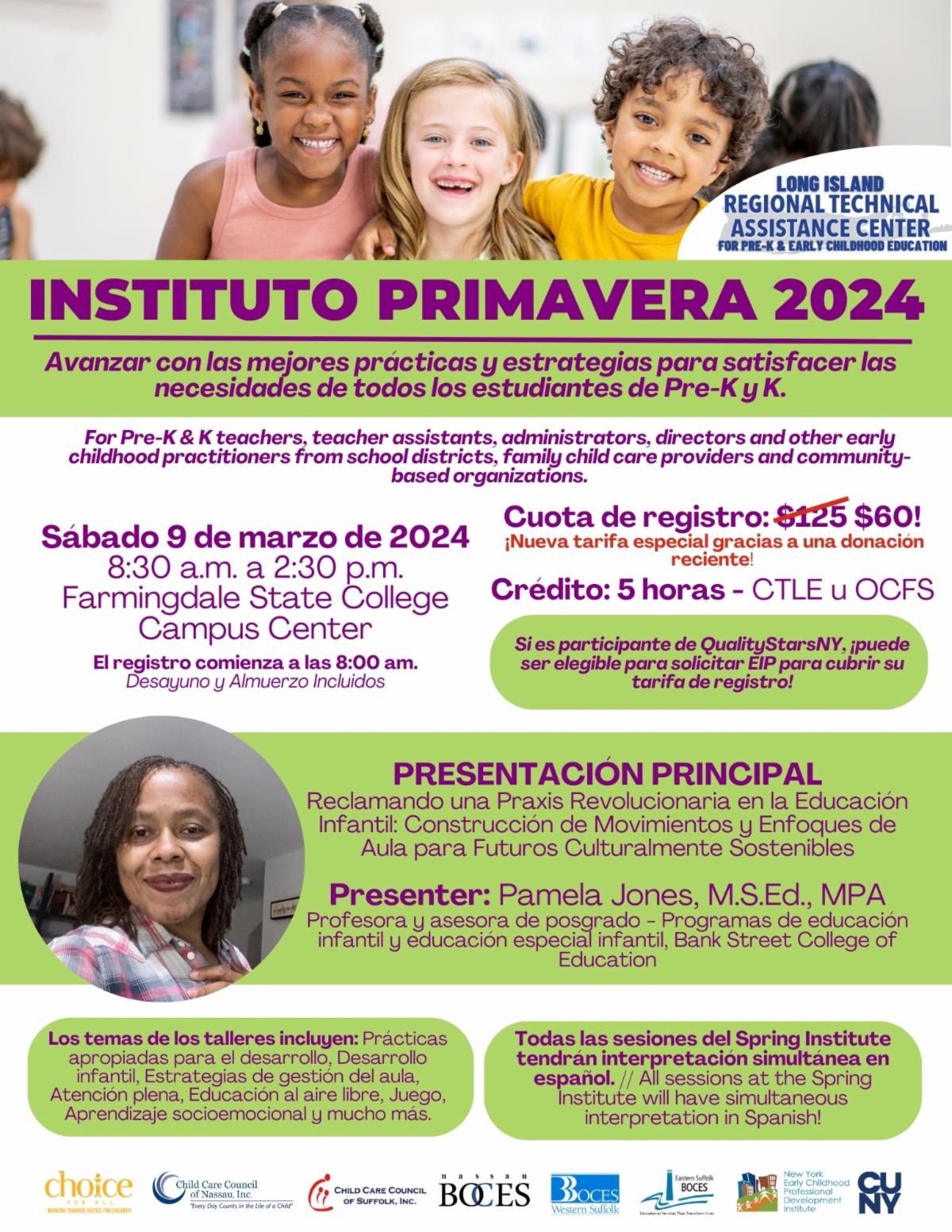
**Please note the new special rate of $60,
courtesy of a recent grant!
| |
* If you are a QualityStarsNY participant, be sure to inquire as to whether you are able apply to EIP to cover the cost of the conference. | |
|
Summer Institute Proposal Submissions Now Open!
Best & Promising Practices to Meet the Needs of
All Learners in Pre-K & K
| |
|
Join us alongside national and local presenters at Best & Promising Practices to Meet the Needs of All Learners in Pre-K & K. Our goal, as always, is to provide additional opportunities in supporting best and promising practices of quality teaching and leadership among early childhood practitioners focused on Pre-K and K.
If interested, please submit a workshop proposal using the portal below. Sessions submitted will be conducted within the frame of a 90-minute session.
We are looking for topics covering:
- Developmentally Appropriate Practices
- Teaching in a Post-COVID Era
- Equitable Curriculum & Content Area Specific Focus (i.e., Reading, Writing, Math, etc.)
- Family Engagement & Partnerships
- Diversity, Equity and Inclusion
- Understanding Indigenous Culture as it Relates to Early Education
- Special Education
- Supporting Multilingual Learners (i.e., English Language Learners, etc.)
- STEAM (Science, Technology, Engineering, Arts & Mathematics)
- Social-Emotional Learning and/or Classroom Behavior
- Teacher & Practitioner Self Care
- Teacher Leadership
- Play & Play-Based Learning
- Outdoor Learning
We also want to hear your new ideas for topics!
SUBMISSIONS ARE DUE BY
Friday, March 15, 2024.
As session availability is limited, we highly encourage submissions of your proposals as soon as possible!
| |
Strategies for teaching vocabulary and reading to Pre-K children | |
|
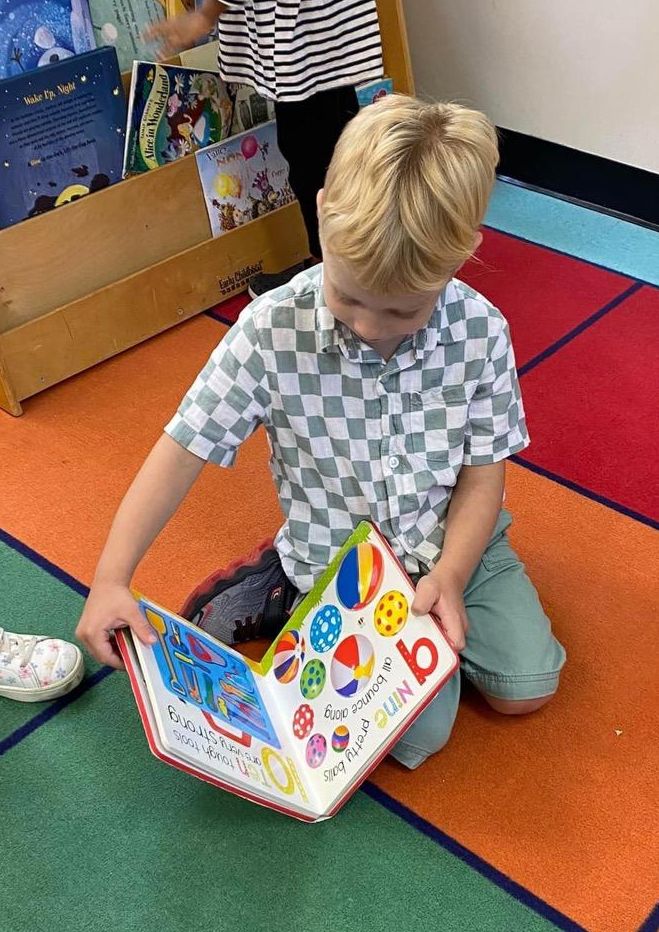
Educators know that vocabulary instruction improves reading comprehension. Teaching a multitude of literacy strategies at the same time can improve their abilities in both areas. According to an article by Dianne Stratford in Edutopia, there is a lot of evidence that improving literacy skills also improves vocabulary skills. It is imperative that these skills be taught to the youngest children. These strategies engage children in active processing, which is also helpful with retention of learning. Stratford offers a number of tricks educators might use to teach vocabulary and reading comprehension to young children. Here are a few:
Read-Alouds. As educators, you might read through the book and identify vocabulary words you would like children to understand. Preteach the words, and then have children repeat them for correct pronunciation as you read the book aloud. Have children visualize the meaning of the words and connect them with memories or thoughts. Educators may follow up the read-aloud with other vocabulary activities. “For example, have [children] provide a sentence using the targeted vocabulary words,” says Stratford. “One activity could involve having the students act out the meaning of a word.” This also provides many opportunities to model questioning techniques. For simpler words, children might create illustrations.
Mental Imagery. Educators may help children make a mental picture of stories or text. You should choose descriptive writing and read a few sentences, pausing to share thinking by “drawing a mental image of the sentences.” You might say, “I see…, I hear…, I smell…” Children can share what they imagined as the text was being read. Stratford suggests providing children with illustrations that have detailed, rich imagery, and then having them describe the pictures.
Questioning Techniques. Pre-K children should be taught how to predict, question, and summarize. “The use of rich language and discussion surrounding text and concepts improves children’s vocabulary and comprehension,” says Stratford. To practice predictions, show children the cover before reading it. Use the cover or title to discuss what might happen in the text. As you read, you might discuss what will happen on the next pages or chapters. You can model how to question by asking “I wonder…” inquiries. For example, “I wonder why the author wrote this sentence…” In the end, children should attempt to summarize stories, retelling them in their own words. Perhaps they will even choose to use some of their new vocabulary words in retelling them…
Click here to read more about teaching vocabulary and reading instruction.
| |
|
Webinar:
Support Young Dual Language Learners
| |
|
Celebrating Black History Month
Fantastic picture books
written by Black authors
| |
|
Many pieces of literature by Black authors have been recognized with awards and places on bestseller lists. Many of these authors are now sharing their stories through children’s books to help inspire more young readers and writers. In an article in Brightly, Charnaie Gordon shares a list of exceptional picture books by Black authors that would be great additions to any library. Here are a few of her suggestions:
-
Max and the Tag-Along Moon, by Floyd Cooper. In this story about the bond between a boy and his grandfather, there are messages about trust, keeping promises, and remembering loved ones when they have passed away.
-
Something Beautiful, by Sharon Dennis Wyeth. A young girl lives in an urban area filled with garbage, broken glass, crime, and poverty, so she finds it difficult to see the beauty in her neighborhood. Throughout the story she learns to change her perspective and realizes that you can find the beauty in anything.
-
The Night is Yours, by Abdul-Razak Zachariah. “This picture book tells the story of a nighttime game of hide-and-seek, while celebrating Blackness and confidence,” says Gordon.
-
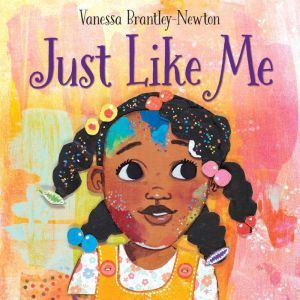
Just Like Me, by Vanessa Brantley-Newton. A poetry book comprised of bright illustrations, young girls are encouraged to find themselves throughout the story. Though the poems are most relatable for girls, everyone will enjoy them.
Click here to read the full list of great picture books by Black authors.
| |
71 Clinton Rd. Garden City, NY 11530-9195
For questions or more information, call us at
| | | | |