Dear reader,


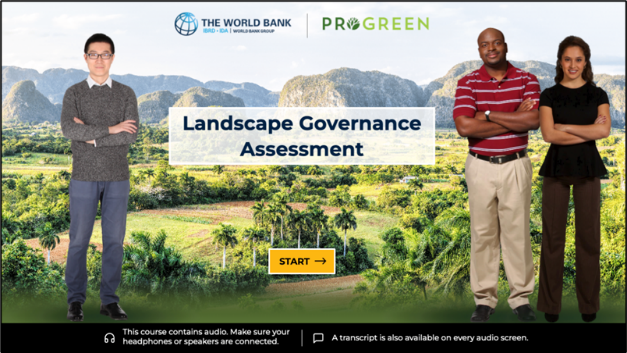
In this issue, I am excited to share a major milestone: the launch of PROGREEN’s Landscape Governance Assessment e-course. This self-paced, free course distills lessons from the World Bank’s forests and landscapes work into practical tools for assessing governance challenges and strengthening institutions at the landscape level.


You will also find inspiring stories of knowledge and investment driving real change on the ground—from how new forest data are reshaping local decision-making in Nepal, to how sustainable forest management is creating jobs and economic opportunity in Burkina Faso, Mexico, and Brazil. We explore how sustainable aquaculture can support livelihoods, food security, and climate resilience, and spotlight a PROGREEN-supported training in Mexico focused on building institutional capacity for gender-inclusive forest governance.


Finally, we look back at recent events, including the e-course launch webinar and the Forests for the Future discussion, which reinforced a shared message: when strong governance, data, and partnerships come together, forests and landscapes can deliver real benefits for people and economies.


As we wrap up 2025 and head into the holiday season, I would like to extend my thanks to you, the reader, for your continued engagement with PROGREEN. We hope you enjoy this edition and will share it widely with your networks.


Siet Meijer

Program Manager, PROGREEN

PROGREEN HIGHLIGHTS

PROGREEN’s new Landscape Governance Assessment e-course offers practitioners a practical, structured way to understand and assess how governance shapes outcomes in forest and rural landscapes.


This free, self-paced course walks learners through 10 core governance challenges and provides concrete guidance to identify gaps, strengthen institutions, and design landscape interventions that are more effective, equitable, and sustainable.

EDITORIAL AND DIGITAL

From Data to Action: Enabling Sustainable Forest Management in Nepal


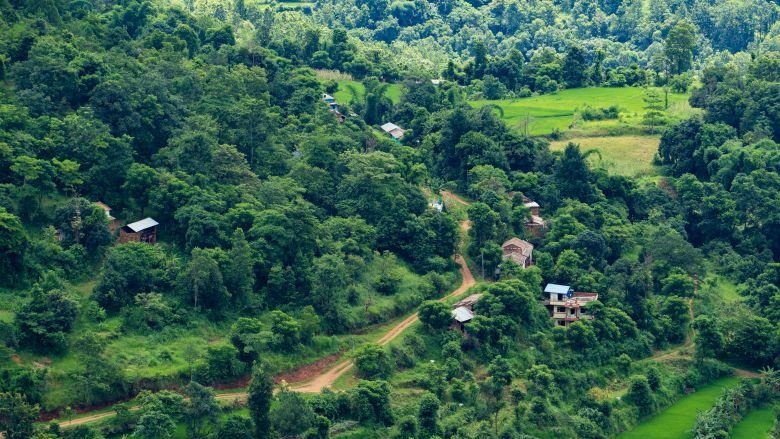
With high-resolution forest data now available for every municipality, Nepal is transforming how its forests are managed.

The new maps reveal where forests are thriving and where they’re under pressure, guiding smarter planning and climate action. This is a major step toward resilient landscapes and stronger local economies. Read the blog to learn more.

Forests at Work:

Jobs Grounded in the

Natural Wealth of Countries


Job creation is central to the World Bank Group’s vision of creating a world free of poverty on a livable planet. 


The sustainable management of forests—which cover more than 30% of the earth’s surface—will allow countries to unlock new employment pathways that reduce poverty, drive growth, and protect the environment.


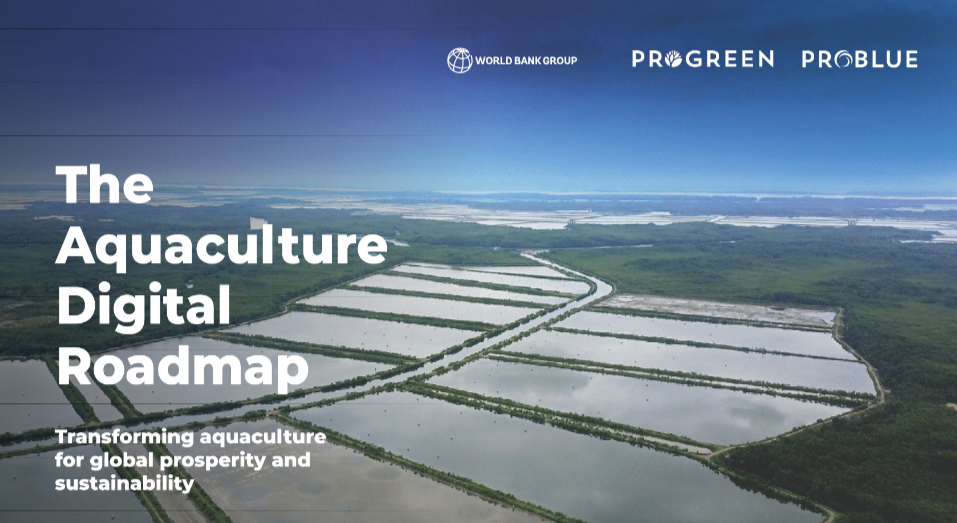
The Aquaculture Digital Roadmap


The World Bank Aquaculture Digital Roadmap highlights sustainable aquaculture as a strategic priority for delivering development impact.


The roadmap focuses on strengthening knowledge, capacities, and awareness across the World Bank to unlock aquaculture’s potential in landscape and seascape investments—supporting economic growth, reducing poverty, improving food security, and building resilience to climate change in line with the Sustainable Development Goals.

PROJECT UPDATES

Strengthening institutional capacity on gender equality is essential to building safe, inclusive, and effective forest institutions.


This video highlights a PROGREEN-supported training with Mexico’s National Forestry Commission (CONAFOR) to enhance public servants’ capacity on gender-related issues. Through in-person workshops, participants explored gender bias, inclusive leadership, and practical tools to foster healthy, respectful, and violence-free work environments.

EVENTS

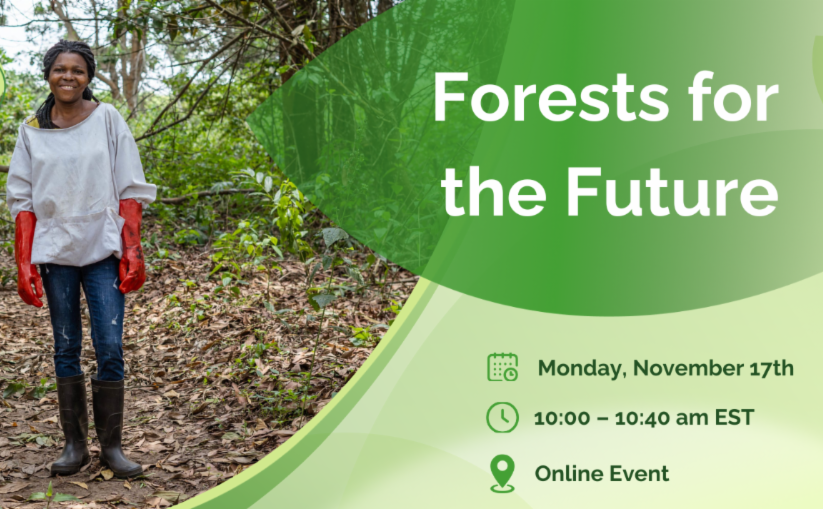
Forests for the Future


ONLINE, November 17: Global experts and community representatives explored how healthy forests and sustainable natural resource management can reduce poverty, boost employment, and strengthen local economies.


The discussion underscored forests and landscapes as engines of inclusive growth, supporting resilient communities, environmental renewal, and long-term prosperity. Watch the recording.

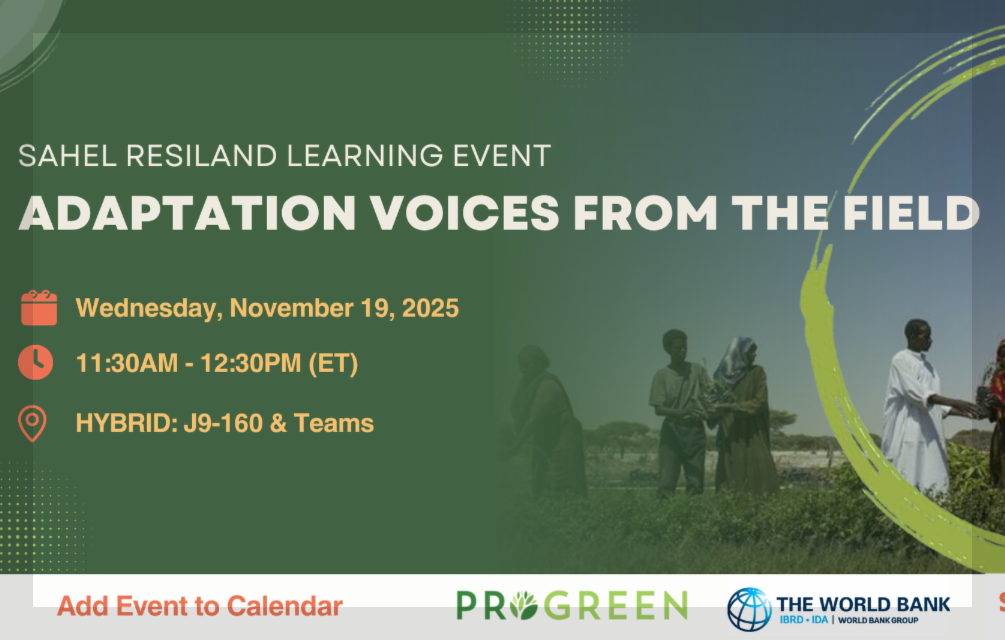
SAHEL RESILAND: Adaptation Voices from the Field


WASHINGTON D.C., November 19: This hybrid event showcased how landscape restoration is strengthening resilience, livelihoods, and economic opportunity in some of the Sahel’s most fragile areas.


Drawing on evidence teams on the field from Burkina Faso, Chad, Mali, and Niger, the session highlighted how communities are restoring degraded land to support climate adaptation and generate jobs and income.


From Learning to Action: Launch of the Landscape Governance Assessment

e-Course


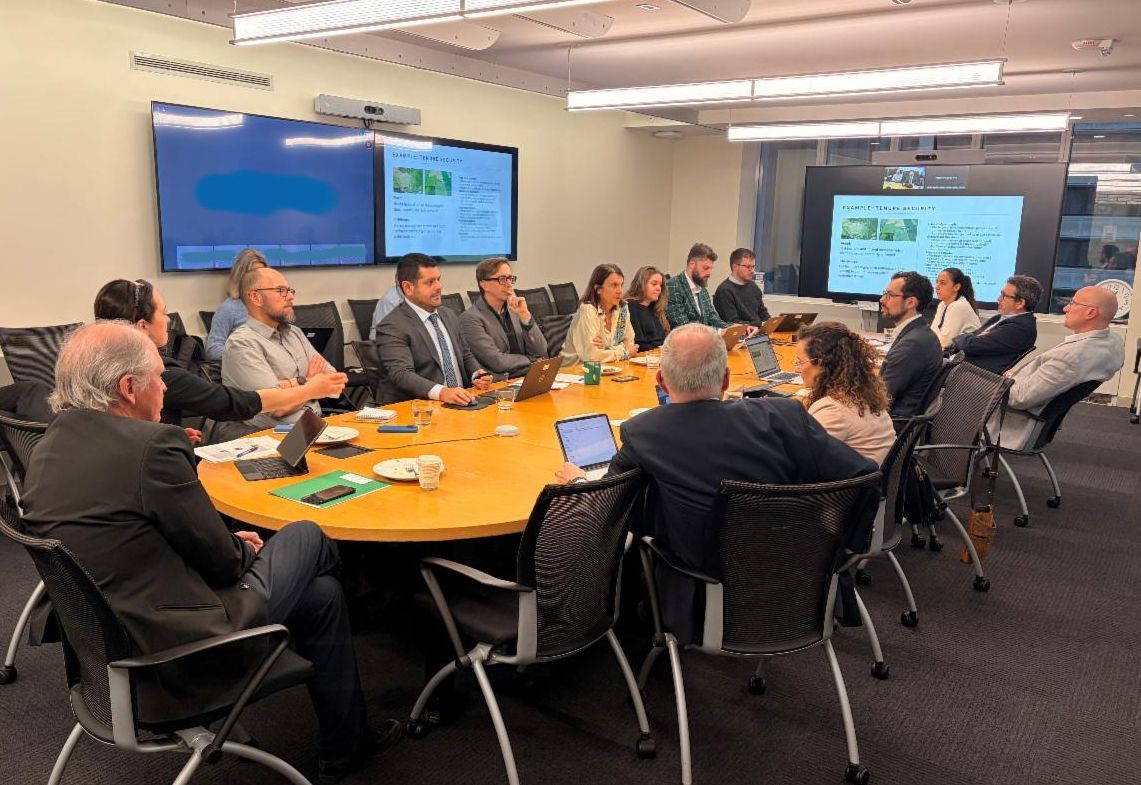
WASHINGTON D.C., December 2: Our internal staff webinar showcased how strengthening landscape governance can directly support job creation through sustainable forest-based value chains, eco-tourism, and rural enterprise development.


Participants explored the newly launched Landscape Governance Assessment e-course. It is open to everyone and designed to help teams systematically assess governance constraints and design targeted, context-specific reforms that deliver inclusive and durable results.

Explore the e-course.


PUBLICATIONS

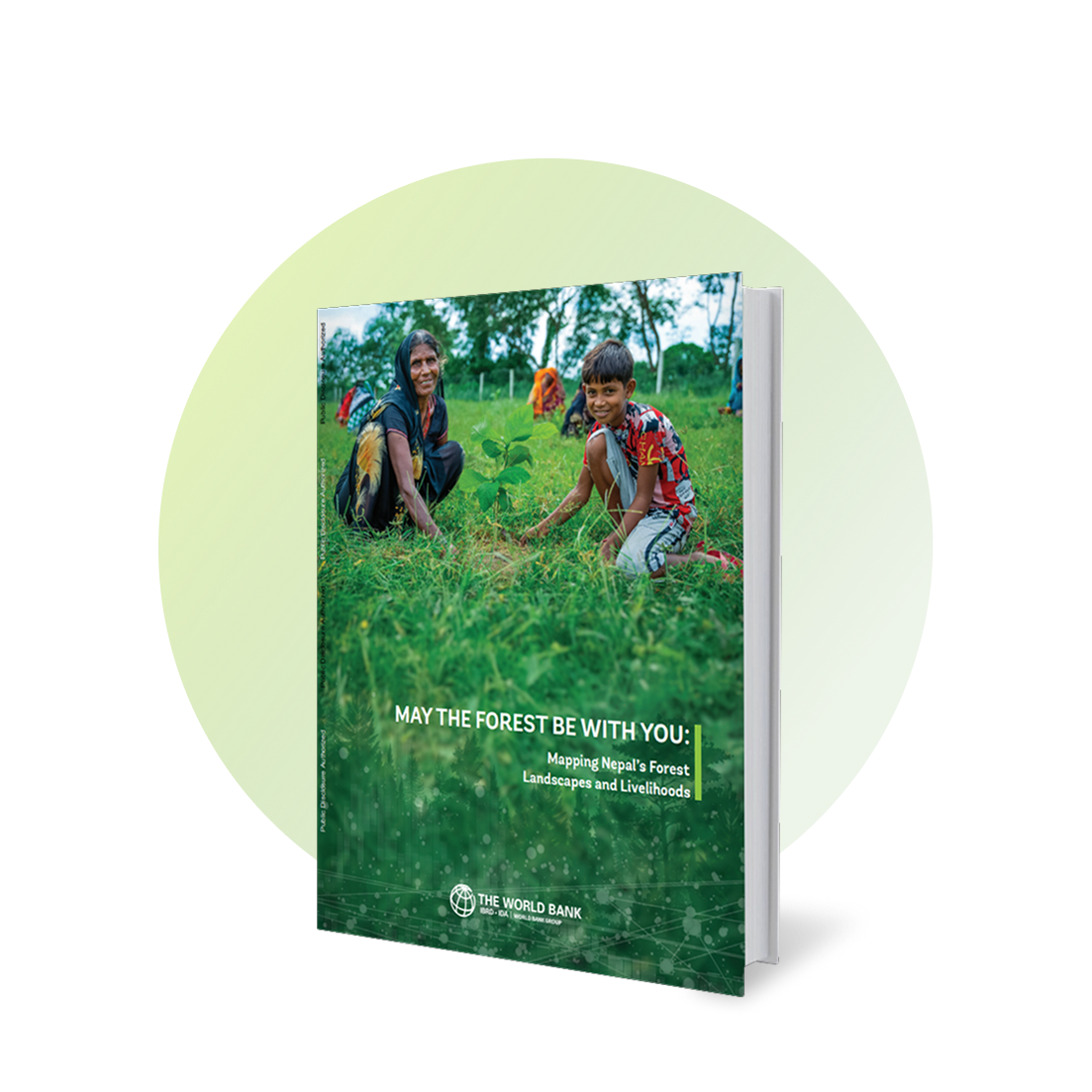
May the Forest Be With You: Mapping Nepal’s Forest Landscapes and Livelihoods


Follow us:


www.progreen.info


For more inquiries contact Priyanka Ripley:

pripley@worldbank.org