|
Departments of Medicine, Neurology, and Pediatrics
| |
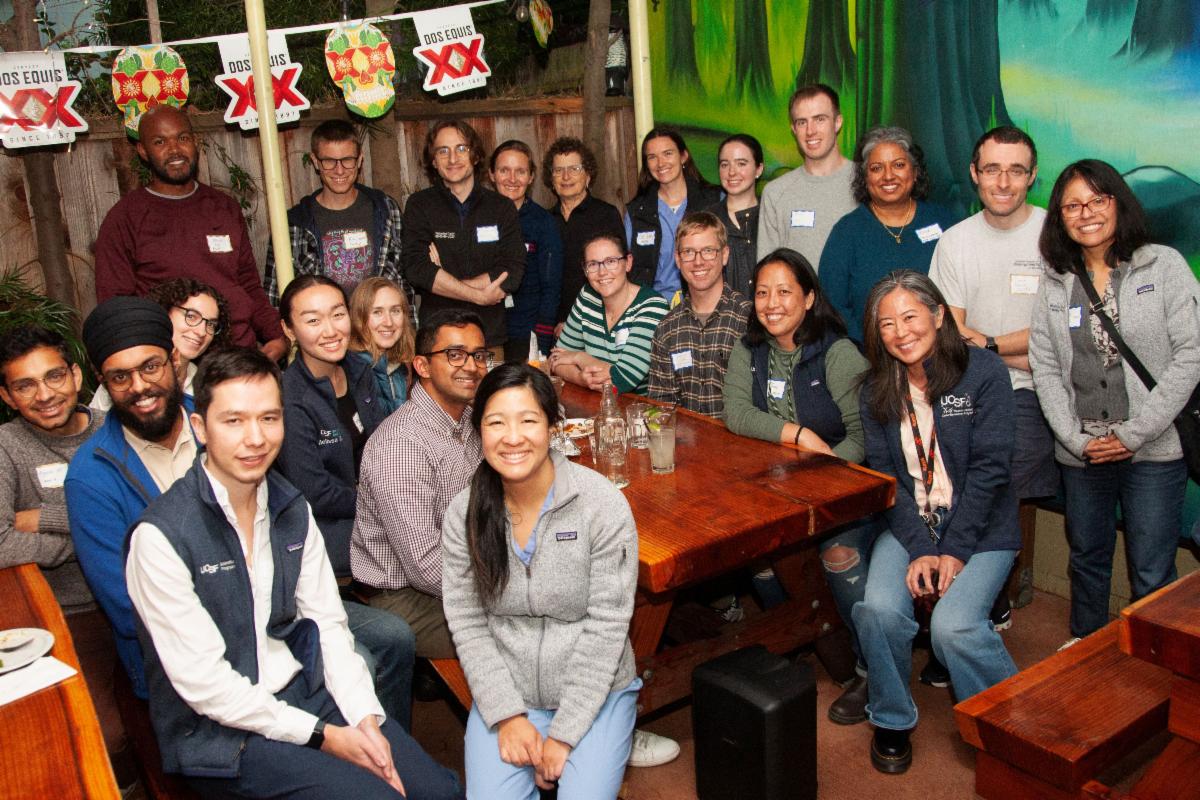
Pictured PSCDP & MSTP panel discussion and dinner on “What I Wish I Had Known” at Underdogs Tres, October 15, 2024. | |
|
Dear Physician-Scientist Community,
Welcome to the quarterly newsletter of the Physician-Scientist Career Development Program (PSCDP)! Our program is focused on supporting scientific success and fulfillment amongst laboratory-based physician-scientists in the UCSF Departments of Medicine, Neurology, and Pediatrics.
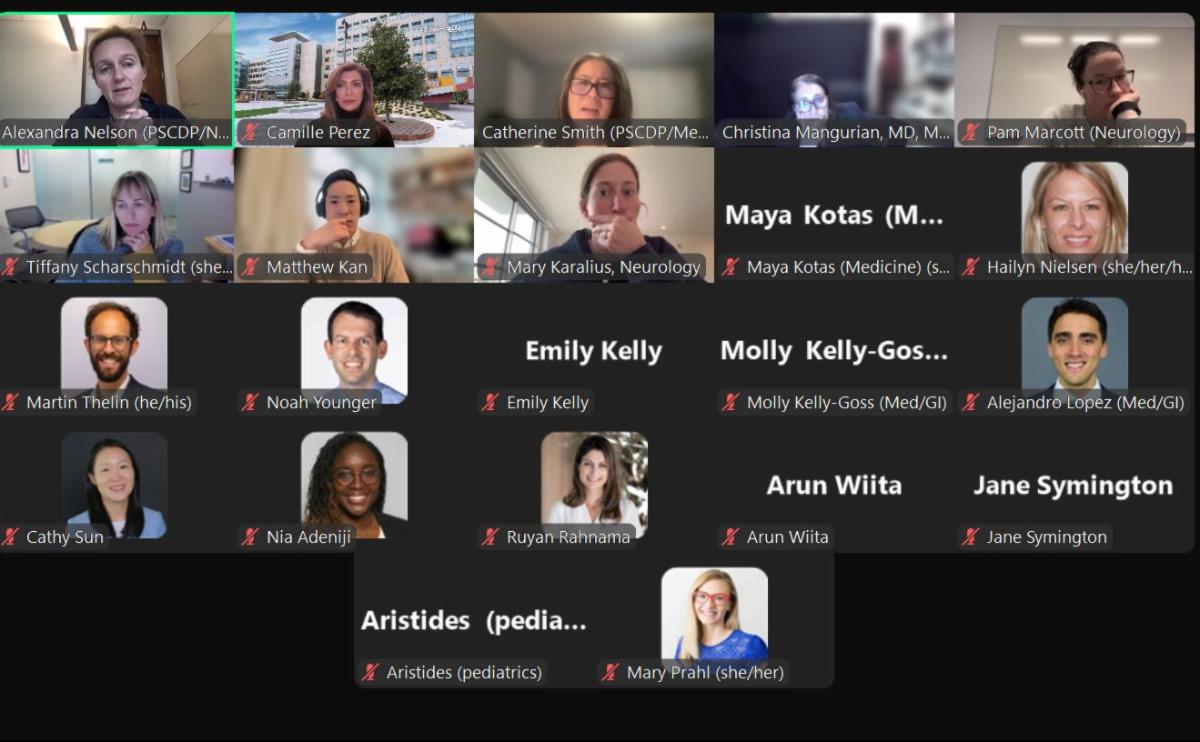
This month we would like to highlight our recent Physician-Scientist Caregiving Town Hall. Over the past 6 months, PSCDP has been working closely with the Women Physician-Scientist Supergroup (WPSS) to better understand the impact that childbearing, parenting and caregiving has on the physician-scientist career path. On November 19th, we held a joint event combining a highly informative session on current benefits and a more open-ended Town Hall to discuss the results of our recent physician-scientist caregiver survey. If you have not already participated in the survey, we encourage you to do so now using the link here, or the button below.
In the first half of the session, Dr. Christina Mangurian, the UCSF Vice Dean for Faculty and Academic Affairs, reviewed current UCSF benefits and recourses for parents and caregivers. Dr. Mangurian has been a leader both locally and nationally in initiatives to develop and support a more diverse biomedical workforce. During the session, Dr. Mangurian discussed current UCSF support for paid family leave, lactation, and dependent care costs. If you missed it, please find a video of her talk using the link here, or the button below.
| |
In the second half of the session, WPSS and PSCDP presented data from our physician-scientist caregiver survey. We shared the key results of the survey, which included the sacrifices physician-scientists make in their careers and in their family lives to “make it all work”. The consensus is that the combination of prolonged physician-scientist training, relatively low salaries, and the high cost of living in San Francisco increase the pressures on physician-scientists in the residency, fellowship, and early faculty stages. The time and financial stresses are significant enough to push people out of the career path. We also presented your most highly rated ideas for reducing the pressures on physician-scientist parents/caregivers, including childcare subsidies and support for administrative work (to free up time for science and medicine). Physician-scientist participants shared their feelings, ideas and priorities. Action items based on the discussion included:
- writing up an article on the subject, including our survey data
- teaming up with other institutions to raise awareness
- presenting our data and potential initiatives at ASCI
- working with Dr. Mangurian and other UCSF leadership to develop initiatives
We hope to update you in the months to come on our progress towards these action items. Please reach out to us with additional ideas!
Sincerely yours,
Alexandra, Cathy, Sanjeev, and Camille
|
|
|
NIH K08/R01 In-Person Workshop
Are you planning an upcoming K08 or first R01 submission? Would you like feedback from fellow physician-scientists? Please join us for an in-person workshop on:
March 18, 2024
3:00-5:00pm
Parnassus Campus
In this workshop, we will split into small groups, each led by a faculty member, and review YOUR draft Aims pages, providing positive and constructive feedback to one another. After the small group session, we will hold a Q and A on these grants.
Faculty mentors will include:
Alison Nair, MD (Pediatrics/Critical Care)
Rachel Rutishauser, MD,PhD (Medicine/Infectious Diseases)
Alexandra Nelson MD, PhD (Neurology)
Cathy Smith, MD (Medicine/Heme-Onc)
Sanjeev Datar, MD, PhD (Pediatrics/Critical Care)
There will be food and drink, and we will be giving out Yeti PSCDP coffee mugs! Please RSVP using the link below.
| |
|
Meet our Fellows and Junior Faculty | |
In this section, you will find interviews from our remarkable fellows and junior faculty from each of our participating departments. | |
|
What stage of training are you currently in?
I am doing a 1-year clinical fellowship in Sleep Medicine.
Describe your laboratory research.
During sleep after learning, memories are reactivated when oscillatory activity is synchronized across brain regions, thereby facilitating synaptic potentiation and memory consolidation. The neural circuit mechanisms by which this precise timing of memory reactivations is orchestrated are unknown. In the laboratory of Dr. Karunesh Ganguly, I’m investigating how activity dynamics between the medial prefrontal cortex and reticular thalamus may change after learning to facilitate coordinated memory reactivations.
What made you want to become a physician-scientist or choose your area of research?
I first became interested in sleep towards the end of my PhD when I was recording neuronal activity in the hippocampus during contextual fear learning in the mouse model. I found that during memory retrieval, ensembles of hippocampal neurons exhibited synchronous activity with neurons that encoded aversive stimuli during memory encoding, and the degree of synchrony was correlated with memory strength. These circuit changes developed after a night of sleep, and I became fascinated by the effects of sleep on memory consolidation. Sleep disorders are incredibly common and associated with various other neurologic and psychiatric diseases. Taken together with the fact that sleep is a well-defined behavioral state that can be studied in animal models, I now plan to develop a research program investigating neural circuit dynamics that control sleep homeostasis and how they become impaired in disease states.
Describe a major challenge you have encountered in your career as a physician-scientist.
My husband is also a physician-scientist in fellowship. We are fortunate to have started a family together and have a beautiful toddler, but maintaining work-life balance during training has been a real challenge. Supporting a family in SF on trainee salaries has also been tough (daycares are expensive!).
Describe something that gives you joy in your current stage as a physician-scientist.
During sleep fellowship, I constantly find myself learning about fascinating gaps of knowledge about the pathophysiology of various sleep disorders. It’s exciting to find inspiration for possible future research endeavors with high clinical relevance, and learning about sleep on a daily basis is also really fun.
Do you have a recent accomplishment you would like to highlight, like a presentation, award, publication, grant, or new collaboration?
My biggest accomplishment recently was graduating from Neurology residency this year- has been exciting to move on to the next stage in my career path.
Do you have a hobby or fun fact you want to share?
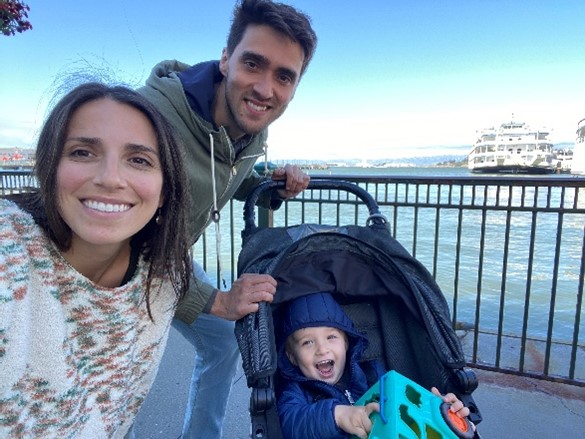
I spend my spare time exploring the Bay Area with my husband and our 2.5-year-old toddler - we love our weekends together!
| |
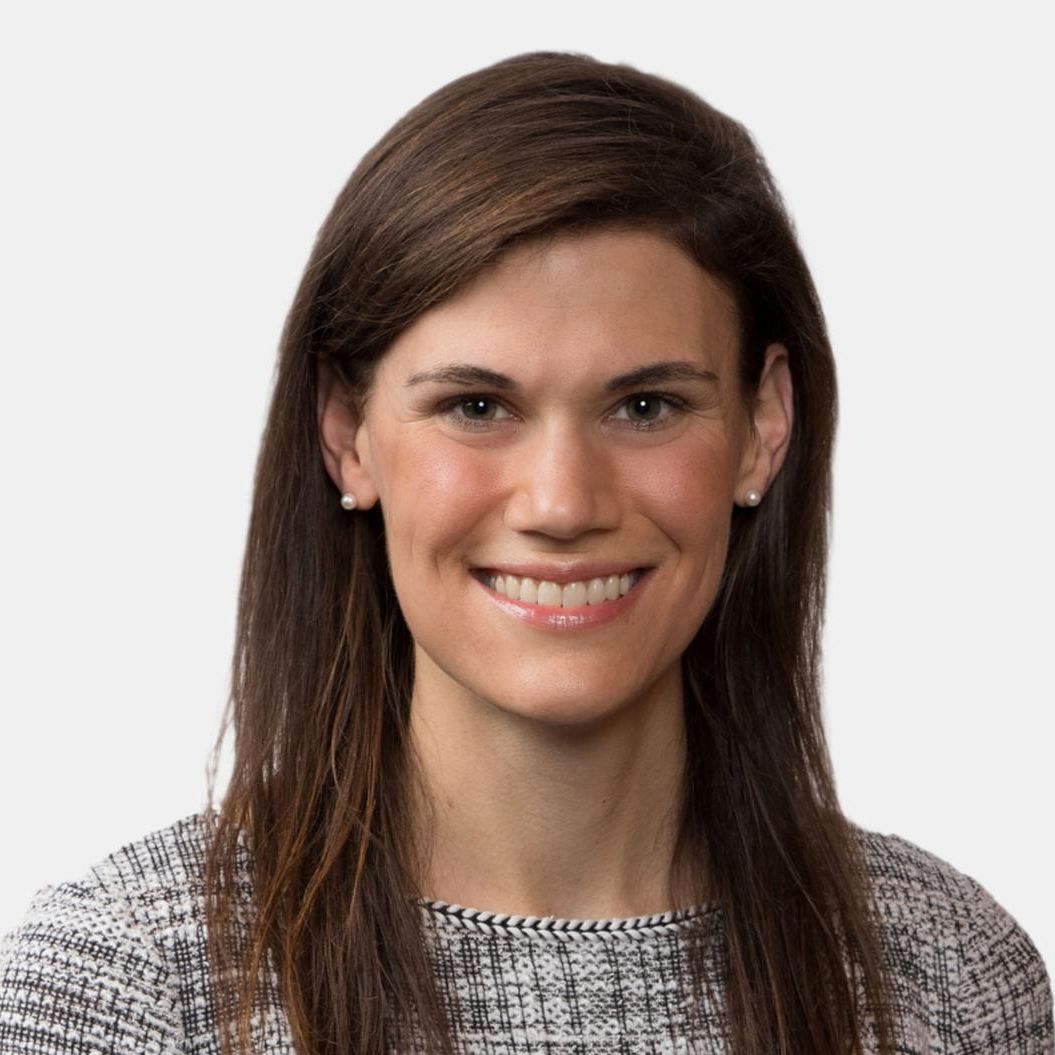
Pictured Jessica with her family. | |
|
What stage of training are you currently in?
I am in the second year of my Neonatology Fellowship.
Describe your laboratory research.
My research in Dr. Shuvo Roy’s laboratory focuses on extracorporeal membrane oxygenation technology. My aim is to develop an anti-coagulation-free, microfluidic silicon membrane oxygenator for use in an artificial placenta system. I am currently fabricating and investigating a single functional unit of the novel oxygenator design in-vitro to compare with data from our computational fluid dynamic model.
What made you want to become a physician-scientist or choose your area of research?
In my first encounter with an extremely premature patient in medical school, I was struck by how immediately and profoundly prematurity altered the course of that patient’s trajectory. Although neonatal interventions have improved substantially in recent decades, I couldn’t help but wonder what more could be done to improve outcomes for patients like this. I continued to see the acute and longitudinal impacts of extreme prematurity as I started my neonatology fellowship, and the reiterated need for a better care paradigm for extremely premature patients. These experiences combined with my background in biomedical engineering have led me to pursue engineering research to improve interventions and to revolutionize the status quo for extremely premature populations.
Describe a major challenge you have encountered in your career as a physician-scientist.
A good portion of my research involves engineering work that must be completed prior to conducting any scientific analysis,or engineered devices that must be built in order to conduct an experiment. Finding the appropriate balance of preliminary engineering work for successful yet efficient experimentation has posed a challenge, as has identifying ways to de-risk study designs when substantial engineering work is required upfront. This balance becomes more important in the context of having limited time split between research and clinical work, which poses another challenge inherent to this career path. However, I am fortunate to have considerable support from mentors and colleagues to help navigate these aspects.
Describe something that gives you joy in your current stage as a physician-scientist.
Seeing the traction and impact of my work brings me joy. It is exciting for me to imagine an improved clinical standard, and then to be able to work toward making that vision a reality through work in the lab. I enjoy packaging big ideas into bite sized aims and objectives in which I can tangibly see the impact I am making in my day-to-day work. Additionally, through my clinical work, it has been extremely motivating to interact with families and to care for patients who would benefit from the research I am doing.
Do you have a recent accomplishment you would like to highlight?
I recently was awarded a Pediatric Scientist Development Program (PSDP) career development award https://amspdc-psdp.org/. I am incredibly excited to pursue this opportunity, and I am grateful for the dedicated time and support that will allow me to further advance my research career and goals.
Do you have a hobby or fun fact you want to share?
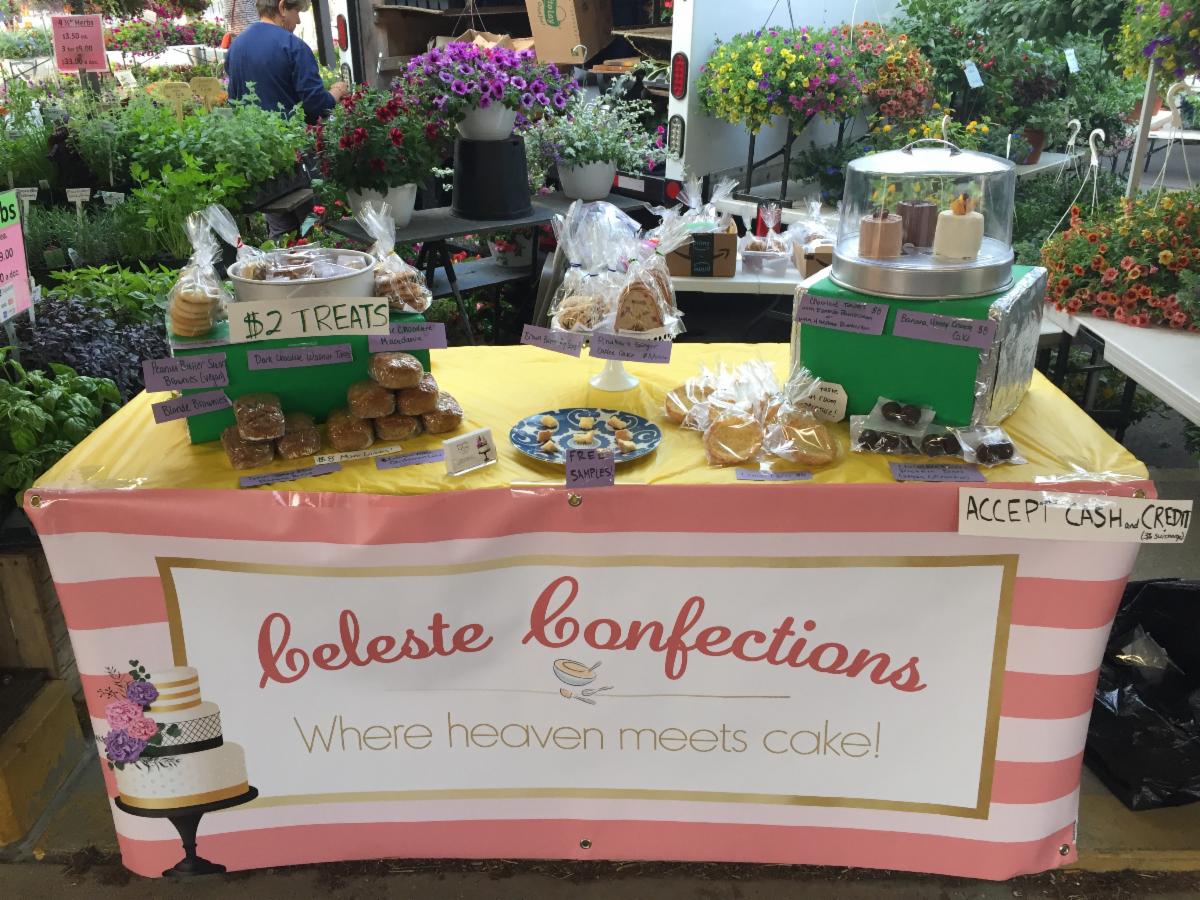
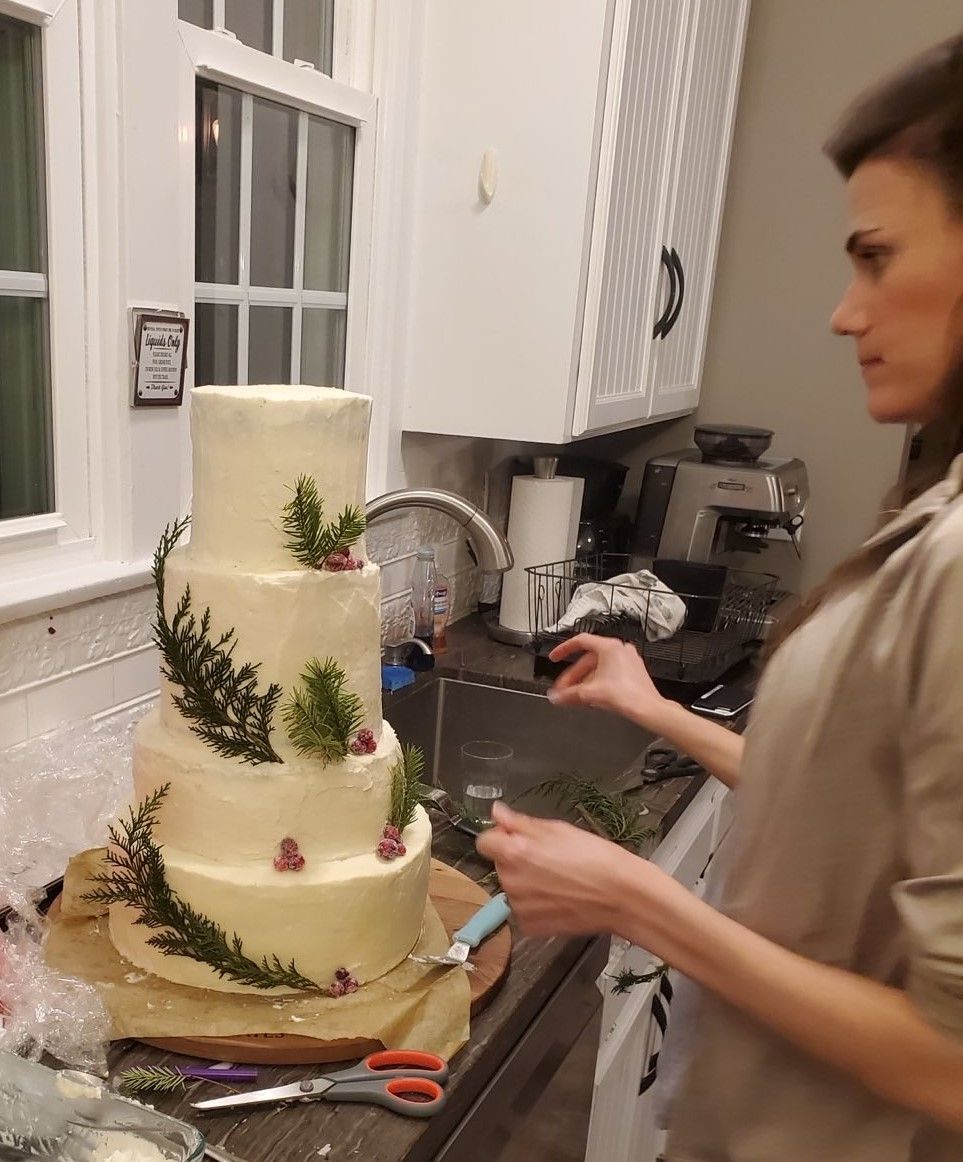
I love baking! Before residency, I started a small business in Ann Arbor selling cakes and other baked goods, and I also made my own wedding cake.
| |
Pictured Jacqueline and her baked goods! | |
|
|
What stage of training are you currently in?
Assistant Professor
Describe your laboratory research.
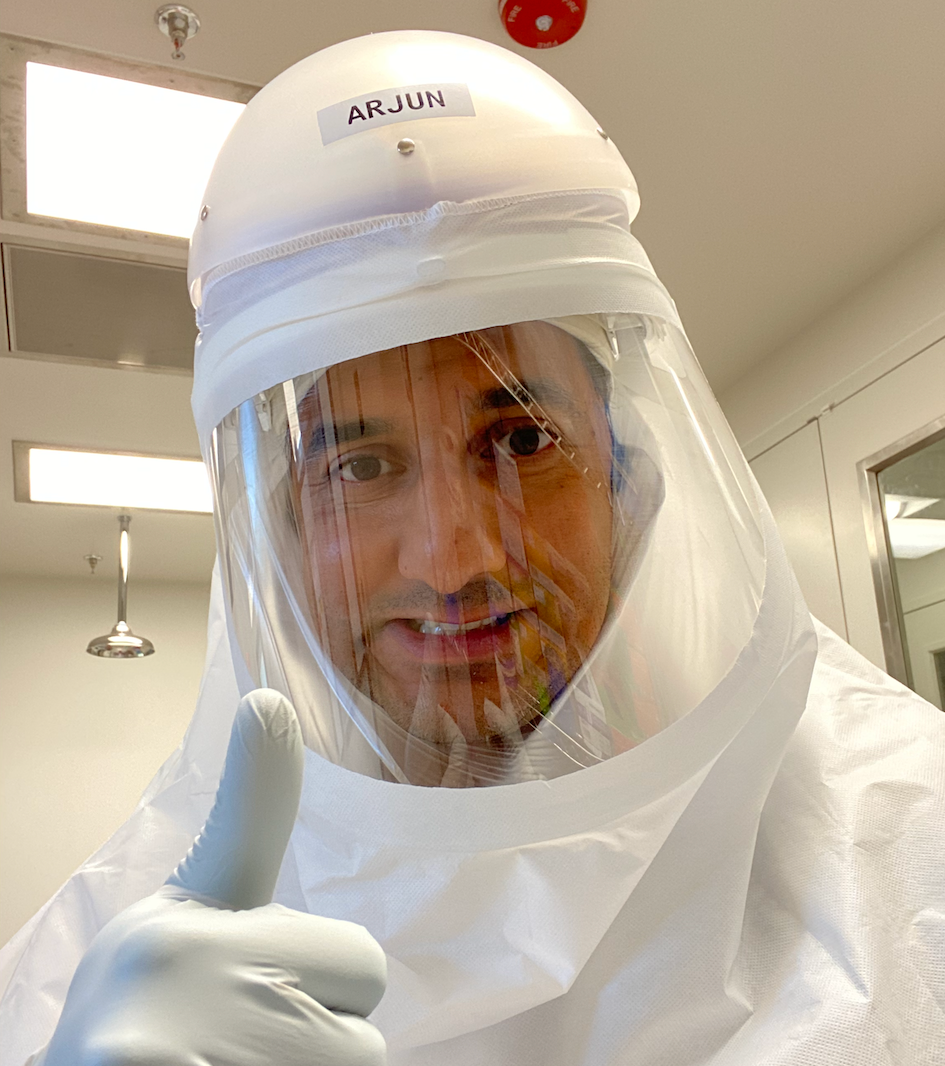
In the earliest stages of infection, we are interested in the interactions between pathogens, epithelium, and/or supporting immune cells. We use pathogens in the BSL2 and BSL3 with airway epithelial cell lines, human lung organoids, and explants to dissect lung pathogenesis, with the goal of highlighting targetable pathways. We have a special interest in human natural killer (NK) cells and macrophages, with a focus on SARS-CoV-2, but are expanding to other viral pathogens and fungal pathogens.
What made you want to become a physician-scientist or choose your area of research?
Throughout clinical training, I repeatedly observed dramatically different outcomes in patients infected with the same pathogen. This was particularly apparent in the context of influenza A virus (2 partners fell ill at the same time, one recovered within a day, the other required a prolonged course in the CVICU including ECMO), Coccidioides (I had a young patient in fellowship with cutaneous cocci on his face and head that had been misdiagnosed and treated with steroids), and Mycobacterium tuberculosis.
Describe a major challenge you've encountered in your career as a physician-scientist.
Balancing research and clinical activity has been a challenge since finishing fellowship. I enjoy the challenge of clinical work and seeing patients. That said, it can feel very difficult to do and teach wet and dry lab work, stay on top of the literature, review and write papers and grants, even if I could devote 100% of my time to it. This should improve as I grow my lab.
Describe something that gives you joy in your current stage as a physician-scientist.
Every now and then a patient case changes how I think about immunity to pathogens. These cases drive my research directions and keep me going when the experiments hit roadblocks or when reviewers seem unreasonable.
Do you have a recent accomplishment you would like to highlight, like a presentation, award, publication, grant, or new collaboration?
I'd love to highlight a paper from earlier this year that encapsulated the skills I brought to my postdoc and the new skills I developed. I'm a first and a corresponding author on this paper (doi: 10.1084/jem.20232192) in which I took lung explants, infected them with SARS-CoV-2, and performed single cell RNA sequencing. I brought virology and innate immunity experience to this work, but developed BSL3, airway biology, and computational biology skills, which form the foundation of my research program.
Do you have a hobby or fun fact you want to share?
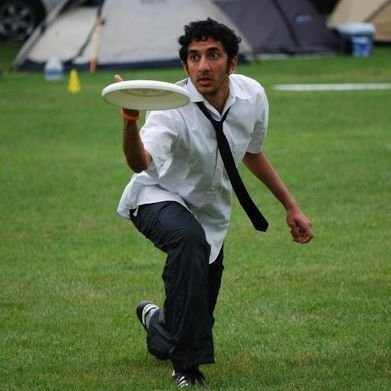
I have been playing ultimate frisbee for (yikes) 26 years, which has resulted in many injuries and orthopedic surgeries. I continue to captain a team in the mixed Eric Arons Rec League in San Francisco that brings together adults of all genders, ages, and skill levels. It is by far my favorite way to exercise.
| |
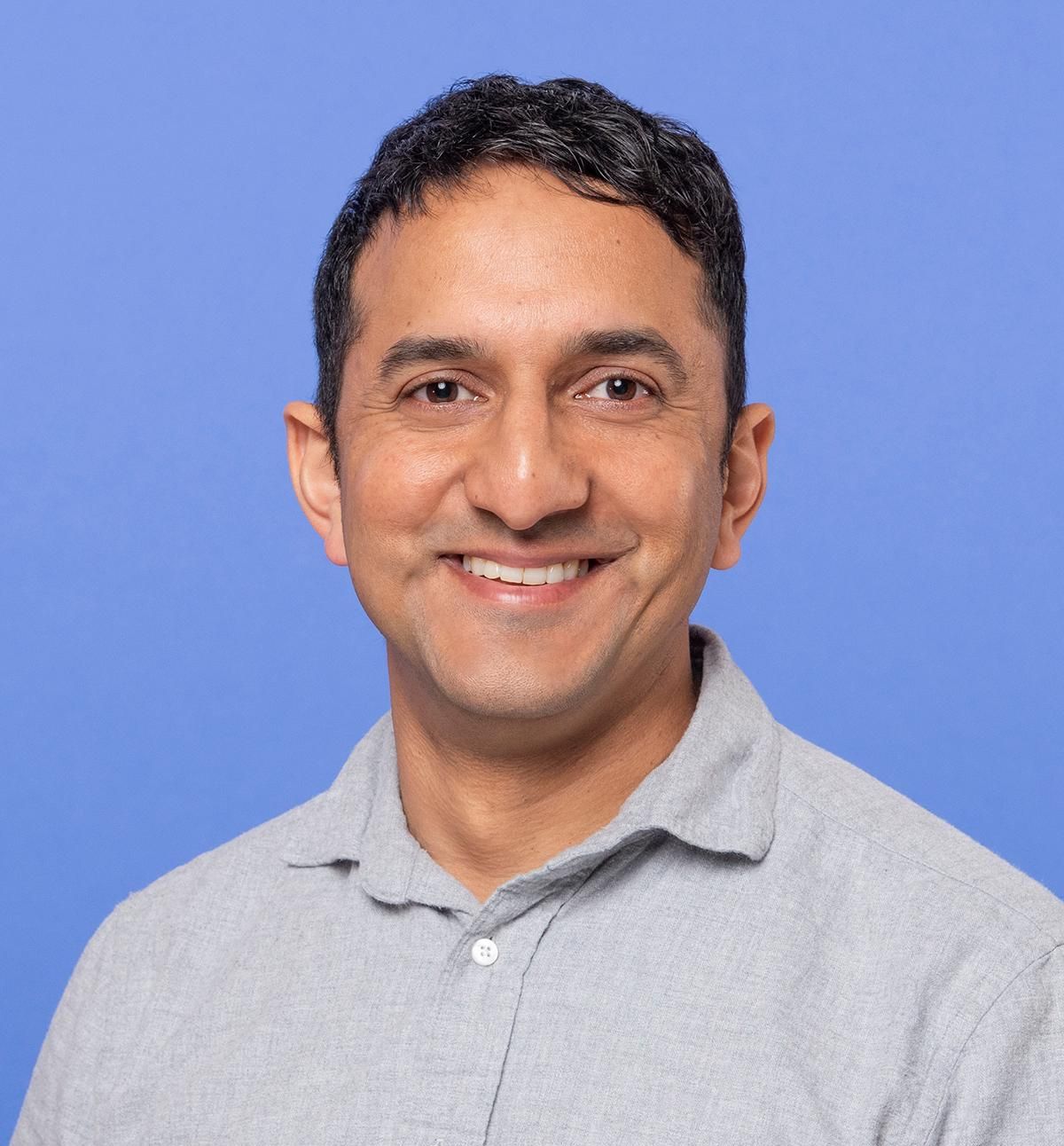
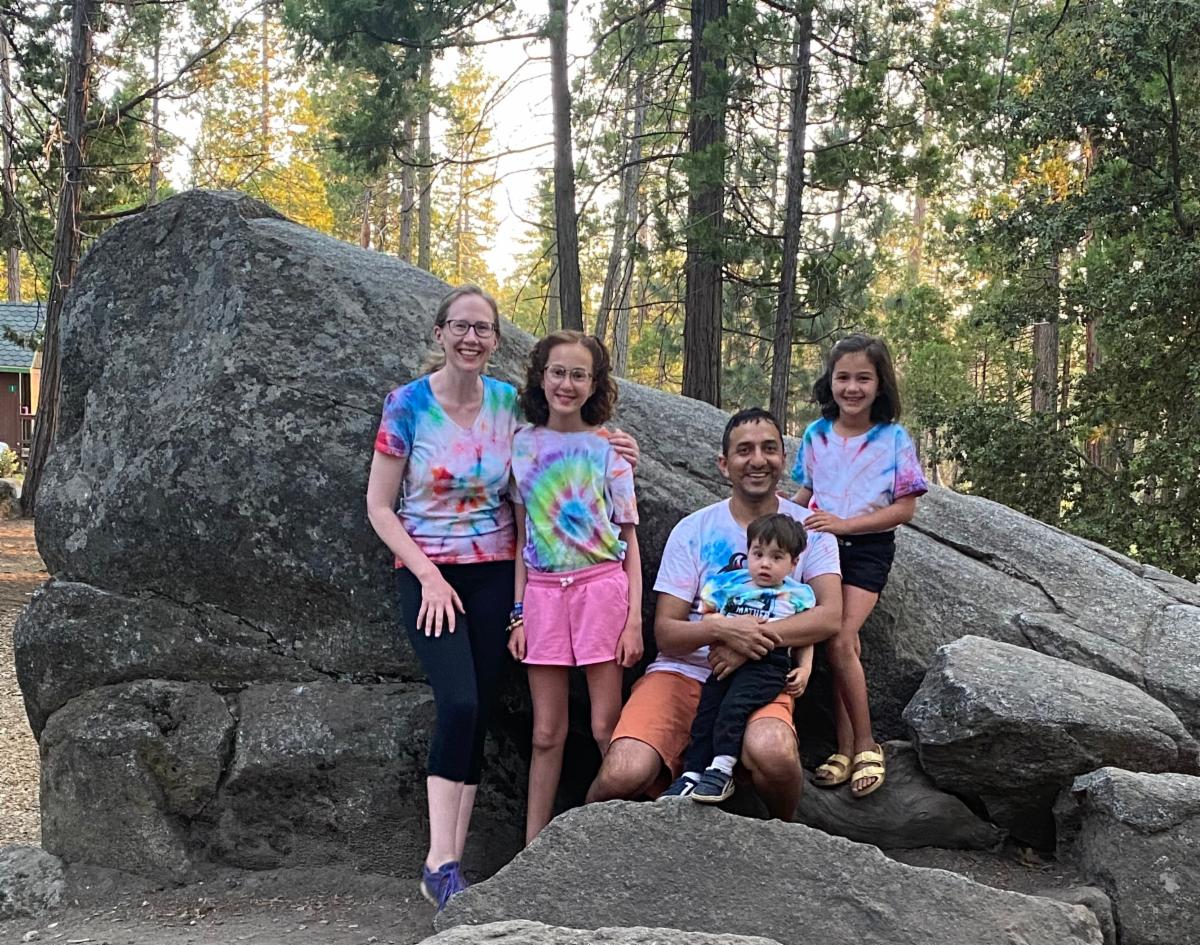
Pictured Arjun playing ultimate frisbee, in his lab, and with his family. | |
|
NIH K08 Grant Writing Workshop
Alexandra Nelson, MD, PhD, Rachel Rutishauser, MD, PhD, and Alison Nair, MD, led an in-person session at Mission Bay in November to share basic information about the grant mechanism, as well provide advice, resources, and support for preparing or revising applications.
Please email camille.perez@ucsf.edu for access to the K08 grant writing resources library that houses the slide presentations, as well copies of grant submissions. A confidential agreement is required for access; please use the link below to sign it.
| |
|
PSCDP-Sponsored Writing Consultations
PSCDP will sponsor an extended writing consultation for a limited number of physician-scientists this coming year with Vanessa Bender, PhD, an expert in scientific communication with more than a decade of experience as an editor and writing consultant. Sessions will be provided free of cost to trainees.
Selected individuals will be required to submit a draft manuscript or draft grant proposal to Vanessa, who will read the piece of writing, provide detailed written suggestions, and also meet 1:1 to go over her feedback and the general principles of effective science writing that underlie it.
If you are interested in this service, please fill out a short application using the link button below.
| |
|
Mentoring Committees
PSCDP assembles mentoring committees for interested laboratory-based physician-scientists in Medicine, Neurology, or Pediatrics during the fellowship and/or junior faculty period, providing ongoing and scientific and career guidance. If you are interested in this service, please register below and we will contact you to begin the process.
| |
Please visit our website for access to all resources | | | | |