|
Departments of Medicine, Neurology, and Pediatrics
| | |
Dear Physician-Scientist Community,
Welcome to the quarterly newsletter of the Physician-Scientist Career Development Program (PSCDP)! Our program is focused on supporting scientific success and fulfillment amongst laboratory-based physician-scientists in the UCSF Departments of Medicine, Neurology, and Pediatrics.
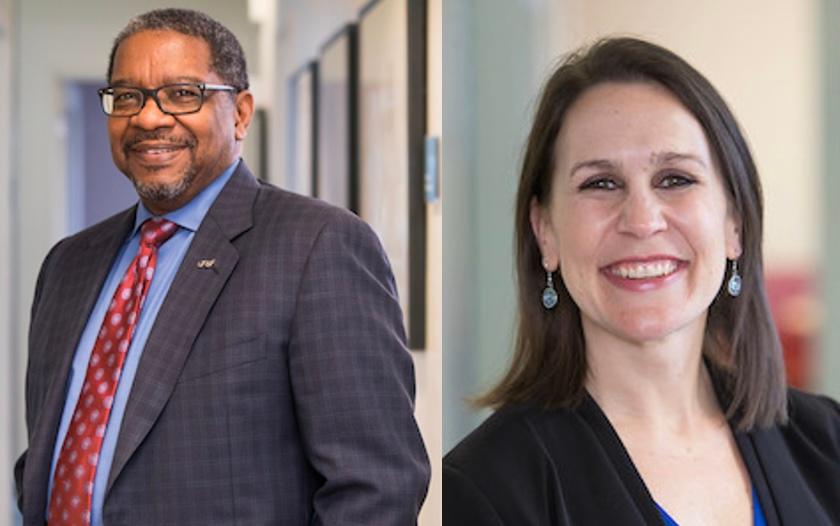
We wish you all a Happy 2026! We know that 2025 was a difficult year for many, but especially for our community of early-career physician-scientists, given the numerous federal policy changes that have impacted the funding landscape. On December 16, PSCDP hosted Dean Talmadge King and Vice Dean Olivia Herbert for a conversation about the School of Medicine (SOM) response to these changes and potential impacts on the physician-scientist pipeline. Our conversation was frank, and we share important highlights in a dedicated section below. Most importantly, we were heartened that regardless of ongoing challenges, the SOM remains firmly committed to continued support of UCSF’s talented physician-scientist pipeline.
Below, we also highlight several upcoming events. On March 17, we will be holding a K/R01 grant writing workshop focused on the specific aims page and on March 24, we will host a joint panel/social hour with MSTP focused on finding a lab.
We hope to see you at any of our upcoming events!
Sincerely,
Alexandra, Cathy, Sanjeev, and Danielle
| | Highlights from Conversation with the Dean | |
Please see below for highlights from our conversation with Dean King and Vice Dean Herbert in December 2025.
- The School of Medicine (SOM) remains steadfast in its commitment to recruiting outstanding talent and supporting faculty in advancing their research endeavors. Even as the clinical enterprise grows, the SOM continues to prioritize researchers, research excellence, and the physician-scientist pipeline.
- To minimize the impact of reductions in state funding on individual departments, the SOM Dean’s Office absorbed a significant share of these cuts.
- Leadership acknowledged that recent reductions and constraints in administrative and core services - including areas that support sponsored research - have created challenges for physician-scientists. At the same time, leadership reaffirmed its commitment to identifying efficiencies and innovative approaches to sustain scientific excellence.
- For FY25, overall grant revenue reached 92% of FY24 totals. However, this figure includes multiyear awards funded in lump sums, which introduces some uncertainty regarding future funding cycles and departmental budgets.
- Revenue generated from clinical operations and philanthropy plays a significant role in supporting research operations, underscoring the importance of these funding streams to the broader research mission.
- Leadership at the campus, school, and departmental levels has been proactively working to anticipate potential impacts from pending decisions by the government and NIH. Contingency plans are being developed to address any rate changes and mitigate uncertainty.
| | |
NIH K/R01 Specific Aims Workshop
Are you planning an upcoming K, first R01 submission, or revised applications for either mechanism? Would you like feedback on your specific aims from fellow physician-scientists?
In this workshop, we will split into small groups, each led by a faculty member, and review your draft specific aims pages, providing positive and constructive feedback to one another.
The workshop will be led by Drs. Cathy Smith, Sanjeev Datar, Alexandra Nelson, Rachel Rutishauser and Alison Nair.
Date: Tuesday, March 17, 2026
Time: 3:00-5:00pm
Location: Mission Bay Campus
There will be food and drink! Please RSVP using the button below.
| | Not quite ready to sign up for a workshop, but interested in being notified of future events? Click below to stay informed of upcoming events. | | |
PSCDP & MSTP Event - Finding a Lab & Physician-Scientist Social Hour
Are you a resident or fellow entering your research years and looking to select a lab?
Please join us for an in-person event with a panel discussion and small group discussions featuring speakers from multiple stages who can lend their perspective on how to identify a good lab fit.
Following the panel and small group discussions, we will host a physician-scientist social hour at Spark Social.
Date: Tuesday, March 24, 2026
Time: 3:00-5:00pm
Location: Mission Bay Campus & Spark Social
There will be food and drink! Please RSVP using the button below.
| | PSCDP Funding and Transition to Independence Fact Sheets - Updated for FY25-26 | | The Funding Fact Sheets outline what the lab-based physician-scientist trainee can expect, in terms of salary support across the postdoctoral/junior faculty periods, but also where these funds come from. The fact sheets list what is expected of the trainee, in terms of applying for different grants. These are organized by Department (and in Medicine, by Division) to reflect training structure, clinical responsibilities, and different sources of funding. | | |
The Transition to Independence Fact Sheets outline the criteria that are considered at UCSF (but also at other similar institutions) when making decisions about faculty searches for a lab-based physician-scientist ready to start their own independent laboratory. These are organized by Department.
| | Meet our Fellows and Junior Faculty | | In this section, you will find interviews from our remarkable fellows and junior faculty from each of our participating departments. | | |
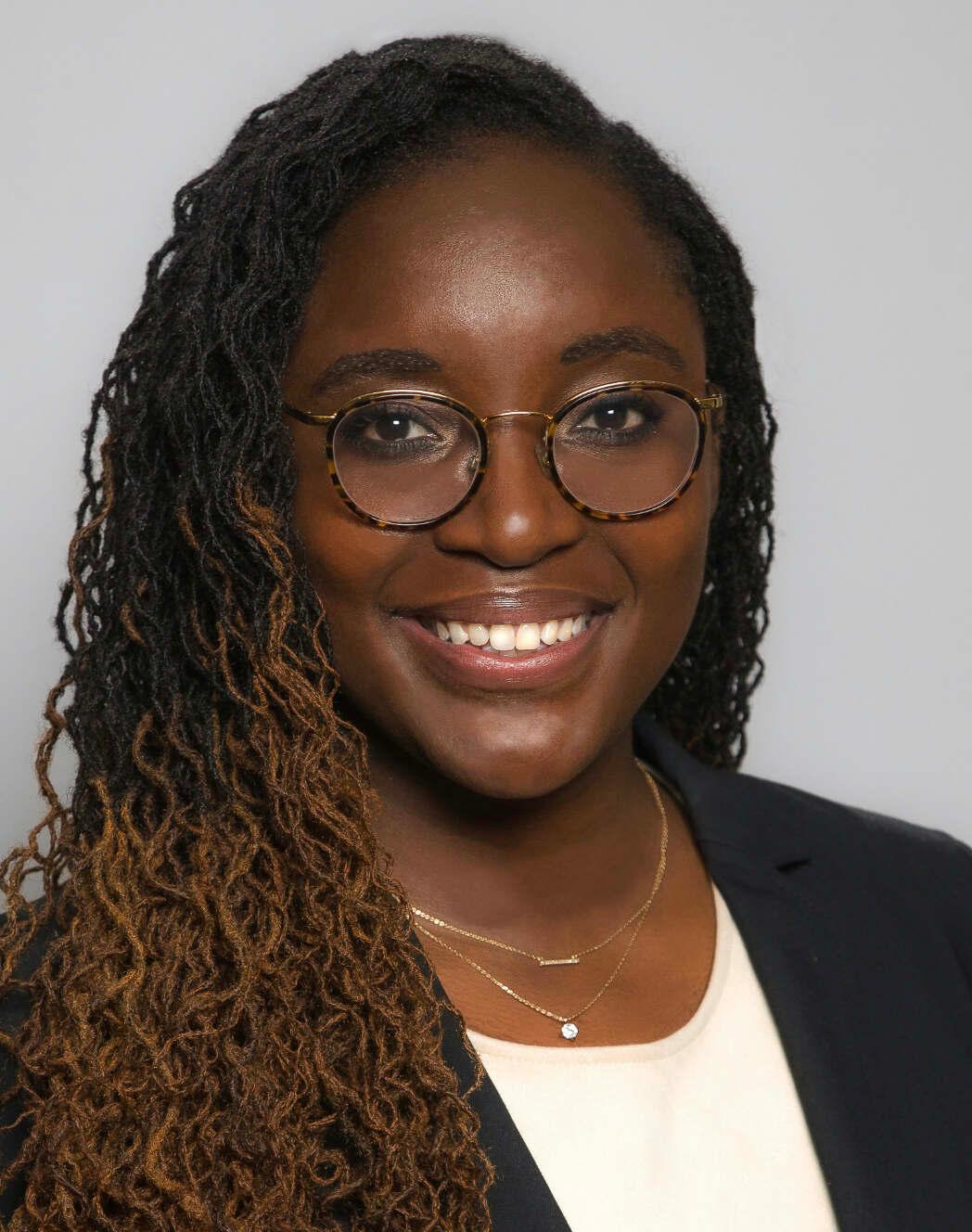
Nia Adeniji, MD
Fellow
Department of Medicine
Division of Hematology/Oncology
| | |
What stage of training are you currently in?
I am a third-year oncology fellow in the research phase of training
Describe your laboratory research.
I use spatial "omics" (proteomics, transcriptomics") to understand how the tumor immune microenvironment influences disease recurrence and treatment resistance in colorectal cancer (CRC) and hepatocellular carcinoma (HCC). I am particularly interested in uncovering the tumor-stromal crosstalk and signaling pathways that modulate the behavior of the local immune system. I am jointly mentored by Dr. John Gordan and Dr. Franklin Huang.
What made you want to become a physician-scientist or choose your area of research?
I worked for Genentech for 6 years prior to going to medical school, and I became interested in why certain cancer drugs fail for patients and wanted to understand the mechanisms for failure. Then, in medical school, I worked in a lab that studied MYC-driven cancers and was particularly intrigued by liver cancer and mechanisms for metastasis. Because HCC has few treatment options and can be very difficult to cure, I developed a passion for exploring the disease on the cellular level, specifically how the disease modulates the immune system, in order to identify targets and pathways that for novel therapeutics.
Describe a major challenge you have encountered in your career as a physician-scientist.
I would say a major challenge for me has been entering the field of spatial-omics at a time of rapid growth in the field. Staying up to date on the new assays, the analytical methods for these assays while also trying to learn the basics of bioinformatics has been challenging, but of course rewarding at the same time! I have spent a lot of time investing in skill development in the earlier part of my research training, which can be difficult because of the lack of a quick data turnaround. However, I can see now that I have built a strong foundation on which my future research programs can thrive.
Describe something that gives you joy in your current stage as a physician-scientist.
Doing hard things can be frustrating, but also super rewarding when you accomplish them! I get joy from knowing that I have thoroughly understood a method and have developed a robust protocol for analysis because I know that I have built something lasting. I also get tremendous joy from networking with other scientists and sharing our perspectives on research, as some of my most interesting ideas have come from applying a concept used in a completely different context to my research.
Do you have a recent accomplishment you would like to highlight?
I am presenting at the Hem/Onc Research retreat in Jan 2026, and I will be presenting some of the work I hope to submit as a manuscript in late spring.
Do you have a hobby or fun fact you want to share?
I don't have a yard, but I've recently gotten into landscaping and gardening at my parent's house! 😂 I recently completed a small landscaping project with my mother that took me on a deep dive into the nuances of mulch and cement blocks.
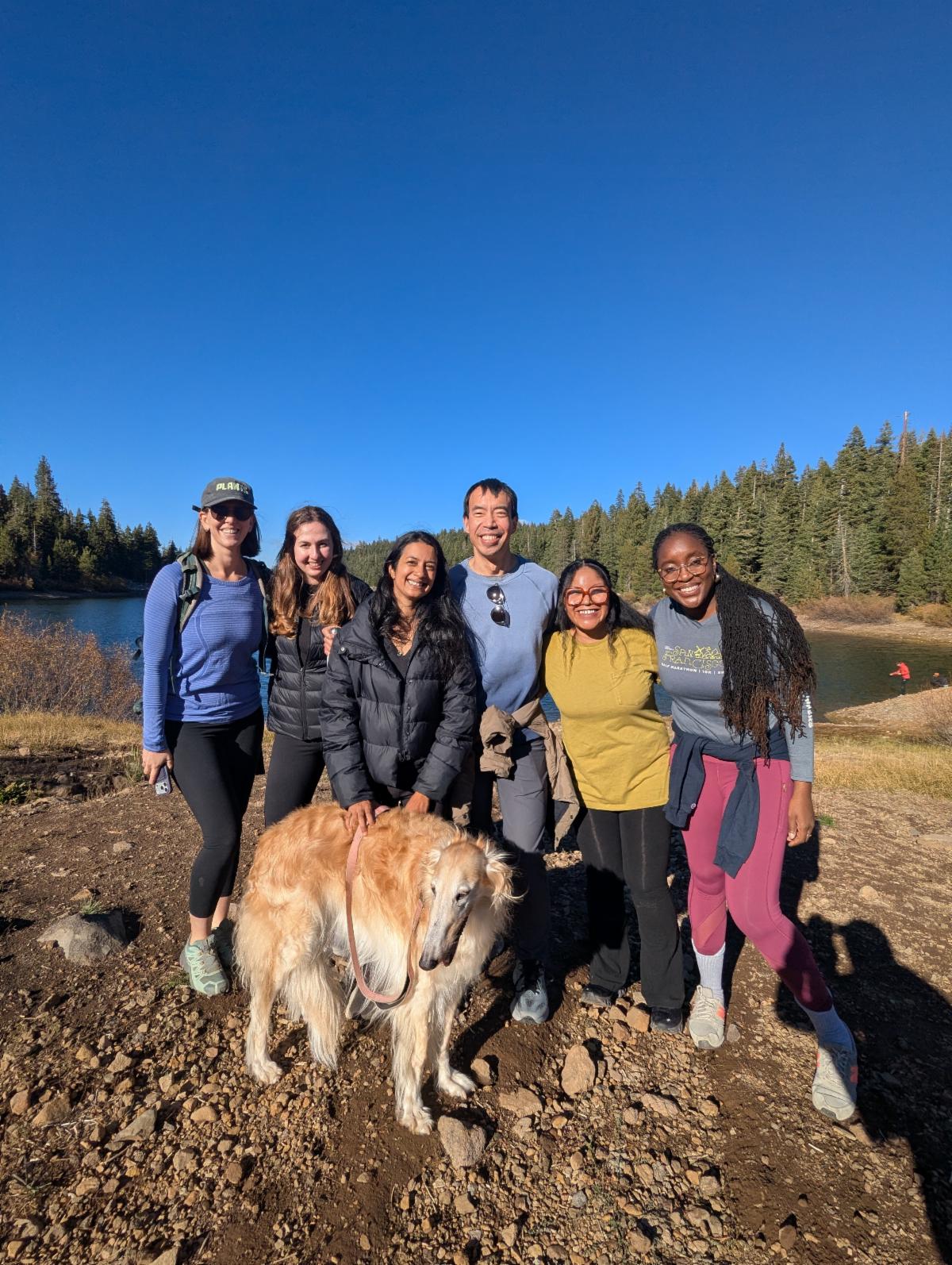
| | Pictured: Nia with fellowship class and Dr. Gerald Hsu (Hematology/Oncology Fellowship Program Director) at an ANCO symposium in Lake Tahoe | | |
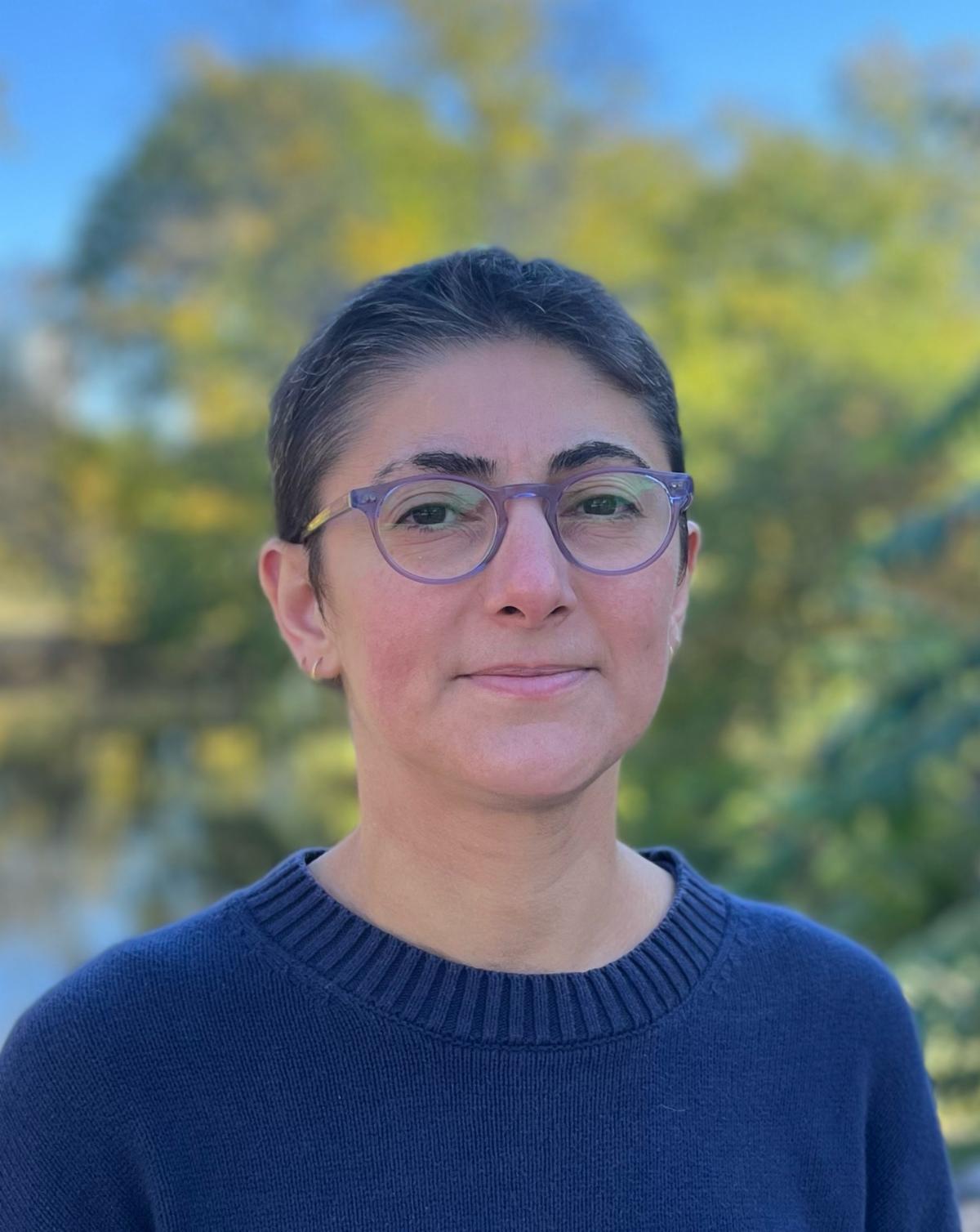
Serine Avagyan, MD, PhD
Assistant Professor in Residence
Department of Pediatrics
Division of Blood and Marrow Transplantation
| | |
What stage of training are you currently in?
Assistant professor since 2023 (PGY14...but who is counting?)
Describe your laboratory research.
We study the consequences of acquired mutations on hematopoiesis in the context of inherited leukemia predisposition conditions, like GATA2 deficiency. These conditions are associated with early-onset blood cancers, including pediatric myelodysplastic syndrome and acute myeloid leukemias, and exhibit a distinct trajectory of leukemogenesis characterized by clonal expansion of mutant cells. By studying these pre-malignant stages of clonal and the specific acquired mutations that drive them, we aim to understand pathogenesis of disease and identify strategies for prevention.
What made you want to become a physician-scientist or choose your area of research?
I’ve been really fortunate to have inspiring mentors from my undergraduate years through fellowship, both PhD scientists and clinician-scientists, who consistently emphasized learning from patients. That perspective really stuck with me. I’m most motivated by questions that come directly from clinical observations and by the curiosity of trying to answer them. During my PhD, working on blood stem cells made it clear that hematology-oncology was where I wanted to be, and pediatric hem-onc with a focus on bone marrow transplantation felt like the perfect fit: fascinating medicine, meaningful patient relationships, and an incredibly fun group of colleagues.
Describe a major challenge you've encountered in your career as a physician-scientist.
Balancing life as both a clinician and a scientist comes to mind immediately - maintaining rigorous science, being an effective mentor, keeping up strong clinical skills, and still making time for family and friends. That balance isn’t static; it changes over time. Figuring out what needs attention on a day-to-day and year-to-year basis, and being intentional about adjusting as things evolve, is an ongoing challenge.
Describe something that gives you joy in your current stage as a physician-scientist.
It’s honestly an incredible place to be after years of training and really narrowing my focus to find the right intersection between my clinical interests and scientific work. As a physician, I take care of patients with suspected or known inherited bone marrow failure syndromes and leukemia predisposition conditions. I get to learn about their pre-leukemic biology and help decide on next steps, whether that’s careful observation or moving toward stem cell transplantation. Figuring out the genetic diagnosis that explains what we’re seeing clinically is especially meaningful, and that knowledge directly fuels what we do in the lab, from zebrafish models of pre-leukemic states to human studies. I also really value mentoring and helping train the next generation of pediatric physician-scientists. They bring so much energy and fresh thinking, and their questions often push the field in exciting new directions.
Do you have a recent accomplishment you would like to highlight, like a presentation, award, publication, grant, or new collaboration?
We recently received a grant from the Department of Defense for a project related to GATA2 deficiency, where we proposed to study clonal hematopoiesis driven by monosomy 7, a common genetic alteration in pediatric leukemias that in this context often presents as a pre-malignant adaptation. This led to a wonderful collaboration with the labs of Dr. Alexis Combes through Disease to Biology CoLabs, Dr. Adam Olshen at the Helen Diller Family Comprehensive Cancer Center and Dr. Elliot Stieglitz through the Pediatric Oncology Tissue Banking at UCSF, which has given a huge boost to the project.
Do you have a hobby or fun fact you want to share?
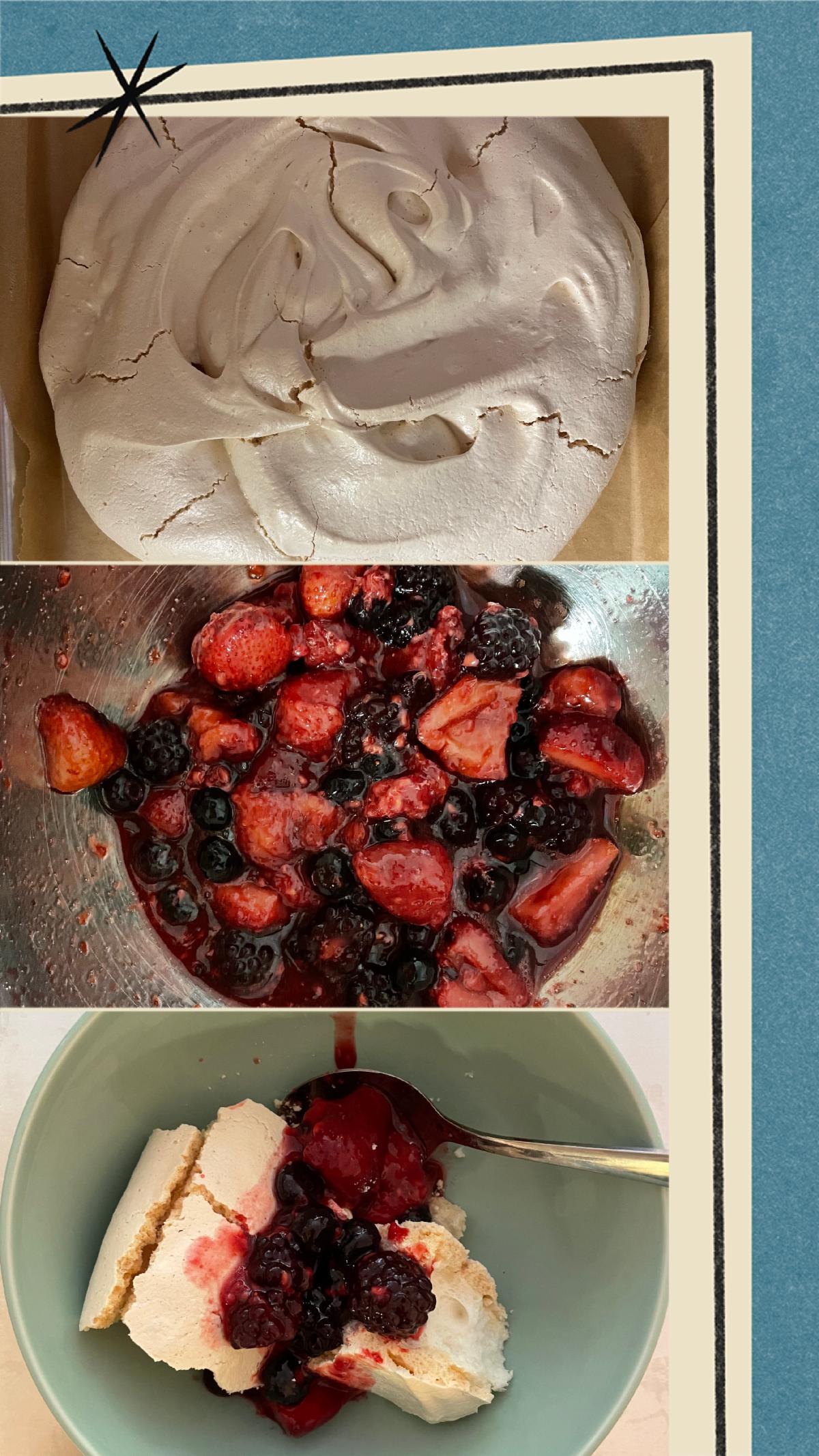
I love to bake. As a postdoc, I had a Sunday night routine of making something to bring into the lab on Mondays, and I’ve been trying to get back to that as a PI. Lab meetings and my coworkers in the hospital have become a fun and very willing audience for my culinary experiments (thanks, guys!).
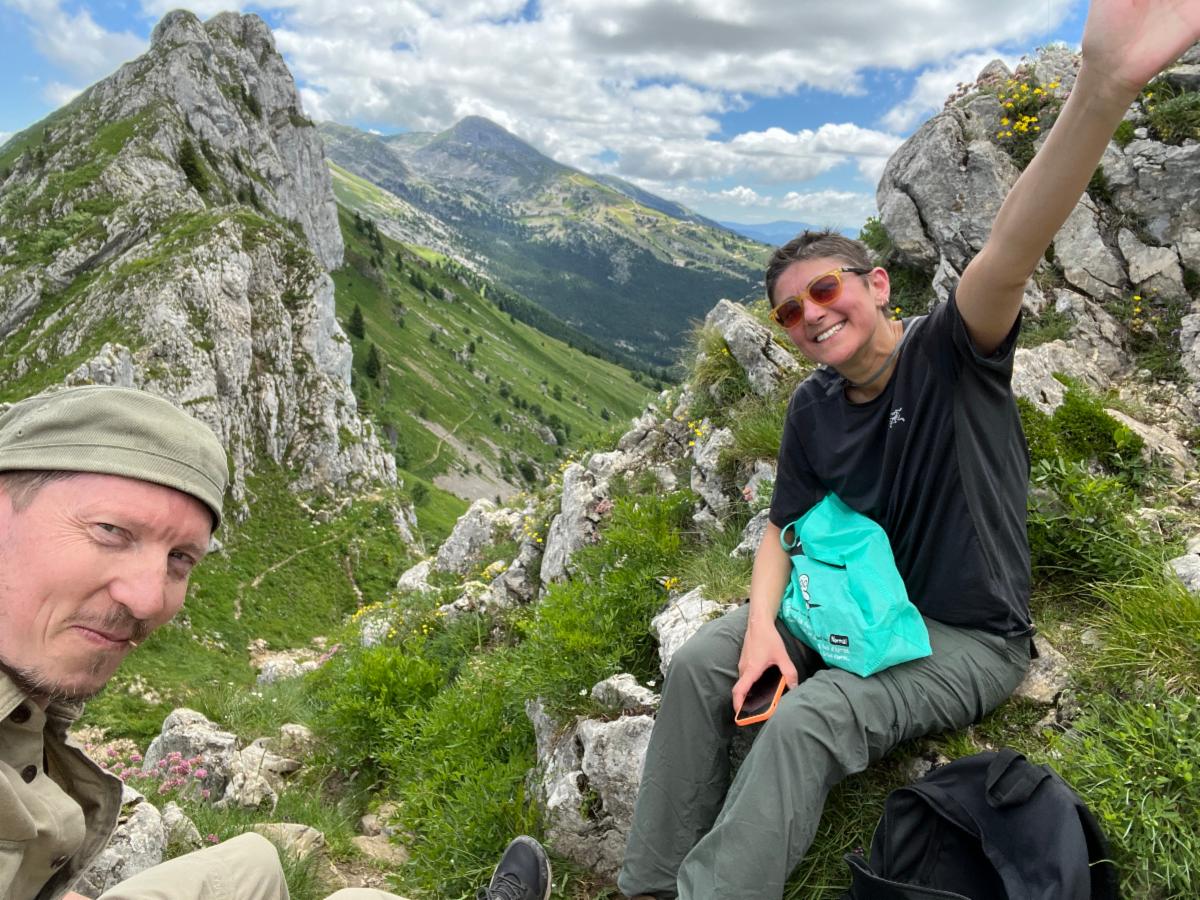
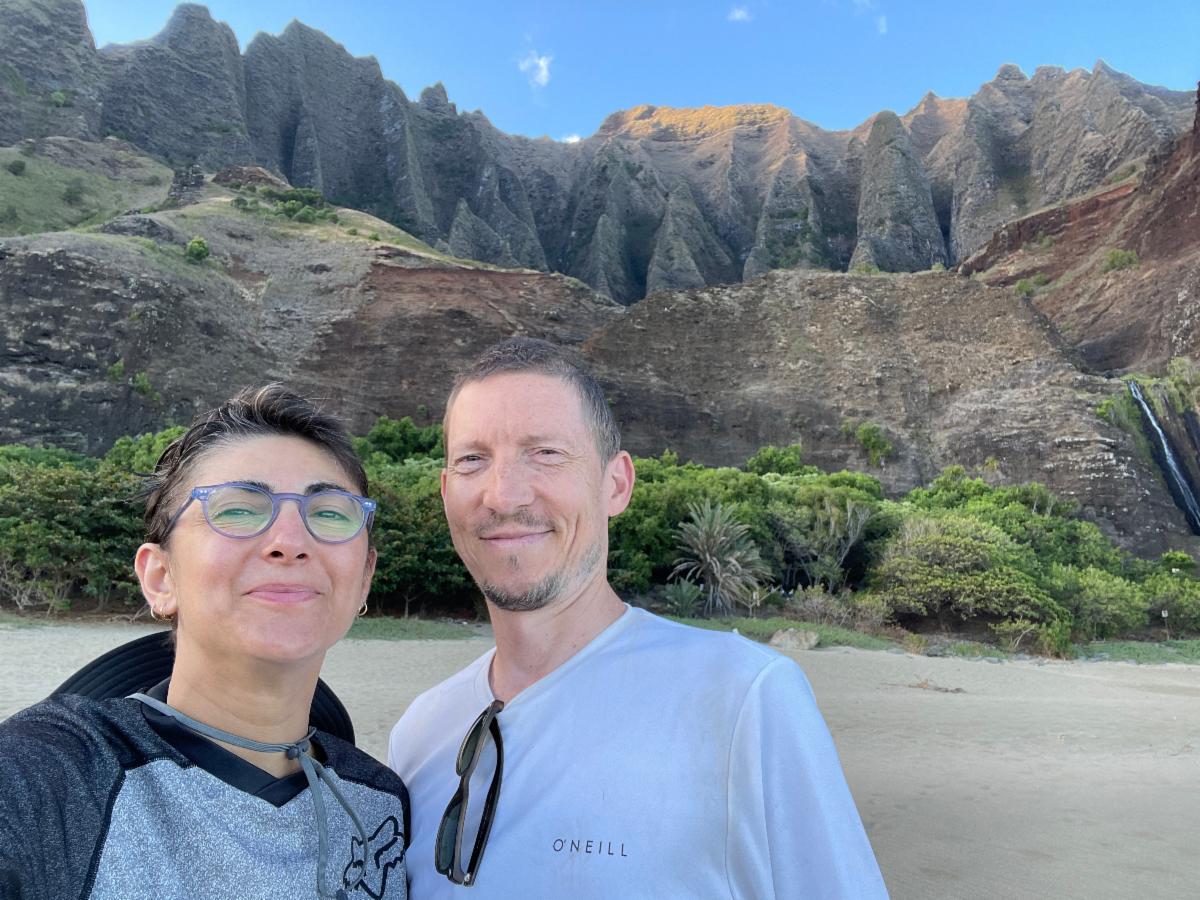
| | Pictured: Serine and Mat (husband) in France (L) and Hawaii (Middle); Pavlova baked by Serine (R) | | |
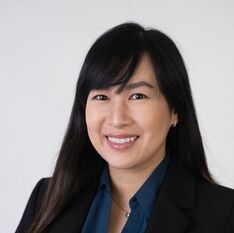
Nguyen Mai, MD, PhD
Research Fellow
Department of Neurology
Neurocritical Care Division
| | |
What stage of training are you currently in?
I am splitting time between a postdoctoral research fellowship and neurocritical care fellowship.
Describe your laboratory research.
The inflammatory responses triggered by cell death, blood-brain barrier injury, reactive oxygen species, and cytokines lasts for several days following a stroke, which allows inflammation-targeted treatments to have a much longer therapeutic window. My research has shown that while ischemia produces cell death in the core of an infarct, axon and dendrite injury extends well beyond this core and is correlated with impaired motor recovery. This presents an opportunity to target post-ischemic neurite injury, and I am currently studying how rodlike aggregation of the cytoskeletal protein cofilin-1 affects neurite injury, synaptic density, and motor recovery using a mouse model of stroke.
What made you want to become a physician-scientist or choose your area of research?
I first became interested in stroke therapeutics in 2010 when I was working as a clinical research coordinator at UCLA. At that time, UCLA was the coordinating center for the first thrombectomy trial (MR RESCUE) as well as the first thrombectomy trial that showed a benefit of clot retrieval (SWIFT). I saw the field change so rapidly, and since then, I have been enamored with neurology and how science could advance the field. This was one of the experiences that motivated me to pursue the MD/PhD degree and to match into neurology. The further I am into my career, the more I appreciate the dance of science and medicine and how one motivates and advances the other. When I was a resident responding to code strokes in 2020, it was standard protocol to consider thrombectomy for large vessel occlusions, but I saw firsthand what it took for this to become the standard of care. Similarly, I studied systemic inflammation, neutrophil activation, and pulmonary redox states and their effects on post-cardiac arrest brain injury in graduate school. As a neurocritical care fellow, I still appreciate SIRS pathology, targeted temperature management, and lung- or brain-protective ventilation strategies in these critically ill patients. I love that taking care of patients motivates my research and vice versa. The stroke field has not had major breakthroughs in terms of neuroprotection, but I want to see where my pre-clinical research takes me!
Describe a major challenge you have encountered in your career as a physician-scientist.
One of the challenges of being a physician-scientist, at least in early training, was keeping up with science when I spent long periods away from it. For example, after completing my PhD, I went back to medical school for two years and then residency for four years before I formally returned to research. I kept in touch with my PhD mentor in residency and fortunately was able to complete some projects and write remotely. I was also able to use research electives in residency to plan my postdoc (e.g., practice mouse surgeries, set up mouse pairings, plan experiments). Without that, it would have been very difficult to stay connected with the research world while in clinical training. Neurology’s “flex res” allowed me to spend six months in lab during residency, but I know not every physician-scientist has this opportunity.
Describe something that gives you joy in your current stage as a physician-scientist.
I split my time between a two-year postdoctoral position and a two-year neurocritical care fellowship, and I am currently in year three of four. It has been fun and intellectually stimulating to go back and forth between the lab and the ICU, especially because I get to collaborate with several investigators who are also MD/PhD neurointensivists. I am a trainee in a very supportive environment, and I feel that my colleagues, my mentors, the department, and the university are very invested in my success. I am grateful that Neurology’s UE5 program provides protected research time, and the flexibility also allowed me to have two kids while in training!
Do you have a recent accomplishment you would like to highlight?
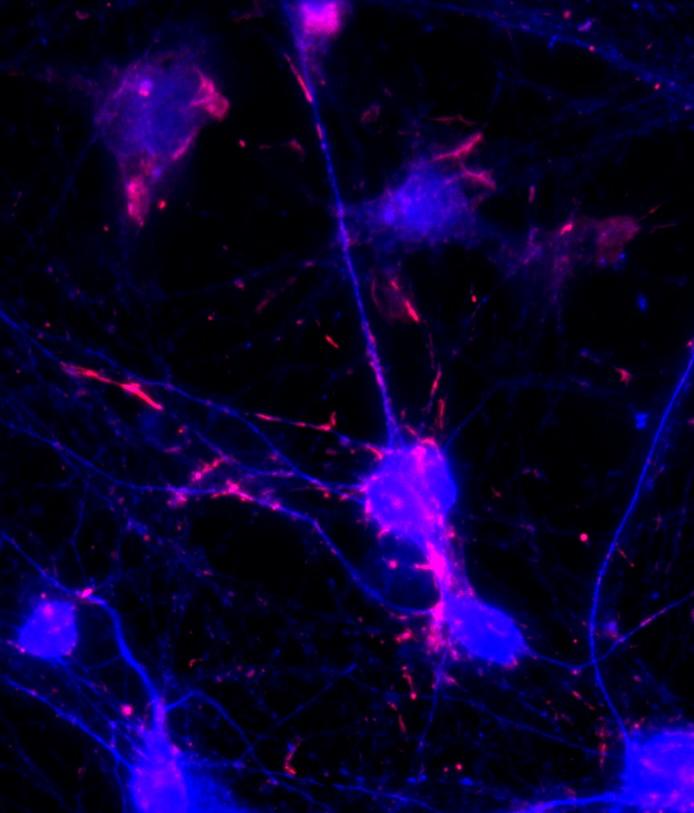
I am finishing a project that will be the basis of my K application! I study peri-infarct axon and dendrite injury following stroke with a particular interest in the pathological formation of intraneuritic cofilin-1 rods. I found that in mice that formed fewer rods and mice without functional NADPH oxidase experienced more rapid motor recovery after stroke. This was associated with a preservation of axon and dendrite density beyond the infarct core, greater synapse density, and muted microglial activation. I showed that activated microglia induced neuronal rod formation and were toxic to neurites in culture even in the absence of ischemic injury, which is concordant with my hypothesis that neurites are vulnerable to injury from oxidative stress and the subsequent formation of cofilin-1 rods.
| |
This is an image of a neuron (blue) with rods (red) that formed after exposure to exogenously activated microglia:
Do you have a hobby or fun fact you want to share?
I love hiking and visiting national parks, and it’s been fun going to different parks with my kids.
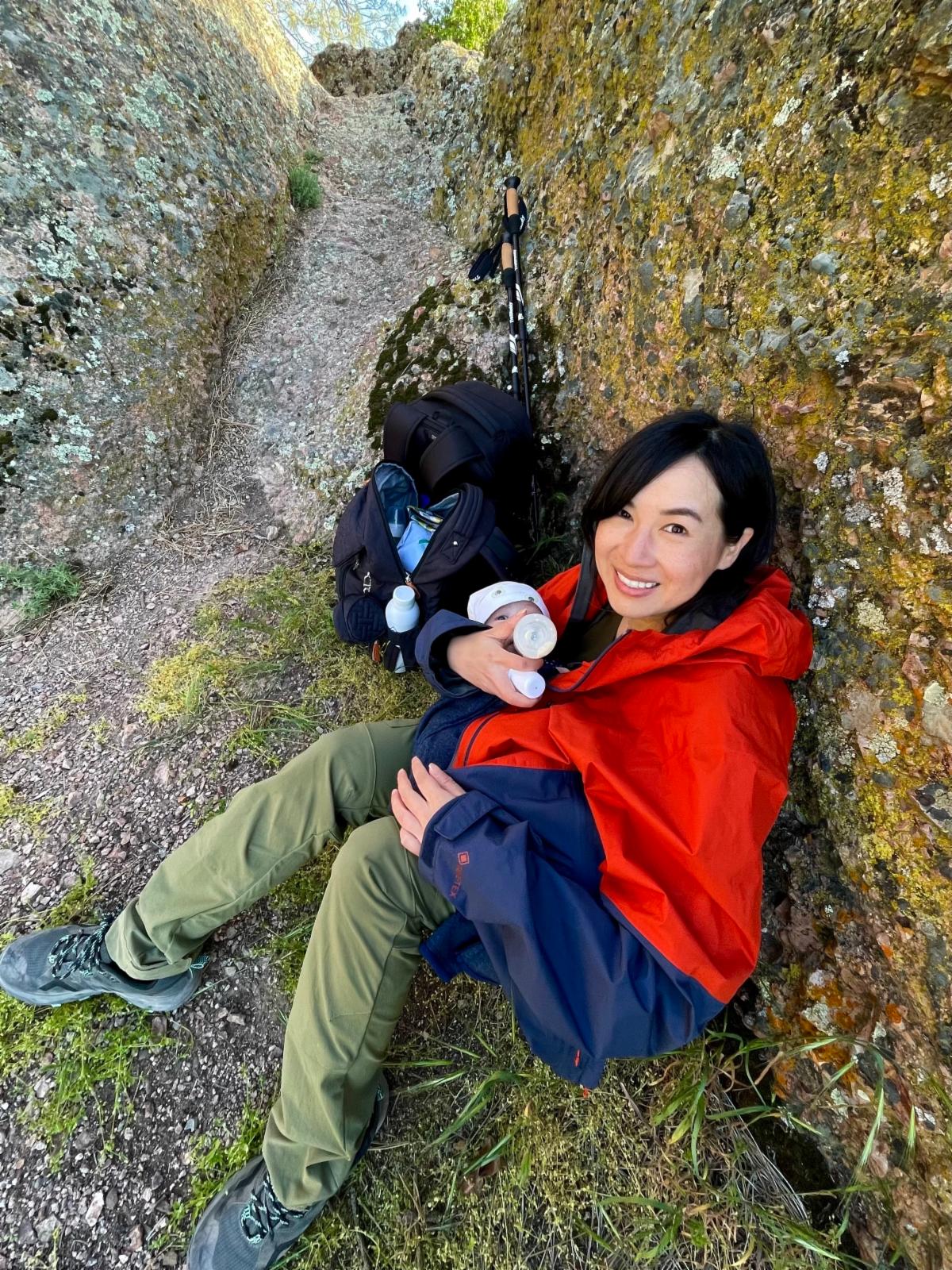
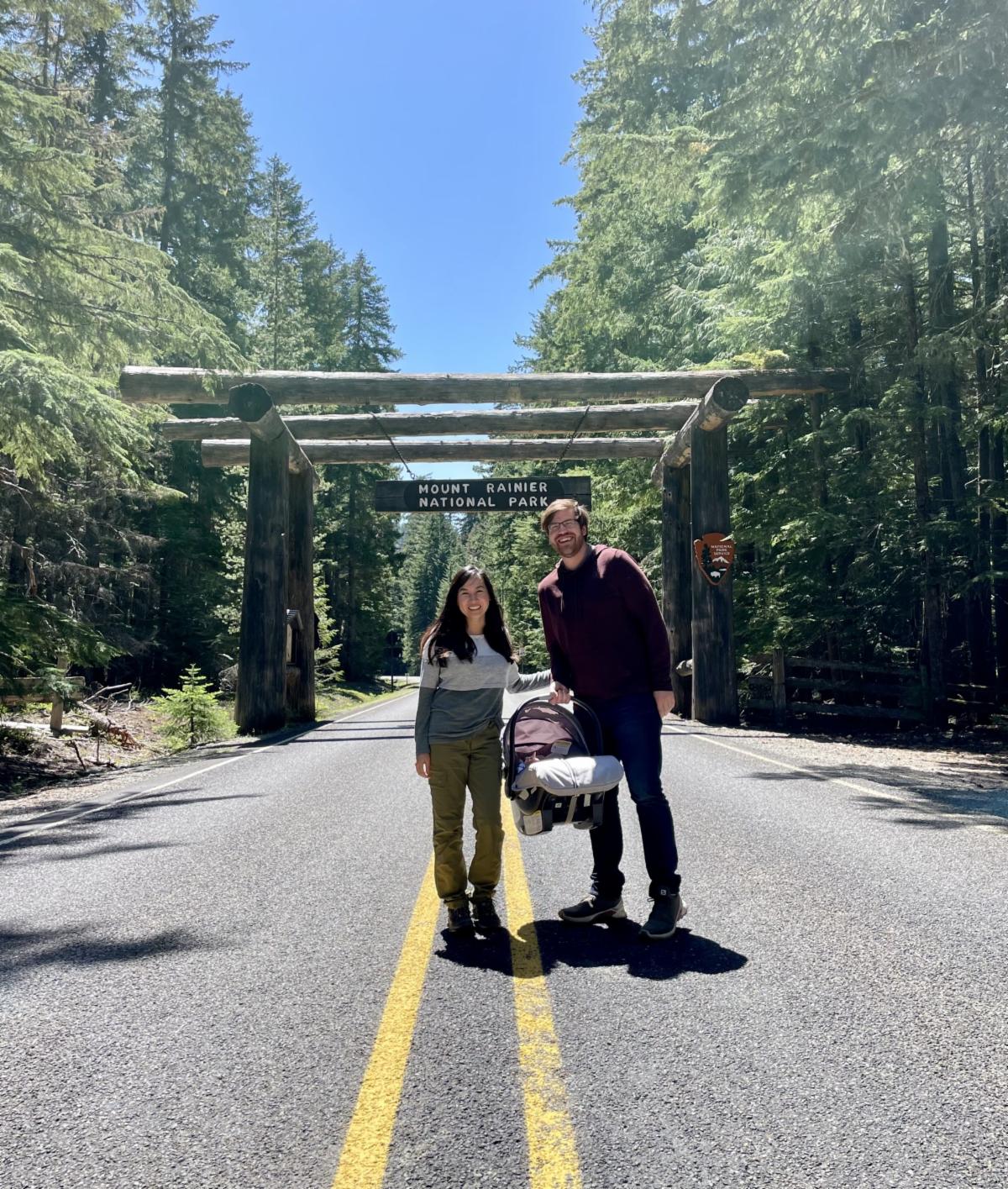
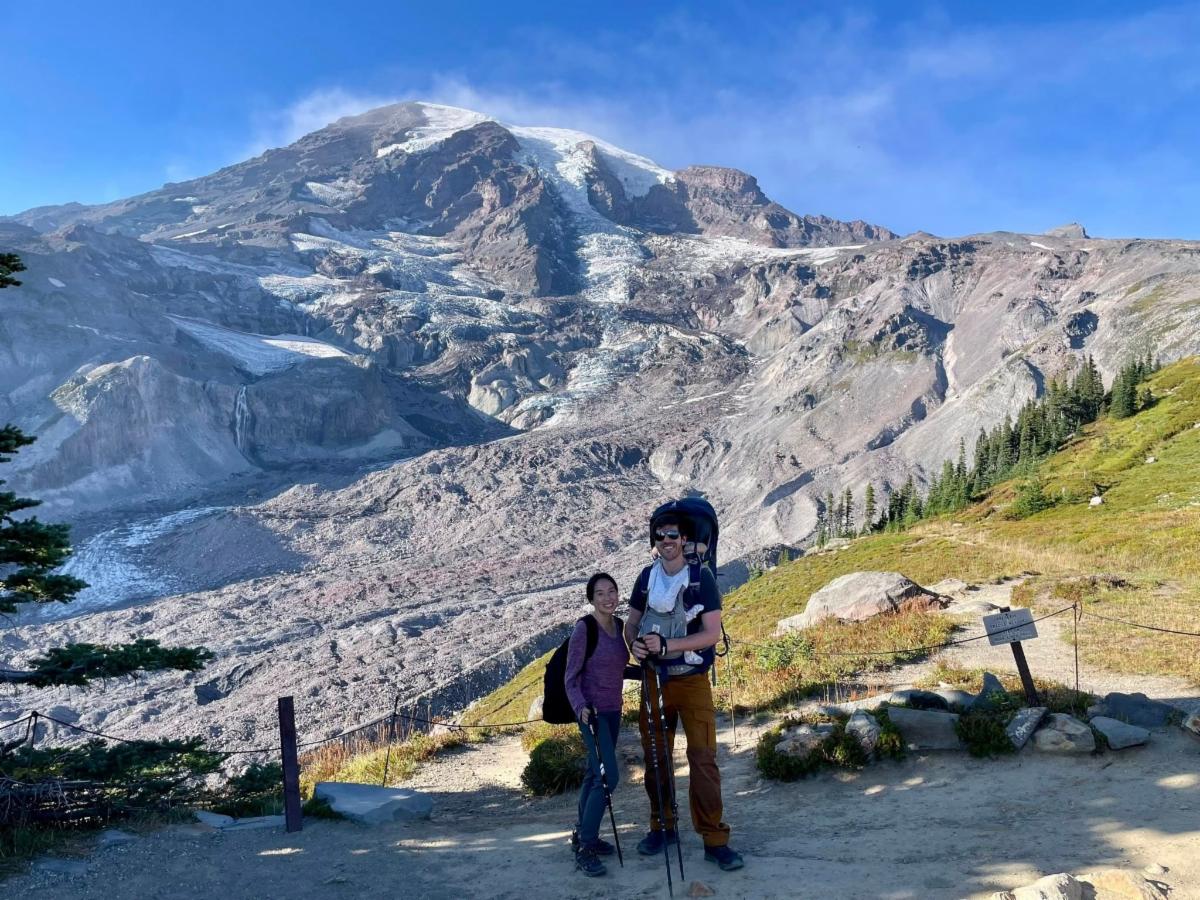
| | Pictured: Nguyen with her older son at one month old at Pinnacles (L), Nguyen and her family at Mt. Rainier when her older son was three months old (Middle) and when her younger son was two months old (R) | | Career Development Awards | | |
PSCDP-Sponsored Writing Consultations
PSCDP is pleased to offer a limited number of complimentary writing consultations for physician-scientists with Vanessa Bender, PhD—an expert in scientific communication with over a decade of experience as an editor and consultant.
Selected participants will submit a draft manuscript or grant proposal for detailed written feedback. Vanessa will provide in-depth suggestions and meet 1:1 to discuss her comments and core principles of effective scientific writing.
If you’re interested, apply via the button below!
| | |
Confidential Consultations
Are you facing a significant challenge in your scientific or professional life as a laboratory-based physician-scientist? If you’d benefit from speaking with someone beyond your primary or career mentors, PSCDP offers one-time confidential consultations with a member of our leadership team.
Request a session using the button below.
| | |
Mentoring Committees
PSCDP assembles mentoring committees for laboratory-based physician-scientists in Medicine, Neurology, and Pediatrics during their fellowship and junior faculty years. These committees provide ongoing scientific and career guidance tailored to your professional growth.
If you're interested, register using the button below, and we’ll reach out to start the process.
| | Please visit our website for access to all resources | | | | |