|
Departments of Medicine, Neurology, and Pediatrics
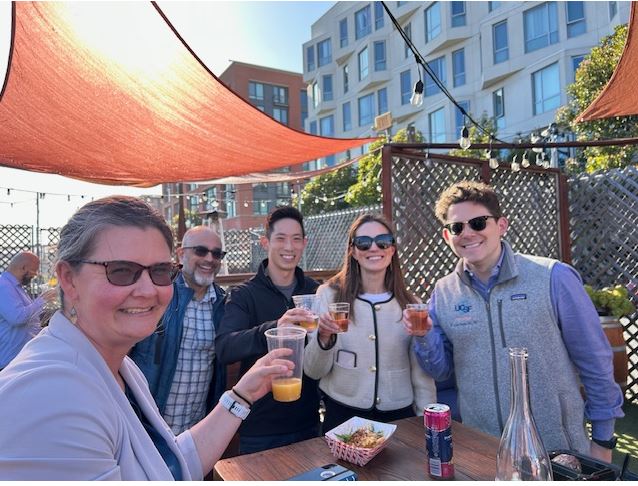
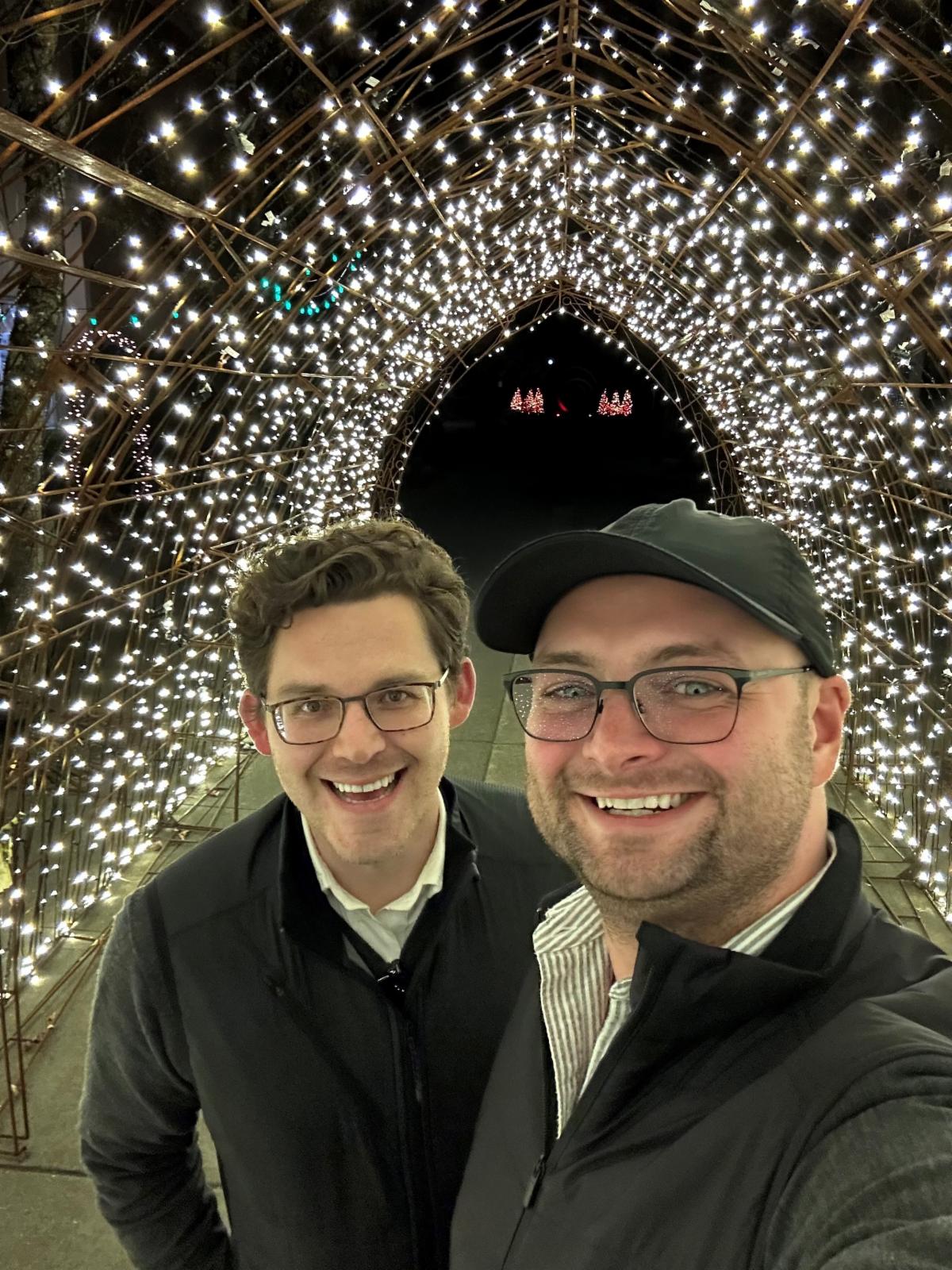
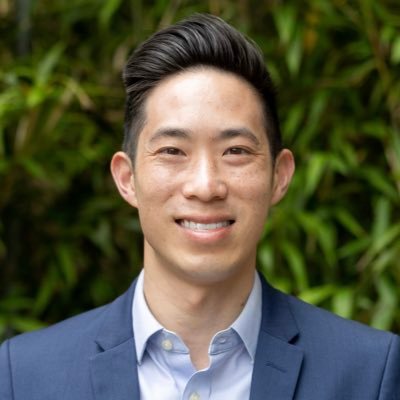
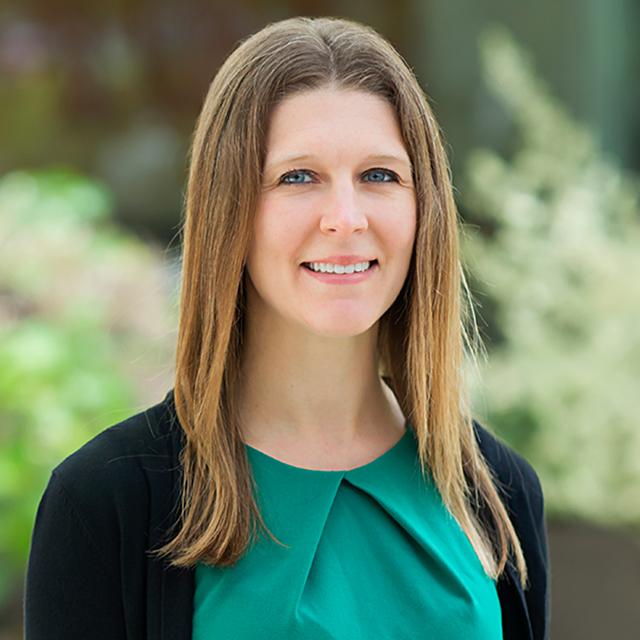
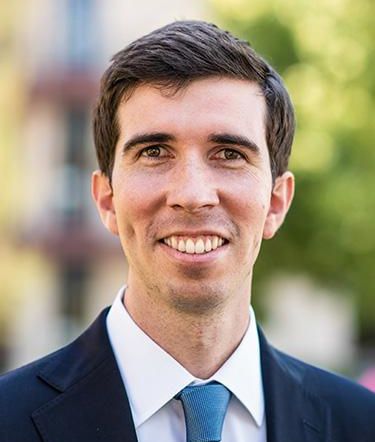
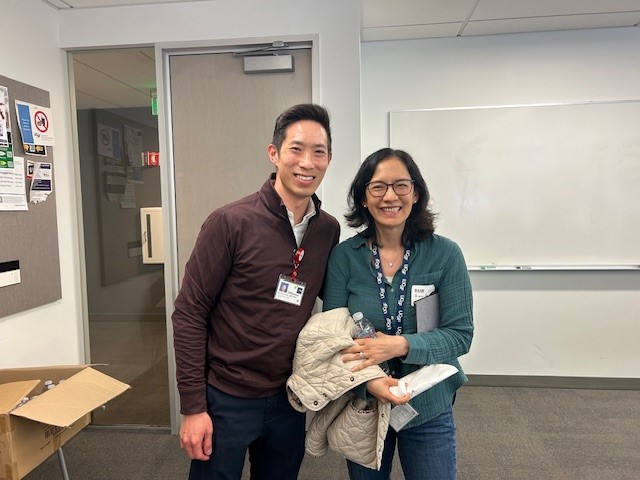
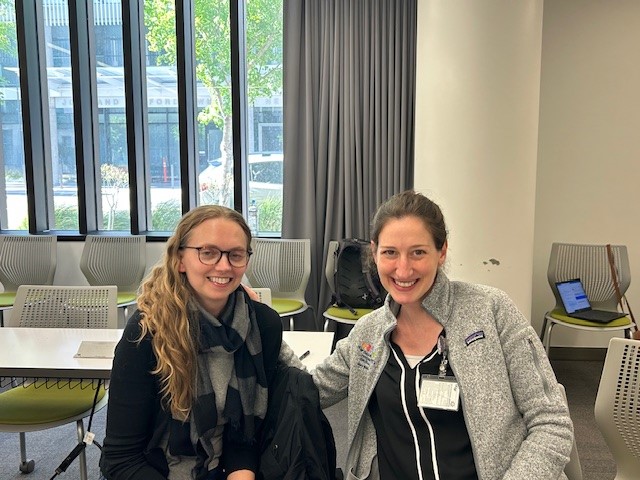
| | Pictured (L to R): Britta Linquist, MD, PhD; Sanjeev Datar, MD, PhD; Matthew Kan, MD, PhD, Elizabeth Crouch, MD, PhD, and Luke Fisher, MD, PhD, at a social gathering after a panel discussion and on “Applying for Academic Faculty Positons" at Spark Social, May 2025. | | |
Dear Physician-Scientist Community,
Welcome to the quarterly newsletter of the Physician-Scientist Career Development Program (PSCDP)! Our program is focused on supporting scientific success and fulfillment amongst laboratory-based physician-scientists in the UCSF Departments of Medicine, Neurology, and Pediatrics.
We have several exciting updates to share beginning with a leadership transition: Dr. Catherine Smith, MD, will be the PSCDP Director effective this September. She will be joined by Dr. Alexandra Nelson, MD, PhD, and Dr. Sanjeev Datar, MD, PhD, as Associate Directors.
Our K08 Workshop series is ongoing, with the next session scheduled for August 18 (details below). We are also thrilled to announce a special visit from Dr. Annapurna Poduri, MD, MPH, Deputy Director at the NIH's National Institute of Neurological Disorders and Stroke (NINDS), who will be joining us in the fall as a guest speaker. Dr. Poduri will give a Talk on Monday, September 9, 4:00–5:30 PM, in the Neurosciences Conference Center (NSCC), that will be followed by a dinner from 6:00-9:00 PM, at Mission Rock Resort. Please RSVP in the detailed announcement
below.
We hope you are able to join us and look forward to seeing you!
Sincerely,
Alexandra, Cathy, Sanjeev, and Camille
| | |
NIH K08 In-Person Workshop
Are you planning an upcoming K08 submission? Would you like feedback from fellow physician-scientists? Please join us for an in-person workshop on:
Date: August 18, 2025
Time: 3:00-5:00pm
Location: Parnassus Campus
In this workshop, we will split into small groups, each led by a faculty member, and review your Candidate/Career Development plan section, providing positive and constructive feedback to one another. Drafts will be required from all who RSVP (link below) by August 4. After the small group session discussion, we will hold a Q and A on these grants.
Faculty mentors will include:
Alison Nair, MD (Pediatrics/Critical Care)
Rachel Rutishauser, MD, PhD (Medicine/Infectious Diseases)
Alexandra Nelson MD, PhD (Neurology)
Cathy Smith, MD (Medicine/Heme-Onc)
Sanjeev Datar, MD, PhD (Pediatrics/Critical Care)
There will be food and drink, and we will be giving out Yeti PSCDP coffee mugs! Please RSVP using the button below.
| | |
Special guest speaker: Annapurna Poduri, M.D., M.P.H.
Deputy Director, National Institute of Neurological Disorders and Stroke (NINDS)
We are excited to welcome Dr. Annapurna Poduri as our invited guest speaker for a special event this fall. Dr. Poduri is a nationally recognized leader in the genetics of epilepsy and neurodevelopmental disorders. Her work at the National Institute of Neurological Disorders and Stroke (NINDS) is advancing the frontiers of neurogenetics and personalized medicine.
Talk: Monday, September 9, 4:00–5:30 PM
Neurosciences Conference Center (NSCC)
1st Floor, Sandler Neurosciences Center, Mission Bay
Dinner: Monday, September 9, 6:00–9:00 PM
Mission Rock Resort
817 Terry A Francois Blvd.
San Francisco, CA 94158
Please join us for Dr. Poduri’s engaging talk followed by a hosted dinner at Mission Rock Resort.
Space is limited for dinner and PSCDP fellows and junior faculty will be prioritized. Please RSVP to the talk, the dinner, or both, using the button below.
| | Meet our Fellows and Junior Faculty | | In this section, you will find interviews from our remarkable fellows and junior faculty from each of our participating departments. | | |
Nancy Allen, MD, PhD
Adjunct Assistant Professor
Department of Medicine
Division of Pulmonary, Critical Care, Allergy and Sleep Medicine
| | |
What stage of training are you currently in?
I am an Adjunct Assistant Professor and am currently wrapping up my postdoctoral research with Dr. Tien Peng.
Describe your laboratory research in 3 sentences.
I am broadly interested in how structural cells of the lung, such as fibroblasts and epithelial cells, interact with the immune system, and how dysregulation of these interactions contribute to disease. My current work focuses on how age-related increases in fibroblast inflammatory signaling promote the accumulation of a dysfunctional CD8+ T cell population in the lungs. We have found that depleting this T cell population in mice decreases susceptibility to acute respiratory distress syndrome (ARDS), a disease with increased incidence and severity in older individuals.
What made you want to become a physician-scientist or choose your area of research?
I first realized I wanted to become a scientist in high school after touring a laboratory at UCSF for a school project. I have always been fascinated with understanding how biological systems work and love the opportunity science provides to think creatively and test hypotheses. My experience as a physician, especially in the ICU where we have a dearth of treatments for severe acute lung injury, has significantly shaped my research interests. These experiences have motivated my commitment to advancing our understanding and treatment of lung disease, with the ultimate goal of improving outcomes for critically ill patients.
Describe a major challenge you've encountered in your career as a physician-scientist.
One major challenge I've faced is time management. Multitasking has never been a natural strength for me, and balancing clinical care and research can be difficult. To help overcome this challenge I have organized my schedule so that my clinical and research time can be compartmentalized, an approach that I have found helpful.
Describe something that gives you joy in your current stage as a physician-scientist.
There are quite a few things that bring me joy in my current career stage. As I near the end of my postdoctoral studies, it is gratifying to reflect on how far my work has come, and at the same time exciting to think about future directions. I’ve especially appreciated the interdisciplinary nature of my work, which has provided me with the opportunity to engage with the pulmonary, aging, and immunology communities at UCSF —something that has enriched both my science and my sense of connection within the broader academic community.
Do you have a recent accomplishment you would like to highlight, like a presentation, award, publication, grant, or new collaboration?
As mentioned above, in my research we have identified an aging-associated CD8+ T cell subset that increases the severity of acute lung in jury in a mouse model of acute respiratory distress syndrome (ARDS). As both a physician and basic scientist, I am excited about a new collaboration we have with Dr. Carolyn Calfee’s group to investigate whether a similar cell population is associated with more severe ARDS in our human patients. Hopefully more to come on this soon!
Do you have a hobby or fun fact you want to share?
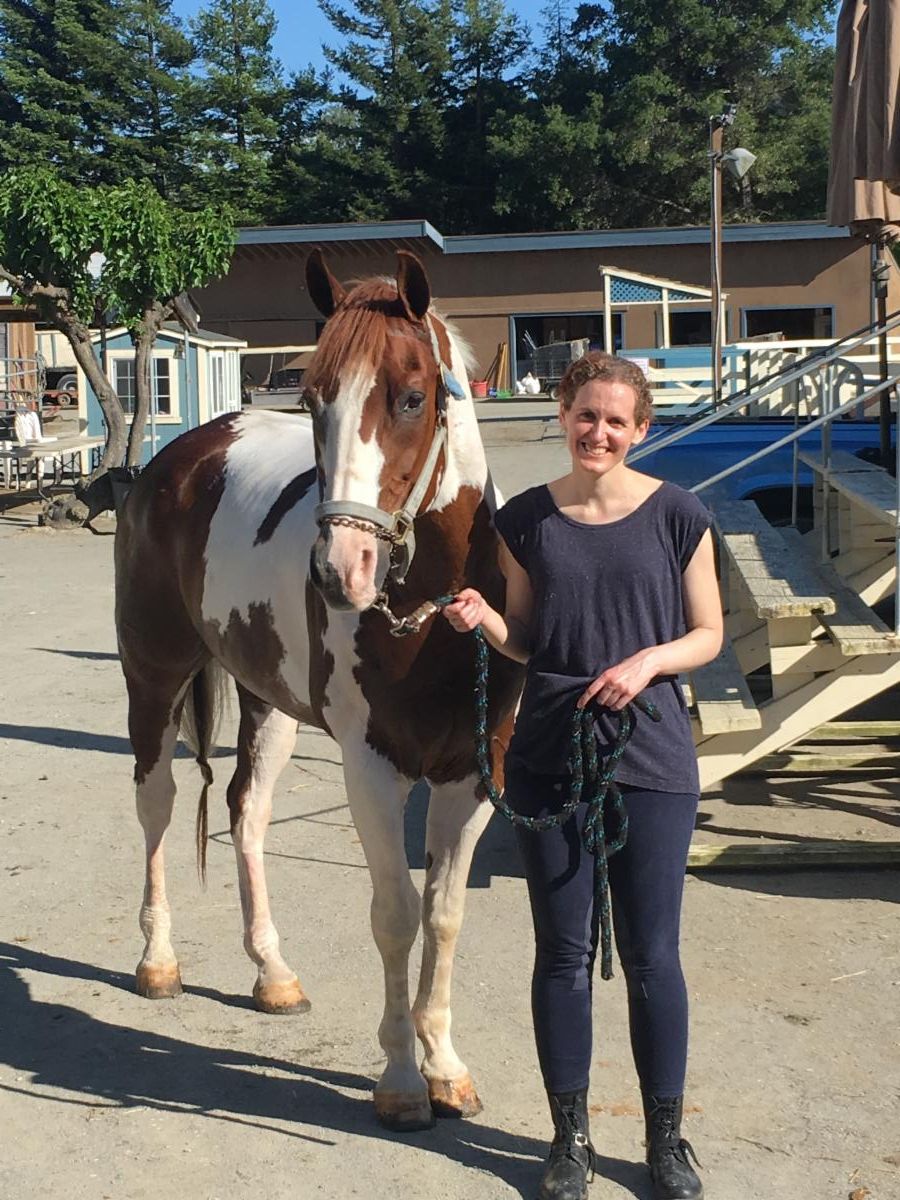
I love horses! While I enjoy riding, I’m almost just as happy simply being around the animals. After taking a long break during graduate school and medical training, I have now started riding again when time allows and have found this to be a great source of calm and balance.
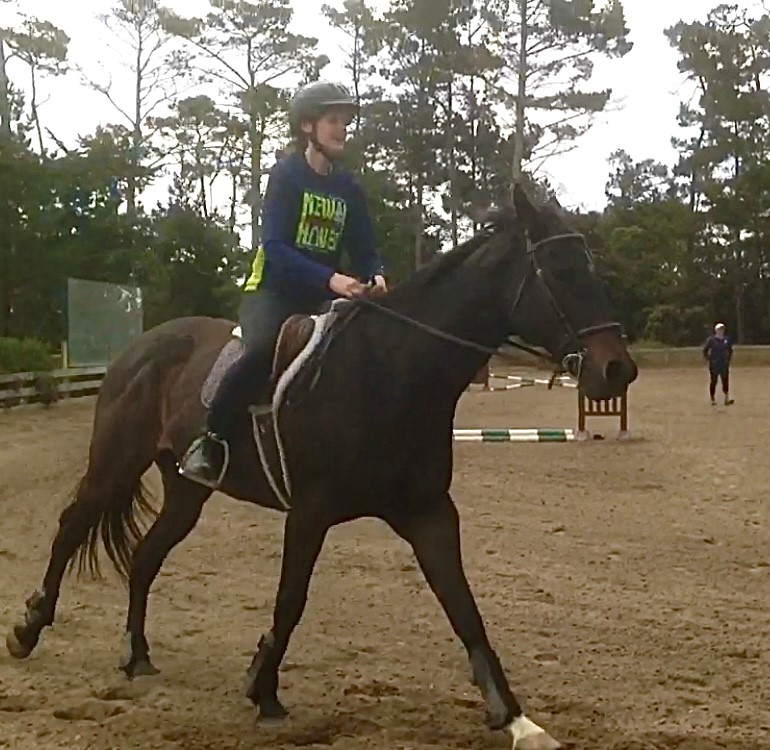
| | Pictured Nancy riding and with a beautiful horse! | | |
What stage of training are you currently in?
Fellowship
Describe your laboratory research.
My work studies congenital cytomegalovirus (CMV), a viral infection that can occur during pregnancy and affect the development of the neonate (causing stillbirth, deafness, microcephaly, low birth weight, and developmental delay). My project focuses on global populations with high rates of congenital CMV transmission and the characteristics of the maternal immune system that correlate with protection against transmission. The ultimate goal is to understand how to design vaccines that support the maternal immune system in preventing congenital CMV.
What made you want to become a physician-scientist or choose your area of research?
CMV is a poorly understood virus, but an important one, as congenital CMV is the leading cause of non-genetic deafness in the USA. It is also a field with a lot of hope – I believe that within our lifetime we will see a vaccine that is efficacious in preventing congenital CMV, something that could change the lives of many children. .
Describe a major challenge you have encountered in your career as a physician-scientist.
Although grant-writing is exciting, challenging, and a fantastic way to hone your ideas, it can also be difficult, with many revisions on the road to funding. It’s always fantastic to have colleagues who understand that rejection is just one stop on the way to success!
Describe something that gives you joy in your current stage as a physician-scientist.
I love seeing the work of so many people in both academia and industry come to fruition for our patients. In just the first year of fellowship, I’ve gotten to use novel antifungals, innovative regimens for multi-drug resistant TB, and improved strategies for pediatric vaccination. Seeing all of that come together and make a huge difference in a patient’s life is incomparable.
Do you have a recent accomplishment you would like to highlight?
I have the benefit of having a mentor who has studied several different pathogen (HIV, malaria, CMV), and I get to collaborate and learn from colleagues who study different pathogens than I do! I contributed to a paper published last year on artesunate therapy for malaria. (https://pubmed.ncbi.nlm.nih.gov/39149792/)
Do you have a hobby or fun fact you want to share?
I love cycling in the bay area! Always looking for someone who wants to show me a new cycling route!
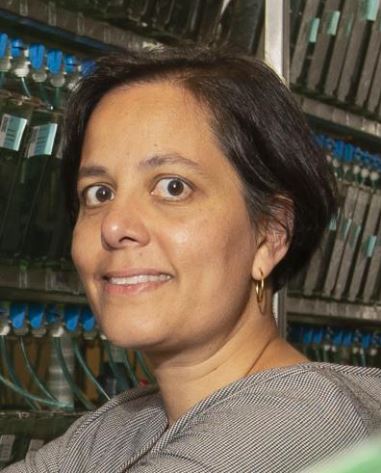
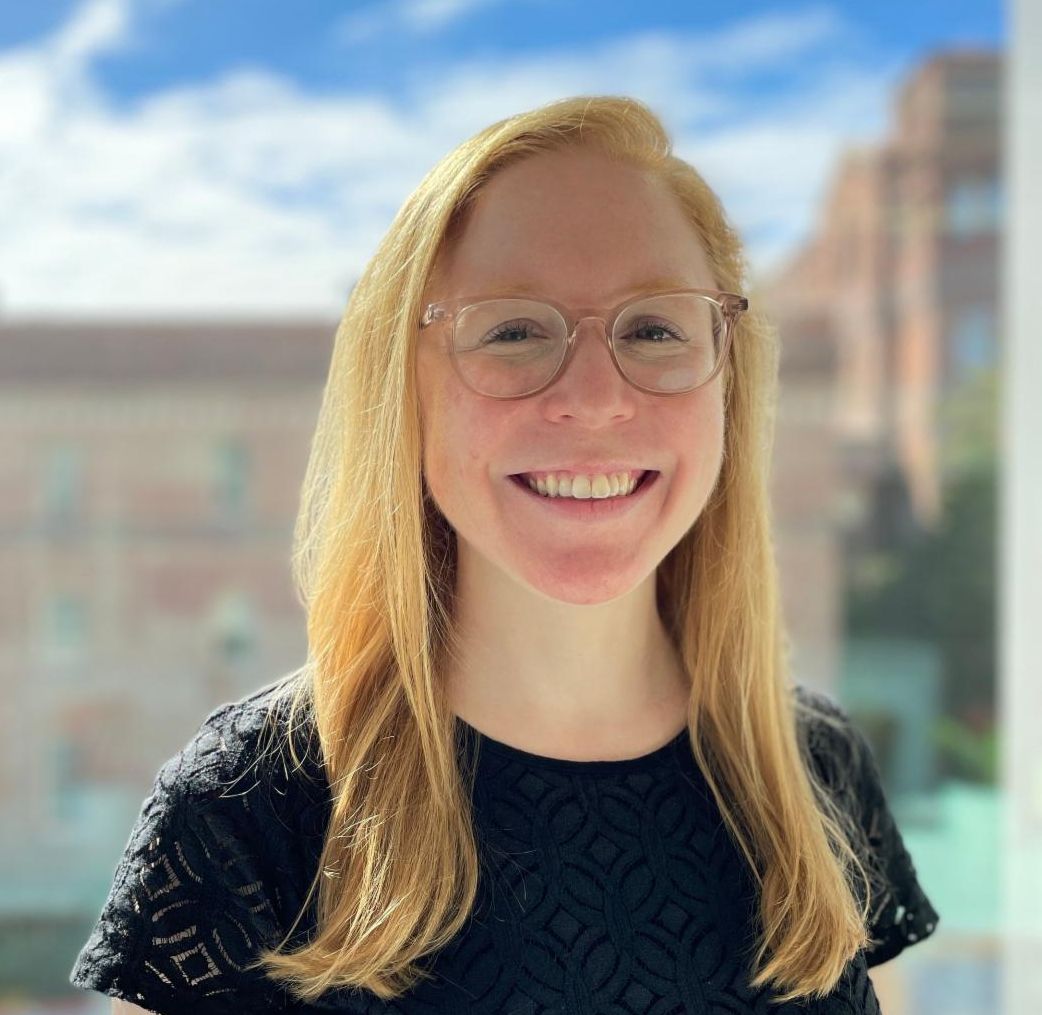
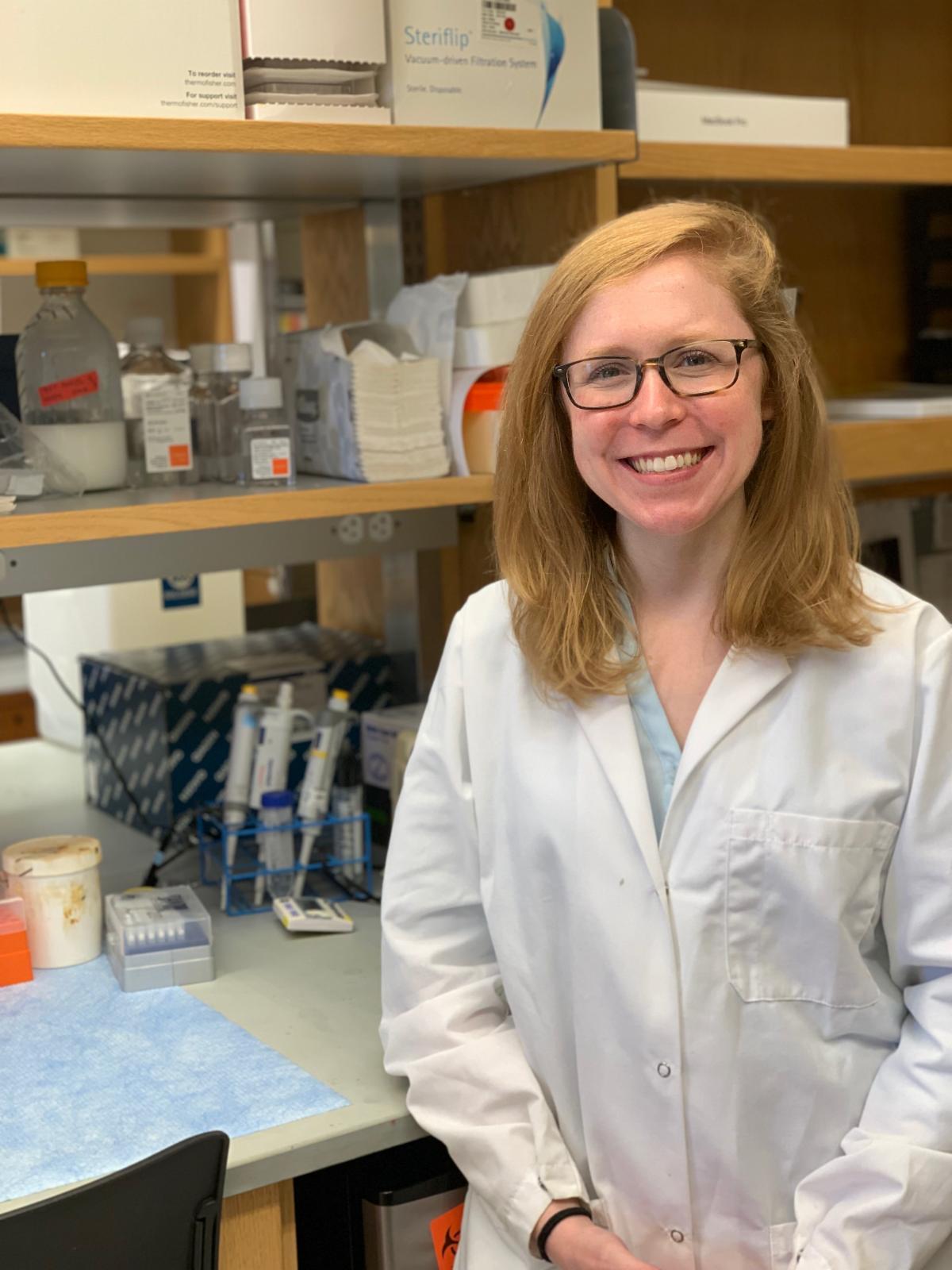
| | Pictured Amy working in the lab! | | |
What stage of training are you currently in?
This July I’m starting PGY8 and the second year of my NINDS UE5 fellowship. This funds my time for research, which also includes training in neuropathological diagnosis of neurodegenerative diseases, and I still have a half-day of clinic per week seeing patients with cognitive concerns.
Describe your laboratory research.
I use postmortem human brain tissue to study selective vulnerability to Lewy body disease and mechanisms of resilience to its spread. I combine histology and spatial ‘omics’ techniques with cerebrospinal fluid tests to look for cellular changes that occur in “early” neuropathological stages of Lewy body disease.
What made you want to become a physician-scientist or choose your area of research?
The initial inspiration was my mother having an atypical presentation of trigeminal neuralgia. I was in high school, and I was really dissatisfied with the diagnostic odyssey, the inability to prognose, and the imprecision of her therapeutic plan. My father is an anesthesiologist and loves physiology and drug mechanisms, so I started on the path with a desire for us to do better and a perspective for how to think about doing so. That was years ago and our reasons and motivations for our decisions can shift. I think I’ve stayed on the physician-scientist path because I just can’t help myself. I see a patient or talk with a colleague about a patient, and I start thinking about experiments that would help me understand, guide, or treat the person with the disease.
Describe a major challenge you have encountered in your career as a physician-scientist.
I’m facing one right now: one of my mentors is moving institutions. I still have tremendous support from her and everyone around me, but I’m navigating certain aspects of career independence sooner than I had planned. It’s a great opportunity for growth, and that’s why we face challenges, right?
Describe something that gives you joy in your current stage as a physician-scientist.
I love talking about my work in the lab and the clinic. Whether it be a trainee at any stage, or a random guy sitting at the hotel bar while I’m away at a conference, I love sharing how exciting the neurodegeneration field is.
Do you have a recent accomplishment you would like to highlight?
I’m very excited to have led a perspective piece, which is under review, that includes over 40 authors who are leaders and luminaries in the neuropathology community. We highlight a few examples of past research contributions to the Alzheimer’s and related dementias field, challenges in conducting research with human brain tissue, and some aspirations we have for future collaborative endeavors. As a non-traditional neuropathology trainee, leading this paper made me feel like a member of the community.
Do you have a hobby or fun fact you want to share?
I'm a foodie to a fault. My partner (also a Luke!) and I love to try new restaurants, and we actually have a friendly competition with a few others in the department (one of whom gets this newsletter) for who has collected the most Michelin stars. I need to ride my Peloton more...
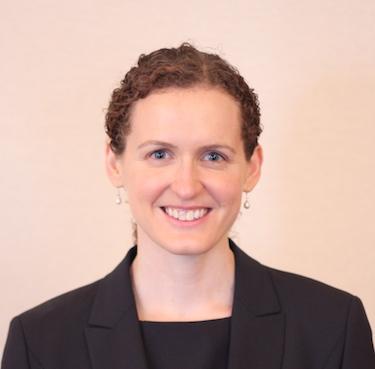
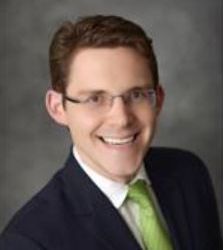
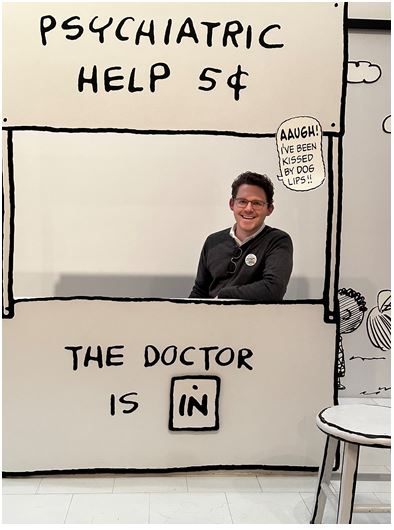
| | Pictured (L to R) Luke and Luke in Healdsburg; Luke at the Charles Schulz Museum in Santa Rosa. | | Career Development Awards | | |
John Pluvinage, MD, PhD, Resident, Department of Neurology, received the Burroughs Welcome Fund Career Award.
This award for Medical Scientists (CAMS) is a highly competitive program that provides $700,000 awards over five years for physician-scientists, who are committed to an academic career, to bridge advanced postdoctoral/fellowship training and the early years of faculty service. Please visit the website here: Burrows Welcome Fund for application details.
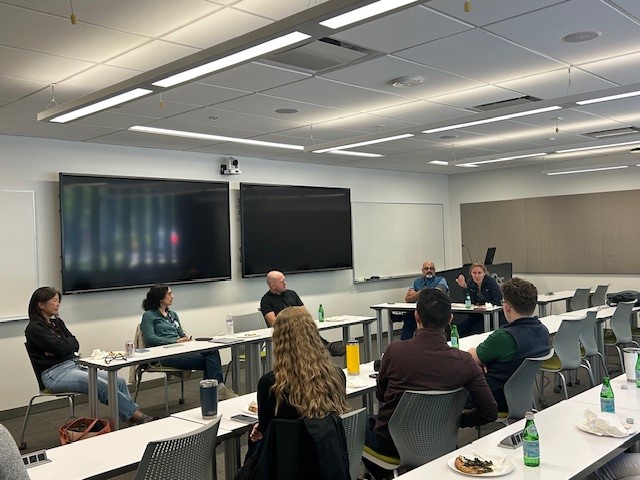
| | Pictured (L to R) "Buidling Your Portfolio" discussion - Panelists and Attendees, Matthew Kan, MD, PhD MD, PhD, Aimee Kao, MD, PhD, Clare Timbie, MD, PhD, and Mary Karalius, MD. | | Building Your Funding Portfolio: Diversifying Your Funding | In May, we hosted a panel discussion pictured above on “Building Your Funding Portfolio: Diversifying Your Funding,” featuring insights from both junior and senior faculty. The conversation explored how to strategically pursue and leverage funding from private foundations, philanthropy, and biotech/pharma. These sources can serve as valuable complements to federal funding, and the panel offered guidance on how they can fit into your portfolio at different career stages. The session's recording and Tip Sheet can be accessed using the link below. | | |
PSCDP-Sponsored Writing Consultations
PSCDP is pleased to offer a limited number of complimentary writing consultations for physician-scientists with Vanessa Bender, PhD—an expert in scientific communication with over a decade of experience as an editor and consultant.
Selected participants will submit a draft manuscript or grant proposal for detailed written feedback. Vanessa will provide in-depth suggestions and meet 1:1 to discuss her comments and core principles of effective scientific writing.
If you’re interested, apply via the button below!
| | |
Confidential Consultations
Are you facing a significant challenge in your scientific or professional life as a laboratory-based physician-scientist? If you’d benefit from speaking with someone beyond your primary or career mentors, PSCDP offers one-time confidential consultations with a member of our leadership team.
Request a session using the button below.
| | |
Mentoring Committees
PSCDP assembles mentoring committees for laboratory-based physician-scientists in Medicine, Neurology, and Pediatrics during their fellowship and junior faculty years. These committees provide ongoing scientific and career guidance tailored to your professional growth.
If you're interested, register using the button below, and we’ll reach out to start the process.
| | Please visit our website for access to all resources | | | | |