|
Departments of Medicine, Neurology, and Pediatrics
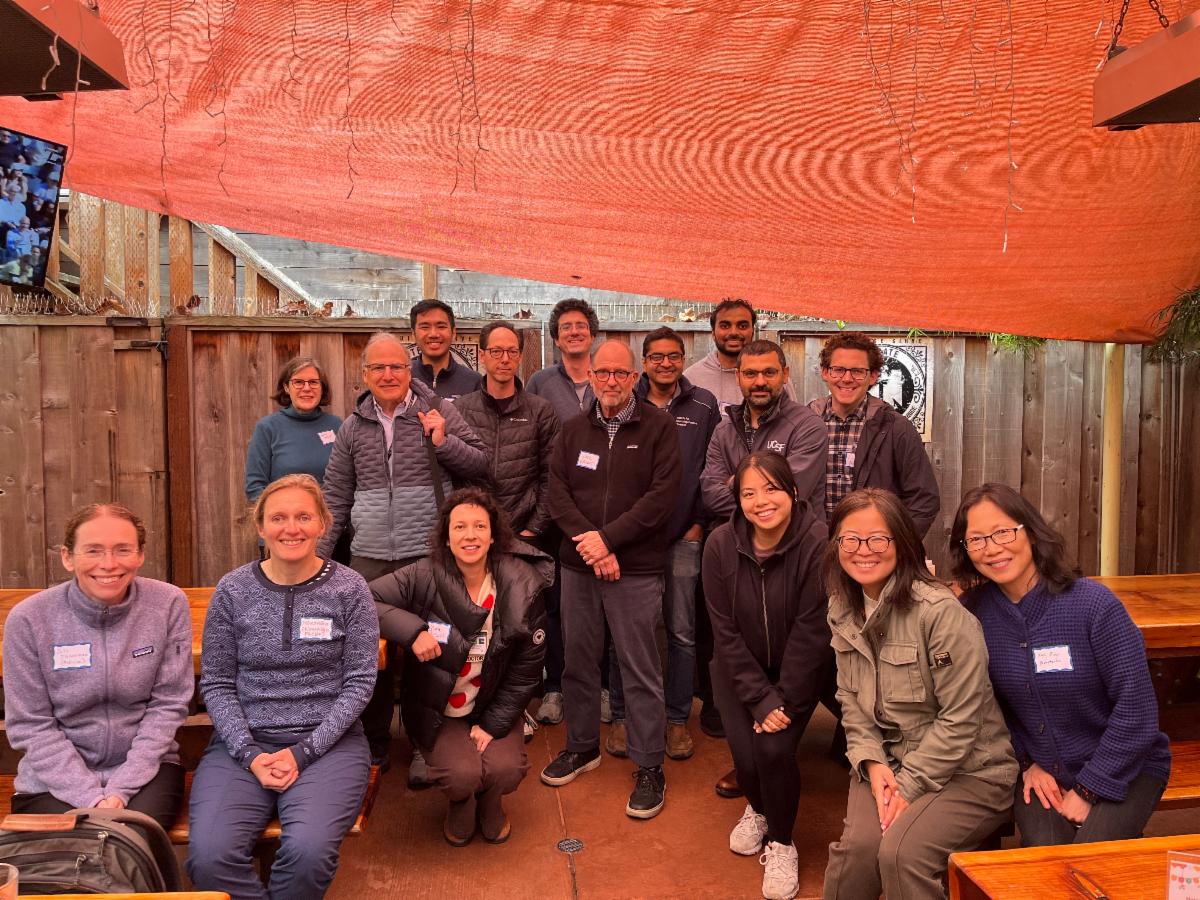
| | Pictured: Attendees of the Inside the NIH Study Section event in May 2026 | | |
Dear Physician-Scientist Community,
Welcome to the quarterly newsletter of the Physician-Scientist Career Development Program (PSCDP)! Our program is focused on supporting scientific success and fulfillment amongst laboratory-based physician-scientists in the UCSF Departments of Medicine, Neurology, and Pediatrics.
In this newsletter, we would like to extend our sincere thanks to everyone who participated in our recent 2-part career development series focused on NIH grant review and funding.
On May 7, we hosted Dr. Tish Weigand (NINDS) and Dr. Selen Catania (NHLBI), for a special virtual session on “NIH Funding and Career Development for Physician-Scientists”. Drs. Weigand and Catania provided valuable guidance on NIH training and career development pathways, funding opportunities, and strategies for navigating the NIH grants process. Participants gained practical insights on engaging with program officers, understanding review criteria, and adapting to ongoing changes across the NIH funding landscape. If you were unable to attend, please check out links to the recording and materials from the session below.
We were also delighted to host the second in person installment of the series May 11 at Underdogs Tres, “Inside the NIH Study Section: Insights from UCSF Investigators”. In this session, UCSF faculty who have recently served on NIH study sections shared their firsthand perspectives on how grant applications are evaluated, common pitfalls encountered during review, and practical approaches to developing competitive proposals. The lively discussion offered attendees a glimpse into the study section process and highlighted recent developments in the evolving NIH review environment. Thank you to our speakers and panelists for sharing their expertise, and to all who attended and contributed thoughtful questions and discussion.
We want to highlight our next event, “Approaching and Succeeding on the Academic Job Market”, planned for Tuesday, September 22nd, 3:30-5 PM. This event will be focused on the nuts and bolts of navigating the academic job market for lab-based physician-scientists. The workshop will include a short panel discussion with faculty who have recently obtained positions or who are part of the faculty selection process, and small group breakouts to discuss various aspects of the job search. See below for more information. We hope you can join us!
Sincerely,
Alexandra, Cathy, Sanjeev, and Danielle
| | |
K Award Workshop: Candidate/Career Development Section
Are you planning, writing, or revising a K award application? In the study section evaluation of your K award application, the Career Development Plan is as important as the Research Plan!
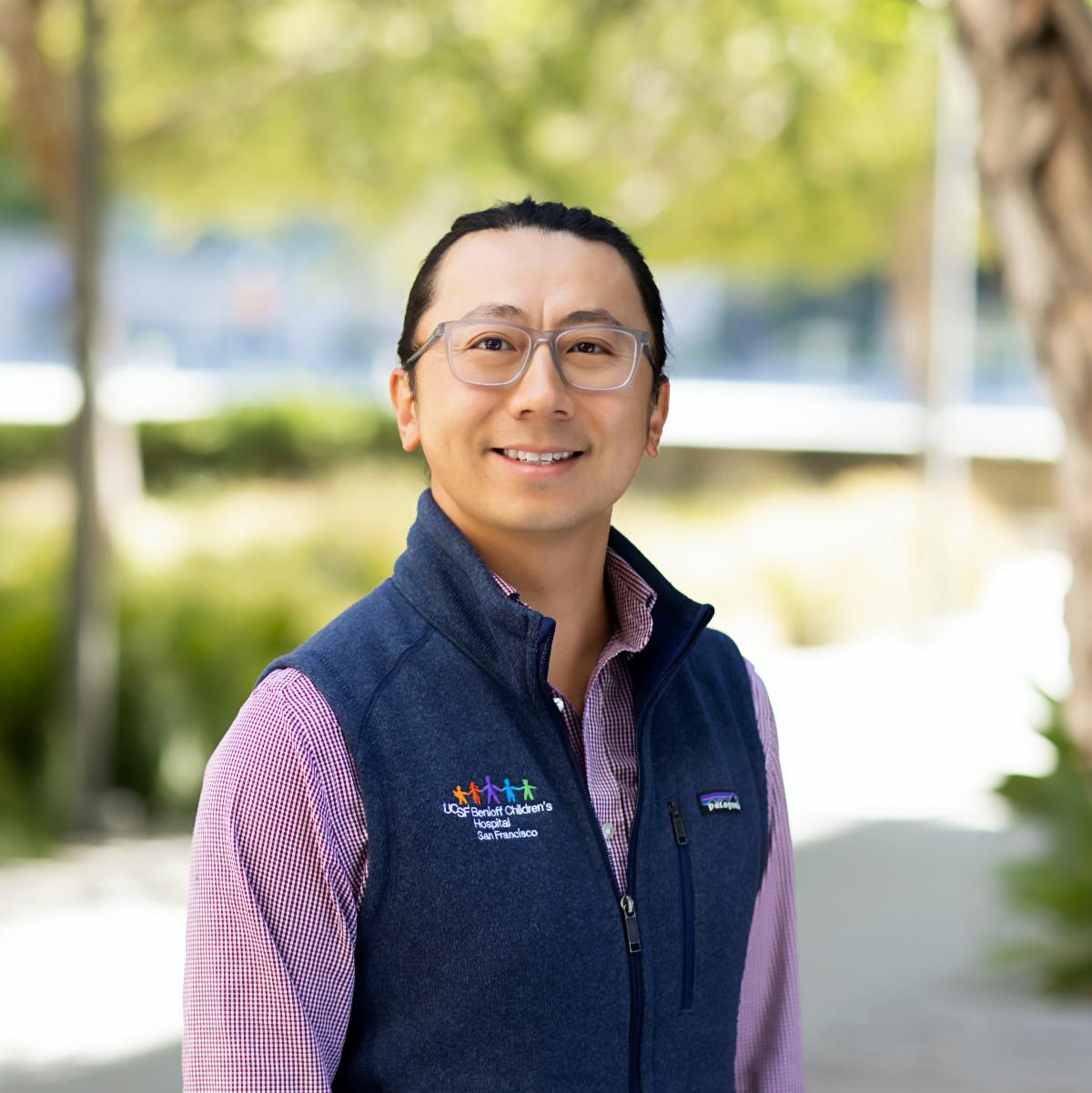
Please join us for a hands-on workshop focused on the Candidate/Career Development Plan sections of K applications, complete with food and drink. We will learn key elements of an effective Career Development section (as well as major issues to avoid) from experienced physician-scientist mentor and K study section member, Xianhua Piao MD, PhD (UCSF Pediatrics). We will also workshop your individual draft Career Development Plans in small groups led by senior faculty. Drafts will be required by August 19.
Date: Wednesday, August 26, 2026
Time: 3:00-5:00 pm
Location: Mission Bay Campus
Please register using the button below.
| |
Approaching and Succeeding on the Academic Job Market
Are you planning to start your own lab in an academic faculty position in the future? At our next PSCDP workshop on Tuesday, September 22nd, 3:30-5 PM, we will focus on the nuts and bolts of navigating the academic job market for lab-based physician-scientists, including:
- When and how to look for a position
- How to give an effective seminar and chalk talk
- How to negotiate
- Looking for a position with a partner/the "two-body problem"
- Staying at UCSF versus going to another institution
The workshop will include a short panel discussion with faculty who have recently obtained positions or who are part of the faculty selection process, and small group breakouts reviewing best practices and problem-solving on some of the topics above. We will have pizza and drinks, as well.
Date: Tuesday, September 22, 2026
Time: 3:30-5:00 pm
Location: Mission Bay Campus
There will be food and drink! Please RSVP using the button below.
| | |
Mentoring Committees
PSCDP sponsors Mentoring Committees for interested lab-based physician-scientists. We think of these committees as a grown-up version of a thesis committee, with a strong emphasis on your career and planning for the transition to independence.
The committees meet annually, and are composed of your PI, a co-mentor of your choice, a research leader in your department/division, and a PSCDP Council member outside your department (who also chairs the committee).
These committees have been popular with both trainees and senior faculty members. Trainees have received guidance on (and advocacy for) planning key career moves, while faculty learn about trainees who are ready to be recruited into independent positions!
If you would like to request a PSCDP Mentoring Committee, please sign up using the link button below.
| | Meet our Fellows and Junior Faculty | | In this section, you will find interviews from our remarkable fellows and junior faculty from each of our participating departments. | | |
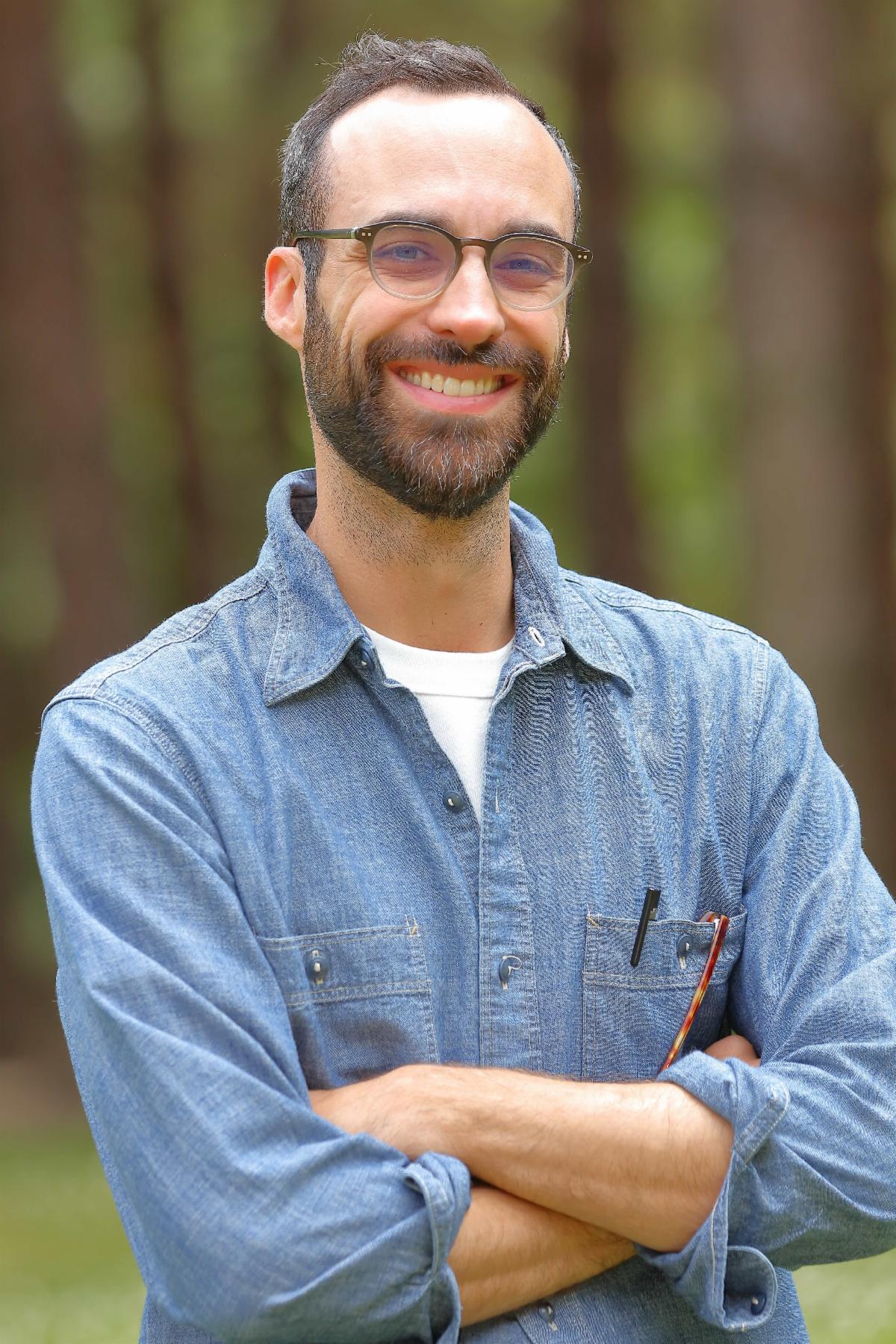
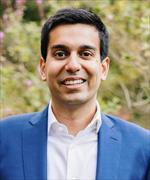
David Collins, MD, PhD
Fellow
Department of Neurology
Division of Movement Disorders
| | |
What stage of training are you currently in?
I just finished neurology residency and am starting as a new movement disorders fellow.
Describe your laboratory research.
I am interested in how the brain predicts the sensory consequences of movement and how this ability to make predictions is disrupted in patients with movement disorders. I am using the mouse head direction system as a model system to understand how the brain either uses or ignores sensory feedback from the vestibular organs when it drives head turns during different states. I hope that this work will identify mechanisms for suppressing mismatched sensory feedback in patients with neurologic disease.
What made you want to become a physician-scientist or choose your area of research?
I've always wanted to be a scientist, but the physician-patient relationship is very special and unique to medicine. I've never been very good at making up my mind, so imagine my relief when I learned there is a career path that lets you have it both ways!
Describe a major challenge you have encountered in your career as a physician-scientist.
The pandemic was a major challenge. I cut many of the experiments I had hoped to finish by the end of my PhD, wrote my thesis during lockdown in my apartment and re-entered med school at a time when New York City's healthcare system felt like it was barely hanging on. The experience made me question my decision to go into this field, but I also got to witness and learn from some truly heroic physicians and nurses.
Describe something that gives you joy in your current stage as a physician-scientist.
Being back in lab after spending the last 6 years on clinical training has been an absolute joy! Even on the days when nothing works, I come home happy. The other members of the Scanziani lab are so smart and creative, it's a really stimulating place to work and think.
Do you have a recent accomplishment you would like to highlight?
I'm able to spend so much time in lab because I was awarded a UE5 grant.
Do you have a hobby or fun fact you want to share?
I am a crossword fanatic and try to do the New York Times crossword every day. In grad school I made it a year without missing a single day, but then I went back to med school clerkships and the streak quickly died.
| | |
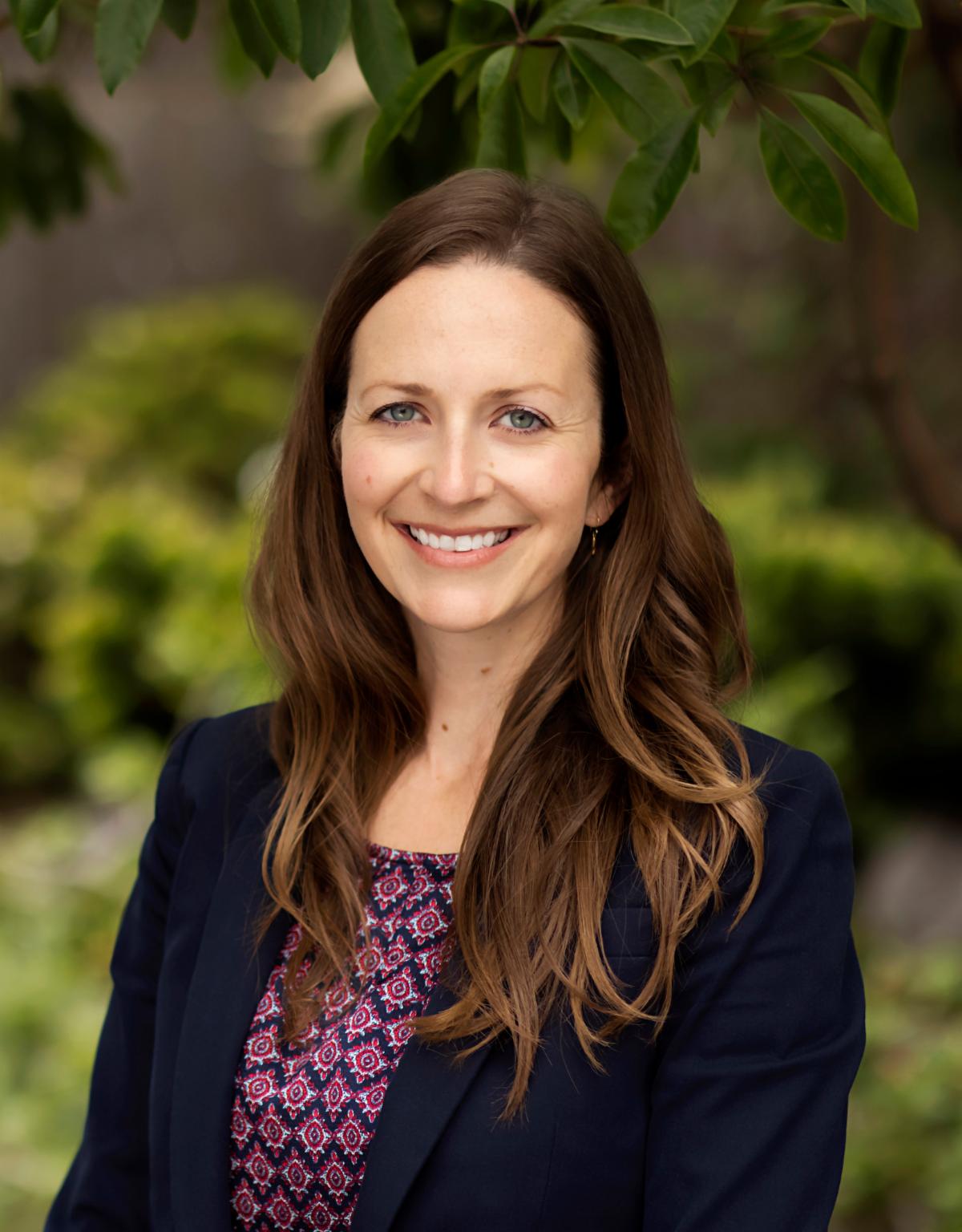
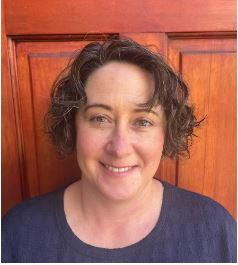
Jessica Neely, MD
Assistant Professor
Department of Pediatrics
Division of Pediatric Rheumatology
| | |
What stage of training are you currently in?
Completed Training in 2020, Currently Assistant Professor
Describe your laboratory research.
My research seeks to identify precision medicine treatments for juvenile dermatomyositis utilizing a cross-tissue therapeutic discovery program that integrates single-cell transcriptomics, computational transcriptomic-based drug repurposing, and human translational models. We also specifically study the role of CD38, a target we have identified through this program, as a regulator of immunometabolism in JDM immune cells.
What made you want to become a physician-scientist or choose your area of research?
The development of targeted biologics has revolutionized care for other autoimmune diseases, but children with JDM are still treated with broad immunosuppression that is ineffective and associated with toxic side effects. This inspired me to better understand the cell types driving disease using cutting-edge immunophenotyping tools to ultimately inform more targeted therapies to transform care for children with JDM as well as.
Describe a major challenge you have encountered in your career as a physician-scientist.
A career as a physician-scientist requires you to wear many hats, which at times can feel like quite the balancing act. In a field like rheumatology, you are caring for children with chronic conditions, so there can be ongoing responsibilities and complex needs even when you are off call or not in clinic. Cutting out time to focus on research for longer stretches can feel difficult but is critical to success.
Describe something that gives you joy in your current stage as a physician-scientist.
Many things! I now have a small but might team, which makes carrying out the research so much more enjoyable. We have also been able to develop a specialized clinic for children with JDM where we can provide multi-disciplinary care and carry our translational research at the same time. I’ve also been more intentional about sharing back research results with patients, which is rewarding and appreciated by families.
Do you have a recent accomplishment you would like to highlight?
I am really proud of our international research team funded by CZI and partnered with the Cure JM Foundation to develop a cross-tissue single cell atlas in JDM. We set ambitious goals for this project that required a lot of collaboration both within and beyond UCSF and have been able to meet most of them as we near the end of the grant period.
Do you have a hobby or fun fact you want to share?
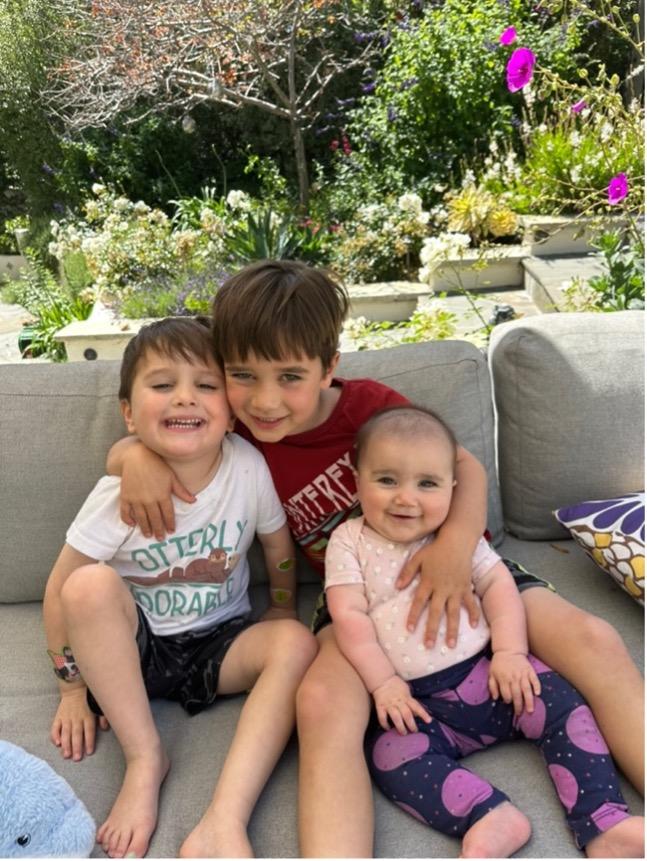
I had my third child, Lucy, this past year joining her brothers, Remy and Arlo! We enjoy gardening together and are growing tomatoes, cucumbers and sugar snap peas in our garden in Oakland.
| | Pictured: Jessica's children in the garden | | |
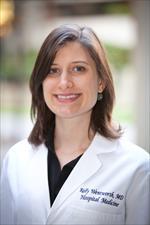
Kelly Wentworth, MD
Assistant Professor
Department of Medicine
Division of Endocrinology and Metabolism at SFVAHCS
| | |
What stage of training are you currently in?
Assistant Professor in Residence (early career)
Describe your laboratory research.
My research seeks to address critical knowledge gaps in the pathogenesis of bone formation using cutting-edge genomic and molecular biology approaches. We harness the power of rare, genetic skeletal diseases of overactive bone formation, including fibrous dysplasia of the bone (FD), to explore the interactions between hormonal and metabolic signaling pathways in the skeleton and better inform treatment strategies for more common skeletal conditions. We use advanced genomic techniques, including gene editing, single cell RNA sequencing, and digital spatial profiling, combined with human induced pluripotent stem cell (iPSC), human bone, and murine models of genetic skeletal diseases to address key knowledge gaps in the regulation of bone formation.
What made you want to become a physician-scientist or choose your area of research?
I didn't initially plan to go into research (my goal was to be a rural primary care physician), but during my training I developed a love for the intricacies of the endocrine system. My passion for research developed during my fellowship, and I had a wonderful mentor who helped guide me into a research career.
Describe a major challenge you've encountered in your career as a physician-scientist.
One major challenge has been balancing the clinical and laboratory work, and learning how to grow in both spheres.
Describe something that gives you joy in your current stage as a physician-scientist.
I love the early stages of planning a new project or grant- the quiet hours of reflection, reading, and writing, when anything is possible!
Do you have a recent accomplishment you would like to highlight, like a presentation, award, publication, grant, or new collaboration?
In late 2025, we published our work in AJHG focusing on scRNA sequencing in FD/MAS bone lesions (https://doi.org/10.1016/j.ajhg.2025.07.018). This work identified the importance of endothelial, perivascular and stromal cells in FD bone and was the culmination of my K08 research in the laboratory of Dr. Edward Hsiao, MD, PhD, and highlights a successful and ongoing collaboration with Dr. Fernando Fierro, PhD at UC-Davis.
Do you have a hobby or fun fact you want to share?
I enjoy traveling, taking walks, reading, and checking out the SF dining scene!
| | Career Development Awards | |
Sarah Kaufman, MD, PhD, has been awarded the UCSF Physician-Scientist Scholar Award (PSSP) for 2026! The PSSP Award is given to one exceptionally talented lab-based physician-scientist per year, providing 5 years of generous funding to help accelerate the transition to independence. Each year, the program receives nominations from departments across UCSF, representing the best and the brightest young physician-scientists. To learn more about the program and previous awardees, check out the website: https://pssp.ucsf.edu/
Sarah is a neurologist with expertise in neurodegenerative disease from both a clinical and basic science perspective. Since her PhD work, she has been studying how disease-associated proteins change shape, aggregate, and mediate disease across multiple models. In her postdoctoral studies under the co-mentorship of Drs. Martin Kampmann (Biochemistry & Biophysics) and Bill Seeley (Neurology) she has been studying the neurodegenerative disease-associated protein Tau and the genes that modify its aggregation and toxicity. She'll be growing her independent research group in the coming months and years — Congratulations Sarah!
| |
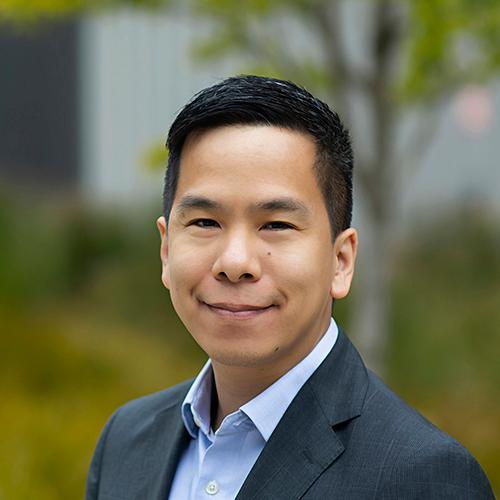
Bo Qiu, MD, PhD, Assistant Professor, Department of Pediatrics, received an American Cancer Society Clinician Scientist Development Grant for a project titled, "Targeting oncogenic N-myc protein complexes in high-risk pediatric neural cancers.”
| Transition to Independence | | |
PSCDP-Sponsored Writing Consultations
PSCDP is pleased to offer a limited number of complimentary writing consultations for physician-scientists with Vanessa Bender, PhD—an expert in scientific communication with over a decade of experience as an editor and consultant.
Selected participants will submit a draft manuscript or grant proposal for detailed written feedback. Vanessa will provide in-depth suggestions and meet 1:1 to discuss her comments and core principles of effective scientific writing.
If you’re interested, apply via the button below!
| | |
Confidential Consultations
Are you facing a significant challenge in your scientific or professional life as a laboratory-based physician-scientist? If you’d benefit from speaking with someone beyond your primary or career mentors, PSCDP offers one-time confidential consultations with a member of our leadership team.
Request a session using the button below.
| | Please visit our website for access to all resources | | | | |