|
Departments of Medicine, Neurology, and Pediatrics
| |
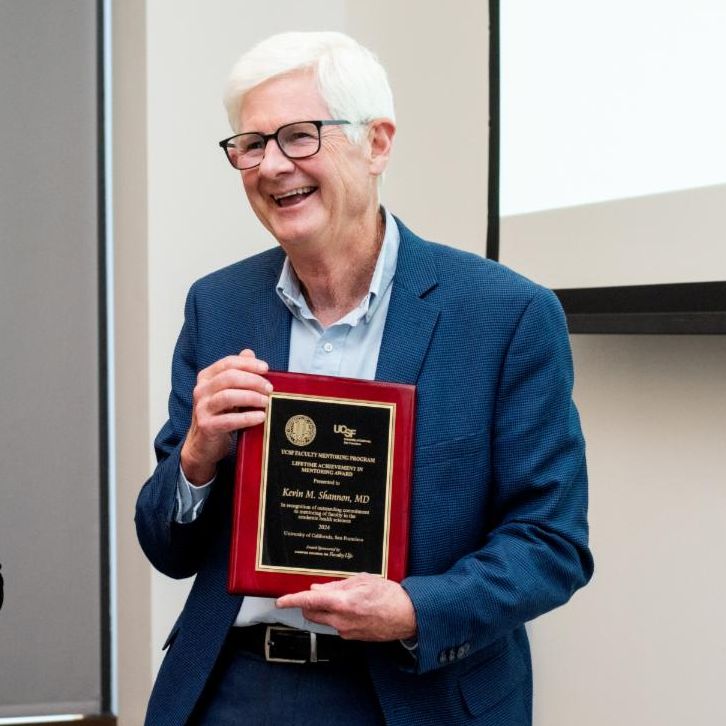
Pictured Kevin Shannon, MD, Vice Chair of Research, Department of Pediatrics, and advisor to PSCDP, accepting the "2024 Lifetime Achievement in Mentoring Award," on September 23, 2024. | |
|
Dear Physician-Scientist Community,
Welcome to the quarterly newsletter of the Physician-Scientist Career Development Program (PSCDP)! Our program is focused on supporting scientific success and fulfillment amongst laboratory-based physician-scientists in the UCSF Departments of Medicine, Neurology, and Pediatrics.
This month, we are excited to spotlight the PSCDP-Sponsored Writing Consultations. Strong scientific communication is essential for our success as physician-scientists, whether it’s delivering impactful presentations, writing manuscripts, or preparing grant proposals. Many of you, our physician-scientist fellows and junior faculty, have emphasized the importance of developing grant-writing skills as a top priority. So, in addition to our quarterly PSCDP grant workshops, we are pleased to offer one-on-one support with professional science writer Vanessa Bender, PhD, who has extensive experience working with UCSF faculty across various disciplines on both grants and manuscripts. If you're interested in receiving free writing and editing support, please apply using the link button below.
Sincerely yours,
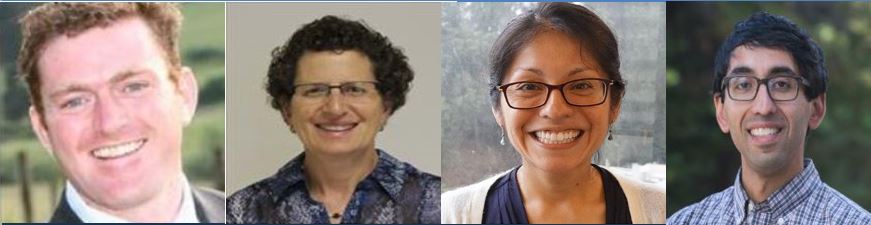
Alexandra, Cathy, Sanjeev, and Camille
|
|
PSCDP & MSTP Panelist Discussion & Dinner: "Becoming an Independent PI - What I Wish I Had Known." | |
|
Please join us:
October 15th, 2024, 5-7pm
Underdogs Tres 1224 9th Ave., S.F., CA 94122
It will be moderated by PSCDP leadership, and the themes that will be discussed include:
- What I wish I had known about grant funding for my lab
- What I wish I had known about hiring/recruiting for my lab
- What I wish I had known about funding salary "gaps"
Please RSVP by September 30, 2024, using the link button below. We have a few slots left! We will be giving out Yeti PSCDP coffee mugs to all attendees!
| |
NIH K08 Grant Writing Workshop | |
|
The workshop will be led by Dr. Rachel Rutishauser and Dr. Alison Nair and focus on basic information about the grant mechanism, provide resources and support for preparing or revising your application.
Please join us:
November 5, 2024, 3-5pm
550 16th Street, MH, Rm 2110
Please RSVP using the link below.
| |
|
PSCDP Funding and Transition to Independence Updated FY24-25 "FACT Sheets."
| |
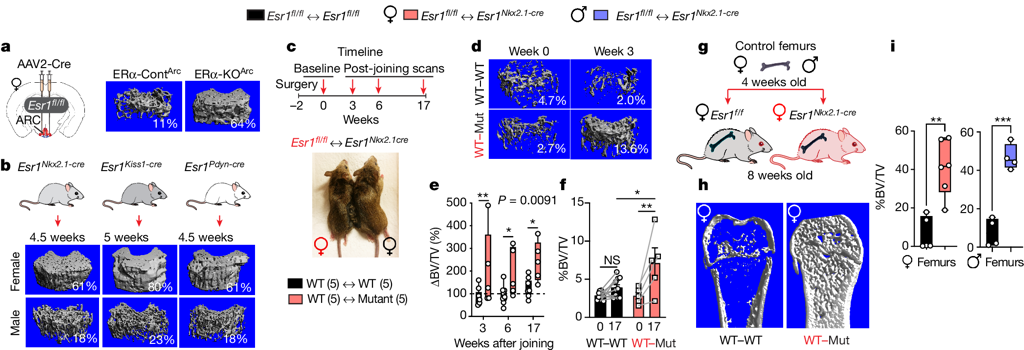
The Funding Fact Sheets outline what the lab-based physician-scientist trainee can expect, in terms of salary support across the postdoctoral/junior faculty periods, but also where these funds come from. The fact sheets list what is expected of the trainee, in terms of applying for different grants. These are organized by Department (and in Medicine, by Division) to reflect training structure, clinical responsibilities, and different sources of funding. | |  |
|
The Transition to Independence Fact Sheets outline the criteria that are considered at UCSF (but also at other similar institutions) when making decisions about faculty searches for a lab-based physician-scientist ready to start her/his own independent laboratory. These are organized by Department.
| |
Meet our Fellows and Junior Faculty | |
Get to know three of our remarkable fellows each quarter. In this section you will find an interview with one fellow and/or junior faculty from each of our participating departments. | |
|
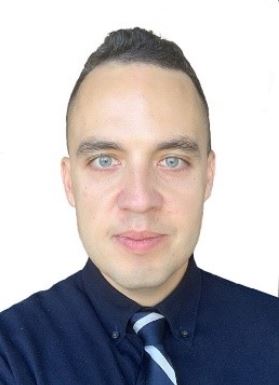
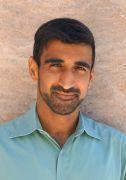
What stage of training are you currently in?
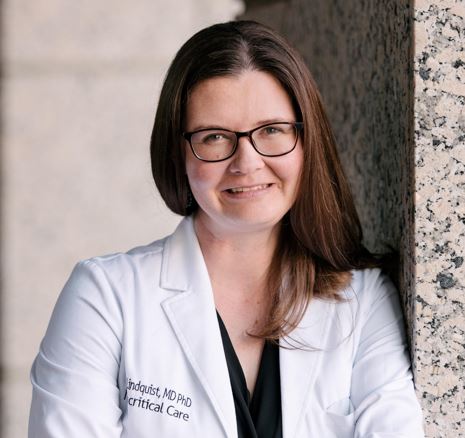
On the cusp of finishing my clinical fellowship in Neurocritical Care and starting a junior faculty position, while applying for career development awards to support my laboratory research.
Describe your laboratory research.
I study spreading depolarization, an electrochemical wave of neuronal activation that propagates through brain tissue like a tsunami, leaving behind a wake of ion displacement, energy depletion, synaptic silencing, and vasoplegia. The focus of my research is on the metabolic consequences of spreading depolarization, particularly the role of metabolites – adenosine and H+ – as paracrine signaling molecules. I hypothesize that metabolic feedback promotes survival, resilience, and recovery in vulnerable brain regions invaded by spreading depolarization.
What made you want to become a physician-scientist or choose your area of research?
I enjoy working out basic pathophysiology with immediate pragmatic implications. There are big unanswered questions in the management of acute brain injury, like what acid-base goal(s) to target with mechanical ventilation and IV fluid selection. My current research should help answer that question. My ICU experience informs my research questions, and my research findings inform my patient care. I study spreading depolarization because I had a great PhD mentor, Bill Shuttleworth, who got me started in the field. I like studying spreading depolarization because it is common to multiple brain insults (acute ischemic stroke, aneurysmal subarachnoid hemorrhage, traumatic brain injury, seizure/status epilepticus), and yet it is an intervenable target. Scientifically, it has a lot of features that lend themselves to study—the phenomenon is unambiguous, and the effect sizes are huge, meaning that you can interpret results and reject hypotheses efficiently.
Describe a major challenge you have encountered in your career as a physician-scientist.
Balancing clinical and research demands is a challenge, on an hourly, weekly, monthly, yearly basis. It has been even harder than I expected to get grants and papers off my desk when spare time comes in unpredictable increments of 30 minutes here, 90 minutes there. I am so grateful for protected research time!
Describe something that gives you joy in your current stage as a physician-scientist.
I love physiology, and this is the common thread that connects my lab work with my patient care in the ICU. Physiology is a field that rewards curiosity. Every day is an opportunity to notice a phenomenon, observe it closely, make predictions about causality, and test hypotheses iteratively until you know a little bit more about how the brain works, how the body works. It's immersive and absorbing work.
Do you have a hobby or fun fact you want to share?
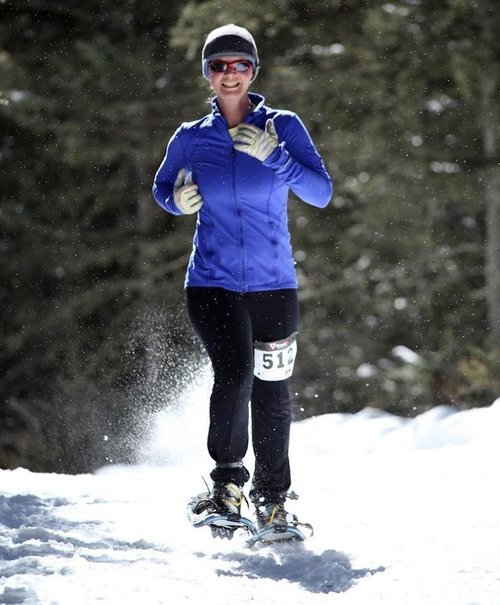
Before residency, I used to do a lot of trail running. I am finally getting back into it, and training for the Mt Taylor Winter Quadrathlon!
| |
Pictured Britta on one of her training winter runs! | |
|
What stage of training are you currently in?
I finished my clinical Geriatrics fellowship in June 2021 and am in my fourth year as a non-ACGME clinical research fellow.
Describe your laboratory research.
My research focuses on finding novel ways to translate basic aging science knowledge into clinically meaningful therapeutics and diagnostics. I am currently working in Dr. Thea Mauro’s laboratory, where I have been studying the native populations of senescent cells found in human skin. My current focus is to characterize the transcriptome of these senescent cell populations using scRNA-seq.
What made you want to become a physician-scientist or choose your area of research?
From a very young age, I knew I wanted to work with older adults. However, early on I had a hard time connecting with careers in the gero-sphere, as they seemed solely focused on maintaining the status quo. In college, I learned about scientific research and felt this avenue would instead allow me to work on interventions capable of reversing the “inevitable” consequences of aging. Being a physician-scientist has allowed me to both interact directly with the population that I care deeply about AND work on new treatments to improve their lives.
Describe a major challenge you have encountered in your career as a physician-scientist.
Despite acknowledgement of the importance of geroscience, there is still very little infrastructure in place to support this career. Unlike in other fields, there are only a handful of geriatricians in the world who do basic/translational science, so we just don’t have the critical mass necessary to build out programs and pipelines.
Describe something that gives you joy in your current stage as a physician-scientist.
Since July, my research has been independently funded! I can’t tell you how much of a paradigm shift this has been. I grew up really poor, so I always felt weirdly guilty about spending my PI’s money. Now, I feel free to do the experiments I see fit, with a newfound confidence and vigor. It’s been great!
Do you have a recent accomplishment you would like to highlight?
Thanks to my Bakar Aging Research Institute (BARI) award, I have been able to start collaborating with Peter Sudmant’s lab at UC Berkeley. I’ve been learning about all sorts of cutting-edge bioinformatics techniques, which have opened my wet-lab mind to a new world of possibilities.
Do you have a hobby or fun fact you want to share?
During the pandemic, I got really into house plants and my apartment now looks like a jungle. It’s a problem, especially when I leave for vacation and need to rope all of my friends into watering them.
| 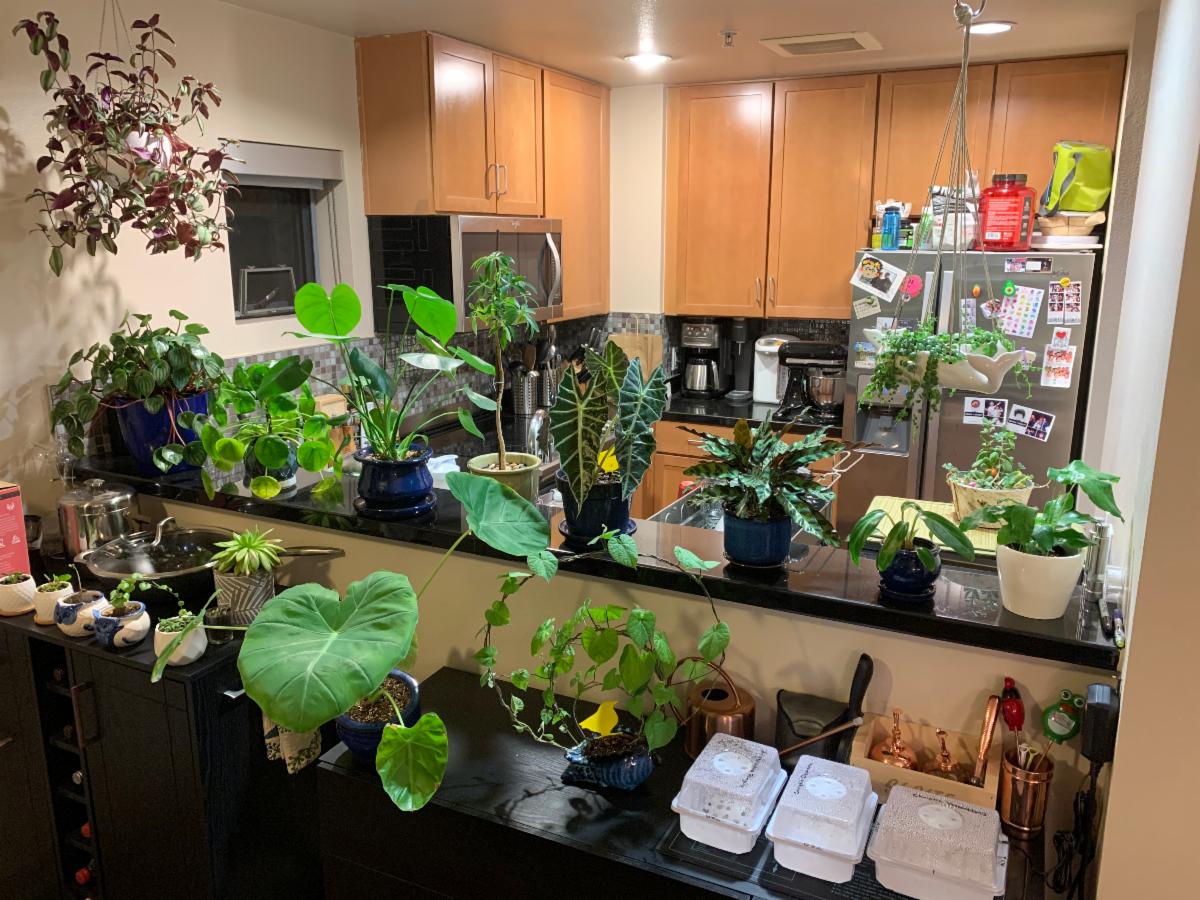 | Pictured Richard's beautiful plants! | |
|
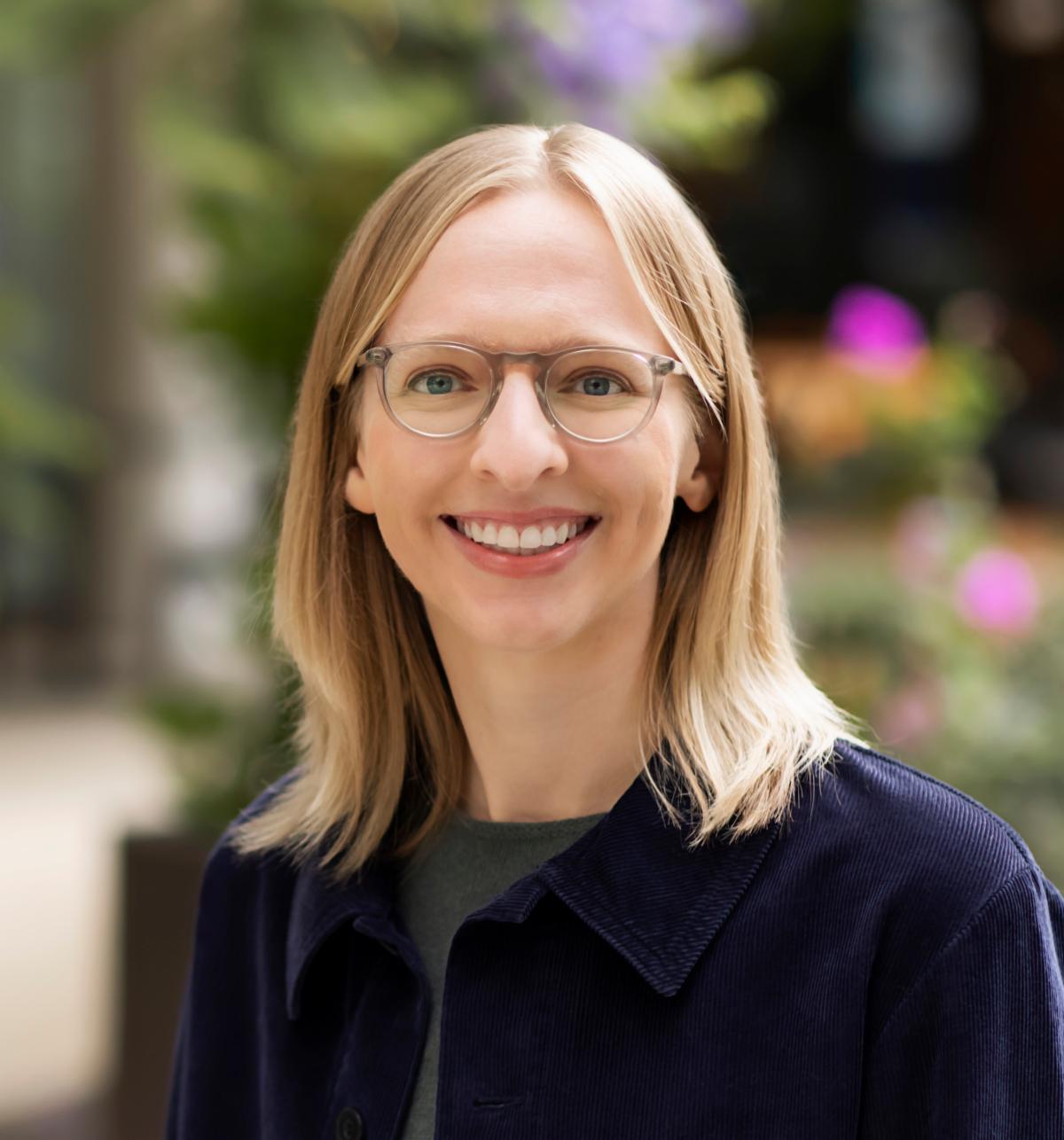
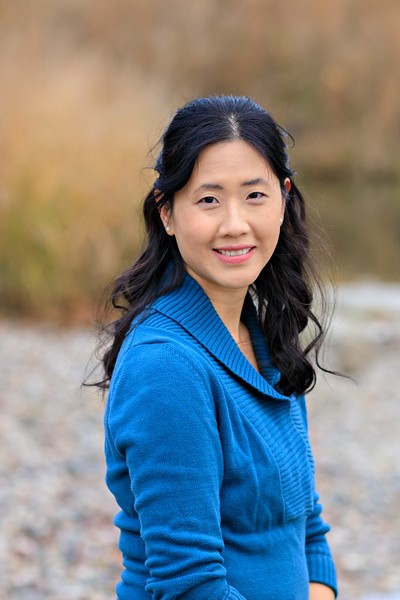
What stage of training are you currently in?
Adjunct Assistant Professor
Describe your laboratory research.
I am currently a post-doc in Alejandro Sweet-Cordero’s lab where I study the immunobiology of pediatric osteosarcoma in patient and murine models. I’m investigating how the innate immune activating cGAS-STING pathway is dysregulated in osteosarcoma and how it can be targeted therapeutically. In the future I am also very interested in incorporating a developmental lens to my work, to elucidate how the bone microenvironment in which osteosarcoma develops may serve as a determinant of the specific immune features of this tumor.
What made you want to become a physician-scientist or choose your area of research?
Originally, I was inspired to pursue a career in cancer research after losing my mother to breast cancer as an adolescent, experiencing first-hand through her story the incredible hope that can come from translational research and clinical trials. Throughout my education and training, I became more focused on pediatric sarcoma research based on experiences with patients and incredible mentors along the way.
Describe a major challenge you have encountered in your career as a physician-scientist.
As a Clinical Fellow in Pediatric Oncology and in my first few years of my post-doc, I was deeply challenged by the juxtaposition of the wins and losses I was experiencing in either the clinic/hospital or in the lab. It continues to be challenging to bear witness to the incredible tragedy of losing children to cancer, while remaining focused on the task at hand to advance our basic understanding of these diseases with determination and resilience.
Describe something that gives you joy in your current stage as a physician-scientist.
Scientific discovery! I love the feeling of reviewing the results of an experiment, finding that the results are crystal clear to support a particular conclusion, and considering the broader implications for our understanding of a basic cancer biology mechanism or observed phenotype in patients.
Do you have a recent accomplishment you would like to highlight?
I am proud that just this past week I submitted a first-author manuscript on my work – it’s too early to say how the process will go, but I am so thrilled to see it go out into the world after years of bench work and months of excessive screen time.
Do you have a hobby or fun fact you want to share?
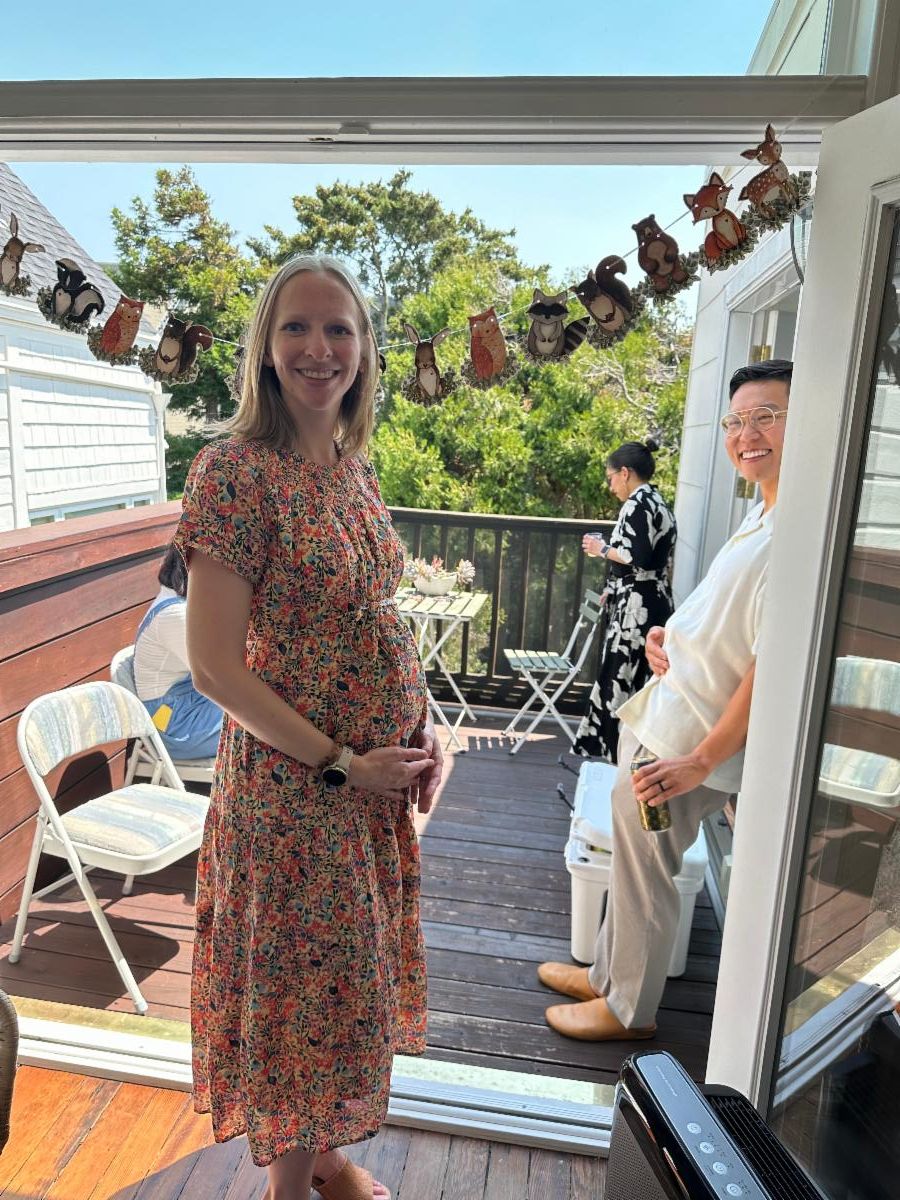
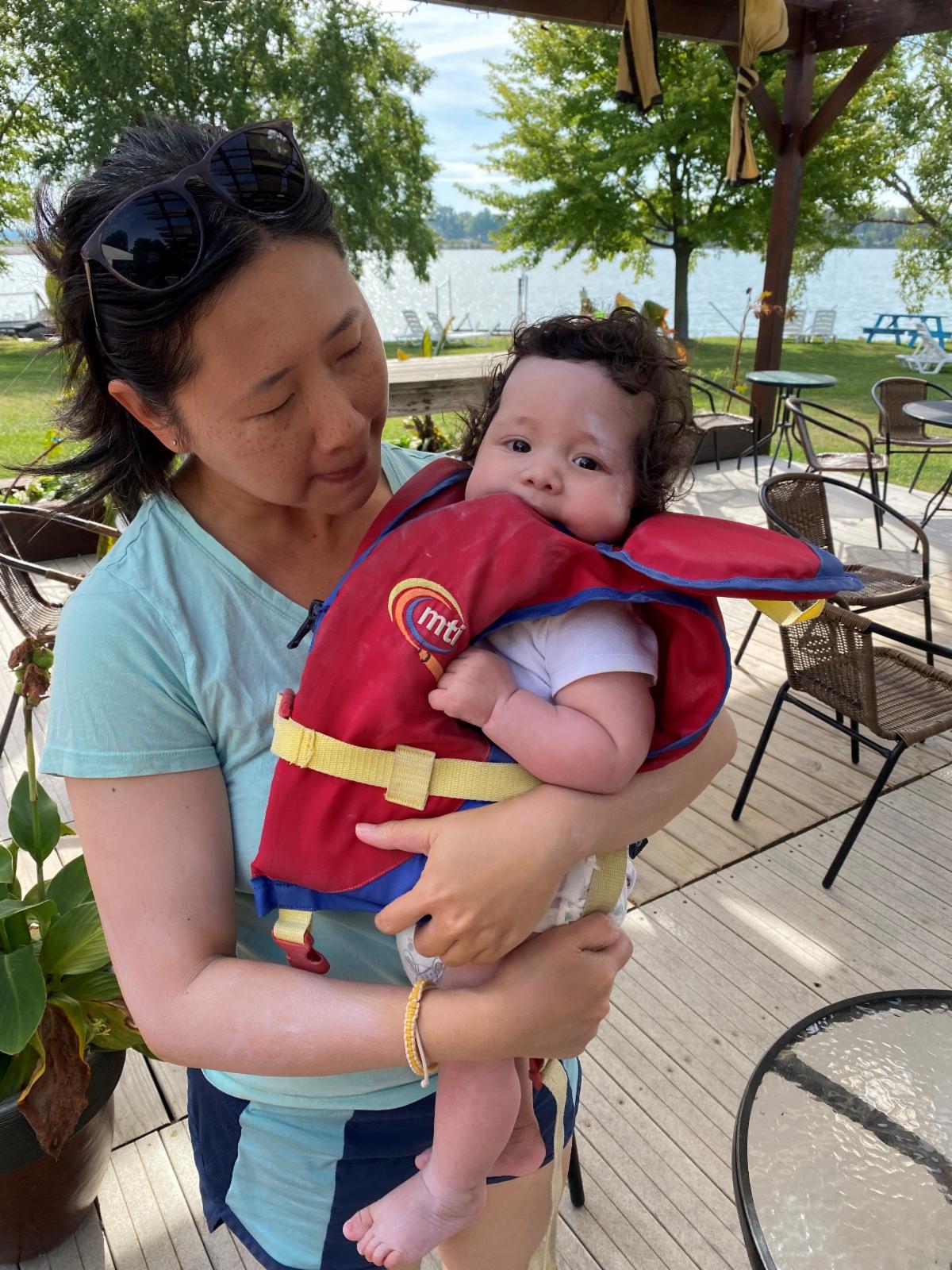
I love spending time with my two cat babies, Joey and Jessie, and I am also expecting a human baby, due in about a month! Amid my “nesting,” my husband and I have also purchased a double decker cat stroller that we use to bring our cats outside to feel the fresh and foggy SF air.
| |
Pictured Betsy expecting her baby! | |
Career Development Awards | |
Transition to Independence | |
|
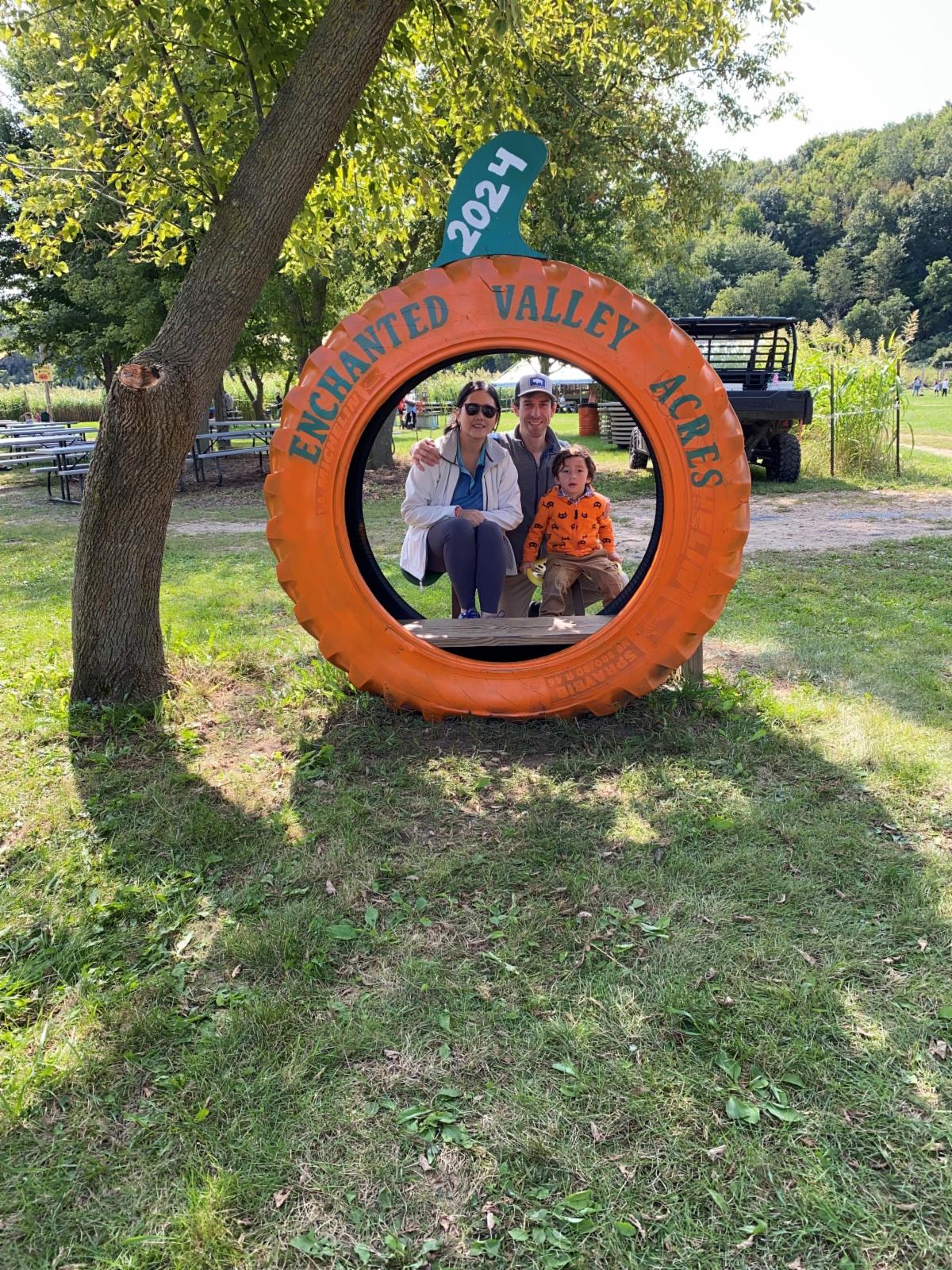
Jingshing Wu, MD, PhD, a fellow in the Department of Pediatrics, obtained a faculty position at the University of Wisconsin earlier this year, and we caught up with her and asked her a few questions:
What is your new position and how do you expect to divide your time between lab and clinical responsibilities?
I am a tenure-track Assistant Professor in the Department of Pediatrics, Division of Neonatology at the University of Wisconsin. I also have an affiliation with the University of Wisconsin's Cardiovascular Research Center. As a physician-scientist, I will be building my own research program as an independent investigator, developing courses/mentoring students, as well as working clinically as a neonatologist. About 80% of my time is protected for research.
What does your lab study?
My lab focuses on understanding how environmental factors can result in congenital heart disease. Through the use of small molecule screens, advanced microscopy, single cell sequencing technologies, proteomics, and functional assays, I am working on identifying how various environmental factors can disrupt the gene regulatory network that regulates cardiogenesis. Results from this work will further our understanding of the molecular mechanisms that are integral for cardiac development, uncover environmental factors that can result in congenital heart disease, and identify therapeutic candidates.
What made you want to become a physician-scientist or choose your area of research?
I became interested in being a physician-scientist because so much of the health/biological world remains unknown! While there is a strong genetic basis for congenital heart disease, the underlying cause(s) remain unknown for about 60% of patients. How environmental factors impact cardiac development remains poorly understood. Achieving an understanding of what these factors are will provide us with direct ways to improve human health.
What are you most excited about at the new institution?
I have been thinking about developing ways to understand how environmental factors impact human development ever since residency, and thus I am excited to be able to finally explore some of these research questions. I also enjoy mentoring others and am particularly excited about being able to mentor graduate students. I have had fantastic mentors throughout my training, and am looking forward to inspiring others!
Any non-science draws with your new position?
There are a lot of great outdoor activities to participate in. Madison has three large lakes and a significant rowing/sailing/boating culture. I had gotten into sailing when I was in college out on the East Coast, so I’m looking forward to introducing sailing to my two little boys. We’re also 40 min away from a few ski resorts.
Any tips or suggestions for our trainees in terms of how you negotiated your position/salary/start up?
The job search process is very intimidating, especially at first. Through my service as Society for Pediatric Research’s Junior Section President during my final year of fellowship, I had the opportunity to interact with many physician-scientists who mentored me through the job search. A key factor was being able to discuss career goals and receive help formulating/refining research ideas for my future lab. I am naturally introverted, and this gave me the confidence I needed, especially when negotiating my start up package with Department Chairs and Division Chiefs.
| |
Pictured Jingshing with her family. | |
|
Science Writing Strategies in Person Workshop
Gabe Murphy, PhD, a Research Development Strategist and Grant Writer in the Office of Collaborative Research (OCR), in the School of Medicine, led a science writing workshop in May. Gabe shared effective science writing strategies, emphasizing the importance of transitioning smoothly between ideas/concepts, as well as how to utilize schematics and graphics. If you would like to see his key points, please use the link button below to access them.
| |
Physician-Scientists in the Wild | |
|
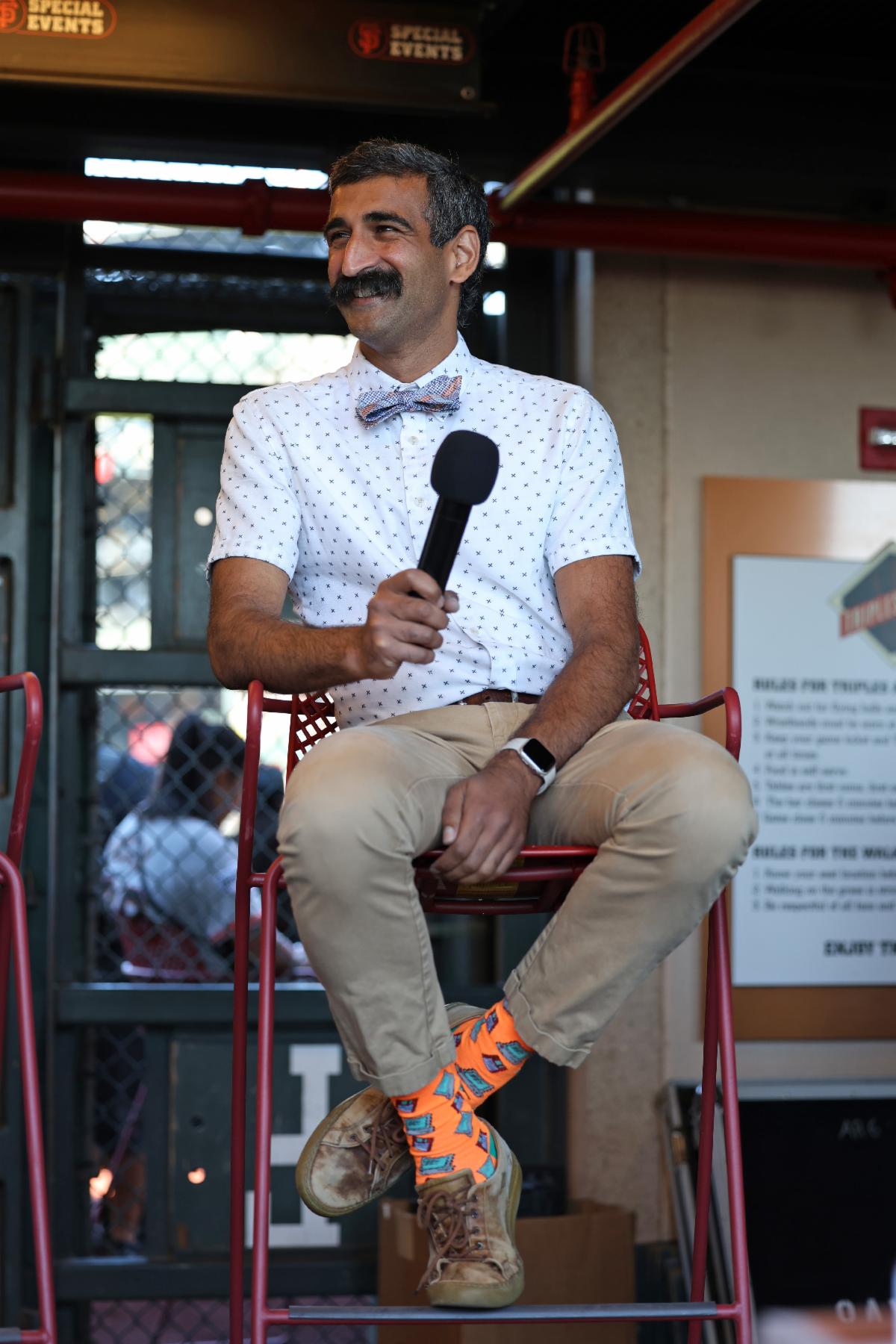
Presenting at The Giant's Pediatric Cancer Awareness Day
The Giants' Pediatric Cancer Awareness Day on September 3, 2024, included some 350 patients, families, caregivers, and organizations that support kids with cancer. Buster and Kristen Posey's fight against pediatric cancer is healing and inspiring kids. Pictured right Amit J. Sabnis, MD, MS, speaking at the event.
| |
|
NIH K08 Library of Resources
Please visit our library of resources that houses slide presentations, and copies of grant submissions. A confidential agreement is required for access. Please use the link below to sign it.
| |
|
Confidential Consultations
Has a significant issue arisen in your scientific or professional life as a laboratory-based physician scientist? Would you benefit from speaking with someone other than your primary mentor or other career mentors? If so, you can request a one-time confidential consult with one of the PSCDP leadership team members by using the link below.
| |
|
Mentoring Committees
PSCDP assembles mentoring committees for interested laboratory-based physician-scientists in Medicine, Neurology, or Pediatrics during the fellowship and/or junior faculty period, providing ongoing and scientific and career guidance. If you are interested in this service, please register below and we will contact you to begin the process.
| |
Please visit our website for access to all resources | | | | |