|
While PTSD can be a challenging and debilitating condition, many children and adolescents are able to manage their symptoms with the help of specialized care and supportive relationships. Trauma-informed care, primarily implemented by trained clinicians, is an approach that recognizes the impact trauma has on mental health and wellbeing and creates a safe and supportive environment for children and adolescents. This type of care utilizes evidence-based treatments to provide education and resources about trauma and PTSD.
Schools are well-placed to implement trauma-informed care. Health partners can work collaboratively with teachers and school staff to extend the principles of trauma-informed care beyond the therapeutic setting. They can execute professional development for both educators and other non-teaching staff with topics that can include:
- the concept of trauma-informed care
- a guide on creating safe and supportive environments
- strategies for promoting healing and resilience
- mindful approaches to avoid causing preemptive anxiety or distress
- coping skills needed to process traumatic events and manage trauma-related symptoms
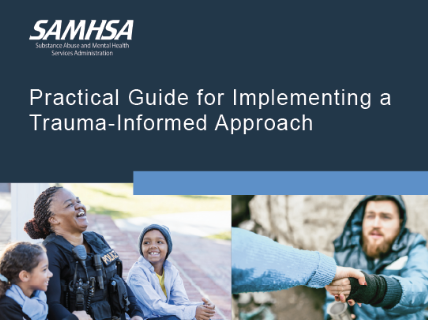
The three resources below provide guidance to both school staff and health partners on how to implement trauma-informed care in a school setting. These resources were developed by organizations that have additional relevant offerings you can explore. We hope the information below is helpful to you in your work.
|