FROM THE DOC
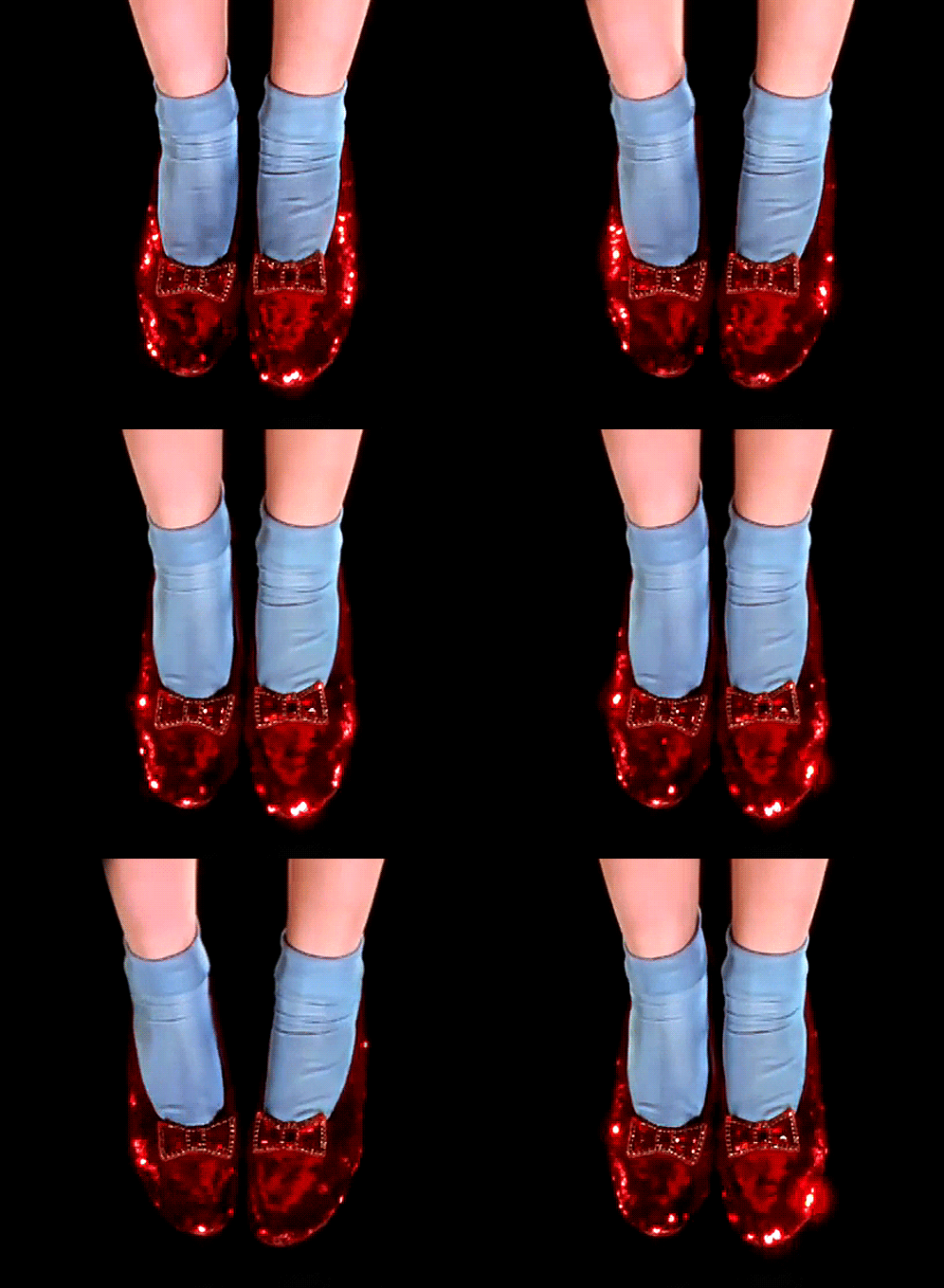
'We All Have On Our Ruby Slippers'
I cannot recall if I have written about The Wizard of Oz before in the newsletter. I probably have, but I am reminded of it because I recently saw the new version at
THE SPHERE, and it renewed my memories of the movie and all that is meant in my childhood.
There are many important themes and myths the make the story endlessly engaging, but the one that applies to health is related to the RUBY SLIPPERS.
Of course Dorothy's entire adventure in OZ is based on her need to get back to Kansas, and yet we find out at the end of her adventure, that she just had to click her heels three times to go back... the key to her problem was always with her, she just needed to rediscover it.
So too, with our health, we may look around for supplements or other solutions to our health problems, but the three most important keys to our own good health are with us all the time. Like her three fellow travelers in Oz, we have our helpers and they are: Eat right (make good food choices), Exercise (stay active as best you can), and Think (use your mind, keep it engaged and interactive).
So, we all have on our 'Ruby Slippers.' We should click them three times... eat right, exercise, think... and we will be on our way to good health.
Yours in good health,
Dr. Lakin
| |
Autumn Health & Wellness: Fall Into 6 Healthy Habits
| | |
Maintaining good health and wellness takes a little planning and a commitment to making choices that benefit both your body and mind. As the seasons change, so do our routines, energy levels, and health needs. Autumn is the perfect time to establish healthy habits, especially as cooler temperatures and shorter days make it tempting to slow down and spend more time indoors.
By focusing on a few essential areas of wellness, you can boost your energy, support your overall health, and feel your best throughout the fall and winter months.
1. Make Nutrition a Priority
Eating well can be challenging when you are managing food allergies, health conditions, dietary restrictions, or a limited budget. The key is finding a balanced approach that works for your individual needs.
Talk with your healthcare provider about your nutritional requirements and how to build a healthy, sustainable eating plan. This may include choosing more nutrient-rich foods, incorporating appropriate vitamins or supplements, planning balanced meals, and addressing food sensitivities such as lactose or gluten intolerance. It is also helpful to recognize the difference between foods that provide lasting energy and those that offer only a temporary boost.
Small, thoughtful changes to your eating habits can make a meaningful difference in how you feel.
2. Pay Attention to Vitamin D
As daylight hours decrease in autumn, it becomes even more important to pay attention to your vitamin D intake. Vitamin D helps maintain strong bones, supports muscle function, and plays an important role in immune health.
Although sunlight helps the body produce vitamin D, the amount you receive depends on factors such as the season, location, skin tone, and time spent outdoors. Protecting your skin from harmful ultraviolet rays remains important year-round. Foods containing vitamin D and, when appropriate, supplements can help meet your needs.
Ask your healthcare provider whether you are getting enough vitamin D and whether supplementation may be beneficial.
3. Keep Your Body Moving
Regular physical activity is one of the best ways to support your physical and mental well-being. Exercise can improve strength, balance, flexibility, mood, and energy levels.
You don't need an elaborate workout routine to enjoy the benefits of movement. A leisurely walk, a brisk stroll, light strength training, stretching, or a few simple exercises at home can all contribute to better health. Remember, a little activity is better than none.
If exercise feels repetitive or difficult to fit into your schedule, try changing your routine. Explore a new walking route, dance to your favorite music, work in the garden, or choose an activity you genuinely enjoy. If you have health concerns or physical limitations, consult your healthcare provider about safe and appropriate options.
4. Strengthen Your Overall Health
Taking preventive steps is an important part of staying healthy throughout the year. Schedule regular medical checkups, keep recommended vaccinations up to date, and discuss age-appropriate screenings with your healthcare provider. These may include screenings for colorectal cancer, breast cancer, prostate health, and other conditions based on your personal risk factors.
Healthy daily habits, including good nutrition, regular exercise, adequate sleep, and stress management, also help support your immune system.
If you live with an autoimmune disease or chronic health condition, your wellness needs may require special attention. Work with a healthcare professional who understands your medical history and can help you develop a realistic plan that fits your circumstances.
5. Make Sleep a Priority
A good night's sleep is essential for physical health, mental clarity, and emotional well-being. Most adults need at least seven hours of sleep each night, although individual needs vary.
Getting enough rest isn't always easy. Work demands, caregiving responsibilities, chronic pain, insomnia, sleep apnea, and other challenges can interfere with a consistent sleep schedule.
To encourage better sleep, establish a relaxing bedtime routine, limit screen time before bed, avoid excessive caffeine late in the day, and keep your bedroom comfortable and quiet. Going to bed and waking up at consistent times can also help regulate your sleep schedule.
If you regularly struggle to fall asleep, stay asleep, or feel rested in the morning, talk with your healthcare provider. Identifying the cause can help you find an effective solution.
6. Make Small, Sustainable Changes
Improving your health doesn't require changing everything at once. In fact, trying to overhaul your entire routine can feel overwhelming and make it harder to stick with new habits.
Instead, choose one realistic goal at a time. You might begin by adding a serving of vegetables to your meals, taking a daily walk, setting an earlier bedtime, or scheduling an overdue checkup. Once that change becomes part of your routine, build on your progress with another healthy habit.
Be patient with yourself and remember that consistency matters more than perfection. Every positive choice is a step toward better wellness.
Embrace a Healthier Autumn
As the days grow shorter and winter approaches, take time to care for yourself. By making thoughtful choices about nutrition, physical activity, sleep, preventive care, and daily routines, you can support your health and enjoy greater energy and well-being throughout the colder months.
Start small, set realistic goals, and give yourself credit for every step forward. Your health is worth the effort.
A Gentle Reminder: Everyone’s health needs are unique. Use these tips as a
starting point, and check with a healthcare provider to find what works best for you.
| | Mobility Tests Can Tell Doctors a Lot About How You’re Aging, But There Are Many Other Factors | | |
Hand grip strength. Balance tests. Standing up from a seated position on the floor. These physical challenges are often touted as measurements of healthy aging and even predictors of longevity.
They can provide valuable indications of your stamina and strength. They can estimate the risk of falls, which increase older adults ' risk of death. And they’re useful to doctors who work to address aging or people with injuries.
But they’re no crystal ball.
“A poor or declining result is a reason for a health professional to investigate why function is changing, rather than gauging how long someone will live,” said Auriel Willette, an expert on brain aging at Rutgers University.
Here’s a look at what mobility tests entail and how to apply the results to your health.
| | |
Our Pet Corner:
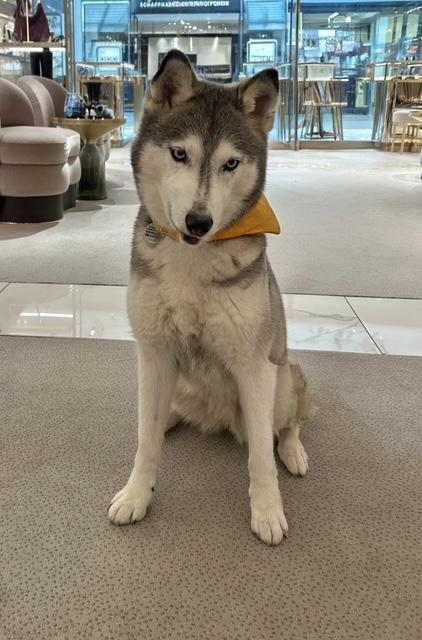
'Hi, I'm POLAR POP!'
| | |
BUNDLE OF LOVE. . .Please foster or adopt me!
- Spayed 50lb. Female Gray/White Siberian Husky Approximate age 8
- Yes, I like children and other dogs, but no CATS please
- Adoption fee $300 or I am available to foster
Don't be discouraged by my "senior" age! I have a brave spirit and a sweet nature. I still like learning new tricks and I love to "sit" like the lovely lady I am. Fun fact, I love to sit and take a cucumber slice so nicely and gently.
I am a "chatterbox" and I love to convey my thoughts the way huskies love to do! I am still energetic and love going on gentle adventures. Adopting me means gaining a loyal friend who's smart, caring and beautiful too!
I'm ready to bring joy and companionship to a loving home.
Could that be you!!? I am available for adoption for $300 or available to foster.
XOXO,
POLAR POP
HEART OF INFINITY RESCUE
A 501 (c)(3) nonprofit organization that focuses on raising funds and awareness to save Arizona dogs in need.
Our rescue is foster based/volunteer run and is only able to save dogs with the help and support of our community.
DOGS WE SAVE: As a NEW HOPE PARTNER WITH MARICOPA COUNTY ANIMAL CARE & CONTROL (MACC), we're able to pull dogs off of the county's EUTHANASIA list ("e-list') and thus saving their lives by placing them in foster homes until we find their FOREVER home.
Our focus is saving "fear" dogs - who receive deadlines simply for being fearful in the shelter environment.
E-mail: woof@heartofinfinity.org
-Lisa Collins, Volunteer
| | One Tech Tip: How to Soothe Thumb Pain When Texting and Scrolling | | |
Do your hands hurt when you use your phone? All that texting and scrolling might be stressing out your fingers.
The term texting thumb can describe a wide range of phone-related pains caused by tired-out tendons and achy joints — like general stiffness, throbbing near the knuckle and a clicking sensation when bending the thumb. If left untreated, repetitive typing and swiping can lead to more serious issues like carpal tunnel and arthritis.
People have pecked away at devices for decades with warnings about overuse injuries — think BlackBerry thumb. Today’s smartphones have gotten larger and heavier, and the way we use them has also shifted: Beyond talking and texting, it’s common to doomscroll for hours, pay medical bills and even watch full-length movies and TV shows.
“Mobile devices are here to stay. So rather than saying ‘you can’t be on your device,’ we really just need to learn and think about ways to make the devices compatible with modern life,” said Dr. Maureen O’Shaughnessy with the University of Kentucky HealthCare Hand Center.
| |
Life Rarely Goes According to Plan. Here’s How to Get Better at Adapting
| | |
Will you get the job? What will the medical test results show? And what’s with that ominously vague email your boss sent?
Uncertainty and change have always been challenging to handle, for some people more than others, said Michel Dugas, a psychology professor at the University of Québec in Outaouais. There’s also today’s rapid changes in politics, technology and more.
We can all benefit from becoming more comfortable with not knowing, he said.
“Uncertainty is a fundamental part of life, whether it’s our relationships, our health, our finances,” Dugas said. “Learning to be able to deal with not knowing is a fundamental skill for quality of life.”
With effort, uncertainty can be not just tolerated, but embraced.
“Wouldn’t that be kind of boring if you always knew what would happen?” he said.
Why uncertainty bothers us
Discomfort with uncertainty exists on a continuum and changes with circumstances, said Nick Carleton, a psychology professor at the University of Regina in Saskatchewan, Canada. An unopened box may look exciting when it is surrounded by balloons, friends and the smell of cake. Unattended in a subway station, a box feels very different.
| | |
Thom's Travels
'Paris When It Sizzles'
| | | |
‘I love Paris in the winter when it drizzles,
I love Paris in the summer when it sizzles.’
So goes the famous song tribute to Paris. But in my lifetime of 27 trips to Paris, I have never had temperatures over 90 degrees every day as they did in July of this year. As a desert dweller I knew how to walk in the shade, frequent air-conditioned museums and restaurants and wear shorts.
Believe me this was the first time for me to wear shorts in Paris along with many Parisian men this year.
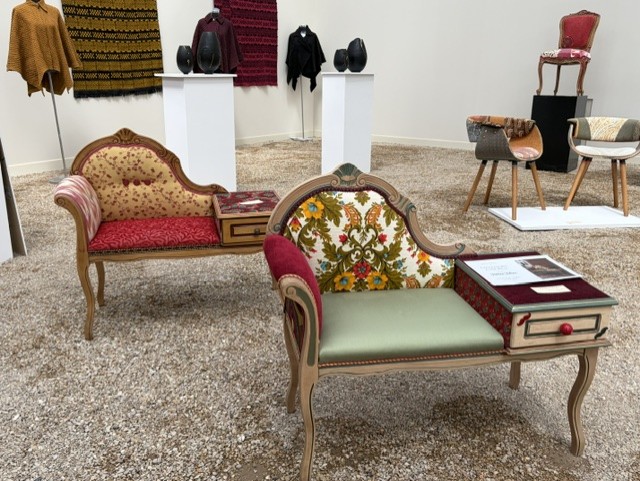
| | I love architecture as shown here on the rue de Courcelles opposite my hotel in the 17th. In the Luxembourg Gardens I attended three art expos in a row and one of them on furniture with fabrics was outside but covered. The caretaker walked the gravel track surrounding the exhibit spraying. The track with water as we do for evaporated cooling here in the desert. | | |
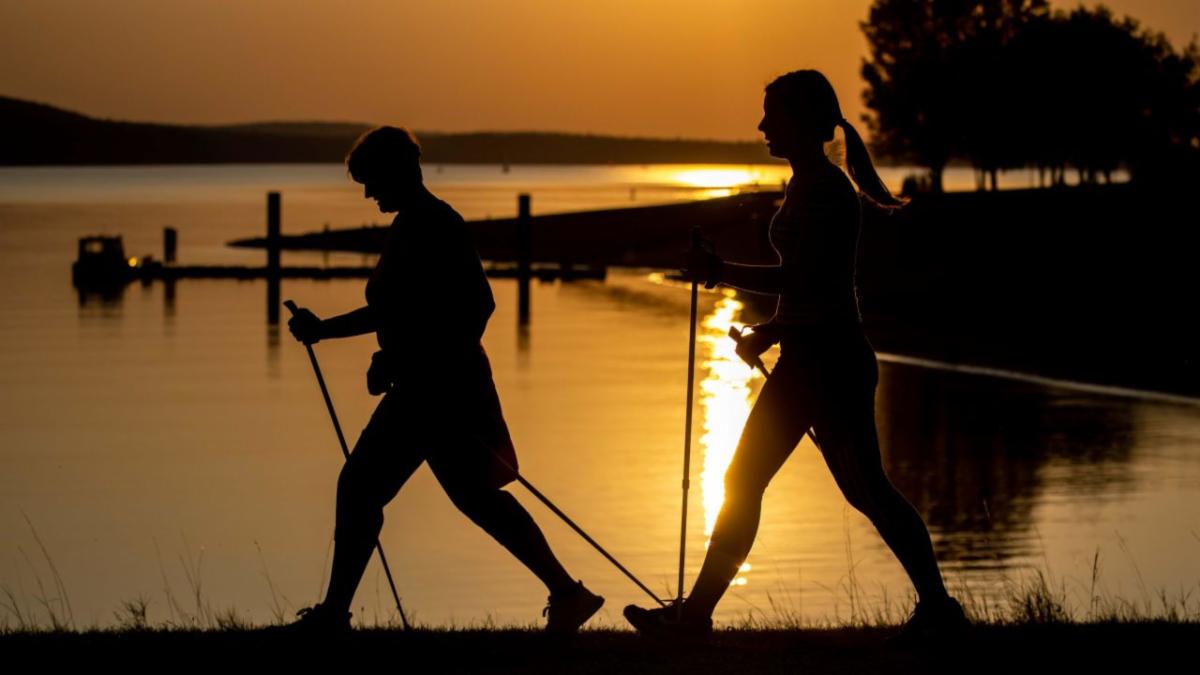
For five visits in a row to Paris, I attended the dinner cabaret in the Latin Quarter. The head of security knows me by now with my gray hair and trekking poles, so he opens the velvet rope and gets me a chair before admitting me first, escorted to a front row spot.
Each year there is a different show with only two performers I recognized. I tip the security head to get me a cab to my hotel at midnight.
| | Something new in Paris was the swimming pool in the Seine for locals, and it was immensely popular. | | There are two islands in the Seine: The Ile de la Cite where Notre Dame is found, and the Ile Saint Louis which also has a cathedral to which one of the first public clocks in Paris is attached. | | |
I found a bargain lunch with view next to a family from Spain. The father told me his boy was interested in the US and planned to take English. So, I gave him a postcard of Scottsdale as souvenir.
The 17th arrondissement is an upscale neighborhood with park and gardens to match. Here you see the ornate entrance and rotunda with restrooms. A cool drink on a hot day was enjoyed, and I shared a bench with a young Muslim woman completely covered except for her face. We spoke freely about conditions in France.
| |
My advice:
Go to Paris in the heat of summer when it is too hot to demonstrate or riot!
| | |
The Rise and Fall of America’s Deadly Love Affair with the Cigarette
By MIKE STOBBE, AP News
| | |
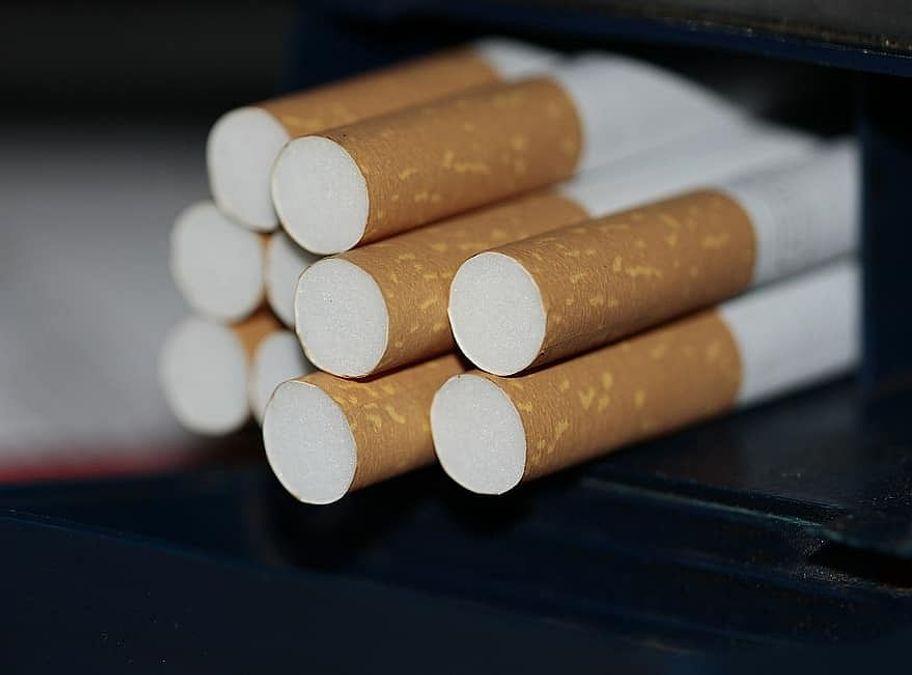
Cancer stick. Coffin nail. Cowboy killer. Those are nicknames, through the decades, for the cigarette — the once-glamorous desideratum of American society that has been tied to tens of millions of U.S. deaths.
The cigarette is not an invention of the United States. And while Marlboro is a top-selling international brand, more than 100 countries make cigarettes. The largest manufacturer is in China.
But U.S. ingenuity drastically altered the global tobacco industry. And American culture embraced it in the 20th century, making it — for a time — a symbol of stylish adulthood in U.S. movies and media, and omnipresent in bars, restaurants, airplanes and even hospitals.
Smoking became “a rite of passage for many young people,” and by the 1950s nearly half of U.S. adults smoked, says K. Michael Cummings, a tobacco history scholar at the Medical University of South Carolina.
“I remember making ashtrays for my parents for Mother’s Day and Father’s Day gifts,” says Cummings, 73. “I remember giving cartons of cigarettes as Christmas gifts. I mean, smoking was so common. It was just part of Americana.”
Early versions of cigarettes can be traced back thousands of years to the Mayans. But hand-rolling each cigarette was time-consuming and labor intensive.
That changed in the 1880s, when a Virginia inventor named James Bonsack invented an automated cigarette-rolling machine that could make smokes 50 times faster. Early tobacco magnate James Buchanan Duke invested in the technology, and used it — along with the development of more palatable tobacco blends — to build the cigarette business into a major American industry.
Cigarettes were clearly addictive, and the idea that smoking could kill was long suspected. Automaker Henry Ford warned against cigarettes in the 1910s, putting out a brochure in 1914 that called them “little white slavers” and argued they were habit-forming, bad for health, and were associated with bad morals.
| | |
Throughout most of my career as a physical therapist, January has consistently brought an influx of patients seeking treatment for injuries they had put off addressing until after the holidays. The reasons varied. Perhaps it was a New Year’s resolution, simple procrastination, or just not having ample time. While we can all appreciate the busy, chaotic, and often overbooked nature of the holiday season, your injury doesn’t care how busy you are. Unfortunately, putting off treatment doesn’t mean the problem goes away. In fact, it often means the opposite.
I’ve referred to the period from mid-November through the second week of January as “the most noncompliant time of the year.” During this time, we don't take the best care of ourselves. Generally, during this time, we don’t do the things we should be doing and we do the things we probably shouldn’t. We’re running around entertaining guests, trying to find gifts for friends and family, attending or hosting holiday parties, navigating heavy holiday traffic, traveling, and, of course, indulging a little more than usual.
We manage to check plenty of things off our holiday to-do lists, but too often, we neglect one of the most important items on the list: ourselves.
| | |
I understand that finding time for physical therapy during the holidays can be challenging. Schedules are packed, commitments pile up, and taking an hour for yourself can feel like just one more thing to squeeze into an already hectic day. But prioritizing your health now can make a real difference in how you feel heading into the new year.
That nagging shoulder pain, stiff neck, aching back, or sore knee may seem manageable today. You might tell yourself you’ll deal with it in January, when things finally settle down. But pain that is ignored can persist, worsen, or begin to interfere with the very activities you want to enjoy. Also, waiting can also allow you to develop compensatory movement patterns that create additional problems down the road.
You don’t have to put your life on hold to take care of your health, but you shouldn’t have to put your health on hold to live your life, either.
You don’t need to wait for a New Year’s resolution to make a change. If pain or limited mobility is keeping you from doing the things you enjoy, now is a good time to address it. A physical therapy evaluation can help identify what’s contributing to your symptoms and determine the best course of action before the problem becomes a bigger obstacle.
This holiday season, make yourself a priority, too. Enjoy the festivities, spend time with friends and family, and take care of the responsibilities that come with this time of year. Just don’t forget to take care of yourself along the way.
If nagging pain or limited mobility is keeping you from doing the things you enjoy, you don't have to wait until the new year to address it. ReThrive provides personalized, one-on-one mobile physical therapy, bringing expert care directly to your home or another convenient location. Even during the busiest time of the year, taking care of yourself can be easier than you think.
Interested in learning more? Contact ReThrive to find out how our concierge physical therapy services can help you move better, feel better, and stay active.
About the Author
Eric Ullman, PT, DPT, is the owner of ReThrive Physical Therapy and Wellness, a Scottsdale-based multidisciplinary concierge healthcare practice providing personalized, one-on-one mobile physical therapy, occupational therapy, myofascial massage therapy, and other wellness services. ReThrive brings individualized care directly to clients, helping them maintain mobility, function, and quality of life.
Website: https://rethrivewellness.com/
Office Phone: (480) 935-8225
| |
'Exciting Places to See Around the Corner!'
-By Deborah
| | | |
'GIANT 80-foot Boardwalk Big Wheel is officially open. . .'
| | |
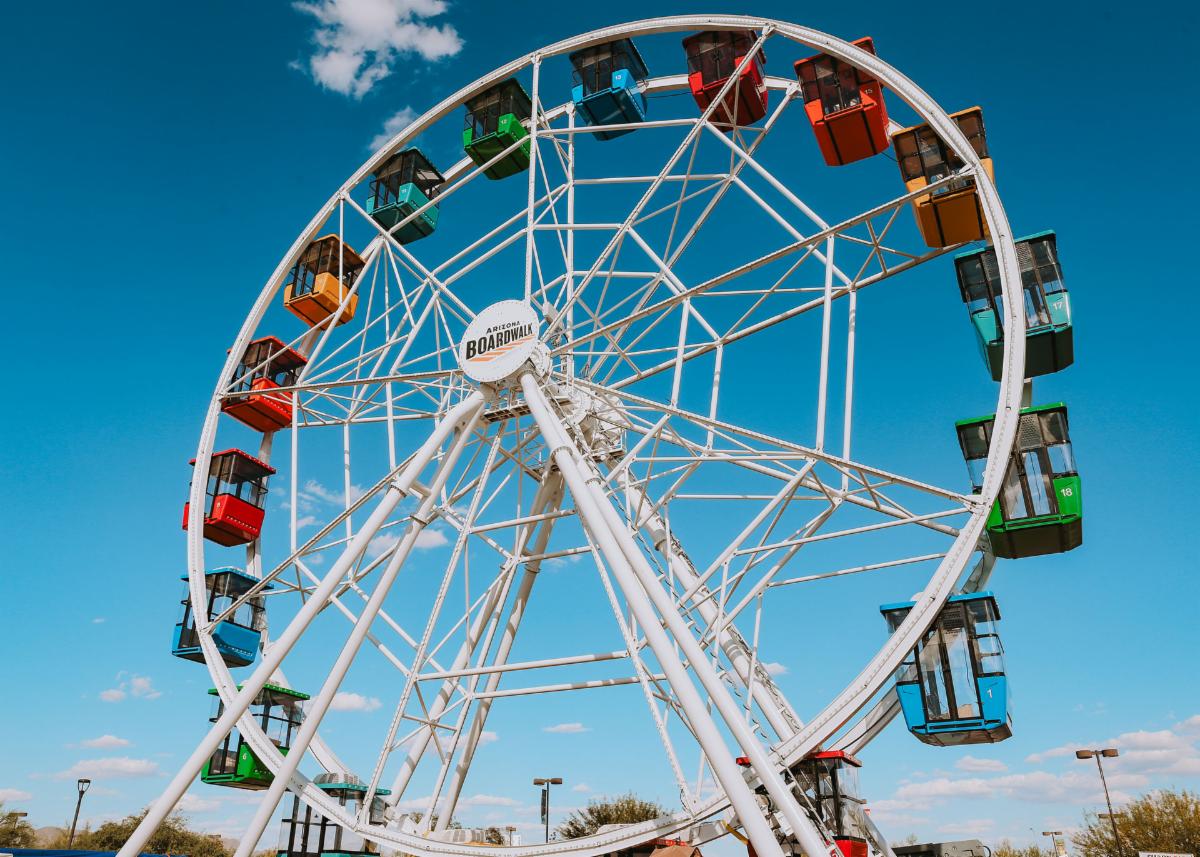
If you’ve driven on the 101 near Via de Ventura lately, you couldn’t have missed the 80-foot tall Big Wheel (gondola ferris wheel) recently added to the Arizona Boardwalk in celebration of its 10th anniversary.
Great News!
It’s now open to all those young-at-heart. The 18 climate-controlled gondolas each hold a family of 6, offering 360-degree panoramic views of the Scottsdale desert and mountains. The gondolas go around at a slow pace, lasting 5 to 8 minutes, but you may still experience a tickle in your stomach. Includes pleasant music and full color LED lighting, seen after dark. No reservations are needed, just drive to 9500 E. Via de Ventura (and head toward the Big Wheel – you can’t miss it). Tickets are $10 for the first rider and $8 for each additional rider in the same gondola. Open 10am to 7pm daily.
What a nice activity to share with your friends and neighbors or a great adventure with the grandkids. I took my parents for their anniversary and they loved it.
Arizona Boardwalk has attractions that include OdySea Aquarium, Butterfly Wonderland, Cyber Quest Arcade, UFO Experience, Museum of Illusions, Pangea Land of the Dinosaurs, Laser and Mirror Maze, Cluville Kid’s Escape Room, and the Boardwalk Carousel. There are restaurants on-site with food and treats you’ll be sure to enjoy.
They also host a wide variety of free events for the whole family in the courtyard of their massive complex. Check their website for more information.
| | A Novel mRNA Cancer Vaccine Helps Reduce the Chances of Melanoma Patients’ Tumors Returning | | |
A first-of-its-kind cancer vaccine is significantly reducing the chances that melanoma patients’ tumors come back, according to results of a major study released Thursday by drugmakers Moderna and Merck.
The vaccine was custom-brewed for each patient to match their tumor. Adding it to a standard post-surgery treatment reduced by 42% the risk of melanoma returning two years after surgery, according to the most advanced study to date of this new strategy for fighting cancer.
“The field has been looking for a win and I think this one is a big one,” said Dr. Hussein Tawbi of MD Anderson Cancer Center in Houston, one of the researchers in the international study.
The vaccine, called intismeran, is made with the same Nobel Prize-winning mRNA technology that was behind COVID-19 vaccines. Experimental personalized cancer vaccines made with mRNA and some other approaches also are being tested against other types of cancer including lung, kidney and pancreatic.
Experts not involved with the new study say its success bolsters the field.
“This is a new frontier,” said Karen Knudsen, CEO of the Parker Institute, which helps fund cancer immunotherapy research.
“It’s a big step forward for science, for oncology, because this vaccine will apply to many different cancers,” said Dr. Michael Atkins, deputy director of Georgetown University’s Lombardi Comprehensive Cancer Center.
Moderna and Merck had announced in August that the late-stage trial of intismeran was successful but the detailed results were set to be released Saturday at a meeting of the European Society of Medical Oncology in Madrid. Some of the data was leaked publicly late Thursday, prompting a full release ahead of the weekend’s scientific presentation.
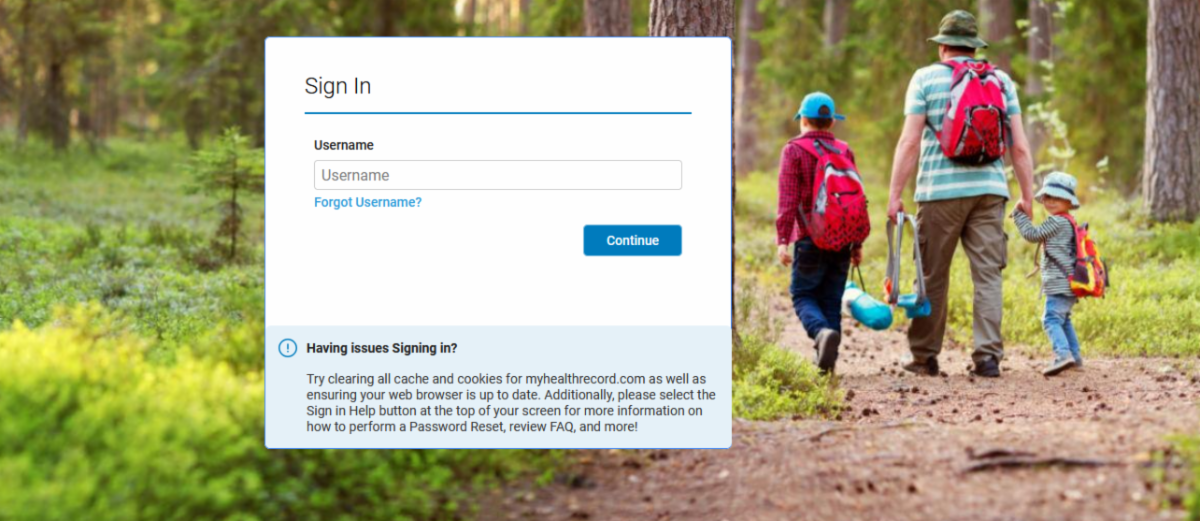
| | MyHealthRecord.com Patient Portal Security Update | | |
Hello!
As many of you may have recently noticed, there now is another security feature applied to our patient portal, MyHealthRecord.com. It requires you to verify your email address through a PIN number assigned to your account.
This is a one time only process and then your account will have an additional level of safety to ensure security and be compliant with industry standards. If you have not completed this yet, we encourage you to do so with your next login.
Here are some tips to help make the process go smoothly. CLICK HERE!
**Other helpful tips, if you are having trouble accessing My Health Record, please attempt the following before signing in:
- Clear all cache and cookies for myhealthrecord.com.
- Manually check under browser settings to ensure you are on the latest version of your browser.
- Do not sign into Myhealthrecord.com using Incognito Mode or Private Browsing.
As always, if you need additional support, please contact our office.
Thank you!
Dr. Lakin & Staff
| |
The Best Women’s Ankle Boots for Fall, According to Stylists and Podiatrists
| | |
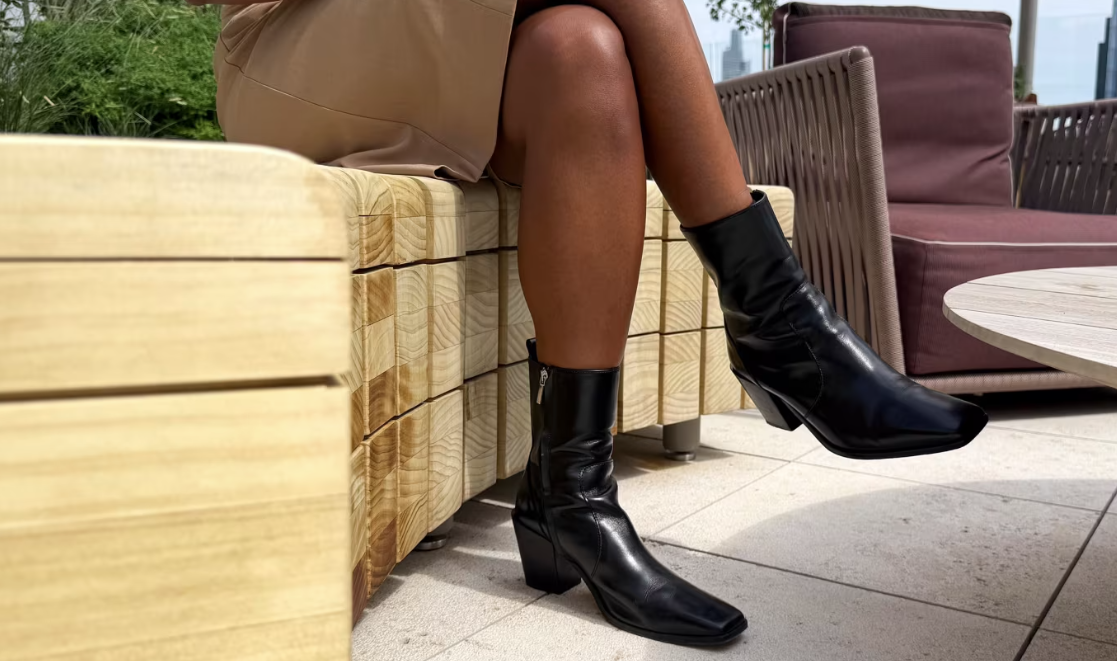
Even though ankle boots can be worn year-round, we’re especially excited to slip on our favorite pairs this fall and lean into the season’s biggest fashion trends. Between sleek leather booties that go just as well with your favorite jeans as they do with comfy slacks to Western-inspired pairs (we’re big fans of cowboy boots over here), there’s no shortage of comfortable and stylish options to shop this fall.
To get you started, we consulted multiple stylists and podiatrists for their top picks and recommendations on what to look for when you’re shopping so that you can find the best pair of ankle boots for your fall wardrobe.
Plus, we’ve included some helpful styling tips in the FAQ section at the bottom of this article.
Featured Picks:
Chelsea boots
Laceless boots
Suede boots
Knitted boots
| |
What Are Ya — Yellow?
The Rubber Duck Carries Filaments of
American History in its ‘Feathers’
| | |
It’s not just a squishy noisemaker. The rubber duck is an American invention with a deep and rich past.
The cute, often yellow toys have seen a resurgence in recent years, especially in tourist shops from the U.S. Open to Buckingham Palace, and are beloved across the world.
The duck’s origin story was forged in fire, according to popular lore. Charles Goodyear, inventor of vulcanized rubber, is said to have shaped leftover rubber into a duck as a chew toy for dogs and a teething aid for babies. (This heritage lives on in one Ohio minor-league baseball team — the Akron RubberDucks.)
Vulcanization made the rubber waterproof and mostly indestructible, but also heavy. It wasn’t until 1931 that Elenore Shannahan revised the design so it would float and become part of bathtime fun. The patent states her toy could “produce a fountain-like effect, and enable the playing of pranks by one person on another by the squirting of a fine stream of spray upon the face or other parts of a person.”
The Walt Disney Co. and Seiberling Latex Products created a floating Donald Duck water toy in 1938, which helped the rubber duck become popular around the globe. The vinyl duck known today traces to sculptor Peter Ganine’s 1947 design, according to St. Neots Museum.
When the rubber duck was inducted into the National Toy Hall of Fame, the museum said its “bright color, smooth texture, and (for some) squeaky or quacky sounds sharpen toddlers’ senses,” solidifying its usefulness around the house.
The bath toy also inspired a Billboard hit. “Rubber Duckie” peaked at No. 16 on the Hot 100 in the magazine’s Sept. 26, 1970, issue. The song earned the first Grammy nomination for Jim Henson, the voice of Ernie on “Sesame Street,” according to the Grammy Awards website.
| | Welcome to our online store! | |
Thanks to CafePress.com, we can sell a number of products with unique graphics on them. Feel free to browse our store and buy anything you like!
**Please note:
100% of all profits from the shop are donated to the Virginia G. Piper Cancer Center, for breast cancer research.
| | | | | |