Pain and Exercise for Older Adults | | |
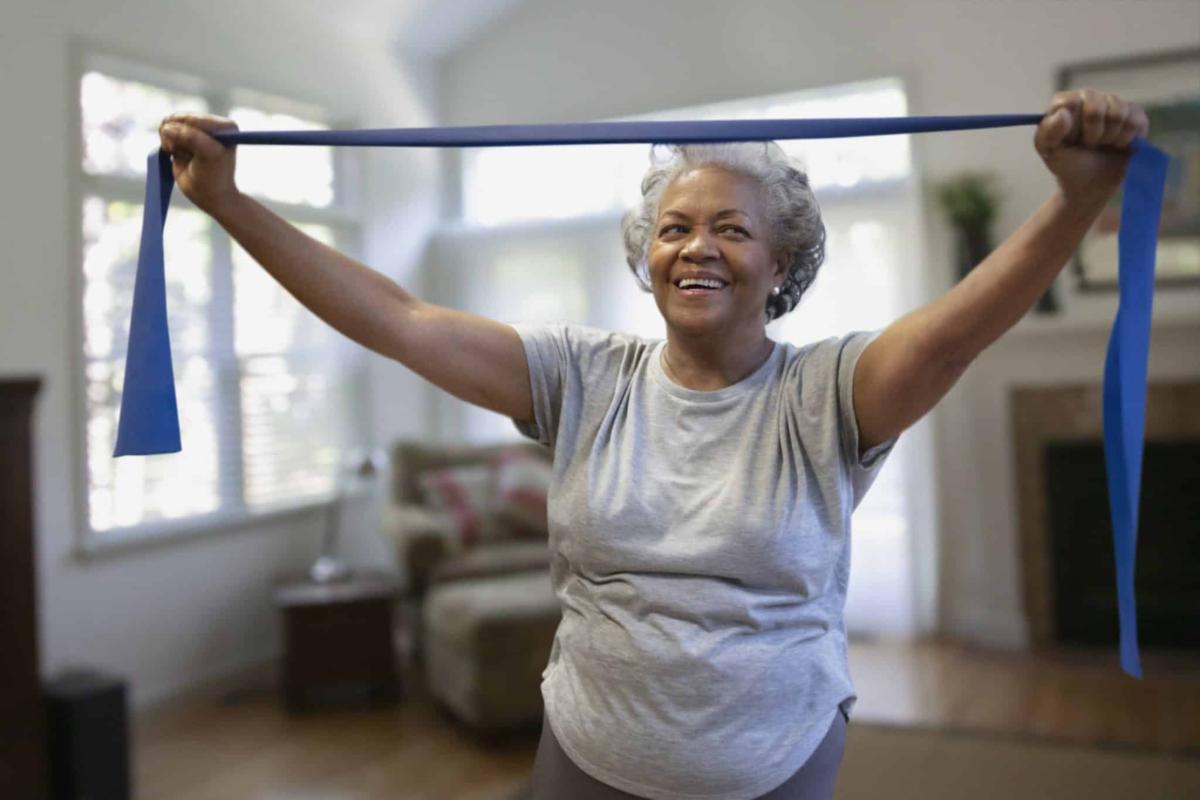
When it comes to exercise, many older adults weigh the pros and cons:
Should I exercise or should I rest?
💭 The Consequences of Not Exercising
Choosing no exercise can lead to:
- Stiffness and weakness
- Fear of falling
- Increased chronic pain
- Gradual loss of independence
- More inactivity, which worsens stiffness, weakness, and pain
- Higher risk of falls during everyday tasks like bathing or toileting
⚠️ The Risks of Exercising (and Why It’s Still Worth It)
Yes, exercise can sometimes lead to minor sprains or muscle strains, especially if done without proper support, rest, or guidance.
- However, the benefits far outweigh the risks — you’ll most likely enjoy life more!
| |
CDC: Evidence-Based Benefits of Exercise
Exercise benefits EVERYONE, including frail elders. It can:
- Improve sleep
- Manage moods (depression and anxiety)
- Enhance cognitive function
- Help control diabetes and blood pressure
- Strengthen heart health
- Support recovery from cancer
- Boost confidence and social engagement
Check with Your Doctor Before You Begin
Most people can safely start with walking or gentle movement, but check with your doctor first if you:
- Are unsteady or have dizzy spells
- Take medications that cause drowsiness
- Have heart disease, asthma, high blood pressure, diabetes, or osteoporosis
You may want to check out a helpful tool called the Physical Activity Readiness Questionnaire (PAR-Q). It was developed by the Canadian Society for Exercise Physiology to help people decide whether to talk to a doctor before embarking on or ramping up any exercise program.
🔗 Read more at Harvard Health
| |
The nuts and bolts of what exercise does for the body:
- Strengthens muscles to support joints and keep them in proper alignment.
- Improves range of motion to lubricate joints and manage age-related stiffness.
- Boosts coordination and confidence for daily activities like walking, gardening, or dancing.
- Builds endurance by improving heart and lung function.
| |
What If You Have Pain During or After Exercise?
A good rule of thumb: “Exercise should not cause pain that lasts more than 2 hours after activity.” Soreness the next day after new exercises is normal.
“It’s normal to have some pain, stiffness, and swelling after starting a new physical activity program. It may take 6 to 8 weeks for your joints to get used to your new activity level, but sticking with your activity program will result in long-term pain relief.”
See your doctor if you experience any of the following:
- Pain that is sharp, stabbing, and constant.
- Pain that causes you to limp.
- Pain that lasts more than 2 hours after exercise or gets worse at night.
- Pain or swelling that does not get better with rest, medication, or hot or cold packs.
- Large increases in swelling, or your joints feel “hot” or are red.
|
Simple Exercises to Get You Started
Here are a few gentle, tried-and-true exercises for different parts of the body:
| |
The Knee
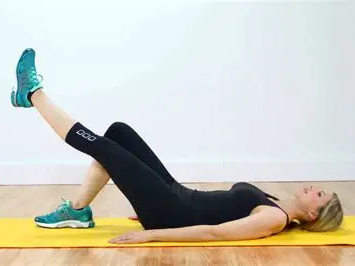
Straight leg raise: to provide more muscular support to front of knee (Do this 3-4 times a week.)
- Lie on your back with your legs straight.
- Then bend one knee up and place it flat on the floor (or bed).
- Tighten the muscle on top of the knee of the straight leg.
- Then lift the straight leg up off the bed while holding it straight.
- Lift at about a 45 degree angle.
- Hold it there for about 3 seconds.
- Lower it down.
- Repeat 10 to 15 times.
| | | |
The Ankles and Feet
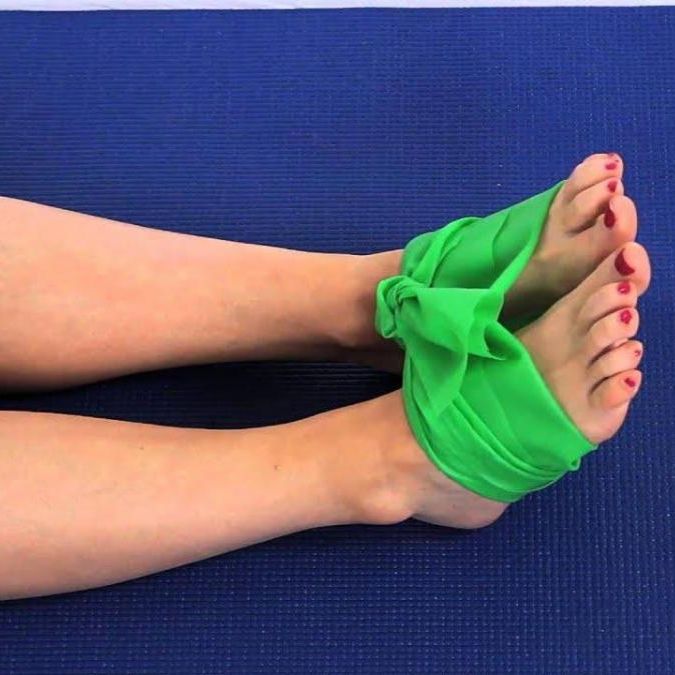
Ankle eversion: This basic exercise strengthens ankle eversion. This exercise helps prevent the most common ankle strains. Recommendation: Do this 3-4 times per week.
As you can see in the photo here, there is a resistance band wrap around both feet.
- Start with the feet straight (normal standing relaxed position).
- With the band wrapped around both feet, move them outward, making a “V.”
- Hold that for 3 seconds and repeat 10-15 times.
| | | |
The Back (low back, mid back)
Posture: avoid prolonged sitting and incorrect lifting
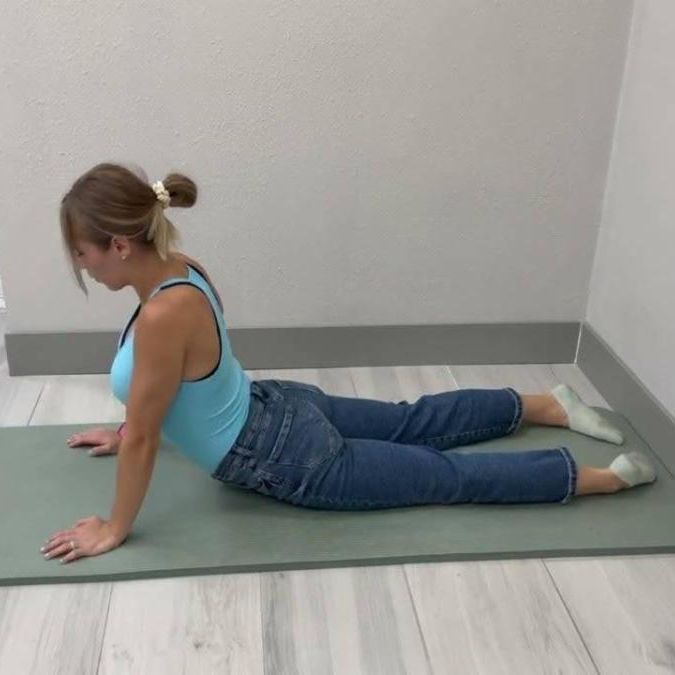
Back extension exercise: Here’s a photo of a simple back extension exercise. Often recommended for common back discomfort problems. Also known as “prone press up” or “upward dog.”
- Press up slowly, hold for 3 seconds, and come down again slowly.
- Repeat 10-12 times.
- Do this 3-4 times per week, or daily, as needed.
| | | |
The Neck
Posture: Avoid prolonged forward head position, often while sitting hunched over homework, computer work, knitting, etc.
Neck retraction exercise: Listen and watch this excellent video for neck retraction exercise to “get the hang of it”
| | |
The Shoulders:
Wall slides: Works on proper posture for maximum shoulder strength, power, mobility, and comfort. Listen and watch this excellent video to “get the hang of it.”
| | |
Hips:
When you sit most of the day, your hips can get tight and stiff. Especially your hip flexors—“the scourge of modern society.”
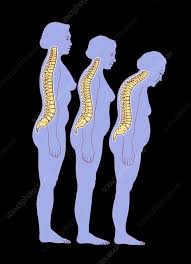
When your hip flexors are tight or short, it can become hard to stand up straight. Especially as we age. This can and often does result in pain, a forward bend, and a slow shuffling gait.
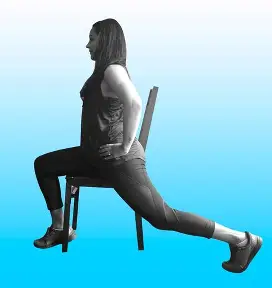
3 Hip flexor stretches (in different positions)
Pictured here: Hip flexor stretch in (1) sitting, (2) kneeling or (3) lying down.
Aging and a forward-bent position related to tight hip flexors.
| | | |
|
Hands and wrists:
5 easy exercises for ease of movement and function in the hands, wrists, and elbows to do every day. Check out this YouTube video:
| |
Join Our Free Online Fitness Classes!
Get moving with DayBreak’s “Get Your Zoom On” class — free, twice a week, and led by a geriatric-certified Doctor of Physical Therapy (this author). You’ll move safely, build confidence, and connect with others — all from the comfort of home.
| | |
— Susan Musicant, DPT
Injury Prevention Specialist at DayBreak
| |
Upcoming Events & Workshops 📣 | | Your support provides safety and stability for seniors in need, helping them stay connected and securely housed in our communities. Let’s continue to spread the love together! | | |
If you know an elder in need of our care and coordination services, or a caregiver seeking support, please encourage them to reach out to us at:
510-834-8314
| | | | |