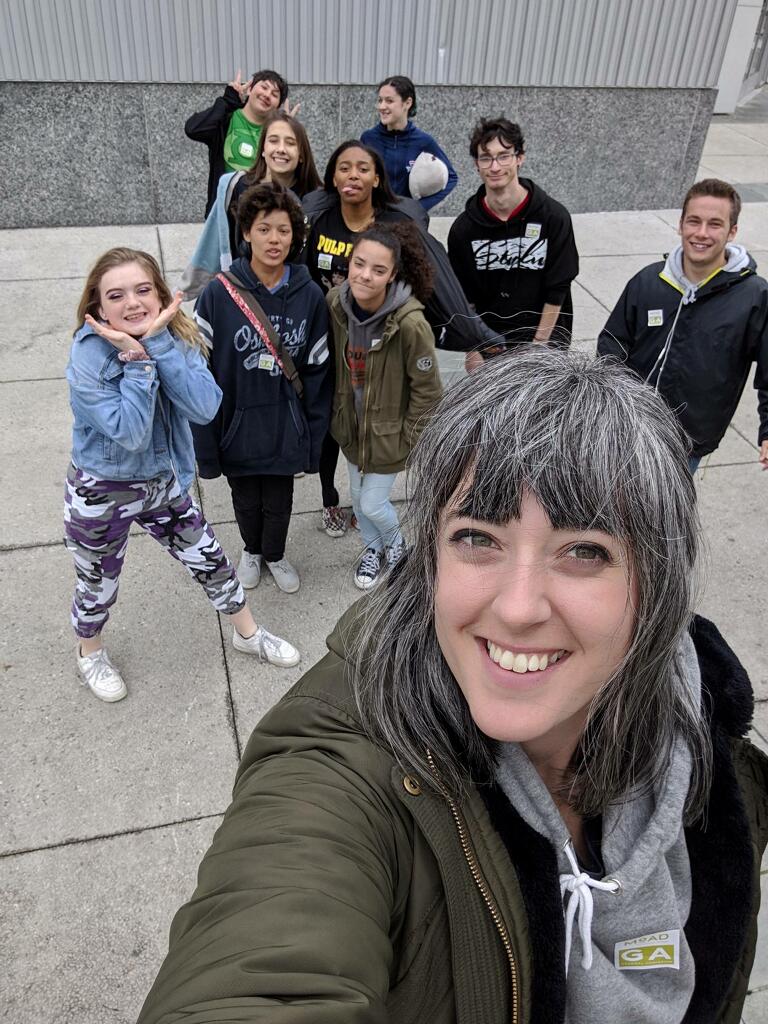
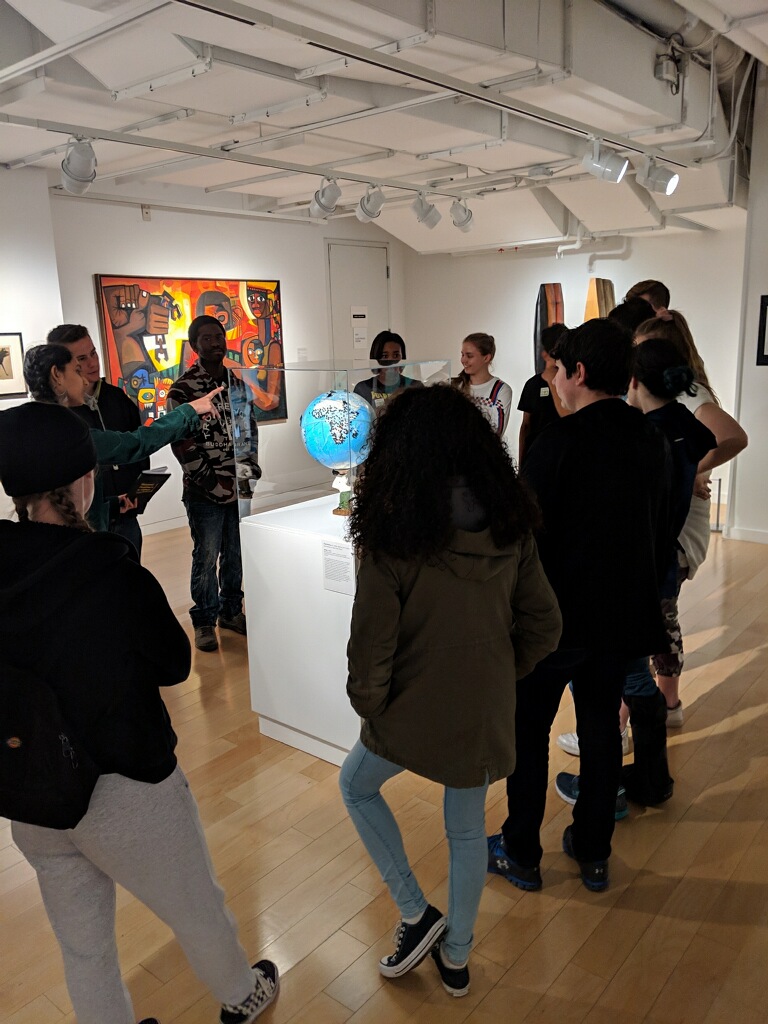
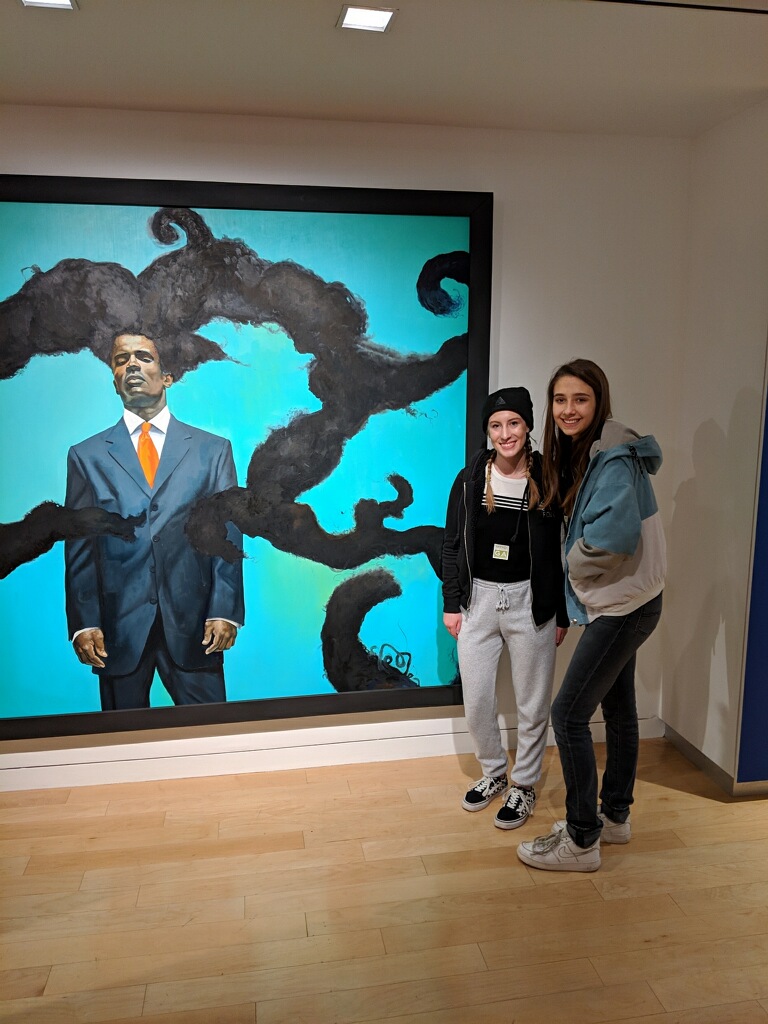
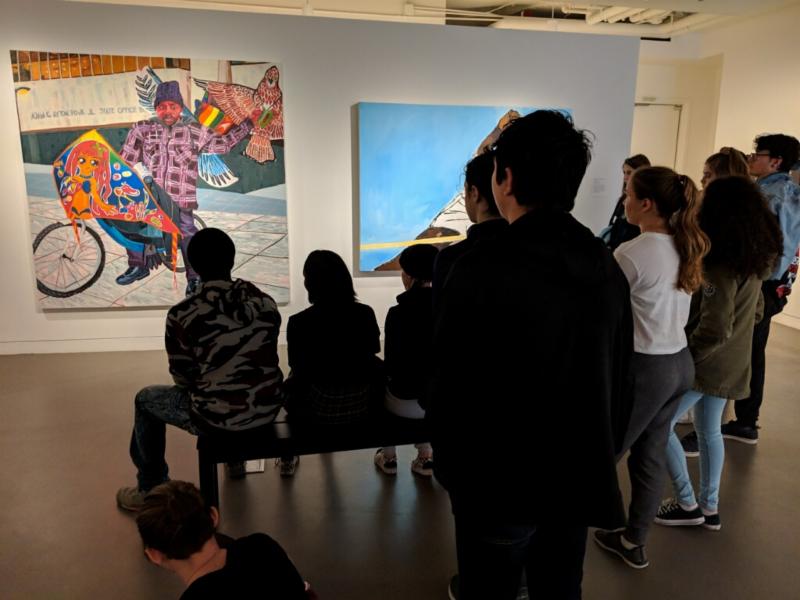
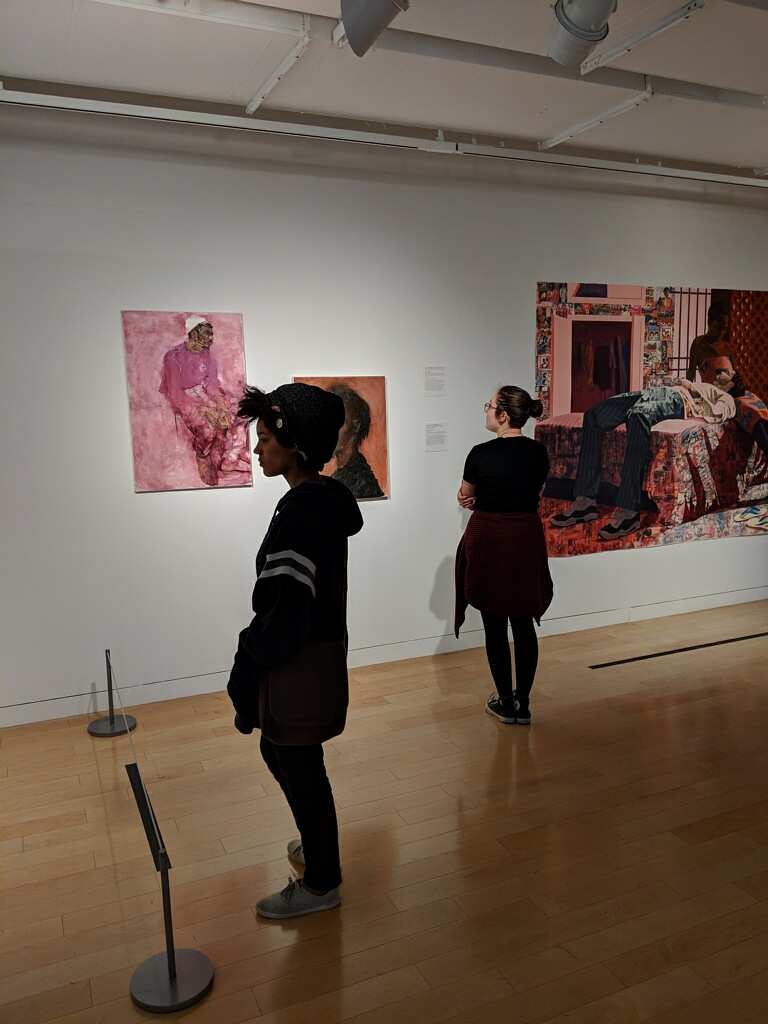
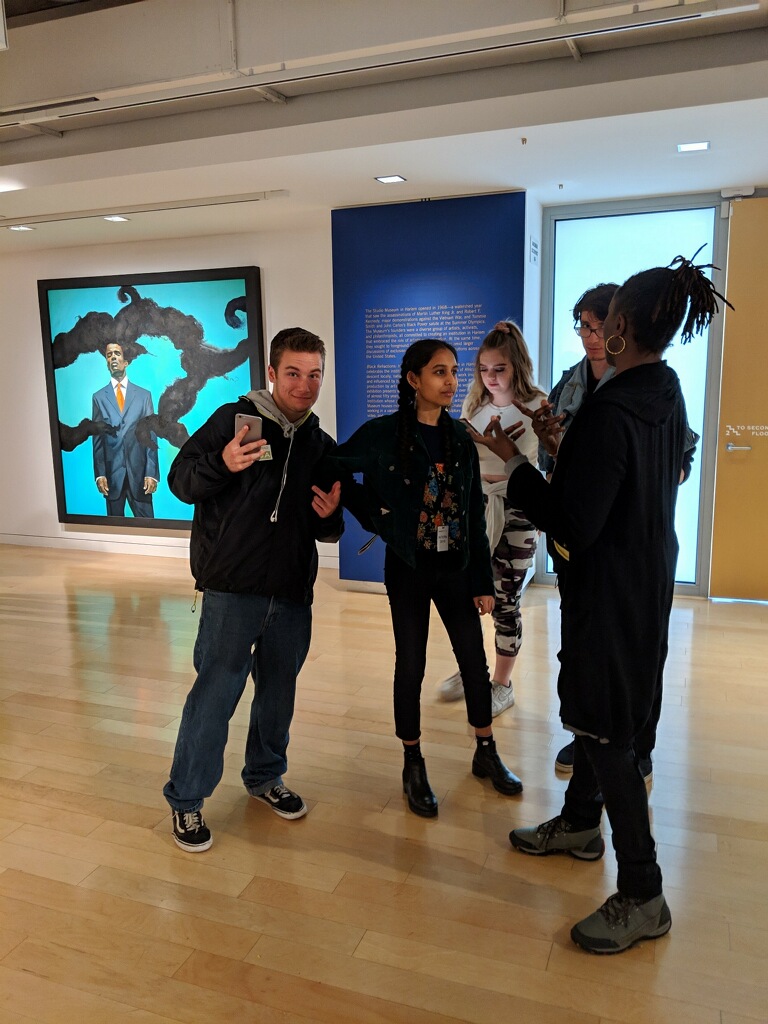
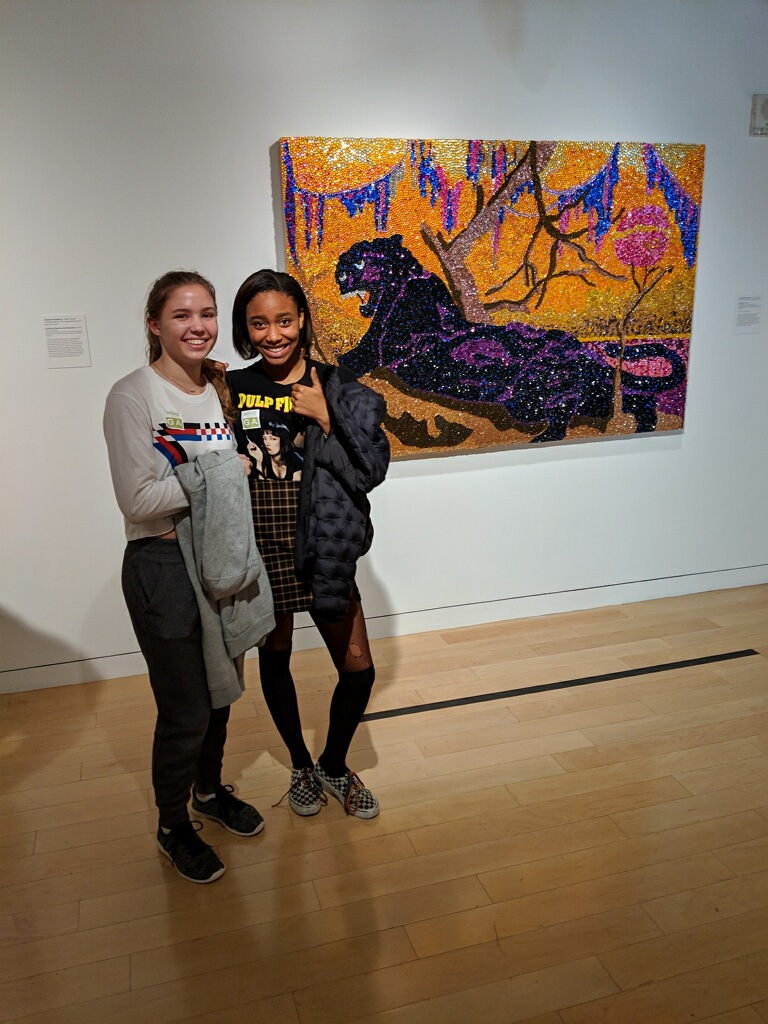
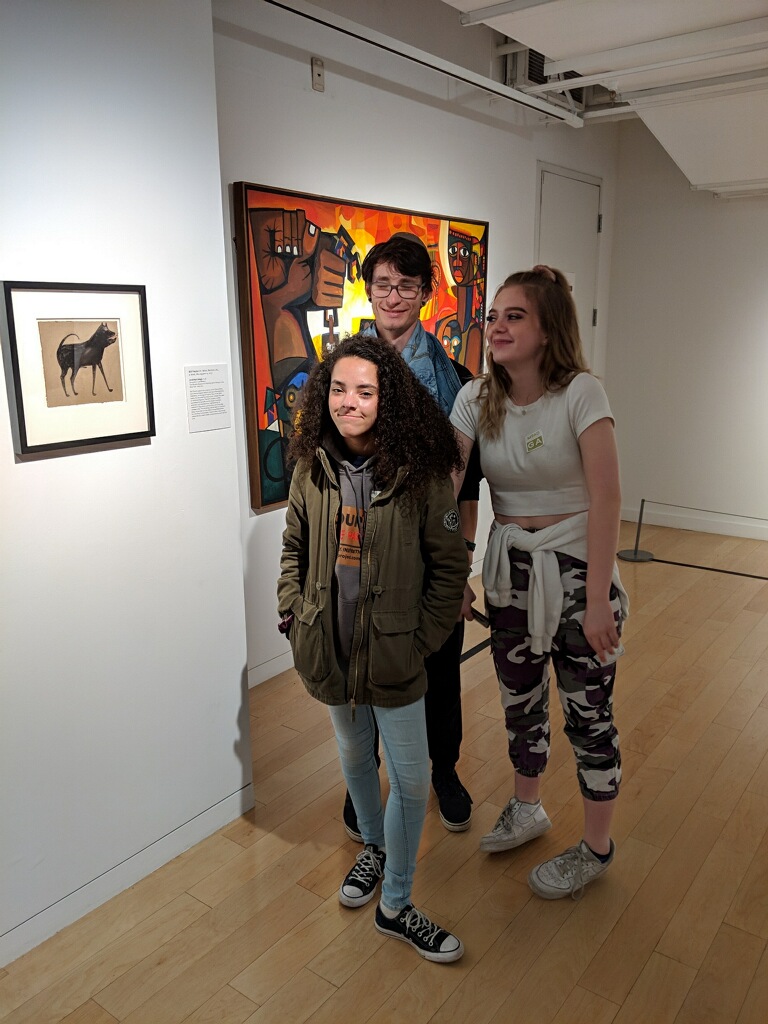
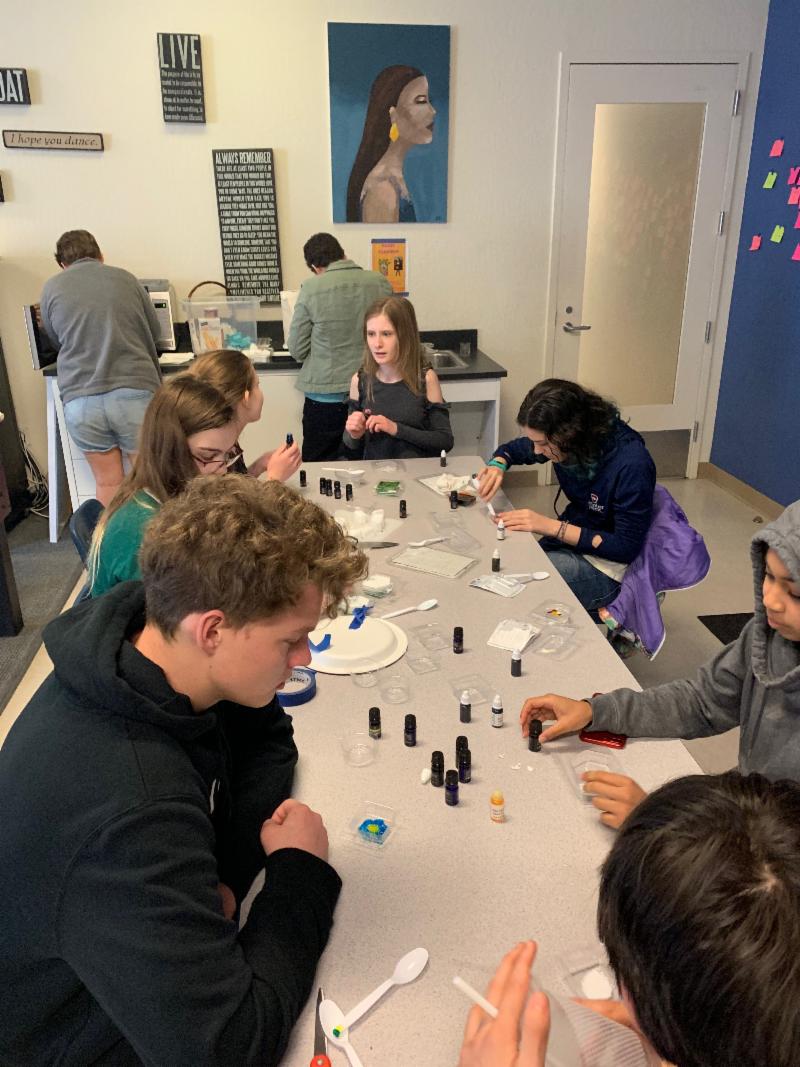
A few years ago we started having an "Intersession Week" the week before Spring Break to provide students with a chance to actively learn about a thought provoking subject that truly interests them. Last year some of the classes included "Horse Back Riding", "College Readiness", the International Trip, "Beginners Guitar", and "Improv." Each teacher has created 2 interactive, intriguing, and unique courses that they will be presenting to the student body in hopes of attracting students to sign up for their desired classes. Teachers will be teaching one to two extra curricular classes throughout the week, each class is for 2 hours 35 minutes (with an hour and 5 minute lunch) and there are 2 classes per day. The classes will be selected based solely upon overall student interests and students will be able to pick 2 classes of their choice that they'd like to partake in for the week.
The schedule for this week will look like this:
1st class (9am-11:35am)
Lunch (11:35am-12:40pm)
2nd class (12:40pm-3:15pm)
Defuntland: Taught by Mr. Howard
What: An exploration of failed ventures of companies like Disney, Nickelodeon, and other organized entities that pursued theme parks or large entertainment projects. The goal of the exploration is to understand how and why these ventures failed as well as discuss how these projects could have succeeded.
How: Students will open each day by discussing what they know about the companies and/or properties in focus for the day. Next, students will watch a few videos and listen to a few podcasts dedicated to understanding why the project in focus failed. Afterwards, students and the teacher will briefly sketch their own understandings for why each venture failed, collaborating together in a larger class discussion to pitch their ideas for what would’ve made the venture succeed.
Disney) Florida Project and Failure of Full Realized Community Plan
Disney) Fantasia and Dumbo: Art v. Money
Disney and Pixar) How CEO Choice Broke Disney Animation
Disney Parks) Failure of EuroDisney v. Success of Tokyo Disney
Disney Parks) Defunct Rides and Failed Visions
Important Cinema: Taught by Mr. Howard
What: Students will watch films important to cinema in general and American culture specifically. This exploration will be aided by didactic medias and discussions intended to set-up students for understanding why these films are important and what connections they have to current cultural Zeitgeist.
How: We’ll watch three-to-four films as well as watch a few videos that explain the context in which the movie was shot and why it’s important. During films, we’ll pause and discuss the importance of scenes, themes, or any other elements worthy of discussion as well as talk about connections or allusions found in more contemporary work. The overall goal is to build cultural currency for students and allow them to better understand the visual landscape of films in a more critical way.
Citizen Kane
Space Odyssey 2001
Raiders of the Lost Ark
Groundhog Day
(the last two films are not concrete choices)
Paint With Me: Taught by Tiffany Seagrave
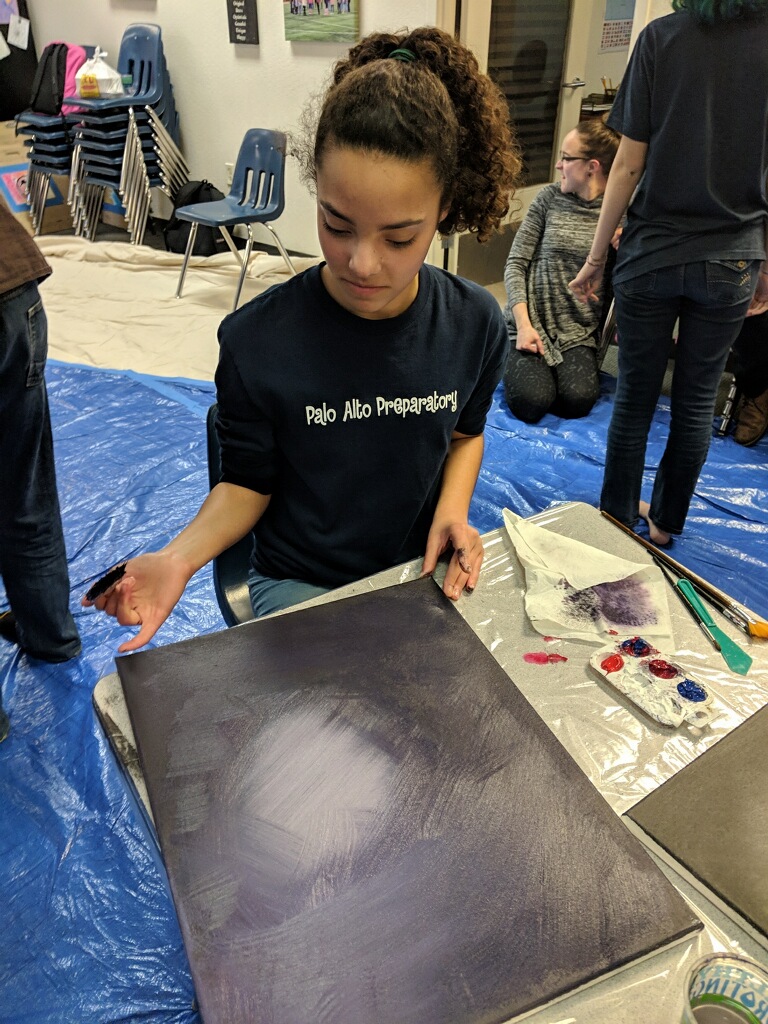
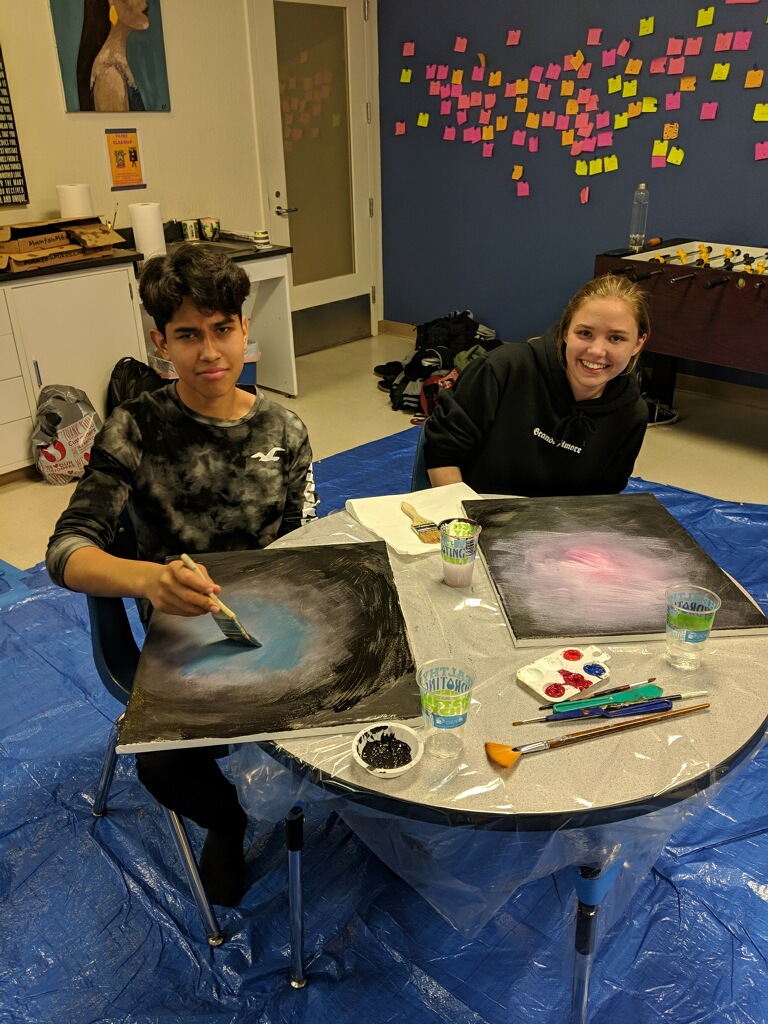
Paint With Me will be an interactive class where we will work on different paintings each day. I will model painting a simple composition, while students follow along with me on their own canvas. There will be opportunities for students to take the composition further by adding in their own creative interpretations on the painting. Paint With Me will be a great opportunity for beginning and experienced painters alike to have fun while playing with acrylic paint.
Mural Painting: Taught by Tiffany Seagrave
In the Mural Painting class myself and a small group of students will create a new mural for the back of the school. We will work together to cover the previous mural, plan a new design that represents Palo Alto Preparatory, and paint our new composition. If you have experience drawing or painting and are interested in getting your hands (and possibly clothes) covered in paint while you practice creating art on a large scale, this class is for you.
Biotech: Taught by Hanza Mathew
Take your first step into the exciting field of biotechnology with this course offering hands-on labs.
Learn proper science lab techniques and their uses in the modern biotechnology lab setting. Practice using micro pipets, conduct dna gel electrophoresis, analyze gel results, cut bacterial plasmid dna using restriction enzymes and create a mutant bacterial strain. Bioethical issues relating to this new technology will be discussed. Additionally, you will learn to prepare reagents in specific molarity and conduct some chemical reactions.
Everything Harry Potter: Taught by Hanza Mathew
Take heart, young muggles. Hogwarts School of Witchcraft and Wizardry may not send you a letter of acceptance. But you can attend a magical week of
All things Harry Potter
at PAP. We will briefly analyze each book and hold discussions on social issues using events described in the series. For example, a closer look at the treatment of house elves and muggle-borns in the wizarding world could segue into a discussion about social class, race, and gender in modern muggle times. Dress in your favorite house dress robes or as your favorite character for a week of character analyses, wizarding activities and crafts, taste Harry’s favorite treats and play trivia games related to Potter lore.
"The Good Place" and Moral Philosophy: Taught by Mr. Fryer
Ethics concerns the rightness or wrongness of action, the virtue or vice of character, and general matters of good and evil and how we might respond to good and evil.
This brief course will consist of two parts.
First is descriptive ethics: this consists in the study of what persons (or societies) actually believe or act on, in terms of right and wrong, virtue and vice, goodness and badness. The participants in this brief course will examine some moral questions and decide its merits.
Next is evaluative ethics: this is the inquiry into what should be evaluated as right or wrong, virtue or vice, good or bad. Participants in this course will view episodes from the show “The Good Place” and apply their understanding of a particular ethical question to episodes of the show.
Ethics is inescapable. It is difficult, if not impossible, to imagine a society in which there are not codes of conduct, ways of assessing what is desirable or healthy and undesirable or unhealthy. Even if such codes are thought of as mere means of survival, there will still be implicit commitments to what is good or bad: food and water (in proportion) is good for persons, deprivation of either will lead to damage and dissolution. The study ethics will give you the opportunity to carefully reflect on the values that shape your life, think about whether the values in your society are wise or foolish, expand your awareness of the values of other persons.
The study of ethics should also lead one to develop skills in articulating your own values, to provide others with reasons for your actions and give you the means of questioning the values of others.
History of Metal: Taught by Mr. Fryer
From Wikipedia: Heavy Metal is a genre of rock music that emerged from the United Kingdom in the late 1960s and early 1970s. Heavy Metal is traditionally characterized by loud distorted guitars, emphatic rhythms, dense bass-and-drum sound, and vigorous vocals. Metal subgenres variously emphasize, alter, or omit one or more of these attributes.
Well, I suppose that's a good start. But what does all of that mean? In short, Heavy Metal is a form of rock music in which the direct influence of the blues is absent. Think of it as rock music inspired by rock music, or the second generation/evolution of rock music. Yet, that simplistic definition doesn't even begin to scratch the surface of what defines Heavy Metal. Over the past forty years, the world has witnessed heavy metal's transformation from a genre of popular music into a global phenomenon and universally recognizable subculture.
So, what is Heavy Metal? That's a loaded question. Simply put, Heavy Metal is an ever-evolving genre of popular music and culture beholden to a fanaticism reminiscent of religious devotion. That, and double-bass.
Not a Metallurgy course! This crash-course comes at you in full force and will have you head banging, air guitaring, and devil horn raising in no time! Learn everything you ever wanted to know about Heavy Metal, and why you might already be a metalhead and not even know it.
We'll look at metal cultures, explore the fringes of the most extreme forms of metal, and, of course, listen to some SCREAMING HEAVY METAL! This is guaranteed to be the most BRUTAL class ever offered!
WARNING: This series most definitely goes to 11! Earplugs optional.
Discover Chess: Taught by Joe Cannon
Parents think they’re so smart. Learn some chess. Prove them wrong. Whatever videogame you’ve been playing recently will be boring in two years and you won’t even miss it. Chess has ignited minds for 1500 years and with good reason. It’s the greatest strategy game of all time. Young people continue to innovate and excel at chess, leaving the older generation in the dust. Learn how to pin, skewer, fork, and zwischenzug, showing your parents that their time as head of the household has come and gone. All abilities welcome.
Dungeons and Dragons: Taught by Joe Cannon
You awaken with a throbbing pain in your skull. Rubbing it with your gnomish hands, you look around to find you are surrounded by a score of wounded members of the King’s Guard. What happened here, and what will you do next? Dungeons and Dragons is a cooperative storytelling experience with over 40 years of tradition. Find out what it really means to play a sandbox roleplaying game. Design diabolical traps, write meaningful characters, and act out dramatic moments. Fans of acting, storytelling, cooperative strategy, and statistics are called to save the kingdom from certain doom with creative problem-solving and immersion.
Coding: "Python": Taught by Julia Ziac
Hello World! Are you curious about computer programming? Have you coded before but not in Python? Have you coded in Python but just want to learn more!? Then “Coding: Python” is the Intercession class for you! Join Julia Z each day to learn how to code in Python. We will start at the very beginning, by learning how to set up your programming environment on your laptop, then we will learn basic programming concepts and Python syntax. By the end of the week you will be able to generate digital graphics using Python.
Crochet and Garment Design: Taught by Julia Ziac
Are you looking for a relaxing, productive, and life-long hobby? Crochet might be the right thing for you! In “Crochet & Garment Design” we will explore crochet through the lens of garment design. We will start at the very beginning, learning about the tools used in crochet, how to do basic crochet stitches, and how to understand the schematics of a crochet pattern. By the end of the week you will have created your very own crochet piece!
Cooking: Taught by Mr. Costa
Calling All Food Enthusiasts!
You can't live off McDonald's alone: Do the culinary arts interest you? Do you enjoy the good company that comes with good eats? If you answered yes to either of these, then this class is for you! In four classes we will explore simple yet satisfying meals that you can make and enjoy. Meals for breakfast, lunch, and dinner will be taught. Our last day will be party foods and beverages.... Something better than a bag of Cheetos and a Dr. Pepper. As a bonus, we will be able to eat the food we create. If you have food allergies, please let Mr. Costa or Sra. Julia know well beforehand so that those may be avoided.
Join in!! Let’s have some fun cooking!!!
Gardening: Taught by Mr. Costa
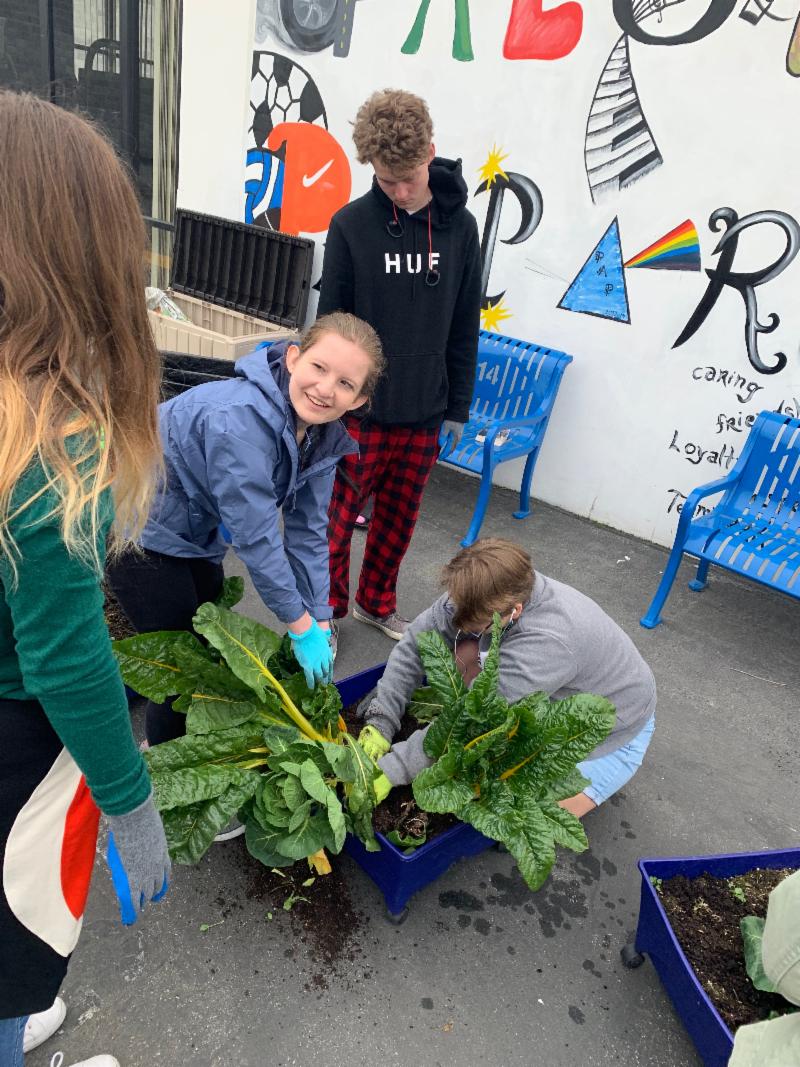
Hey PAP students! If you interested in making our school brighter and richer, by growing flowers and vegetables, then join the “Intersession Gardening Class”!
After planning and preparation, the excitement builds to the day when everyone can really “dig in” and get their hands dirty. Watching the garden design magically come to life sparks curiosity and amazement in both youth and adult participants. Although planting involves a lot of hard work, gardeners are usually too captivated by the activity to notice.
In this class we will offer some planting basics and tips for garden installation. It is important to remember that our focus is on creating an educational tool, and planting will be just be a part of the learning process. Planting day should be the culmination of a fun and rewarding experience!
Join in!! Let’s have some fun gardening!!!
Stained Glass: Taught by James Donald
In this fun and hands-on introductory course, students will learn the basics of stained glass art. We will cover everything from planning, glass cutting techniques and shaping, to wrapping each piece with copper foil and finally fitting all the pieces together with solder. The pieces can be then mounted in a simple frame to hang from your window. Students are welcome to take their finished piece(s) home with them.
Intro to Graphic Design: Taught by James Donald
Through visual examples and hands on activities, this course will teach students the fundamental principles of graphic design; the foundational skills that are common in all areas of the practice. By the end of the week students will have learned how to explore and investigate visual representation through a range of image-making techniques; understand basic principles of working with shape, color and pattern; been exposed to the language and skills of typography; and understand and have applied the principles of composition and visual contrast. Graphic design is all about good communication, and this course will offer students lots of opportunities to get their hands dirty with exercises and with more practical projects to get their (or someone else’s) idea across in a fun and meaningful way.
Music Theory: Taught by Julia Airapetyan
This course will introduce you to the theory of music, providing you with the skills needed to read and write music notation, as well as to understand, analyze, and listen informedly. It will cover material such as pitches and scales, intervals, clefs, rhythm, form, meter, phrases and cadences, and basic harmony.
We will also attempt to create some original compositions using GarageBand or Fruityloops (FL Studio), which are free online platforms.
Calligraphy: Taught by Julia Airapetyan
I will introduce you to the basic calligraphy alphabet and teach you beginner techniques you can use to practice making letter forms. You’ll learn about the tools and materials every calligrapher needs and how to hold and use the pen, starting with basic strokes.
Then we will create some projects where we can apply our new skills, such as artistic envelopes, placeholders, logos, invitations, gift tags, wall art, and personalized greeting cards, and perhaps we might use our calligraphy on other materials such as a personalized mug, lettered vases, or on pots for herb starters.