|
Dear Parent,
This month’s topic is panic disorder.
Watching your teen or young adult suffer through a panic attack can be terrifying. You can almost feel their heart pounding as you watch them tremble, lose their breath, or any of a dozen different reactions a child may have. The child themself may feel they are going crazy. It is an unparalleled challenge for a parent.
It’s tough to be prepared for a panic attack since they happen so suddenly. However, having strategies ready for when an attack begins can be your best defense. Let’s learn how to cope with an attack and support your child in these most difficult of moments.
| |
|
Types of Anxiety Defined
Panic Disorder
| |
|
Panic disorder is characterized by sudden, repeated episodes of intense fear or discomfort, often with physical symptoms like chest pain, shortness of breath, dizziness, or a racing heart. A first panic attack may result in a trip to the emergency room, as symptoms may mimic a heart attack.
The causes of panic disorder are not fully understood, but they may be more prevalent for teens and young adults who are already coping with anxiety.
Panic attacks differ from typical anxiety attacks in that they happen repeatedly and impact daily functioning. If you suspect your teen or young adult is dealing with panic disorder – panic attacks that are frequent, unexpected, and have no clear or consistent trigger – it is critical to seek out a mental health professional.
| |
|
Panic disorder is typically treated with a combination of cognitive-behavioral therapy, exposure response prevention, and medication. Exposure response prevention (ERP) reduces anxiety by gradually confronting fears in a controlled environment. ERP can break the cycle of avoidance if your child is steering clear of situations and places they fear might trigger an attack.
Grounding and relaxation techniques, which can be learned in therapy and practiced at home, can significantly reduce the severity of, or possibly even prevent, the next attack. Techniques include deep breathing, mindfulness, and progressive muscle relaxation.
Finally, work as a team. Collaborating with your therapist and school counselors will ensure that everyone can help manage a panic attack if it happens.
| |
|
Insight from
a Professional
| |
|
|
Here are ways to model and support healthy self-care practices for your child:
- Panic Disorder is characterized by unexpected and repeated episodes of intense fear and is often accompanied by physical symptoms including shortness of breath, dizziness, and rapid heartbeat. Panic attacks can feel very scary, so it is important to assure the child that they are safe during a panic attack and that the panic symptoms will pass.
- Parents can assist children in managing the physical symptoms of panic by helping them slow their breathing while using grounding exercises to calm the nervous system. An example of a grounding exercise is below.
For the Teen or Young Adult:
Don’t get caught unprepared for a panic attack. Have the following strategies ready for when a panic attack happens.
Ground yourself:
- If you are home, grab an ice cube and squeeze it hard. Feeling the cold sensation in your hand may break the attack just long enough for you to to look around and recognize that you are in a safe place. Identify tangible objects around you.
-
At school, identify tangible objects around you. Note the desk, the windows, the books and a schoolmate. Anything that will remind you of where you are at the moment and bring back the feeling of being safe in a familiar environment.
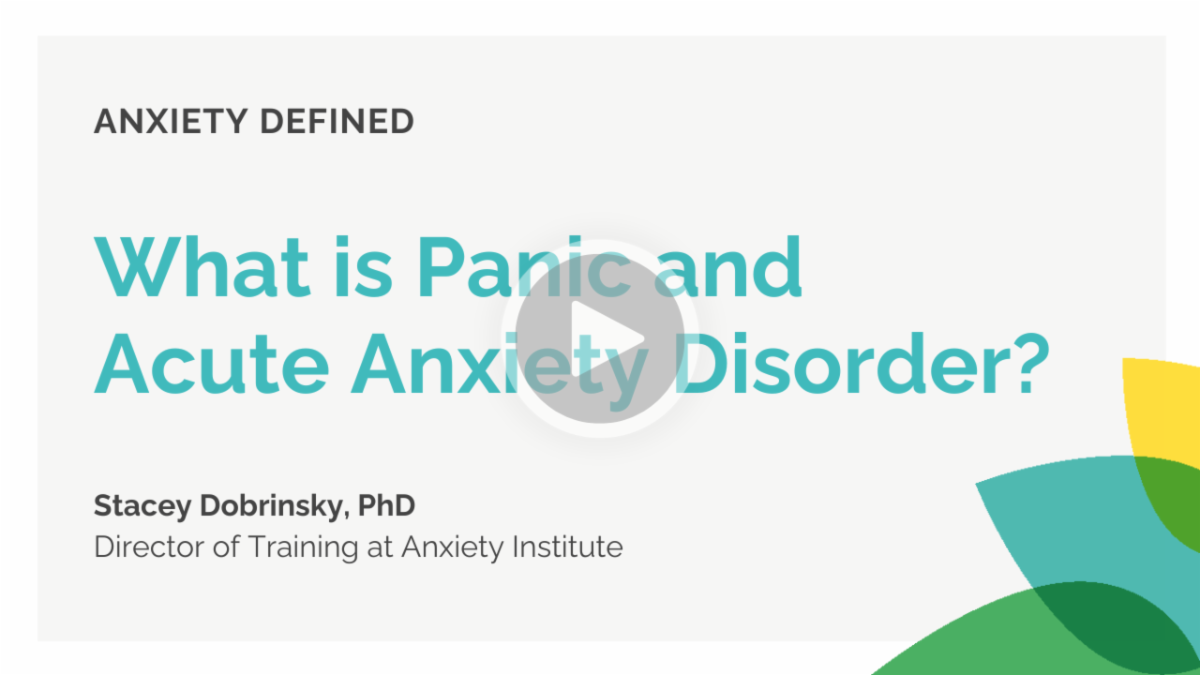
Here is a link to a video to watch either before, during, or after an attack. It will ground you.
|
|
|
Further Reading
-
Psychology Today gives a complete description of the causes, symptoms and treatment of panic disorder.
-
Read this quick overview of the difference between a panic attack and an anxiety attack by Case Western’s Cleveland Clinic.
-
Consult Anxiety Institute’s page describing panic and acute anxiety and how to treat it.
-
Watch how this Australian weatherman confronts his panic attack live on air!
| |
|
A Note from our Director
Supporting a teen or young adult with panic disorder requires understanding, patience, and access to the right resources. By staying informed and seeking appropriate professional help, you can play a crucial role in helping your child manage their anxiety and improve their quality of life.
As the old saying goes, “Keep calm and carry on.” Assure your child that the attack will pass, the symptoms will pass, and that you and they are safe together.
| | |
|
Dina
Nunziato, PhD
Chief Clinical Officer
| | |
|
Essential Tips for a Smooth Transition to the School Year | |
Wednesday, September 25, 2024, 7:00-8:00pm ET
Online via Zoom, Free
Presenter
Emily Cannon, Director of Executive Functioning and Special Education Services & Jessica Gorlin, Director of Community Outreach and Partnerships, Private Prep,
| | |
|
|
Wednesday, October 23, 2024, 7:00-8:00pm ET Online via Zoom, Free
Presenter
Jayne Demsky, Founder of School Avoidance Alliance & Dina Nunziato, PhD, Chief Clinical Director Anxiety Institute
| | |
|
|
Wednesday, October 23, 2024, 7:00-8:00pm ET
Online via Zoom, Free
Presenter
Melissa Bildner, ADHD & Executive Function Parent Coach,
| |
|
Dr. Andrew Barile is a Clinical Supervisor at Anxiety Institute’s Greenwich, CT office. Andrew knows the importance of treating the whole family, not just the child. Andrew’s specialties include treating children and their families with anxiety disorders, mood disorders, and trauma. Using cognitive behavioral therapy, exposure response prevention, acceptance and commitment therapy, and compassion-focused care, he alleviates negative coping strategies and increases positive social-emotional outcomes.
Learn more about Andrew
| |
|
|
For clinical questions or referrals,
please contact our Clinical Outreach Specialists:
| |
|
Anxiety Institute is a clinical research center specializing in acute anxiety disorders that uses advanced, proven techniques while nurturing the patient in their local home environment. Utilizing the most up-to-date, evidence-based treatments, our intensive services focus on treating teens and young adults, while coaching the parents who guide them. Locations in Madison, NJ; Greenwich, CT; and McLean, VA.
anxietyinstitute.com
| | | | |