|
Dear Brothers & Sisters in Christ,
First, I would like to invite you to look at the redesigned parish website. Our website not only looks updated in graphical terms, it is also updated with active links to call the parish, to send a message to the parish, and to navigate to the parish geographical location. And other technical issues are solved like compatibility with mobile devices, i.e. with small displays. Whenever you use the smartphone, or tablet, or desktop with a big display, all website content and functionality is available. If you have any constructive comments, please let me know. If you find any errors or any info which is missing from our parish website, please do the same.
Second, in our liturgical readings we hear many times about Pharisees and Sadducees. Let us look closer at these two groups for better understanding of the scripture.
Pharisees and Sadducees were two major Jewish religious and political groups active during the Second Temple period, especially in the centuries leading up to and including the time of Jesus (roughly 2nd century BCE to 1st century CE). They appear frequently in the New Testament and in the writings of the Jewish historian Josephus.
They shared a commitment to the Torah (the Law of Moses) and held seats in the Sanhedrin (the Jewish ruling council), but they differed sharply in social background, theology, interpretation of Scripture, and power base.
-
Pharisees (from Hebrew perushim, “separated ones”) emphasized personal piety, ritual purity in everyday life, and applying priestly standards more broadly. They were not primarily priests but teachers. Notable Pharisees in the New Testament include Nicodemus, Gamaliel, and Paul (before his conversion). Their acceptance of oral tradition and belief in resurrection made their system adaptable after the Temple’s destruction.
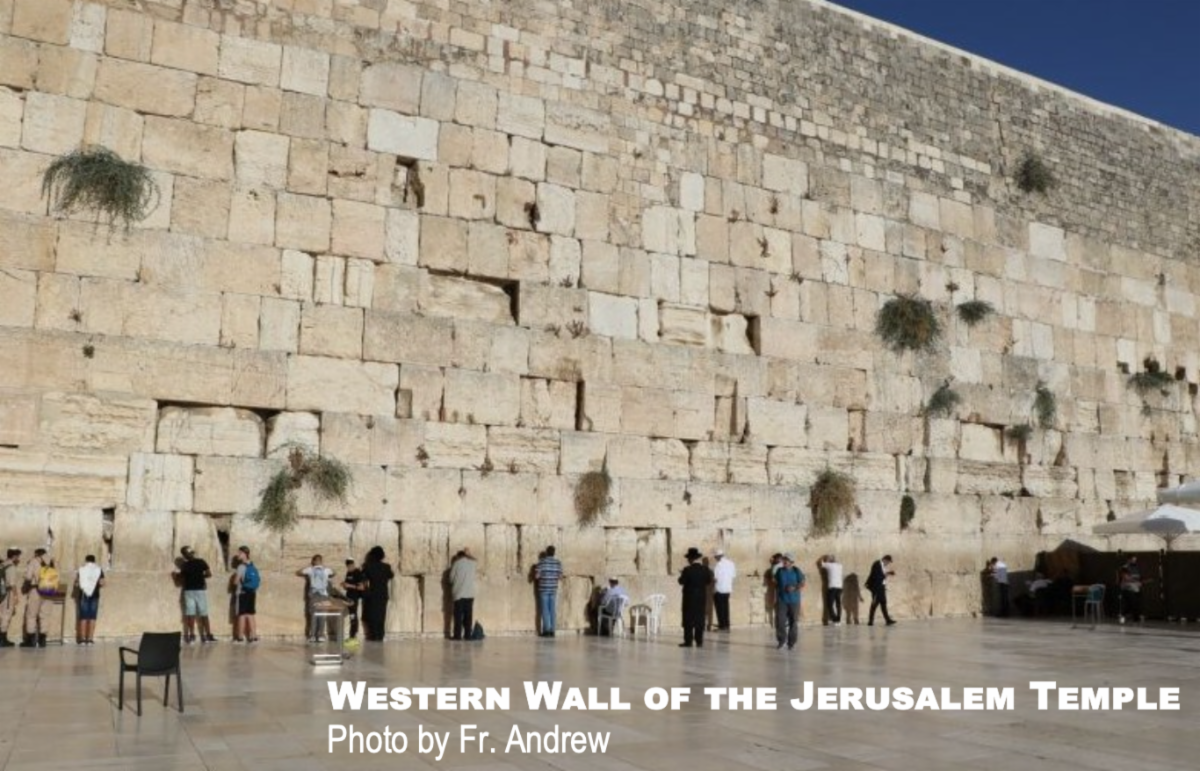
- Sadducees (possibly linked to Zadok, a high priest under David/Solomon) controlled the Temple priesthood and high priesthood for much of the period. They were fewer in number, elitist, and focused on Temple ritual and literal readings of the written Law. Because their power and identity were tied to the Temple, they largely vanished after the Romans destroyed it in 70 CE.
Jesus and the early Christians interacted with (and often criticized) both groups. The Books of the Gospel record debates with Pharisees over issues such as Sabbath observance, purity laws, and oral traditions, and with Sadducees over the resurrection (e.g., Matthew 22:23–33). In Acts 23, Paul deliberately highlights the resurrection to divide the Sanhedrin, knowing Pharisees and Sadducees disagreed on it.
In short: the Pharisees were the more popular, tradition-oriented, and spiritually expansive group whose teachings shaped later Judaism; the Sadducees were the aristocratic, Temple-centered literalists who rejected key supernatural beliefs and faded from history after 70 CE.
Have a beautiful Sunday, and may God bless you every day of the week!
Father Andrew, Pastor
|